In recent years, LGBTQ+ rights have become a vital topic of discussion worldwide, and Belize is no exception. While this beautiful Central American country is celebrated for its stunning beaches and rich cultural heritage, questions about the legality of gay marriage and the rights of the LGBTQ+ community remain pressing concerns for locals and visitors alike. Understanding the legal landscape surrounding same-sex unions in Belize is not just about legal recognition; it’s about fostering inclusivity and acceptance in a society that is still navigating these important social issues. As you explore the journey toward equality in Belize, you will uncover the challenges faced by the LGBTQ+ community and the strides being made towards a more inclusive future. Join us as we delve into the complexities of LGBTQ+ rights in Belize and discover what this means for you, whether you’re planning a visit or contemplating a new home.
Understanding the Legal Status of Gay Marriage in Belize
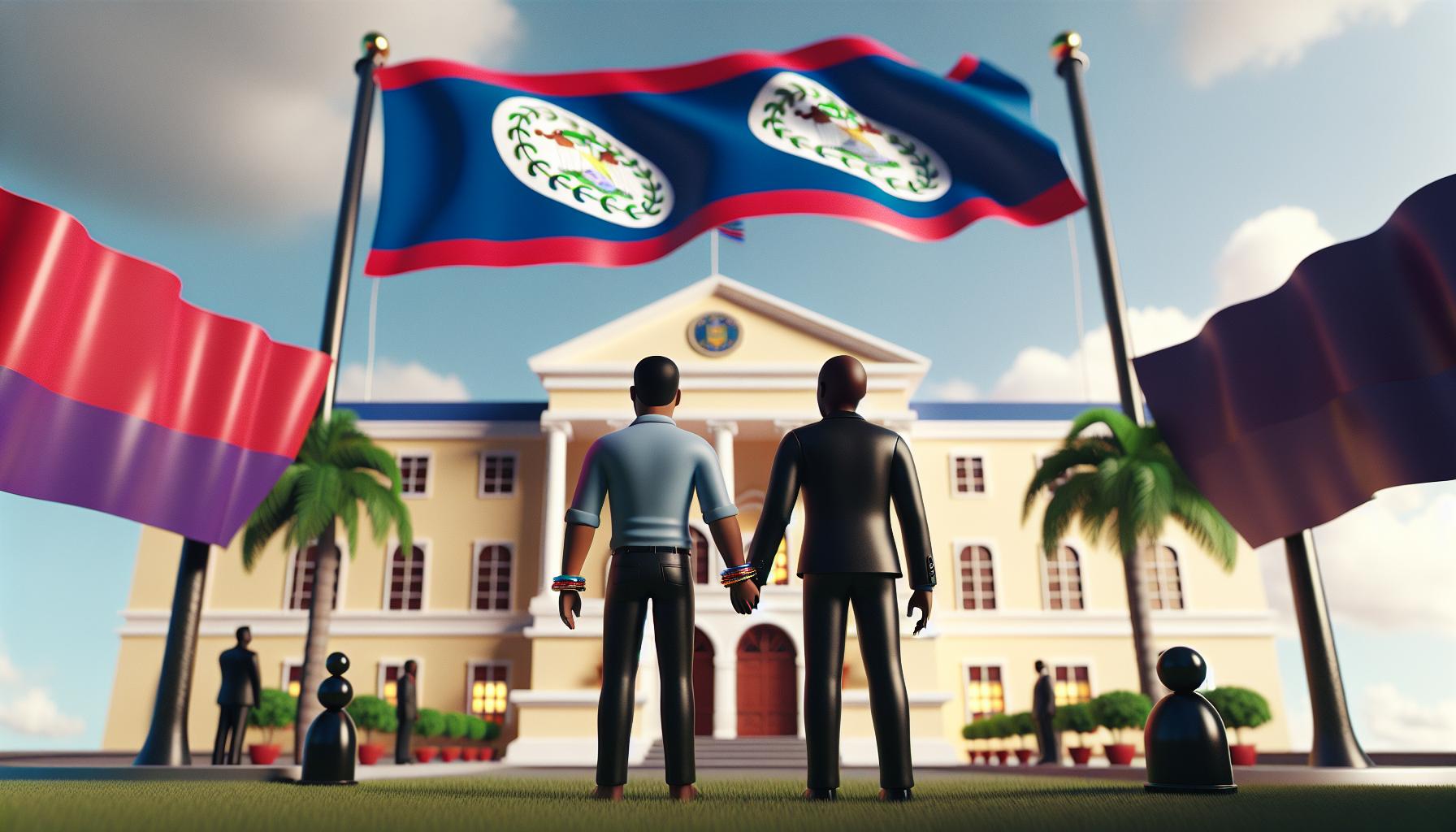
The legal status of gay marriage in Belize is firmly defined by the country’s laws, which do not currently recognize same-sex marriage. Despite various global shifts towards LGBTQ+ rights, Belize lags in this aspect, firmly adhering to traditional values influenced by its colonial past. In Belize, the Constitution does not recognize same-sex unions, and Section 53 of the Belize Criminal Code criminalized consensual same-sex relationships, thereby making it challenging for LGBTQ+ individuals to assert their rights in the realm of marriage.
Efforts toward changing this status have been met with resistance and have sparked debates within Belizean society. The absence of legal recognition for same-sex marriages means that same-sex couples cannot access the same legal protections and benefits afforded to heterosexual couples.
However, there have been significant movements and discussions surrounding LGBTQ+ rights within the country. Activists and advocacy groups are tirelessly working to promote LGBTQ+ equality and challenge existing laws. For visitors or residents exploring these discussions, it’s important to engage with local LGBTQ+ organizations that can provide nuanced insights into the evolving landscape of rights and acceptance.
While traveling to Belize, it’s vital for LGBTQ+ visitors to navigate the cultural climate with awareness. By respecting local customs and understanding the prevailing social attitudes, travelers can foster positive interactions while exploring the region’s vibrant culture and natural beauty.
The Historical Context of LGBTQ+ Rights in Belize
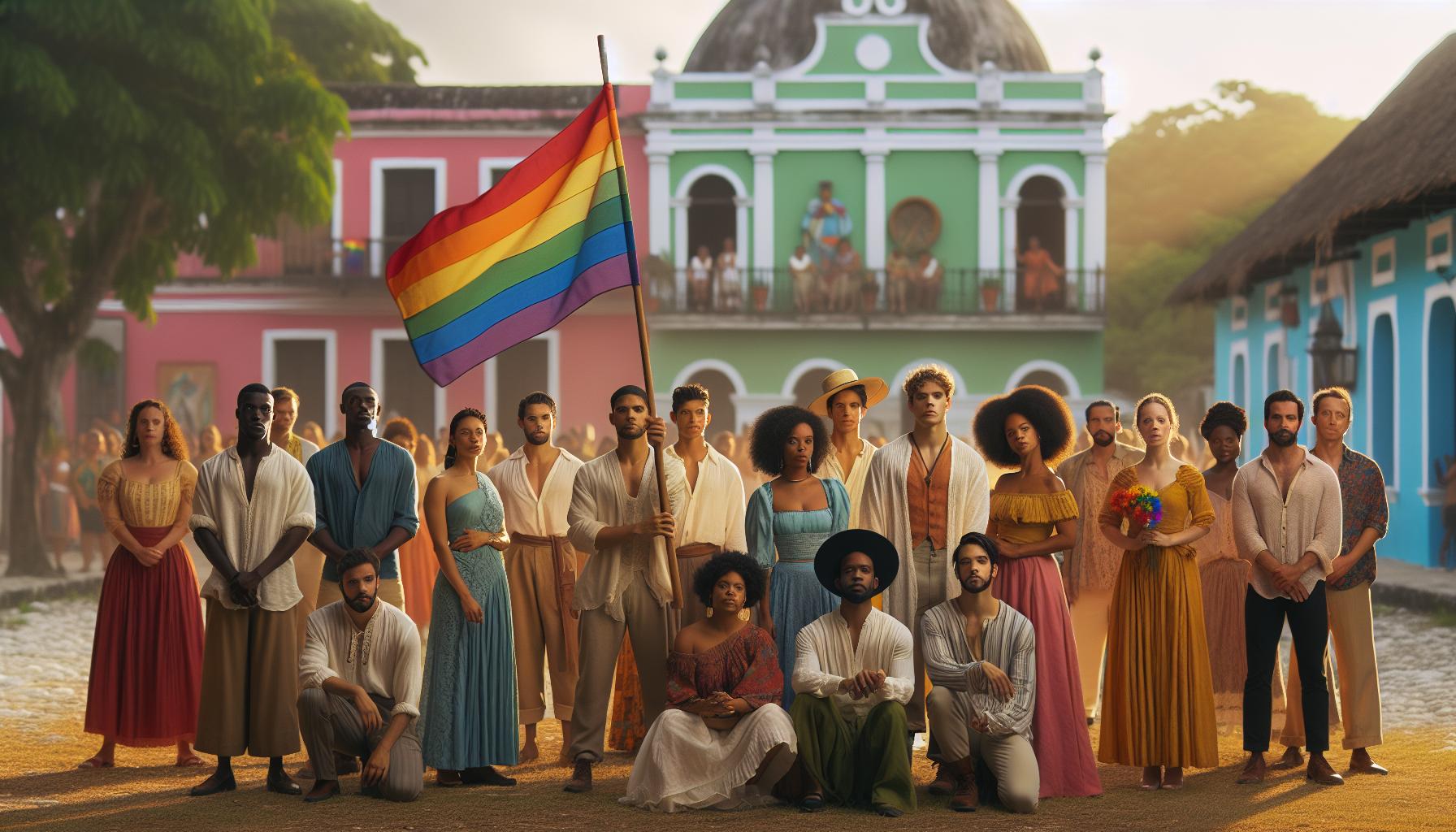
The journey of LGBTQ+ rights in Belize unfolds against a backdrop of cultural richness and historical complexity, where colonial legacies continue to influence contemporary values. For centuries, Belize has been characterized by a blend of cultures – from the ancient Maya civilization to Creole, Garifuna, and Mestizo populations – each contributing to the nation’s unique identity. However, these diverse influences have also contributed to the prevailing conservatism regarding sexual orientation and gender identity.
Historically, the legal framework surrounding LGBTQ+ rights in Belize has been tied to remnants of British colonial rule. Under colonial law, same-sex sexual activity was criminalized, and this continued even after Belize gained independence in 1981. The anti-sodomy laws, notably Section 53 of the Belize Criminal Code, remain in place, criminalizing consensual same-sex relationships. This legal backdrop has fostered an environment where LGBTQ+ individuals often face societal stigma and discrimination, limiting their personal freedoms.
Despite these challenges, the seeds of change have been planted over the last few decades. Activism began to gain momentum in the early 2000s, driven by local and international organizations advocating for human rights. Landmark legal cases challenging discriminatory laws have emerged, reflecting a growing awareness and push for equality within Belize’s communities. While resistance remains strong among conservative factions, especially within certain religious groups, the voices advocating for LGBTQ+ rights are becoming increasingly prominent, signaling a potential shift in societal attitudes.
It’s essential to recognize how these historical dynamics shape the experiences of LGBTQ+ individuals today. Many navigate a society that is still grappling with acceptance while simultaneously presenting rich opportunities for advocacy and change. Engaging with local organizations and understanding the historical context can provide critical insights for both residents and visitors to Belize, fostering a deeper appreciation for the diverse narratives that coexist within this vibrant, yet complex, cultural landscape.
Key Legal Developments Affecting LGBTQ+ Rights
Belize’s legal landscape regarding LGBTQ+ rights is deeply intertwined with its colonial history and the lingering effects of traditional norms, making it a focal point for ongoing debate and activism. One significant legal milestone occurred in 2016 when the Belize Supreme Court decriminalized consensual same-sex relationships by striking down Section 53 of the Criminal Code, which criminalized “carnal intercourse against the order of nature.” This landmark ruling was the result of a constitutional challenge led by Caleb Orozco, a prominent LGBTQ+ activist, marking a pivotal moment in the fight for human rights in Belize.
Despite this progress, Belizean law does not currently recognize same-sex marriage or similar legal unions, leaving LGBTQ+ couples without the legal protections and rights afforded to heterosexual marriages. The government has expressed resistance to initiatives that promote marriage equality, often citing cultural and religious beliefs that influence public sentiment. As such, while there has been advancement in the decriminalization of same-sex relationships, broader rights and protections remain exceedingly limited.
Advocacy groups continue to play a crucial role in pushing for further legal reforms and societal acceptance. Organizations such as the United Belize Advocacy Movement (UNIBAM) are at the forefront of these efforts, working to educate the public, challenge discriminatory laws, and provide support networks for LGBTQ+ individuals. Their activism highlights the ongoing need for legal reform, including the establishment of anti-discrimination laws and the recognition of same-sex relationships, which are vital for creating a safe and inclusive environment for all Belizeans.
Ultimately, the legal developments affecting LGBTQ+ rights in Belize serve as a reminder of the evolving nature of justice and acceptance. The journey toward equality is marked by both triumphs and tribulations, reflecting the broader global struggle for LGBTQ+ rights. As Belize grapples with its cultural heritage while embracing change, the future of LGBTQ+ rights holds the potential for both societal transformation and enhanced legal protections. The path may be fraught with challenges, but the resilience of advocates and the courage of individuals seeking acceptance shine brightly in this vibrant Central American nation.
Current LGBTQ+ Advocacy Groups and Their Impact
The landscape of LGBTQ+ advocacy in Belize is a vibrant tapestry woven from the efforts of dedicated individuals and organizations striving for equality and acceptance. Among the leading organizations is the United Belize Advocacy Movement (UNIBAM), which has been pivotal in challenging discriminatory laws and advocating for the rights of LGBTQ+ individuals in the country. UNIBAM’s tireless work encompasses community outreach, education, and policy advocacy, particularly focusing on the need for comprehensive anti-discrimination laws and the recognition of same-sex relationships. Through workshops and public engagement, they aim to shift social attitudes while supporting the LGBTQ+ community in navigating the challenges they face in their daily lives.
Additionally, the advocacy landscape features groups like the Belize Coalition of Non-Governmental Organizations (NGOs), which includes various stakeholders that amplify the voices of marginalized communities, including LGBTQ+ individuals. Their collaborative efforts help to connect activists, provide resources, and promote inclusivity within broader societal contexts. Notably, the efforts of these organizations are often underscored by campaigns that raise awareness during important observances such as International Day Against Homophobia, Biphobia, and Transphobia, further galvanizing public support and visibility for LGBTQ+ issues.
The impact of these advocacy groups goes beyond legal reform; they are exerting a transformative influence on public perception. By fostering dialogues about LGBTQ+ rights through educational programs, community events, and media outreach, they have facilitated a gradual but profound change in how LGBTQ+ individuals are viewed within the context of Belizean society. Personal stories shared during these initiatives highlight themes of love, resilience, and the quest for acceptance, making the case for why equality matters, not just for those directly affected, but for society as a whole.
As Belizean advocates continue to push boundaries, their work draws inspiration from regional and global movements for LGBTQ+ rights, creating a network of solidarity that underscores the universal demand for dignity and respect. The path towards tolerance and acceptance may still have its hurdles, but the growing presence of LGBTQ+ advocacy in Belize is a beacon of hope, signifying that change is both necessary and possible.
Social Attitudes Toward LGBTQ+ Individuals in Belize
In Belize, social attitudes toward LGBTQ+ individuals are a complex mix of cultural heritage, religious beliefs, and evolving perspectives. The nation, known for its rich biodiversity and stunning natural landscapes, is also home to a vibrant yet often challenged LGBTQ+ community. As it stands, conservative views about sexuality are prevalent, largely influenced by traditional norms and the predominance of religious values. This backdrop shapes the experiences of LGBTQ+ individuals, who often face stigmatization and discrimination.
However, change is on the horizon. Increased visibility and advocacy during public events have introduced strides in shifting social attitudes. For example, initiatives by organizations like UNIBAM (the United Belize Advocacy Movement) aim to educate the public about LGBTQ+ rights and issues, fostering a more open dialogue. Campaigns and community events, such as pride celebrations and awareness days, are becoming more common, creating spaces for LGBTQ+ voices and stories to be told. These efforts have begun to soften the perceptions held by many, challenging old stereotypes and empowering individuals to live more authentically.
The younger generation, in particular, seems to be more receptive and accepting. Many Belizean youths now advocate for equality and inclusivity, seeing LGBTQ+ rights as a fundamental aspect of human rights. This generational shift is crucial, as the acceptance of diverse sexual orientations and gender identities can lead to significant social change. Through education and increased public engagement, attitudes towards LGBTQ+ individuals are gradually evolving, as many begin to understand that love and respect should know no bounds.
Despite the positive strides, challenges remain. Discrimination still permeates many aspects of life, and LGBTQ+ individuals might experience marginalization, particularly in rural areas where traditional views are more entrenched. The essential work of local advocacy groups in promoting acceptance and policy reform cannot be overstated-they form a crucial lifeline for community support, forming networks that uplift marginalized voices. As public sentiment continues to shift, the hope is that Belize will embrace a future where LGBTQ+ individuals can thrive openly and without fear.
Travel Guidelines for LGBTQ+ Visitors to Belize
Traveling to Belize, a land of lush jungles, ancient Maya ruins, and stunning coral reefs, is an experience like no other. With its vibrant culture and welcoming communities, this small Central American nation offers unique adventures and breathtaking landscapes. For LGBTQ+ visitors, however, understanding local customs and navigating social attitudes is essential for an enriching experience. Here are some practical guidelines to ensure your trip to Belize is safe, enjoyable, and respectful.
Know the Legal Landscape
As of now, gay marriage is not legal in Belize, and while some progress has been made regarding the acceptance of LGBTQ+ rights, conservative views still persist in many areas. Visitors should be mindful of local laws and societal norms. Engaging in public displays of affection may lead to discomfort or unwanted attention, particularly in rural areas where traditional values dominate.
Embrace the Culture with Respect
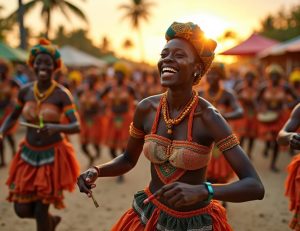
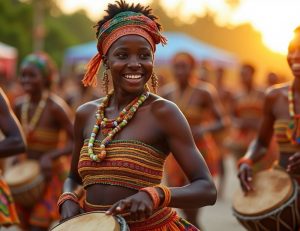
Belize is known for its rich cultural heritage, heavily influenced by Maya, Creole, Garifuna, and Mestizo traditions. Take the time to learn about the varied viewpoints and practices of these communities. Participating in local festivals, such as the colorful Garifuna Settlement Day or the lively National Garifuna Festival, can deepen your understanding of the culture. Respecting local customs and engaging with residents will enhance your travel experience and showcase your appreciation for their heritage.
Find LGBTQ+-Friendly Accommodations
Staying in welcoming places can significantly enhance your comfort. Many hotels and guesthouses in Belize City and along the cays are inclusive and supportive of LGBTQ+ travelers. Look for accommodations that promote a diverse clientele or are recommended by LGBTQ+ advocacy groups. Popular choices include:
- Belize City: The Radisson Fort George Hotel offers stunning waterfront views and is known for its inclusive environment.
- Ambergris Caye: Xanadu Island Resort is an eco-friendly option that champions diversity.
- Placencia: The Placencia Hotel is a luxurious beachfront resort that caters to all guests.
Transportation and Safety Tips
Public transportation in Belize can vary, with options ranging from buses to water taxis. Always opt for reputable services, especially at night. When traveling solo or in non-mixed-gender groups, consider prioritizing safety by avoiding less populated areas after dark. Engage in discussions about LGBTQ+ rights with fellow travelers or locals at bars or cafes that promote an inclusive atmosphere, ensuring you’re in a supportive environment.
Resources and Community Connections
Tap into local LGBTQ+ networks, such as UNIBAM, to find events or meetups during your stay. They can provide insights into safe spaces and community happenings, making your experience richer and more connected.
With stunning natural beauty and a growing movement toward inclusivity, Belize is gradually opening up to the diversity of its visitors. By preparing thoughtfully and respecting the local culture, LGBTQ+ travelers can enjoy an unforgettable adventure filled with warmth, acceptance, and exploration.
Understanding Belize’s Cultural Landscape and LGBTQ+ Acceptance
In the vibrant tapestry of Belizean culture, where ancient Maya temples rise majestically among the jungle canopies and the Caribbean Sea sparkles in the sun, the journey toward LGBTQ+ acceptance is evolving, albeit slowly. The dynamics of this Central American nation reflect a blend of cultures-Creole, Maya, Garifuna, and Mestizo-each adding layers of belief, tradition, and often conservative viewpoints that shape societal norms. While the lush landscapes and warm, friendly locals welcome travelers from across the globe, the path toward full acceptance and legal recognition for LGBTQ+ individuals remains fraught with challenges.
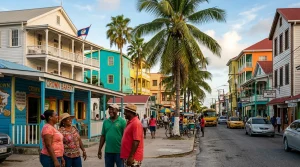
Belize’s cultural heritage is rich and varied, and it is essential for travelers to understand this complexity when engaging with the local community. Public expressions of affection, particularly between same-sex couples, may not always be received with the same warmth one might encounter in more progressive nations. In urban centers like Belize City, pockets of acceptance are growing, particularly among younger generations who are beginning to challenge traditional values. However, rural areas may still hold tightly to conservative ideologies, emphasizing the importance of navigating interactions with sensitivity and respect. Engaging in local festivals-like the Garifuna Settlement Day-can be a wonderful way to learn more about the diverse cultural elements at play while fostering a spirit of inclusivity.
Visitors are encouraged to seek LGBTQ+-friendly spaces within the country, which have been increasingly promoted by local advocacy groups. Establishments known for their support of diversity not only provide safe havens but also help further the dialogue around LGBTQ+ rights. Staying at inclusive accommodations can greatly enhance your travel experience, allowing for meaningful connections with like-minded individuals and locals. In addition, participation in community events organized by groups such as UNIBAM can open doors to treasured experiences that deepen your understanding of the local sentiment regarding LGBTQ+ issues.
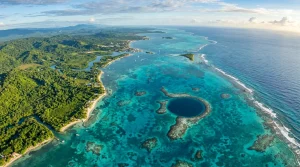
Understanding Belize’s cultural landscape is essential for navigating its complex societal norms, especially for LGBTQ+ travelers. By approaching encounters with an open heart and a willingness to learn, visitors can contribute to a more inclusive future while enjoying the breathtaking natural beauty that Belize offers, from the cascading waterfalls of the jungle to the serene views of the Great Blue Hole. Each experience becomes a thread in the broader narrative of both personal growth and the ongoing journey toward acceptance within this beautiful Caribbean nation.
Available Resources for LGBTQ+ Residents in Belize
In a country as rich in culture and natural beauty as Belize, it’s important for LGBTQ+ residents and visitors to be aware of the resources available to them. Though progress towards full legal equality is still underway, several organizations are dedicated to fostering a supportive environment for the LGBTQ+ community. These resources provide crucial support for individuals seeking affirmation, legal guidance, or simply a safe space to connect with others.
One of the most prominent advocacy groups is the United Belize Advocacy Movement (UNIBAM), which works tirelessly to promote LGBTQ+ rights and support community health initiatives. By offering educational programs and outreach, UNIBAM plays a pivotal role in raising awareness and fighting discrimination. They organize events and provide resources that help individuals navigate the legal landscape, and they are significantly involved in advocacy efforts aimed at revising discriminatory laws.
Access to mental health services specialized for the LGBTQ+ community is vital in fostering well-being, and organizations like the Belize Mental Health Association are increasingly inclusive in their offerings. They provide counseling that is sensitive to the unique challenges faced by LGBTQ+ individuals, helping them find solace and support in a sometimes challenging environment.
For those seeking community and affirmation, LGBTQ+-friendly spaces are becoming more prevalent in urban areas. Cafés, bars, and cultural centers in Belize City and neighboring towns often host events that encourage inclusivity and provide platforms for local LGBTQ+ artists and activists. These venues not only serve as safe havens but also play an essential role in building solidarity within the community.
Additionally, the legal framework surrounding LGBTQ+ rights, including marriage, continues to evolve, and staying informed is key. Online forums and social media groups allow residents to engage with broader discussions on their rights and share experiences. By tapping into these resources, LGBTQ+ individuals can navigate the complexities of life in Belize with greater confidence and support, paving the way for a more inclusive future in this vibrant and beautiful country.
International Influence on Belize’s LGBTQ+ Rights
International perspectives have significantly shaped the landscape of LGBTQ+ rights in Belize, contributing to both progress and challenges within the country. As Belize continues to navigate its complex social fabric, external influences from international human rights movements, regional partnerships, and legal precedents abroad often serve as catalysts for discussion, advocacy, and reform. Global awareness surrounding LGBTQ+ rights has heightened scrutiny on policies and social attitudes in Belize, prompting local activists to leverage international support in their pursuit of equality.
One notable example is the impact of regional and international organizations that promote human rights across Central America and the Caribbean. Groups such as the International Lesbian, Gay, Bisexual, Trans and Intersex Association (ILGA) provide crucial resources and visibility for LGBTQ+ advocates in Belize. Through workshops, reports, and funding, ILGA helps local organizations, such as the United Belize Advocacy Movement (UNIBAM), strategize effective campaigns for legal reform and social acceptance. The success of decriminalizing same-sex relations in certain neighboring countries, such as Trinidad and Tobago, has emboldened Belizean activists, sparking hope that similar progress might be achievable in their own legal framework.
Furthermore, Belize’s relationship with international entities like the United Nations plays an essential role in advancing LGBTQ+ rights. The acceptance of Universal Periodic Reviews and guidelines on equality encourages legislators to reconsider existing laws that discriminate against sexual and gender minorities. Local activists have strategically aligned their campaigns with these international guidelines, using them as points of reference to push for legislative changes that acknowledge LGBTQ+ rights as part of broader human rights considerations.
Despite these positive influences, the road to full acceptance and legal rights remains fraught with obstacles, as internal cultural attitudes often clash with global norms. As LGBTQ+ individuals and advocates continue to seek change, the interplay of international pressure, local advocacy, and cultural sentiment will be crucial in determining the future landscape of LGBTQ+ rights in Belize. This ongoing dialogue not only fosters hope for legal change but also promotes a more inclusive societal perspective-one that honors Belize’s vibrant diversity while reassessing its commitment to equality.
Future Prospects for LGBTQ+ Rights Legislation in Belize
As the vibrant culture of Belize continues to evolve, the prospects for LGBTQ+ rights legislation are increasingly becoming a focal point in conversations about equality and human rights. Activism is gaining momentum, fueled by local organizations and international support, which are collectively advocating for a more inclusive society. The journey toward legal recognition of same-sex marriage and broader LGBTQ+ rights hinges on the resilience of these movements and the willingness of lawmakers to embrace change.
In recent years, there has been a noticeable shift in both public sentiment and legal discourse regarding LGBTQ+ issues in Belize. While same-sex marriage is not currently legal, the decriminalization of same-sex relationships has set a precedent that advocates are keen to build upon. Activists advocate for the inclusion of LGBTQ+ individuals in Belize’s legal framework, pushing for marriage equality as part of a broader push for civil rights. This aligns with growing regional trends, as neighboring countries begin to recognize and codify LGBTQ+ rights, providing both inspiration and solidarity for Belizean advocates.
Moreover, the involvement of international organizations has been instrumental in fortifying grassroots efforts. Groups like the United Belize Advocacy Movement (UNIBAM) are increasing their visibility and presence, aided by global partners who provide resources, funding, and strategic guidance. Their efforts not only aim to change laws but also to transform societal perceptions, fostering an environment where LGBTQ+ individuals can thrive openly and without fear of discrimination.
While the path ahead is fraught with challenges, such as prevailing social attitudes and entrenched cultural beliefs, the future of LGBTQ+ rights legislation in Belize reflects a growing desire for change. Activists and allies are committed to creating dialogue, emphasizing stories of personal experience, and educating the public on the necessity of legal protection for all individuals, regardless of sexual orientation. The potential for progress is palpable; as Belize navigates its complex social fabric, the continued push for legal recognition of LGBTQ+ rights stands as both a reflection of and a challenge to its evolving identity.
The interplay of local advocacy, cultural acceptance, and international influence creates a hopeful narrative for the future of LGBTQ+ rights in Belize, suggesting that with persistence and solidarity, meaningful change is within reach.
Personal Stories: Experiences of LGBTQ+ Individuals in Belize
In the lush, vibrant landscapes of Belize, the stories of LGBTQ+ individuals reveal a tapestry of resilience, courage, and hope. One compelling narrative is that of Maya, a young woman who grew up in a tight-knit community. For years, she grappled with her identity in an environment where traditional values often overshadowed personal truths. Despite the challenges of growing up in a society where same-sex relationships were largely stigmatized, Maya found solace in the beauty of the Belize Barrier Reef, often drawing parallels between the complex ecosystems and her own life experiences. Just as coral thrives against the odds, she too learned to embrace her true self, finding empowerment through self-acceptance and the support of a few close friends who shared similar experiences.
Another impactful story comes from Jonah, a local artist who uses his work to advocate for LGBTQ+ visibility in Belize. His journey hasn’t been without obstacles; transitioning from a life of private expression to public advocacy posed great risks. Jonah recounts an incident where he spoke out during an art exhibition, highlighting the need for change and inclusion. The mixed reactions from the crowd were humbling. Some applauded his bravery, while others echoed the prevailingly conservative views that associate LGBTQ+ identities with shame. For Jonah, these experiences underscored the importance of his art as a vehicle for change, empowering both himself and others to stand up for their rights and identities amidst societal pressures.
LGBTQ+ communities in Belize continue to find strength in their shared experiences. Advocacy groups play a significant role in fostering connections, offering refuge and support. For instance, the United Belize Advocacy Movement (UNIBAM) provides platforms for individuals to share their stories and experiences, creating a collective voice that demands recognition and respect. Through community events and awareness campaigns, stories like Maya’s and Jonah’s are amplified, transforming personal experiences into powerful examples of resilience in the face of adversity.
Belize’s rich cultural landscape, filled with history and diversity, serves as both a backdrop and a battleground for LGBTQ+ rights. As the country navigates the complexities of tradition and modernity, the narratives of its LGBTQ+ citizens are pivotal in shaping the dialogue around acceptance and equality. Each personal story contributes to a wider narrative that advocates for love, respect, and understanding, igniting hope for a more inclusive future where all individuals can live authentically without fear.
Faq
Q: Is gay marriage legal in Belize?
A: No, gay marriage is not legal in Belize. The country does not recognize same-sex marriages, and while efforts have been made toward LGBTQ+ rights, significant legal and social barriers remain. For more on the legal status, see the section on “Understanding the Legal Status of Gay Marriage in Belize.”
Q: What are the current laws regarding LGBTQ+ rights in Belize?
A: In Belize, homosexuality was decriminalized in 2016, but the country still lacks comprehensive anti-discrimination protections. Same-sex couples cannot legally marry or adopt children together. For details on key legal developments, refer to the “Key Legal Developments Affecting LGBTQ+ Rights” section.
Q: How is LGBTQ+ acceptance in Belize?
A: LGBTQ+ acceptance in Belize varies widely, with urban areas showing more openness than rural communities. However, cultural and religious conservatism can lead to discrimination and violence against LGBTQ+ individuals. Explore more insights in the “Social Attitudes Toward LGBTQ+ Individuals in Belize” section.
Q: What resources are available for LGBTQ+ individuals in Belize?
A: LGBTQ+ individuals in Belize can access support through advocacy groups like Belize’s Rainbow, which offers community support and resources. Check the “Available Resources for LGBTQ+ Residents in Belize” section for further information on support networks.
Q: Are there travel guidelines for LGBTQ+ visitors to Belize?
A: Yes, LGBTQ+ visitors to Belize should be cautious, particularly in rural areas where conservative attitudes prevail. It is advisable to engage discreetly in public displays of affection. For more tips, refer to the “Travel Guidelines for LGBTQ+ Visitors to Belize” section.
Q: What is the historical context of LGBTQ+ rights in Belize?
A: LGBTQ+ rights in Belize have evolved, with major shifts following the decriminalization of homosexuality in 2016. However, the journey toward full equality is ongoing, with cultural hurdles to overcome. Explore this in detail in the section on “The Historical Context of LGBTQ+ Rights in Belize.”
Q: How do international influences affect LGBTQ+ rights in Belize?
A: International advocacy plays a crucial role in promoting LGBTQ+ rights in Belize, particularly from organizations focused on human rights. This influence can pressure local governments to reform discriminatory laws. For details, see the “International Influence on Belize’s LGBTQ+ Rights” section.
Q: What are the future prospects for LGBTQ+ rights legislation in Belize?
A: The future of LGBTQ+ rights legislation in Belize remains uncertain, yet ongoing advocacy and changing social attitudes may foster legal reforms. Activists are hopeful for progress in the coming years. For a deeper analysis, check the “Future Prospects for LGBTQ+ Rights Legislation in Belize” section.
The Conclusion
Understanding the current legal status of gay marriage in Belize is crucial for LGBTQ+ individuals and allies seeking clarity and support. While legal recognition remains complex, awareness and advocacy are key in advancing rights. If you want to stay updated on this evolving landscape and explore more about LGBTQ+ issues, check out our comprehensive views on human rights in Belize and ways to support advocacy efforts.
Don’t miss the chance to deepen your understanding of travel safety and inclusivity in Belize. Explore our guide on navigating local culture, including essential resources for planning a welcoming trip or a potential move. Engage with our community by sharing your thoughts in the comments below or signing up for our newsletter for more insights into LGBTQ+ rights and travel tips.
Join us in fostering a more inclusive world where everyone can thrive. Your voice and actions matter-let’s work together for a brighter future!
Get our latest guides, news, and insights highlighted in your Google Search & AI Overviews.