What Languages Are Officially Recognized in Belize?
In Belize, official recognition of language reflects the rich tapestry of its diverse cultural heritage. The primary official language is English, a remnant of the country’s colonial history. Around 62% of the population uses English as their first language, making it the lingua franca in government, business, and education. The influence of the British colonial era has left an indelible mark, ensuring that documents and formal communications are predominantly in English.However, Belize’s linguistic landscape is much more varied. Kriol (often referred to as Belizean Creole) is widely spoken by a significant portion of the population, serving as a vital aspect of daily communication in many communities. This creole language, which blends English with African and Caribbean influences, manifests vibrant expressions of local culture, music, and identity. Kriol is the medium through which families pass down stories and traditions, perfectly embodying the spirit of Belize.Despite English and Kriol’s prominence, Belize is home to many indigenous languages, including Q’eqchi’, Mopan, and Garifuna. These languages enrich the country’s cultural fabric, adding to its allure and depth. Indigenous communities actively cultivate their languages through cultural programs and educational initiatives, underscoring the importance of heritage and identity. Language preservation efforts are inadequate, posing challenges but also creating opportunities for revitalization efforts among younger generations.Ultimately, while English remains the official voice of commerce and government, the real story of communication in Belize lies in the vibrant interplay of these languages-each offering a unique insight into the country’s rich cultural narrative.
Exploring the Creole Influence on Belizean Communication
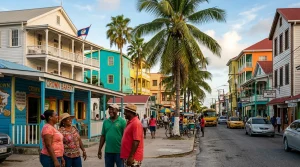
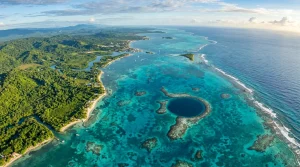
The vibrant streets of Belize pulse with the enchanting rhythm of Kriol, a creole language that embodies the cultural mosaic of this Central American gem. Kriol, derived from English but infused with rich nuances from African and Caribbean languages, serves as the heartbeat of daily communication for many Belizeans. It is much more than a mere means of conversation; it’s a robust expression of local identity, community ties, and cultural storytelling. In bustling markets or during family gatherings, Kriol flows seamlessly, acting as the vital thread that weaves together generational narratives and shared experiences.Within this unique linguistic landscape, the influence of Kriol is palpable, evident in the local music, dance, and even cuisine. For visitors, understanding Kriol opens the door to genuine interactions and deeper cultural appreciation. Phrases and expressions in Kriol often reflect the humor, warmth, and wisdom of Belizean life, showcasing the way language shapes social connections. Phrases like “wah gwaan?” (What’s going on?) or “mi deh yah” (I’m here) resonate with familiarity and friendliness, inviting travelers to engage wholeheartedly with the community.The Creole influence extends beyond mere communication; it also embodies a historical narrative, representing the resilience and creativity of a people who have melded different influences into an indelible cultural identity. From the capital city of Belmopan to the coastal charm of San Pedro, Kriol speakers navigate an intricate dance of languages, integrating Kriol with English and indigenous tongues, ensuring that every spoken word carries the weight of their rich heritage. Embracing this linguistic diversity leads to a more immersive Belize experience, as the nuances of Kriol enrich storytelling, music, and the local arts scene, providing an invaluable context to the sights and sounds around.For travelers, immersing oneself in the Kriol language can transform a visit into an unforgettable adventure, inviting a closer connection with the local community. Learning a few key phrases can open doors to deeper understanding and appreciation of Belize’s vibrant culture, making interactions feel more personal and meaningful. Whether exploring the Great Blue Hole, lounging at Caribbean beaches, or trekking through lush jungles, experiencing Belize through the lens of Kriol makes every moment a harmonious blend of adventure and cultural discovery.Diving into Indigenous Languages of Belize
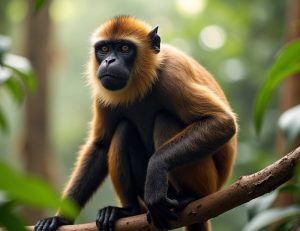
In the heart of Belize’s lush landscapes and vibrant communities, indigenous languages weave a rich tapestry that tells the stories of the country’s original peoples. Maya, Garifuna, and other indigenous languages capture the spirit of Belize’s heritage, offering profound insights into its history and culture. The ancient Maya civilization has left an indelible mark on Belize, and today, languages such as Yucatec Maya and Mopan Maya continue to be spoken within their respective communities. These languages are not merely communication tools; they are vessels of identity and tradition, embodying the deep-rooted connection of the Maya to their ancestors and the land.Mopan Maya, primarily found in the Toledo District, showcases the melodic tones and intricate grammatical structures that characterize many indigenous languages. Visitors to the village of San Antonio, known for its rich cultural practices, can immerse themselves in traditional ceremonies where the Mopan language is celebrated. Here, the vibrant rituals resonate with the sounds of the past, bridging generations and reinforcing the importance of language in maintaining cultural heritage. Engaging with a local family or attending a festival provides travelers with an opportunity to hear these ancient sounds firsthand, deepening their understanding of Belize’s cultural landscape.The influence of the Garifuna people, descendants of Afro-Caribbean and Indigenous Arawak and Carib peoples, adds another layer of linguistic diversity to Belize. Their language, Garifuna, is recognized by UNESCO for its cultural significance, blending elements that reflect both African and Caribbean influences. Across coastal towns like Hopkins and Dangriga, the Garifuna language is celebrated through music, dance, and storytelling, presenting a unique opportunity for cultural exchange. When visiting, take a moment to join in the lively rhythms of Garifuna drumming, as the spirit of community and resilience shines through every beat, revealing how language and culture are interwoven.While English is the official language of Belize, the coexistence of these indigenous languages speaks volumes about the nation’s commitment to cultural diversity. For travelers, learning a few key phrases in either Maya or Garifuna can create an enriching experience, fostering connections with locals and offering deeper insights into their way of life. Whether it’s the call of the howler monkeys echoing through the jungle or the chatter at a bustling market, the sounds of Belize are a celebration of its diverse linguistic heritage, inviting everyone to partake in its storied past.The Role of Spanish in Belize’s Linguistic Landscape
With its rich tapestry of cultures, Belize’s linguistic landscape is vibrant and dynamic, notably influenced by the Spanish language. Although English serves as the official language, Spanish plays a crucial role in everyday communication, particularly in communities with strong cultural ties to Latin America. This influence is vividly expressed in the southern regions, especially areas like Corozal and Toledo, where communities have historical connections with neighboring Spanish-speaking countries.Spanish is not merely a language; it’s a bridge that connects Belizeans with a broader cultural and economic world. Many Belizeans are bilingual, seamlessly switching between English and Spanish depending on context and audience. In bustling markets, you might hear vendors calling out prices in a mix of Spanish and English, showcasing the fluidity of communication in this multicultural environment. Travelers venturing to local neighborhoods or attending cultural events often find that knowing a few basic Spanish phrases can enhance their experience, allowing for deeper engagement with the community and its traditions.The presence of Spanish also reflects Belize’s historical narrative. The colonial era saw waves of Spanish influences through exploration and settlements, leading to a multicultural society that continues to evolve today. In Belize City, for instance, the influence of Garifuna, Creole, and Spanish can be observed in the local dialects, creating a unique linguistic blend that is distinctly Belizean. This intersection of languages contributes to the richness of daily life and cultural expression, from food to music.In terms of language education, many schools offer Spanish as a subject, recognizing its importance in a globalized world. This emphasis helps instill the value of multilingualism among the younger generation, preparing them for opportunities beyond Belize’s borders. As expats or tourists immerse themselves in the local culture, grasping even a few words of Spanish can foster friendships and create memorable exchanges, perfectly encapsulating Belize’s welcoming spirit.Understanding English as the Primary Language
In Belize, English is not only the official language; it’s the heartbeat of the nation’s daily interactions and cultural narrative. With its foundation laid during British colonial rule in the 18th century, English serves as a unifying force across the diverse ethnic landscapes of this vibrant country. Its prevalence can be felt in bustling towns, serene rural areas, and on the sunny shores of the Caribbean, where communication flows effortlessly in English, blending beautifully with the nation’s rich cultural heritage.Navigating Belize as a traveler or potential expat is a breeze for those proficient in English. Whether you’re haggling at a local market in San Ignacio, chatting with a tour guide about the mysteries of the ancient Maya civilization, or simply ordering delicious grilled seafood at a coastal restaurant, English is your compass. The level of fluency across the population means that you can connect with Belizeans without any language barrier, enhancing your experience as you explore lush jungles, pristine beaches, and magnificent coral reefs.Moreover, English in Belize is uniquely flavored by local dialects, including Creole, often referred to as Belizean Creole or Kriol. This linguistic mix, infused with influences from African, Spanish, and various indigenous languages, provides a rhythmic and lively form of expression. As a traveler, picking up a few phrases of this vibrant Creole can dramatically enrich your interactions and foster a deeper connection with the locals.Belize’s education system reinforces English as a core language from an early age, with schools emphasizing its importance in an increasingly interconnected world. This focus not only prepares children for local jobs but also equips them to engage confidently on international platforms. Overall, English isn’t merely a language in Belize; it embodies a rich tapestry of cultural expression, making the country a welcoming haven for visitors and a vibrant place for locals to call home.Variation of Spoken English in Belize: Unpacking Dialects
With its vibrant tapestry of cultures, Belize boasts a rich linguistic landscape that showcases various dialects of English, reflecting its diverse heritage. The most prominent variant is Belizean Creole (Kriol), a lively form of English that resonates throughout the nation. Infused with African, Spanish, and indigenous influences, Kriol is not only a means of conversation but also a reflection of Belize’s cultural identity. Locals often switch fluidly between English and Kriol, adding flair and color to their speech, which can be an enchanting experience for visitors looking to connect on a deeper level.In urban areas like Belize City, Kriol is commonly heard in everyday interactions. You might find yourself overhearing jovial exchanges peppered with local expressions-like using “whe” for “where,” or “da” for “the.” This rich use of dialect can bring added warmth to conversations, and picking up a few Kriol phrases could earn you smiles and even laughter from the locals. Additionally, in rural settings, one might encounter variations in speech that reflect local traditions and influences from nearby communities, enhancing the sense of place.Belize’s education system strongly prioritizes formal English, fostering a unique bilingual environment where Kriol exists alongside Standard English. Schools offer a curriculum where English is the primary language of instruction, but many children are raised in Kriol-speaking homes, creating a dynamic interplay of language and culture. This education structure enables children to navigate both local and international contexts effortlessly, equipping them for a variety of opportunities as they grow.Ultimately, the diversity of spoken English in Belize not only underlines the country’s multicultural heritage but also enriches the experience of anyone fortunate enough to visit. Understanding the local dialects can enhance your travels, enabling you to immerse yourself fully in the warmth of Belizean hospitality. So, whether you’re exploring ancient Maya ruins or lounging on a sun-kissed beach, engaging with locals in their own unique dialect is sure to create memorable connections and tales to bring home.The Impact of Immigration on Language Diversity
The rich linguistic tapestry of Belize is not merely a result of historical evolution and indigenous heritage; it is also profoundly shaped by waves of immigration that have infused the country with diverse languages. Each new community that has settled in Belize has brought with it unique linguistic traits, contributing to the intricate mosaic of languages spoken today. For instance, the influence of Garifuna, brought by Afro-Caribbean migrants from nearby islands, adds rhythmic intonations and distinct vocabulary to the Belizean vernacular.As you traverse the vibrant streets of cities like Belize City, the influx of immigrants from Central America-particularly Spanish speakers from Guatemala and Honduras-becomes apparent. Spanish has woven itself into the everyday fabric of Belize, not only as a second language but also as a crucial element of the cultural identity for many communities. This melding of languages can lead to fascinating linguistic blends, where English, Kriol, and Spanish coexist, further enriching conversational exchanges. This linguistic environment makes Belize a particularly welcoming place for travelers, as many locals are adept at switching between languages to accommodate visitors.In addition to the Spanish and Kriol influences, the Chinese immigrant community has established a significant presence, particularly in commerce. Their unique use of Chinese dialects can often be heard in markets and shops, imparting an additional layer of diversity to local communication. This multi-ethnic interchange fosters an inclusive atmosphere that encourages cultural exchange and understanding, enriching the social landscape for locals and visitors alike.Amidst this linguistic diversity lies a powerful narrative of identity and belonging. Language becomes a bridge, connecting generations and facilitating interactions that celebrate the multicultural essence of Belizean society. As travelers explore this enchanting land, they not only bear witness to the myriad languages but also to the stories and histories encapsulated in each dialect spoken, from the bustling markets of Belize City to the serene coastal villages. Each conversation offers deeper insight into the heart and soul of Belize, making it a dynamic destination for those eager to connect and learn.Language and Culture: How Language Shapes Belizean Identity
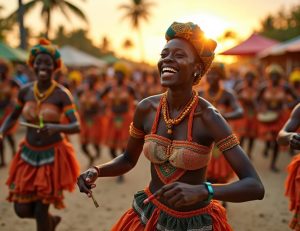
In Belize, language is more than just a medium of communication; it serves as the lifeblood of cultural identity and community. Nestled between the Caribbean Sea and Central America, this vibrant nation boasts a rich tapestry of languages that mirror its diverse heritage. Each dialect and language spoken here is a reflection of the peoples who call Belize home-an intricate weave of the Maya, Garifuna, Creole, Spanish, and English influences. The multilingual landscape not only enriches everyday interactions but also deepens the connections between individuals and their ancestral roots.The role of Kriol, a creole language derived from English and various African languages, is particularly noteworthy as it embodies the historical narrative of Belizean communities. In everyday life, Kriol is the language of the streets, serving as both a badge of identity and a form of cultural expression. Belizians often switch seamlessly between Kriol and English, illustrating the fluidity and adaptability of language in shaping social bonds. This linguistic interplay fosters a sense of belonging, as families and friends engage in heartfelt conversation peppered with idioms and expressions unique to their experiences.Moreover, the indigenous languages, such as Maya dialects, echo the profound legacy of the region’s ancient civilizations. They are not merely remnants of the past but living languages that resonate with the identity of contemporary Maya communities. The preservation and revitalization of these languages play a crucial role in cultural education, as they help younger generations connect with their heritage and history. Events such as traditional ceremonies and cultural festivals allow for the celebration of these languages, ensuring that they thrive amid the pressures of globalization and modern communication.Language in Belize acts as a powerful cultural glue, creating an inclusive atmosphere where diversity is celebrated. As visitors navigate this multilingual environment filled with vibrant customs and traditions, they not only experience the sounds and rhythms of Belizean life but also partake in a narrative that defines the spirit of the nation. Engaging with locals, understanding their languages, and appreciating the stories behind them enriches the travel experience, creating memorable connections that transcend barriers and forge lasting bonds. Whether you’re savoring a plate of rice and beans while chatting in Kriol or listening to Garifuna drumming in a coastal village, the essence of Belize is found in its languages and the people who passionately speak them.Language Education in Belize: Schools and Institutions
In the vibrant and culturally rich tapestry of Belize, language education plays a critical role in nurturing the nation’s multilingual heritage. The schools and institutions across Belize serve as vital platforms where the official languages-primarily English, along with Kriol and Spanish-are taught, but an increasing focus on indigenous languages reflects the country’s commitment to cultural preservation.Within the education system, primary and secondary schools utilize English as the medium of instruction, ensuring that students are well-prepared for global interactions. However, the presence of Kriol as a spoken language creates a unique dynamic; many students are fluent in Kriol at home and transition to English in the classroom, demonstrating a fascinating dual-language system. This linguistic fluidity not only reinforces cultural identity but also enhances communication skills among the youth.Incorporating Indigenous Languages
Efforts to preserve and promote indigenous languages, particularly those of the Maya and Garifuna communities, are evident in specialized programs and cultural initiatives. Recognizing the importance of these languages in maintaining cultural heritage, some schools incorporate indigenous language classes into their curriculum. This educational focus allows children from these communities to learn and use their ancestral languages, fostering a deeper connection to their roots. Organizations like SISE (Society for the Promotion of Indigenous Languages in Belize) work tirelessly to advocate for language education and cultural awareness, ensuring that future generations can embrace their linguistic heritage.Cultural Festivals and Community Involvement
Language education in Belize extends beyond the classroom, seeped into community culture through festivals and events celebrating local languages. These occasions provide students with authentic opportunities to engage in their languages through performances, storytelling, and arts, while also inviting visitors to immerse themselves in the rich linguistic diversity. Such engagements not only contribute to the preservation of Belizean identities but also enhance tourism by showcasing the nation’s vibrant cultural landscape.In conclusion, Belizean language education stands as a cornerstone of cultural identity and heritage preservation. With dedicated efforts from schools, community organizations, and cultural festivals, the future of language in Belize looks promising, ensuring the continuation of its diverse linguistic tapestry for generations to come.Challenges Facing Language Preservation in Belize
In the heart of Belize, lively communities pulse with vibrant languages and rich cultural expressions. Yet, the preservation of this linguistic diversity faces considerable challenges. The rapid encroachment of globalization tends to favor dominant languages such as English and Spanish, often leaving indigenous tongues and Creole variants at risk of being overshadowed. This intricate balance between progress and preservation leads to a poignant reality for Belize’s many language speakers.Firstly, educational policies predominantly emphasize English as the primary medium of instruction. While this decision equips students with essential global communication skills, it often diminishes the status of local languages. In classrooms, Kriol and indigenous languages can be marginalized, limiting their use to informal settings. As children progress through the education system, the vibrant linguistic tapestry that intertwines Kriol and indigenous tongues with English begins to fray. This shift not only challenges the intergenerational transmission of language but also threatens the very identity these languages encapsulate.Furthermore, there is an uneven commitment and resource allocation towards maintaining linguistic diversity. Organizations like the Society for the Promotion of Indigenous Languages in Belize work diligently to bolster language education and awareness, yet they often operate with limited funding and support. The appreciation of these languages as cultural treasures must be echoed in national policies, community initiatives, and family practices to stave off their erosion.Challenges also arise from urbanization, as migrations to cities dilute the everyday use of indigenous languages. Families moving to urban areas often prioritize English or Spanish for socioeconomic reasons, resulting in a population less fluent in their ancestral tongues. This shift exacerbates feelings of cultural disconnection among younger generations, diminishing their connection to rich ancestral narratives and local histories.In summary, tackling these challenges requires a multi-faceted approach involving government support, community engagement, and a collective cultural shift that values and revives Belize’s linguistic diversity. By fostering an environment where all languages are celebrated rather than sidelined, Belize can ensure that its extraordinary linguistic heritage not only survives but thrives, enriching the cultural landscape for generations to come.Future of Languages in Belize: Trends and Predictions
In a world that dances to the rhythm of globalization, Belize stands as a unique tapestry woven from various languages, cultures, and traditions. The future of languages in this Central American jewel hinges on several trends that signify a blend of hope and challenge. As Belize embraces economic development and international connectivity, the interplay of its linguistic heritage with modern influences becomes a sight to behold. The next few years could be pivotal, as the nation navigates the complexities of preserving its unique languages while also adapting to a more globalized environment.One significant trend is the increasing recognition of the cultural value of Creole and indigenous languages. Local and international organizations are actively promoting linguistic diversity through education and community initiatives, fostering pride among speakers. Schools are beginning to incorporate Kriol and indigenous languages into curriculums, which not only validates these languages’ importance but also encourages younger generations to embrace their heritage. In urban areas, small businesses and cultural centers are also finding ways to incorporate these languages into their branding and offerings, creating a unique fusion of commerce and culture.Additionally, the digital age offers a powerful platform for revitalization. Social media and mobile technology can serve as tools for language learning and cultural exchange, allowing Belizeans to share their languages with a broader audience. Online platforms and apps that teach Belizean Creole and indigenous languages could empower both locals and the diaspora to reconnect with their roots, ensuring these languages thrive in digital spaces. This accessibility might lead to a renaissance of interest among non-Belizeans, further cultivating an appreciation for the country’s linguistic diversity.The impact of immigration will also play a crucial role in shaping Belize’s linguistic landscape. As new communities settle in Belize, they bring their languages, enriching the fabric of linguistic diversity. This interplay can lead to the emergence of hybrid languages or dialects that reflect the multicultural influences present within Belize. However, these changes will require a careful balance to ensure that indigenous and Creole languages are not overshadowed but instead celebrated alongside them.In summary, the future of languages in Belize appears to hold both promise and caution. While the challenges of globalization and urbanization threaten to dilute local languages, there are vibrant movements dedicated to their preservation and promotion. With a continued commitment to cultural education, community engagement, and the utilization of modern technology, Belize can foster an environment where all its languages flourish, enriching both the nation and the world.Frequently Asked Questions
Q: What is the official language of Belize? A: The official language of Belize is English, a legacy of its colonial past. This makes Belize unique in Central America, where Spanish predominates. English serves as the primary medium of instruction in schools and government communication.Q: What other languages are commonly spoken in Belize? A: In addition to English, Belize is multilingual. Spanish is widely spoken, especially among the Mestizo population. Belizean Creole is also prevalent, reflecting local cultural influences, along with several indigenous languages, including Maya dialects and Garifuna.Q: How does Belizean Creole differ from standard English? A: Belizean Creole, though rooted in English, incorporates elements from African languages, Spanish, and indigenous tongues. It features unique vocabulary, phonetics, and grammatical rules, making it distinct from standard English while still largely understandable to English speakers.Q: Why is Spanish significant in Belize? A: Spanish is significant in Belize due to the country’s geographical and cultural ties to neighboring Spanish-speaking countries. It is commonly used in daily communication, especially in areas with a large Mestizo population, and is an important second language nationwide.Q: What indigenous languages are spoken in Belize? A: Several indigenous languages are spoken in Belize, primarily among the Maya communities. These include K’iche’, Yucatec Maya, and Q’eqchi’. Garifuna, a language of the Garifuna people, is also spoken, blending Arawakan and Cariban influences.Q: How do immigration patterns affect language diversity in Belize? A: Immigration has significantly enriched Belize’s linguistic landscape. With communities from various countries, such as the United States, Honduras, and Guatemala, languages like American English, Spanish, and various Caribbean languages contribute to the country’s multicultural dialogue.Q: Is language education diverse in Belize? A: Yes, language education in Belize promotes multilingualism. Schools primarily teach in English, but Spanish and indigenous languages are also part of the curriculum. This approach encourages cultural understanding and preservation of indigenous languages, reflecting Belize’s rich heritage.Q: What challenges does Belize face in preserving its languages? A: Belize faces several challenges in language preservation, including urbanization and globalization, which often favor dominant languages like English and Spanish. Additionally, younger generations may have less exposure to indigenous languages, leading to potential loss of linguistic heritage.In Retrospect
Understanding the languages of Belize enriches your travel experience in this vibrant country, where cultures blend harmoniously. Don’t miss the opportunity to connect with locals in both official and popular languages, enhancing your journey through Belize’s breathtaking landscapes and rich history. If you’re looking for more travel inspiration or practical advice, explore our comprehensive guides on Belize’s stunning destinations, from the Great Blue Hole to the ancient Maya ruins. For insider tips on accommodations or navigating local customs, check out our detailed resource on travel essentials.Ready to dive deeper into the wonders of Belize? Subscribe to our newsletter for the latest updates, tips, and hidden gems that will make your trip unforgettable. Engage with fellow travelers by sharing your thoughts in the comments or visiting our social media pages to join the conversation. Your adventure in Belize is just beginning, and the treasures awaiting you are too many to count!Comprehensive Guide and In-Depth Analysis: Belize Official Language
When exploring the details surrounding belize official language, understanding the practical, environmental, and cultural dynamics of Belize is essential for making informed travel or investment decisions. Belize stands out in Central America for its English-speaking heritage, British Common Law legal stability, and world-class ecotourism infrastructure.
Whether navigating mainland rainforest corridors, consulting local authorities, or exploring marine conservation zones along the Belize Barrier Reef, having verified, comprehensive information regarding belize official language ensures seamless execution.
| Key Evaluation Pillar | Standards & Conditions in Belize | Actionable Best Practices |
|---|---|---|
| Regional Specifics | Variations between northern districts, central cayes, and southern rainforests | Align plans with specific district infrastructure and seasonal weather |
| Regulatory & Legal Framework | Belize Tourism Board (BTB) regulations and national conservation laws | Always work with licensed local professionals and certified guides |
| Logistics & Practical Costs | Fixed 2:1 BZD-to-USD currency peg; accessible transport via air and water | Plan budget with cash buffer for remote destinations and transfers |
For visitors and residents alike, engaging with belize official language through authorized, sustainable practices contributes directly to local community development and the preservation of Belize’s pristine marine and terrestrial ecosystems.
Frequently Asked Questions: Belize Official Language
Why is understanding belize official language important for Belize visitors?
It provides essential context for choosing the right regional destinations, understanding local pricing, and ensuring full compliance with environmental and tourism standards.
How do seasonal factors affect belize official language in Belize?
The dry season (December through May) offers calm seas and sunny weather, while the green season brings lower rates and lush jungle scenery.
Get our latest guides, news, and insights highlighted in your Google Search & AI Overviews.