Belize, with its lush jungles and vibrant ecosystems, is home to some of the most captivating wildlife on the planet, including the elusive jaguar. These magnificent big cats, symbols of strength and mystery, roam the dense rainforests and are a vital part of Belize’s biodiversity. For wildlife enthusiasts and travelers alike, understanding where to spot these majestic creatures is not just about adventure; it’s about appreciating the rich ecosystems they inhabit and the importance of their conservation. Whether you’re planning a thrilling jungle expedition or simply wish to know more about these captivating predators, this wildlife spotting guide will equip you with essential tips and insights to enhance your Belizean experience. Join us on a journey into the heart of Belize, where the roar of the jaguar might just echo through the trees, calling you to discover the wonders of this stunning destination.
Are Jaguars Native to Belize? Understanding Their Habitat
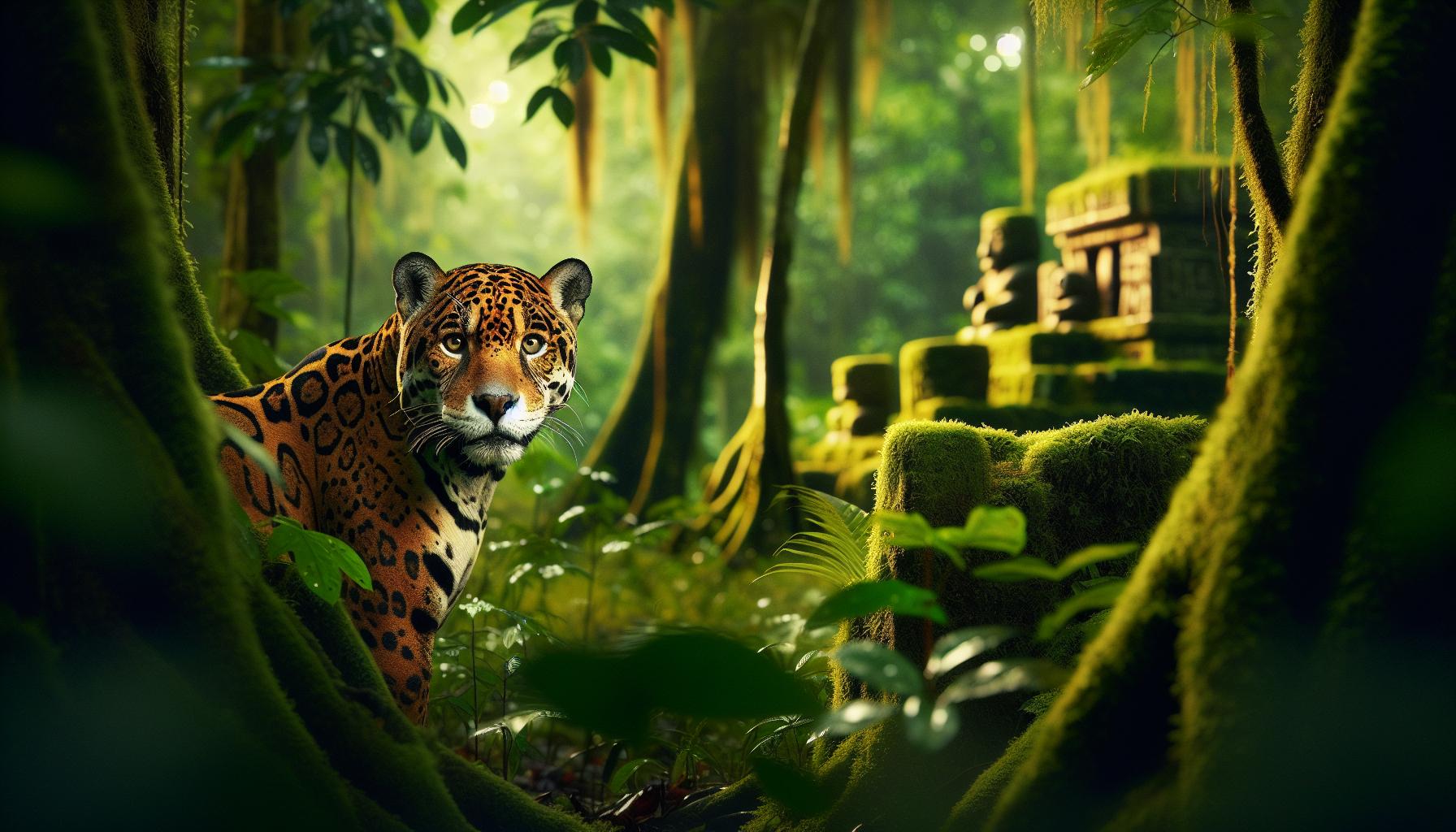
The jaguar, a symbol of strength, beauty, and mystery, is native to the lush jungles and diverse ecosystems of Belize. These magnificent cats thrive in varied habitats, from dense rainforests and swamps to open savanna areas. They are generally found in places with ample cover, allowing them to stalk their prey and establish territories. The richness of Belize’s environment, featuring over 400 species of birds and countless reptiles, amphibians, and mammals, makes it an ideal home for jaguars.
Jaguars prefer regions near water bodies, such as rivers and wetlands, where they can hunt for fish, caimans, and other wildlife. Their presence in places like the Cockscomb Basin Wildlife Sanctuary-one of the first protected areas for jaguars in the world-highlights the importance of such habitats for their survival. This sanctuary offers a unique opportunity for visitors to experience jaguar habitats firsthand while immersing themselves in the vibrant flora and fauna that characterize Belize’s rich biodiversity.
In understanding their habitat, it’s crucial to consider both the jaguar’s needs and the environmental challenges they face. Deforestation, agricultural expansion, and human-wildlife conflict threaten their populations. However, ongoing conservation efforts aim to protect these incredible animals and the ecosystems they inhabit. Observing jaguars in their natural surroundings is not just about spotting these elusive creatures; it’s also about appreciating the intricate balance of nature that sustains them. Taking time to learn about their environment-its sounds, smells, and movements-can deepen the experience of witnessing these majestic predators in the wild.
The Importance of Jaguars in Belize’s Ecosystem
The jaguar, Belize’s most iconic predator, plays a pivotal role in maintaining the health and balance of the ecosystems it inhabits. As apex predators, jaguars help control the populations of various species, including deer and peccaries. This regulatory function supports biodiversity by preventing any single species from becoming overly dominant, which can lead to habitat degradation. The presence of jaguars is indicative of a thriving environment, as their survival is deeply intertwined with the overall health of the ecosystem.
In the diverse landscapes of Belize, from the dense broadleaf forests to the intricate wetlands, jaguars contribute to the ecological web by influencing the behaviors of their prey. Their hunting habits promote a natural ebb and flow among species, ensuring that vegetation can flourish-particularly in areas where animals might otherwise overgraze. By maintaining this balance, jaguars not only sustain their prey populations but also uphold the intricate plant life that forms the foundation of Belize’s rich biodiversity.
Moreover, jaguars are cultural icons for many Belizean communities, featuring prominently in local folklore and spiritual practices. This connection fosters a sense of pride and responsibility towards conservation efforts. Recognizing the importance of jaguars inspires conservation initiatives aimed at protecting these majestic creatures and their habitats. Local organizations work tirelessly to educate communities about sustainable practices, showcasing how the survival of the jaguar is linked to the health of the entire environment.
For travelers wishing to explore Belize, witnessing a jaguar in its natural habitat is not just an unforgettable experience; it’s also an opportunity to learn about the delicate balance of life in the wild. Engaging in eco-tourism helps support conservation efforts, ensuring that these majestic animals continue to roam the jungles and wetlands of Belize for generations to come.
Best Locations for Spotting Jaguars in Belize
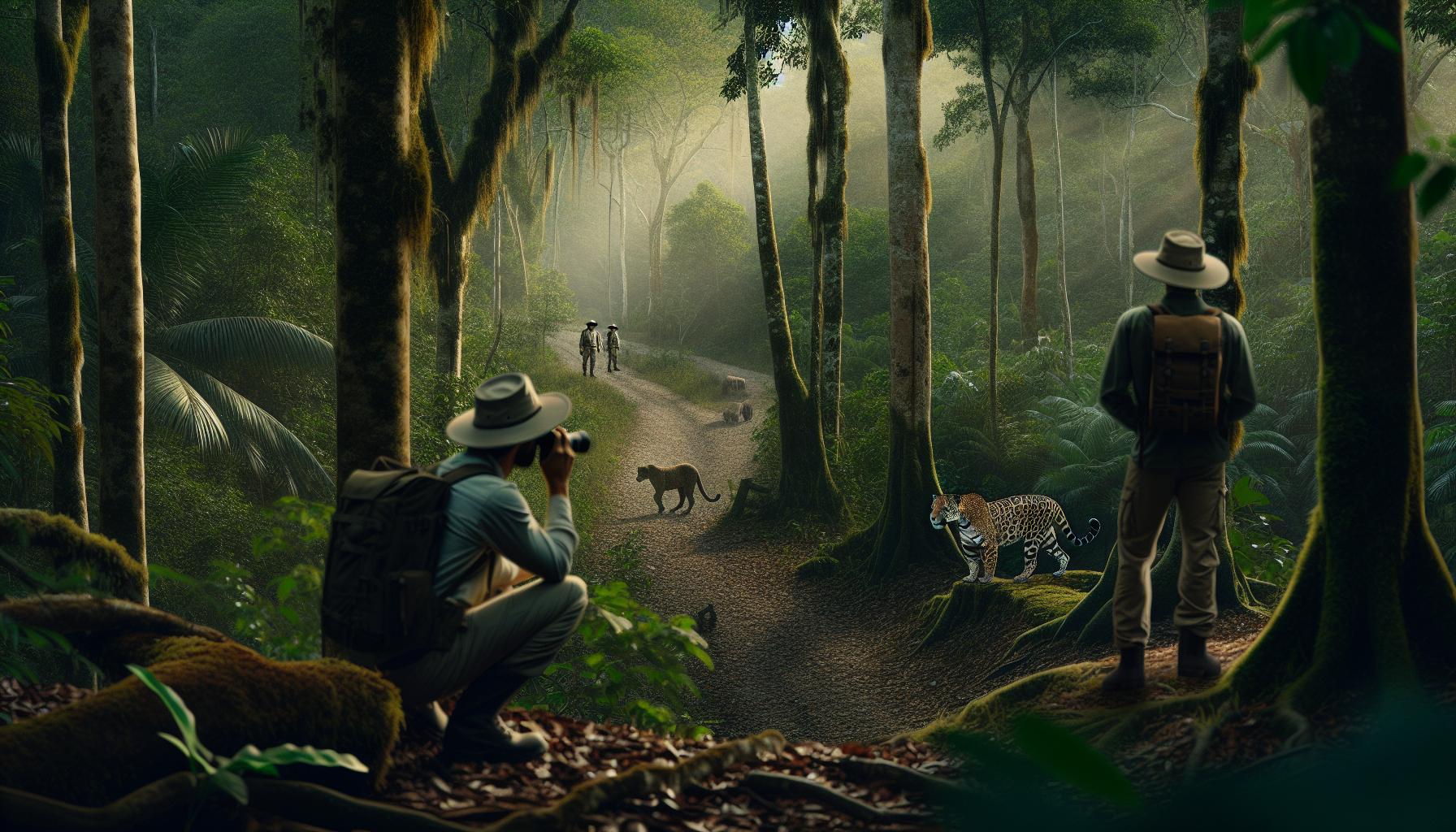
In the heart of Central America, Belize stands as one of the premier destinations for witnessing the elusive jaguar in its natural habitat. With roughly 4,000 jaguars estimated to inhabit the dense jungles and wetlands, this country offers unique opportunities for adventurous wildlife enthusiasts. The thrill of spotting these magnificent cats is not just an extrinsic reward; it’s an engaging experience that connects travelers with the rich biodiversity and cultural tapestry of Belize.
Among the best locations for jaguar spotting, the Cockscomb Basin Wildlife Sanctuary can’t be overlooked. Established as the world’s first jaguar preserve, this sprawling 150 square miles of protected area is a haven for jaguars, and its network of trails allows visitors to trek through their territory. Early mornings and late afternoons are prime times for sightings, as these apex predators are most active during cooler hours.
Another excellent spot is the Belize Zoo, which, while not a traditional wildlife reserve, provides an immersive experience of local ecosystems. The zoo is home to rehabilitated jaguars that are occasionally visible to visitors, offering a chance to learn about conservation efforts firsthand.
As travelers venture to the southern regions, the Sarstoon-Temash National Park provides a completely different landscape where jaguars roam alongside a variety of other wildlife, like tapirs and howler monkeys. Kayaking along the river offers a serene vantage point, ideal for sighting wildlife at water’s edge.
Lastly, the remote northern districts, like Orange Walk and Corozal, provide less crowded spaces where jaguars often wander. These areas are less frequented by tourists, increasing the likelihood of an authentic sighting. Engaging local tour guides enhances the experience; they offer insights into jaguar behaviors and habitats that you simply won’t find in a guidebook.
> Remember, the key to a successful jaguar spotting adventure is patience and respect for their environment. Witnessing this iconic predator in Belize is not merely an encounter with wildlife but a meaningful connection to a culture that reveres these magnificent creatures.
Best Times of Year to Spot Jaguars in Belize
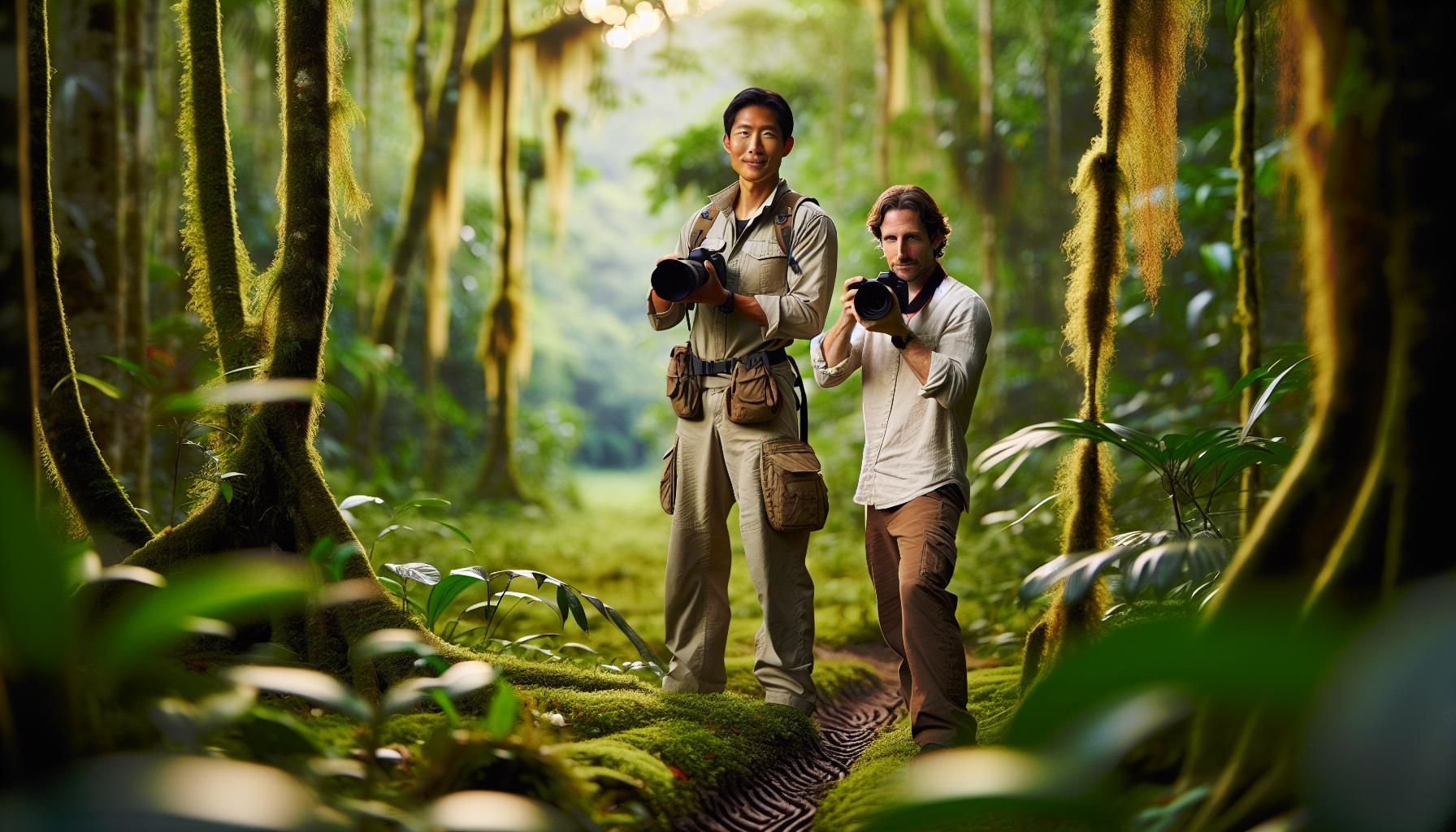
The allure of spotting a jaguar in Belize’s lush jungles is heightened by timing your adventure just right. The jaguar, known for its elusive nature and majestic presence, is most active during specific periods of the year and times of day. Understanding these patterns will significantly boost your chances of an unforgettable sighting.
Generally, the drier months from November to April are deemed the best times for jaguar spotting. During this period, animals congregate around scarce water sources, making them easier to spot. Moreover, with the reduced foliage and cleared pathways, visibility increases. Many wildlife enthusiasts recommend visiting during the early mornings (just after dawn) and late afternoons (before dusk), as these are the cooler parts of the day when jaguars are most likely to be on the prowl.
The wet season, from May to October, brings its own advantages. While the lush vegetation may conceal the big cats better, this time of year also sees increased animal activity as food sources become abundant. The mixtil scent of wet earth and foliage invigorates the rainforest, creating a vibrant backdrop to your wildlife adventure. Just keep in mind that some trails may become muddy or impassable, so it’s wise to check conditions before heading out.
In terms of specific events, consider aligning your visit with local festivals and community gatherings, where informal wildlife spotting often occurs. The confluence of culture and nature is part of what makes Belize unique, offering visitors not just a chance to see jaguars but also to connect with the rich traditions of the Belizean people.
No matter when you choose to embark on your jaguar quest, remember that patience and respect for wildlife are key. Every moment spent in these natural habitats is a chance to not only glimpse one of nature’s most beautiful predators but to appreciate the incredible biodiversity that is Belize. Always be ready with your camera and a heart full of wonder as you set out into the wild.
Tips for Responsible Wildlife Viewing in Belize
Experiencing the thrill of spotting a majestic jaguar in the wild is an unforgettable adventure that many travelers seek when exploring Belize’s rich jungles. However, to ensure these magnificent creatures remain undisturbed and their habitats protected, responsible wildlife viewing practices are essential. By following some thoughtful guidelines, you can enhance your experience while also contributing to the conservation of Belize’s natural beauty.
One of the most crucial tips for responsible wildlife viewing is to maintain a respectful distance. Jaguars are naturally shy and elusive, and getting too close can stress them and disrupt their natural behaviors. Use binoculars or a good-quality camera with a zoom lens to observe these big cats from afar, allowing them to feel safe. Additionally, remain quiet and limit movements. Sudden sounds or actions can frighten away animals, making it challenging for you and fellow travelers to enjoy the moment.
It’s equally important to stay on designated paths and trails. Venturing off course can damage delicate ecosystems and disturb wildlife habitats. This practice not only helps preserve the environment but also reduces the risk of encountering dangerous situations, such as getting lost or facing other wildlife that may feel threatened by your presence. Guiding companies often provide information on the best spots for viewing jaguars, so consider using their expertise to navigate the wilderness.
Engaging with local guides is a fantastic way to enhance your wildlife viewing experience. These knowledgeable individuals can share insights about jaguar behaviors and the ecological importance of the species in Belize. Their guidance often includes educational components about conservation efforts in place to protect the jaguar population and their habitat. Supporting local guides also fosters community engagement and promotes sustainable tourism, which benefits both the residents and the environment.
Lastly, always pack out what you pack in. Litter not only detracts from the beauty of the landscape but can also pose serious threats to wildlife. Carry a reusable water bottle and eco-friendly snacks, and ensure you leave no trace of your visit. Following these simple practices ensures that the breathtaking spirit of Belize’s jungles and the majestic jaguars within them can be enjoyed by generations to come. By being a considerate visitor, you play an essential role in safeguarding this remarkable biodiversity.
Safety Precautions When Exploring Jaguar Habitats
Exploring the lush jungles of Belize in search of jaguars can be one of the most exhilarating adventures you can embark on. However, venturing into their natural habitat requires a keen awareness of safety precautions to ensure both your well-being and that of these majestic creatures. Belize’s rainforests are teeming with life, and while the thrill of spotting a jaguar is undeniable, it’s essential to navigate this environment with respect and caution.
First and foremost, always opt for guided tours led by knowledgeable local guides. These experts not only know the safest paths to take but are also familiar with the behavior of the wildlife you may encounter. This guidance minimizes the risk of dangerous encounters with both jaguars and other wildlife like snakes or aggressive animals. Furthermore, local guides can provide valuable insights into the ecology of the region, enriching your understanding of the habitat you’re exploring.
When traversing jaguar habitats, it’s crucial to maintain a safety distance from any wildlife you encounter. Jaguars are generally shy and will avoid humans if given the chance; approaching them too closely can provoke stress or defensive behavior. Always carry a pair of binoculars or a telephoto lens to observe their majestic presence from a safe distance. This practice not only ensures your safety but also allows for breathtaking photographs without encroaching on their space.
Be prepared for unexpected conditions by wearing appropriate clothing and sturdy footwear. The jungle can be a treacherous place with uneven terrain and slippery paths. A lightweight, breathable outfit and proper hiking boots will help you navigate the environment comfortably. Don’t forget to bring essentials like insect repellent to protect against bugs, and always carry water to stay hydrated. In addition, keep a first-aid kit on hand to address any minor injuries that may occur during your adventure.
Lastly, it’s vital to be aware of your surroundings and the potential signs of a jaguar’s presence, such as tracks or scat, but avoid attempting to track or interact with them directly. Respecting these boundaries not only contributes to your safety but also ensures the protection of Belize’s incredible wildlife. By adhering to these precautions, you can immerse yourself in the enchanting world of Belize’s jungles while preserving the delicate balance of life that thrives there.
Wildlife Guides: Other Animals to Spot in Belize
The rainforests and coastal regions of Belize offer an astounding array of wildlife, making every adventure into the wild a treasure trove of unforgettable encounters. While you’re on the lookout for the elusive jaguar, keep your eyes peeled for a myriad of other captivating creatures that call this biodiverse paradise home. From vibrant birds to playful mammals and fascinating reptiles, Belize’s biodiversity is a nature lover’s dream come true.
Birds of Belize
Belize is renowned for its rich avifauna, with over 600 species recorded. Birdwatchers will be particularly enchanted by the sight of the Keel-billed Toucan, with its rainbow-colored bill, a symbol of Central America. You might also spot Scarlet Macaws flying overhead, their brilliant red plumage contrasting against the lush green canopy. Another jewel of Belize is the Resplendent Quetzal, famous for its striking colors and long tail feathers, often found in the mountainous regions.
Terrestrial Animals
The jungles are alive with various mammals that contribute to the ecosystem’s balance. Look for the curious Howler Monkey, whose distinctive calls echo through the treetops, or the agile Spider Monkey swinging from branch to branch. You may also encounter the small but vocal Agouti, a rodent-like creature that forages for fruits and seeds on the forest floor. The elusive Puma may also share the same habitat as the jaguar, adding to the thrill of tracking these magnificent felines.
Reptiles and Amphibians
Don’t overlook the reptiles and amphibians that thrive in Belize’s varied environments. From the impressive Green Iguana, often basking in the sun, to the vibrant Red-eyed Tree Frog, these species are not just fascinating but also vital to the ecological fabric of Belize. As you traverse wetland areas, be cautious of the American Crocodile, which can sometimes be spotted lounging near rivers or lagoons.
Exploring Options
For the best experience, consider guided excursions, which provide both safety and expert knowledge. Local guides can help to pinpoint the best spots for wildlife observation and share stories of each species’ role in the ecosystem. Many tours combine visits to national parks and wildlife reserves, such as the Cockscomb Basin Wildlife Sanctuary, where the jaguar is protected, offering a good chance to spot a variety of other wildlife.
In summary, while the jaguar captures the imagination, Belize’s rich tapestry of wildlife provides countless opportunities for discovery. Venture into the jungle with a spirit of adventure and curiosity, ready to embrace the enchanting diversity of life that thrives in this Central American gem.
Conservation Efforts for Jaguars in Belize
In the rich and diverse landscapes of Belize, conservation efforts for jaguars are both a priority and a source of inspiration. As apex predators, jaguars play a crucial role in maintaining the health of their habitats, controlling populations of other species and ensuring the ecosystem remains balanced. Over the years, various organizations have made significant strides to protect these magnificent creatures, recognizing that their survival is intertwined with the preservation of the rainforests they inhabit.
Central to jaguar conservation is the renowned Cockscomb Basin Wildlife Sanctuary, the world’s first jaguar sanctuary, established in 1986. This protected area covers over 150 square miles of pristine forest and is a vital sanctuary for the species, providing them with the space to roam and thrive. The sanctuary not only serves as a refuge for jaguars but also educates visitors about the importance of their conservation. Guided tours often include informative sessions about the sanctuary’s efforts and the challenges that come with protecting such magnificent beasts.
Community involvement is also a critical component of conservation initiatives. Local organizations work hand-in-hand with indigenous communities to promote sustainable practices that benefit both humans and wildlife. For instance, programs that offer training in eco-tourism can empower local residents to act as stewards of the environment while providing them with an economic incentive to protect rather than exploit jaguar habitats. This symbiotic relationship fosters a deeper understanding among locals about the vital role jaguars play in the ecosystem and the need for their protection.
Effective monitoring and research are indispensable for the long-term conservation of jaguars. Through innovative technology like camera traps and GPS collars, wildlife biologists gather critical data on jaguar behavior, movement patterns, and population dynamics. This research not only aids in refining conservation strategies but also establishes baseline data essential for measuring the success of ongoing efforts. As tourists venture into the lush jungles of Belize, their presence helps fund these initiatives, highlighting the importance of eco-tourism in supporting wildlife conservation.
By participating in guided wildlife tours and supporting local conservation programs, visitors can experience the mesmerizing beauty of Belize’s landscapes while contributing to the protection of its most iconic residents-jaguars. Investing in the future of these majestic cats also enriches the cultural fabric of Belize, as communities come together to safeguard their natural heritage for generations to come.
How to Choose a Wildlife Tour in Belize
Choosing the ideal wildlife tour in Belize can transform your adventure into a memorable experience, especially if your goal is to catch a glimpse of the elusive jaguar in its natural habitat. With over 40% of Belize covered in protected areas, including lush rainforests, wetlands, and coastal regions, the country offers numerous opportunities for wildlife enthusiasts to engage with its rich biodiversity. Before you embark on this exciting journey, consider a few key factors to select the right tour that meets your needs and helps you discover the beauty of Belizean wildlife.
Start by researching tour operators who specialize in wildlife experiences, with a focus on jaguar spotting. Look for companies that prioritize ethical wildlife viewing and conservation, ensuring that your presence supports local ecological efforts. Checking online reviews and testimonials can provide insight into previous customers’ experiences, helping you gauge the quality and reliability of the tour operator. Many tours are guided by expert naturalists who possess in-depth knowledge of the ecosystems and species, enhancing your chances of spotting a jaguar while offering fascinating insights into their behavior and habitat.
It’s also vital to consider the group’s size and structure. Smaller group tours often provide a more intimate experience and increase the likelihood of close encounters with wildlife. Opt for operators that maintain a low guest-to-guide ratio so that you can receive personalized attention and have a greater chance of engaging in meaningful interactions with the surroundings. Additionally, inquire about the tour’s duration and itinerary. Some tours might focus entirely on specific areas like the renowned Cockscomb Basin Wildlife Sanctuary, while others may offer a broader overview of Belize’s natural wonders.
Moreover, think about the timing of your trip and the tour schedules. Certain seasons may enhance wildlife visibility, especially during the dry months when animals congregate around water sources. Discussing your travel dates with the tour provider can help you pick a time when jaguar sightings are more frequent. Lastly, don’t hesitate to ask about the equipment and amenities offered, such as binoculars for wildlife watching or quality transportation for travel to and from the sites. Armed with this information, you’ll not only find the perfect wildlife tour but will also leave Belize with unforgettable tales of your adventures in the heart of these magical jungles.
Documenting Your Jaguar Sightings: What to Bring
To truly capture the essence of your encounters with the striking jaguar in the lush landscapes of Belize, being prepared with the right tools is essential. The thrill of spotting these magnificent creatures in their natural habitat demands not just patience but also the right gear to document this experience. As the sun filters through the dense canopy and wildlife sounds create an exhilarating backdrop, ensure you have the following items lined up for a memorable journey.
First and foremost, bring a quality camera. A DSLR or mirrorless camera with a good zoom lens will allow you to capture stunning close-ups of jaguars from a respectful distance. However, even a high-end smartphone can work wonders if you prefer to travel light. Pair your camera with a set of binoculars (at least 8x magnification) to spot these elusive creatures before they come into clear view. The ability to observe them in their natural behavior enhances your overall experience.
Next, don’t forget a notebook or sketchpad for documenting your thoughts and sketches of the wildlife. Writing down details about your sighting-like the jaguar’s behavior, the habitat, or interactions with other animals-can deepen your appreciation of the moment and prove invaluable for future reference. Additionally, field guides on Belize’s flora and fauna can enrich your understanding and help you identify other wildlife during your excursions.
To ensure comfort and enjoyment throughout your adventure, pack essentials such as sunscreen, insect repellent, and a good pair of hiking boots. Dress in layers; early mornings can be cool, but it may heat up as the day progresses. Bring a lightweight rain jacket as well, especially if you visit during the rainy season, when sudden showers can enrich the landscape but also catch you off guard.
By taking these items along, you’ll be thoroughly equipped to document your jaguar sightings, preserve your memories, and contribute to an enriching wildlife experience that celebrates Belize’s stunning biodiversity. Prepare yourself to embark on a journey filled with the thrill of discovery and the beauty of nature.
Local Stories and Legends About Jaguars in Belize
In the dense jungles of Belize, the jaguar holds a revered place not just in the ecosystem, but in the cultural tapestry of the region. Ancient Maya civilization regarded this magnificent big cat as a symbol of strength, power, and the underworld. Legends tell of the jaguar as a mystical creature that roams the night, its haunting calls echoing through the trees. Local folklore often weaves narratives that connect jaguars to the divine, portraying them as protectors of the forest, guiding spirits that watch over nature and the creatures within it.
The richness of these stories can be seen in the art and traditions of the Indigenous people, where jaguars are frequently depicted in sculptures, textiles, and carvings, embodying qualities of ferocity and fertility. Communities host festivals that honor the jaguar, celebrating it as a totem of cultural identity. One such legend speaks about the “Jaguar Warrior,” a figure believed to possess the stealth and strength of the jaguar, who would protect the village from threats. These stories are shared around campfires, passed down through generations, reflecting the deep respect for this iconic predator.
Visitors exploring Belize often encounter various interpretations of jaguar myths throughout eco-lodges, cultural tours, and wildlife expeditions. Engaging with local guides who share these legends offers a unique perspective that enhances the experience of spotting a jaguar in the wild. It becomes not just an animal sighting but a journey into the heart of Belizean culture and heritage. As travelers step into the jaguar’s domain, they are reminded of the significance this creature holds, fostering a deeper appreciation for the intricate connections between wildlife and human history in Belize.
Hiking through rainforests, strong tales of jaguars remind us to tread lightly and respect the rhythms of nature. Each footprint in the moist earth carries with it the echoes of stories waiting to be discovered-inviting travelers to partake in the ongoing narrative of life in the wild. Whether through traditional storytelling or artistic expression, the jaguar remains a powerful symbol that continues to captivate and inspire all who venture into its territory.
The Future of Jaguars in Belize: Challenges and Opportunities
The jaguar, a symbol of strength and a crucial predator in Belize’s ecosystem, faces an uncertain future that poses both challenges and opportunities for conservation efforts. The most pressing issue is habitat loss due to deforestation driven by agriculture, logging, and urban development. As jungles are cleared, jaguars find it increasingly difficult to roam their territories, leading to fragmented populations that struggle to reproduce and thrive. Protecting and restoring these natural habitats is not just vital for jaguars but for the entire biodiversity of Belize.
However, there is a silver lining in the dedication of various organizations and the Belizean government to preserve these majestic creatures. Initiatives like the Belize Jaguar Project work tirelessly to educate local communities about the importance of sustainable land use and the ecological role of the jaguar. Engaging communities through eco-tourism provides economic incentives that align the interests of conservation with local livelihoods. By fostering wildlife tourism, visitors can contribute to the protection of jaguars while experiencing the beauty of Belize’s natural landscapes.
Furthermore, technological advancements play a crucial role in understanding jaguar movements and habitats. Innovative tracking solutions and camera traps enable researchers to monitor jaguar populations, gathering essential data that informs effective management strategies. Local festivals and cultural events celebrating jaguars also serve to strengthen community ties and raise awareness about their conservation, ensuring that future generations appreciate this iconic symbol of Belize.
By investing in education, sustainable practices, and community involvement, Belize has the potential to not only safeguard its jaguar populations but also lead as a model for wildlife conservation worldwide. While challenges exist, the commitment of individuals, communities, and organizations to collaboratively protect this magnificent cat reflects a promising path forward, ensuring that the deep roars of the jaguar continue to echo through the lush jungles of Belize for years to come.
Frequently asked questions
Q: Where can I find the best jaguar viewing opportunities in Belize?
A: The best jaguar viewing opportunities in Belize are in protected areas like the Cockscomb Basin Wildlife Sanctuary and Belize Zoo. These locations offer guided tours where visitors can safely spot these magnificent big cats in their natural habitat. For detailed guidance, refer to the “Best Locations for Spotting Jaguars in Belize” section in the main article.
Q: What time of year is best for jaguar spotting in Belize?
A: The best time for jaguar spotting in Belize is during the dry season, from late November to mid-April. Wildlife activity is heightened during these months, making it easier to observe jaguars. For more insights, check the “Best Times of Year to Spot Jaguars in Belize” section.
Q: Are jaguars endangered in Belize?
A: Jaguars are considered near threatened in Belize due to habitat loss and poaching. Conservation efforts are in place, but their populations rely on protected habitats. More on this topic can be found in the “Conservation Efforts for Jaguars in Belize” section.
Q: How can I safely view jaguars while exploring their habitat?
A: To safely view jaguars, always follow the guidance of professional wildlife guides, maintain a respectful distance, and avoid loud noises. For additional safety tips, refer to the “Safety Precautions When Exploring Jaguar Habitats” section in the article.
Q: What should I bring when going on a jaguar-watching tour in Belize?
A: When going jaguar-watching, bring binoculars, a good camera, insect repellent, water, and snacks. Layered clothing is advisable, as it can be warm during the day and cooler in the evening. For a complete list, see “Documenting Your Jaguar Sightings: What to Bring” in the main article.
Q: What role do jaguars play in Belize’s ecosystem?
A: Jaguars are apex predators in Belize’s ecosystem, helping to maintain the populations of prey species. Their presence indicates a healthy environment and biodiversity. For more details, check the “The Importance of Jaguars in Belize’s Ecosystem” section.
Q: What wildlife can I expect to see alongside jaguars in Belize?
A: Alongside jaguars, you may encounter various wildlife such as tapirs, monkeys, and colorful birds. This diverse ecosystem offers numerous opportunities for wildlife spotting. The article’s “Wildlife Guides: Other Animals to Spot in Belize” section provides further insights.
Q: How are local communities involved in jaguar conservation efforts?
A: Local communities play a critical role in jaguar conservation efforts through eco-tourism initiatives and awareness programs. Involvement fosters sustainable practices that benefit both wildlife and local livelihoods. For more on this, see “The Future of Jaguars in Belize: Challenges and Opportunities” in the article.
Key Takeaways
As you embark on your adventure to explore the rich wildlife of Belize, remember that spotting a jaguar in its natural habitat is more than just a dream-it’s a thrilling possibility! With the right knowledge and tools, you can enhance your likelihood of encountering these magnificent creatures. Dive deeper into Belize’s ecological treasures by visiting our guides on eco-tourism and national parks, or discover the vibrant culture of Belize with insights into Garifuna music and local cuisine.
Don’t miss out on your chance to experience everything Belize has to offer. Whether you’re planning your itinerary, seeking accommodation tips, or looking for travel safety information, we have you covered. Make sure to subscribe to our newsletter for the latest updates and exclusive travel tips that can help you create unforgettable memories in this lush paradise. Your Belize adventure awaits-step forward and embrace the awe of nature!
Get our latest guides, news, and insights highlighted in your Google Search & AI Overviews.