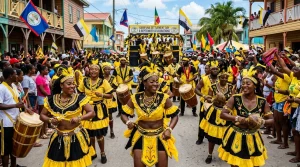
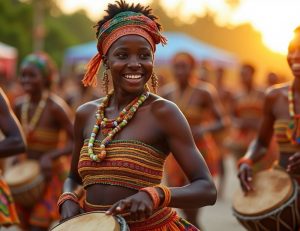
When considering the diverse cultural tapestry of Belize, many wonder whether people from this vibrant Central American nation are classified as Hispanic. This question digs deep into the roots of identity, heritage, and the multifaceted influences that shape Belizean culture. Unraveling this topic not only reveals the unique blend of Indigenous, European, African, and Caribbean influences but also highlights the pride and complexity of Belizean identity. Understanding how Belize fits into the broader conversation about cultural identity can enhance our appreciation of its rich history and diverse communities. Dive into this exploration to discover the significance of heritage in shaping personal and collective identities.
Are People from Belize Considered Hispanic? Understanding Cultural Identity
Belize is a vibrant tapestry of cultures, woven together by its diverse heritage, making the question of Hispanic identity particularly interesting. Situated in Central America, Belize stands out as a unique blend of ethnicities, including Creole, Mestizo, Garifuna, and Maya, among others. This blend brings forth a multifaceted identity where ties to Hispanic heritage can be seen but may not fit neatly into a single classification.
Understanding ‘Hispanic’ Contextually
In a general sense, the term “Hispanic” refers to individuals from Spanish-speaking countries or those with significant Spanish influence. While Belize’s official language is English, Spanish is widely spoken, indicating historical connections to Spanish colonialism. Additionally, the Mestizo population, who are of mixed European and Indigenous descent, often identify with Hispanic culture, further complicating the categorization. Thus, whether Belizeans are deemed Hispanic may vary based on personal identification and the specific cultural contexts within the country.
Diverse Perspectives on Cultural Identity
Belizean identity is shaped by a multitude of influences. For instance, celebrations like Garifuna Settlement Day and the September Celebrations exhibit distinct cultural heritages that enrich Belizean life. The coexistence of languages-English, Spanish, Kriol, and various Maya dialects-further emphasizes its cultural mosaic. This cultural dynamism allows Belizeans to navigate their identities uniquely, with some feeling a strong connection to Hispanic identity while others might prioritize their ties to the various local cultures.
In conclusion, the question of whether Belizeans are considered Hispanic is nuanced, reflecting the country’s rich historical backdrop and contemporary multicultural reality. The Belizean experience illustrates how cultural identity can be both a personal journey and a collective heritage, fluidly adapting to the surrounding influences while celebrating its unique blend of traditions. As Belize continues to thrive as a melting pot of cultures, its people proudly represent a diverse story where identity is more about shared experiences and vibrant celebrations rather than rigid definitions.
Belize’s Diverse Ethnic Composition: A Closer Look
Stepping into Belize is like opening the pages of a living history book, where the stories of diverse ethnic groups intertwine to form a rich cultural tapestry. The country’s unique identity is a vibrant blend of various heritages including Creole, Mestizo, Garifuna, Maya, and East Indian, among others. Each group contributes its own customs, languages, and flavors to the national identity, making Belize a fascinating study of multiculturalism.
The Creole people, descendants of African slaves and European settlers, form a significant portion of the Belizean population. They have created a distinctive culture that reflects their mixed heritage, evident in their language (Kriol), music, and mouthwatering cuisine. On the other hand, the Mestizo community, primarily of Spanish and Indigenous descent, has deep historical ties to the region, especially relevant due to the Spanish colonization. This group often identifies more closely with Hispanic culture, influenced by centuries of Spanish governance and the Spanish language, which is prevalent in day-to-day life alongside English.
Moving beyond these two groups, the Garifuna community, descendants of Caribbean Indigenous peoples and Africans, showcase their rich traditions through vibrant music and dance. Celebrations like Garifuna Settlement Day highlight the resilience and cultural contributions of the Garifuna people. The Maya, one of the oldest civilizations in the Americas, still uphold their traditions through rituals, art, and language, enriching Belize’s cultural landscape.
The interplay of these ethnic groups in public life-from colorful festivals to culinary delights-plays a pivotal role in how Belizeans perceive their identity. For many, navigating through their personal heritages often leads them to identify as part of something larger, more inclusive than simply fitting into the Hispanic definition. In this melting pot, there is a shared respect for varied heritages, allowing Belizeans to celebrate their distinctive backgrounds while fostering a unified national identity.
The Linguistic Landscape of Belize: Languages Spoken
The rich linguistic tapestry of Belize is as diverse as its cultural heritage, creating a unique communication environment reflective of the country’s multicultural roots. While English is the official language, believers in linguistic diversity will find a captivating array of languages spoken throughout the nation. This mixture of tongues offers insight into how the various ethnic groups in Belize influence and shape its identity.
One of the most prominent languages is Kriol (or Creole), widely spoken among the Creole population. Kriol is not merely a language but a cultural hallmark that encapsulates the history and identities of those descended from African slaves and European settlers. It features a blend of English vocabulary infused with African grammatical structures, making it an essential part of everyday communication in Belize.
In addition to Kriol, Spanish plays a significant role, particularly among the Mestizo community, which roots extend back to the Spanish colonization. Many Belizeans, especially those in urban areas, are bilingual, effortlessly switching between English and Spanish. This bilingualism reflects the historical connections to Hispanic cultures while also showcasing Belize’s diverse identity. The Maya community contributes several indigenous languages, including Yucatec Maya, Kekchi, and Mopan. These languages not only serve as a means of communication but also carry the cultural narratives and traditions of the Maya people, offering insights into their ancient civilization.
Furthermore, the Garifuna people speak Garifuna, a language with Arawakan and Carib influences, rich in sounds and rhythms that resonate with their musical heritage. Each language offers a window into the life, customs, and history of its speakers, highlighting the significance of language as a vital thread in the fabric of Belizean identity.
Overall, the linguistic landscape of Belize is a beautiful reflection of its multicultural society, showcasing how languages intertwine with cultural identity and challenge simplistic categorizations. For visitors and potential expats, this diversity is not just an interesting fact but an invitation to engage with the vibrant cultures of Belize, participate in its traditions, and embrace its rich linguistic heritage. Understanding this dynamic is a crucial step in appreciating the multifaceted identity of Belizeans and the lives they lead in this enchanting part of the world.
Historical Roots: The Formation of Belizean Identity
The historical tapestry of Belize is woven with threads of resilience, exploration, and cultural convergence, shaping a unique identity distinct within Central America. Emerging from a complex blend of indigenous roots, colonial legacies, and migration patterns, Belize’s formation as a nation speaks to the enduring spirit of its people. As the last British colony in the Americas until its independence in 1981, Belize’s history is a rich narrative of transformation, marked by interactions among the Maya civilization, European settlers, African slaves, and various cultural groups.
The story begins with the Maya, who inhabited Belize for centuries before European contact. Their civilization was characterized by impressive city-states, sophisticated agriculture, and a profound spiritual connection to the land. However, the arrival of the Spanish in the 16th century introduced new dynamics, leading to both cultural exchanges and conflicts. The Spanish colonization significantly influenced the demographic landscape, bringing with it enslaved Africans to work in the burgeoning sugar plantations, which laid the groundwork for the modern Creole society that now forms a substantial part of Belizean identity.
As Belize transitioned from British Honduras to an independent nation, the waves of migration-including the arrival of the Garifuna people, descendants of Caribbean islanders and Africans-further enriched the cultural mix. Garifuna culture, with its vibrant music and dance, remains a cornerstone of Belizean heritage, celebrated in annual festivals that honor their distinct identity. Meanwhile, the Mestizo population, rooted in Spanish colonization, added to the linguistic and cultural diversity, embracing both Spanish and indigenous influences in their customs and way of life.
In contemporary Belize, the blend of these historical elements creates a mosaic of identities, often challenging simplistic categorizations. While many Belizeans identify with their Hispanic heritage due to linguistic and cultural affinity, others proudly underscore their indigenous, Creole, or Afro-Caribbean roots. This interplay of identities fosters a rich dialogue about what it means to be Belizean in a globalized world, allowing individuals to navigate their unique experiences while contributing to the nation’s collective identity. Embracing this diversity not only celebrates the past but also sets the stage for future generations to explore their multi-faceted cultural heritage, ultimately enriching Belize’s narrative as a vibrant nation where every thread adds to the larger tapestry.
Cultural Influences Shaping Belize: A Melting Pot
In the heart of Central America, Belize stands as a vibrant testament to cultural fusion, where the rich legacies of indigenous peoples, colonial history, and modern influences converge. This small nation is characterized by its breathtaking landscapes, from sprawling jungles to the stunning Caribbean coast, but it is the melting pot of cultures that truly defines its identity. Travelers often find themselves enchanted not only by the natural beauty but also by the myriad cultural expressions that arise from its diverse population.
Belize’s cultural influences originate from multiple ethnic groups, each contributing to the nation’s distinct character. The Maya civilization, which has a legacy in the region dating back centuries, laid the foundation for many Belizean traditions, customs, and even architectural styles. Descendants of the Maya still play an essential role in society today, maintaining their languages, religious practices, and agricultural systems. This is complemented by the arrival of Creole, descendants of African slaves who worked on sugar plantations, bringing with them a unique vibrancy expressed through their language, cuisine, and music.
The Garifuna community, with their roots in African and Caribbean ancestry, adds another layer to this cultural tapestry. Known for their rhythmic music and lively dance, Garifuna culture is prominently showcased during annual festivals such as Garifuna Settlement Day, where traditional drumming and cultural expressions celebrate their heritage. Likewise, the Mestizo population preserves and promotes a blend of Spanish and indigenous customs, reflecting the historical colonization that shaped Belize’s early society.
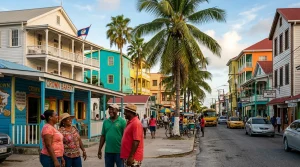
This rich heritage is not merely a relic of the past; it is alive in contemporary Belizean life. The thriving art scene, delicious fusion cuisine, and dynamic festivals encourage both locals and visitors to celebrate diversity. By navigating the streets of Belize City or exploring the small towns, one can witness the integration of cultural influences-from the savory rice and beans common in Creole dishes to the spicy salsa music that echoes in lively gatherings.
For travelers considering a visit or potential expats looking to call this place home, embracing this cultural diversity offers deeper connections and authentic experiences. Engaging with local festivals, enjoying the culinary variety, or even participating in a Garifuna dance workshop can enhance your understanding and appreciation of Belize as more than just a beautiful destination-it is a living mosaic of cultures where every individual contributes to its ongoing story.
Belizean Perspectives on Hispanic Identity
In Belize, the understanding of Hispanic identity is a tapestry woven from threads of history, culture, and personal experience. While the nation’s mestizo population-descendants of European and Maya ancestors-comprises over 60% of the total demographic, the interpretation of what it means to be “Hispanic” varies significantly among Belizeans themselves. Many identify closely with their Spanish roots, often speaking Spanish as their first language and adopting customs that reflect broader Latin American influences. Yet, at the same time, they embrace the rich cultural and historical context that comes with the Maya and Creole heritages, creating a unique blend that defies simple categorization.
For many Belizeans, their Hispanic identity is not just about ethnicity; it’s also about the celebrations, values, and daily interactions within a multicultural society. This is vividly illustrated during festivals like Independence Day, where all ethnic groups come together regardless of their backgrounds. Celebrations often feature a medley of music and dance styles, showcasing influences from the Garifuna, Creole, and Mestizo cultures-reminding everyone that their collective identity transcends singular ethnic labels.
Moreover, the linguistic landscape accentuates this complexity. While Spanish is predominant among the mestizo population, English and Creole languages also hold vital importance in daily life. This linguistic diversity enriches the cultural identity of Belizeans, who navigate and celebrate multiple influences seamlessly. In this context, Hispanic identity can be viewed not solely as a connection to Spanish heritage but also as a dynamic interplay of languages, traditions, and shared histories.
In navigating this intricate identity, Belizeans often find a source of pride in their multicultural heritage, viewing it as vital to their national character. Engaging with local communities and participating in various cultural events allows visitors to appreciate this richness firsthand. Whether it’s savoring the flavorful combinations in Belizean cuisine or dancing to the rhythmic beats of Garifuna music, there lies an opportunity to understand how Belizeans weave their diverse identities into a cohesive national story.
Comparing Belizean Culture to Other Hispanic Cultures
Belize’s cultural identity stands as a rich tapestry woven from diverse threads, setting it apart from many Hispanic cultures across Latin America. While Belizeans share linguistic connections and historical ties to Spanish-speaking nations, their unique blend of influences creates a cultural landscape that diverges significantly from conventional Hispanic identities. This unique identity beckons travelers and cultural enthusiasts to explore how Belizean culture compares with its Hispanic counterparts.
One key difference lies in the coexistence of various ethnic groups within Belize, including the Maya, Garifuna, Creole, and Mestizo communities. Each group contributes uniquely to the national identity-Garifuna music, for example, pulses through the streets during festivals and celebrations, intertwining with the catchy rhythms and vibrant dances that might be less prominent in other Hispanic nations. The celebration of cultural diversity rather than ethnic homogeneity allows Belize to stand out; Independence Day, for instance, showcases a kaleidoscope of traditions, where the various ethnicities come together to celebrate unity in diversity.
The culinary experiences also highlight Belize’s distinct cultural flair. Unlike many Hispanic countries that might primarily showcase homogeneous cuisines, Belize offers a melting pot of flavors influenced by its multiple heritages. For example, the use of traditional Mayan ingredients such as cacao and corn blends with Creole influences that emphasize seafood and spices, leading to dishes like hudut-a delicious Garifuna fish stew-often enjoyed alongside rice and plantains. Culinary travelers will find that Belizean fare is an experience of discovery, contrasting with the more singular culinary narratives of many Hispanic regions.
Furthermore, linguistic diversity plays a significant role in shaping Belize’s cultural identity. While Spanish functions as a primary language for many, English is the official language, and Creole is widely spoken among residents. This trilingual landscape enriches daily interactions and is a testament to the country’s colonial history. Visitors will find that the language spoken in Belize is often a blend of African, Spanish, and English influences, creating a vibrant atmosphere in both urban and rural settings. This linguistic interplay not only shapes communication but also influences music, literature, and local storytelling traditions.
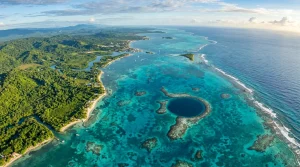
Belize’s rich biodiversity and stunning landscapes-from the Great Blue Hole to ancient Maya ruins-further immerse visitors in its unique cultural experience. Travelers can explore the lush jungles, sparkling Caribbean beaches, and dive into the historical depths of its ruins, all while witnessing the vibrant manifestations of Belizean identity against a backdrop of natural beauty. Whether savoring a traditional meal, participating in local festivals, or simply enjoying the lively conversations in the marketplaces, the experiences are undeniably enriched by the melting pot of cultures that define this captivating nation.
The Role of Creole and Garifuna Heritage in Identity
In the vibrant mosaic of Belizean culture, the Creole and Garifuna heritages emerge as vital threads that contribute richly to the country’s unique identity. Creole, with its roots in African, British, and Caribbean influences, forms a significant part of Belize’s cultural fabric. This heritage not only shapes the everyday life and communication of many Belizeans but also influences local cuisine, music, and festivities, making them distinctly flavorful and dynamic.
The Creole community’s contributions can be felt most prominently in Belize’s culinary landscape. Traditional dishes such as rice and beans, fry jacks, and the famous Belikin beer reflect a delightful fusion of flavors that embody the country’s history. Additionally, local celebrations, particularly during Garifuna Settlement Day on November 19, showcase the artistic expressions of both communities. It is a day filled with music, dance, and food that together narrate stories of ancestry, resilience, and pride, inviting all Belizeans to partake in the rich traditions that define them.
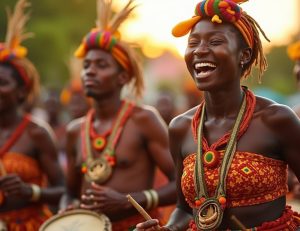
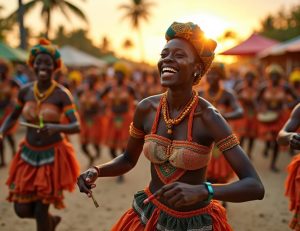
Garifuna heritage plays an equally important role in defining the Belizean identity, with its distinct music and dance offering an immersive experience into the heart of the culture. The rhythmic beats of Garifuna drumming, along with traditional dances like the Punta and Jankunu, are not just art forms; they are vital modes of storytelling and cultural preservation. This vibrant expression of identity is celebrated in festivals throughout the year, especially during the annual Garifuna Day festivities, which emphasize community unity and the importance of passing down traditions to future generations.
Together, the Creole and Garifuna cultures exemplify the balancing act of maintaining a rich cultural heritage while embracing modern influences. Travelers exploring Belize can witness this cultural confluence in bustling markets, lively gatherings, and scenic coastal towns. Whether it’s sharing a meal seasoned with historical significance or participating in a dance that echoes centuries of joyful resilience, the Creole and Garifuna heritages offer a compelling invitation to understand and celebrate the multifaceted identity of Belize. This cultural richness not only distinguishes Belize from other Hispanic cultures but also enriches the visitor experience, confirming that in Belize, diversity is a cause for celebration.
Celebrations and Festivals Reflecting Cultural Identity
The vibrant rhythms of Belize come alive through its various celebrations and festivals, each offering a unique lens into the country’s rich cultural identity. One of the most significant events is Garifuna Settlement Day, celebrated every November 19. This festival commemorates the arrival of the Garifuna people to Belize and is a spectacular showcase of music, dance, and food. Streets fill with the sounds of Garifuna drumming, and the air is thick with the scents of traditional dishes like hudut-a delicious fish and plantain stew. The celebrations not only honor the Garifuna heritage but also invite all Belizeans to participate in honoring their shared history and community spirit.
Another highlight in the Belizean festival calendar is Carnival, known for its lively parades adorned with extravagant costumes and infectious enthusiasm. Held in September, Carnival serves as both a national celebration and a vibrant display of the diverse ethnic backgrounds that exist within Belize. The splashes of color from elaborate costumes, the pounding of steel drums, and the joyful shouts of festival-goers transform towns into lively streets filled with cultural expression. This event exemplifies the harmony among the various communities, reaffirming the notion of Belize as a melting pot of cultures.
The Maya Day is yet another meaningful celebration, particularly significant among the Maya community. This event typically includes traditional Maya ceremonies, art exhibitions, and culinary delights that reflect ancient customs and beliefs. It emphasizes the ongoing connection to ancestral practices and is celebrated by both locals and visitors who wish to experience the depth of Maya culture firsthand.
Visitors to Belize during these festivals are greeted with an openness and warmth that embodies the country’s ethos. Engaging in these local celebrations not only allows travelers to enjoy vibrant entertainment but also offers profound insights into the Belizean identity. Whether joining the energetic parades of Carnival or sampling traditional foods during Garifuna Settlement Day, guests can partake in the beautiful tapestry that defines Belize, making every festival a memorable experience that reinforces the country’s rich cultural heritage.
How Geography Influences Belizean Cultural Identity
The lush landscapes and diverse ecosystems of Belize serve not only as a backdrop for adventure but also as a significant influence on the country’s cultural identity. Nestled on the eastern coast of Central America, Belize encompasses a variety of geographic features-from the stunning barrier reef to the dense jungles of the Maya Mountains. These natural environments provide a rich tapestry that shapes the daily lives, traditions, and cultural expressions of its people, creating a unique Belizean identity steeped in resilience and adaptation.
Historically, Belize’s geography has played a crucial role in its settlement patterns and cultural evolution. The coastal areas, with their access to the Caribbean Sea, facilitated trade and cultural exchanges with other communities, including those in the Caribbean islands and beyond. This interaction has led to a blend of influences, evident not just in the cuisine and music but also in the linguistic landscape where Spaniard, Creole, and local languages coexist. As communities emerged around rivers and coastlines, different ethnic groups brought their distinct customs and practices, enriching the cultural mosaic that characterizes Belize today.
The interior regions of Belize, particularly the Maya Mountains and surrounding jungles, further contribute to this intricate identity. The Maya civilization, which thrived in these areas, has left an indelible mark on Belizean culture through its languages, traditions, and spiritual beliefs. Today, the descendants of the Maya continue to celebrate their heritage through vibrant rituals and festivals, drawing both locals and tourists to immerse themselves in their rich history. The natural resources found within these jungles, such as medicinal plants and wildlife, also play a vital role in traditional practices and holistic healing methods, ensuring that the knowledge passed down through generations remains relevant.
Furthermore, the geography of Belize facilitates a lifestyle that celebrates the natural environment, impacting cultural expressions such as music, dance, and food. Access to fresh seafood from the Caribbean leads to distinctive culinary traditions like the Creole seafood dishes beloved by many. On the other hand, resources from the jungles have birthed traditional practices around land stewardship, conservation, and craftsmanship, reflecting a deep-rooted respect for the environment.
In summary, the geography of Belize is a vibrant foundation that not only defines its physical landscape but also profoundly influences the cultural identities of its people. As travelers explore the country-from the breathtaking coral reefs to the majestic ancient ruins-they will discover a cultural tapestry woven together by the resources, histories, and peoples who call this beautiful nation home.
Belizean Cuisine: A Taste of Cultural Diversity
In Belize, cuisine serves as a delicious metaphor for the country’s diverse cultural identity, intertwining flavors and traditions from its rich ethnic tapestry. Imagine savoring a plate that reflects centuries of history, where the influence of the Mestizo, Creole, Garifuna, and Maya cultures melds together to create a vibrant culinary landscape, making each bite a journey through Belize’s various heritages. Whether you’re visiting the bustling markets of Belize City or enjoying a meal on a tranquil beach, the country’s food is a celebration of its multifaceted identity.
Belizean cuisine is predominantly influenced by the availability of local ingredients and cultural blending. Fresh seafood is a staple due to the country’s extensive coastline, and dishes like ceviche-marinated fish mixed with citrus juices and local spices-are perfect for coastal dining experiences. Moreover, iconic meals such as rice and beans, often cooked in coconut milk, highlight the Creole influence with their comforting and homestyle flavors. For the adventurous palate, traditional Maya dishes like thermal or tamales showcase ancient recipes that still thrive in contemporary kitchens.
To truly appreciate Belizean culinary diversity, one must explore its street food scene-a whirlwind of flavors often found in local stalls or food trucks. Indulge in a hearty stew chicken alongside fry jacks for breakfast, or grab a baleada, a flour tortilla filled with beans and cheese, reflecting the culinary traditions of the Mestizo population. Furthermore, don’t miss the chance to experience the Garifuna heritage through music and food at coastal festivals, where dishes like hudut (a fish and plantain dish served with coconut gravy) come alive alongside drums and dance.
When planning your culinary adventure, look for local festivals that celebrate food and tradition, such as the yearly Belize City Carnival or the Garifuna Settlement Day, where you can experience the vibrant dancing and music that accompany traditional meals. From upscale restaurants that serve fusion dishes to humble eateries offering home-cooked meals, each dining experience in Belize contributes to understanding its cultural identity, painting a delicious picture of a nation proud of its heritage.
As you explore Belize, allow the flavors of its culinary landscape to deepen your understanding of what it means to be Belizean-an identity beautifully expressed through the heart and joy found in every meal.
Navigating Identity: Belizeans in the Global Context
Navigating the complex questions of identity on a global scale can be particularly intriguing when considering Belizeans. Straddling the fine line between cultural categories, people from Belize often embody a fusion of heritage that defies strict labels. While many Belizeans do identify as Hispanic, particularly those of Mestizo descent, the rich mosaic of ethnic backgrounds-ranging from Creole, Garifuna, and Maya, to East Indian and Chinese-adds remarkable layers to this discussion.
The Belizean diaspora, spread across the United States, Canada, and the UK, frequently confronts the challenge of cultural identity in new environments. In expatriate communities, Belizeans celebrate their unique heritage through local gatherings, showcasing traditional music, dance, and, of course, culinary delights that reflect their cultural roots. These interactions foster a continuous dialogue about what it means to be Belizean in a globalized world, often leading to a rich blending of traditions that enrich both their local communities and the broader cultural landscape.
Belize’s inclusion in various Hispanic cultural events and discussions, such as those organized by Hispanic heritage organizations, reflects both the historical ties to Spanish colonialism and the present-day cultural interchange. However, it’s essential to recognize that this identification is not universally accepted among Belizeans. The Garifuna community, for instance, proudly emphasizes their Afro-indigenous roots, often opting to define their cultural identity outside the Hispanic label. This diversity of perspectives ensures that Belizean identity remains dynamic and inclusive, encouraging an appreciation for the country’s multifaceted nature.
As travelers navigate this vibrant tapestry, engaging with Belizeans-whether through conversations at local markets or during festivals like Carnival and Garifuna Settlement Day-offers invaluable insights into the ongoing evolution of cultural identity. By participating in these celebrations, visitors gain not only appreciation for Belize’s diverse heritages but also a deeper understanding of how Belizeans proudly assert their unique identity in a complex global context, celebrating both their individual and shared histories.
Frequently Asked Questions
Q: Are people from Belize considered Hispanic?
A: People from Belize are often not classified as Hispanic in the traditional sense, despite Spanish being one of the official languages. The country is home to a diverse mix of ethnicities, including Creole, Garifuna, Maya, and Mestizo, leading to a unique cultural identity that transcends typical Hispanic categorization.
Q: What ethnic groups are present in Belize?
A: Belize boasts a rich tapestry of ethnic groups, including Mestizos, Creoles, Garifuna, Maya, and other indigenous communities. This diversity significantly influences the cultural landscape, creating a blend of traditions and languages that contribute to Belize’s identity.
Q: How does Belize’s cultural identity differ from other Hispanic cultures?
A: Belizean culture is distinct due to its diverse ethnic composition and historical influences, including British colonialism. Unlike many Hispanic cultures that may be predominantly Spanish-speaking, Belize is characterized by a variety of languages and cultural practices from its indigenous and Afro-Caribbean heritage.
Q: What languages are spoken in Belize?
A: Belize is multilingual, with English as the official language. Other widely spoken languages include Spanish, Creole (Kriol), and various Mayan languages. This linguistic diversity reflects the country’s multicultural makeup and contributes to the unique Belizean identity.
Q: How does geography influence Belizean cultural identity?
A: Belize’s geography, including its coastal areas, rainforests, and Maya mountains, plays a significant role in shaping its cultural identity. The natural environment supports various indigenous and cultural traditions, impacting lifestyles, cuisine, and local festivals, which enrich the Belizean identity.
Q: What role do festivals play in Belizean cultural identity?
A: Festivals in Belize serve as a vibrant expression of its diverse cultures. Events like Garifuna Settlement Day and the Belize Carnival celebrate heritage and community, fostering cultural pride and unity among different ethnic groups while showcasing Belize’s rich cultural tapestry.
Q: How does Belizean cuisine reflect its cultural diversity?
A: Belizean cuisine is a fusion of flavors influenced by various cultures, including Creole, Maya, and Garifuna traditions. Dishes often feature local ingredients, showcasing the country’s diversity and providing a delicious representation of its multifaceted identity.
Q: What are the perspectives of Belizeans on their Hispanic identity?
A: Perspectives on Hispanic identity among Belizeans vary widely. Some embrace their Spanish heritage, while others emphasize their Creole, Garifuna, or Maya roots. Ultimately, the Belizean cultural identity is complex and encompasses a blend of influences that reflect its unique history.
Final Thoughts
Understanding the cultural identity of Belizeans and whether they are considered Hispanic is essential in appreciating the vibrant mix of influences that shape this beautiful nation. As you explore more about Belize’s unique heritage, don’t miss our guides on the best attractions, such as the stunning Great Blue Hole and the rich history of Maya ruins.
If you’re curious about travel options or practical tips for your Belizean adventure, our comprehensive resources cover everything from accommodation types-like budget hostels to luxury jungle lodges-to cultural insights on Creole cuisine and Garifuna music.
Join our community by signing up for our newsletter to stay informed about exciting updates and travel tips. Dive deeper into Belize’s diverse culture and breathtaking landscapes; your adventure awaits!
Get our latest guides, news, and insights highlighted in your Google Search & AI Overviews.