Is Belize a democracy? Yes, Belize is a stable parliamentary constitutional democracy under the Westminster tradition. The belize political system is anchored by a competitive two-party system (historically analyzed in political science as the parteiensystem belize) featuring the PUP and UDP, ensuring peaceful transfers of power.
Belize, a vibrant tapestry of cultures and breathtaking landscapes, is not just a paradise for travelers but also a unique democracy in the heart of Central America. Known for its stunning coastlines and rich historical roots, Belize’s political system merits a closer look. As a nation that gained independence in 1981, understanding its political framework is essential for anyone eager to delve deeper into its cultural and societal dynamics. How do the electoral processes work? What challenges does this small nation face in maintaining its democratic ideals? By exploring these questions, you’ll uncover insights that are not only intriguing but vital for appreciating Belize’s journey towards sustainable governance and civic engagement. Join us as we unpack the nuances of Belize’s democracy and what it means for its people today.
Is Belize a Representative Democracy or a Dictatorship?
Belize stands proudly as a representative democracy, characterized by its vibrant political landscape where power is derived from the consent of the governed. Unlike oppressive regimes or dictatorships, Belize’s system of governance allows citizens to participate actively in the democratic process through regular elections and a multiparty system. This political structure is fundamental in shaping the nation’s identity, fostering a sense of belonging and civic engagement among its diverse populace.
In Belize, political parties play a pivotal role in governance, exemplifying the spirit of democracy. The two main parties, the People’s United Party (PUP) and the United Democratic Party (UDP), engage in healthy competition that reflects the will of the electorate. Through elections held every five years, Belizeans have the opportunity to voice their preferences for leadership, reinforcing their role in the democratic process. Various channels, such as local town halls and community forums, enable citizens to influence policy-making and hold their leaders accountable.
However, like many democracies, Belize faces challenges that could impede its democratic ideals. Issues such as corruption, electoral fraud, and socio-economic disparities pose threats to the political system. Nonetheless, campaigns geared towards enhancing transparency and civic education are being put in place to mitigate these challenges, fostering a more informed electorate.
In summary, Belizean democracy thrives on the principles of representation, active political participation, and ongoing efforts to tackle challenges head-on. As Belize continues to evolve, the resilience of its democratic framework remains essential in navigating future political landscapes and ensuring that the voices of its citizens are heard, forging a path for a more prosperous and equitable nation.
The Role of Political Parties in Belizean Governance
In the landscape of Belizean governance, political parties are not just entities but the lifeblood of the democratic process, providing a vital link between the electorate and their representatives. At the forefront are the People’s United Party (PUP) and the United Democratic Party (UDP), both of which have played significant roles in shaping the political framework of the nation. The vibrant competition between these parties reflects the diverse interests and aspirations of the Belizean people, ensuring that various voices are heard in the corridors of power.
The political arena in Belize is characterized by a parliamentary system where these parties vie for public support every five years during general elections. Voter engagement is high, with an expectation for parties to address issues ranging from healthcare and education to crime and economic development. This competitive spirit fuels a robust discourse about policy and leadership, encouraging citizens to remain informed and active in their governance.
Moreover, local political gatherings, such as town halls and community forums, provide platforms for direct interaction between party representatives and constituents. These interactions are crucial for fostering accountability, as citizens can voice their concerns and hold elected officials to their commitments. This dynamic creates an environment where political parties must continuously adapt and respond to the needs of the populace, reinforcing the idea that they are public servants first and foremost.
However, the role of political parties in Belize is not without challenges. The enduring issues of corruption and electoral fraud sometimes cloud the political landscape, creating apathy among voters. Nonetheless, initiatives aimed at increasing transparency and civic education are being implemented to combat these challenges, fostering a more informed electorate eager to actively participate in democracy. As Belize navigates its political future, the strength and adaptability of its political parties remain fundamental to sustaining its democratic ethos.
Understanding the Electoral System in Belize
In Belize, the electoral system is a fundamental aspect of its democratic framework, embodying the spirit of participation and representation. Scheduled elections every five years offer citizens the opportunity to choose their leaders, and the vibrant political landscape is marked by competition between the main parties, the People’s United Party (PUP) and the United Democratic Party (UDP). This environment encourages a diversity of opinions and debates, allowing voters to engage with issues that resonate with their everyday lives, from healthcare to education and economic policies.
The electoral process begins with an initial registration phase, where eligible voters must ensure they are on the electoral roll. The process is relatively straightforward and typically involves providing identification, proof of residency, and meeting the age requirement of 18 years. Once registered, voters can participate in a parliamentary system where representatives are elected to serve in the House of Representatives. Belize’s electoral districts, divided into 31 constituencies, play a crucial role by determining how votes are translated into seats in government, making each district’s engagement vital to the overall legislative balance.
Voting in Belize is conducted via a secret ballot, ensuring that individuals can exercise their rights without fear of coercion. This system is designed to promote integrity and fairness in the electoral process. However, like many democracies, Belize faces challenges, including reports of electoral fraud and corruption, which undermine public trust. To counteract these issues, ongoing reforms aim to increase transparency and build confidence in electoral institutions. Educational initiatives also play a crucial role in informing voters about their rights and responsibilities, fostering a culture of active civic engagement.
Belizean elections are vibrant events, often accompanied by rallies, debates, and community gatherings that highlight the candidates’ platforms and encourage public discourse. This lively atmosphere exemplifies the democratic spirit and showcases the nation’s commitment to participatory governance, inviting all Belizeans to play a role in shaping their future through the power of their vote.
Civic Participation: Voter Engagement in Belize
Engaging actively in the democratic process is paramount for the citizens of Belize, where the voice of each individual matters. With a history steeped in resilience and cultural richness, Belizean voters take pride in making their choices during elections, where vibrant gatherings and spirited dialogues proliferate. From the sandy shores of the Caribbean to the vibrant towns along the Belize River, electoral events become lively celebrations of civic duty, reflecting not only the political landscape but also the diverse tapestry of the nation’s heritage.
The success of democracy in Belize hinges on the commitment of its citizens to participate fully in the electoral process. To ensure that engagement is meaningful, several initiatives have been introduced to raise awareness about rights and responsibilities associated with voting. Educational campaigns, often organized by non-governmental organizations and community groups, aim to inform voters about the significance of their choices while also demystifying the voting process. These efforts emphasize the importance of registration and provide practical guidance on how to navigate the electoral system effectively.
Furthermore, civic engagement extends beyond mere voting. Belizean citizens actively participate in community forums, public debates, and grassroots movements that address pressing issues such as healthcare, education, and environmental conservation. These platforms offer opportunities for citizens to voice their concerns, engage with local leaders, and propose solutions, fostering a culture of dialogue and collaboration. Social media has become an essential tool in this modern civic participation landscape, allowing for real-time discussions, mobilization, and the sharing of information among a broad audience.
Despite the challenges that may arise, such as allegations of corruption and disillusionment with political processes, the spirit of civic engagement in Belize remains resilient. Grassroots organizations play an essential role in empowering citizens, ensuring that their voices are heard not only during elections but throughout the legislative process. This ongoing commitment to civic participation is vital in shaping the future of Belize, as it helps hold leaders accountable and fosters a strong, informed electorate ready to make meaningful decisions for the nation’s development.
Human Rights and Freedoms in Belize’s Democracy
In Belize, human rights and freedoms are enshrined in a legal framework that reflects the country’s commitment to democratic governance and the protection of individual liberties. The Constitution of Belize guarantees a range of fundamental rights, including freedom of speech, assembly, and religion. This foundation aims to foster a society where citizens can express their views and engage in the political process without fear of reprisal.
However, the reality can sometimes be more complex. While Belize enjoys a vibrant civil society and a dynamic media landscape, challenges remain. Reports of violence against women, discrimination based on sexual orientation, and issues related to indigenous land rights highlight ongoing struggles for greater equity and justice. Non-governmental organizations play a crucial role in advocating for marginalized groups, drawing attention to these matters, and promoting awareness of human rights issues among the populace.
The judicial system, while established to uphold the law impartially, faces hurdles including delays and limited resources, which can impact the effective enforcement of rights. Nevertheless, citizens are increasingly asserting their rights and participating in advocacy efforts to improve their circumstances. Grassroots movements and activism have gained traction, urging the government to strengthen its human rights protections and address systemic inequalities.
As Belize navigates the balancing act of maintaining social order while respecting civil liberties, the commitment to human rights remains a cornerstone of its democracy. The path forward will require persistence from both the government and civil society to promote a culture of respect, understanding, and inclusivity across all segments of Belizean society, ensuring that all voices are heard and valued.
Challenges Faced by Belizean Democracy
In Belize, the vibrant hues of its natural landscapes are often overshadowed by the complex shades of its political landscape. As a nation that has managed to hold on to its democratic foundations since achieving independence in 1981, Belize faces a myriad of challenges that threaten the integrity and efficacy of its governance. While the country is recognized for its multiparty political system and the right to vote, underlying issues persist that complicate the functioning of its democracy.
Corruption remains a significant challenge, with instances of mismanagement and unethical practices eroding public trust in government institutions. Transparency and accountability are frequently called into question, leading to widespread skepticism regarding the ability of politicians to act in the best interest of the citizens. Efforts to combat corruption are ongoing, yet the need for a robust institutional framework remains evident to ensure that government officials are held accountable for their actions.
Furthermore, Belize’s political discourse often becomes divisive, as the traditional party rivalry between the People’s United Party (PUP) and the United Democratic Party (UDP) plays out in a way that may alienate other voices and perspectives in the arena. This polarization can lead to a stagnation in policy innovation and collaboration, as both parties become preoccupied with undermining each other rather than addressing the pressing needs of their constituents.
Socioeconomic factors also weigh heavily on Belize’s democratic processes. Issues such as poverty, education disparities, and unequal access to healthcare significantly impact civic engagement and participation. Many citizens feel disenfranchised by a system that appears to prioritize political allegiance over the welfare of the populace, resulting in lower voter turnout and engagement in political discourse. As a rich tapestry of cultures and backgrounds, Belize has the potential to foster a more inclusive political environment, but it requires sustained efforts to ensure that all voices, particularly marginalized groups, are represented and heard without hindrance.
Amid these challenges, the resilience of Belizean civil society stands out. Non-governmental organizations and grassroots movements play crucial roles in advocating for human rights and greater political engagement. By raising awareness and encouraging dialogue around critical issues, they help to empower citizens and foster a climate of active participation. The road ahead for Belizean democracy is fraught with hurdles, yet the passion and commitment of its people and organizations to cultivate a brighter future remain a beacon of hope.
Comparing Belize’s Democracy with Other Central American Nations
In the vibrant tapestry of Central America, Belize’s democratic evolution stands out, illustrating the spectrum of governance across neighboring nations. Unlike many of its counterparts, Belize embraces a multiparty system, paving the way for democratic processes that empower its citizens. While countries like Honduras and Nicaragua grapple with political unrest and authoritarian tendencies, Belize has so far managed to cultivate a more stable democratic environment since gaining independence in 1981. The nation has seen peaceful transitions of power, promoting a sense of stability amidst a region often marked by turbulence.
Belize’s political landscape is shaped largely by two dominant parties: the People’s United Party (PUP) and the United Democratic Party (UDP). This two-party system, while functioning democratically, occasionally stifles alternative voices and leads to polarization similar to what is seen in countries like Guatemala. However, Belize’s relative political stability allows for a more inclusive dialogue among diverse communities, including indigenous groups and Afro-Caribbean populations, thereby enriching its democratic discourse. For instance, the involvement of civil society organizations has been crucial in promoting human rights and fostering civic engagement, roles that are sometimes less pronounced in the political arenas of its Central American neighbors.
When comparing Belize’s electoral system to others in the region, one notes its commitment to free and fair elections, upheld by independent electoral bodies and active civil participation. Countries like El Salvador face challenges with electoral integrity and voter disenfranchisement, but Belize has demonstrated a more robust framework that bolsters voter engagement and promotes accountability. The relative ease of accessing polling places and the transparency of the electoral process in Belize enhance public trust, an essential component for a thriving democracy.
Yet, the challenges in Belize’s democratic journey cannot be overlooked. Corruption-an issue pervasive across Central America-continues to erode public trust, even in Belize’s relatively stable political landscape. Comparatively, while Belize’s corruption issues are notable, they differ in scale and manifestation from those in countries like Honduras, which has witnessed widespread political corruption leading to public unrest. Addressing these challenges while drawing lessons from the successes and pitfalls faced by other nations will be pivotal in shaping the future of democracy in Belize and the region as a whole.
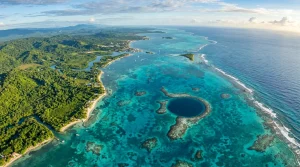
As travelers and expatriates summit the cultural and ecological marvels from the Great Blue Hole’s turquoise waters to the lush jungles home to ancient Maya ruins, understanding this political backdrop enhances their experience. The appeal of Belize lies not only in its natural beauty but in its dynamic political narrative, where democracy, civil engagement, and cultural richness intermingle, inviting visitors to partake in its unfolding story.
The Impact of Corruption on Belize’s Political Landscape
Corruption casts a significant shadow on Belize’s political landscape, subtly influencing public perception and electoral integrity while posing challenges that threaten to hinder democratic progression. Despite being a nation that strives to uphold democratic values since gaining independence in 1981, the specter of corruption remains a pressing concern. It manifests in various ways, from bribery and misappropriation of public funds to nepotism and lack of transparency in governance. These issues can erode trust in public institutions and give rise to disenchantment among voters, potentially narrowing civic engagement and participation in a vibrant democracy.
Strengthening accountability mechanisms is crucial in fighting corruption and ensuring government officials can be held responsible for their actions. Organizations like Transparency International play a vital role in highlighting corruption and advocating for reforms. Although Belize has made strides toward improving transparency, ongoing challenges in the enforcement of laws remain. For visitors and expatriates, understanding this context is essential. Engaging informally with locals can provide insights into these dynamics, enhancing one’s experience in this culturally rich nation while fostering a more profound appreciation for Belizean resilience.
In comparison to some of its neighbors, Belize’s corruption levels, while concerning, have not spiraled out of control to the same extent as seen in countries like Honduras, where widespread corruption has led to civil unrest and significant democratic backsliding. This relative stability allows Belize to maintain a more welcoming environment for tourists and expatriates alike. Indeed, many find that local communities rally against corruption, showing a sincere desire for greater openness and accountability in governance. By supporting civil society initiatives or practicing responsible tourism, travelers can contribute positively to the local context and fortify the ongoing efforts to uphold democracy in Belize.
As Belize continues to navigate its democratic journey, the intersection of corruption and governance remains a pivotal story to follow. The dynamic unfolding within its political space is as captivating as the breathtaking landscapes that beckon adventurers-from the ethereal Great Blue Hole to ancient Maya ruins hidden in the lush jungles. By understanding the political nuances, visitors can enrich their connection with this remarkable country, ensuring their journey is not just scenic but also rooted in cultural awareness and appreciation for Belize’s ongoing story of democracy and resilience.
Belize’s Political History: Key Milestones and Events
The journey toward democracy in Belize is a tapestry woven with resilience, cultural richness, and significant milestones that reflect the nation’s evolving political landscape. One pivotal moment in Belize’s history occurred in 1981 when the country achieved independence from British colonial rule, transitioning from British Honduras to the self-governing nation it is today. This shift marked the dawn of a new chapter, as Belize sought to establish its identity on the global stage, promoting a parliamentary democracy rooted in the principles of governance and representation.
In the years following independence, Belize experienced a surge in political engagement, shaped by the dual influences of internal aspirations for self-determination and external factors such as regional political dynamics. The formation of political parties became crucial. The People’s United Party (PUP) and the United Democratic Party (UDP) emerged as the two dominant political entities, each framing their visions for Belize’s future while navigating issues like economic development, education, and social welfare. Elections regularly bring citizens together to express their democratic will, although the landscape has not been without challenges, including allegations of corruption and electoral misconduct that have occasionally marred public confidence.
The evolution of human rights within Belize is another critical aspect of its political history. The 1990s saw the establishment of various civil society organizations dedicated to promoting civil rights and liberties, further empowering citizens in political discourse. Key events, such as the 2008 constitutional reforms aimed at strengthening democracy, demonstrate Belize’s ongoing commitment to democratic processes. These reforms included measures to enhance governmental accountability, diversify the political system, and bolster citizen participation-a testament to the nation’s dedication to fostering a society where self-expression and civic responsibility are celebrated.
As travelers and expatriates explore the stunning landscapes of Belize-from the lush jungles teeming with wildlife to the serene beauty of the Caribbean Sea-they can appreciate more than just nature’s splendor. Understanding the nuances of Belize’s political history enriches their connection with the country, offering insights into the resilience of a people who continue to strive for a vibrant democracy. Through festivals, cultural heritage, and community events, visitors can experience firsthand the unity and spirit of a nation that honors its past while looking forward to a promising future. Exploring this rich political backdrop can not only deepen appreciation for Belize’s cultural complexity but also inspire meaningful conversations with locals who embody the essence of democracy in their everyday lives.
The Influence of External Factors on Belize’s Political System
The political landscape of Belize is intricately shaped by various external influences that have both challenged and bolstered its democratic institutions. Situated in Central America and bordered by Mexico and Guatemala, Belize’s geopolitical positioning is instrumental in its political dynamics. The interplay of international relations, particularly with neighboring countries, has had profound implications on governance, economic policies, and cultural exchanges.
Regionally, Belize is affected by the political climates of its neighbors. For instance, shifts in governance in Guatemala, which has historically experienced its own challenges with corruption and political instability, can have ripple effects across the border. These external factors often transcend mere political rhetoric, as issues like immigration, trade agreements, and environmental concerns play out on a larger scale. The shared history and cultural ties with the Caribbean and Central American nations foster a complex web of relationships that can influence political ideologies and party alignments within Belize.
Additionally, external organizations and international bodies, such as the United Nations and the Organization of American States, play significant roles in supporting Belize’s democratic processes. They provide frameworks and resources for electoral monitoring and human rights advocacy, essential components in a country that continues to grapple with corruption and a lack of transparency. The engagement of these international bodies encourages the Belizean government to adhere to certain governance standards and practices, promoting accountability and civic participation.
Belize’s economic dependencies also illustrate the influence of external factors. Tourism, a cornerstone of the Belizean economy, not only brings in significant revenues but also introduces stakeholders from various backgrounds who advocate for diverse political perspectives. This intermingling of cultures further enriches Belize’s democratic fabric, as the exchange of ideas encourages a more participatory political environment. The vital contributions from the diaspora, especially from Belizeans living abroad, amplify calls for transparency and good governance, underscoring the global community’s role in shaping Belize’s political narrative.
In summary, the external factors influencing Belize’s political system encapsulate a blend of regional politics, international advocacy, and economic dependencies. These elements are critical in understanding the complexities of Belizean democracy, as they contribute to both its challenges and opportunities for growth within the global political arena.
Future of Democracy in Belize: Trends and Predictions
The landscape of Belizean democracy is filled with vibrant potential and significant challenges, steering towards a future that could redefine governance in this small, culturally rich nation. As more Belizeans engage in civic duties and hold leaders accountable, the fabric of representative democracy could be strengthened. The increasing public participation in political processes is evident, particularly among younger generations who are leveraging social media and technology to voice their concerns and mobilize for change. This trend not only enhances democratic engagement but also indicates a growing awareness of global issues, resonating with trends seen in many other democracies worldwide.
In the coming years, Belize’s democracy may also benefit from the concerted efforts of local and international organizations working toward electoral integrity and human rights advocacy. With regional support following Belize’s unique geopolitical position, collaborations with organizations, such as the Organization of American States, could promote transparency and strengthen public institutions. This international oversight could mitigate the longstanding issues of corruption that have plagued Belizean governance, allowing more equitable distribution of resources and fairer public services.
However, challenges remain, particularly concerning the impact of climate change and economic vulnerabilities. With Belize’s economy being heavily reliant on tourism, fluctuations in this sector can directly affect governance stability. Environmental degradation often leads to social unrest, necessitating a more robust and integrated approach to governance that addresses both ecological sustainability and socioeconomic issues. Belize’s leaders will need to prioritize policies that not only protect its stunning natural resources, like the Great Blue Hole and pristine jungle areas but also empower local communities through inclusive economic development.
Ultimately, the future of democracy in Belize will hinge on the balance between emerging civic engagement and the entrenched systems of leadership. As awareness grows and participation rises, the Belizean populace is primed to shape their democratic landscape. Whether through engaging in local governance or holding the political elite accountable, the upcoming years present a pivotal opportunity for Belizeans to affirm their commitment to a resilient democracy that reflects their values and aspirations.
Frequently asked questions
Q: What type of democracy is Belize?
A: Belize is a representative democracy, meaning that citizens elect representatives to make decisions on their behalf. The country operates under a parliamentary system, with a Prime Minister as the head of government, promoting accountability and civic participation.
Q: How often are elections held in Belize?
A: Elections in Belize are held every five years, with general elections determining members of the National Assembly. Local elections can occur at different intervals, ensuring regular opportunities for citizens to participate in the democratic process.
Q: What are the main political parties in Belize?
A: The main political parties in Belize are the People’s United Party (PUP) and the United Democratic Party (UDP). These parties dominate the political landscape, frequently engaging in competitive elections and influencing government policy and governance.
Q: How does the electoral system work in Belize?
A: Belize uses a first-past-the-post electoral system for general elections. This means that the candidate with the most votes in each constituency wins a seat in the National Assembly, allowing for straightforward decision-making in governance.
Q: What challenges does Belize’s democracy face?
A: Belize’s democracy faces challenges such as political corruption, the influence of money in politics, and issues related to voter turnout and civic engagement. Addressing these challenges is essential for strengthening democratic institutions.
Q: Are human rights protected in Belize?
A: Human rights in Belize are generally protected by law, but challenges remain, particularly concerning minority rights and police conduct. Reports of discrimination and violence against certain groups indicate ongoing human rights issues that require attention.
Q: How does Belize compare to other Central American democracies?
A: Belize is often seen as more stable than several of its Central American neighbors, with relatively peaceful political transitions. However, issues like corruption and political polarization are common challenges across the region.
Q: What role does civic participation play in Belize?
A: Civic participation is vital in Belize, as it empowers citizens to engage in the political process. Voter turnout is crucial for a healthy democracy, and initiatives aimed at enhancing civic education can increase public awareness and involvement in governance.
The Way Forward
By now, you’ve uncovered the critical aspects of Belize’s political system and its standing as a democracy. Understanding these dynamics not only enriches your knowledge but also enhances your travel plans to this beautiful Central American country. Whether you’re drawn by the stunning Great Blue Hole, vibrant Creole cuisine, or fascinating Maya ruins, there’s so much more to explore about Belize. Don’t miss our essential travel guide for tips on visas, transportation, and cultural experiences that will elevate your journey.
Ready to dive deeper? Check out our articles on the best eco-tourism experiences and top accommodations for every budget, from cozy jungle lodges to luxurious overwater bungalows. Join our community by signing up for our newsletter, so you don’t miss out on the latest insights and travel tips. Engage with us through comments or shares to discover even more about this incredible destination. Belize awaits-let’s continue your adventure together!
Is Belize a Democracy? The Political and Party System Explained
Political researchers and travelers analyzing Central American governance frequently ask: is belize a democracy? Belize stands out as one of the most enduring and stable constitutional democracies in the Americas. Key components of the belize political system and its party structure (the parteiensystem belize) include:
| Government Branch / Party | Institutional Role | Democratic Checks & Balances |
|---|---|---|
| National Assembly (Parliament) | Bicameral legislature (House of Representatives & Senate) | Members of the House are democratically elected across 31 single-member constituencies. |
| Executive Branch | Prime Minister and Cabinet | Accountable to Parliament; requires majority confidence to maintain power. |
| Two-Party System (Parteiensystem Belize) | People’s United Party (PUP) & United Democratic Party (UDP) | Vibrant multi-party competition with uninterrupted peaceful transitions since independence in 1981. |
| Judiciary | Supreme Court, Court of Appeal, Caribbean Court of Justice (CCJ) | Strict judicial independence with CCJ serving as the final appellate court. |
Frequently Asked Questions: Belize Governance
How often are general elections held in Belize? National general elections must be held at least once every five years under universal adult suffrage.
Is Belize politically stable compared to other Central American countries? Yes, Belize has never experienced a military coup or civil war, maintaining high global democracy and press freedom rankings.
Get our latest guides, news, and insights highlighted in your Google Search & AI Overviews.