Is Spanish the Official Language of Belize?
In Belize, Spanish is widely spoken, but it is not the official language. The official language of Belize is English, which uniquely positions the country within Central America, where Spanish predominates. Approximately 62.9% of the population communicates primarily in English, making it the most common language used in government, education, and business contexts. This English-speaking heritage stems from Belize’s colonial history and influences the country’s legal and administrative frameworks.However, Spanish holds significant cultural importance and is the second most spoken language, utilized by about 56.6% of residents. This prevalence reflects the Hispanic influences in the nation’s history and the demographic makeup, particularly in regions with larger Spanish-speaking populations. In everyday settings, Spanish facilitates communication among diverse groups and contributes to the vibrant cultural tapestry of Belize, where various ethnic groups coalesce and share their traditions.It is also noteworthy that Kriol (Belizean Creole) is the most commonly spoken language in casual conversations, illustrating the country’s complex linguistic landscape. Kriol, a rich dialect derived primarily from English with African, Spanish, and Mayan influences, exemplifies the cultural melding that characterizes Belize. Therefore, even though Spanish is not the official language, it plays an essential role in connecting communities and enriching the national identity. Visitors to Belize will find that knowing some basic Spanish phrases can enhance their travel experience, allowing for a deeper engagement with the friendly locals and the diverse cultural heritage that the nation proudly showcases.
The Role of English in Belize’s Language Landscape
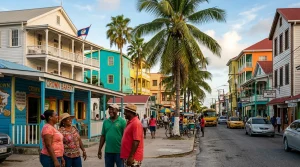
In the vibrant tapestry of Belizean culture, English stands as a cornerstone, not just as the official language but as a living, breathing connection to the country’s history and identity. This Caribbean gem, where palm-fringed beaches meet lush jungles, has an English-speaking populace of approximately 62.9%, making English the primary language of governance, education, and commerce. This linguistic landscape is deeply rooted in Belize’s colonial past, which has shaped its legal systems and daily life in profound ways.Despite being nestled in the heart of Central America, Belize’s English heritage distinguishes it from its neighbors, where Spanish typically dominates. In urban areas such as Belize City and the charming town of San Ignacio, English flows through the streets, interwoven with laughter and daily conversations, creating an inviting atmosphere for visitors and expats alike. The ability to communicate in English makes navigating this beautiful country accessible, whether you’re strolling through the bustling markets, exploring ancient Maya ruins, or savoring the local cuisine at a seaside bar.Belize’s English is unique, flavored by local dialects and expressions, offering a glimpse into the country’s rich multicultural fabric. As you interact with locals, you might encounter Kriol, a dynamic Creole language that mixes English with African and indigenous elements. This linguistic diversity not only enhances the cultural experience but also fosters a community spirit, where communication transcends mere words, bridging cultural gaps and relationships.Travelers can take comfort in knowing that in a country with such a welcoming ambiance, language barriers are minimal. Whether you’re asking for directions to the majestic Great Blue Hole or haggling for souvenirs along the colorful streets of Placencia, proficiency in English provides a smooth path to engaging with the warmth of Belizean hospitality. Embrace the opportunity to immerse yourself in this enchanting destination, where language is just one of the many threads weaving together an unforgettable adventure.Understanding Creole and Its Significance
In the vibrant linguistic landscape of Belize, Kriol stands out as a critical expression of the nation’s identity and cultural heritage. This dynamic Creole language, which evolves from English mixed with African and indigenous languages, reflects the history and multicultural essence of Belize. While English is the official language, Kriol is spoken widely among locals in casual settings, infusing everyday communication with a unique flavor that embodies the country’s diverse roots.Kriol’s Significance in Everyday LifeKriol not only facilitates communication among Belizeans but also serves as a cultural bridge, connecting individuals from various backgrounds. The language often emerges in moments of storytelling, music, and dance-integral aspects of Belizean culture. For example, whether you’re listening to the lively rhythms of a Garifuna drum performance or sharing tales of adventure with locals, Kriol becomes the heartbeat of social interactions. Getting acquainted with basic Kriol phrases can significantly enrich your travel experiences, allowing for genuine connections with the friendly Belizean people.Understanding Kriol Structure and UsageUnlike standard English, Kriol has its own grammatical rules and vocabulary that can be astonishingly different. It retains English-based words but often alters their pronunciation and syntax, creating a distinct linguistic identity. For instance, where one might say “I am going,” in Kriol, it transforms to “A di go.” This shift can be a delightful challenge for visitors, encouraging immersion into the local culture. Efforts to learn Kriol not only show respect but also foster a deep appreciation for the rich tapestry of Belizean life.As you traverse the country from the pristine shores of the Caribbean to the captivating Maya ruins nestled in the jungle, understanding Kriol can enhance your interactions and experiences. Embracing this language opens a door to deeper connections, allowing you to delve into the stories and traditions that define Belize. To fully appreciate the country’s allure, consider exploring local events and gatherings where Kriol is celebrated, further enriching your appreciation of this remarkable jewel in Central America.
Exploring the Diversity of Languages Spoken in Belize
In the lush, diverse tapestry of Belizean culture, language plays a vital role in shaping identities and fostering connections among its people. While English is the official language, it’s just one thread in the vibrant linguistic mosaic of this Central American gem. Over 80% of the Belizean population speaks English, primarily as a result of the country’s colonial history. However, the influence of neighboring Spanish-speaking countries is undeniable as Spanish is spoken by about 40% of the population, highlighting the interconnectedness of cultures in this region.The richness of Belize’s language landscape doesn’t end there. Kriol (or Creole) flourishes as the language of everyday conversation, serving as a bridge among various ethnic groups. It is widely spoken in informal settings, reflecting the country’s African, European, and Indigenous roots. Kriol combines elements of English with African languages, creating a unique linguistic identity that encapsulates the spirit of Belize. Other languages, including Garifuna and various Maya dialects such as Yucatec and Mopan, add even more depth to the linguistic diversity in this multicultural society.Significant Languages in Belize
- English: Official language used in government, education, and formal settings.
- Spanish: Widely spoken, particularly by the Mestizo population, and increasingly in urban areas.
- Kriol: A vital aspect of local identity and everyday communication.
- Garifuna: Spoken by the Garifuna community primarily along the coast and in southern Belize.
- Maya dialects: Yucatec and Mopan are spoken by the Maya communities and are essential to preserving cultural heritage.

How Spanish Influences Belizean Culture
In the vibrant cultural landscape of Belize, Spanish weaves itself into the daily lives and customs of many Belizeans. Though English holds the official status, the presence of Spanish is striking and influential, particularly in the eastern and northern regions of the country. With approximately 40% of the population speaking Spanish, this language adds a rich layer to the nation’s multicultural tapestry and significantly influences various aspects of life in Belize.The impact of Spanish is most visible during colorful festivals and celebrations throughout the year. Events like La Feria de la Cultura celebrate the food, music, and dance of the Mestizo community, showcasing the influence of Spanish traditions on local practices. The rhythms of Mariachi bands and the tantalizing flavors of Spanish-influenced dishes, such as tamales and sopes, are integral to these gatherings. Each festival not only strengthens community bonds but also invites visitors to experience the essence of Belizean culture and the harmonious coexistence of diverse heritages.In everyday interactions, Spanish serves as a bridge between cultures, enabling communication among residents and visitors from neighboring Spanish-speaking countries. The blending of languages often leads to a unique linguistic style often referred to as Spanglish or “Belizean Spanish,” which is characterized by the mixing of English phrases and Spanish words. This fluidity makes Belize a welcoming destination for Spanish-speaking travelers, enhancing their engagement and connection with the local populace.As healthcare and education sectors evolve, the bilingual environment becomes increasingly important. Many families encourage children to learn Spanish alongside English, acknowledging its utility in professional and social settings. Bilingual schools are becoming more common, offering students the chance to strengthen their Spanish skills while immersing themselves in Belize’s multicultural narrative. This trend not only enhances communication but also fosters respect and appreciation for the cultural richness that both languages represent.Ultimately, the influence of Spanish on Belizean culture transcends mere language; it reflects a broader story of connection, resilience, and shared history among its people. Whether you’re savoring local cuisine, enjoying lively music, or participating in cultural festivities, the essence of Spanish in Belize enriches experiences, ensuring that every visitor leaves with a deeper understanding of this Central American treasure.Language Education: The Bilingual Setting in Schools
In the heart of Belize’s educational landscape, the commitment to bilingualism is both an exciting opportunity and a vital necessity. With its rich melting pot of cultures and languages, Belize embraces a dual-language educational system, primarily characterized by the teaching of English and Spanish. This bilingual setting not only equips students with essential communication skills but also fosters a deep appreciation for the country’s diverse heritage.Bilingual schools are becoming increasingly popular across Belize, where young learners are immersed in both languages from an early age. This approach not only prepares students for a world where Spanish is widely spoken, but it also enhances cognitive skills, cultural awareness, and social adaptability. In fact, many families recognize that fluency in Spanish opens doors to greater opportunities in the region, where neighboring countries predominantly speak the language. Programs often blend traditional curricula with innovative teaching methods that engage students through practical language applications, storytelling, and interactive activities.The Educational Framework
Most schools in Belize follow a structured bilingual curriculum, emphasizing not only the linguistic aspects but also the cultural connections embedded within both languages. Students often participate in activities that celebrate both Belizean and Spanish cultures, from cuisine demonstrations to music and dance classes. This holistic approach enables learners to appreciate the nuances of each language while developing proficiency.Parents can choose from several types of institutions, ranging from private bilingual academies to government-supported public schools that integrate languages into their programs. Community involvement is also pivotal; many schools host events that bring families together, encouraging dialogue and cultural exchanges that reinforce the importance of both English and Spanish.Benefits of Bilingual Education
The benefits of this bilingual education extend beyond language acquisition. Studies indicate that children who learn in a bilingual environment often excel in problem-solving and critical thinking skills due to their exposure to multiple linguistic frameworks. Furthermore, being bilingual in a country like Belize, where Spanish is deeply woven into everyday life, significantly enhances one’s ability to connect with the community.A notable example is seen during festivals and cultural celebrations, where students showcase their linguistic abilities and engage with peers and local residents in both languages. This practical application not only builds confidence but also creates a seamless fusion of cultures that enhances the collective Belizean identity.By fostering bilingual education, Belize is not just preparing a workforce equipped for the global market; it is nurturing a generation that deeply understands, appreciates, and celebrates its rich cultural tapestry. For travelers and expats, this environment provides a unique opportunity to engage with locals, as many Belizeans are enthusiastic about sharing their languages and cultures, making it a welcoming destination for those eager to learn.How Migration Affects Language Use in Belize
Belize stands as a remarkable mosaic of cultures and languages, a feature largely shaped by its history of migration. As waves of people have come from regions such as Central America, the Caribbean, and even beyond, they have each brought their languages, adding to the rich linguistic palette of the country. This ongoing cultural infusion not only enriches the social fabric but also alters the dynamics of language use throughout the nation.Migration has forged a unique linguistic landscape in Belize, where Spanish, English, and various Creole languages coexist, often resulting in what linguists describe as a dynamic bilingualism. For instance, the influx of Guatemalan, Honduran, and Salvadoran migrants over the years has increased the number of Spanish speakers, making Spanish more prominent in everyday exchanges, commerce, and even within local schools. As many of these migrants settle in Belize City, local businesses have adapted, often employing Spanish-speaking staff to cater to a broader clientele, thus enhancing the area’s bilingual character.The impact of migration extends beyond mere language use; it shapes identity and cultural practices in Belize. Local festivals, culinary traditions, and music often reflect this blend of influences. For example, the Garifuna community, with its Afro-Caribbean roots, has influenced language, music, and culture, incorporating elements of both English and Spanish while preserving their indigenous languages. This blend allows for celebrations filled with vibrant rhythms and flavors, where multiple languages weave together in a harmonious expression of Belizean identity.For newcomers considering making Belize their home, understanding the language dynamics is essential. While proficiency in English is often adequate for day-to-day communication, learning some Spanish can significantly enhance integration into local communities. Simple phrases can help in various situations, from negotiating in markets to engaging with neighbors and participating in cultural events. Embracing the linguistic diversity prevalent in Belize not only enriches the experience of living in this beautiful country but also fosters deeper connections with its warm and inviting inhabitants.In essence, migration continues to play a pivotal role in shaping the linguistic landscape of Belize, creating a vibrant tapestry of languages that reflects the nation’s rich cultural heritage and its welcoming spirit. Travelers and expats alike will find that engaging with this diversity adds a layer of depth to their experience in this Central American gem.The Impact of Tourism on Language Dynamics
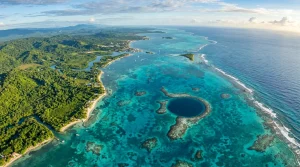
In Belize, the pulse of tourism resonates vibrantly through its rich tapestries of languages, a dynamic more alive than the tropical landscape itself. As one of Central America’s burgeoning tourist hotspots, Belize attracts visitors who immerse themselves in its historical wonders and natural beauty, from the stunning Great Blue Hole to the ancient Mayan temples. This influx of international travelers not only highlights the country’s breathtaking scenery but also amplifies the linguistic exchanges occurring in daily life, creating a truly multicultural experience.Tourism serves as a catalyst for language dynamics in Belize, where English remains the official language and Spanish is widely spoken among locals. Visitors often bring with them a variety of languages, including French, German, and even Mandarin, depending on their origins. Touted as a friendly destination, Belizeans are accustomed to interacting with tourists and often use this opportunity to practice or learn new languages. Consequently, local guides, hotel staff, and shopkeepers may engage in lively conversations that blend English, Spanish, and Creole, illustrating the country’s linguistic adaptability and enthusiasm for communication.Moreover, the tourism sector has prompted several businesses to invest in language training for their employees, making Spanish-speaking staff common, particularly in tourist-heavy areas. This effort not only caters to the needs of the diverse visitor demographic but also helps cultivate a welcoming environment. Travelers benefit from this multilingualism, finding it easier to navigate markets, engage with local culture, and enjoy authentic culinary experiences. Whether you’re ordering fresh ceviche at a beachfront café or haggling for handmade crafts at a market stall, knowing a few basic Spanish phrases can significantly enhance your interactions, allowing for richer and more meaningful connections.The interplay between tourism and language dynamics enriches Belize, creating an atmosphere where the exchange of words mirrors the exchange of cultural values. Language becomes a bridge, fostering understanding and appreciation among Belizeans and their guests. For travelers eager to dive deep into the local experience, engaging with the languages of Belize is an invitation to explore not just the stunning landscapes, but also the heart and soul of its vibrant communities.Navigating Communication: Language Tips for Travelers
Belize is a linguistic tapestry woven with threads of history, culture, and community. As you embark on your adventure to this vibrant Central American gem, knowing a few language tips can turn casual encounters into lifelong memories. While English is the official language, Spanish holds a special place in the hearts of many Belizeans, making it a valuable tool for travelers eager to connect with locals.First and foremost, embracing the harmonious coexistence of languages is key. In bustling markets and charming street corners, you’ll hear a delightful mix of English, Spanish, and Creole. Start by mastering some basic Spanish phrases like “¡Hola!” (Hello), “¿Cuánto cuesta?” (How much does it cost?), and “Gracias” (Thank you). Local vendors and guides often appreciate even minimal attempts to speak their language, leading to warmer interactions and perhaps even a heartfelt smile or two.Don’t overlook the significance of body language and gestures, particularly in casual conversations. A warm smile, nodding along the way, or pointing to items can bridge any gap that language might create. Furthermore, Belize is a melting pot of cultures, and in some areas, you may hear Garifuna, Mandarin, or even German. Being open-minded and adaptable will not only enhance your travel experience but also showcase your respect for Belize’s diverse heritage.In tourist areas, many locals are fluent in English, and you’re likely to find English-speaking staff at hotels, restaurants, and attractions. However, if you venture off the beaten path into more remote regions, having a bilingual phrasebook or a language translation app handy will be indispensable. Consider downloading common phrases and tips before your trip to make your communications smoother.Lastly, immerse yourself in the local culture through language by attending community events or cultural festivals. Engage in conversations, practice new phrases, and soak in the musical rhythms of Garifuna or the sounds of traditional drumming. Your willingness to join in will enrich your experience and foster meaningful connections with the people and the land. Remember, every word you learn is a step closer to truly experiencing the warmth and beauty that Belize has to offer.Exploring Local Dialects: Beyond Spanish and English
In the heart of Belize, language is more than just a means of communication; it’s a reflection of the country’s rich cultural tapestry. While English proudly holds the title of the official language, you will find a vivid array of dialects and languages that are integral to the nation’s identity. For travelers and locals alike, understanding these local dialects can deepen your appreciation of Belize’s diverse heritage and foster more meaningful interactions.One of the most prevalent dialects you’ll encounter is Kriol (or Creole), which is widely spoken across the country. This unique language has roots in English but incorporates elements from various African languages, giving it a distinct flavor. Observing a conversation in Kriol might sound musical, as it often flows with a rhythm that reflects the vibrancy of Belizean life. Locals might use phrases like “Wah gwaan?” (What’s going on?) that showcase the colloquial charm of this dialect.Moreover, the Garifuna language, which is a UNESCO-recognized heritage language, can be heard in coastal communities. It reflects rich ancestral traditions and music that resonate deeply with the Garifuna people. Participating in local cultural events, such as Garifuna Settlement Day, allows you to experience not only the language but also the music and dance that accompany it, creating an immersive cultural experience.Traveling further into specific communities, you may also come across indigenous languages such as Q’eqchi’ and Mopan Maya, particularly in areas with strong indigenous populations. These languages connect the people to their ancient roots, and many older generations speak only their native tongue. Engaging with local artisans, farmers, and tour guides can provide insight into these languages, potentially transforming a simple exchange into a rich cultural dialogue.Understanding this linguistic diversity not only enhances your travel experience but also shows a genuine respect for the local cultures. Making an effort to learn a few key phrases in Kriol or Garifuna can lead to warm smiles and friendships, paving the way for deeper connections with the welcoming Belizean people. Whether you’re exploring the Great Blue Hole’s mesmerizing depths, wandering through ancient Maya ruins, or enjoying the rhythmic beats of a local festival, embracing Belize’s linguistic diversity is sure to enrich your adventure.Cultural Events Celebrating Language and Heritage
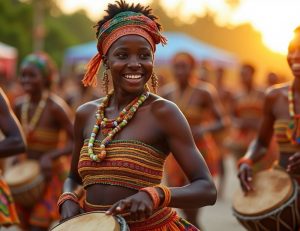
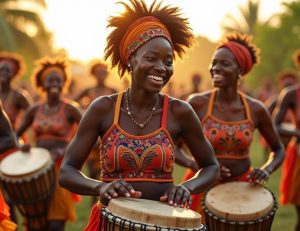
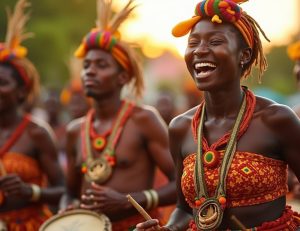
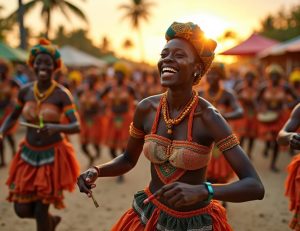
In Belize, the vibrancy of its cultural fabric is beautifully expressed through various events that celebrate language and heritage, creating a rich tapestry that reflects the nation’s diverse influences. Each year, locals and visitors alike gather to honor the languages that have been part of Belize’s identity for centuries, showcasing the deep-rooted traditions, music, and dance that accompany these celebrations.One of the most significant events is Garifuna Settlement Day, celebrated on November 19th. This vibrant festival commemorates the arrival of the Garifuna people to Belize and features lively parades, traditional drumming, and delicious Garifuna cuisine. Attendees can enjoy performances that highlight the Garifuna language and its unique cultural heritage, making it a fantastic opportunity for visitors to immerse themselves in the sounds and stories that have shaped this community.Similarly, the Kriol Day in the southern regions of Belize celebrates the Kriol language, which plays a pivotal role in everyday communication for many Belizeans. Events include storytelling sessions, poetry readings, and music that emphasizes Kriol’s rhythmic and melodic qualities. This celebration not only affirms the importance of Kriol but also fosters a sense of belonging and pride among speakers.Local festivals such as the Maya Village Festival shine a spotlight on the Maya languages, enriching attendees’ understanding of Indigenous cultures. These gatherings feature traditional crafts, headdresses, and performances that narrate the ancient history of the Maya civilization. Engaging with indigenous artisans and participating in workshops can deepen one’s appreciation of the Maya languages still spoken today, such as Q’eqchi’ and Mopan.For travelers wishing to engage with these cultural events, planning around such festivities can enhance their visit significantly. Attending these celebrations allows for a deeper understanding of Belize’s multi-lingual landscape while connecting with local communities. Whether you find yourself dancing to the rhythms of a Garifuna drum or reciting a poem in Kriol, these moments enrich your experience, providing a profound connection to the soul of Belize.Do Expats Need to Speak Spanish in Belize?
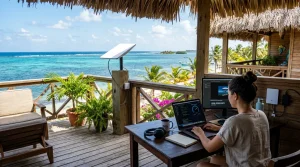
Settling in a vibrant, multicultural paradise like Belize is an exhilarating adventure, but many expats often wonder about the necessity of Spanish language skills in this tropical haven. While English is the official language, the linguistic landscape is rich and varied, offering both challenges and opportunities for those moving to or visiting Belize. Understanding the language dynamics can enhance your experience significantly, whether you’re planning to stay for a few months or make it your permanent home.For starters, while English reigns supreme in official communications, Spanish is widely spoken, particularly in the northern regions and amongst the expatriate community. Familiarity with basic Spanish phrases can be incredibly beneficial as it opens up avenues for deeper interaction with locals and a greater understanding of the cultural nuances. Many Belizeans are bilingual, seamlessly switching between English and Spanish, and you’ll often find that speaking a few words of Spanish can elicit warm smiles and a more personal connection.Moreover, Belize’s diverse linguistic tapestry includes several other languages such as Kriol, Garifuna, and various Mayan dialects. Each of these languages adds a unique flavor to the culture. While fluency in Spanish is not mandatory, a willingness to learn and communicate can make your transition smoother. Attend local festivals, such as Garifuna Settlement Day or Kriol Day, where you can engage with the community and practice your language skills while immersing yourself in the rich traditions of Belize.In everyday scenarios-from navigating markets to asking for directions or dining at local eateries-having a grasp of Spanish can significantly enhance your quality of life in Belize. Even if you don’t speak Spanish fluently, embracing the language fosters goodwill and often enriches your interactions, making your experience in this welcoming country even more rewarding. Ultimately, while not essential, learning Spanish can certainly be a key part of your Belizean journey, enhancing your connection to this mesmerizing environment and its people.Q&A
Q: Is Spanish widely spoken in Belize? A: While Spanish is not the official language, it is spoken by a significant portion of the population, particularly among the Hispanic community. Visitors may encounter Spanish speakers, especially in areas with a strong cultural influence, making basic Spanish phrases helpful for communication.Q: What languages do people speak in Belize? A: In Belize, you’ll find a variety of languages spoken, including English (the official language), Belizean Creole, Spanish, and several Mayan languages. This linguistic diversity reflects the country’s multicultural heritage and influences daily life and interactions.Q: How does the language situation in Belize affect tourists? A: Tourists in Belize typically find that English is widely spoken, especially in tourist areas, making navigation easier. However, learning a few Spanish phrases can enhance interactions, especially in local markets and more rural regions where Spanish speakers are common.Q: Why is English the official language of Belize? A: English is the official language of Belize due to its colonial history as a British settlement. This historical background continues to shape the country’s education system and official governmental communication, though Spanish’s influence is growing.Q: Do many Belizeans speak both English and Spanish? A: Yes, many Belizeans are bilingual, speaking both English and Spanish. This bilingualism is particularly common in urban areas and among younger generations, stemming from the country’s educational policies and cultural exchanges.Q: Are there programs to learn Spanish in Belize? A: Yes, there are numerous language schools and programs in Belize where visitors can learn Spanish. Many schools offer immersive experiences that combine lessons with cultural activities, making it a great opportunity for travelers looking to enhance their language skills while enjoying their stay.Q: How does tourism influence language use in Belize? A: Tourism significantly influences language use in Belize, often increasing the prevalence of English and Spanish in local businesses and interactions. Tourists and expatriates contribute to a demand for language services, which helps locals enhance their language skills for better engagement with visitors.Q: Is the Spanish spoken in Belize different from that in other countries? A: Yes, the Spanish spoken in Belize has unique local influences, incorporating Creole and various dialects due to the country’s multicultural fabric. While intelligible to other Spanish speakers, local expressions and pronunciations may differ, adding to the richness of Belizean culture.In Retrospect
Now that you have a clearer understanding of Belize’s linguistic landscape, uncover even more about this captivating destination! Whether you’re planning a visit to the stunning Great Blue Hole or exploring the ancient Maya ruins, Belize offers a vibrant tapestry of culture and adventure. Don’t miss our detailed guide on the top attractions in Belize, which highlights everything from pristine beaches to local festivals.Ready to dive deeper? Check out our insights on living in Belize, perfect for those considering a move or extended stay. If you enjoyed this exploration of language in Belize, subscribe to our newsletter for more travel tips and exciting updates. Join the conversation and share your questions or experiences in the comments below. Your next unforgettable journey to Belize awaits!Comprehensive Guide and In-Depth Analysis: Does Belize Speak Spanish
When exploring the details surrounding does belize speak spanish, understanding the practical, environmental, and cultural dynamics of Belize is essential for making informed travel or investment decisions. Belize stands out in Central America for its English-speaking heritage, British Common Law legal stability, and world-class ecotourism infrastructure.
Whether navigating mainland rainforest corridors, consulting local authorities, or exploring marine conservation zones along the Belize Barrier Reef, having verified, comprehensive information regarding does belize speak spanish ensures seamless execution.
| Key Evaluation Pillar | Standards & Conditions in Belize | Actionable Best Practices |
|---|---|---|
| Regional Specifics | Variations between northern districts, central cayes, and southern rainforests | Align plans with specific district infrastructure and seasonal weather |
| Regulatory & Legal Framework | Belize Tourism Board (BTB) regulations and national conservation laws | Always work with licensed local professionals and certified guides |
| Logistics & Practical Costs | Fixed 2:1 BZD-to-USD currency peg; accessible transport via air and water | Plan budget with cash buffer for remote destinations and transfers |
For visitors and residents alike, engaging with does belize speak spanish through authorized, sustainable practices contributes directly to local community development and the preservation of Belize’s pristine marine and terrestrial ecosystems.
Frequently Asked Questions: Does Belize Speak Spanish
Why is understanding does belize speak spanish important for Belize visitors?
It provides essential context for choosing the right regional destinations, understanding local pricing, and ensuring full compliance with environmental and tourism standards.
How do seasonal factors affect does belize speak spanish in Belize?
The dry season (December through May) offers calm seas and sunny weather, while the green season brings lower rates and lush jungle scenery.
Get our latest guides, news, and insights highlighted in your Google Search & AI Overviews.