What Does It Mean to Be Belizean?
To be Belizean is to embrace a vibrant tapestry of cultures, traditions, and identities that define this small but diverse Central American nation. Nestled between the Caribbean Sea and lush jungles, the Belizean identity is a unique blend of Indigenous, African, European, and Asian influences. This rich heritage is reflected in everyday life, from the warm smiles of the people to the colorful festivals that light up the towns and villages throughout the year. Being Belizean means cherishing community ties, traditional values, and a profound connection to the country’s stunning natural environment, which includes the Great Blue Hole, majestic Maya ruins, and an array of wildlife sanctuaries.Culturally, Belize is a melting pot, where Mestizo-a mix of Spanish and Maya-forms the majority, followed by communities of Creole, Garifuna, and other ethnic groups such as East Indians and Mennonites. This blend creates a dynamic social fabric that celebrates differences and fosters a sense of unity amongst Belizeans. Festivals such as the Garifuna Settlement Day and the September Celebrations highlight the national pride and the harmonious coexistence of various ethnic backgrounds. Such events are not just about music and dance; they also serve as a reminder of Belize’s historical struggles and triumphs, bringing communities together in joy and remembrance.Food is another vital aspect of what it means to be Belizean, with a culinary scene characterized by a fusion of flavors that reflect its diverse populace. Traditional dishes like rice and beans, tamales, and fry jacks offer a taste of the local culture, often enjoyed in the company of family and friends. The communal aspect of meals underlines a lifestyle centered around togetherness and shared experiences, reinforcing the bond that ties Belizeans to each other and their heritage.In essence, being Belizean signifies participation in a community that embraces its past while looking forward with optimism. Whether through storytelling, music, or vibrant expressions of art, Belizeans are storytellers at heart, weaving their history into the cultural fabric of the nation. This is a place where every person, regardless of their background, contributes to the beauty and complexity of what it means to be Belizean.
The Diverse Ethnic Composition of Belize
In Belize, the rich tapestry of ethnic diversity is not just a backdrop but the very essence of its national identity. This Central American gem is home to an extraordinary mix of cultures and communities, each contributing its unique flavor to the Belizean experience. The population comprises various groups, including the Mestizo, Creole, Garifuna, and other ethnicities such as East Indians, Chinese, and Mennonites, creating a vibrant and dynamic social fabric. This multicultural mosaic is celebrated in everyday life, from the warm greetings exchanged on the streets to the colorful tapestries displayed in local art markets.The largest ethnic group, the Mestizos, are of mixed Spanish and Maya descent, embodying a link to the country’s pre-colonial history while embracing modern influences. The Creole community, descended from African slaves and Europeans, adds another layer to Belize’s rich heritage, particularly visible in the spoken language and culinary traditions. The Garifuna people, with roots in the indigenous Carib and Arawak tribes and Afro-descendant communities, bring their own distinct contributions, especially through cultural expressions seen in their music and traditional dances. These communities coexist, often blending their traditions during vibrant festivals that honor heritage and foster a sense of unity.Examples of festivals that highlight this diversity include the lively Garifuna Settlement Day, which celebrates the arrival of the Garifuna people, and the September Celebrations, marking Belize’s independence with parades, music, and dance. Such events not only showcase Belize’s cultural wealth but also serve as a reminder of its historical narratives and struggles, fostering a deep sense of national pride among Belizeans.This ethnic richness influences every aspect of Belizean life, from the communal spirit that underpins social gatherings to the multi-faceted cuisine that defines the culinary scene. Traditional dishes are a fusion of flavors, reflective of the different culinary traditions present in Belize – rice and beans, tamales, and coconut-based dishes are just a few examples. Food becomes a powerful medium through which stories are shared and connections are made, celebrating the essence of being Belizean amidst a backdrop of incredible biodiversity and stunning landscapes that beckon travelers to explore and experience the warmth of its people firsthand.
Common Languages Spoken by Belizeans
In the vibrant tapestry that is Belize, language serves as a bridge connecting its diverse communities and cultural heritages. The country is officially bilingual, with English as the official language, a unique aspect that sets it apart in Central America. However, Belizean society expresses itself through a rich variety of languages, reflecting its complex ethnic mosaic.English is the language of government, education, and formal communication, and it is widely understood across the nation. Yet, when you stroll through the bustling streets or relax in the coastal breeze, you’re likely to hear many conversations in Kriol, a Creole language derived from English and various African languages. Kriol is deeply embedded in the Belizean identity, often used in casual settings and cultural expressions, including music and storytelling.In addition to these, Belize is home to a plethora of other languages that showcase its multicultural fabric. Among the most notable are Spanish and several indigenous languages. Spanish, brought to the country during colonial times, is commonly spoken, especially in communities with a strong Mestizo presence. Meanwhile, languages such as Garifuna and various Maya dialects, including K’iche’ and Q’eqchi’, reflect the rich heritage of the Garifuna and Maya peoples, respectively. These languages not only represent different cultural narratives but also enrich Belize’s community life through traditional ceremonies, music, and festivals.The presence of multiple languages creates an environment of linguistic diversity where learning and understanding are celebrated. For travelers and potential expats alike, embracing this polyglot reality offers a deeper appreciation of Belize’s authenticity. Whether you’re negotiating at a local market, participating in a lively community celebration, or just enjoying a sunset by the Caribbean, the languages of Belize are more than mere communication tools; they are a testament to a culture that thrives on unity, collaboration, and shared stories.Cultural Traditions and Festivals Celebrated in Belize
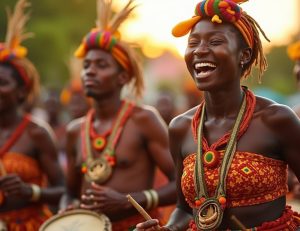
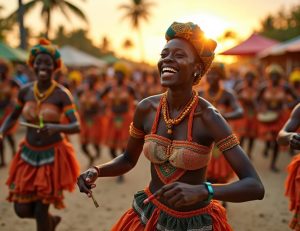
In Belize, the vibrant celebrations and cultural traditions are a testament to the nation’s rich heritage, blending influences from its diverse ethnic groups. The festivities are a reflection of the Belizean spirit, marked by lively music, colorful attire, and a palpable sense of community. Each year, locals and visitors alike join in these exuberant events, celebrating everything from historical milestones to religious observances, all under the backdrop of Belize’s stunning natural beauty.One of the most anticipated events is Garifuna Settlement Day, celebrated on November 19th to honor the arrival of the Garifuna people in Belize. This lively festival showcases traditional drumming, dancing, and food, allowing participants to immerse themselves in the unique Garifuna culture. Another major highlight is Belize’s Independence Day on September 21st, where parades fill the streets with vibrant floats, lively music, and performances that symbolize national pride. The celebrations include fireworks, street fairs, and various cultural displays, uniting people from all backgrounds to celebrate Belizean identity.Throughout the year, various cultural festivals across the country bring communities together. The Maya Cultural Festival typically held in the town of Orange Walk showcases traditional Maya crafts, dances, and food. This event is not just for show; it serves to educate attendees about the rich heritage of the Maya civilization, featuring ancient artifacts and storytelling sessions that bring history to life. Additionally, the Creole and Garifuna Music Festival highlights the sounds of Belize, featuring artists who blend traditional and contemporary styles, capturing the essence of this multicultural nation.Exploring these traditions provides visitors with an unprecedented opportunity to connect with the heart of Belizean life. Engage with the locals at these festivals, savor traditional dishes like rice and beans, or sample salbutes and panades-each bite a glimpse into Belize’s culinary landscape. Whether you’re reveling in communal dances or simply enjoying the festive atmosphere, these cultural traditions not only enrich your travel experience but also foster a deeper understanding of what it truly means to be Belizean.
Belizean Cuisine: A Culinary Journey
Every bite of Belizean cuisine tells a story, reflecting the rich tapestry of cultures that have influenced the nation over centuries. With roots in ancient Maya, African, Caribbean, and European traditions, the food of Belize is a vibrant blend of flavors that invites culinary exploration and celebration. From bustling street vendors to family-run eateries, the culinary scene offers a delightful array of dishes that are sure to tantalize your taste buds and connect you to the Belizean spirit.One of the most beloved staples is rice and beans, often served with stewed chicken or pork, and cooked in coconut milk, infusing the dish with a creamy richness. This is usually accompanied by a spicy sauce called “pepper sauce,” adding an essential kick to the meal. Another must-try is tamales, a dish of masa (corn dough) filled with meats and wrapped in banana leaves, reflecting the influence of Maya culinary traditions. Seafood also plays a prominent role, especially along the coast; dishes like Thai-style ceviche and fish tacos are popular among both locals and visitors, showcasing the freshness of Belize’s bountiful Caribbean waters.For those seeking something sweet, bread pudding and coconut candy are traditional desserts that steal the show. Fried jacks, a puffy fried bread commonly enjoyed at breakfast, are perfect for dipping into refried beans or slathering with natural jams, making your morning meal a delightful experience. The use of local ingredients, including fresh vegetables, spices, and herbs, not only enhances the flavors but also supports local farmers and the economy, creating a sustainable cycle of deliciousness.Food festivals, such as the Caye Caulker Lobster Fest, highlight local seafood specialties and draw food lovers from all over the world. Here, you can find dishes ranging from grilled lobster tails to lobster burritos, presented with flair and local flair. Engaging with these culinary events provides visitors with an authentic taste of Belizean hospitality and culture.Embarking on a culinary journey through Belize opens the door to a deeper understanding of its people. Each dish serves not just as a meal but as a celebration of heritage, community, and the colorful identity that makes Belize unique. Whether you are savoring a hearty meal at a local eatery or exploring the flavors in a cooking class, you’ll discover that every flavor is a reflection of a rich culture waiting to be shared.The Role of Music and Dance in Belizean Culture
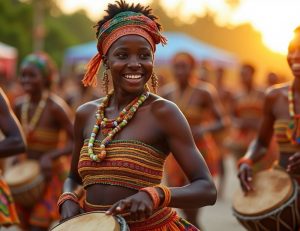
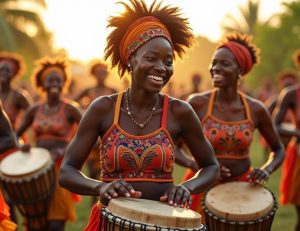
In Belize, music and dance are vibrant threads woven deeply into the fabric of everyday life and cultural identity. The nation’s rich cultural tapestry, influenced by various ethnic groups including the Creole, Garifuna, Maya, and Mestizo, creates a unique and dynamic musical landscape. Belizeans celebrate life’s milestones, from festivals to family gatherings, with rhythm and song, embodying joy, connection, and storytelling through their artistic expressions.The Garifuna culture stands out prominently in the realm of music and dance. It’s characterized by rhythmic drumming, particularly the use of traditional instruments like the paddle drum (primarily played in the Punta, a popular form of Garifuna dance). Festivals such as the Garifuna Settlement Day on November 19th are bursting with lively music and dancing. During this time, visitors and locals come together to enjoy Punta, Jankunu, and Paranda music, each telling stories of their heritage, struggles, and triumphs. These genres not only promote cultural pride among Belizeans but also captivate tourists, drawing them into the rich narratives embedded in each performance.Equally significant, the Creole music genre, known as Brukdown, combines influences from African rhythms and Caribbean melodies. This upbeat, infectious style is complemented by dancing and involves community participation, making it a staple at social functions. Marching bands and carnival celebrations also highlight how music unites diverse communities, showcasing everything from festive parades to competition, while spotlights remained on Belize’s lively social scene.Moreover, music plays an essential role in everyday life, with many Belizeans engaging in impromptu jam sessions. Local bars and cultural centers often feature live performances where everyone, from seasoned musicians to enthusiastic amateurs, can join in. As a visitor, you might find yourself caught up in the rhythm, clapping along or even taking part in a group dance. This inclusive atmosphere, reflected in the local saying, “Come joust to the music,” reveals the welcoming spirit of the Belizean people.Whether it’s the pulsating beats of a Garifuna drum circle or the lively sounds of a Creole band, the essence of Belizean culture is alive and well through music and dance, inviting everyone to join the celebration and experience the joy that defines this remarkable Caribbean nation.Exploring the History of Belize and Its People
The history of Belize is a vibrant tapestry, intricately woven with the threads of various cultures and peoples who have called this stunning land home. From the ancient Maya civilization, whose ruins stand proudly against the lush jungles, to the colonial footprints left by British settlers, every chapter of Belize’s past adds depth to what it means to be Belizean today. Belize is not just a geographical location; it’s a melting pot of history, traditions, and rich narratives that continue to shape identity.The earliest inhabitants of Belize were the Maya, who flourished in the region from around 1500 B.C. until the arrival of European powers in the 16th century. The amazing sites of Caracol, Xunantunich, and Lamanai are testaments to their remarkable achievements in architecture, astronomy, and governance. The legacy of the Maya is still alive today, evidenced by the many customs, languages, and lifestyles that stem from this ancient civilization.As European powers began to colonize in the 17th century, British influence emerged, leading to the establishment of British Honduras. This brought a wave of African slaves to the region, who contributed significantly to the cultural and social fabric of the country. The blending of African traditions with indigenous practices resulted in diverse ethnic groups, including Kriol and Garifuna, each enriching Belizean society. The Kriol people, descendants of the African slaves and British settlers, have formed a unique identity, contributing language, culture, and cuisine to the Belizean landscape.Today, Belizeans proudly identify with their multicultural heritage, celebrating the mingling of influences that range from Afro-Caribbean to Mestizo and East Indian. Festivals such as the annual Carnival, Garifuna Settlement Day, and National Independence Day showcase this diversity, allowing people of various backgrounds to unite in celebration. The warmth and resilience of the Belizean people reflect their rich history, evident in their daily lives, traditions, and interactions with visitors from around the globe.This enduring connection to the past, fused with a forward-looking spirit, invites travelers to explore. Beyond the breathtaking natural beauty-from the azure waters of the Great Blue Hole to the untamed jungles-lies an opportunity to engage with Belizeans, who are eager to share their stories, traditions, and a shared sense of belonging. Embrace the chance to discover the heart of Belize through the eyes of its people, allowing your journey to be colored by the enduring legacy of this incredible nation.The Impact of Tourism on Belizean Identity
The vibrant pulse of Belizean life is significantly shaped by the influx of tourism, which acts as both a mirror and a catalyst for the country’s identity. Travelers from around the globe come to Belize seeking adventure amidst its stunning natural beauty, from the iconic Great Blue Hole to the lush rainforests housing ancient Maya ruins. This engagement not only enriches visitors’ experiences but also fosters a sense of pride among Belizeans who share their culture and heritage, leading to an intriguing blend of local customs and global influences.As tourism flourishes, it encourages Belizeans to celebrate and showcase their rich multicultural tapestry, which includes prominent groups such as the Kriol, Garifuna, Mestizo, and many others. Festivals play a vital role in this cultural exchange, inviting tourists to immerse themselves in traditional celebrations like Garifuna Settlement Day and the Belize Carnival. These events not only highlight unique Belizean traditions but also promote unity and understanding among diverse communities, strengthening a collective identity that resonates through the country.However, tourism is not just a one-way street; it profoundly impacts local customs and lifestyles. The Belizean identity evolves as communities adapt to visitors’ expectations, leading to a fusion of modernity and tradition. For instance, authentic Belizean cuisine is often adapted to suit international palates while maintaining its core flavors-rice and beans, grilled fish, and fresh ceviches remain favorites. This culinary evolution exemplifies how Belizeans cherish their roots while embracing the opportunities tourism brings.While tourism has the potential to alter traditional ways of life, it also provides much-needed economic benefits, enhancing infrastructure and public services. Many Belizeans are directly employed in hospitality and related sectors, further intertwining their lives with the global community. This economic reliance fosters a dual identity; Belizeans take pride in their heritage while simultaneously welcoming the world to their doorstep, showcasing the island nation as a destination brimming with rich culture, diverse landscapes, and warm-hearted people eager to share their stories.Through this delicate balancing act, Belizeans continue to shape their identity in a world increasingly influenced by external forces. Visitors leave with memories etched in vibrant colors, while locals find new ways to express their cultural narratives, weaving together the past and present into a unified Belizean identity that is as welcoming as it is dynamic.Living as a Belizean: Daily Life and Customs
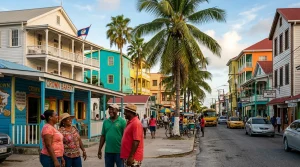
In the lush landscapes of Belize, daily life unfolds with a rhythm that harmonizes with both the stunning natural environment and the rich tapestry of cultures that define this vibrant nation. Belizeans seamlessly blend tradition and modernity, creating a lifestyle that celebrates their heritage while embracing new influences. Life in Belize often revolves around the community, where family ties are strong and neighborhoods function like extended families, fostering a deep sense of belonging.A typical day in Belize might begin with the aroma of freshly brewed coffee mingled with the salty sea breeze. Many Belizeans start their mornings early, often engaging in local markets where fresh tropical fruits, vegetables, and spices are traded. The markets are a sensory explosion, with vendors calling out to attract customers, showcasing colorful produce like mangoes, pineapples, and the famous Belizean hot peppers. Here, the community gathers not just to purchase goods but to catch up on life, share stories, and exchange news. This connection to local food and vendors emphasizes the importance of community in everyday Belizean life.Afternoons in Belize often feature vibrant scenes of togetherness. Whether it’s children playing in the streets or neighbors enjoying a casual afternoon chat under the shade of mangrove trees, the community spirit is palpable. Many Belizeans find joy in participating in traditional practices, such as fishing, which remains a vital source of livelihood, especially along the coast. In more urban areas like Belize City, the hustle and bustle blend with cultural events, art shows, and street fairs, reflecting the diverse influences that shape Belizean identity.As the sun sets, the Belizean way of life comes alive with music and dance. Festivals and cultural events are frequent, showcasing traditional Garifuna drumming, Creole celebrations, and Mestizo dances that resonate throughout the country. Even casual gatherings provide opportunities for Belizeans to engage in their rich heritage through music and storytelling. Common customs often include sharing meals, where no gathering is complete without traditional dishes like rice and beans, stewed chicken, and the irresistible tamales that vary across the different cultural groups.Overall, living as a Belizean is a continuous celebration of cultural diversity and community spirit, characterized by a warm welcome for both locals and visitors. This open-hearted lifestyle not only enriches the everyday experiences of Belizeans but also invites tourists to be a part of the vibrant narrative that makes Belize a unique and enchanting destination.Belizeans Abroad: Embracing Global Influence
Belizeans are a unique group of individuals whose global presence beautifully echoes the rich heritage and diverse cultural experiences of their homeland. As many Belizeans migrate abroad, they become ambassadors of their culture, sharing the vibrant traditions, cuisine, and stories that define Belize. Whether living in the United States, Canada, or the United Kingdom, they carry with them the warmth and hospitality that Belize is renowned for, fostering strong communities wherever they settle.In cities across the globe, Belizeans maintain close-knit networks, often gathering to celebrate traditional holidays and cultural events. These include Independence Day celebrations, Christmas traditions like “Bird’s Eve,” and Garifuna Settlement Day, which honors the arrival of the Garifuna people to Belize. Such occasions provide opportunities not only to reminisce about home but also to share their cultural heritage with friends from other backgrounds, helping to create a multicultural tapestry that enhances their communities. Local Belizean restaurants often pop up, serving authentic dishes like rice and beans, tamales, and fry jacks, making it easier for expatriates to connect with their roots while introducing their cuisine to new friends.Moreover, Belizeans abroad often engage in cultural exchange programs or workshops that promote awareness of Belize’s ecological and cultural richness. Many Belizeans take part in organizations that focus on eco-tourism, sharing their profound knowledge about Belize’s natural beauty-from the Great Blue Hole to the ancient Mayan ruins-while emphasizing sustainable practices that protect these treasures. This global influence not only supports tourism in Belize but also reinforces the bond between those who mission to preserve Belize’s environment and heritage, regardless of their current location.Ultimately, while the Belizean diaspora embraces the influence of their new environments, they remain deeply connected to their roots, ensuring that the spirit of Belize continues to thrive across borders. Through storytelling, traditional festivals, and culinary adventures, the essence of what it means to be Belizean lives on, celebrating both individuality and togetherness in a global context.Belizean Contributions to Art and Literature
Art and literature in Belize reflect a unique blend of cultural influences, capturing the essence of its diverse heritage while addressing contemporary themes. Belizean artists and writers draw from the vibrant tapestry of their backgrounds-Mayan, Mestizo, Kriol, and Garifuna-to create works that resonate both locally and internationally. This rich interplay of cultures not only enriches Belizean art but also serves as a powerful medium for storytelling and expression.One of the prominent figures in Belizean literature is Zenaida M. Castillo, a celebrated author whose works delve into the intricacies of Belizean identity and the lived experiences of its people. Her writings often explore themes of belonging, history, and the environment, inviting readers to reflect on their own connections to place and culture. Similarly, Jules Vasquez, a prominent journalist and writer, uses his platform to comment on national issues, blending sharp wit with social commentary. These voices, among others, amplify the national narrative and highlight the significance of storytelling in preserving and celebrating Belizean heritage.Belizean art also flourishes in visual forms, with artists like Yasser Musa and Pen Cayetano making waves both locally and abroad. Musa’s works often feature vibrant colors and elements that speak to Belize’s natural beauty, while Cayetano’s art celebrates Afro-Caribbean culture through striking imagery and rhythmic compositions. Through exhibitions and community projects, these artists engage the public, fostering a deeper appreciation of Belize’s cultural richness.Furthermore, traditional music and dance play an integral role in the artistic expressions of Belize. Events such as Garifuna Settlement Day not only commemorate heritage but also serve as a stage for performances that blend storytelling with social commentary, enriching the cultural landscape. As these art forms continue to evolve, they offer a glimpse into the Belizean spirit, showcasing resilience, creativity, and the power of community to inspire and unite.In summary, the contributions of Belizeans to art and literature encapsulate a dynamic interplay of cultural influences, inviting both locals and visitors to engage with the narratives that shape this beautiful nation. Whether through poetry that whispers of the past or murals that shout of hope for the future, the creative expressions of Belize are as diverse and captivating as its people, promising an immersive experience for all who seek to understand what it means to be Belizean.Why Visit Belize? A Warm Invitation from Belizeans
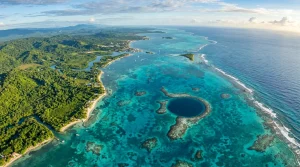
Visiting Belize is not just a journey to a place; it’s an invitation to experience a magnificent blend of nature, culture, and warmth from the vibrant Belizean people. With its stunning turquoise beaches, rich biodiversity, and ancient Maya ruins, Belize captivates travelers from the moment they arrive. Local Belizeans, known for their friendliness and hospitality, elevate this experience by eagerly sharing their stories and traditions, inviting guests into their homes, and showcasing the nation’s unparalleled heritage.Explore incredible destinations like the Great Blue Hole, a world-renowned diving site boasting breathtaking underwater formations and vibrant marine life, ideal for divers and snorkelers alike. Venture to the lush jungles of Belize to discover hidden gems like ancient Maya cities, including Caracol and Xunantunich, where the past comes alive amidst towering temples enveloped by nature. Each site offers a chance to connect deeply with the history and culture of the land, guided by passionate locals who narrate its tales with pride.Accommodations in Belize cater to every kind of traveler, from budget hostels to luxurious overwater bungalows. You might find solace in a cozy jungle lodge where the sounds of nature soothe you by night or choose a beach resort where sun-kissed days blend with the rhythm of the ocean. Regardless of your choice, the Belizean spirit of hospitality will be felt in every corner, enhancing your stay and making you feel at home.To fully immerse yourself, savor the diverse culinary scene that reflects the country’s rich cultural tapestry. Indulge in traditional dishes such as rice and beans with stewed chicken, or sample the unique flavors of Garifuna cuisine, renowned for its emphasis on seafood and spices. Festivals throughout the year, such as the lively Garifuna Settlement Day or the Chocolate Festival, provide additional layers to your visit, combining vibrant music, dance, and artisan crafts in unforgettable celebrations of identity.As you traverse this enchanting destination, beloved by wanderers and expats alike, you’ll find that Belize is more than just a travel stop; it’s a community woven from many cultures, each contributing to a mosaic of experiences waiting to be explored. As the Belizeans welcome you with open arms, you won’t just observe life in Belize-you’ll become a part of it.Frequently asked questions
Q: What do you call a person from Belize? A: A person from Belize is called a Belizean. This term is used to refer to all citizens of Belize, regardless of their ethnic background or cultural heritage.Q: What is the ethnic composition of Belizeans? A: Belizeans are ethnically diverse, comprising Mestizo, Creole, Garifuna, Maya, and other groups. Each ethnic community contributes unique cultural practices and traditions, enriching Belizean identity.Q: What languages do Belizeans speak? A: The official language of Belize is English; however, Spanish is widely spoken. Additionally, many Belizeans speak Creole, Maya languages, and Garifuna, reflecting the country’s diverse heritage.Q: What cultural traditions do Belizeans celebrate? A: Belizeans celebrate various cultural traditions, including Carnival, the Garifuna Settlement Day, and the National Day of Mourning. These events showcase music, dance, food, and cultural identity.Q: What is Belizean cuisine known for? A: Belizean cuisine is known for its rich flavors and diverse influences, combining traditional dishes such as rice and beans, fryjacks, and various seafood preparations that reflect the country’s cultural mosaic.Q: How does tourism influence Belizean identity? A: Tourism plays a significant role in shaping Belizean identity, as it fosters pride in local culture and history while providing opportunities for economic development and cultural exchange.Q: What contributions have Belizeans made to art and literature? A: Belizeans contribute significantly to art and literature through traditional craftsmanship, vibrant visual arts, and notable literary works that reflect Belize’s diverse cultural landscape.Q: Why is it important to understand Belizean identity? A: Understanding Belizean identity is important for appreciating the country’s diverse culture, history, and social dynamics. It fosters respect and promotes meaningful connections for visitors and potential residents.For a deeper dive into these topics, explore sections on the “Diverse Ethnic Composition of Belize” and “Cultural Traditions and Festivals Celebrated in Belize” to learn more!In Retrospect
Belizeans are not just the people of Belize; they embody a vibrant tapestry of cultures, traditions, and stories that make this Central American gem a unique travel destination. As you explore the essence of the Belizean identity, consider diving deeper into what this paradise has to offer- from the stunning Great Blue Hole to the rich rhythms of Garifuna music. For more insights, check out our guides on Belize’s breathtaking beaches and immaculate jungle lodges, perfect for your next adventure.Now is the time to experience the allure of Belize for yourself! Whether you’re curious about local cuisine or looking for tips on safe travel, our resources are designed to answer your questions and inspire your journey. Join our community by subscribing to our newsletter for up-to-date travel tips and special offers. Embrace the spirit of Belize- your adventure awaits!Comprehensive Guide and In-Depth Analysis: What Are People From Belize Called
When exploring the details surrounding what are people from belize called, understanding the practical, environmental, and cultural dynamics of Belize is essential for making informed travel or investment decisions. Belize stands out in Central America for its English-speaking heritage, British Common Law legal stability, and world-class ecotourism infrastructure.
Whether navigating mainland rainforest corridors, consulting local authorities, or exploring marine conservation zones along the Belize Barrier Reef, having verified, comprehensive information regarding what are people from belize called ensures seamless execution.
| Key Evaluation Pillar | Standards & Conditions in Belize | Actionable Best Practices |
|---|---|---|
| Regional Specifics | Variations between northern districts, central cayes, and southern rainforests | Align plans with specific district infrastructure and seasonal weather |
| Regulatory & Legal Framework | Belize Tourism Board (BTB) regulations and national conservation laws | Always work with licensed local professionals and certified guides |
| Logistics & Practical Costs | Fixed 2:1 BZD-to-USD currency peg; accessible transport via air and water | Plan budget with cash buffer for remote destinations and transfers |
For visitors and residents alike, engaging with what are people from belize called through authorized, sustainable practices contributes directly to local community development and the preservation of Belize’s pristine marine and terrestrial ecosystems.
Frequently Asked Questions: What Are People From Belize Called
Why is understanding what are people from belize called important for Belize visitors?
It provides essential context for choosing the right regional destinations, understanding local pricing, and ensuring full compliance with environmental and tourism standards.
How do seasonal factors affect what are people from belize called in Belize?
The dry season (December through May) offers calm seas and sunny weather, while the green season brings lower rates and lush jungle scenery.
Get our latest guides, news, and insights highlighted in your Google Search & AI Overviews.