Belize’s National Identity: An Overview
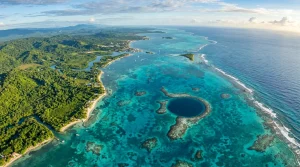
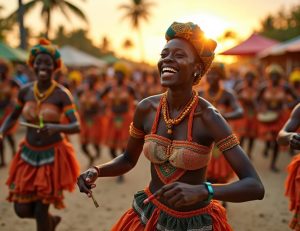
Belize stands as a vibrant tapestry woven from threads of numerous cultures, reflecting its rich history and diverse peoples. Nestled at the crossroads of Central America and the Caribbean, this small nation is home to a unique blend of traditions that shape its identity. With a population comprised of various ethnic backgrounds-including Kriol, Mestizo, African, Maya, and Garifuna-the essence of Belizean culture is celebrated in countless ways, from the food on your plate to the music resonating in the streets.The national identity of Belize is marked by its multi-ethnic character. This diverse foundation not only enriches social interactions but fosters a spirit of coexistence and community. National events and holidays often reflect this mélange, inviting citizens and visitors alike to participate in festivities that highlight the nation’s collective heritage. For instance, the annual Carnival and the Garifuna Settlement Day are occasions when the streets come alive with color, rhythm, and a sense of unity that encapsulates the very soul of Belize.Additionally, the natural beauty of Belize enhances its identity. From the picturesque Caribbean coast to lush jungles and ancient Maya ruins, these landscapes are intrinsic to the Belizean sense of place. The Great Blue Hole and barrier reef not only attract eco-tourists but also emphasize the importance of environmental stewardship in Belize’s cultural narrative. As visitors explore these breathtaking sites, they engage with a culture that honors both its past and its ecological treasures, creating lasting memories that enrich the broader understanding of Belizean nationality.In this context, the people of Belize embody a sense of pride in their roots and a welcoming attitude toward outsiders, making it an enchanting destination for both travelers and those considering the expat life. Whether savoring a plate of rice and beans or joining a traditional dance, every experience in Belize reinforces the idea that its national identity is a celebration of diversity, resilience, and shared heritage.
Historical Roots of Belizean Culture
Belize’s captivating culture is deeply rooted in its rich history, which showcases a unique blending of Indigenous, African, European, and Mestizo influences. Long before European colonization, the land was inhabited by the Maya, who established complex societies known for their advanced understanding of astronomy, architecture, and agriculture. The remnants of their glorious past can still be seen today in ancient Maya ruins like Caracol and Lamanai, which stand as testaments to their ingenuity and cultural heritage.As the Spanish and British arrived in the 16th and 17th centuries, they added layers to Belize’s cultural mosaic. The establishment of the British colony in the late 18th century further transformed the social fabric, leading to the arrival of enslaved Africans and indentured laborers from various regions, which would shape the contemporary ethnic landscape. This turbulent yet transformative period gave rise to the Kriol culture, a vibrant mix of African and European influences that reflects in music, language, and cuisine.The enduring legacy of the Garifuna people, descendants of Carib, Arawak, and African ancestry, adds another rich dimension to Belize’s cultural identity. Their unique language, music, and dance-particularly the vibrant punta rhythm-captivate both locals and visitors alike. Festivals such as Garifuna Settlement Day are celebrated with fervor, signifying the resilience and historical significance of this community within the national narrative.Today, Belize embraces its historical roots while fostering an environment that welcomes cultural diversity. Annual events and celebrations highlight this eclectic heritage, inviting visitors to engage in a journey of discovery through folklore, traditional craftsmanship, and the culinary arts. This commitment to preserving and honoring its rich past vibrantly punctuates the everyday lives of Belizeans, creating a culturally rich experience that enchants travelers and expats who seek to integrate into this beautiful society.The Rich Tapestry of Belizean Ethnic Groups
A vibrant tapestry of ethnic groups paints the cultural landscape of Belize, where diversity is not just acknowledged but celebrated. This Central American nation is home to a unique blend of Indigenous cultures, mestizos, Creoles, Garifuna, and more, each contributing to the colorful mosaic that defines Belizean identity. The Maya were the original inhabitants, their legacy evident in the impressive ruins scattered across the country. These ancient peoples, with their profound knowledge of astronomy and architecture, laid the foundation for many of the traditions and beliefs that still resonate today.The arrival of European colonizers introduced new layers to Belize’s heritage. The Kriol community emerged from the mingling of African and British influences, bringing forth a dynamic culture expressed through their language, lively music, and delicious cuisine. Kriol, a Creole language, serves as a lingua franca among various ethnic groups, bridging communication gaps and fostering unity within diversity. Alongside the Kriol, the Garifuna people have made significant contributions with their rich traditions, characterized by vibrant music and dance. Celebrations like Garifuna Settlement Day showcase their resilience and cultural significance, providing insights into their history and lively spirit.Belize’s mestizo population, stemming from the blending of Spanish settlers and Indigenous peoples, further enriches the national identity. This group predominantly practices Catholicism, intertwining religious customs with local traditions, which creates a unique cultural expression seen during festivals and celebrations across the country. The varied ethnic communities are more than just demographic markers; they represent the resilience and adaptability of Belizeans in maintaining their heritage while embracing change.In this cultural melting pot, festivals and events hold immense importance, serving as opportunities for all Belizeans to share their stories, arts, and traditions. From the colorful Carnival to the heartfelt observances of Folk History Week, these celebrations invite both residents and visitors to partake in a truly immersive experience that reflects Belize’s rich and diverse heritage. Each ethnic group, with its unique customs and beliefs, contributes to an overarching narrative of unity in diversity, making Belize a fascinating destination for cultural exploration and understanding.Official Languages: A Multilingual Society
The vibrant fabric of Belizean society is woven together by its multitude of languages, each reflecting the intricate blend of cultures and histories that define the nation. While English holds the title as the official language of Belize, the linguistic landscape is far from monolithic. Spoken by about 70% of the population, English serves as a vital means of communication, particularly in government and education. However, as you traverse this culturally rich country, you’ll encounter an abundance of languages that speak to its diverse heritage.Kriol, a charming Creole language derived from English, African languages, and Caribbean influences, is widely spoken among the Kriol population and acts as a bridge across various ethnic groups. With its melodic intonation and expressive vocabulary, Kriol permeates everyday conversations, music, and storytelling, showcasing the dynamism of Belizean culture. It is often lauded for its ability to foster a sense of community, making it an essential part of the Belizean identity.Another significant language is Spanish, spoken primarily by the mestizo community. With roots in the colonial past, Spanish reflects the cultural exchange that has shaped Belize over centuries. Spanish influences can be seen in local cuisine, expressions, and traditions, reinforcing the idea of Belize as a cultural melting pot. Garifuna, a language of the proud Garifuna people, adds further depth to the multilingual tapestry. This language, recognized by UNESCO as a Masterpiece of the Oral and Intangible Heritage of Humanity, is vital for preserving the unique traditions and worldview of the Garifuna culture.In this multilingual society, language is more than just a means of communication; it is a gateway to understanding Belize’s rich cultural heritage. For travelers and potential expats, embracing this diversity can enhance your experience and integration. Learning a few words in Kriol or Spanish not only helps you connect with locals but also shows respect for the unique identities that make up this incredible nation. This cultural aptitude can lead to unforgettable encounters, from engaging in local festivals to enjoying authentic, home-cooked meals.Ultimately, the multilingualism of Belize serves as a testament to its historical complexities and the resilience of its people, inviting everyone to explore and celebrate their rich legacy.
Traditional Beliefs and Spiritual Practices
In Belize, spirituality is as diverse as its rich cultural fabric, shaped by the various ethnic groups that call this beautiful Central American nation home. Each group brings its own beliefs and practices, creating a harmonious blend that resonates throughout the country. Traditional customs often revolve around the natural world, with many Belizeans seeing it as imbued with spiritual significance. The connection to nature is particularly evident in the practices of the Maya, who honor their ancestral traditions through rituals and ceremonies that celebrate the land, water, and sky.Maya Spirituality
The ancient Maya civilization, with its profound understanding of astronomy and agriculture, has left an indelible mark on Belizean spirituality. Contemporary Maya communities continue to observe rituals that honor their ancestors and the spirits of nature. Celebrations such as the “Day of the Dead” involve elaborate altars adorned with offerings, illustrating the Maya belief that the spirits of the deceased remain a vital part of the living community. Travelers can witness these practices in towns such as San Ignacio, where uncovering local traditions offers a beautiful glimpse into human connections with the cosmos and the environment.Garifuna Spiritual Practices
Equally vibrant are the spiritual practices of the Garifuna people, who trace their ancestry to a mix of African and Caribbean cultures. Their beliefs deeply intertwine with ancestral reverence, leading to the vibrant celebration of “Duguh,” a ritual designed to honor deceased relatives and invoke their guidance. The festival is marked by music, dance, and ceremonial foods, transforming it into a dynamic cultural event that fills communities with joy and remembrance. Visitors to coastal villages like Placencia can participate in this rich cultural tapestry, gaining insights into the Garifuna worldview.Christianity and Syncretism
Christianity also plays a significant role in the spiritual landscape of Belize. Many Belizeans identify as practicing Christians, predominantly Catholics and Protestants. However, traditional beliefs frequently merge with Christian practices in what is known as syncretism. Fiestas, such as San Pedro’s annual celebrations, exemplify this blend, incorporating religious observances alongside cultural expressions of identity. This fusion of faiths creates a unique spiritual framework that reflects the rich heritage of Belizean culture.Understanding the in Belize offers travelers a unique perspective on the nation’s identity. Engaging with local communities through cultural events or spiritual ceremonies not only enhances appreciation of their traditions but also fosters a sense of connection and respect for this vibrant society. Whether observing Maya rituals in the jungle or joining a Garifuna celebration by the sea, embracing these experiences enriches any visit to Belize, revealing the profound significance of spirit and nature in everyday life.Exploring Belizean Cuisine: Flavors of the Nation
The culinary landscape of Belize reflects the country’s rich tapestry of cultures, a vibrant fusion that captivates the senses and tells the story of its diverse heritage. With influences from the Mestizo, Creole, Garifuna, Maya, and a range of immigrant communities, Belizean cuisine is not only a feast for the palate but also a pathway into understanding the nation’s identity. From the coastal towns to lush jungles, the flavors here celebrate the bounty of the land and sea, inviting visitors to explore the unique dishes that make up this flavorful mosaic.Fresh seafood is a staple of the Belizean diet, especially in coastal regions. Dishes like conch fritters, coconut shrimp, and grilled snapper showcase the abundance of ingredients sourced right from the turquoise waters of the Caribbean. For those venturing inland, the heart of Belize’s culinary delights can be discovered in traditional Maya dishes such as tamales and relleno negro-a spiced turkey dish served in a rich black sauce made with charred spices. Belizean breakfasts might feature fry jacks-a deep-fried dough-paired with refried beans and eggs, a perfect start to any day of exploration.To truly immerse oneself in Belizean cuisine, don’t miss the opportunity to sample the Garifuna culinary heritage. The Garifuna people, with their African and Caribbean roots, bring flavors that sing with spice and creativity. Try the traditional soup called hudut, which features fish cooked in coconut milk, served alongside mashed green plantains. This highlight is more than just sustenance; it’s a taste of cultural legacy seasoned with stories passed down through generations.As you navigate the local markets filled with vibrant fruits and vegetables-like the hydrating watermelon and crunchy jicama-you’ll find an invitation to engage with the community. Approaching street vendors, you can discover salbutes or panades, savory snacks that are perfect for a midday treat, often accompanied by the refreshing tang of lime juice from freshly squeezed limes. Throughout the year, various food festivals celebrate these culinary traditions, and joining in can lend a deeper appreciation to your travels.Whether dining at a local eatery, exploring street food stalls, or participating in a cooking class, savoring the flavors of Belize offers more than just delicious meals. It’s an exploration of the country’s history, peoples, and the natural world, all served up on your plate. Embrace the culinary adventure that awaits, and let every bite deepen your connection to Belize’s rich cultural identity.Festivals and Celebrations: A Cultural Calendar
The vibrant calendar of festivals and celebrations in Belize offers an exhilarating glimpse into the nation’s rich cultural heritage and community spirit. Throughout the year, locals and visitors alike partake in various events that celebrate everything from national independence to spicy culinary traditions, all infused with the rhythmic beats of cultural music and dance. Each festival serves as a testament to Belize’s multicultural fabric, inviting participants to experience the exuberance of its diverse ethnic groups.One of the most significant events is Independence Day, celebrated on September 21st, where Belizeans come together to honor their liberation from British colonial rule in 1981. The festivities include lively parades featuring floats adorned with national colors, performing groups, and traditional music that resonates through the streets. It’s a day filled with pride, marked by public ceremonies, educational forums, and festivities that foster a profound sense of national unity.Another major highlight of the cultural calendar is the Garifuna Celebration, held on November 19th, paying tribute to the arrival of the Garifuna people to Belize. This festival showcases the unique Garifuna culture through traditional music, dance, and culinary delights. Festivities often begin with a reenactment of the arrival, followed by concerts, culinary competitions featuring dishes like hudut and cassava, and communal dances that highlight the spirit of togetherness.During the Maya Day, typically observed in late July, Belizeans celebrate the rich heritage of the Maya civilization with ancient rituals, traditional dances, and craftsmanship displays. This festival emphasizes the importance of the Maya culture, featuring workshops on traditional pottery, weaving, and the preparation of traditional foods, allowing visitors to immerse themselves in the history and practices of this indigenous group.Features of Belizean Festivals
- Diverse Celebrations: Each ethnic group hosts its own unique events, ensuring that visitors can partake in a broad spectrum of cultural experiences.
- Community Engagement: Festivals often include local vendors and artisans, promoting economic support while providing guests with a taste of authentic Belizean products and cuisine.
- Family-Friendly Atmosphere: Many celebrations are designed for all ages, featuring activities such as face painting, games, and competitions that foster a inclusive environment.
The Influence of Music and Dance in Belize
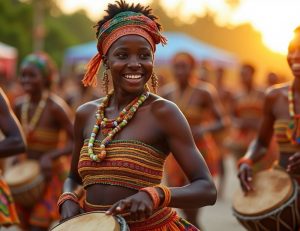
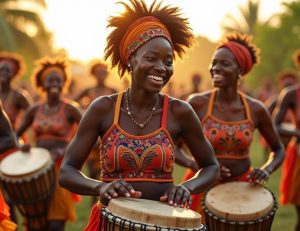
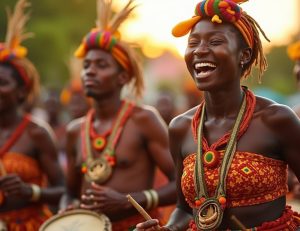
The heartbeat of Belize’s cultural identity can be profoundly felt in its music and dance, which serve as vibrant expressions of the nation’s rich heritage. From the rhythmic drumming of Garifuna musicians to the lively melodies of Creole folk songs, these art forms play a pivotal role in uniting communities, telling stories, and celebrating life. In Belize, music and dance transcend mere entertainment; they are essential threads that weave together the diverse fabric of its society.Traditional genres such as Garifuna music, with its unique blend of African, Indigenous, and European influences, resonate deeply during festivals and community gatherings. This genre often features percussion instruments like the primero (a bass drum) and segunda (a high-pitched drum), combined with call-and-response vocals that invite everyone to participate. During dance events, such as the annual Garifuna Settlement Day, participants display the lively punta and paranda dances that reflect their cultural pride. Such celebrations not only highlight the artistic talents of local performers but also educate attendees about the historical significance of these cultural practices.Belizean music is equally enriched by the Creole influence, which brings its own styles and instruments. Songs often tell tales of love, hardship, and daily life, performed during informal gatherings, festivals, or family celebrations. The infectious rhythms will have you tapping your feet, inviting you to join in local dances like the cumbia and brass band traditions that bring together people of all ages. Through music, you can communicate without words, as your body sways to the vibrant beats, embodying the spirit of togetherness that is a hallmark of Belize’s community life.As you explore the nation, you’ll find that even in the quietest corners of Belize, the sounds of music can be heard-whether it’s a solo guitarist on the beach, a group of friends jamming in a bar, or children singing along to the tunes on their radios. To truly immerse yourself in Belizean culture, consider participating in local dance workshops or attending community events where you can learn the traditional steps, making new friends in the process. In this way, the music and dance of Belize offer not just a glimpse into its cultural identity but also an invitation to join a lively and welcoming community.Art and Craftsmanship: Showcasing Heritage
Visiting Belize offers a vibrant tapestry of artistry that reflects its rich cultural heritage. The nation is home to a diverse range of artisans who craft unique and meaningful pieces by hand, showcasing their skills and cultural influences. From intricate wood carvings to colorful textiles and vibrant pottery, every creation tells a story, linking the past with the present while celebrating the beauty of Belize’s multiple ethnic identities.Artisanal Crafts
The artisans of Belize draw inspiration from their diverse heritage. The Maya influence is evident in the stunning pottery and handwoven textiles that adorn local markets. These creations are often rich in symbolism, depicting the natural world and spiritual beliefs that are integral to Belizean identity. Visiting places like the San Antonio Village offers a chance to witness these artisans at work, creating beautiful baskets and pottery using traditional methods passed down through generations.For those interested in the Garifuna culture, you can explore the colorful drums and musical instruments crafted by local artisans. These instruments are not only essential for music-making but are also deeply intertwined with the community’s rituals and celebrations. Purchasing these items supports local economies and promotes cultural preservation, enabling artisans to continue their craft while sharing their heritage with visitors.Wood and Stone Carvings
Another captivating aspect of Belizean craftsmanship is seen in the wood and stone carvings that reflect both everyday life and historical narratives. Carvers use local materials, producing everything from small souvenirs to large decorative pieces that grace many homes. Detailed carvings depict wildlife, historical figures, and mythological scenes, making them perfect mementos for travelers seeking authentic pieces of Belize to take home.Artisans often set up shop in local markets and festivals, allowing visitors not only to purchase but also to engage with the creators. This interaction provides insight into the artistry and the cultural significance behind each piece, enriching the overall experience of exploring Belize.Supporting Local Artisans
When shopping for art in Belize, opting for handcrafted items over mass-produced goods is a meaningful way to show appreciation for local culture. Here are a few tips for supporting artisans effectively:- Visit local markets in towns like San Ignacio or Belize City, where artisans frequently display their work.
- Inquire about the materials and techniques used in creating the art. This not only enhances your understanding but also shows respect for the craft.
- Participate in workshops where you can learn traditional techniques, such as weaving or pottery-making, turning your cultural experience into a creative endeavor.
How Geography Shapes Belizean Culture
The lush landscapes and diverse ecosystems of Belize do more than just captivate the eye; they form the very bedrock of cultural identity in this vibrant nation. As a small country nestled between the Caribbean Sea and rainforest-covered mountains, Belize’s geography influences every aspect of life-from food and traditions to language and festivals. The magnificent Great Blue Hole and stunning barrier reef offer rich marine resources that have shaped the cooking styles and culinary preferences of the Belizean people, particularly with the prominence of seafood in Creole and Garifuna cuisine.Coastal and Jungle Connections
The coastal areas of Belize are home to a rich array of fishing communities, where the sea plays a crucial role in both the economy and culture. Fishing methods are deeply rooted in tradition, passed from generation to generation. Visitors can witness this firsthand in coastal towns like Placencia and Caye Caulker, where vibrant fish markets brim with the day’s catch and local chefs proudly prepare Belizean delicacies. Similarly, inland jungles harbor the ancient heritage of the Maya, whose ruins dot the landscape and serve as a testament to their advanced civilization. These archaeological sites, such as Caracol and Xunantunich, not only attract tourists but also inspire a sense of pride and cultural heritage among Belizeans, as they reflect a rich history shaped by the natural environment.Climate and Celebration
Belize experiences a tropical climate, impacting not only daily life but also the rhythm of its cultural calendar. The rainy season from June to November brings lush greenery, energizing local agriculture and inspiring festivals that celebrate the bounty of nature. Events like the annual Harvest Festival highlight traditional practices such as crop cultivation and local food preparation, where communities come together to honor their agricultural roots. The diverse geography-from the mountains to the coastal islands-fosters unique regional festivals that showcase local music, dance, and artistry, allowing for a rich cultural exchange that celebrates Belize’s various ethnic groups.The geographical features of Belize offer stunning backdrops for various activities that form essential parts of daily life. Adventure seekers flock to places like the ATM cave for its remarkable Maya artifacts, while nature lovers explore the numerous national parks and wildlife reserves, such as the Belize Zoo and the Sibun River. Each of these activities nurtures a collective consciousness among Belizeans about their natural heritage, encouraging a profound respect for the land and its resources. Through these connections, Belizeans retain their cultural identity while adapting to modern influences, demonstrating how geography and heritage are intertwined in this paradise that is as dynamic as it is beautiful.Modern Belize: Balancing Tradition and Change
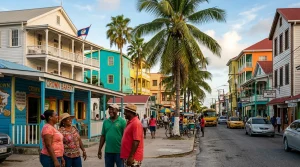
In a world that often seems to push for uniformity, Belize stands out as a beacon of cultural diversity, where the ancient and the modern coexist in a delicate balance. This Central American gem is not just about breathtaking landscapes; it’s a living mosaic of ethnicities, languages, and traditions that continue to evolve. As a nation shaped by a kaleidoscope of influences-from its Indigenous Maya roots to the vibrant Creole, Garifuna, and Mennonite communities-Belize exemplifies how tradition can thrive alongside modernity.In urban centers like Belize City, the buzz of everyday life harmonizes with echoes of the past. Here, traditional markets are laden with both global and local products, showcasing Belize’s culinary fusion. Foodies will delight in street vendors selling tamales and garnaches alongside the international cuisines influenced by Chinese and Mexican immigrants. This flavorful blend reflects modern Belizeans’ adaptability while celebrating their heritage. Travelers can take part in traditional cooking classes that emphasize local ingredients and culinary techniques, helping to foster a deeper understanding of Belizean culture.Each year, Belizeans celebrate a multitude of festivals that perfectly encapsulate this blending of old and new. For instance, the Garifuna Settlement Day on November 19 celebrates the arrival of the Garifuna people, featuring traditional music and dance, showcasing cultural pride and unity. Conversely, Belizean independence celebrations demonstrate modern patriotism, with energetic parades, music, and public festivities that invite locals and visitors alike to participate in national pride. These events serve not only as celebrations but also as platforms for cultural education, connecting younger generations with their ancestral roots while welcoming new influences.Navigating the balance between tradition and change is not without its challenges. As globalization steadily weaves its way into the fabric of Belizean society, maintaining cultural authenticity while embracing new ideas and technologies is paramount. Many communities are taking proactive steps to preserve their languages and traditional practices, ensuring they don’t fade into the backdrop of an evolving world. By encouraging cultural exchange and tourism that honors traditional practices, Belizean society fosters a sense of identity that is both rooted in history and responsive to the contemporary context.As you embark on a journey through Belize, take the time to engage with the local communities, whether at a vibrant marketplace in San Ignacio or a quiet village in the Cayo District. Seek out opportunities to learn about their stories, customs, and the ongoing evolution of their rich heritage. The interplay of tradition and modernity in Belize not only enhances its aesthetics but also creates connections that transcend cultural boundaries, making it a truly unique destination for adventurous travelers and potential expats alike.Expat Life in Belize: Cultural Integration Tips
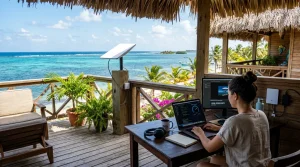
In the vibrant tapestry of Belizean life, expats find themselves not just relocating but immersing in a rich cultural experience filled with warmth, community, and a unique blend of heritages. Embracing the local culture is vital for a harmonious life in this diverse Central American paradise. Understanding the importance of local customs, traditions, and social norms can pave the way for meaningful interactions and a feeling of belonging.To truly integrate into Belizean society, engage with neighbors and participate in local events. Whether it’s a festive Garifuna Settlement Day celebration or a quiet community gathering, these occasions are golden opportunities to meet locals and share in cultural experiences that enrich your understanding of Belize. Consider volunteering with local organizations or attending workshops that focus on traditional crafts or culinary arts; these practical experiences not only enhance your skills but also forge connections with your new community.Language can often be a barrier, but in Belize, the linguistic landscape is as diverse as its population. While English is the official language, you’ll hear a delightful mix of Creole, Spanish, and various Maya languages. Learning basic phrases in Creole or Spanish can be incredibly useful and appreciated by locals, opening doors to deeper interactions and acceptance. Many community gatherings often feature informal conversations that allow newcomers to practice their language skills in a friendly environment.When it comes to cuisine, the flavors of Belize offer another avenue for cultural connection. Dive into the local food scene by frequenting open-air markets or small eateries where traditional dishes like rice and beans, tamales, and pozole come to life. Participating in cooking classes not only empowers you to recreate these culinary delights at home but fosters deeper ties with the rich history behind each dish. Socializing over food is a cornerstone of Belizean hospitality, making shared meals a perfect gateway into local life.As you navigate your new expat lifestyle, take advantage of opportunities to learn and share. Attend school events if you’re moving with family, join local clubs or sports teams, or participate in environmental projects focusing on conservation; these activities showcase Belizean pride and foster a sense of community ownership and engagement. Remember, every small effort adds to the larger narrative of your experience in Belize, transforming you from a tourist into a valued community member. Embrace the journey of cultural exchange, and relish every moment in this beautiful meeting point of worlds.Faq
Q: What is the primary nationality of the people in Belize? A: The primary nationality of people in Belize is Belizean. This identity encompasses various ethnic groups, reflecting the country’s multicultural heritage, including Mestizo, Creole, Garifuna, Maya, and many others.Q: How does Belizean culture reflect its diverse heritage? A: Belizean culture is a vibrant mix of influences from various ethnic groups, including traditional foods, music, and arts. Celebrations like Garifuna Settlement Day and the Belize Carnival showcase this rich cultural tapestry.Q: What languages are spoken in Belize? A: While English is the official language of Belize, Spanish, Kriol, and several Maya languages are also widely spoken. This multilingual environment enriches the cultural identity of the nation.Q: What role do festivals play in Belizean culture? A: Festivals in Belize, such as the September Celebrations and the Lobster Festival, serve to unite the community and celebrate national heritage. They highlight cultural practices, traditional music, food, and dance, fostering a sense of national pride.Q: How has history shaped Belize’s cultural identity? A: Belize’s cultural identity has been shaped by its colonial past, indigenous peoples, and subsequent migration. This history influences current social dynamics, cultural practices, and the national identity of Belizeans.Q: What are some traditional beliefs among the Belizean people? A: Traditional beliefs in Belize often blend indigenous, African, and European influences, encompassing spiritual practices, rituals, and community gatherings that reflect a deep connection to ancestry and nature.Q: How does geography influence Belizean culture? A: The diverse geography of Belize-ranging from coastal areas to jungles-shapes local lifestyles, industries such as fishing and eco-tourism, and cultural practices unique to various regions of the country.Q: What is the significance of music in Belizean culture? A: Music in Belize is a vital expression of cultural identity, incorporating styles like punta, reggae, and hip-hop. Events like the Belize International Music Festival celebrate this rich musical diversity and foster national unity.Final Thoughts
Understanding the rich cultural identity and heritage of Belize opens doors to a deeper connection with this vibrant nation. With influences from indigenous peoples, African cultures, and colonial history, Belize offers a unique tapestry of traditions that you won’t find anywhere else. Whether you’re ready to explore the stunning Great Blue Hole, immerse yourself in Creole cuisine, or discover the rhythms of Garifuna music, the adventure is just beginning!Don’t miss out on our articles about the best places to stay in Belize, from jungle lodges to beachfront resorts[[2]]and insights into Belize’s stunning wildlife and eco-tourism options[[1]]. As you plan your trip, check out our comprehensive travel guides covering visas, safety, and transportation to ensure a seamless experience. Ready to dive deeper into Belize’s wonders? Explore our site further and discover the adventures that await you! Join our community by subscribing to our newsletter for the latest updates and tips on all things Belize. Your next unforgettable journey is just a click away!Comprehensive Guide and In-Depth Analysis: Identity And Culture Projects Belize
When exploring the details surrounding identity and culture projects belize, understanding the practical, environmental, and cultural dynamics of Belize is essential for making informed travel or investment decisions. Belize stands out in Central America for its English-speaking heritage, British Common Law legal stability, and world-class ecotourism infrastructure.
Whether navigating mainland rainforest corridors, consulting local authorities, or exploring marine conservation zones along the Belize Barrier Reef, having verified, comprehensive information regarding identity and culture projects belize ensures seamless execution.
| Key Evaluation Pillar | Standards & Conditions in Belize | Actionable Best Practices |
|---|---|---|
| Regional Specifics | Variations between northern districts, central cayes, and southern rainforests | Align plans with specific district infrastructure and seasonal weather |
| Regulatory & Legal Framework | Belize Tourism Board (BTB) regulations and national conservation laws | Always work with licensed local professionals and certified guides |
| Logistics & Practical Costs | Fixed 2:1 BZD-to-USD currency peg; accessible transport via air and water | Plan budget with cash buffer for remote destinations and transfers |
For visitors and residents alike, engaging with identity and culture projects belize through authorized, sustainable practices contributes directly to local community development and the preservation of Belize’s pristine marine and terrestrial ecosystems.
Frequently Asked Questions: Identity And Culture Projects Belize
Why is understanding identity and culture projects belize important for Belize visitors?
It provides essential context for choosing the right regional destinations, understanding local pricing, and ensuring full compliance with environmental and tourism standards.
How do seasonal factors affect identity and culture projects belize in Belize?
The dry season (December through May) offers calm seas and sunny weather, while the green season brings lower rates and lush jungle scenery.
Get our latest guides, news, and insights highlighted in your Google Search & AI Overviews.