Significance of Belize’s Independence Day
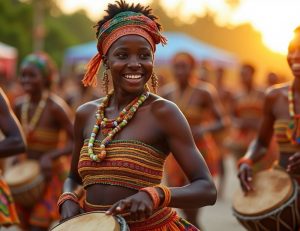
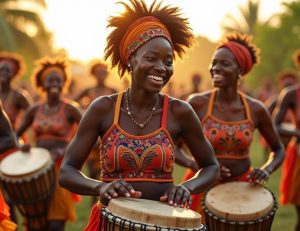
Belize’s Independence Day is a spectacular celebration of freedom, marking the culmination of a long journey towards self-governance and national identity. Celebrated on September 21st, this significant day represents not only the formal ending of colonial rule but also the vibrant cultural mosaic that defines Belize. In 1981, Belize achieved independence from British colonial governance, a moment steeped in history and emotion. The day serves as a reminder of the sacrifices made by countless Belizeans who fought tirelessly for recognition and autonomy, igniting a spirit of pride that resonates throughout the nation.The significance of Independence Day extends far beyond the date itself; it strengthens national unity and serves as a platform for showcasing Belizean culture. Parades burst with the colors of the national flag, and music fills the air with the rhythms of Garifuna drumming and traditional dance. Communities come together to celebrate their heritage with festivities that include local cuisine, art, and storytelling. This celebration not only honors the past but also fosters a sense of belonging and shared future, bridging generational gaps and creating lasting memories.As Belizeans gather to remember their history, the annual observance highlights the resilience of a people who have overcome challenges to carve out a distinctive identity on the world stage. The significance of Independence Day lies in its ability to inspire both reflection and innovation, motivating Belizeans to actively participate in the ongoing development of their nation while cherishing the diverse cultural tapestry that defines Belize. It stands as a reminder that independence is not merely a historical event but an ongoing journey that invites everyone to contribute to the richness of Belizean life today.Key Historical Events Leading to Independence
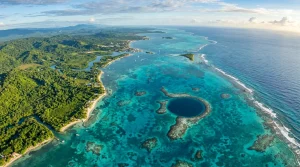
The road to independence for Belize was paved with a rich tapestry of historical events, political movements, and cultural awakenings. Beginning with its early colonial days in the 17th century, Belize was initially part of the British Empire as a logging colony, known as British Honduras. Throughout the 19th and early 20th centuries, the desire for self-governance began to stir among the population. By the mid-20th century, Belizeans were increasingly calling for greater autonomy, leading to a series of constitutional reforms and political developments.In 1945, the first official political party, the People’s United Party (PUP), was founded, marking a significant moment in political organization. This was followed by a landmark event in 1954 when Belizeans voted in the first elections held under a new constitution, which allowed for a measure of self-government. The push for independence gained momentum, with activists and leaders rallying citizens under the banner of nationalism.A pivotal turn came in the 1970s, amid the global wave of decolonization. Belize joined the Caribbean Free Trade Association in 1970, further solidifying its quest for independence and economic self-sufficiency. As discussions between the British government and Belizean leaders continued, it became clear that independence was on the horizon. On September 21, 1981, after fervent negotiations and grassroots activism, Belize was declared an independent nation, thus marking the end of British colonial rule and the beginning of a new era for its people.Through cultural celebrations and national pride, Belizeans embraced their newfound freedom, honoring the sacrifices made by their predecessors. The legacy of these key historical events continues to resonate today, inspiring a deep commitment to national identity, cultural heritage, and the ongoing development of a vibrant and inclusive society. As visitors explore the beauty and richness of Belize-from the Great Blue Hole to its lush jungles-they witness a nation where history and culture intertwine, reflecting the enduring spirit of unity and independence.
Timeline of Belize’s Path to Nationhood
Over centuries of colonialism and struggle, Belize’s journey to nationhood unfolded like a rich tapestry woven with the threads of resilience, identity, and hope. The allure of this stunning Central American nation, with its pristine beaches and vibrant culture, belies the complexities that shaped its political landscape. Understanding Belize’s path to independence is key to appreciating the spirit and unity of its people today.Key Milestones on the Road to Independence
- 17th Century: European settlers, primarily the British, established logging colonies in what would become Belize, then known as British Honduras. This marked the beginning of colonial rule that would last for over three centuries.
- 1862: British Honduras was formally declared a British colony, further embedding British influence in the region.
- [1945: The founding of the People’s United Party (PUP) marked a significant turning point in Belizean political history, as it was the first official political party advocating for self-governance.
- 1954: Belize held its first elections under a new constitution, allowing limited self-government and rallying an emerging national consciousness among the populace.
- 1964-1971: A series of constitutional reforms gradually expanded self-governance. Belizeans became increasingly vocal about their desire for full independence, leading to a growing sense of nationalism.
- 1970: Belize joined the Caribbean Free Trade Association, fostering economic autonomy and cooperation with other nations in the region.
- 1981: Following extensive negotiations and grassroots activism, Belize was officially declared an independent nation on September 21, marking a historic moment that ended British colonial rule. The celebration of this date has since become a cornerstone of national identity.

Belize’s Struggle for Sovereignty: A Detailed Account
The journey to sovereignty for Belize is a fascinating saga marked by resilience and collective determination. Nestled in Central America, this vibrant nation emerged from the shadows of colonial rule after centuries of British dominance, shaping a unique identity fueled by the aspirations of its people. The story of Belize’s struggle for independence is not merely a historical account but a testament to the tenacity of a nation longing for self-determination and cultural recognition.Throughout the late 19th and early 20th centuries, Belizeans began organizing to assert their rights and challenge colonial governance. Key moments in this fight included the formation of local political groups, culminating in the establishment of the People’s United Party (PUP) in 1945. This marked a watershed moment as the PUP became the first formal political party pushing for self-governance. The call for political reform amplified as the country held its first elections under a new constitution in 1954. This was pivotal in awakening a national consciousness, inspiring Belizeans to envision a future detached from colonial ties.As the decades progressed, the quest for full independence intensified. The 1960s and 1970s saw a surge in activism and constitutional reforms aimed at expanding local governance. The national pride burgeoning among the populace was palpable, leading to critical discussions about economic autonomy and cultural identity. In 1981, after years of negotiation, protests, and grassroots mobilization, Belize celebrated a historic milestone: independence from British rule. This defining moment not only transformed the political landscape but also inspired a profound cultural renaissance, encouraging Belizeans to embrace their heritage and natural beauty.Today, the vibrancy of Belizean culture-manifested through its music, culinary diversity, and rich traditions-reflects the spirit of its fight for sovereignty. As travelers explore this stunning nation, from the lush jungles to the azure Caribbean waters, they encounter a people whose history is a powerful narrative of resilience and hope, inviting all to partake in the legacy of independence that has shaped modern Belize.Celebrating Independence: Traditions and Customs
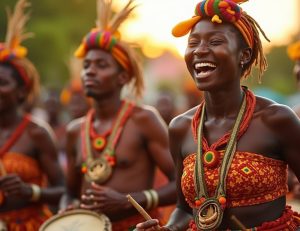
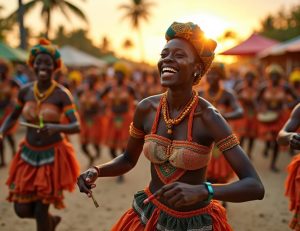
The vibrant celebration of Belize’s independence on September 21 is more than just a date on the calendar; it’s a lively homage to a hard-fought struggle for self-determination. Each year, the streets bustling with people transform into a kaleidoscope of colors as parades weave through towns and villages, gathering the spirit of a nation celebrating its freedom from British colonial rule in 1981. The festivities encapsulate Belize’s rich cultural tapestry, where traditional customs meet modern expressions, creating an atmosphere uniquely its own.In the lead-up to Independence Day, communities engage in a variety of activities that showcase their pride. Schools and local organizations prepare elaborate floats adorned with the national colors of blue, red, and white, while students rehearse dance performances and musical pieces that reflect Belize’s diverse heritage. On September 21, the day begins with a ceremonial raising of the national flag, which symbolizes the unyielding spirit of Belizeans. This is often followed by a grand parade that features lively marching bands, cultural groups, and colorful costumes that represent various ethnic backgrounds such as the Mestizo, Creole, Garifuna, and Maya.During this festive time, music and dance play a crucial role, infusing energy into the celebrations. Classic Garifuna music fills the air, alongside the rhythmic beats of punta and brukdown dance, captivating both locals and visitors alike. As night falls, the celebrations continue with bonfires and fireworks illuminating the sky, creating a sense of unity and joy among participants. It’s a time for families and friends to gather, share traditional foods, and reminisce about the struggles and triumphs that led to their independence.Visitors during this magical time are encouraged to immerse themselves in the local culture by joining in the festivities, participating in community events, and tasting traditional dishes like rice and beans, tamales, and the beloved fryjacks. Whether on the streets of Belize City or in quieter towns, the infectious spirit of independence fills the air, inviting all to celebrate not just a day, but a meaningful chapter in Belize’s story of resilience and hope.Cultural Impact of Independence on Belizean Society
The independence of Belize on September 21, 1981, marked not just a political shift but also a profound cultural renaissance that began to redefine the nation’s identity. This liberation has ignited a sense of pride that resonates deeply within the diverse communities that inhabit this vibrant Central American country. The impact of independence is evident across various dimensions of Belizean life, infusing the populace with a renewed appreciation for their heritage and shared history.One clear manifestation of this cultural impact is through Belize’s rich tapestry of festivals that celebrate national pride. Events such as the annual Independence Day parade not only showcase the flamboyant traditions of its multiple ethnic groups, including the Mestizo, Creole, Garifuna, and Maya, but also serve as an educational platform for younger generations. Schools play a crucial role, as students participate in cultural performances that revive traditional music, dance, and folklore, ensuring these elements are passed on to the next cohort. Over the years, such celebrations have fostered unity among the various groups, promoting inclusivity and understanding amidst Belize’s multicultural backdrop.The culinary landscape has also evolved significantly since independence, as Belizean cuisine embodies both tradition and innovation. Dishes like rice and beans and tamales reflect the country’s diverse cultural influences and are often enjoyed at communal gatherings, reinforcing family ties and cultural continuity. Additionally, the incorporation of local ingredients and recipes into daily life illustrates a broader trend of embracing and revitalizing cultural practices that symbolize independence and national pride.Belize’s national symbols have also gained prominence as markers of identity. The national flag, coat of arms, and anthems serve as reminders of the struggles and triumphs that shaped the nation. Schools, governmental institutions, and community centers prominently display these symbols, creating an environment steeped in national pride, where young Belizeans can connect with their heritage, reminding them of their duty to honor and preserve the freedoms they enjoy today.Ultimately, the journey to independence has cultivated a strong sense of belonging and cultural awareness in Belize, leading to a society that actively celebrates its multifaceted identity while striving toward a shared future. As Belizeans embrace their independence, the sense of cultural richness continues to flourish, inviting visitors to witness and participate in a legacy that celebrates resilience, diversity, and unity.Role of Key Figures in Belize’s Independence
The path to independence for Belize was paved by a handful of dedicated and vision-driven leaders whose relentless pursuit of self-governance inspired a nation. Among these key figures, George Cadle Price stands out as the father of the nation. His leadership in the People’s United Party (PUP) catalyzed the movement toward independence, making significant strides during his tenure as Prime Minister. Price’s vision for a sovereign Belize was rooted in his deep commitment to social justice, education, and economic development, establishing a framework that resonated with the Belizean people. His ability to unite various ethnic groups under a common goal showcased his political acumen and heartfelt patriotism.Alongside Price, other notable figures played pivotal roles in the independence journey. Leaders like Manuel Esquivel, who later became Prime Minister after Price, were instrumental in advocating for political reform and pushing back against colonial powers. Esquivel’s support for grassroots movements helped galvanize popular sentiment and mobilize citizens towards achieving national identity and freedom. His tenure saw the strengthening of democratic institutions, which laid the groundwork for Belize’s subsequent political landscape.The influence of women in the independence movement should not be overlooked. Figures such as Felicia K. B. Faith from the Women’s National Council were essential in advocating for civic engagement, emphasizing the importance of women’s roles in both the political sphere and society at large. Their determination in rallying women for the cause highlighted a progressive shift towards inclusivity in Belizean society, ensuring that independence was a collective triumph, not just of political leaders but of all citizens.Furthermore, grassroots movements comprising workers, students, and ordinary citizens provided the backbone for the struggle. Organizations like the Belize Trade Union Congress mobilized people against colonial injustices and worked tirelessly to advance labor rights. Their contributions underscored a communal effort where unified voices demanded sovereignty, illustrating that cooperation between various sectors of society was vital for successful advocacy.In sum, the journey to Belize’s independence was marked by the collaborative efforts of transformative leaders and engaged citizens alike, crafting a narrative of resilience and hope that inspired future generations. Each individual and collective group that rose to the occasion significantly shaped the nation’s path, leading to the celebration of independence on September 21, 1981, a date that now stands as a testament to their unwavering dedication and sacrifice.Comparison of Independence Movements in Central America
Across the vibrant tapestry of Central America, the quest for independence has sparked powerful movements, each illuminating the distinct paths nations have taken to self-determination. While Belize secured its independence from Great Britain on September 21, 1981, its journey reflects both unique characteristics and shared themes with its neighbors, offering a rich context for understanding the region’s historical narrative.Countries like Guatemala and Honduras reached their independence earlier, in 1821, reflecting a different set of challenges and influences. The dissolution of the Spanish Empire motivated these nations to assert their sovereignty, but the path was fraught with civil strife and external pressures that shaped their political landscapes. For instance, Guatemala’s internal struggles, characterized by a series of dictatorships and civil wars, stand in stark contrast to Belize’s relatively peaceful transition from colonial rule, primarily marked by the efforts of its community leaders.In Nicaragua, the independence movement was heavily influenced by the Sandinista revolution in the late 20th century, which aimed to transform not just the political framework but the very fabric of society. The struggle was rooted in deeper socio-economic grievances, contrasting with Belize’s focus on national identity and unity. Both Belize and Nicaragua demonstrate how the social conditions and historical contexts of colonization have forged distinct identities and political trajectories for each nation.Moreover, while Belize’s journey to independence drew significant participation from grassroots organizations and political parties, in countries like El Salvador, the eventual civil war epitomized the struggle for rights and representation. The various movements highlight a mosaic of resistance against colonial legacy, underscored by the zeal for cultural preservation and a yearning for autonomy across Central America.In this vibrant region, the threads of early independence movements intertwine, showcasing how shared colonial histories have fostered both collaboration and conflict among its nations. These varied experiences contribute to the rich cultural heritage that defines Central America today, with each country, including Belize, proudly celebrating its journey towards self-governance against the backdrop of historical struggles and triumphs.How Independence Day is Celebrated Today
Each year, the vibrant spirit of Belize awakens in a spectacular display of color and culture during the month of September, culminating in the grand celebration of Independence Day on September 21. As the sun rises, towns and villages across the country burst into life with parades that fill the streets, showcasing the rich cultural heritage of Belize through dynamic costumes, rhythmic music, and lively dancing. This day is not just a mere holiday; it represents a profound pride and unity among the Belizean people, reflecting their journey to self-determination.Festivities typically begin with a patriotic morning ceremony where the national flag is raised, accompanied by the singing of the national anthem. Vibrant parades follow, often featuring a kaleidoscope of floats representing different communities and organizations, alongside marching bands that pump infectious energy into the streets. Spectators, wearing the colors of the Belizean flag-blue, red, and white-gather to cheer on participants. Communities engage in various cultural performances, highlighting traditional dances such as the Garifuna and Creole dances, which pay homage to their ancestral roots and cultural practices.In addition to parades and performances, local fairs and food festivals spring up, offering a taste of Belize’s culinary diversity. From savory dishes like rice and beans, grilled fish, and tamales to sweet treats like coconut tarts and rum cake, the flavors are as vibrant as the celebrations themselves. Visitors are often welcomed into this lively atmosphere, making it an ideal time to experience the warmth and hospitality of Belizeans.Another hallmark of Independence Day celebrations is the emphasis on family and community. Many Belizeans take time to reflect on their history and the significance of their independence, often sharing stories of their ancestors’ struggles and achievements. In coastal regions, festive beach parties light up the shoreline, with social gatherings that continue into the night, complete with music, dancing, and fireworks lighting up the Caribbean sky. As Belize continues to celebrate its independence, it stands as a testament to its rich cultural tapestry and resilient spirit, inviting visitors to join in the festive revelry that marks this historic occasion.The Legacy of Colonial Rule in Belize
The shadows of colonial rule still linger in the vibrant cultural landscape of Belize, painting a complex picture of resilience and identity. The transition from British Honduras to an independent nation on September 21, 1981, was not just a change of governance; it was a reclamation of a multifaceted heritage profoundly impacted by centuries of colonialism. Belize’s colonial past has left indelible marks on its society, visible in its culture, language, and socioeconomic structures, creating a rich tapestry that is as beautiful as it is intricate.Belize’s history under British domination saw a convergence of various ethnic groups, including the Maya, Creole, Garifuna, and East Indian populations. This melting pot has shaped a unique national identity, though not without the enduring effects of colonial experiences. The hierarchy established during colonial times fostered inequities that persist today, influencing access to education, economic opportunities, and political representation. This legacy continues to ignite discussions about social justice and reparative measures within the Belizean context, highlighting the importance of acknowledging historical injustices.However, the legacy of colonial rule is also celebrated in the rich cultural practices that stem from Belize’s diverse heritage. The influences of colonialism are evident in Belizean cuisine, music, dance, and traditional festivities. The Garifuna culture, for instance, a result of the intertwining of various African, Caribbean, and Indigenous influences, has gained recognition as a UNESCO Intangible Cultural Heritage. Dance and music forms such as punta and paranda reflect the rhythms of resilience and joy among Belizeans, celebrating both diversity and unity in the face of a challenging past.Belize’s journey of independence has thus been both a reclaiming of identity and an ongoing dialogue with its colonial history. As visitors explore this enchanting country, they are not only captivated by its stunning natural landscapes-from the Great Blue Hole to lush jungles-but also invited to partake in a narrative of strength, struggle, and celebration. The nation’s vibrant festivals, especially Independence Day, serve as poignant reminders that Belizeans are continually weaving the remnants of their past into a hopeful future, where every beat of the drum and flavor of the dish carries the spirit of their ancestors and the promise of their children.Exploring the National Symbols of Belize
The national symbols of Belize reflect the rich cultural diversity and historical significance of this vibrant nation, coming to life particularly in the context of its fight for independence. Each symbol tells a story, connecting present-day Belizeans to their heritage and inspiring pride in their identity as a sovereign nation.At the heart of Belize’s national identity is its flag, which displays a unique design featuring the national coat of arms. The coat of arms features two woodcutters, representing the logging industry that was pivotal to Belize’s economic development, and a mahogany tree, symbolizing the diverse natural resources of the land. This emblem is framed by a garland of 50 green and red laurel leaves, reflecting the success and persistence of the Belizean spirit since independence on September 21, 1981.Another prominent symbol is the national anthem, “Land of the Free.” Composed by Samuel Haynes, the anthem embodies the aspirations and dreams of the Belizean people, speaking to their resolve to maintain freedom and democracy. Singing the anthem during Independence Day celebrations infuses a sense of unity and shared purpose among citizens, reminding everyone of their collective history and the sacrifices made towards achieving independence.The national bird, the Ka’awiil, also known as the Red-Fronted Parrot, embodies Belize’s lush natural beauty and ecological diversity. Known for its colorful plumage and vibrant calls, this bird symbolizes the wealth of Belize’s natural heritage, reminiscent of the many adventures that await in the country’s rainforests and along its pristine coastlines.Even the national flower, the Black Orchid, holds a tale of resilience and beauty amid struggle. This rare flower signifies the uniqueness of Belize’s environment and stands as a testament to a diverse flora that flourishes despite challenges. Visitors to Belize can find the Black Orchid blooming in various parts of the country, making it a popular symbol among local artisans who incorporate it into crafts and souvenirs.In addition to these symbols, the annual Independence Day celebrations on September 21 bring out the best of Belizean culture, showcasing traditional music, vibrant parades, and culinary delights from its multicultural society. It’s a day when the colors of the flag fly high, festivals abound, and the voices of the people echo the rich heritage that informs their journey as a nation.By exploring these symbols, one gleans a deeper appreciation of Belize’s journey toward nationhood, steeped in a unique blend of cultural narratives and ecological wonders that invite both travelers and locals alike to celebrate together in the spirit of independence.Understanding Belize’s Political Landscape Post-Independence
The transformation of Belize into an independent nation on September 21, 1981, marked not just a political milestone, but also the beginning of a vibrant national identity exclusively shaped by its people, culture, and history. In the years following independence, Belize has navigated its way through the complexities of governance and social development, creating a political landscape that resonates with the voices of its diverse population.Belize operates as a parliamentary democracy within the Commonwealth, where the Prime Minister serves as the head of government and is supported by a bicameral legislature. This political system allows for a dynamic interplay between various political parties, facilitating a platform for democratic engagement and representation of its multi-ethnic society. The two primary political parties, the People’s United Party (PUP) and the United Democratic Party (UDP), embody the country’s political spectrum, often reflecting the interests and aspirations of different segments of Belizean society.In terms of governance, Belize has made strides in promoting social justice and addressing issues such as poverty, education, and healthcare. The commitment to these areas enhances the well-being of its citizens, thereby fostering a sense of shared responsibility and community pride. The Belizean government has also worked diligently to develop policies that protect the environment, an essential part of the nation’s appeal, particularly its vast marine reserves and ecological treasures like the Great Blue Hole and lush rainforests.As Belize continues to evolve as a nation, it faces challenges akin to those experienced by other post-colonial states, including economic dependency and the impacts of globalization. Nevertheless, the spirit of resilience prevailing among Belizeans drives a collective commitment to sustainability and cultural preservation. Initiatives aimed at empowering local communities, promoting eco-tourism, and safeguarding cultural practices are pivotal as the nation works towards a balanced approach to development while honoring its rich heritage.The legacy of Belize’s colonial history can still be observed in its political and social dynamics. Yet, the voice of the people, expressed through independent press and civil society organizations, continues to shape the nation’s governance. As vibrant festivals, such as Independence Day celebrations, illustrate the cultural richness of Belize, the ongoing journey toward greater autonomy and identity remains both a collective aspiration and a testament to the Belizean spirit.FAQ
Q: When did Belize officially become an independent country? A: Belize officially became an independent country on September 21, 1981. This date marks its liberation from British colonial rule and is celebrated annually as Independence Day, reflecting the nation’s journey to sovereignty.Q: What historical events led to Belize’s independence? A: Key historical events leading to Belize’s independence include the late 1950s and 1960s nationalist movements, constitutional reforms, and negotiations with Britain that began in 1973. These efforts culminated in Belize gaining full self-government in 1979, paving the way for independence in 1981.Q: Why is Independence Day important in Belize? A: Independence Day is significant in Belize as it symbolizes the country’s freedom and national identity. It is a time for celebration, reflection on the struggles endured, and recognition of the cultural diversity that shapes Belizean society today.Q: How is Independence Day celebrated in Belize? A: Independence Day in Belize is celebrated with parades, cultural performances, and fireworks. Festivities often include traditional music and dance, showcasing Belize’s rich heritage. Communities come together to honor their history and national pride.Q: Who were key figures in Belize’s independence movement? A: Key figures in Belize’s independence movement include George Cadle Price, who played a crucial role as the leader of the People’s United Party, and other activists who advocated for self-determination and civil rights throughout the 20th century.Q: What impact did colonial rule have on Belize’s path to independence? A: Colonial rule profoundly impacted Belize’s political landscape, economy, and culture, creating tensions that fueled the independence movement. The fight for sovereignty involved addressing social inequalities and aspirations for greater self-governance among Belizeans.Q: What are some customs associated with Belize’s Independence Day? A: Customs associated with Belize’s Independence Day include the singing of the national anthem, the raising of the flag, and community gatherings. Traditional foods are often served, and locals share stories of their history and culture, fostering unity among citizens.Q: How does Belize’s independence compare to other Central American countries? A: Belize’s independence journey shares similarities with other Central American nations, such as the influence of colonial rule and the push for self-governance. However, Belize uniquely retained British influences longer, reflecting both resilience and adaptation in its path to nationhood.To Conclude
As we reflect on Belize’s journey to independence, remember that this vibrant nation has so much more to offer beyond its remarkable history. From the stunning Great Blue Hole to the lush jungles home to ancient Maya ruins, Belize is a destination that beckons adventure seekers and cultural enthusiasts alike. We invite you to dive deeper into Belize’s beauty by exploring our comprehensive travel guides on accommodations, eco-tourism highlights, and local cultural experiences, such as Garifuna music and Creole cuisine.Don’t miss out on your chance to experience all that Belize has to offer-plan your unforgettable trip today! For more insights, check out our articles on the best places to stay and practical travel tips to enhance your visit. Join the conversation in the comments below and share your thoughts or questions about visiting this Central American gem. Let’s keep the spirit of Belize alive together!Comprehensive Guide and In-Depth Analysis: Belize Independence Day
When exploring the details surrounding belize independence day, understanding the practical, environmental, and cultural dynamics of Belize is essential for making informed travel or investment decisions. Belize stands out in Central America for its English-speaking heritage, British Common Law legal stability, and world-class ecotourism infrastructure.
Whether navigating mainland rainforest corridors, consulting local authorities, or exploring marine conservation zones along the Belize Barrier Reef, having verified, comprehensive information regarding belize independence day ensures seamless execution.
| Key Evaluation Pillar | Standards & Conditions in Belize | Actionable Best Practices |
|---|---|---|
| Regional Specifics | Variations between northern districts, central cayes, and southern rainforests | Align plans with specific district infrastructure and seasonal weather |
| Regulatory & Legal Framework | Belize Tourism Board (BTB) regulations and national conservation laws | Always work with licensed local professionals and certified guides |
| Logistics & Practical Costs | Fixed 2:1 BZD-to-USD currency peg; accessible transport via air and water | Plan budget with cash buffer for remote destinations and transfers |
For visitors and residents alike, engaging with belize independence day through authorized, sustainable practices contributes directly to local community development and the preservation of Belize’s pristine marine and terrestrial ecosystems.
Frequently Asked Questions: Belize Independence Day
Why is understanding belize independence day important for Belize visitors?
It provides essential context for choosing the right regional destinations, understanding local pricing, and ensuring full compliance with environmental and tourism standards.
How do seasonal factors affect belize independence day in Belize?
The dry season (December through May) offers calm seas and sunny weather, while the green season brings lower rates and lush jungle scenery.
Get our latest guides, news, and insights highlighted in your Google Search & AI Overviews.