Is Belize a Country or Part of Mexico? Understanding the Basics
Nestled in Central America, Belize is a vibrant and independent country with a culture distinctly its own, often leading to questions about its geographical identity. Despite its proximity to Mexico, Belize is not part of Mexico; rather, it is bordered by Mexico to the north and Guatemala to the west and south, with the Caribbean Sea to the east. This unique positioning gives Belize a strategic locale that merges rich histories and varied cultural influences from both neighboring nations, without being inherently linked to either.The official language is English, a remnant of its colonial past when it was known as British Honduras. However, the country is a linguistic tapestry, with Spanish, Creole, and various Mayan dialects spoken widely. Visitors often find this mix of cultures fascinating, as it contributes to a warm and welcoming atmosphere for travelers.Belize’s independence from Britain was achieved in 1981, a pivotal moment celebrated by its citizens with rich traditions and festivities that foster national pride. This independence showcases Belize’s distinct identity, while also maintaining connections to the broader Central American region, particularly in the spheres of trade, migration, and cultural exchange. Understanding this context not only enriches the travel experience but also respects the country’s sovereignty and unique heritage.As you plan your journey, embracing Belize’s celebrated independence and cultural richness will undoubtedly enhance your appreciation for this gem of Central America, encouraging deeper exploration of its diverse landscapes, people, and history.The Unique Geography of Belize Explained
Belize is a remarkable blend of natural beauty and cultural diversity, resting on the eastern coast of Central America. With its breathtaking Caribbean coast and mountainous interior, this country showcases a landscape that varies dramatically from lush rainforests to stunning coral reefs. One of Belize’s most famous geographical features is the Belize Barrier Reef, which is the longest in the Western Hemisphere and a UNESCO World Heritage Site. It’s home to an astonishing array of marine life, making it a paradise for snorkelers and scuba divers.The geography of Belize is not only defined by its coastal beauty. Inland, you can find a rich tapestry of ecosystems, ranging from mangroves to tropical forests that host diverse wildlife. The southern part of the country is known for its Maya ruins, nestled in the jungles where ancient civilizations once thrived. Sites like Caracol and Lamanai invite travelers to explore the remnants of a rich history while surrounded by lush greenery, offering a glimpse into the past amid the vibrant biodiversity.For travelers venturing through Belize, understanding its geography can greatly enhance the experience. The country is relatively compact, making it easy to navigate between its diverse attractions. A popular route is traveling from the coastal cities inland to the mountainous areas, often blending beach relaxation with jungle adventure. You can wake up in a beachside bungalow on Ambergris Caye and easily reach the ancient pyramids of Xunantunich by afternoon.The unique geography, intertwined with its cultural heritage and wildlife, makes Belize a destination that continuously surprises and delights visitors. As you plan your visit, consider exploring lesser-known areas that showcase Belize’s natural wonders, such as the caves of Actun Tunichil Muknal or the lush landscape of Mountain Pine Ridge. Embracing this variety is key to experiencing the vibrant pulse of Belize, making each journey a rich adventure in this beautiful country.
Cultural Connections: Belize and Mexico
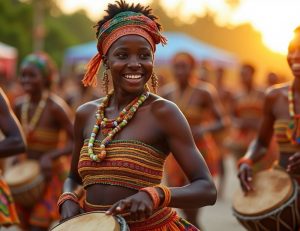
The vibrant cultural tapestry of Belize is woven from multiple threads, influenced significantly by its proximity to Mexico. Just south of the Yucatán Peninsula, this Central American gem proudly showcases a mix of traditions, languages, and culinary delights that reflect its rich cultural heritage. Visitors to Belize will find that the echoes of Mayan civilization harmoniously blend with the influences of Garifuna and Creole cultures, creating a unique identity that sets Belize apart while also sharing familiar ties with its Mexican neighbor.While Belize is an independent country, its cultural connections to Mexico are profound. The historical presence of the Maya extends across both nations, and sites such as the ancient ruins of Xunantunich and Caracol speak to the shared legacy of this sophisticated civilization. Travelers can embark on an enriching journey, exploring these archaeological wonders that were once thriving urban centers. In addition to historical ties, culinary journeys in Belize often include the vibrant flavors of Mexican cuisine, featuring dishes like tamales, tacos, and fresh ceviche, enhanced by local spices and seafood. In many towns, you might stumble upon food markets bursting with colorful produce and traditional dishes reminiscent of Mexico’s culinary landscape.Music and dance also serve as cultural bridges between Belize and Mexico. Garifuna music, with its infectious rhythms and storytelling, can be felt throughout coastal towns during lively festivals, while the influence of mariachi and traditional Mexican folk music resonates during celebrations across the country. The annual Costa Maya Festival in San Pedro, for instance, attracts visitors with its lively music, cultural displays, and a showcase of Central American arts, further illustrating the strong bonds shared among regional cultures.For travelers keen on exploring these cultural connections, it is essential to venture beyond the tourist hotspots. Engaging with local communities will enhance your understanding of how traditions blend and adapt. Take part in local festivities like Garifuna Settlement Day, where families gather to celebrate their rich heritage through music, dance, and culinary traditions that echo both Belizean and Mexican roots. Embrace the opportunity to learn a few phrases in Creole or Spanish, as it will open doors to deeper interactions and enrich your experience in this diverse nation. In Belize, cultural connections with Mexico are not just a backdrop; they are woven into the fabric of everyday life, making each visit a journey of discovery and celebration.
Traveling from Mexico to Belize: What You Need to Know
Crossing the border from Mexico to Belize is often described as stepping into a vibrant tapestry of cultures, languages, and breathtaking landscapes. Whether arriving from the bustling tourist hub of Cancun or the historical city of Merida, travelers find that the journey into Belize introduces them to an enchanting blend of natural beauty and rich cultural heritage. The transition is not just a physical crossing but an immersion into a place where the remnants of Maya civilization meet Caribbean charm, inviting eager adventurers to explore.When planning your border crossing, it’s essential to know the logistics. The most common entry point is the Belize-Mexico border at Corozal, accessible from various cities including Chetumal. Transportation options include buses, shuttles, and private taxis. The bus ride can be an adventure in itself, providing glimpses of daily life in both countries. As a traveler, you’ll need to present valid travel documents-a passport is essential, and it’s wise to check immigration requirements in advance. Make sure to carry some cash; Belize uses the Belize dollar, which is pegged to the U.S. dollar, making it convenient for those coming from the U.S.Prepare for a change in atmosphere too. As you enter Belize, the landscapes transform from the flat expanses of Mexico’s Yucatán Peninsula to Belize’s lush jungles and pristine beaches. The official language is English, but Spanish, Creole, and various Maya languages are commonly spoken, reflecting the multicultural society of Belize. This makes it an ideal destination for those who appreciate diversity and enjoy engaging with locals, who are often eager to share their rich traditions and stories.It’s also crucial to consider safety and health when traveling. Belize has a warm, tropical climate, so mosquito repellent is recommended to protect against bites, especially in rainforest areas. Additionally, ensuring you have adequate travel insurance can provide peace of mind during your trip. Whether you’re planning to explore the iconic Great Blue Hole, wander through ancient Maya ruins, or simply relax on stunning beaches, coming from Mexico to Belize offers a sense of adventure with every step and an opportunity to deepen your understanding of Central America’s diverse cultural fabric.
The Rich History of Belize’s Independence
The journey towards Belize’s independence is a testament to the spirit and resilience of its people. Once known as British Honduras, Belize struggled for years under colonial rule, characterized by the lingering influences of the British Empire. The call for autonomy began to resonate during the mid-20th century, paralleling other countries in the region pursuing self-determination. By the 1950s, as global movements for independence surged, the people of Belize began to mobilize for change.In 1964, advances were made towards self-governance when Belize was granted partial internal self-government, laying the groundwork for full independence. The struggle wasn’t without its challenges. Political leaders like George Price emerged, championing the cause and advocating for Belizean rights. The path toward independence culminated on September 21, 1981, when Belize firmly established itself as a sovereign nation. This significant event is celebrated annually with vibrant parades, cultural exhibitions, and festivities that echo the country’s diverse heritage.Today, Belize’s independence serves as a cornerstone of national identity. The celebrations highlight not only the triumph over colonial rule but also the tapestry of cultural influences that shape contemporary Belizean society, including Spanish, British, and Caribbean heritages. This blend of traditions can be experienced in various forms, from the rhythms of Garifuna music to the flavors of local cuisine, inviting travelers and expats alike to embrace and explore Belize’s unique culture. As you wander through this stunning country, you’ll find that the legacy of independence lives on in every smile and smile, echoing a proud past that continues to inspire dreams of a brighter future.Top Attractions in Belize You Can’t Miss
Belize offers an enchanting blend of natural beauty, rich history, and vibrant culture, making it a dream destination for travelers. From the stunning turquoise waters of the Caribbean to the majestic ancient Maya ruins hidden in the jungle, the country is packed with attractions that should not be missed. If you find yourself wondering whether Belize is in Mexico, you’ll be pleasantly surprised to learn that it is its own sovereign nation, situated just south of Mexico, and overflowing with unique experiences.Great Blue Hole
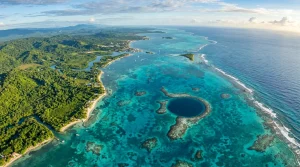
A UNESCO World Heritage site, the Great Blue Hole is a natural wonder that attracts divers and snorkelers from around the globe. With its deep azure waters contrasting against the surrounding reef, it’s an ideal spot for underwater exploration. The vibrant marine life, including nurse sharks and stingrays, provides divers with unforgettable encounters in this circular sinkhole that descends over 400 feet.Ambergris Caye and San Pedro
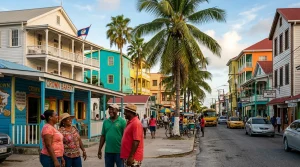
For those seeking a laid-back beach vibe, Ambergris Caye is Belize’s largest island and a perfect destination for relaxation and water sports. The coastal town of San Pedro is lined with colorful shops and lively bars offering delicious seafood and cocktails. You can rent a kayak or a paddleboard to explore the mesmerizing waters, or take a day trip to nearby Hol Chan Marine Reserve, where you can snorkel with tropical fish and turtles.Maya Ruins: Lamanai and Altun Ha
Step back in time with visits to Belize’s ancient Maya ruins. Lamanai, located on the banks of the New River, features impressive temples and offers one of the most scenic archaeological experiences. Alternatively, Altun Ha is easily accessible from Belize City and boasts the iconic Temple of the Sun God, which stands as a testament to the ancient civilization’s grandeur.Wildlife and Nature Reserves
Belize is a biodiversity hotspot, home to vast jungles and numerous wildlife sanctuaries. The Belize Barrier Reef, the second largest in the world, offers diverse ecosystems that can be explored through snorkeling or diving. For land-based adventures, the Cockscomb Basin Wildlife Sanctuary, famously known for its jaguar population, provides opportunities for hiking and birdwatching amidst lush rainforests.Cultural Experiences
Engage with the local culture by visiting the charming town of Hopkins, renowned for its Creole and Garifuna music and dance. The annual Cultural Festival in September showcases the rich traditions and artistic expressions, allowing you to fully immerse yourself in the vibrant heritage of Belize.With each unique experience, from breathtaking natural sights to lively cultural interactions, Belize proves that it is much more than just a geographical footnote next to Mexico. Travellers can enjoy an array of activities designed for both thrill-seekers and those looking to unwind, making it a perfect destination for everyone.Exploring Belizean Cuisine: A Taste of Caribbean Flavors
Discovering the flavors of Belize is an essential part of any journey through this vibrant Central American destination. Renowned for its rich cultural tapestry, Belizean cuisine reflects a delightful blend of Caribbean, Mexican, and traditional Maya influences. Each bite tells a story, inviting travelers to immerse themselves in the country’s local culture and history.Cuisine in Belize is often bold; ingredients like fresh herbs, spices, and seafood play a starring role. One of the most iconic dishes is Rice and Beans, typically served with stewed chicken or fish, which highlights the coconut milk that infuses the rice with a subtly sweet flavor. Visitors should also indulge in Escovitch Fish-a marinated and fried fish topped with spicy pickled vegetables-often regarded as a quintessential Belizean dish. Don’t miss the opportunity to savor Conch Fritters for a decadent snack, or the rich flavor of Tamales, traditionally wrapped in banana leaves, which showcase the culinary influence of Belize’s Maya heritage.Traditional Ingredients
Belizean dining features an array of locally sourced ingredients that enhance the fresh and vibrant flavors of the dishes. Key staples include:- Plantains: Served fried or boiled, plantains are a sweet complement to many meals.
- Chiles: Various types of peppers add a kick to dishes, with habaneros being particularly popular.
- Seafood: The proximity to the Caribbean Sea ensures that fish, shrimp, and lobster are always fresh and prominently featured in local cuisine.
Local Dining Experiences
Belize is home to a flourishing culinary scene, with opportunities ranging from street food stalls to upscale restaurants. The coastal towns of San Pedro and Caye Caulker are renowned for their seafood shacks, where diners can enjoy fresh catches while gazing at the turquoise waters. Meanwhile, inland, you can experience authentic flavors in local eateries where traditional dishes are served with a smile and a side of stories from the locals.Sharing a meal in Belize is an experience steeped in warmth and community, often accompanied by lively conversation and the sounds of Garifuna music filling the air. Consider joining a culinary tour that not only allows you to sample local dishes but also helps you learn about the history and significance behind them, enriching your travel experience even further.By embracing the culinary wonders of Belize, you’ll discover yet another reason why this country stands out uniquely from its neighbors and why it is a destination deserving of exploration. Each meal becomes a celebration of heritage, flavor, and the welcoming spirit of the Belizean people.Wildlife Wonders: Biodiversity in Belize
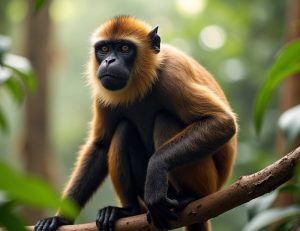
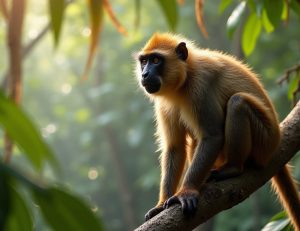
Belize is a treasure trove of biodiversity, offering an incredible array of ecosystems that are home to countless species, some of which can only be found in this enchanting Central American nation. With its unique combination of dense jungles, sprawling wetlands, and pristine coastlines, Belize serves as a critical habitat for a wealth of wildlife, making it a paradise for eco-tourists and nature lovers alike. Imagine strolling through an ancient rainforest while the calls of howler monkeys echo above, or snorkeling in the azure waters of the Caribbean, surrounded by vibrant coral reefs teeming with colorful fish and marine life.One of the most striking features of Belizean wildlife is its rich avian population. The “jewel of the Caribbean,” as Belize is often called, is home to over 500 species of birds, making it a birdwatcher’s dream. From the magnificent Resplendent Quetzal-famous for its colorful plumage-to the endangered Scarlet Macaw, the sky in Belize is a canvas painted with avifaunal diversity. Birding hotspots like the Crooked Tree Wildlife Sanctuary and the Belize Audubon Society’s various reserves offer guided tours that not only provide stunning views but also showcase the importance of conservation efforts in preserving these remarkable species.H3: Marine MarvelsThe waters surrounding Belize boast the second-longest barrier reef in the world, the Belize Barrier Reef Reserve System, a UNESCO World Heritage Site. This underwater paradise is home to an astonishing variety of marine species, including sea turtles, manatees, and the elusive whale shark, which can be spotted between April and June during its yearly migration. Snorkeling or diving at renowned spots such as the Great Blue Hole or Hol Chan Marine Reserve introduces visitors to a thriving underwater landscape where the colors of coral formations pop against the turquoise backdrop, and the playful antics of fish create memories that last a lifetime.H3: How to Experience Belize’s WildlifeFor those eager to dive deeper into Belize’s natural wonders, various eco-tours and guided excursions are available. Local guides can lead you through national parks like Cockscomb Basin Wildlife Sanctuary-home to the world’s first jaguar preserve-where you might spot these magnificent big cats in their natural habitat. Additionally, river tours can unveil the diverse flora and fauna along the waterways, offering glimpses of crocodiles, iguanas, and a range of exotic bird species.Whether you’re sailing the Caribbean seas, hiking through lush rainforests, or simply relaxing on a beach, the wildlife of Belize enhances every experience, reminding visitors of the intricate connections within nature that need our protection. Embracing the rich biodiversity not only enriches your trip but also contributes to the conservation efforts vital for ensuring that future generations can enjoy the wonders of Belize as well.Navigating Transportation Options in Belize
Traveling around Belize offers a delightful blend of adventure and discovery, as well as a peek into the country’s rich cultural tapestry. Despite its relatively small size, navigating Belize requires understanding a few key transportation options to make the most of your visit.One of the most popular and efficient ways to travel across this stunning nation is through the extensive bus system. Regularly scheduled buses connect major towns and attractions, making them an economical choice for budget-conscious travelers. For instance, the trip from Belize City to San Ignacio typically takes about 2 hours, offering picturesque views along the way. If you find yourself in the lively capital, you can hop onto a local “chicken bus,” brightly painted and filled with locals, for an authentic travel experience that also gives you a taste of daily Belizean life.For those seeking greater flexibility, renting a car can provide a sense of freedom to explore at your own pace. Road conditions are generally good, though it’s wise to be cautious on rural or unpaved roads, particularly during the rainy season. Be aware that driving is on the right side of the road, and speed bumps (often unmarked) are common. Rental companies can be found in Belize City and at the airport, and don’t forget to check if your insurance covers driving in Belize.If you’re headed to the islands of Ambergris Caye or Caye Caulker, ferries are the primary transportation mode to the picturesque shores. Regular ferry services operate between Belize City and these islands, offering stunning views of the Caribbean. Once on the islands, bicycles and golf carts are popular options for getting around, allowing visitors to soak in the breezy coastal atmosphere while exploring local shops and beaches.For a unique approach to travel in Belize, consider domestic flights. Small airlines connect major cities as well as some of the more remote areas, such as the beautiful towns of Placencia and Punta Gorda. This can be an excellent way to save time and see the stunning landscapes from above, though booking in advance is advisable during peak seasons.Lastly, don’t overlook the possibility of organized tours, which often include transportation to and from popular sites such as the ancient Maya ruins and national parks. Many tours provide a seamless way to immerse yourself in Belize’s adventures without the hassle of planning logistics each step of the way.With these transportation options at your fingertips, getting around Belize becomes a part of the adventure itself, ensuring not just destinations but the journeys in between are memorable. Whether you’re traversing jungle trails or cruising along the coast, you’re bound to fall in love with the beauty and warmth of this extraordinary country.When to Visit Belize: Climate Insights
Visiting Belize is a delightful experience year-round, but understanding its climate can help you plan the perfect getaway. Situated on the Caribbean coast, this vibrant destination boasts a tropical climate characterized by two distinct seasons: wet and dry. The dry season typically lasts from November to mid-April, offering travelers sunny skies, lower humidity, and ideal conditions for umbrella drinks on sandy beaches or explorations of ancient Maya ruins.During the dry season, temperatures range from the mid-70s to the high 80s Fahrenheit (about 24°C to 31°C) and are perfect for outdoor activities. Post-holiday months, particularly January and February, are peak times to visit. Tourists flock to experience the lush landscapes and outdoor adventures – think snorkeling in the azure waters of the Caribbean or trekking through the diverse ecosystems of the Belizean jungle.Understanding the Wet Season
The wet season from June to October brings higher humidity and frequent, albeit short, rain showers. Despite the moisture, this time of year has its perks. From the vibrant colors of blooming flora to the abundance of wildlife, nature enthusiasts will find this season particularly rewarding. Plus, fewer tourists mean more intimate experiences at must-see locales like the Great Blue Hole or the ancient ruins at Xunantunich.While hurricanes are a possibility during the height of the wet season, especially between August and October, most visitors find the rain usually occurs in brief bursts, leaving plenty of time to explore. Travelers should keep an eye on weather forecasts and consider travel insurance for added peace of mind during this period.Choosing Your Travel Time
Ultimately, the best time to visit Belize depends on your preferences. If you prefer drier, cooler weather to engage in outdoor activities, the dry season is ideal. Conversely, if you’re eager to enjoy a quieter experience and witness the lush beauty of Belize’s landscapes, the wet season offers a unique perspective. Regardless of when you choose to go, Belize’s rich cultural tapestry and stunning natural environments promise an unforgettable adventure.Whether you’re diving into the coral reefs, exploring ancient caves, or indulging in the local cuisine, the warmth and hospitality of Belize await you, ready to showcase the vibrant culture and breathtaking landscapes at every turn.Accommodation Guide: Where to Stay in Belize
Belize is a treasure trove of experiences, and choosing the right accommodation can enhance your adventure in this vibrant country. Whether you’re seeking the luxury of overwater bungalows, the charm of jungle lodges, or the budget-friendly allure of hostels, Belize offers a diverse array of options to suit every traveler’s need.For those drawn to the stunning Caribbean coast, places like Ambergris Caye offer boutique hotels and beachfront resorts where you can lounge on powdery white sands and dive into crystal-clear waters. Consider the iconic San Pedro area for a mix of lively nightlife and serene beach access. Alternatively, head to Caye Caulker for a laid-back vibe with budget hostels and affordable guesthouses, perfect for the backpackers among you.Inland, the lush jungles provide a different experience. Jungle lodges near popular sites like the ancient ruins of Xunantunich or the ATM Cave offer immersive nature experiences. These properties often feature open-air rooms set within the jungle canopy, allowing you to wake up surrounded by the sounds of the wild. Many of these lodges also facilitate tours and excursions, making it easy to explore Belize’s famed biodiversity.For family travelers or those seeking a resort-style experience, locations like Placencia provide sprawling beachfront resorts equipped with all the amenities. These family-friendly spots often include pools, restaurants, and organized activities catering to all ages.Types of Accommodation
- Luxury Resorts: Overwater bungalows and high-end hotels provide unparalleled service and views.
- Jungle Lodges: Experience Belize’s rich biodiversity with lodges nestled in the heart of nature.
- Budget Hostels: Affordable and social options available in urban and rural areas.
- Family Resorts: Comprehensive facilities designed for family fun and relaxation.
Belize for Every Traveler: Tips for Diverse Needs
Belize is a melting pot of cultures, natural wonders, and adventures, making it a top choice for a wide array of travelers. Whether you’re a solo adventurer seeking thrills, a family looking for cultural enrichment, or a couple wanting a romantic escape, Belize caters to every need with its diverse offerings. One fascinating fact is that Belize boasts some of the best-preserved historical sites in Central America, including ancient Maya ruins, which are perfect for the history buffs among you.For the outdoorsy types, Belize is a paradise. The Great Blue Hole invites divers from around the globe, while the lush jungles provide a haven for hiking, birdwatching, and zip-lining enthusiasts. Adventure seekers can explore the Actun Tunichil Muknal cave, where you can see ancient artifacts and skeletal remains that tell stories of the Maya civilization. For those who prefer the coast, the cayes (islands) offer stunning coral reefs and the chance to snorkel among vibrant marine life.Travel Tips for Everyone
Navigating Belize can be simple and rewarding with a few practical tips. Transportation is relatively easy, with options ranging from local buses to water taxis and rental cars. Consider using the local buses for a more authentic experience, especially if you’re comfortable mingling with the locals. For safety, always keep your belongings secure and stay aware of your surroundings, particularly in busy areas.Accommodations vary widely to fit different budgets and preferences. Whether you’re interested in upscale overwater bungalows or cozy hostels, it’s crucial to book in advance during the peak tourist season, from November to April. Additionally, be sure to check for family-friendly amenities if you’re traveling with children, such as pools and organized activities.An Inclusive Experience Belize embraces travelers from all backgrounds, including LGBTQ+ visitors and solo female travelers. In major tourist areas like San Pedro and Caye Caulker, you’ll find a welcoming atmosphere, with many venues emphasizing inclusivity. Engaging with local communities through food tours or cultural events can offer deeper connections and enriching insights into the Belizean way of life, enhancing your journey.With a rich cultural tapestry, stunning landscapes, and a commitment to hospitality, Belize truly has something special for everyone. Embrace its charm, explore with an open heart, and prepare for unforgettable experiences in this incredible country.Faq
Q: Is Belize geographically part of Mexico? A: No, Belize is not part of Mexico; it is an independent country located on the Caribbean coast of northern Central America. It shares a border with Mexico to the north and Guatemala to the west and south, but it has its own government and national identity.Q: What are some unique geographical features of Belize? A: Belize is home to the longest barrier reef in the western hemisphere and the Great Blue Hole, a UNESCO World Heritage site. Its landscape includes lush jungles, stunning beaches, and over 400 islands known as cayes, making it a diverse and beautiful destination for nature lovers.Q: How does Belize’s climate differ from Mexico’s? A: Belize generally has a tropical climate, characterized by a wet season from June to November and a dry season from December to April. Compared to parts of Mexico, Belize tends to be more humid, especially along the coast, and offers unique ecosystems and biodiversity.Q: What languages are spoken in Belize? A: While English is the official language of Belize, Spanish is widely spoken due to its proximity to Mexico. Additionally, Creole and various Maya languages reflect the country’s rich cultural heritage, offering travelers diverse linguistic experiences.Q: Are there any cultural influences from Mexico in Belize? A: Yes, Belize exhibits significant cultural influences from Mexico, particularly in its cuisine, music, and festivals. The traditional foods and festive celebrations often reflect Mexican traditions, showcasing a blend of Belizean and Mexican cultures.Q: How can I travel from Mexico to Belize? A: Traveling from Mexico to Belize is straightforward. You can cross the border at several points, including the Chetumal-Belize City crossing. Public transport and shuttles are available, making it easy for tourists to visit Belize from Mexico.Q: What is the size of Belize compared to Mexico? A: Belize covers an area of approximately 22,966 square kilometers (8,867 square miles), making it significantly smaller than Mexico, which spans over 1.96 million square kilometers (758,449 square miles). This size difference contributes to Belize’s more intimate and accessible travel experiences.Q: Why is Belize considered an eco-tourism destination? A: Belize is renowned for its rich biodiversity and commitment to conservation, making it a premier eco-tourism destination. Visitors can explore national parks, marine reserves, and the unique habitats of endangered species, offering unforgettable experiences in nature.The Way Forward
Understanding the unique geography of Belize and its distinct culture might have cleared up some common misconceptions, especially regarding its relationship with Mexico. Now, it’s time to explore the wonders of Belize firsthand! From the stunning Great Blue Hole to rich Maya heritage sites, Belize offers adventures that are both thrilling and educational. If you’re considering a trip, don’t miss our comprehensive guides on the best places to stay, whether you’re after budget hostels or luxurious overwater bungalows.Ready to dive deeper? Check out our in-depth travel tips on visiting Belize’s national parks, or discover the vibrant cultural festivals that celebrate its diverse heritage. Join our community for exclusive updates and insights that will help you plan your perfect Belize getaway. Your adventure awaits-let’s make unforgettable memories together in this beautiful Central American gem!Comprehensive Guide and In-Depth Analysis: Is Belize In Mexico
When exploring the details surrounding is belize in mexico, understanding the practical, environmental, and cultural dynamics of Belize is essential for making informed travel or investment decisions. Belize stands out in Central America for its English-speaking heritage, British Common Law legal stability, and world-class ecotourism infrastructure.
Whether navigating mainland rainforest corridors, consulting local authorities, or exploring marine conservation zones along the Belize Barrier Reef, having verified, comprehensive information regarding is belize in mexico ensures seamless execution.
| Key Evaluation Pillar | Standards & Conditions in Belize | Actionable Best Practices |
|---|---|---|
| Regional Specifics | Variations between northern districts, central cayes, and southern rainforests | Align plans with specific district infrastructure and seasonal weather |
| Regulatory & Legal Framework | Belize Tourism Board (BTB) regulations and national conservation laws | Always work with licensed local professionals and certified guides |
| Logistics & Practical Costs | Fixed 2:1 BZD-to-USD currency peg; accessible transport via air and water | Plan budget with cash buffer for remote destinations and transfers |
For visitors and residents alike, engaging with is belize in mexico through authorized, sustainable practices contributes directly to local community development and the preservation of Belize’s pristine marine and terrestrial ecosystems.
Frequently Asked Questions: Is Belize In Mexico
Why is understanding is belize in mexico important for Belize visitors?
It provides essential context for choosing the right regional destinations, understanding local pricing, and ensuring full compliance with environmental and tourism standards.
How do seasonal factors affect is belize in mexico in Belize?
The dry season (December through May) offers calm seas and sunny weather, while the green season brings lower rates and lush jungle scenery.
Get our latest guides, news, and insights highlighted in your Google Search & AI Overviews.