What Continent is Belize Located On?
Nestled between Mexico to the north and Guatemala to the west and south, Belize boldly claims its place in Central America, a region known for its vibrant cultures and stunning natural beauty. Often celebrated for its rich ecosystems, the country rises from the coastal Caribbean Sea and sprawling rainforests, establishing itself as a significant player in both geographic and ecological contexts. Gentle waves lap against pristine beaches, while the rugged terrains of the jungle conceal ancient Maya ruins, providing a stunning backdrop that reflects both the past and present of this enchanting nation.The geographic nuances of Belize are not just limited to its borders; they showcase a mélange of environments that contribute richly to its identity. Travelers can explore the intricate network of cayes dotting the Caribbean coast, perfect for diving enthusiasts eager to discover the Great Blue Hole and unparalleled coral reefs. On the mainland, dense jungles provide shelter for extraordinary wildlife, while numerous national parks and reserves offer adventure seekers the chance to hike, birdwatch, and embark on eco-tours that reveal the splendor of Belize’s biodiversity.Understanding the historic and cultural facets of this small yet diverse country is equally essential for grasping its identity. Belize was once part of the larger Maya civilization, and remnants of this ancient society can be found scattered throughout the landscape. This cultural richness is mirrored in Belize’s melting pot of influences, drawing from indigenous, Afro-Caribbean, and colonial legacies that weave together an intricate tapestry reflective of its people and their stories. Each area of the country is imbued with its distinct traditions and languages, making exploration an exciting journey into the heart of a nation where every corner tells a story.In essence, Belize’s geographical and cultural positioning on the Central American isthmus offers an array of experiences that captivate adventurers and leisure seekers alike. Its unique ecosystems, historical allure, and vibrant daily life invite exploration, ensuring that visitors leave with cherished memories and stories of a land that thrives at the confluence of nature and culture.
Understanding Belize’s Geographic Position
Belize, a gem nestled on the northeastern coast of Central America, lies beautifully within the Caribbean Sea’s embrace. This stunning country, bordered by Mexico to the north and Guatemala to the west and south, is situated on the Central American isthmus, making it a unique blend of diverse cultures, landscapes, and ecosystems. The eastern coastline reveals a striking series of islands and atolls, which are part of the Belize Barrier Reef, the second-longest coral reef system in the world, allowing for a plethora of marine adventures just a stone’s throw from the mainland.Geographically, Belize is a small country-covering approximately 22,966 square kilometers-yet its varied topography tells a compelling story of contrasts. To the north, the landscape transforms into lush jungles and rolling hills, while to the south, the famous Maya Mountains rise, creating a vibrant backdrop for both adventure and relaxation. This diverse terrain beckons explorers and nature enthusiasts alike, promising experiences that range from diving in the world-famous Great Blue Hole to hiking through dense rainforests teeming with wildlife.Equally captivating is the country’s rich biodiversity, which thrives in the varied climates across its regions. The coastal areas experience a tropical climate, providing warm temperatures ideal for aquatic activities. In contrast, inland regions, especially in the mountainous territories, enjoy a cooler climate that’s perfect for trekking and nature walks. Belize’s unique positioning in Central America not only allows for an array of natural wonders but also facilitates an intricate tapestry of cultural influences, drawing from Mayan, Creole, and Garifuna heritages, shaping the local traditions, cuisine, and arts.Navigating through Belize is relatively straightforward for travelers, thanks to its well-established transportation networks, including domestic flights, buses, and water taxis between the islands and the mainland. The country is welcoming to diverse travelers, ensuring that every visitor can find joy in its vast offerings, from adrenaline-pumping adventures to serene moments on its pristine beaches. As one explores Belize, it’s impossible not to fall in love with its stunning landscapes and the warmth of its people, making it a perfect destination for both travelers and potential expats seeking a blend of beauty and culture.
A Brief History of Belize and Its Regions
The rich tapestry of Belize’s history is woven from the influences of various cultures and civilizations that have inhabited this remarkable land over the centuries. Originally, Belize was a thriving center of the ancient Maya civilization, evidenced by the numerous majestic ruins scattered throughout the country, including sites like Caracol and Lamanai. These archaeological treasures narrate the story of a civilization that flourished until the 9th century, leaving behind impressive temples, advanced agricultural techniques, and a deep spiritual connection to the natural world.As European powers began to explore the region in the 16th century, the history of Belize transitioned significantly. The British established settlements primarily for logging and trade, which marked the beginning of a complex colonial relationship that shaped the socio-political landscape of early Belize. Despite being claimed by Spain, the British consolidated their presence, leading to the establishment of British Honduras in 1862, with the capital eventually becoming Belize City. This period introduced a myriad of cultures, as the British brought enslaved Africans and later indentured laborers from China and East India, creating a diverse society rich in traditions.Today, Belize’s regions exhibit distinct characteristics shaped by this historical interplay. The coastal areas encapsulate a Caribbean vibe, with vibrant Creole culture, celebrating the fusion of African and European influences through music, dance, and culinary delights like rice and beans and stewed chicken. In contrast, the inland regions echo the echoes of the ancient Maya, where lush jungles cradle the remnants of their once-great cities, inviting travelers to explore their stories amidst breathtaking natural beauty.The country’s independence in 1981 heralded a new chapter, urging Belizeans to embrace their diverse heritage while fostering a united national identity. This journey continues to evolve today, as the country celebrates its rich cultural mosaic through festivals, music, and art, welcoming visitors to partake in the warmth and vibrancy of Belizean life. From the depths of the jungle to the inviting shores of the Caribbean, Belize offers a remarkable historical narrative that enchants those who seek to experience its unique blend of past and present.
Exploring Belize: The Diverse Geographic Landscape
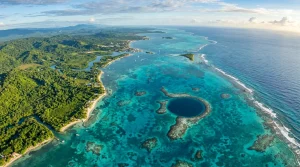
The vibrant landscapes of Belize beckon adventurers with their stunning diversity, offering a unique intersection of lush jungles, pristine beaches, and rich cultural heritage that few other countries can match. From the turquoise waters of the Caribbean Sea to the dense foliage of the rainforests, Belizean geography is not only breathtaking but also an integral part of its cultural identity. A prime example is the Great Blue Hole, a UNESCO World Heritage Site and a diver’s dream, where the striking contrast of dark blue water and surrounding coral reef creates an underwater paradise teeming with marine life.Travelers to Belize will find distinct environments as they explore the nation. The coastal regions, marked by idyllic beaches like those found on Ambergris Caye and Caye Caulker, are known for their vibrant marine ecosystems and opportunities for snorkeling and diving, particularly in the Belize Barrier Reef, the second-largest in the world. Meanwhile, the western inland areas, such as the Cayo District, are characterized by their lush rainforests, where ancient Maya ruins like Xunantunich and Caracol rest peacefully among the trees, calling history buffs and nature lovers alike to uncover their stories.Accommodation Options for Every Traveler
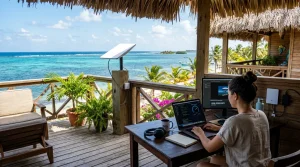
When planning a visit, you’ll be pleased to know that Belize offers an array of accommodation options to suit every budget and preference. From budget-friendly hostels in San Ignacio where backpackers can share tales of their adventures, to luxurious jungle lodges that provide a serene escape surrounded by nature, there’s something for everyone. You might consider staying at beachfront resorts where waking up to the sound of waves is part of the experience or opt for overwater bungalows that allow you to immerse yourself in the beauty of the Caribbean.Here’s a quick overview of potential places to stay:| Accommodation Type | Examples | Price Range (per night) |
|---|---|---|
| Budget Hostels | Hi Hostel, Bella’s Backpackers | $15 – $50 |
| Mid-Range Hotels | Green Parrot Beach House, Cahal Pech Village Resort | $80 – $150 |
| Luxury Resorts | Victoria House, The Phoenix Resort | $200 – $400+ |
| Jungle Lodges | Chaa Creek, Jaguar Creek | $150 – $300 |
Borders and Neighbors: Belize’s Surroundings
Geographically sculpted by lush tropical landscapes and bordered by two vibrant neighbors, Belize occupies a unique position in Central America. To the north, it shares a border with Mexico, specifically the state of Quintana Roo, known for its own Caribbean allure and Mayan heritage. This close proximity to Mexico not only affects Belize’s cultural landscape-infusing it with rich culinary flavors offering variations of tacos and tamales-but also makes it an ideal point for travelers seeking to explore both nations.To the south and west, Belize is bordered by Guatemala, a country equally steeped in history and natural beauty. The Guatemalan highlands are a stone’s throw away, making it easy for adventurous spirits to venture into the remote jungles and ancient ruins like Tikal, a UNESCO World Heritage site that resonates with echoes of the Mayan civilization. Crossing into Guatemala opens up a world of diverse ecosystems, ancient cultures, and vibrant markets that are a must-visit for those intrigued by Central American heritage.The Caribbean Sea lies to the east, offering a stunning coastline dotted with islands like Ambergris Caye and Caye Caulker, both famous for their laid-back charm and exceptional diving opportunities in the Belize Barrier Reef. This geographical setup makes Belize a captivating hub for eco-tourism, where travelers can experience everything from secluded beaches to dense rainforests within just a few hours’ journey.In navigating Belize’s borders, travelers will find various entry points that reflect the nation’s openness. Whether arriving by land from Mexico or Guatemala or opting for a quick flight directly into the international airport, the journey into Belize is as diverse as the landscapes that await. Visa requirements are generally straightforward, with many travelers able to enter without a visa for short stays, adding to Belize’s appeal as a welcoming destination. This extraordinary confluence of cultures, paired with its breathtaking natural surroundings, makes Belize not just a stopover, but a destination in itself, inviting leisure, exploration, and cultural immersion.Climate Considerations: Impact on Travel to Belize
Belize is blessed with a tropical climate that makes it an alluring destination year-round, but understanding the seasonal variations can significantly enhance your travel experience. With temperatures averaging between 75°F to 85°F (24°C to 29°C) and abundant sunshine, the allure of this paradise is hard to resist. However, being aware of the distinct seasons can help you make an informed choice about when to visit and what to expect.Seasons and Weather Patterns
Belize experiences two main seasons: the dry season and the rainy season. The dry season runs from late November to mid-April, making it an ideal time for visiting, especially for outdoor activities like exploring the Belize Barrier Reef or trekking through the rainforests. During these months, you can enjoy stunning sunny days and cooler evenings, perfect for experiencing Belize’s rich cultural festivals, such as the vibrant Garifuna Settlement Day in November.Conversely, during the rainy season, from mid-April to October, travelers can expect more humidity and frequent showers, with September typically being the wettest month. While the rains can be heavy, they are often interspersed with sunshine, particularly in the mornings. This season is also when Belize is vulnerable to hurricanes, especially from August through October. For those adventurous spirits willing to brave the elements, the lush landscapes transform into vibrant shades of green, and many wildlife species flourish, making it a fantastic time for eco-tourism.Planning Around the Climate
Understanding Belize’s climate is not just about weather-it also affects activities and accommodations. If you’re keen on diving or snorkeling, plan your visit during the dry season when visibility is at its peak. For birdwatchers, the rainy season offers a spectacular opportunity to see migratory birds and unique wildlife.When packing for Belize, consider lightweight, breathable clothing, and don’t forget a good rain jacket or umbrella if you’re visiting during the wet months. Additionally, many accommodations offer seasonal pricing, with discounts available during the rainy season, making it a budget-friendly option for travelers willing to trade some sunshine for savings.As you prepare for your journey to this Central American gem, staying informed about the climate will allow you to pack appropriately, optimize your itinerary, and ultimately enjoy all that Belize has to offer, from its stunning beaches to its rich cultural heritage and diverse ecosystems. Whether you’re a sun-seeker or a nature lover, Belize welcomes you with open arms, inviting you to explore its beauty in every season.The Unique Biodiversity of Belize’s Ecosystems
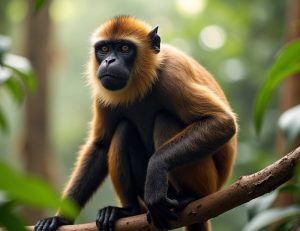
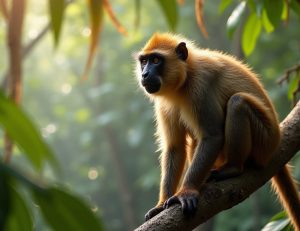
One of the most captivating aspects of Belize is its extraordinary biodiversity, which thrives within a range of ecosystems, from lush rainforests teeming with wildlife to the vibrant coral reefs that attract marine enthusiasts from around the globe. This small Central American nation is home to one of the most diverse ecological landscapes, making it a paradise for both nature lovers and adventure seekers.Belize boasts various ecosystems that encompass numerous habitats. The rainforests are dense with towering hardwood trees, and here you can encounter wildlife like the howler monkey, jaguar, and the elusive tapir. The Mesoamerican Barrier Reef, the second-largest reef system in the world, is a UNESCO World Heritage site that houses an astonishing array of marine life, including over 500 species of fish, diverse coral formations, and endangered species like the manatee and hawksbill turtle. This underwater wonderland offers magnificent snorkeling and diving experiences, particularly at famous spots like the Great Blue Hole, where the deep blue waters shelter unique marine creatures that divers are eager to see.Exploring Ecosystems
Travelers interested in exploring Belize’s rich biodiversity have ample opportunities to do so through eco-tours and guided excursions. Consider visiting Cockscomb Basin Wildlife Sanctuary, the world’s first jaguar preserve, where you can hike trails that lead through jungles filled with fascinating flora and fauna. Birdwatchers should not miss the chance to visit Crooked Tree Wildlife Sanctuary, a vital habitat for over 300 bird species, including the striking jabiru stork.Conservation Efforts
It is essential to recognize Belize’s commitment to environmental conservation. The government and various non-profit organizations work diligently to protect these natural habitats from threats such as deforestation and climate change. Travelers can contribute to these efforts by choosing eco-friendly lodgings and participating in conservation programs that promote sustainable tourism practices. By immersing yourself in nature, you can help sustain the very ecosystems that make Belize so unique.The ecological diversity of Belize not only enhances its appeal as a travel destination but also forms the backbone of local culture and economy, particularly through eco-tourism. Embrace the opportunity to engage with this vibrant environment, and you’ll discover the true essence of this remarkable nation.Cultural Influences in Belize: A Melting Pot
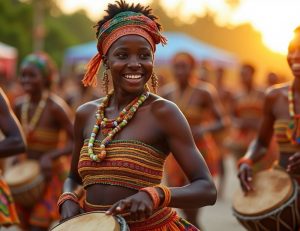
The rich tapestry of cultures in Belize is woven from the myriad influences that have shaped this vibrant nation over centuries. With a history marked by the blending of Indigenous, African, Caribbean, and European traditions, Belize stands as a remarkable example of a cultural melting pot. This dynamic mix is expressed through language, cuisine, music, and festivals, each offering a unique glimpse into the nation’s diverse heritage.One of the most distinctive cultural features of Belize is its food, where flavors collide in a delightful way. Traditional Belizean dishes reflect the country’s melting pot identity, showcasing influences from the Maya, Garifuna, Creole, and Mestizo cultures. You can indulge in hearty meals such as rice and beans, seasoned with coconut milk, or savor the famed stewed chicken served with homemade tortillas. Don’t miss out on trying craboo juice or the sweet treat of turtle soup, staples that embody Belize’s culinary heritage.Music and dance also play a pivotal role in Belizean culture, with genres like punta and brukdown electrifying celebrations. The Garifuna community, known for its rich musical traditions, celebrates through events like the Garifuna Settlement Day each November, featuring vibrant parades, drumming, and dancing along the coast. Festivals throughout the year, such as the Maya Day in San Ignacio, highlight the cultural traditions and customs of the Indigenous peoples, inviting audiences to participate in ancient rituals and artistic expressions.Immersing yourself in Belize’s culture is more than just a passive experience; it is an adventure that opens pathways to understanding the heart and soul of this Central American gem. Whether you’re exploring local markets where artisans sell handmade crafts or joining in the joyous rhythm of a street festival, you’ll find that the spirit of collaboration and community thrives here, inviting all who visit to take part in its unique story. By embracing the local culture, you not only enrich your travel experience but also contribute to sustaining the vibrant heritage of Belize for generations to come.Travel Accessibility: Getting to Belize
Reaching Belize is an exciting journey, as this gorgeous destination nestled in Central America can be accessed from various points around the globe. The nation boasts a modern international airport, Philip S.W. Goldson International Airport (BZE), located just outside the vibrant city of Belize City. This airport serves as the main hub for travelers flying in from the United States, Canada, and various international locations. Major airlines frequently operate direct flights to Belize, making travel convenient and accessible.Upon arrival, you’ll find a range of transport options to whisk you away to your desired destination. Taxis are readily available at the airport, providing a hassle-free way to reach Belize City or nearby coastal towns. For those venturing farther afield, rental cars and shuttle services can be arranged, allowing you to explore at your own pace. If your adventure leads you to the stunning islands, such as Ambergris Caye or Caye Caulker, a quick domestic flight or scenic boat ride will get you there in no time.Visa and Health Considerations
Most visitors to Belize can stay up to 30 days without a visa, with some nationalities enjoying extended stays. It’s wise to check the current visa regulations before traveling. Health advisories are also important; make sure to consult with your healthcare provider about recommended vaccinations and whether health insurance is valid while abroad. Water quality is generally safe in tourist areas, but it’s advisable to drink bottled water when in rural regions.Currency and Costs
Belize uses the Belize dollar (BZD), which is pegged to the US dollar, simplifying transactions for American travelers. Credit cards are widely accepted in urban areas and tourist spots, but carrying some cash is always a good idea for local markets or smaller establishments. The cost of accommodations varies widely-from affordable hostels nestled in the jungle to luxurious resorts along the Caribbean coast-appealing to budget travelers and those looking to splurge alike.Exploring Belize’s dynamic offerings is a journey in itself. The pristine beaches, the mesmerizing Great Blue Hole, and the ancient Maya ruins paint a captivating backdrop for any traveler seeking adventure. Whether you’re a solo backpacker, a family on vacation, or part of the growing expat community, the accessibility of Belize makes it a top destination for both relaxation and immersive exploration. With its rich culture and vibrant natural landscapes, there’s always an invitation for everyone to uncover the hidden gems of this beautiful nation.Top Destinations in Belize You Can’t Miss
When travelers think of Belize, images of pristine beaches, vibrant coral reefs, and towering Maya temples often come to mind. Nestled on the northeastern coast of Central America, this country is a treasure trove of breathtaking sites just waiting to be explored. Whether you’re an adventure seeker, a culture enthusiast, or a nature lover, Belize offers an array of destinations that cater to all passions and interests.One of the crown jewels of Belize is the Great Blue Hole, a UNESCO World Heritage site that is famous among divers around the world. This circular lagoon, with its striking azure waters, plunges over 400 feet deep and promises an underwater experience unlike any other. Exploring its mesmerizing formations and the vibrant marine life is a must. Nearby, the lighthouse reef offers additional diving and snorkeling opportunities that showcase the rich biodiversity of the Caribbean.The ancient city of Tikal, located in the heart of the jungle, serves as a testament to the impressive Mayan civilization. With towering pyramids set against a backdrop of lush greenery, a visit to Tikal is both an adventure and an educational experience. Roaming through the ruins, you can hear the echoes of history while spotting wildlife such as toucans and howler monkeys. For those looking for a blend of culture and nature, Caye Caulker offers a laid-back atmosphere along with stunning beaches. The island is perfect for enjoying freshly caught seafood, vibrant sunsets, and snorkeling in the crystal-clear waters of the Belize Barrier Reef.For travelers seeking a more immersive experience, the Mountain Pine Ridge Forest Reserve reveals the natural beauty of Belize’s mountainous terrain, complete with cascading waterfalls and surreal landscapes. This tranquil region provides several options for hiking and exploring trails that lead to scenic viewpoints and serene picnic spots. Meanwhile, the charming districts of San Pedro and Placencia add unique cultural experiences, from lively festivals showcasing Garifuna music and dance to trying out delicious Creole cuisine.Accommodations in Belize range from budget hostels nestled in local towns to luxurious jungle lodges and family resorts along the coast. Here, you can unwind in overwater bungalows with direct access to the sea or choose eco-friendly lodgings that offer a more sustainable travel experience. Transportation around the country is relatively easy, with options for rental cars, domestic flights, and ferries connecting the mainland to the islands, making every destination accessible.As you plan your trip, keep in mind the importance of health and safety. While most travelers enjoy a hassle-free experience, it’s advisable to have a plan for any health concerns and to stay informed about local customs and regulations. With its rich culture, stunning landscapes, and welcoming communities, Belize stands ready to offer unforgettable experiences for every kind of traveler.Expat Life in Belize: A Growing Community
For many who dream of sandy beaches, vibrant culture, and a slower pace of life, Belize emerges as an ideal expat destination. Over the years, this beautiful Central American nation has attracted a growing community of expatriates seeking a new home amidst its lush jungles and stunning coastlines. The allure of living in Belize lies not only in its picturesque landscapes but also in the welcoming attitude of the locals, known for their warm hospitality and rich cultural tapestry.Delving into the expat experience in Belize reveals a lifestyle that is both affordable and fulfilling. The cost of living is generally lower compared to many Western countries, allowing individuals and families to enjoy a comfortable standard of living. Housing options vary from charming homes in town to luxurious beachfront properties, catering to different tastes and budgets. Expats often share their experiences of leasing or buying property, with popular areas such as Ambergris Caye and Placencia being favored for their vibrant communities and stunning views.Settling Down in Belize
Navigating life in Belize is relatively straightforward, thanks to a community that embraces diversity. Expats come from various backgrounds, contributing to a rich cultural exchange that includes festivals, local cuisine, and social gatherings. The expat community provides valuable resources, including social media groups and local meetups, aiding newcomers in adjusting to their new life. Many enjoy gatherings where Creole and Garifuna music fill the air, enhancing the cultural connection with the land.The practicalities of living in Belize also present a manageable challenge. English is the official language, easing communication for English-speaking expats. Healthcare services, while varying in quality, are generally accessible, especially in urban areas like Belize City. Expats are encouraged to stay informed about health insurance options and local healthcare providers to ensure their needs are met.Cultural Integration and Community
Embracing the local culture enhances the expat experience significantly. Engaging with local traditions, such as tasting authentic Belizean dishes like rice and beans or participating in annual celebrations like the Garifuna Settlement Day, fosters a deeper connection to the community. Many expats also find joy in exploring Belize’s natural wonders, from snorkeling the Belize Barrier Reef to hiking in the Mountain Pine Ridge Forest Reserve, offering endless opportunities for adventure and relaxation.Belize stands as a unique blend of tranquility and vivacity, making it a desired destination for those looking to make a life change. With its breathtaking scenery, rich history, and welcoming community, it’s no surprise that the ranks of expats continue to grow. For those contemplating a move, embracing the vibrant expat life in Belize promises an enriching experience filled with adventure, culture, and newfound friendships.Frequently asked questions
Q: What continent is Belize located in? A: Belize is located in North America, specifically on the northeastern coast of Central America. It borders Mexico to the north and Guatemala to the west and south, with the Caribbean Sea to the east.Q: Is Belize considered part of Central America? A: Yes, Belize is part of Central America. It is the only English-speaking country in the region, connecting North America and South America, and shares cultural and geographical characteristics with its Central American neighbors.Q: What are the geographical features of Belize? A: Belize boasts diverse geographical features, including coastal beaches, coral reefs, thick jungles, and several Maya archaeological sites. This diverse landscape supports rich biodiversity and numerous eco-tourism opportunities [3].Q: What countries border Belize? A: Belize shares its borders with Mexico to the north and Guatemala to the west and south. This strategic position within Central America influences both its culture and tourism [2].Q: What is the climate like in Belize? A: Belize has a tropical climate characterized by a wet and dry season. The dry season typically runs from February to May, making it a great time for travel. The country is subject to tropical storms during the hurricane season, which occurs from June to November.Q: How is Belize’s geographic location significant to its biodiversity? A: Belize’s geographic location, with humid tropical forests and extensive coastal ecosystems, fosters a rich variety of flora and fauna. This biodiversity is protected in numerous national parks and reserves, attracting eco-tourism and researchers alike [3].Q: Why is Belize’s location important for tourism? A: Belize’s location in the Caribbean offers easy access to beautiful beaches, the Great Blue Hole, and coral reefs. Its proximity to ancient Maya ruins and rich cultural heritage makes it a unique destination for both adventure and cultural tourism [1].Q: Are there any unique geographical attractions in Belize? A: Yes, Belize features unique attractions like the Great Blue Hole, a world-famous diving site, and the Belize Barrier Reef, the second-largest barrier reef in the world. These natural wonders are integral to its appeal as a tourist destination [3].For further insights into Belize’s stunning landscapes and cultural experiences, explore related sections of our article!In Conclusion
Now that you have a clear understanding of where Belize is located, why not dive deeper into everything this stunning destination has to offer? From the captivating Great Blue Hole to the ancient Maya ruins and vibrant Caribbean beaches, Belize is a treasure trove of adventure and cultural richness waiting to be explored. Don’t miss out on planning your perfect getaway-check out our comprehensive guide to the best things to do in Belize and start imagining your next journey today!For insights on accommodations that fit every budget, including charming hostels and luxurious overwater bungalows, visit our detailed accommodation section. If you’re interested in local culture, consider reading up on Belizean cuisine and vibrant festivals that showcase the country’s diverse heritage. Whether you’re a traveler or considering making Belize your home, the resources are at your fingertips-stay informed and inspired! Engage with us further by leaving a comment or sharing your Belize experiences, and remember, adventure awaits just a click away!Comprehensive Guide and In-Depth Analysis: What Continent Is Belize In
When exploring the details surrounding what continent is belize in, understanding the practical, environmental, and cultural dynamics of Belize is essential for making informed travel or investment decisions. Belize stands out in Central America for its English-speaking heritage, British Common Law legal stability, and world-class ecotourism infrastructure.
Whether navigating mainland rainforest corridors, consulting local authorities, or exploring marine conservation zones along the Belize Barrier Reef, having verified, comprehensive information regarding what continent is belize in ensures seamless execution.
| Key Evaluation Pillar | Standards & Conditions in Belize | Actionable Best Practices |
|---|---|---|
| Regional Specifics | Variations between northern districts, central cayes, and southern rainforests | Align plans with specific district infrastructure and seasonal weather |
| Regulatory & Legal Framework | Belize Tourism Board (BTB) regulations and national conservation laws | Always work with licensed local professionals and certified guides |
| Logistics & Practical Costs | Fixed 2:1 BZD-to-USD currency peg; accessible transport via air and water | Plan budget with cash buffer for remote destinations and transfers |
For visitors and residents alike, engaging with what continent is belize in through authorized, sustainable practices contributes directly to local community development and the preservation of Belize’s pristine marine and terrestrial ecosystems.
Frequently Asked Questions: What Continent Is Belize In
Why is understanding what continent is belize in important for Belize visitors?
It provides essential context for choosing the right regional destinations, understanding local pricing, and ensuring full compliance with environmental and tourism standards.
How do seasonal factors affect what continent is belize in in Belize?
The dry season (December through May) offers calm seas and sunny weather, while the green season brings lower rates and lush jungle scenery.
Get our latest guides, news, and insights highlighted in your Google Search & AI Overviews.