Where is Belize Located in Central America?
Nestled at the crossroads of Central America, Belize enjoys a unique geographical position that makes it an intriguing destination for travelers. Encircled by the azure Caribbean Sea to the east, Belize flaunts a stunning coastline dotted with over 400 islands, known as cayes. To the north, it shares a border with Mexico, while to the west and south, it meets Guatemala, resulting in a rich tapestry of cultural influences that reflect its diverse heritage. The breathtaking Maya Mountains rise prominently in the interior, providing a lush backdrop of jungles and tropical rainforests, where adventurers can explore ancient ruins and vibrant ecosystems.Belize’s compact size-spanning approximately 22,965 square kilometers (about 8,867 square miles)-makes it easy to traverse, allowing visitors to transition seamlessly from coastal relaxation to mountainous exploration. One of the crown jewels of this small nation is the Belize Barrier Reef, the second-largest coral reef system in the world, which attracts snorkelers and divers from across the globe. The geography not only provides stunning natural scenery but also supports a variety of wildlife, making Belize a top destination for eco-tourism.Additionally, navigating Belize is made simple with a range of accessible transport options, including domestic flights, buses, and water taxis. From the bustling capital city of Belmopan-situated near the geographic center of the country-to the popular tourist spots like San Pedro and Caye Caulker, each region offers its own unique charms and attractions. Whether you seek adventure above the treetops in the jungles or relaxation on pristine beaches, Belize’s location is the perfect launch pad for your explorations.In summary, Belize’s remarkable location balances the pristine beauty of its coastal areas with the rich history and biodiversity found inland. This vibrant and welcoming country invites travelers to discover its many dimensions, all while soaking in the warm Caribbean vibes and discovering the tales of its people and nature.
Understanding Belize’s Geography and Borders
Imagine a place where the beauty of the Caribbean meets a tapestry of cultural heritage and lush ecosystems. Belize is that place, uniquely positioned in Central America, bordered by the serene Caribbean Sea to the east and flanked by the dense jungles and mountain ranges of Guatemala to the west and south. Its geographic setting isn’t just a map point; it’s a journey into the heart of biodiversity, inviting explorers to traverse its diverse landscapes from idyllic coastlines to rich inland rainforests teeming with wildlife and ancient archaeological wonders.Belize’s borders are defined by both nature and history. To the north, the country shares a frontier with Mexico, making it a vital link between North and Central America. This proximity allows for a fascinating fusion of cultures, evident in the local cuisine, music, and festivities. The western and southern borders, in contrast, are the mountainous terrains of Guatemala, where the remnants of Maya civilization whisper stories of the past amidst the melodic chants of locals.For travelers, navigating Belize is made easy despite its compact size of approximately 22,965 square kilometers (around 8,867 square miles). The geography opens doors to numerous adventures, whether it’s lounging on the sandy beaches of the cayes or hiking through the jungles to discover ancient Maya ruins. The Belize Barrier Reef, a UNESCO World Heritage site, lies just offshore, showcasing vibrant coral gardens and marine life that entice snorkelers and divers alike.As you explore this enchanting country, consider the diverse experiences waiting around every corner. From the bustling yet charming capital of Belmopan, centrally located and a hub for travel connections, to the coastal towns like San Pedro and Placencia, each area offers a snapshot of Belize’s culture and natural splendor. Whatever your adventure entails-be it thrilling jungle expeditions or serene seaside retreats-Belize’s geography serves as the perfect backdrop, waiting to inspire and welcome you.
Key Cities and Regions to Explore in Belize
In a land where Caribbean warmth meets rich cultural vibrancy, Belize unfolds a tapestry of cities and regions that beckon explorers from all corners. Each destination tells its own story, steeped in history, natural beauty, and diverse cultures that meld past and present. Whether you seek adventure in the lush jungles or relaxation on sun-kissed beaches, Belize’s key cities and regions offer something for every type of traveler.Belize City
As the largest city and former capital, Belize City is often the first point of entry for many visitors. Known for its lively atmosphere and historical significance, it serves as a cultural hub boasting colonial architecture, vibrant street life, and a bustling harbor. Notable attractions include the ancient Fort George and the Belize Museum, where you can delve into the country’s rich history. For accommodations, options range from budget hostels to mid-range hotels, ensuring convenience for all travelers.San Pedro
Make your way to the island of Ambergris Caye, where the charming town of San Pedro welcomes you with open arms and pristine beaches. This vibrant destination is renowned for its world-class diving and snorkeling opportunities, particularly at the Great Blue Hole, a UNESCO World Heritage site. Here, you can embrace the laid-back island lifestyle in overwater bungalows or boutique inns lining the shore. Local eateries tempt your taste buds with delectable Creole cuisine and fresh seafood, guaranteeing a full sensory experience.Placencia
Nestled on a narrow peninsula, Placencia is famed for its stunning beaches and inviting atmosphere. This quaint village is ideal for those looking to unwind amidst lush palm trees and azure waters. Whether you’re kayaking through mangroves or exploring the nearby cayes, Placencia offers an adventurous spirit with a relaxed vibe. Accommodation varies from beachfront hotels to charming bungalows, catering to all budgets. The annual Placencia Lobsterfest is a highlight, attracting food lovers to sample local delicacies and enjoy lively entertainment.Cayo District
For those seeking the thrill of adventure, the Cayo District presents an enticing array of possibilities. Home to the stunning Mountain Pine Ridge Forest Reserve and the impressive Xunantunich Maya ruins, this region is a treasure trove of natural wonders and ancient history. Visitors can stay in cozy jungle lodges or eco-friendly resorts that blend seamlessly with their surroundings. Engage in hiking, cave tubing, or bird watching while appreciating the diverse ecosystems that this region has to offer.With each region possessing its unique charm, Belize invites travelers to create their own narratives through exploration. The rich tapestry of experiences-from the allure of the Caribbean to the depths of the jungles-ensures that every visit will leave a lasting impression.
The Best Map Resources for Navigating Belize
When navigating the vibrant landscape of Belize, having the right map resources at your fingertips can enhance your adventure exponentially. This stunning Central American gem, known for its rich cultural tapestry and breathtaking natural wonders, is best explored with a blend of traditional maps and digital apps that highlight its stunning geography. Whether you’re planning to scuba dive in the Great Blue Hole, hike through lush jungles, or embrace the rhythmic beats of Garifuna culture, knowing how to access and utilize maps is essential.For those who prefer a classic approach, detailed physical maps of Belize can be found at local tourist information centers or conveniently purchased at bookstores. Look for maps produced by reputable publishers that not only outline the main roads but also indicate natural reserves, cultural sites, and off-the-beaten-path treasures. These traditional maps are fantastic for visualizing your journey, helping you plan routes that incorporate stops at must-see attractions, such as the ancient Maya ruins in the Cayo District or the coastal charm of Belize City’s waterfront.Digital navigation has transformed how travelers explore Belize. Popular mapping applications like Google Maps and Maps.me can provide real-time navigation as you traverse the country’s diverse terrains. These apps typically offer local insights, community-generated reviews, and the ability to find nearby restaurants, accommodations, and attractions. Make sure to download maps for offline use-this is especially beneficial in remote areas where cell service may be spotty.Additionally, various travel blogs and forums often provide downloadable PDFs of personalized maps highlighting unique itineraries, adventure routes, and local secrets. Utilizing resources like Nomadic Matt’s travel guides or Lonely Planet articles may also enhance your planning with maps and insider tips that detail everything from hidden beaches to the best local eateries. With the right map resources in hand, you’ll be well-equipped to explore the enchanting nooks and crannies of Belize, creating memories that resonate long after your journey ends.Discovering Belize’s Unique Coastal Areas
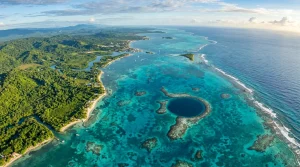
Long stretches of golden sandy beaches and azure waters greet visitors along Belize’s uniquely vibrant coast, making it a paradise for both relaxation and adventure. With its location on the eastern shore of Central America, Belize offers a fascinating blend of Caribbean influence and ancient Mayan heritage, creating unforgettable experiences along its coastline. Renowned for its exceptional dive sites, the world’s second-largest barrier reef beckons snorkelers and scuba divers from around the globe, offering a chance to explore the breathtaking underwater ecosystems teeming with marine life.One of the most iconic coastal wonders is the Great Blue Hole, a UNESCO World Heritage site and a bucket-list destination for many divers. Surrounded by the stunning Lighthouse Reef, this nearly circular sinkhole drops a staggering 410 feet, showcasing a mesmerising array of stalactites and vibrant marine species. In addition to diving, the surrounding cays, such as Ambergris Caye and Caye Caulker, provide opportunities for relaxation, local culinary delights, and friendly beach bars where the sun sets in a kaleidoscope of colors.Visitors to Belize’s coastal areas can immerse themselves in local culture by indulging in fresh seafood prepared with Caribbean spices or enjoying traditional Garifuna music and dance that echoes the rich heritage of the region. For accommodation, options abound, from luxurious seaside resorts to charming beachfront cabanas perfect for budget travelers. Staying on the coast not only offers direct access to the mesmerizing waters but also enriches your stay with local attractions. Consider exploring nearby attractions such as the ancient Maya ruins of Lamanai, or take a lagoon tour to encounter manatees and various bird species.When planning your coastal adventure, it’s essential to consider the best times to visit. The dry season runs from December to April, offering ideal weather for sunbathing and exploration. However, the rainy season, while humid, showcases lush landscapes and fewer crowds, making for a different yet enchanting experience. Regardless of when you visit, Belize’s coastal areas promise a blend of adventure, cultural richness, and natural beauty that will leave you with lasting memories.Exploring Belize’s Natural Wonders: National Parks
Vibrant exotic wildlife, lush jungles, and breathtaking landscapes await every nature lover in Belize’s national parks. These protected areas serve as sanctuaries for some of the most remarkable flora and fauna found in the region, offering countless opportunities for exploration and adventure. With approximately 26% of its territory designated as protected areas, Belize is committed to preserving its natural beauty, making the national parks here a must-visit for tourists and eco-enthusiasts alike.The renowned Cockscomb Basin Wildlife Sanctuary, the world’s first jaguar reserve, is a prime destination for wildlife spotting. Enveloped by mountainous terrain and rainforest, it is home to jaguars, pumas, ocelots, and countless bird species, including the elusive scarlet macaw. Enthusiasts can hike numerous trails that lead to refreshing rivers and stunning waterfalls, or embark on guided night tours to witness the park’s fascinating nocturnal life. For those looking to immerse themselves in the beauty of the jungle, camping facilities are available within the sanctuary.Another gem is the Mountain Pine Ridge Forest Reserve, an area renowned for its unique pine forests and stunning geological features, such as the magnificent Rio on Pools and the majestic Thousand Foot Falls. This park offers a plethora of hiking trails with varying difficulty levels, ideal for both seasoned trekkers and casual walkers. As visitors explore, they can take in the natural beauty of cascading waterfalls and crystallized rivers, perfect for a refreshing dip on a hot day.For those interested in marine environments, the Laughing Bird Caye National Park provides a stunning coastal experience. This small island is a UNESCO World Heritage Site that is famous for its coral reefs and abundant marine life. Snorkelers and divers can explore the vibrant underwater ecosystems, showcasing everything from colorful fish to majestic sea turtles. The park also provides opportunities for birdwatching, as the caye serves as a sanctuary for migratory birds.When planning visits to these national parks, travelers should consider the best times to go, usually during the dry season from December to April, for comfortable weather and clear skies. Accommodations vary, from rustic lodges in the jungle to hotels in nearby towns. With facilities like guided tours and educational programs available, these parks cater to all types of travelers, ensuring everyone can enjoy Belize’s extraordinary natural wonders while contributing to the conservation of its diverse ecosystems.A Guide to Belize’s Rich Cultural Heritage
The vibrant tapestry of Belize’s cultural heritage is as captivating as its lush landscapes and azure waters. This Central American gem is a rich blend of influences that stem from its unique history and diverse population, offering travelers an extraordinary opportunity to immerse themselves in a myriad of traditions, languages, and artistic expressions.In Belize, you will find three principal ethnic groups: the Creole, Maya, and Garifuna, each contributing to the nation’s cultural mosaic. The Creole people, descended from African slaves and British settlers, showcase their heritage through delicious Creole cuisine, characterized by dishes like rice and beans, stewed chicken, and fried plantains. Venturing into local eateries can lead to delightful culinary experiences where recipes are passed down through generations, infusing every meal with historical significance.Maya sites, such as Xunantunich and Caracol, resonate with the echoes of ancient civilization. Exploring these breathtaking ruins not only provides an insight into the impressive architectural achievements of the Maya but also offers a glimpse into their contemporary descendants. Local Maya artisans sell beautifully crafted handicrafts, from pottery to textiles, which reflect their enduring traditions and worldview, often integrating symbolism and artistry that dates back centuries.Moreover, the Garifuna culture, recognized by UNESCO as an Intangible Cultural Heritage of Humanity, exudes a dynamic spirit of music and dance. Experience the rhythmic sounds of the Garifuna drumming and punta dance, often performed during festive gatherings that celebrate heritage and community. Festivals like Garifuna Settlement Day (November 19) offer a vibrant display of this culture through colorful parades, traditional foods, and lively dance, allowing visitors to partake in the lively community spirit.Incorporating insights about Belize’s culture into your travel itinerary will not only enrich your experience but also foster a deeper understanding of the country’s identity. Engaging with locals through tour experiences or community events increases the authenticity of your journey, creating memorable connections that will linger long after your visit. Step into this enchanting land where every tradition tells a story, and every moment unfolds a new chapter of Belize’s rich cultural heritage.Traveling to Belize: Important Accessibility Tips
Traveling to Belize offers a blend of adventure and ease, making it an accessible jewel for travelers from all walks of life. To maximize your experience, it’s essential to know the best ways to navigate this stunning country. First, Belize’s primary international gateway is Philip S.W. Goldson International Airport (BZE) in Belize City, where you can find numerous flights from major U.S. cities and several international destinations. After arriving, you have several options to reach your final destination within the country.Getting around Belize can be an exciting part of your journey. Domestic flights are available through local carriers like Tropic Air and Maya Island Air, providing quick access to popular spots such as San Pedro, Caye Caulker, and Placencia. Additionally, taxis are widely available, but it’s best to agree on a fare before starting your journey, as meters aren’t commonly used. For a more immersive experience, consider renting a car; just remember that driving is on the left side of the road, which may take some getting used to for first-time visitors.Bus transportation is another affordable and culturally rich way to explore Belize. Long-distance buses connect major towns, and local chicken buses offer an authentic local experience, though they may not always be the most comfortable option. Be prepared for differing schedules and a little extra wait time, as punctuality isn’t always a priority. For travelers seeking greater independence and flexibility, renting a bicycle or a kayak can provide access to areas often missed by larger transport methods, allowing you to discover Belize’s stunning natural beauty at your own pace.When packing for your journey, be sure to consider Belize’s tropical climate. Lightweight clothing, sun protection, and comfortable walking shoes are a must. Also, familiarize yourself with the general safety recommendations, as some regions may require extra caution, especially after dark. Finally, while English is the official language, knowing a few phrases in Spanish or Creole can enhance your interactions with locals, creating a deeper connection to the culture that permeates every corner of this vibrant country. Embrace the rich diversity of Belize, from bustling markets to serene beaches, and let your adventure unfold!Visas and Transportation: Getting to Belize Easily
Reaching the alluring shores of Belize is more straightforward than you might think. With its principal international gateway at Philip S.W. Goldson International Airport (BZE) in Belize City, travelers from various corners of the globe can easily access the wonders of this vibrant country. The airport is well-connected to major cities in the United States and international destinations, ensuring that your journey to explore the stunning Caribbean beaches, majestic Maya ruins, and lush jungles can begin without hassle.Once you’ve landed, navigating through Belize offers a delightful array of options. Domestic flights provided by local carriers like Tropic Air and Maya Island Air are quick and a popular choice for reaching idyllic locations such as San Pedro, Caye Caulker, or Placencia. If you prefer to stay grounded, taxis are abundantly available, but remember to confirm the fare before embarking on your ride, as taxis typically do not operate on a meter system. For those who crave a sense of adventure, renting a car offers the freedom to discover hidden gems at your own pace; just be mindful that driving is on the left side of the road, which can be a novelty for many visitors.Moreover, public bus services provide a budget-friendly way to explore Belize’s cultural landscape. Long-distance buses connect major towns, while the lively chicken buses give a unique glimpse into daily life and local interactions, though comfort levels can vary. Planning your trip during quieter hours can help enhance this experience, ensuring a more enjoyable ride. If you’re the adventurous type, consider renting a bicycle or kayak for a truly immersive journey through Belize’s diverse ecosystems, from coral reefs to serene mangroves.For entry into Belize, most visitors, including those from the U.S., Canada, and the European Union, do not require a visa for stays of 30 days or less. Upon arrival, you’ll be greeted with warm smiles and a simple tourist card that can be obtained at the airport. Extending your stay is also hassle-free, as you can easily request an extension at the immigration office. As you plan your trip, familiarize yourself with these straightforward transit and visa processes, setting the stage for a memorable adventure in one of Central America’s most captivating destinations.What Currency is Used in Belize?
In Belize, the official currency is the Belize Dollar (BZD), a unit that symbolizes the vibrant economy of this alluring Central American gem. The Belize Dollar is pegged to the U.S. Dollar at a rate of 2 BZD to 1 USD, which makes it exceptionally convenient for travelers coming from the United States. This fixed exchange rate provides a sense of security and predictability when planning your budget, allowing you to enjoy the stunning beaches and rich cultural experiences without the anxiety of fluctuating currency values.When preparing for your adventure, keep in mind that while many establishments, especially in tourist areas, accept U.S. Dollars, it’s always wise to have some Belize Dollars on hand for local markets, small shops, or dining at authentic eateries. You can easily exchange your currency at banks, exchange bureaus, or even at hotels, but be cautious of exchange rates that may not be optimal. ATMs are widely available in urban areas and will dispense Belize Dollars, providing a convenient way to access cash.For a deeper cultural connection during your travels, consider trying local dining options and experiences, where payment in Belize Dollars is typically expected. This small adjustment can enrich your journey as you explore the local gastronomy, from delicious papusas to fresh seafood dishes.Belize’s vibrant economy also thrives on cash transactions, especially in rural areas where card facilities may be limited. Whether you’re bartering for artisanal crafts or enjoying a spirited Garifuna drumming session, having the right cash on hand ensures that you can fully immerse yourself in the local culture and support local businesses. So as you map out your journey through this stunning destination, understanding its currency will help pave the way for memorable experiences in Belize’s lush jungles, breathtaking coastlines, and historical landmarks.Staying Safe in Belize: Essential Travel Advice
When planning a trip to Belize, safety should be a priority to ensure a worry-free experience in this beautiful Central American paradise. Known for its stunning barrier reefs and lush jungles, Belize offers adventures ranging from snorkeling amidst vibrant marine life to exploring ancient Maya ruins. While most visits go off without a hitch, being informed and prepared can enhance your sense of security and enjoyment.One essential aspect of staying safe in Belize is being aware of your surroundings, especially in urban areas like Belize City. While the country is generally hospitable, petty crime such as pickpocketing and bag snatching can occur, particularly in crowded places. It’s wise to keep your valuables secure, avoid displaying large amounts of cash, and use a money belt or hidden pouch to keep important items out of sight. Opt for reputable transportation options and consider arranging transfers through your hotel or a trusted local service.Overlay your adventures with common sense health precautions. The tropical climate means mosquitoes can be prevalent, particularly during the rainy season. Protect yourself with insect repellent, wear long-sleeved clothing during peak biting times (dawn and dusk), and consider accommodations that provide mosquito nets or screens. Staying hydrated is crucial, especially if you’re spending the day hiking or participating in water sports. Always drink bottled water to avoid any stomach ailments, and try local foods with caution-while street vendors can be a delightful way to experience local culture, opt for places that appear busy and clean.Emergency services may not be as quick as you’re accustomed to elsewhere, so familiarize yourself with local hospitals and keep a list of emergency contacts handy. Additionally, purchasing travel insurance that covers health emergencies and trip cancellations can provide peace of mind. Engage with travel forums or locals to understand which areas are best to explore or avoid, and remain flexible with your itinerary to adjust as necessary. Ultimately, maintaining a balanced approach to adventure and safety will allow you to revel in the breathtaking beauty and rich heritage that Belize has to offer.Belize Climate Guide: When to Visit for Best Weather
The weather in Belize is a crucial factor for travelers aiming to experience the country in all its natural splendor. Nestled between the Caribbean Sea and the dense jungles of Central America, Belize boasts a tropical climate, making it a year-round destination, but understanding the nuances of its weather patterns can significantly enhance your visit.Belize experiences two primary seasons: the dry season from late November to mid-April, and the wet season from mid-April to November. The dry season is often considered the best time to visit, with warm temperatures averaging 75°F to 85°F (24°C to 29°C) and minimal rainfall. This is when the beaches are idyllic, lush jungles are inviting, and outdoor activities such as snorkeling in the Great Blue Hole or hiking to ancient Maya ruins are at their peak. The absence of rain also means reduced humidity, making day trips more enjoyable.However, if you’re interested in witnessing the vibrant flora and fauna, visiting during the wet season offers a unique perspective. Rainfall typically comes in short bursts, allowing plenty of sunshine to shine through. This is the perfect time for eco-tourists to explore the national parks, where wildlife is more active, and the landscapes are verdant and alive with color. Despite the occasional showers, the lack of crowds and the lush surroundings can make for an exceptionally rewarding experience.In terms of specific months, February to April is generally viewed as the ideal window for travelers seeking the finest weather conditions. During these months, the chances of encountering a tropical storm are low, and the skies are mostly clear, allowing visitors to enjoy everything from beach lounging to exploring the breathtaking limestone caves. If planning for potential rain, June and September can be more unpredictable and should be approached with flexibility in your travel plans, particularly if venturing into more remote areas.In summary, timing your visit to Belize with its climate in mind can lead to an unforgettable adventure. Whether you seek sunny days on the beach or vibrant, lush jungle experiences, Belize welcomes you with its unique offerings year-round. Just remember to pack accordingly and be prepared to embrace the beauty of both sunshine and the occasional rain shower.Q&A
Q: Where is Belize located in Central America? A: Belize is situated on the eastern coast of Central America, bordered by Mexico to the north, Guatemala to the west and south, and the Caribbean Sea to the east. This strategic location makes it a gateway to both the rich cultures of the mainland and the stunning coastlines.Q: What countries border Belize? A: Belize is bordered by Mexico to the north and Guatemala to the southwest and south. These borders contribute to Belize’s unique blend of cultures and languages, including English, Spanish, and various Maya dialects.Q: How can I find detailed maps of Belize? A: Detailed maps of Belize can be found on various websites dedicated to travel and geography. Resources like the World Atlas and Ontheworldmap provide comprehensive physical and political maps of Belize, showcasing its cities, regions, and natural features [[3]].Q: What are the key geographical features of Belize? A: Belize features diverse geographical elements, including coastal areas, barrier reefs, mountains in the west, and lush jungles. Major natural attractions include the Belize Barrier Reef, the Great Blue Hole, and various national parks that highlight its ecological diversity.Q: What is the easiest way to travel around Belize? A: The easiest way to navigate Belize is by car, though local buses and water taxis are also efficient. To explore more remote areas, consider renting a bicycle or engaging guided tours that highlight the country’s stunning landscapes.Q: What is the significance of the Belize Barrier Reef? A: The Belize Barrier Reef is the second-longest coral reef in the world and a UNESCO World Heritage Site. It’s crucial for biodiversity, offering habitat to marine life and providing significant opportunities for eco-tourism, snorkeling, and diving.Q: What popular cities should I visit in Belize? A: Key cities to visit in Belize include Belize City, which is the largest city and a cultural hub; San Ignacio, known for its proximity to Mayan ruins; and Placencia, famous for its beautiful beaches and laid-back atmosphere.Q: Why should I consider a map when traveling to Belize? A: Using a map is essential for navigating Belize’s remote areas and ensuring you don’t miss out on attractions. Maps can highlight key cities, natural wonders, and local accommodations, enhancing your travel experience. Explore the best map resources detailed in our article.For more insights into Belize’s geography and travel tips, check out our sections on navigating Belize and exploring its unique natural features!To Conclude
Now that you’ve discovered where Belize is on the map, it’s time to dive deeper into this Central American treasure! From breathtaking Caribbean beaches and the iconic Great Blue Hole to lush jungles harboring ancient Maya ruins, Belize is brimming with adventures waiting for you. Ready to plan your next getaway? Explore our comprehensive guides to the best accommodations-from charming jungle lodges to luxurious overwater bungalows-and essential travel tips to navigate the local culture and customs with ease.Don’t miss out on our insider articles on Belize’s rich wildlife, vibrant festivals, and mouthwatering Creole cuisine that make this destination truly unique. Start your journey now by diving into our travel resources, and consider signing up for our newsletter for the latest updates, tips, and special promotions. Your unforgettable Belizean adventure awaits; make it happen today!Comprehensive Guide and In-Depth Analysis: Where Is Belize
When exploring the details surrounding where is belize, understanding the practical, environmental, and cultural dynamics of Belize is essential for making informed travel or investment decisions. Belize stands out in Central America for its English-speaking heritage, British Common Law legal stability, and world-class ecotourism infrastructure.
Whether navigating mainland rainforest corridors, consulting local authorities, or exploring marine conservation zones along the Belize Barrier Reef, having verified, comprehensive information regarding where is belize ensures seamless execution.
| Key Evaluation Pillar | Standards & Conditions in Belize | Actionable Best Practices |
|---|---|---|
| Regional Specifics | Variations between northern districts, central cayes, and southern rainforests | Align plans with specific district infrastructure and seasonal weather |
| Regulatory & Legal Framework | Belize Tourism Board (BTB) regulations and national conservation laws | Always work with licensed local professionals and certified guides |
| Logistics & Practical Costs | Fixed 2:1 BZD-to-USD currency peg; accessible transport via air and water | Plan budget with cash buffer for remote destinations and transfers |
For visitors and residents alike, engaging with where is belize through authorized, sustainable practices contributes directly to local community development and the preservation of Belize’s pristine marine and terrestrial ecosystems.
Frequently Asked Questions: Where Is Belize
Why is understanding where is belize important for Belize visitors?
It provides essential context for choosing the right regional destinations, understanding local pricing, and ensuring full compliance with environmental and tourism standards.
How do seasonal factors affect where is belize in Belize?
The dry season (December through May) offers calm seas and sunny weather, while the green season brings lower rates and lush jungle scenery.
Get our latest guides, news, and insights highlighted in your Google Search & AI Overviews.