
A Brief Overview of Belize’s Fascinating History
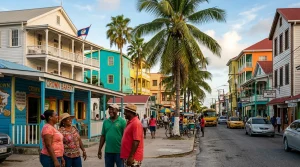
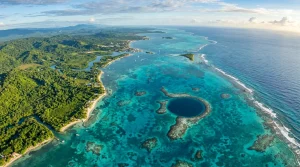
Belize’s history is a captivating tapestry woven from the threads of ancient civilizations, colonial ambitions, and vibrant cultural evolution. Nestled between Mexico and Guatemala, this small Central American nation boasts a rich heritage that reflects the influences of the Maya, the British, and diverse ethnic communities, establishing it as a unique melting pot of cultures.The story begins with the Ancient Maya civilization, which flourished in Belize from around 1500 BC until the 12th century AD. This remarkable culture contributed greatly to the region, leaving behind impressive archaeological sites such as Caracol and Altun Ha, where visitors can connect with the echoes of the past through ancient temples and ceremonial sites. The advanced understanding of astronomy, mathematics, and agriculture demonstrated by the Maya continues to intrigue explorers and scholars alike.Following the decline of the Maya, Belize experienced waves of European exploration and exploitation. The British began to assert dominance in the 17th century, leading to the establishment of British Honduras in 1862. This period brought significant changes, including the introduction of logging and sugar industries, which profoundly shaped the economy and society. Belize’s journey to independence culminated in 1981, marking a significant turning point where the rich heritage of its diverse population came to the forefront, fostering a sense of national identity rooted in cultural diversity.Today, Belize stands as a beacon of biodiversity, renowned for its lush jungles, mesmerizing coral reefs, and intriguing cultural traditions. The blend of Garifuna, Creole, and Maya influences permeates through everyday life, reflected in the nationally loved cuisine, vibrant music, and annual celebrations such as the Garifuna Settlement Day. Travelers to Belize can immerse themselves in this unique blend of history and modernity-a journey through time that reveals not just the story of a nation, but the spirit of its people. Whether you are exploring the majestic Great Blue Hole or wandering through the quaint streets of Belize City, an understanding of the country’s rich historical tapestry enhances the experience, inviting each visitor to engage with the living history that defines Belize.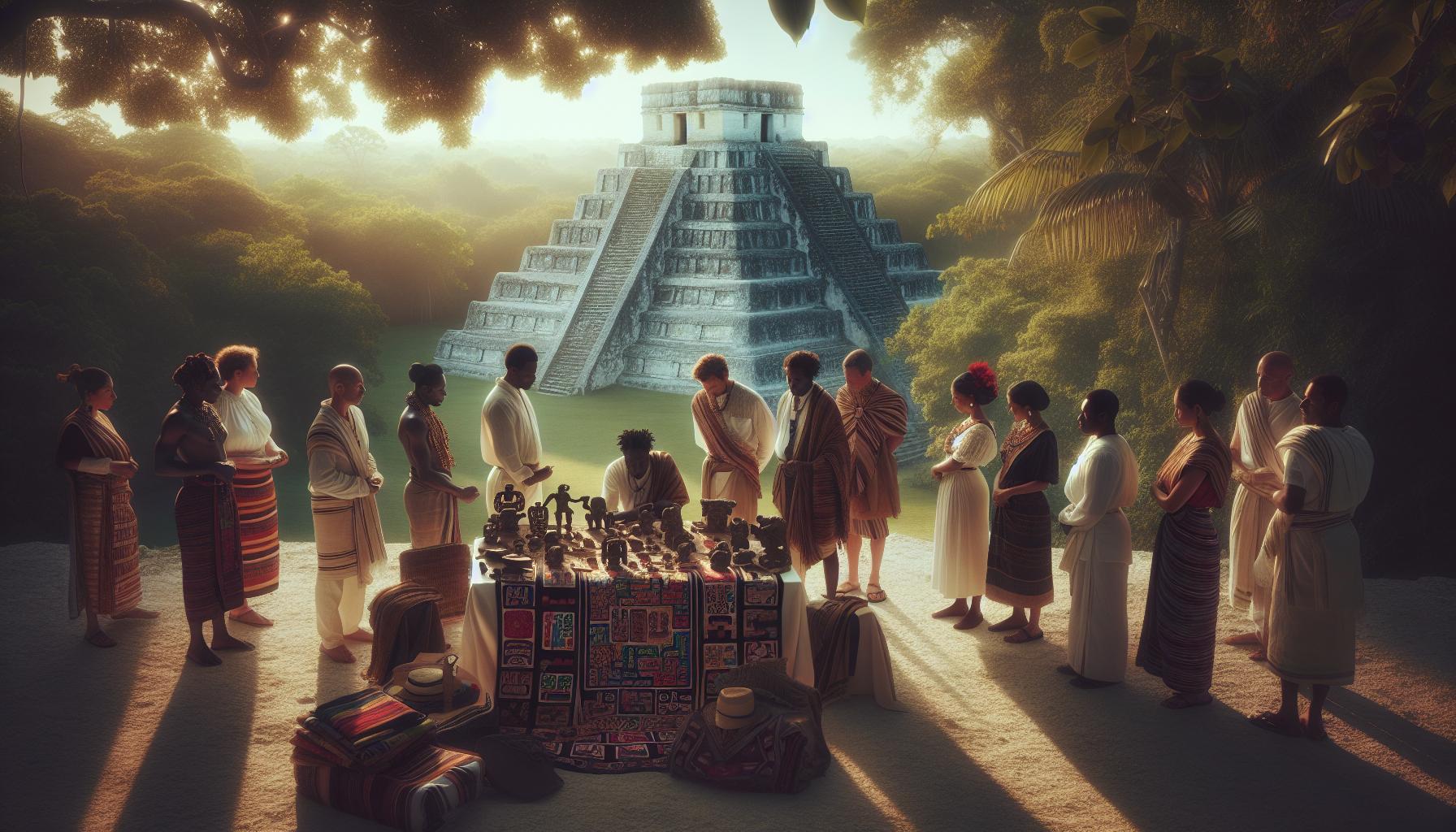
The Ancient Maya Civilization and Its Impact
The Ancient Maya civilization, one of the most remarkable cultures to inhabit Belize, laid the foundation of a rich historical narrative that continues to inspire travelers and researchers alike. Flourishing between 1500 BC and the 12th century AD, the Maya were masterful architects and astronomers, constructing grand cities, intricate ceremonial centers, and imposing pyramids that still stand as testaments to their ingenuity today. Areas like Caracol and Altun Ha are not just archaeological sites; they are windows into a vibrant society known for its advancements in agriculture, mathematics, and writing-elements that not only shaped Belize but also contributed significantly to the overall development of Mesoamerican culture.Visitors to Belize can explore these ancient ruins today, immersing themselves in the echoes of the past. Caracol, for instance, is an awe-inspiring site nestled in the lush jungles of Cayo District, offering expansive views from its towering structures. A hike to the top of the Canaa, the tallest pyramid, rewards explorers with breathtaking vistas of the surrounding rainforest-a reminder of the Maya’s deep connection to nature. Similarly, Altun Ha, situated just outside Belize City, showcases the exquisite craftsmanship of Maya stelae and masks, including the famous Jade Head, which reflects the artistry and spiritual beliefs of its creators.Beyond just bricks and mortar, the Maya made significant strides in understanding their environment, notably through their elaborate agricultural systems. They practiced advanced farming techniques, including slash-and-burn agriculture and terracing to sustain their population, which could number in the hundreds of thousands at its height. This mastery over land and resources left a lasting imprint on the Belizean landscape, a legacy that resonates today in local farming practices that honor sustainability and biodiversity, drawing eco-tourists and agricultural enthusiasts eager to learn more.As you traverse Belizean jungles and visit ancient ruins, allow yourself to connect with the spirits of a civilization that once thrived in harmony with the land. The winding paths to these historical sites not only lead to breathtaking views and wondrous discoveries but also invite reflection upon the legacies of the Maya-such as their profound spiritual beliefs and sophisticated societal structures-that continue to influence Belize’s cultural fabric. A visit to Belize is not merely a journey through time but an adventure rooted deeply in the ancient echoes of the Maya civilization.Colonial Influence: From British Honduras to Independence
The journey from colonial rule to independence is a captivating chapter in Belize’s history, marked by resilience and a fervent desire for self-determination. Established as a British settlement in the 18th century, Belize was originally part of the British Empire’s logwood trade, which attracted settlers and adventurers drawn by the abundant resources of the rainforest. In 1862, the colony was formally named British Honduras, highlighting its status as a crucial colonial possession. This period saw the introduction of diverse cultural influences, as waves of immigrants, including the Mestizo, Garifuna, and Creole populations, began to shape the social fabric of Belize.As Belize navigated the complexities of colonial governance, the local populace increasingly sought representation and rights. By the early 20th century, a series of political movements gained momentum. The strikes and protests of the 1930s, sparked by economic hardship and labor exploitation, laid the groundwork for a more organized push for independence. Activists emerged, advocating for constitutional reforms and the right to self-govern. In 1954, amidst a growing wave of nationalism across the Caribbean and Latin America, British Honduras was granted self-government, marking a significant turning point as local leaders began to assume greater political power.The path to full independence culminated on September 21, 1981, when Belize formally severed colonial ties with the United Kingdom. This momentous occasion was celebrated with a sense of triumph and new possibilities, allowing Belizeans to chart their future as a sovereign nation. The celebration was not only a reflection of political independence but also a recognition of the nation’s rich cultural heritage and diverse ethnic groups that had contributed to Belize’s identity.In the aftermath of independence, Belize faced various challenges, including political stability and economic diversification. However, the spirit of unity among its people, who come from various backgrounds, continues to foster a collective national identity. Today, Belize stands as a testament to resilience, with its stunning natural beauty, vibrant culture, and commitment to social development reflecting the lessons learned from its colonial past. Whether you’re exploring the jungles, snorkeling the Great Blue Hole, or indulging in Belizean cuisine, the spirit of independence resonates in the air, inspiring visitors to partake in its ongoing journey.
Economic Evolution: Agriculture to Tourism Boom
The remarkable transformation of Belize’s economy-from its agricultural roots to a thriving tourism powerhouse-is a testament to the nation’s adaptability and unique allure. Historically, agriculture was the backbone of Belizean society, with the fertile lands yielding lucrative crops such as sugar cane, bananas, and citrus fruits. The burgeoning agricultural sector attracted a labor force from diverse ethnic backgrounds, creating a rich tapestry of cultural influences that still characterize Belize today. However, as the global economy evolved and the demand for traditional exports fluctuated, Belize experienced a pivotal shift toward tourism as an economic driver.In the 1990s, Belize began to emerge as a prime destination for adventure seekers and eco-tourists, drawn to its stunning natural beauty, including the breathtaking Great Blue Hole, pristine beaches, and lush jungles teeming with wildlife. The government recognized tourism’s potential for economic growth and began investing in infrastructure, marketing, and training to support this burgeoning industry. This proactive approach has catalyzed the development of a range of tourism offerings, from luxury resorts to eco-friendly jungle lodges, allowing visitors to immerse themselves in the unparalleled biodiversity that Belize has to offer.Tourism has not only bolstered the economy but has also instituted a deeper appreciation for Belize’s cultural heritage and natural resources. Travelers can now explore ancient Maya ruins, partake in vibrant festivals, and experience the welcoming spirit of Belizean communities that pride themselves on their diverse cultural backgrounds. Additionally, the flourishing tourism industry has prompted a proliferation of local businesses, creating job opportunities and fostering entrepreneurship among Belizeans.As Belize navigates the complexities of balancing economic growth with sustainability, visitors can expect to engage with the country’s transformative journey. Whether guests seek to snorkel through coral reefs, delve into Creole cuisine, or dance to the rhythms of Garifuna music, they are participating in an evolving narrative that celebrates both the land and its people. Belize’s dedication to eco-tourism and sustainable practices ensures that the island’s natural beauty will continue to be a focal point for generations, harmonizing economic development with environmental stewardship.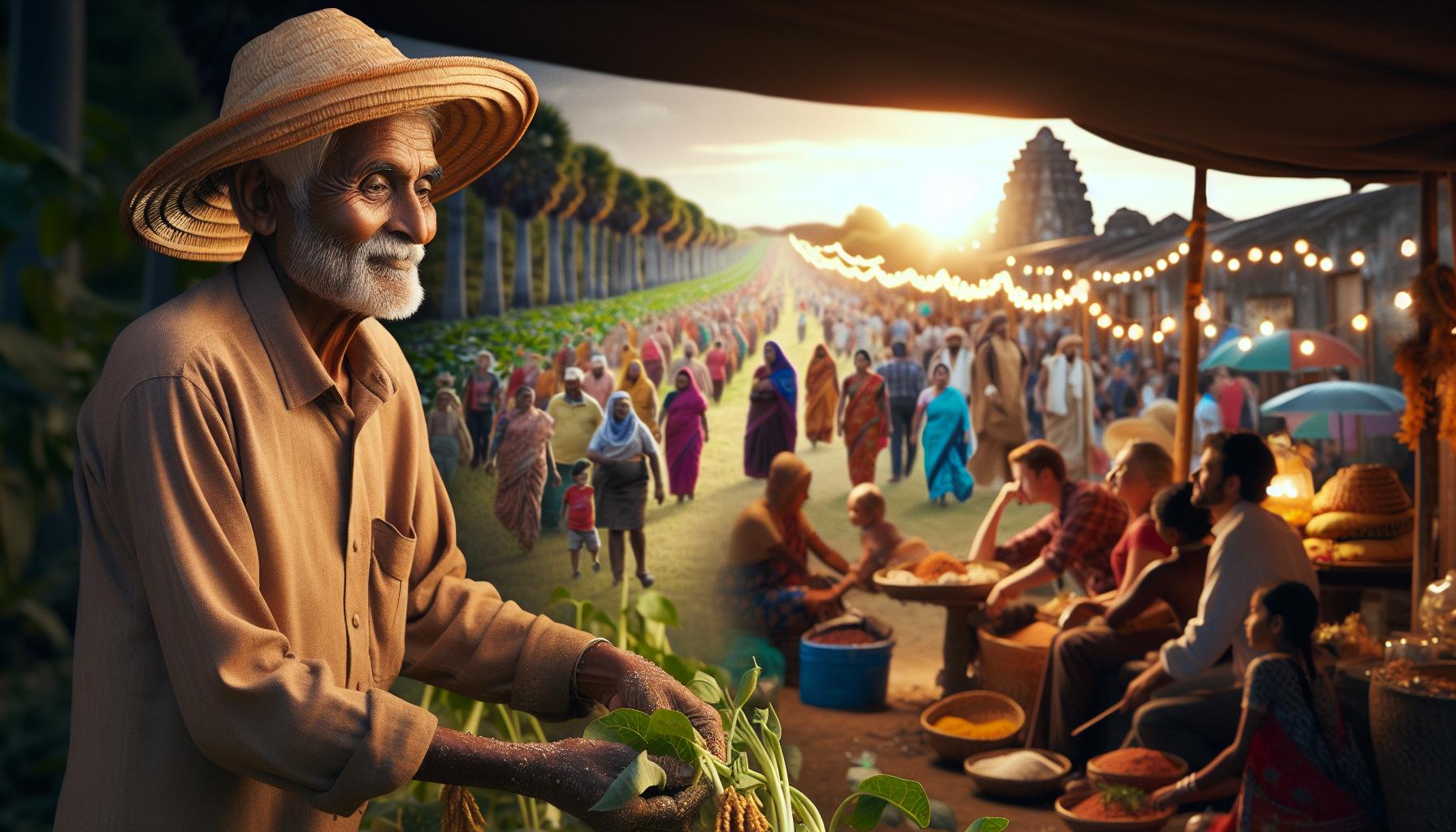
Political Milestones: Key Events Shaping Belize
The political landscape of Belize has been shaped by a series of pivotal events that reflect its journey from colonialism to self-governance. One standout moment was the establishment of British Honduras in 1862, which marked the official recognition of Belize as a British colony. This included appointing a governor who was subordinate to the governor of Jamaica, setting a stage of indirect governance that lasted for nearly a century. It was during this time that the seeds of Belizean nationalism began to sprout, as the local populace started to envision a future free from colonial rule.Fast forward to the post-World War II era, when various social and political changes swept across the globe, Belize began to push harder for self-determination. The formation of political parties such as the People’s United Party (PUP) in the late 1950s was instrumental in mobilizing the Belizean population around the idea of independence. The internal constitutional reforms of the 1960s, which included the introduction of a new constitution in 1964, allowed Belizeans to participate more actively in governance. This transition was a crucial turning point that laid the groundwork for the ultimate quest for independence.The defining moment came on September 21, 1981, when Belize officially gained independence from the United Kingdom. This milestone was not just a date on the calendar; it symbolized the culmination of decades of struggle and pride among Belizeans. Independence Day remains a cherished national holiday, celebrated with parades, cultural events, and expressions of national pride across the country. However, the journey didn’t end there; Belize faced significant challenges in establishing a stable government and navigating international relations, especially concerning territorial disputes with Guatemala.In recent years, Belize has seen political shifts that reflect its evolving identity. Open dialogue on issues such as governance, corruption, and social justice has become increasingly prominent, influencing the political landscape. Additionally, Belize is a member of various international organizations, including the United Nations and the Caribbean Community (CARICOM), which allows it to participate in regional diplomacy and trade-further embedding it within the global community. The question of how Belize balances its rich cultural heritage with modern political realities continues to shape its national narrative today.Cultural Heritage: Celebrating Diversity and Traditions
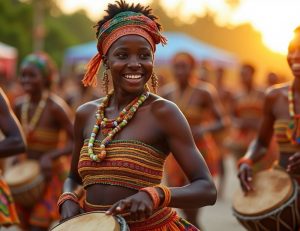
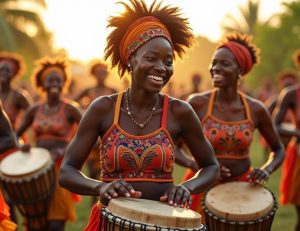
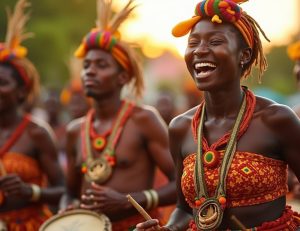
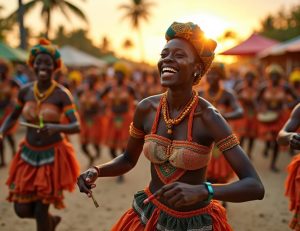
The rich tapestry of Belizean culture is woven from the diverse threads of its history, geography, and the many peoples who have called this beautiful country home. From the ancient Maya, whose impressive ruins dot the landscape, to modern Creole, Garifuna, and Mestizo communities, Belize boasts a heritage that vibrates with life, color, and rhythm. The influence of these varied cultures is visible in the country’s eclectic festivals, lively music, and mouthwatering cuisine, making Belize a unique destination for those eager to explore its artistic and cultural expressions.Belize’s cultural festivals serve as an immersive showcase of its traditions and diversity. Celebrations such as La Ruta Maya, which commemorates the importance of the river routes used by the Maya, and the vibrant Garifuna Settlement Day on November 19, highlight the country’s commitment to honoring its heritage. During these festivities, visitors can witness traditional dances, listen to live music, sample local dishes, and participate in community events that foster a sense of belonging among both locals and visitors alike.Cuisine is another vital aspect of Belizean culture, showcasing a delightful fusion of flavors influenced by various ethnic groups. Dishes like rice and beans, served with succulent stewed chicken or fish, reflect the Creole influence, while the Garifuna community contributes its unique flavors through hudut, a traditional fish stew served with mashed plantains. Street food by the bustling markets, where vendors sell salbutes and tacos, offers visitors a taste of everyday life in Belize. Exploring local markets not only satisfies culinary curiosity but also supports small businesses and local artisans.To immerse oneself in the artistic side of Belize, one should not miss the heartfelt melodies of Garifuna music. This unique genre combines African, Caribbean, and indigenous influences, expressed beautifully through percussion instruments like the drum and the turtle shell. Visitors often find themselves swept up in the joyous atmosphere of live performances, where local artists engage the audience and invite them to dance. Alongside Garifuna music, Belizean folk songs and reggae rhythms contribute to a vibrant cultural scene that keeps the spirit of its people alive.As travelers journey through Belize, they encounter not just a place but a living, breathing culture that thrives on its diversity. The country’s dedication to preserving its traditions while embracing modern influences creates a unique atmosphere that offers something for everyone. Whether exploring ancient ruins, dancing to the beat of Garifuna rhythms, or relishing the flavors of its cuisine, every moment spent in Belize rewards visitors with a deeper understanding of its rich cultural heritage.Biodiversity Highlights: Unique Flora and Fauna
Nestled in the heart of Central America, Belize is a treasure trove of biodiversity, playing host to an incredible variety of flora and fauna that thrive in its lush rainforests, vibrant coral reefs, and expansive wetlands. This stunning natural richness is not merely a backdrop, but an essential chapter in the story of Belize. The country is home to over 500 species of birds, including the majestic harpy eagle, and a multitude of unique plants, many of which are endemic to the region.Exploring Belize’s Unique Ecosystems
The diverse ecosystems in Belize provide habitats for countless species. The Belize Barrier Reef, a UNESCO World Heritage site and the second largest reef system in the world, is a haven for marine life. Here, snorkelers and divers can encounter colorful coral gardens, playful dolphins, and even the occasional manatee. The vibrant underwater world is just as compelling as the lush jungle landscapes. Over 400 species of fish and numerous coral species can be found in these crystalline waters, making it a paradise for marine enthusiasts.Inland, the rich forests are alive with the sounds of wildlife. Visitors can experience the thrill of spotting jaguars, howler monkeys, and tapirs in places like the Cockscomb Basin Wildlife Sanctuary, the world’s first jaguar preserve. This sanctuary is a critical habitat for many endangered species and fosters unique opportunities for eco-tourism. The protected areas are filled with hiking trails, allowing adventurous travelers to immerse themselves in the beauty of nature while keeping an eye out for tropical birds and exotic plants.Conservation Efforts and Sustainable Tourism
Belizeans are deeply committed to preserving their natural heritage. Local communities and organizations work tirelessly to promote sustainable practices that protect the environment while encouraging tourism. Visitors interested in supporting these efforts can engage with eco-friendly tours that highlight conservation initiatives, such as reef restoration projects or wildlife rehabilitation programs. This thoughtful approach not only contributes to preserving the country’s incredible biodiversity but also enhances the overall travel experience by connecting visitors with Belize’s vibrant ecological narrative.The best time to explore Belize’s remarkable biodiversity is during the dry season, from late November to mid-April, when the weather is ideal for outdoor adventures. However, potential visitors should be prepared for sudden weather changes and carry essentials like insect repellent and suitable clothing for varying conditions.In summary, Belize’s unique flora and fauna offer a living story that complements its rich cultural tapestry. Whether you find yourself exploring ancient Maya ruins surrounded by thriving jungles or diving in the crystal-clear waters of the Caribbean, you’ll discover a profound connection between the land and its history, a journey that invites everyone to respect, enjoy, and help sustain this natural wonder.Significant Historical Sites to Explore
Stepping into Belize is akin to opening a time capsule that reveals the rich layers of history interwoven with breathtaking landscapes. Among its many treasures, Belize boasts a wealth of significant historical sites that echo the tales of its past and promise captivating explorations for every traveler. From ancient Maya cities obscured by lush jungles to colonial cities that bear witness to the country’s transformation, these sites serve as windows into the heart of Belize.One must-visit location is Caracol, an ancient Maya city that flourished during the Classic Period and is renowned for its magnificent temples and sprawling plazas. Set deep within the Chiquibul Forest, Caracol features the impressive structure known as Caana, or the “Sky Place,” which stands as one of the tallest ancient structures in Belize. The site offers not only a glimpse of Maya civilization but also a chance to explore the surrounding natural beauty, making it ideal for photography and immersive experiences. Another remarkable site is Xunantunich, famed for its breathtaking views across the Belize-Guatemala border from the top of its central pyramid, El Castillo.In addition to the Maya heritage, the colonial past is heavily represented in Belmopan, the capital, which emerged in the wake of Hurricane Hattie in 1961. Visitors can explore the Belize National Museum, housed in a former colonial building, showcasing the country’s diverse history through artifacts and exhibitions. Just a short drive from Belmopan, the Old Belize site invites guests to learn about the country’s maritime history and colonial trade routes, complete with a recreated village and interactive displays.While exploring these historical wonders, it’s essential to consider your accommodations, ranging from budget-friendly hostels in Belize City to luxurious jungle lodges near the ruins. Getting around can vary from rental cars to guided tours, which often include transportation to each site. Whether you’re a history buff eager to dust off the pages of the past or simply an adventurer in search of new experiences, Belize’s significant historical sites offer thrilling connections to the ancient and colonial worlds, ensuring that every visit is both educational and richly rewarding.Exploring Belizean Music, Dance, and Arts
In the vibrant tapestry of Belizean culture, music, dance, and arts play an essential role, echoing the rich heritage and diverse influences that shaped the nation. From the lively rhythms of Garifuna drumming to the melodic strains of Creole and Mestizo tunes, Belize’s musical landscape is as varied as its people. This cultural fusion reflects the historical mix of Indigenous Maya, African, European, and Caribbean influences, creating a unique artistic expression that resonates deeply with locals and visitors alike.Rhythms and Melodies
The Garifuna culture, which celebrates its roots with age-old traditions, showcases music and dance forms that are vital to its identity. Punta, a popular Garifuna dance, bursts forth in energetic movements accompanied by drum beats that inspire participants to celebrate life and community. Similarly, the Haitan and Paranda genres emphasize storytelling through song, often addressing themes of love, struggle, and resilience. Visitors will find that attending a Garifuna celebration or festival offers an immersive experience into this heritage, complete with drum circles and participatory dances that encourage everyone to join in.Creole music, characterized by its calypso and reggae beats, also plays a significant role in the country’s nightlife. The sound of Brukdown-a lively genre that incorporates traditional instruments and often features humorous commentary-provides entertainment that reflects everyday life in Belize. Local bars and cultural festivals frequently showcase live performances, making them a perfect opportunity for travelers to experience the pulse of Belizean life firsthand.Art that Tells a Story
Belizean art further embodies the spirit of its people, with many artists drawing inspiration from their communities and the natural beauty surrounding them. Murals adorn buildings in urban centers like Belize City, depicting historical events, cultural icons, and mythical tales. The Gallery of San Pedro and Art Splash are notable venues where works by local artists are exhibited, enabling visitors to appreciate the creativity that flourishes in this tropical paradise.Moreover, traditional crafts, including weaving and pottery, reveal the practical beauty of Belizean culture. The artistry of creating intricate lace products known as tala, or the hand-painted pottery of the Maya artisans, provides insight into the skills passed down through generations. Shopping at local markets not only supports artisans but also offers unique souvenirs imbued with cultural significance.As you explore Belize, immerse yourself in the sounds and sights of its vibrant arts scene. Attend a local festival, join a drum circle, or visit an artist’s studio to gain a deeper understanding and appreciation of how music, dance, and art are woven into the fabric of Belizean life. Whether you’re dancing along to a Garifuna beat or admiring a local painting, each experience enriches your journey through this colorful land.Modern Day Belize: Challenges and Triumphs
Sitting at the crossroads of diverse cultures and breathtaking natural beauty, modern-day Belize is a microcosm of both challenges and triumphs. As a small nation, it grapples with significant issues like economic vulnerability and environmental sustainability, while also making commendable strides in preserving its unique cultural heritage and biodiversity. Visitors to Belize can witness the resilience of its people in communities that thrive on tourism, agriculture, and forestry, establishing a balance between economic development and environmental conservation.One of the most pressing challenges facing Belize is the threat to its natural resources-particularly its coral reefs and rainforests. As climate change intensifies, rising sea levels and increased temperatures pose a real danger to the country’s biodiversity. However, Belize stands out for its proactive approach to conservation, with initiatives such as the establishment of marine protected areas and ongoing efforts to improve sustainable tourism practices. For travelers, this means engaging in eco-friendly activities like snorkeling in the Great Blue Hole or hiking through the lush jungles of the Cayo District, both of which contribute to conservation efforts while offering unforgettable experiences.The vibrant cultural scene in Belize also reflects its triumphs. The fusion of Maya, Creole, Garifuna, and Mestizo cultures is palpable in the culinary delights and annual festivals, showcasing the nation’s rich heritage. Festivals like the Garifuna Settlement Day celebrate ancient traditions with lively music, dance, and traditional foods, creating vibrant atmospheres that enchant locals and visitors alike. Culinary exploration can include enjoying traditional dishes like rice and beans, tamales, or fresh seafood-each bite tells a story of the diverse influences that shape Belize’s identity.Belize remains an attractive destination for expats and long-term visitors drawn to its warm people, stunning landscapes, and dynamic lifestyle. Despite some economic uncertainties, the growing real estate market offers opportunities for investment, especially in tourism-related ventures. The local economy, buoyed by its commitment to sustainable development, provides a canvas for innovative entrepreneurs and spirited travelers alike. Visitors are welcomed with open arms, encouraged to immerse themselves in local customs, experience life in bustling markets, or explore quieter, rural areas where nature takes center stage.As Belize navigates its path forward, the spirit of its people remains unshakeable, interweaving stories of resilience, celebration, and a profound connection to the land and its heritage. Whether through exploring ancient ruins, swimming with vibrant marine life, or engaging in community celebrations, every experience in Belize offers a chance to witness and contribute to the country’s ongoing narrative of challenges met with unwavering triumph.Annual Festivals: Embracing Belize’s Vibrant Culture
Amidst the vibrant tapestry of Belize’s culture, its annual festivals stand out as vivid expressions of its rich history, diverse communities, and collective spirit. These celebrations are not just events-they are heartfelt gatherings that honor traditions and foster a sense of belonging among locals and visitors alike. From the lively rhythms of Garifuna music to the sumptuous flavors of Creole cuisine, each festival offers a unique window into the soul of this enchanting nation.Major Festivals and Their Significance
Belize’s festivals are influenced by its multicultural heritage, featuring a blend of Maya, Creole, Garifuna, and Mestizo traditions. Notably, Garifuna Settlement Day on November 19 celebrates the arrival of the Garifuna people, marked by colorful parades, traditional drumming, and dancing along the coast. Visitors can immerse themselves in the festivities, which bring the community together in a joyful tribute to its African and Caribbean roots.Another highlight is the Lobster Fest, typically held in June along coastal towns, particularly San Pedro and Placencia. This gastronomic extravaganza showcases the Caribbean’s prized crustacean, with local chefs putting their spin on lobster dishes. Part food festival, part beach party, it draws crowds from all over, allowing attendees to bask in the sun while savoring delectable seafood and live music.For those interested in Belize’s thriving chocolate industry, the Belize Chocolate Festival each May is a must-not-miss. This festival embraces the country’s cacao heritage, offering workshops, tastings, and a chance to learn about sustainable chocolate production. Visitors can join in on chocolate-making demonstrations and savor treats ranging from artisanal bars to traditional cacao drinks.Experiencing Festivals: A Practical Guide
If you’re planning to partake in Belize’s festive calendar, be sure to check local schedules and book accommodations early, as hotels fill up quickly during major celebrations. Many festivals include free admission, but some events may offer VIP experiences for a fee, enhancing your festival journey. Another aspect to consider is transportation; renting a car can give you flexibility to explore various venues, but local taxis and shuttle services are also widely available.Participating in these annual events not only allows travelers to celebrate with locals but also supports community economies. Engaging with artisans, trying local food, and enjoying live performances fosters a deeper connection to Belizean culture. As you dance to traditional music, savor unique flavors, and witness the resilience of local traditions, you’ll leave with memories that resonate long after your visit.In Belize, each festival transforms the ordinary into the extraordinary, where the lines between past and present beautifully blur. From festive parades to culinary delights, these celebrations welcome everyone to relish in the simple joy of shared heritage, making each festival an unmissable experience for any traveler eager to dive into the heart of this vibrant nation.Future Perspectives: Growth and Sustainability
As Belize continues to evolve, the path towards growth and sustainability presents both exciting opportunities and formidable challenges. Nestled between the Caribbean Sea and the lush jungles, this beautiful nation embraces its natural resources while navigating the complexities that come with rapid development. With a commitment to preserving its rich cultural heritage and unique biodiversity, Belize is poised to thrive as a sustainable travel destination.To harness sustainable practices, Belize has begun focusing on eco-tourism, recognizing its potential to protect natural resources while fueling economic growth. The establishment of national parks and protected areas, such as the Belize Barrier Reef Reserve System-a UNESCO World Heritage site-plays a critical role in this strategy. By promoting responsible travel experiences, from guided jungle tours to marine conservation programs, visitors can contribute positively to local communities while enjoying the breathtaking landscapes.Community involvement is paramount to ensuring that growth does not come at the expense of Belize’s cultural identity. Encouraging local artisans and indigenous communities to share their crafts, music, and traditions fosters pride and keeps their heritage alive. Festivals, such as Garifuna Settlement Day and the Belize Chocolate Festival, not only celebrate this diversity but also engage tourists in a meaningful way, allowing them to connect with the vibrancy of Belizean culture.Moreover, addressing climate change and its impacts on the region is essential for Belize’s future. Initiatives focused on renewable energy sources, such as solar and wind, are gaining traction as the country seeks to reduce its carbon footprint. As travelers and potential expats alike consider their impact, supporting businesses and initiatives that prioritize sustainability will be crucial. When planning your trip, look for eco-friendly accommodations and responsible tour operators that align with these values, ensuring that your adventure contributes to the preservation of this spectacular destination for generations to come.FAQ
Q: What are the main historical milestones covered in “A History of Belize in 13 Chapters”? A: Key milestones include the rise of the Maya civilization, colonial rule under the British as British Honduras, the path to independence in 1981, and important political and social developments. Each chapter delves into these significant events shaping Belize’s identity.Q: How did the Maya civilization influence modern Belize? A: The Maya civilization established advanced agricultural techniques, architectural styles, and cultural practices that still influence Belizean society today. Their historical sites, such as Caracol and Xunantunich, attract tourism and serve as a vital link to the nation’s heritage.Q: When did Belize gain independence and from whom? A: Belize gained independence from British colonial rule on September 21, 1981. This significant event marked the end of British Honduras and the establishment of Belize as a sovereign nation.Q: What role did colonialism play in the development of Belize? A: Colonialism introduced European governance, economic systems, and cultural influences. The establishment of British Honduras shaped the political landscape and significantly impacted agriculture, trade, and demographics in Belize.Q: How has Belize’s economy evolved over time? A: Belize’s economy evolved from agriculture, particularly sugar and logging, to a diversified economy emphasizing tourism, eco-tourism, and service industries. Today’s economy reflects a balance between traditional practices and modern developments, which attracts international visitors.Q: What are the significant cultural contributions of Belize’s diverse populations? A: Belize’s cultures, including Garifuna, Creole, and Maya, contribute vibrant traditions, languages, music, and cuisine. Annual festivals celebrate this diversity, fostering a sense of national pride and cultural identity.Q: What historical sites are must-visit in Belize? A: Must-visit historical sites include ancient Maya ruins like Tikal and Lamanai, colonial-era buildings in Belize City, and the Belize Museum. These locations provide insight into the rich history and cultural evolution of the nation.Q: How does modern Belize balance challenges and opportunities? A: Modern Belize faces challenges like environmental degradation and economic dependency on tourism. However, initiatives promoting sustainability and conservation present opportunities for growth, preservation of biodiversity, and cultural heritage.Closing Remarks
Thank you for exploring “A History of Belize in 13 Chapters: Complete Timeline Guide.” We hope this journey through time has deepened your appreciation for Belize’s rich heritage and cultural tapestry. To dive even deeper, consider checking our guides on Belize’s stunning destinations, from the breathtaking Great Blue Hole to the captivating Maya ruins and lush jungles.Don’t miss out on our comprehensive travel resources, including accommodation tips for every budget and essential information on visas, transportation, and local culture, which can help you plan your perfect Belizean adventure. If you enjoyed this timeline, we invite you to sign up for our newsletter for more insights and exclusive updates on Belize’s attractions, history, and events.We’d love to hear your thoughts! Share your comments below, engage with fellow readers, and explore our other articles that celebrate the beauty and diversity of Belize. Your next extraordinary travel experience awaits!Comprehensive Guide and In-Depth Analysis: Belize History
When exploring the details surrounding belize history, understanding the practical, environmental, and cultural dynamics of Belize is essential for making informed travel or investment decisions. Belize stands out in Central America for its English-speaking heritage, British Common Law legal stability, and world-class ecotourism infrastructure.
Whether navigating mainland rainforest corridors, consulting local authorities, or exploring marine conservation zones along the Belize Barrier Reef, having verified, comprehensive information regarding belize history ensures seamless execution.
| Key Evaluation Pillar | Standards & Conditions in Belize | Actionable Best Practices |
|---|---|---|
| Regional Specifics | Variations between northern districts, central cayes, and southern rainforests | Align plans with specific district infrastructure and seasonal weather |
| Regulatory & Legal Framework | Belize Tourism Board (BTB) regulations and national conservation laws | Always work with licensed local professionals and certified guides |
| Logistics & Practical Costs | Fixed 2:1 BZD-to-USD currency peg; accessible transport via air and water | Plan budget with cash buffer for remote destinations and transfers |
For visitors and residents alike, engaging with belize history through authorized, sustainable practices contributes directly to local community development and the preservation of Belize’s pristine marine and terrestrial ecosystems.
Frequently Asked Questions: Belize History
Why is understanding belize history important for Belize visitors?
It provides essential context for choosing the right regional destinations, understanding local pricing, and ensuring full compliance with environmental and tourism standards.
How do seasonal factors affect belize history in Belize?
The dry season (December through May) offers calm seas and sunny weather, while the green season brings lower rates and lush jungle scenery.
Get our latest guides, news, and insights highlighted in your Google Search & AI Overviews.