Are Great White Sharks Present in Belize?
While the coastal waters of Belize are home to a rich array of marine life, sightings of Great White Sharks in these Caribbean waters are exceedingly rare. These iconic predators, often associated with colder, nutrient-rich waters, are not typically found in the warmer tropical environment of Belize. What this means for divers and snorkelers is that they can expect to encounter a variety of other shark species, such as the Nurse Shark and the Caribbean Reef Shark, which are well adapted to the region’s climate and ecosystems.Belize is famed for its stunning marine biodiversity, particularly within the Belize Barrier Reef, a UNESCO World Heritage site. This vibrant underwater landscape hosts a myriad of species and offers ample opportunities for wildlife enthusiasts to spot remarkable creatures. For those specifically hoping to encounter sharks, sites such as Shark Ray Alley are popular, where divers and snorkelers can swim with friendly Nurse Sharks and Southern Stingrays in a memorable and safe environment.For visitors keen to learn about shark conservation, Belize also stands out as a leader in marine protection efforts. The local government and various NGOs employ conservation measures aimed at preserving both the reef ecosystems and their inhabitants, ensuring that the unique marine biodiversity continues to thrive. While Great White Sharks may not call Belize home, the experience of exploring its waters is anything but disappointing, offering a kaleidoscope of marine life waiting to be discovered by adventurous travelers.Understanding Great White Shark Behavior
Great White Sharks, known for their impressive size and formidable reputation, exhibit fascinating behavioral patterns that are essential to understanding their role in marine ecosystems-though these apex predators are rarely seen in Belize. These sharks are typically found in cooler waters, engaging in migratory behaviors that bring them to varying habitats depending on the season. They are known for their ability to travel long distances in search of food and mates, which is primarily composed of marine mammals, fish, and seabirds. This behavior underscores their role as key regulators in ocean ecosystems, maintaining the balance between species and supporting overall biodiversity.One of the most intriguing aspects of Great White Shark behavior is their hunting technique, often referred to as “breaching.” This dramatic display occurs as they lung at high speeds from below to catch prey, showcasing their incredible strength and agility. While this behavior captures the imagination and induces a sense of awe, it is a testament to their evolutionary adaptations. These sharks possess acute senses, capable of detecting the electromagnetic fields generated by potential prey, allowing them to hunt efficiently even in murky waters. However, despite being predators, their behavior is also influenced by environmental factors, including water temperature, which explains their absence from warmer tropical regions like Belize.For those eager to connect with these magnificent creatures while visiting Belize, it’s important to note that the marine environment here offers ample opportunities to learn about other shark species, such as the Nurse Shark and the Caribbean Reef Shark. Understanding the behavior of these species can enrich your experience: Nurse Sharks are known for their docile nature and often rest on the seafloor during the day, making them a favorite for snorkelers and divers seeking intimate encounters. Engaging with local guides who are passionate about marine life can provide insights into the intricate relationships that exist within the ocean, as well as ways to appreciate and protect these vital ecosystems.Ultimately, while the Great White Shark may not be a resident of the warm waters off Belize, the intrigue surrounding their behavior serves as an invitation to explore the diverse marine life that flourishes within this unique ecosystem. By fostering an appreciation for all sharks and their habitats, visitors can contribute to conservation efforts aimed at protecting these incredible creatures and their oceanic home.
The Unique Marine Ecosystem of Belize
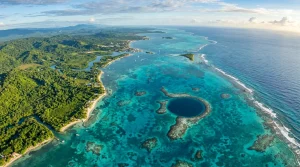
The waters surrounding Belize are a vibrant tapestry of marine life, where coral reefs teem with color and diversity. This unique marine ecosystem is part of the Mesoamerican Barrier Reef System, the second-largest barrier reef in the world, stretching over 190 miles along the coast. It is a sanctuary for more than 500 species of fish, 70 types of hard coral, and numerous other marine organisms, making it a prime destination for diving and snorkeling enthusiasts.Among the breathtaking features of Belize’s marine environment is the Great Blue Hole, a UNESCO World Heritage Site and one of the most famous dive sites globally. The Great Blue Hole is not only visually stunning but also provides insight into ancient geological formations and various marine species. Divers can encounter nurse sharks, stingrays, and an array of colorful tropical fish in crystal-clear waters, making every plunge an exhilarating adventure. The harmony of life beneath the surface, coupled with the delicate balance of the reef system, underscores the importance of preserving these habitats.Importance of Coral Reefs
Coral reefs play a vital role in Belize’s biodiversity and the well-being of coastal communities. They serve as breeding and feeding grounds for countless marine species while protecting coastlines from erosion and storm surges. In Belize, these reefs support both local fisheries and tourism, highlighting the interconnectedness of economic and ecological health. Initiatives aimed at conserving these reefs not only safeguard marine life but also sustain the livelihoods of many Belizeans.Meet the Marine Residents
Visitors to Belize will delight in meeting its diverse marine residents, including:- Nurse Sharks: Often spotted resting on the seafloor, these gentle giants are a favorite among snorkelers.
- Caribbean Reef Sharks: Sleek and agile, these sharks are commonly seen patrolling the reefs.
- Manatees: Nicknamed ‘sea cows,’ these peaceful creatures can be found grazing in seagrass beds.
- Turtles: Green and hawksbill turtles inhabit these waters, contributing to the ecosystem’s richness.
Alternative Shark Species Found in Belize
The waters of Belize are a haven for a diverse array of shark species, showcasing the unique marine ecosystem that thrives in this vibrant corner of the Caribbean. While the elusive Great White Shark is not commonly found in these waters, several other fascinating shark species inhabit the area, each contributing to the rich tapestry of marine life and offering thrilling experiences for divers and snorkelers.One of the most frequently encountered species is the Caribbean Reef Shark. Sleek and agile, these sharks are often seen patrolling the shallow reefs, embodying the spirit of oceanic freedom. Divers may spot them gliding gracefully through the clear waters, their streamlined bodies making quick work of navigating the coral gardens. These sharks typically reach lengths of up to 8 feet and are known for their curious nature-many divers report delightful encounters as these inquisitive creatures investigate their presence.Another friendly resident worth mentioning is the Nurse Shark. Often found resting on the seabed during the day, these gentle giants can grow up to 14 feet long. Their docile demeanor makes them a favorite among snorkelers, who enjoy observing them up close. Nurse sharks are primarily nocturnal hunters, so while they might be lazing about during the day, they come alive at night, prowling the reefs for their favorite meals like crustaceans and small fish.Visitors to Belize may also encounter the hammerhead shark, a more rare yet thrilling sight. Known for their distinctive head shape that enhances their hunting capabilities, these sharks often travel in schools and can sometimes be seen near deep-water drop-offs. Although sightings can be infrequent, the chance to observe these majestic animals is a highlight for many adventurous divers eager for an unforgettable experience.Finally, the Bull Shark deserves mention, particularly in the waters near the Belize River outlet. These powerful predators are among the few species that thrive in both saltwater and freshwater, often venturing into estuaries. Since bull sharks are known for their strong presence in coastal waters, careful planning and local guidance can maximize the experience of observing these fascinating creatures.In summary, Belize is not home to Great White Sharks, but it boasts a plethora of captivating shark species that offer rich diver experiences. Whether you’re plying the crystal waters of the Great Blue Hole or exploring the stunning coral reefs along the coastline, the thrill of encountering these remarkable sharks adds an exhilarating dimension to any aquatic adventure in this tropical paradise. Remember to engage with local dive operators who can provide insights and ensure safe encounters, making your underwater exploration both exciting and responsible.Best Locations to Spot Sharks in Belize
The azure waters of Belize are teeming with life, making it an exhilarating destination for shark enthusiasts and divers alike. For those eager to witness the shark species that call this stunning coastline home, a few prime spots stand out as the best locations to spot them.One of the most iconic dive sites is the Great Blue Hole, a UNESCO World Heritage Site. This breathtaking underwater sinkhole provides incredible visibility and a unique opportunity to see a variety of shark species, including the Caribbean Reef Shark and the occasionally spotted Hammerhead Shark. With its deep blue waters and surrounding coral reef, divers often describe the experience of swimming among these majestic creatures as otherworldly.Moving to the coastal area, Shark Ray Alley in Hol Chan Marine Reserve offers a more intimate encounter with these fascinating animals. Known for its high concentrations of Nurse Sharks and Southern Stingrays, this area is perfect for snorkelers and divers of all experience levels. The calm, warm waters make it easy to observe these gentle giants as they glide lazily through the water, allowing visitors to get up close during their excursions.Another notable location is the Turneffe Atoll, a diver’s paradise acclaimed for its rich biodiversity. Here, divers can encounter Bull Sharks, especially in areas close to the mangroves and coral heads. The atoll’s structure provides an essential habitat for various marine species, making it a hotspot for shark sightings, particularly during the early morning or late afternoon hours.Lastly, the coastal waters surrounding Goffs Caye offer a tranquil snorkeling experience where one can occasionally spot these magnificent sharks. The surrounding coral gardens provide an ideal habitat for both marine life and various shark species, allowing visitors to experience the thrill of swimming alongside them in a picturesque setting.By targeting these exceptional locations, travelers can maximize their chances of encountering Belize’s incredible aquatic residents. Whether you’re a seasoned diver or a curious snorkeler, the chance to see sharks in their natural habitat adds an unforgettable thrill to any Belizean adventure. Always remember to dive with experienced local operators who can enhance your experience with valuable insights and maintain safe practices while exploring Belize’s treasured waters.Safety Considerations for Shark Watching
The thrill of witnessing sharks in their natural habitat can be an extraordinary part of any adventure in Belize, but ensuring your safety during such encounters is paramount. While diving or snorkeling in the enchanting blue waters, it’s essential to respect these magnificent animals and understand the best practices for a secure experience. Familiarizing yourself with shark behavior can significantly enhance both your safety and enjoyment.Before venturing into the water, engaging with local guides who have extensive knowledge about the marine life in Belize is crucial. These professionals are not only experienced in navigating the waters but also trained in guiding encounters with sharks safely. They’ll educate you on appropriate interaction methods, such as maintaining a respectful distance and minimizing erratic movements. Remember, a calm demeanor helps you blend into the underwater environment, reducing the likelihood of startling any nearby sharks.In addition, it’s wise to wear neutral-colored wetsuits or snorkeling gear. Bright colors can attract attention, whereas more muted tones help you remain inconspicuous. Always swim in groups when possible, as sharks are less likely to approach a larger entity. If you are fortunate enough to see a shark, admire it from a distance. Avoid touching or chasing these creatures; remember, you are a visitor in their home.Lastly, keep a few practical safety considerations in mind. Be aware of environmental conditions, such as currents and visibility, and never swim alone-always inform someone about your plans. Adhering to these guidelines will make your shark-watching expedition a safe and exhilarating experience, allowing you to focus on the beauty of Belize’s underwater world while ensuring a respectful coexistence with its majestic sharks.Conservation Efforts for Sharks in Belize
The vibrant blue waters and diverse marine ecosystems of Belize are not only a paradise for divers and snorkelers, but they also host significant conservation efforts aimed at protecting the region’s elusive sharks, including the occasionally spotted Great White. These majestic creatures are vital to the health of marine ecosystems, and their conservation reflects a broader commitment to marine biodiversity in Belize.Local organizations, alongside government initiatives, have established several marine protected areas (MPAs) to ensure the safety and sustainability of shark populations. These MPAs often include crucial breeding and nursery habitats, allowing species to thrive without the threats of overfishing and habitat destruction. For example, the Belize Barrier Reef Reserve System, a UNESCO World Heritage site, serves as a critical sanctuary not just for sharks but for myriad other marine species.Community involvement is essential in conservation strategies, with local fishermen and tour operators actively participating in sustainable practices. Educational programs focusing on the ecological importance of sharks have transformed attitudes within local communities, turning fishermen into ambassadors for marine conservation. Initiatives such as the “Shark Conservation Program” aim to raise awareness and instill respect for these incredible animals while providing fishermen with alternatives to unsustainable fishing practices.The Belizean government has also enacted regulations to prohibit shark fishing and trade in certain shark species, adapting to international standards for wildlife protection. Enforcement of these regulations is crucial, and eco-tourism has provided an economic incentive for protecting sharks at a time when their populations elsewhere face decline. As you explore Belize’s marine wonders, remember that your awareness and adherence to conservation practices contribute to the ongoing efforts to protect not just sharks, but the entire marine ecosystem that makes Belize so enchanting.Impact of Climate Change on Marine Life
The delicate interplay between climate change and marine life in Belize paints a complex picture for the future of its rich underwater ecosystems, which include the famed Great White Sharks. As ocean temperatures rise, the habitats of marine species, including sharks, are threatened by altered migration patterns and breeding behaviors. Coral reefs, which provide sanctuary for numerous marine animals, are particularly vulnerable. Bleaching events-triggered by elevated water temperatures-result in the loss of these vital structures, disrupting the entire marine food web.The Impact on Marine EcosystemsAs the waters warm, many species may be forced to migrate to cooler areas, potentially leading to an imbalance in local ecosystems. Great White Sharks, traditionally found in colder waters, might shift their ranges, which could affect their interactions with other species in the region. This shift could also impact local fishermen whose livelihoods depend on the fishing patterns of these apex predators. Changes in prey availability-such as smaller fish populations-may further complicate food sources and ecological stability in Belize’s waters.Conservation Amid Climate PressuresCommunity-led conservation initiatives become critical in adapting to these climate pressures. Programs that focus on the resilience of coral reefs and the protection of marine habitats often incorporate strategies to combat climate change effects, such as coral gardening and the establishment of marine protected areas (MPAs). Local organizations unite to educate residents about sustainable fishing practices and the importance of maintaining healthy marine environments, offering a glimmer of hope against the backdrop of climate challenges.As travelers explore Belize’s breathtaking marine wonders, understanding the effects of climate change enhances appreciation of the intricate balance required to maintain the integrity of these ecosystems. Engaging with local conservation efforts not only enriches visitor experiences but actively contributes to the protection and preservation of marine life, ensuring these natural treasures endure for generations to come.The Role of Local Fishing Practices
The vibrant waters of Belize are not only home to stunning coral reefs and diverse marine life but also to the rich traditions of local fishing practices that have evolved over generations. Fishing communities along the Belizean coast embody a deep respect for the ocean, learned from ancestors who relied on these waters for sustenance. However, as a new era of ecological awareness and sustainability arises, the relationship between these communities and their marine environment is being redefined, influencing the habitats of iconic species like the Great White Shark.Local fishermen often practice methods passed down through family lines, from traditional net fishing to spear fishing, ensuring that their techniques are both effective and sustainable. The practice of catch and release is gaining traction, especially among sport fishermen who are keenly aware of preserving the delicate balance of marine ecosystems. This shift is particularly important as species like the Great White Shark are threatened by overfishing and habitat disruption. By promoting sustainable fishing practices, local communities are increasingly recognizing the integral role these apex predators play in maintaining the health of the sea.Building community awareness around conservation is also vital. Organizations within Belize are actively engaging fishermen in educational programs that emphasize the long-term benefits of sustainable practices not only for the marine ecosystem but for their livelihoods as well. For instance, initiatives to establish Marine Protected Areas (MPAs) not only create safe havens for vulnerable species but also enhance fishing yields in the surrounding areas by allowing fish populations to thrive and replenish. These programs cultivate a sense of stewardship among local communities, transforming potential conflict over resources into cooperative conservation efforts.As you explore the breathtaking waters of Belize, consider taking part in local fishing tours that emphasize responsible practices. These experiences not only support the economy but also offer a unique perspective on the intricate relationship between culture and marine conservation. Engaging with fishermen who share their insights enriches your understanding of how the livelihoods of these communities are entwined with the health of the ocean. Through such initiatives, travelers can contribute to the preservation of Belize’s natural heritage while enjoying the thrill of fishing in some of the Caribbean’s most biodiverse waters.Marine Life Tours: What to Expect
Exploring the waters of Belize offers a thrilling experience, particularly for those interested in its diverse marine life. From colorful coral reefs to majestic turtles and numerous fish species, every dive or snorkeling adventure promises to be unforgettable. In addition to these well-known creatures, there’s always the possibility of encountering the elusive Great White Shark, though sightings are rare. Most marine life tours focus on more common species, ensuring every participant has the chance to marvel at the vibrant ecosystems that thrive beneath the surface.When you embark on a marine life tour, expect a blend of education and adventure. Knowledgeable guides will share insights about local species, habitats, and the importance of conservation. Be prepared to swim alongside not just smaller sharks like nurse sharks and reef sharks, but also majestic creatures like eagle rays and manatees. Your guide may even take you to hotspots known for their biodiversity, such as the Great Blue Hole or Hol Chan Marine Reserve, where you can discover an underwater garden of corals teeming with life.Tours may include:- Snorkeling in pristine waters with gear provided
- Dive excursions for certified divers
- Educational briefings on conservation efforts and marine ecosystems
- Opportunities to participate in citizen science projects, aiding local wildlife research
Educational Resources for Shark Enthusiasts
For those captivated by the allure of sharks, especially the enigmatic Great White, Belize offers a treasure trove of educational resources to deepen your understanding of these majestic creatures and their environment. The country’s vibrant marine ecosystems serve as a living classroom, allowing enthusiasts to learn firsthand about marine biology, conservation, and the importance of every species in the oceanic tapestry.To get started, consider visiting local marine research organizations like the Belize Shark Project, which conducts research on shark populations and their habitats. They often host workshops and seminars where guests can engage with marine biologists and conservationists. Additionally, participating in citizen science projects allows you to contribute to ongoing research, providing invaluable data while learning about local shark species, including those less frequently seen, such as the Great White.Local diving and snorkeling schools frequently offer specialized courses focusing on shark biology, behavior, and conservation issues. For example, the diving community at the Great Blue Hole is not only renowned for its breathtaking underwater views but also for educational excursions that highlight the interactions of different marine species, including sharks. Engaging with these programs enhances your snorkeling experience and creates a deeper appreciation for the complex lives of sharks and their roles in the ecosystem.Books and documentaries about marine life in Belize can also serve as excellent resources. Titles focusing on the unique biodiversity of the Belize Barrier Reef and surrounding areas are readily available in local bookstores. Some even provide sneak peeks into the habits and habitats of the elusive Great White Shark. By immersing yourself in these educational tools, you’ll gain insights that can enrich your visits to the underwater realms surrounding Belize and advocate for the protection of these magnificent ocean inhabitants.In summary, whether you’re joining local workshops, participating in citizen science, or delving into engaging literature, Belize offers numerous opportunities to enhance your knowledge of sharks and contribute to their conservation. Each resource paves the way for a richer, more informed adventure into the wonders of Belize’s marine ecosystems.FAQ
Q: Are there Great White Sharks in Belize? A: Great White Sharks are rarely spotted in Belize. Though they inhabit tropical waters, sightings in Belize are uncommon due to the region’s unique marine ecosystem. If you’re interested in shark watching, consider looking for other species commonly found here, like Nurse and Reef Sharks.Q: What other shark species can be found in Belize? A: Belize is home to several shark species including Nurse Sharks, Caribbean Reef Sharks, and Hammerhead Sharks. These species thrive in the rich biodiversity of the Belize Barrier Reef and are often seen during snorkel and dive tours, enhancing the marine experience.Q: When is the best time to see sharks in Belize? A: The best time to see sharks in Belize is during the dry season, from late November to mid-April. Visibility is generally better during this time, making it more likely to spot various shark species while diving or snorkeling in the clear waters.Q: How do I stay safe while shark watching in Belize? A: To ensure safety while shark watching, always follow the guidance of experienced tour operators. Avoid wearing shiny jewelry, which can attract sharks, and maintain a calm, steady presence in the water. Always be aware of your surroundings while snorkeling or diving.Q: What role do sharks play in Belize’s marine ecosystem? A: Sharks are apex predators and play a crucial role in maintaining the health of marine ecosystems in Belize. They help control fish populations, which contributes to the overall balance of the reef system. Conservation efforts are vital to protect their habitats and ensure ecological stability.Q: How has climate change affected sharks in Belize? A: Climate change impacts sharks in Belize by altering their habitats, affecting prey availability, and shifting migration patterns. Warmer water temperatures can also stress marine ecosystems, making it crucial to support conservation initiatives aimed at protecting vulnerable species and their environments.Q: What conservation efforts are in place for sharks in Belize? A: Belize has implemented several conservation measures, including marine protected areas and national parks to safeguard shark populations. Community awareness programs focus on the importance of sharks for the ecosystem, encouraging sustainable fishing practices and responsible tourism.Q: What can I expect on a shark-watching tour in Belize? A: On a shark-watching tour, you can expect experienced guides to take you to prime shark habitats. Tours often include snorkeling or diving to view these magnificent creatures in their natural environment. Be prepared for an educational experience where you’ll learn about marine life conservation and the role of sharks.To Conclude
As you explore the vibrant underwater world of Belize, remember that great white sharks are a fascinating part of its marine ecosystem, but not the only wonder waiting for you. Whether you’re considering diving into the Great Blue Hole or relaxing on the stunning Caribbean beaches, Belize offers an unmatched blend of adventure and natural beauty. Don’t miss out on learning more about eco-tourism opportunities or what to pack for your trip. Check out our guides on the best family resorts, jungle lodges, and cultural experiences that will enrich your travel journey.To dive deeper into Belize’s captivating wildlife, explore our articles on national parks and birding hotspots. Plus, subscribe to our newsletter for tips on local cuisine, upcoming festivals, and essential travel advice tailored for diverse travelers. Your next great adventure in Belize awaits-embrace the excitement and start planning today! Feel free to share your thoughts or experiences in the comments below-we’d love to hear from you!Comprehensive Guide and In-Depth Analysis: Are There Great White Sharks In Belize
When exploring the details surrounding are there great white sharks in belize, understanding the practical, environmental, and cultural dynamics of Belize is essential for making informed travel or investment decisions. Belize stands out in Central America for its English-speaking heritage, British Common Law legal stability, and world-class ecotourism infrastructure.
Whether navigating mainland rainforest corridors, consulting local authorities, or exploring marine conservation zones along the Belize Barrier Reef, having verified, comprehensive information regarding are there great white sharks in belize ensures seamless execution.
| Key Evaluation Pillar | Standards & Conditions in Belize | Actionable Best Practices |
|---|---|---|
| Regional Specifics | Variations between northern districts, central cayes, and southern rainforests | Align plans with specific district infrastructure and seasonal weather |
| Regulatory & Legal Framework | Belize Tourism Board (BTB) regulations and national conservation laws | Always work with licensed local professionals and certified guides |
| Logistics & Practical Costs | Fixed 2:1 BZD-to-USD currency peg; accessible transport via air and water | Plan budget with cash buffer for remote destinations and transfers |
For visitors and residents alike, engaging with are there great white sharks in belize through authorized, sustainable practices contributes directly to local community development and the preservation of Belize’s pristine marine and terrestrial ecosystems.
Frequently Asked Questions: Are There Great White Sharks In Belize
Why is understanding are there great white sharks in belize important for Belize visitors?
It provides essential context for choosing the right regional destinations, understanding local pricing, and ensuring full compliance with environmental and tourism standards.
How do seasonal factors affect are there great white sharks in belize in Belize?
The dry season (December through May) offers calm seas and sunny weather, while the green season brings lower rates and lush jungle scenery.
Get our latest guides, news, and insights highlighted in your Google Search & AI Overviews.