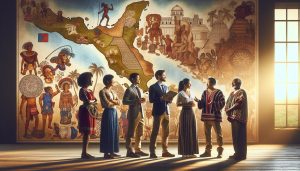
Belize, a gem nestled in Central America, is a tapestry of cultures woven together through its diverse heritage. With a population marked by the unique blends of Mestizo, Maya, Creole, Garinagu, and other ethnic groups, understanding what it means to be Belizean goes beyond mere ethnicity-it’s about celebrating a vibrant mix of traditions, languages, and histories. This rich cultural mosaic not only shapes the identity of Belizeans but also offers insights into their social values and community spirit. As you delve into this exploration of Belizean ethnicity, you’ll discover how these diverse roots contribute to the nation’s charm and allure, making it a fascinating destination for travelers and expats alike. Join us on this journey to uncover the significance of race and identity in Belize, and why appreciating this diversity is essential for understanding the heart of this extraordinary country.
What Defines Belizean Identity and Heritage?
Belize is a vibrant tapestry woven with the threads of diverse cultures, ethnicities, and historical narratives, making its identity rich and multifaceted. At the heart of Belizean identity lies a unique blend of indigenous heritage, Afro-Caribbean influences, and immigrant contributions, which together foster a profound sense of community and belonging among its people. The cultural legacy is not just a backdrop; it actively shapes the daily lives of Belizeans, imparting an indelible character to the country that reverberates through its art, music, and culinary traditions.
From the ancient Maya civilization, whose ruins still stand as majestic symbols of Belize’s past, to the lively contributions of the Garifuna and Creole populations, Belizean identity is steeped in history. The indigenous populations have instilled a deep respect for nature and a strong sense of community, which is evident in local festivals and day-to-day interactions. Meanwhile, the rhythmic beats of Garifuna music and the rich flavors of Creole cuisine exemplify the Afro-Caribbean heritage, celebrating roots that resonate with resilience and unity.
Furthermore, Belizean identity is consistently evolving, shaped by the ongoing influx of various immigrant groups, including East Indians and Chinese, each adding layers to its cultural narrative. This multiculturalism is celebrated through numerous festivals, where Belizeans gather to share traditional dances, music, and food, fostering an atmosphere of inclusiveness and shared heritage. As visitors explore Belize, they not only witness this vibrant culture but also engage with a community that embodies hospitality and warmth, making each encounter uniquely memorable. Whether meandering through the lush jungles, diving into the breathtaking Great Blue Hole, or savoring authentic dishes at local eateries, every experience invites a deeper understanding of what it truly means to be Belizean, highlighting a land where diversity is not just an aspect of life, but its essence.
The Impact of Indigenous Cultures on Belizean Identity
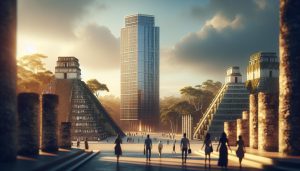
The legacy of indigenous cultures in Belize is not just a historical footnote; it remains a vibrant and integral part of the nation’s identity that echoes through its landscapes, traditions, and community bonds. The ancient Maya civilization, which flourished millennia ago, left a profound impact that is still felt today. Their impressive ruins, such as those found at Caracol, Xunantunich, and Lamanai, serve as not only archaeological treasures but also as symbols of endurance and cultural significance. These sites attract visitors from around the globe, eager to connect with the past and gain insights into the sophisticated societal structures that once thrived here.
Beyond the physical remnants of their civilization, the indigenous influence permeates everyday life in Belize. Traditional Maya customs, celebrations, and agricultural practices continue to be practiced by modern descendants, fostering a connection to their ancestry. Festivals such as Dia de la Cruz in San Pedro, where locals celebrate with music, dancing, and traditional garments, showcase how ancient traditions harmoniously coexist with contemporary Belizean culture. Local markets buzz with the aroma of traditional foods-many derived from ancient Maya recipes-that further highlight this cultural lineage, fostering a shared appreciation among all Belizeans.
Furthermore, the respect for nature and community that stems from indigenous teachings has created a framework for collective goodwill that is evident in today’s society. Initiatives aimed at environmental conservation often echo indigenous philosophies of living in harmony with the land, showcasing a path towards sustainable development that benefits both local populations and the broader ecosystem. This deep-rooted connection to the environment is especially visible in places like the Belize Barrier Reef, which not only draws eco-tourists but also reflects a communal commitment to preserving this UNESCO World Heritage site.
Ultimately, serves as a foundation for understanding Belize’s diverse heritage. This rich tapestry-interwoven with the legacies of the Maya alongside various other cultural influences-highlights a society that honors its past while embracing its multicultural future. Through festivals, cuisine, and communal efforts, Belizeans continue to celebrate their rich diversity, ensuring that the stories of their ancestors resonate throughout generations to come.
Exploring Afro-Caribbean Influences in Belizean Culture
The rich cultural tapestry of Belize is inextricably woven with Afro-Caribbean influences, creating a vibrant and lively expression visible in the music, dance, and traditions that resonate throughout the country. The Creole community, descendants of African slaves who were brought to Belize during colonial times, has distinctively shaped the nation’s cultural landscape. Their spirit is captured in the rhythmic beats of Punta music, which not only electrifies parties but also serves as a pulsating symbol of heritage that unites the people. Visitors can immerse themselves in this joyous experience at local festivals, where the air is alive with the sound of drums and the energy of traditional dances.
Gastronomic Delights
Afro-Caribbean influence is also profoundly felt in Belizean cuisine, where diverse flavors reflect this heritage. Traditional dishes like rice and beans, stewed chicken, and the beloved coconut curry are staples that flavor the culinary scene. Street vendors and local eateries come alive with the tempting aromas of jerk chicken and fish dishes served alongside fresh plantains. Food is not just about sustenance; it is a celebration, embodying communal bonds that echo the resilience and creativity of the Afro-Caribbean people. For a truly authentic experience, try the Belizean Creole dish of hudut, which combines fish with a plantain mash.
Cultural Festivals and Celebrations
Belize’s social calendar is also enriched by a plethora of cultural festivals celebrating Afro-Caribbean roots. Events like Garifuna Settlement Day are particularly notable, commemorating the arrival of the Garifuna people who brought their own unique music and dance styles. This festival features lively street parades, traditional Garifuna drumming, and vibrant displays of dance that highlight the oral traditions passed down through generations. Another key event is the Belize Carnival, where the clash of colors, music, and revelry creates an unparalleled communal atmosphere, drawing in locals and tourists alike to partake in the festivities.
By exploring these dynamic aspects of Belizean culture, visitors and residents alike gain an appreciation for how the Afro-Caribbean community has infused life into the nation. Each festival, dish, and rhythm serves as a reminder of the strength, creativity, and joy that emerge from a history that embraces diversity. With this understanding, travelers can better navigate Belize’s cultural landscape, finding joy in the connections that bind this beautiful, multifaceted society together.
Understanding the Mestizo Heritage in Belize
Nestled between the Caribbean Sea and the jungle-laden interior, Belize is a vibrant tapestry of cultures, and the Mestizo population plays a pivotal role in its identity. Comprising over 60% of the country’s populace, Mestizos are primarily people of mixed European and Maya ancestry. This blend of heritage produces a unique cultural perspective that influences various aspects of Belizean life, from language to cuisine, social norms, and community practices, creating a rich mosaic that truly defines the Belizean experience.
Culturally, Mestizos in Belize have woven their traditions and values into a broader canvas that also respects indigenous roots. Dominantly Spanish-speaking, these communities often embrace a lifestyle reflective of Central American and Latin American influences, echoing the historical patterns established during colonial times. Events like the annual Fiesta de la Cruz, celebrated in May, showcase this heritage through colorful displays, traditional music, and infectious dances that bring communities together in joyous celebration. Such vibrant expressions of culture emphasize the Mestizo’s role as a bridge between the indigenous Maya and European influences, creating a lineage that embraces diversity while fostering unity.
The culinary landscape of Belize is also greatly enriched by Mestizo traditions, where food serves as a social glue that binds families and communities. Staples like tamales, rice and beans, and delicious marinades reveal the influence of both Maya cooking techniques and Spanish flavors. Local markets bustle with the aroma of fresh produce and spices, while street vendors dish up tantalizing offerings that invite all to partake. Whether it’s sharing a plate of salbutes at a family gathering or sampling the festive chirmole on Día de los Muertos, food acts as an essential medium for cultural expression and communal identity among Belize’s Mestizo population.
In addition to cultural practices, the Mestizo heritage in Belize highlights the value of social cohesion and resilience. Communities often come together to celebrate important life events-weddings, birthdays, and religious occasions-enhancing social ties and fostering a rich network of support. This strong sense of community is further reflected in the shared festivities of national holidays, where pride in Belizean heritage is palpable. Through the lens of Mestizo identity, Belize emerges not only as a land of stunning natural beauty but as a living tribute to a complex and celebratory cultural heritage that unites its diverse people.
The Role of Asian Communities in Belize’s Demographics
The rich tapestry of Belizean culture is interwoven with vibrant threads from various Asian communities, which have made significant contributions to the country’s demographics and socio-economic landscape. From the late 19th century onward, immigrants from China, India, and other Asian nations arrived in Belize, bringing their unique customs, culinary traditions, and entrepreneurial spirit. Today, these communities are celebrated not only for their adaptability and resilience but also for their influence on the broader Belizean identity.
The Chinese community, in particular, has played a pivotal role in Belize’s commercial sector. Chinese immigrants often settled in urban areas and established businesses, ranging from grocery stores to restaurants, which have become staples in the local economy. Chinese cuisine has been embraced by many Belizeans, with dishes such as fried rice and chicken being popular throughout the nation. The annual celebrations of the Chinese New Year showcase this community’s cultural heritage, featuring lion dances, parades, and traditional foods, all inviting participation from others and fostering a sense of unity among diverse groups.
The influence of Indian culture is also notable, particularly through the arrival of East Indian immigrants, who brought with them a wealth of traditions and gastronomic delights. Dishes like curry are now enjoyed by many, transcending their origins and finding a place in the hearts-and stomachs-of Belizeans. Cultural festivals often include music and dance that reflect these influences, enriching the country’s multicultural fabric with vibrant expressions of heritage.
Beyond their culinary contributions, Asian communities in Belize actively engage in various social and cultural activities that promote unity and cooperation among all ethnic groups. They participate in community events, local governance, and charitable initiatives, ensuring that their voices and perspectives are included in the national conversation. By doing so, they help nurture a sense of belonging that is accessible to all countries’ residents, regardless of their ethnic background.
As Belize continues to evolve, the stories and traditions of its Asian communities remain integral to understanding what it means to be Belizean. Their unique cultural expressions, entrepreneurial acumen, and inclusive values contribute to a society that celebrates diversity-not as a series of separate threads but as a beautiful, interconnected tapestry that enhances the country’s identity and heritage.
Cultural Festivals Celebrating Belize’s Diversity
In Belize, the celebration of culture is not just a seasonal affair; it’s a way of life that encompasses the country’s diverse heritage. With its varied ethnic backgrounds, including Creole, Mestizo, Garifuna, and Chinese, this Central American gem brims with festivals that invite locals and visitors alike to partake in its rich traditions. From the vibrant streets of Belize City to the serene towns of San Ignacio, the spirit of unity and joy is palpable during these events.
One of the most noteworthy celebrations is Garifuna Settlement Day, held annually on November 19th. This festival commemorates the arrival of Garifuna people in Belize and is marked by lively parades featuring traditional Garifuna drumming, dancing, and a feast of mouth-watering dishes like hudut (a fish and plantain dish). The day not only showcases the cultural heritage of the Garifuna but also emphasizes their contributions to the Belizean identity.
Another significant event is Belize’s Independence Day on September 21st. This day is celebrated with a national parade that brings together diverse cultural groups showcasing their heritage through colorful costumes, music, and dance performances. Locals sing the national anthem, wave flags, and participate in festivities that underscore national pride while acknowledging the multicultural tapestry that is Belize.
The Chinese New Year is another vibrant celebration that highlights the Asian influences in Belize. It is not uncommon to see lion dances performed throughout various towns, with the community coming together to share traditional foods and participate in joyful festivities. The spirit of sharing during this time fosters intercommunity relationships, allowing people from all backgrounds in Belize to join the celebration.
Moreover, the Maya cultural festivals, held throughout the year, offer an immersive experience into the ancient customs of the Maya civilization. Award-winning musicians showcase traditional performances, while artisans display their unique crafts, connecting visitors with Belize’s indigenous roots. Participating in these festivals allows travelers to engage with local traditions and gain a deeper understanding of how these customs shape present-day Belize.
As a traveler in Belize, engaging in these festivals not only enriches your experience but also helps foster community spirit and appreciation for the diverse cultures that make this country unique. Embracing the myriad of celebrations opens the door to countless stories, tastes, and traditions, ensuring that every visit is as captivating as the last.
The Linguistic Landscape of Belize: A Multilingual Society
In Belize, the air is alive with the echoes of diverse tongues, creating a vibrant tapestry that showcases the nation’s multicultural heritage. English is the official language, reflecting its colonial history, but this Central American jewel thrives in linguistic diversity where over eight languages are spoken. The rich mosaic of cultures in Belize is also reflected in its languages, making communication an engaging experience for both residents and visitors.
The most prevalent languages beyond English are Spanish, Creole, and various Mayan languages like K’iche’ and Yucatec. Spanish, a remnant of Belize’s historical ties to the Spanish empire and its geographical proximity to Latin America, is widely spoken, especially in the northern regions and among the Mestizo population. Creole, or Belizean Kriol, showcases the influence of the African and Caribbean residents, serving as a bridge between various cultural backgrounds. This dynamic tongue, often characterized by its rhythmic cadence, illustrates the everyday life and experiences of Belizeans.
The Importance of Indigenous Languages
Indigenous languages hold a sacred place within Belize’s society, not only preserving the history and traditions of the Mayan people but also enriching the cultural landscape. Languages such as Garifuna, spoken by the Garifuna community, connect residents to their ancestral heritage through oral storytelling, music, and dance. This cultural expression is especially important, as it fosters unity and helps keep these traditions alive for future generations.
- Mayan groups predominantly speak languages like K’iche’, Yucatec, and Mopan, weaving their history into the fabric of Belize’s identity.
- Garifuna language and culture are celebrated during annual events, emphasizing their contributions to Belize’s unique identity.
- Spanish remains influential, particularly in trade and social interactions, underscoring the connection to neighboring countries.
The presence of multiple languages in daily life invites travelers to engage more deeply with local communities. Visitors to Belize will find not only a tapestry of colorful cultures but also opportunities to learn a few phrases in Creole or Spanish, enhancing their immersive experience. Observing how these languages interact can provide insights into the complexities of Belizean identity and the rich stories shared by its people. This multilingual landscape is an invitation to explore and appreciate the diverse voices that contribute to the soul of Belize, making each encounter uniquely enriching.
Belizean Cuisine: A Fusion of Flavors and Cultures
Belizean cuisine is a delightful mosaic of flavors and cultural influences, mirroring the rich tapestry of its people. From the shores of the Caribbean to the lush jungles, the culinary landscape offers dishes that are as diverse as the nation’s heritage. Imagine biting into a warm, homemade tortilla while savoring the aromatic spices of a stew or grilling fresh fish caught just hours earlier. Each meal tells a story, blending indigenous ingredients and traditional recipes with influences from African, Spanish, and Asian communities.
Stewed chicken, often marinated in a fragrant blend of spices and served with rice and beans, exemplifies the heart of Belizean cooking. This dish, popular across the nation, invites you to share the local culture over a family meal. Meanwhile, creole prawns bathed in garlic and coconut milk encapsulate the Caribbean flair, showcasing the abundance of seafood that Belizean waters provide. Don’t miss out on trying baleadas, which are wheat flour tortillas filled with refried beans, cheese, and avocado, genuinely a taste of local life that transcends ethnic boundaries.
Fruits and Vegetables: Nature’s Bounty
Belize’s tropical climate produces an array of fruits that can enhance any dish. Consider trying fresh mangoes, papayas, or the humble but flavorful soursop, often used in drinks and desserts. The incorporation of local ingredients not only accentuates flavors but also supports sustainable practices by utilizing what the land offers. Restaurants and street vendors alike create dishes that highlight these natural resources, inviting you to indulge in the freshest produce available.
Culinary Celebrations: Embracing Diversity
Food in Belize transcends mere sustenance; it is a vital part of the culture and is celebrated in various festivals throughout the year. Events like the Cacao Festival in Punta Gorda highlight the integration of chocolate into local cuisine, illustrating the historical significance of cacao in Maya culture. During these festivities, food stalls and workshops bring communities together, allowing visitors to immerse themselves in the flavors of Belize.
A visit to Belize isn’t just about seeing breathtaking landscapes; it’s an adventure for your taste buds. Many eateries, from street food stalls to upscale restaurants, weave these multicultural culinary threads into their menus, ensuring that there’s a flavor for everyone. To fully appreciate Belizean identity, take time to explore its cuisine-each meal is an encounter with the rich, diverse heritage of this beautiful nation, inviting you to savor the stories it has to tell.
Social and Economic Contributions of Diverse Groups
In the vibrant mosaic that is Belize, the are intricately woven into the very fabric of the nation. The multicultural heritage of Belize not only shapes its identity but also fuels its economy and social interactions, fostering a unique environment where various cultures coexist and thrive. Each community-whether Garifuna, Creole, Maya, Mestizo, or Asian-brings its own flavor to the table, enriching the nation’s cultural landscape and driving economic activity through local enterprises, tourism, and trade.
Belize’s ethnically diverse society presents a rich tapestry of traditions and practices that inform much of the nation’s social fabric. For instance, the Garifuna community celebrates culture through music and dance, hosting vibrant festivals that attract both locals and tourists, which in turn supports local businesses and craftspeople. Similarly, the cuisine offers an array of flavors that reflect the multicultural influences present in Belize, driving agritourism and culinary tours that create jobs and promote local products. The impact of these diverse groups is evident in the larger social cohesion that is felt across Belize, where various cultural identities are celebrated and shared.
Economically, these communities contribute significantly through their unique skills and resources. The situation is especially pronounced in tourism, where local guides from different ethnic backgrounds offer authentic experiences-ranging from exploring ancient Maya ruins to immersing oneself in Garifuna drumming workshops. This not only showcases Belize’s rich heritage but also empowers local populations economically. By promoting culturally immersive tourism, Belize ensures that the benefits of the industry reach various communities, enhancing economic opportunities while preserving their cultural legacies.
Moreover, the Asian communities, particularly those of Chinese and Indian descent, have carved niche markets in Belize, from grocery stores to restaurants, thereby diversifying the economy. These businesses become community hubs that not only provide goods and services but also bring people together, further fostering Belize’s reputation as a welcoming and harmonious society. As Belize continues to navigate its path forward, the contributions of these diverse groups remain vital in shaping its social and economic landscape, proving that unity in diversity is not just a phrase but a lived reality in this Central American gem.
Navigating Racial Identity and Inclusion in Belize
In a land where the Caribbean breeze meets ancient Maya ruins, Belize stands out as a beacon of multiculturalism. The nation’s identity embraces a complex blend of races and ethnicities, creating an inclusive atmosphere that celebrates diversity. Belizeans buoyantly identify with their varied heritages, combining influences from Indigenous cultures, Afro-Caribbean communities, Mestizos, and Asian migrants. This melange is not just an aspect of their identity; it is the essence of who they are as a society.
Navigating the realities of racial identity in Belize involves recognizing the contributions and histories of distinct ethnic groups. The Garifuna, for example, have a vibrant cultural footprint, showcased through their music, dance, and culinary offerings. The annual Garifuna Settlement Day, celebrated on November 19, is more than a holiday; it is a cultural testament to resilience and heritage. On the other hand, the Creole community enriches Belizean society through their distinct dialect and cuisine, fostering an environment of acceptance and integration. This cultural awareness is crucial, not only for locals but also for visitors seeking authentic experiences in Belize.
In recent years, there has been a growing emphasis on inclusivity, with efforts made to address historical disparities and celebrate all voices within Belizean society. A collective push for greater representation has taken root, prompting conversations around racial identity, community representation, and social justice. Educational initiatives that highlight the culture and contributions of marginalized groups foster understanding and appreciation among Belizeans and expatriates alike.
Belize’s unique position as a melting pot of cultures lends itself beautifully to meaningful travel experiences. Visitors can embrace the tapestry of Belizean culture through local festivals, such as the annual Belize Carnival, where the rhythmic beats of various ethnic backgrounds come together in colorful revelry. Engaging with these communities offers insights into the nuances of Belizean life, while simultaneously promoting social cohesion. As you explore this natural paradise, you not only witness its beauty but also partake in its vibrant, inclusive narrative, leaving with memories that resonate beyond the tropical landscapes.
How History Shapes Modern Belizean Society
Belize’s rich history serves as the foundation of its vibrant society today, intricately weaving together the narratives of various cultures that have settled in the region. From the ancient Maya civilization that flourished long before European contact to the British colonial influence that shaped its governance and economy, each wave of history has left an indelible mark on the Belizean identity. The independence gained in 1981 marked a significant turning point, allowing Belizeans to reclaim and celebrate their diverse backgrounds, including Creole, Garifuna, and Mestizo heritages, all while fostering a spirit of national unity.
This cultural mosaic is further enriched by the impact of global migration patterns, notably from Asia and the Caribbean. These immigrant communities have not only infused new flavors and traditions into Belizean life but have also navigated the complexities of belonging and identity in a multifaceted society. The Chinese and Indian populations, for example, have contributed significantly to the local economy while maintaining their culinary traditions, reflected in the popular fusion of dishes across Belize’s diverse food landscape.
The historical legacies of colonization and cultural intermingling are essential to understanding modern Belizean society. Education initiatives are increasingly focused on acknowledging and incorporating the histories of marginalized groups, thereby promoting a sense of inclusivity and equity. In schools, children learn about the contributions of all ethnic groups, ensuring that Belizean history is not just a tale of the past but a living narrative that values every voice. This evolving educational framework aims to nurture a society that celebrates its diversity, where every Belizean feels empowered to embrace their heritage while contributing to the collective future.
Creating opportunities for cultural exchange is also vital as Belize moves forward. Festivals, such as the Belize Carnival and Garifuna Settlement Day, serve as platforms for various ethnic groups to express their unique traditions while inviting others to partake in the celebrations. These communal events not only showcase the beautiful tapestry of Belizean identity but also promote social cohesion, inviting visitors to experience the rich culture firsthand. This interconnectedness is what defines Belize today, a nation that thrives on its diversity and looks forward to a future where every cultural thread is valued and celebrated.
Celebrating the Future: Belize’s Multicultural Identity
As Belize continues to evolve, its multicultural identity emerges not just as a point of pride but as a beacon for future generations. With a rich tapestry woven from various ethnic influences-Mestizo, Maya, Garinagu, Creole, and the more recent Asian communities-the Belizean identity encapsulates a unique blend of languages, traditions, and customs that mirror its historical journey. The essence of Belize lies in its people, whose diverse backgrounds create a collective narrative that is both inclusive and dynamic.
Cultural festivals, such as the vibrant Belize Carnival and the soulful Garifuna Settlement Day, stand as milestones in this celebration of diversity. These events are not only showcases of color and music but also serve as platforms for different communities to share their heritage with one another, fostering mutual respect and understanding. Visitors often find themselves swept up in the rhythms of Garifuna drumming or the exhilarating dance parades, offering a firsthand glimpse into the cultural richness that defines this nation. As Belize navigates modernity, it embraces these traditions, allowing them to thrive and adapt while keeping their spirit alive.
The linguistic landscape in Belize also reflects this multicultural spirit. English is the official language, but Spanish, Creole, Garifuna, and Maya languages contribute to a vibrant multilingual society. This linguistic diversity enhances daily interactions and builds bridges between communities. Engaging in local language practices-perhaps picking up a few Creole expressions-offers travelers a deeper connection to the culture, echoing Belize’s welcoming attitude towards all visitors.
Belize’s future hinges on the continued appreciation and integration of its multicultural roots. As educational initiatives highlight the history and contributions of different ethnic groups, the narrative of Belize is shaped not only by its past but also by its vision for the future. This inclusive approach cultivates a society where every Belizean, regardless of background, can contribute to the national dialogue, ensuring that Belize will not only celebrate its rich heritage but also embrace its diverse identity as a source of strength and unity. Through this multifaceted lens, Belize stands poised to enchant and inspire, inviting all who visit to partake in its vibrant story.
Frequently asked questions
Q: What are the main racial groups in Belize?
A: Belize is home to several racial groups, including Mestizo (over 60% of the population), Creole, Garifuna, Maya, and various Asian communities such as Chinese and Indian. This multicultural landscape reflects its rich history and diverse influences from different ethnic backgrounds [1[1].
Q: How does Belize’s history influence its racial diversity?
A: Belize’s history is marked by the presence of Indigenous Mayas, followed by Spanish and British colonization, which brought African and other immigrant influences. This blend of cultures has shaped Belize’s racial diversity, contributing to its unique identity [2[2].
Q: Are there any unique cultural practices among Belizean races?
A: Yes, each racial group in Belize has distinct cultural practices. Mestizo traditions blend European and Maya customs, Creole culture highlights African influences, and Garifuna communities celebrate their heritage through music and dance, showcasing the country’s vibrant cultural mosaic [3[3].
Q: What role do Mestizo communities play in Belize?
A: Mestizo communities significantly influence Belizean culture, demographics, and language. They account for a majority of the population and often blend traditions, resulting in a rich cultural identity that includes music, food, and social values aligned with Latin American culture [1[1].
Q: How does Belize celebrate its multicultural identity?
A: Belize showcases its multicultural identity through various festivals and cultural events, such as the Carnival and Garifuna Settlement Day, where different racial and ethnic groups come together to celebrate their heritage through music, dance, and traditional cuisine [2[2].
Q: What languages are spoken in Belize due to its diverse races?
A: Belize is a multilingual society where English is the official language, but many Belizeans also speak Spanish, Creole, and various indigenous languages. The diverse racial makeup contributes to this rich linguistic landscape, enhancing communication among different cultural groups [1[1].
Q: How do Asian communities contribute to Belize’s demographics?
A: Asian communities in Belize, particularly Chinese and Indian groups, have brought unique culinary traditions, business practices, and cultural influences. They play an essential role in the economy while enriching the overall cultural diversity of Belize [3[3].
Q: Why is it important to understand Belize’s racial diversity?
A: Understanding Belize’s racial diversity is crucial for appreciating its unique cultural heritage and fostering inclusivity. Acknowledging the contributions of various groups helps in promoting social harmony and preserving the rich traditions that define Belizean identity [2[2].
Key Takeaways
Belize’s rich tapestry of cultures profoundly shapes its identity, showcasing a heritage that invites exploration and appreciation. As you’ve learned, the diverse heritage of Belizeans reflects a blend of ethnicities and traditions that enhance the travel experience. Ready to dive deeper? Explore our guides on the stunning Great Blue Hole and the mesmerizing Caribbean beaches, or uncover the secrets of ancient Maya ruins.
Don’t miss out on planning your unforgettable trip-sign up for our newsletter to receive the latest travel tips and exclusive offers tailored for your adventure in Belize! Whether you’re curious about local festivals, Creole cuisine, or eco-tourism hotspots, our resources empower you to make informed decisions and fully immerse yourself in this vibrant destination. Embrace the call of Belize and start your journey today!