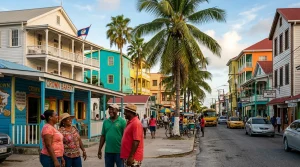
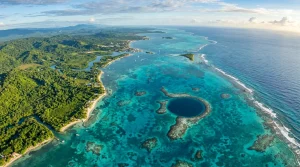
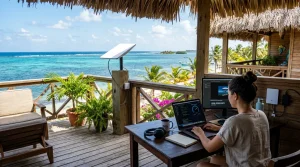
Belize, with its stunning coastlines and rich cultural heritage, is a dream destination for many. However, potential travelers and those considering making it their home often wonder: Does Belize get a lot of hurricanes? Understanding storm patterns is crucial, as it impacts travel plans and safety. Nestled in the heart of the Caribbean hurricane belt, Belize experiences its fair share of tropical storms, particularly from June through November. As climate change increasingly influences weather patterns, knowing how these storms can affect your visit or stay is essential for informed decision-making. Dive deeper into this topic to uncover not just the risk of hurricanes, but strategies to navigate them, ensuring your Belizean adventure remains unforgettable and safe.
Does Belize Experience Frequent Hurricanes?
Belize’s picturesque coastlines and lush landscapes are not immune to the forces of nature, particularly when it comes to hurricanes. Situated on the northeastern coast of Central America, this vibrant country falls within the hurricane belt, making it susceptible to seasonal storms. However, understanding the nature and frequency of hurricanes in Belize is crucial for both travelers and residents alike.
Hurricane season typically runs from June 1 to November 30, coinciding with the peak of tropical storm activity in the Atlantic. During these months, Belize can occasionally experience the wrath of hurricanes and tropical storms, each bringing varying impacts ranging from heavy rain and strong winds to flooding. Despite the risks, it’s important to note that Belize does not face hurricanes every year. Some seasons pass with minimal disturbance, while others may see direct hits or nearby storms, which can all contribute to rainfall and rough seas.
Travelers should remain well-informed about the weather during their visit. Monitoring weather updates, heeding local advisories, and understanding evacuation routes can enhance safety and preparedness. Moreover, locals have a rich tradition of coping with storms, showcasing resilience and community spirit which is integral to the island’s culture. Overall, while Belize does experience hurricanes, with proactive planning and awareness, visitors can still enjoy the breathtaking natural beauty and rich cultural heritage the country offers.
Understanding Belize’s Geography and Climate
Nestled between the turquoise waters of the Caribbean Sea and lush jungles, Belize presents a captivating landscape where vibrant ecosystems flourish. The country’s unique geography, with its barrier reef, mangroves, and extensive rainforests, creates an intricate balance between beauty and vulnerability. This stunning natural backdrop is inviting, but it also positions Belize within the hurricane belt, subjecting it to seasonal storms that can reshape its serene vistas.
Belize’s coastlines are dotted with beautiful islands, known as cayes, which are part of the Belize Barrier Reef Reserve System-a UNESCO World Heritage Site. The warm tropical climate, characterized by high humidity and consistent day temperatures ranging from 77°F to 88°F (25°C to 31°C), adds to the allure for visitors seeking escapades in snorkeling, diving, and exploring the vibrant marine life. Yet, this same climate becomes a magnet for the formation of tropical storms, primarily between June and November.
- Geographical Influence: Belize’s flat topography and coastal location mean that when hurricanes approach, they can bring heavy rainfall and high winds that lead to flooding, particularly in low-lying areas. Rivers swollen by torrential downpours can overflow, compounding the risks to communities.
- Microclimates: The diverse landscapes, from seaside resorts to inland jungles, create various microclimates. While coastal regions may undergo storm impacts directly, those further inland might experience less severe conditions, highlighting the importance of localized weather awareness.
Understanding this geographical and climatic interplay helps travelers appreciate both the need for preparedness during hurricane season and the resplendent beauty that Belize has to offer year-round. The resilience and adaptability evident in local communities, where ancient traditions and modern awareness coexist harmoniously, serve as a testament to Belizeans’ commitment to safeguarding their heritage against the forces of nature. Thus, while hurricanes are a reality for Belize, they are but one chapter in a larger story of rich culture and natural splendor waiting to be discovered by all who venture into this tropical paradise.
Hurricane Season: Timing and Duration
Belize’s tropical charm is often accompanied by the reality of hurricane season, a period that brings both trepidation and a chance for resilience among its inhabitants. This annual phase runs from June 1 to November 30, with the peak activity typically occurring between August and October. During these months, the Caribbean is rife with potential storms, giving rise to vigilant monitoring from both locals and travelers alike. The very nature of the region’s warm waters contributes to the formation of hurricanes, turning Belize into a front-row seat for the fury of nature.
Travelers drawn to Belize during this season may wonder about the impacts of potential storms on their plans. It’s essential to note that while hurricanes can threaten the region, not every day is marked by stormy skies. Many visitors enjoy beautiful weather interspersed with brief rains. Historically, Belize has experienced varying degrees of hurricane impacts, with some years witnessing direct hits while others see little more than rain showers from passing systems. This variability highlights the importance of being prepared and staying informed during your visit.
Being aware of this season invites adventurers to embrace the beauty of Belize while also respecting its potential hazards. Hotels and tour operators often implement flexible policies during hurricane season, providing peace of mind for guests. It’s advisable for travelers to purchase travel insurance that covers weather-related disruptions and to stay connected with local weather reports. Informed decision-making ensures that you can enjoy the stunning landscapes, from the allure of the Great Blue Hole to the serene beaches along the cayes, all while equipped to handle whatever nature may bring. Engaging with local customs and preparing for the hurricane season underscores not only a traveler’s adventurous spirit but also a respect for the sacred balance of nature in this Central American paradise.
Historical Hurricane Patterns in Belize
In the annals of Belize’s storied weather history, hurricanes have played a formidable role, each storm weaving its own narrative of nature’s power and beauty. Over the decades, Belize has faced several hurricanes, some of which have directly impacted the coastal regions, while others have skirted by, leaving only a whisper of their presence in the form of rain and wind. Understanding these historical patterns not only reveals the ferocity of the storms but also highlights the resilience of this enchanting nation.
Looking back to the 1960s and 70s, one cannot overlook Hurricane Hattie in 1961, which ravaged Belize City, causing devastating damage and leading to significant changes in urban planning and disaster preparedness. Following this, Hurricane Mitch in 1998 and Hurricane Dean in 2007 further challenged Belize’s infrastructure and communities. However, it’s important to note that not every year brings catastrophic storms. Many seasons pass with little more than the occasional tropical disturbance, allowing the vibrant culture and natural beauty to thrive undisturbed.
Travelers often ask how these storms compare to other Caribbean destinations. While Belize does experience its share of hurricanes, its geography provides a unique buffer. The barrier reef and the cayes can mitigate the impact of some storms that threaten land. Moreover, the local population’s preparedness and the government’s proactive measures to bolster infrastructure make Belize better equipped to handle hurricanes than some of its neighbors.
Despite the occasional onslaught of these powerful storms, the underlying allure of Belize remains undiminished. Visitors can revel in the splendor of the Great Blue Hole or explore the ancient Maya ruins, knowing that while nature can be fierce, the spirit of Belize endures. For those planning a visit during hurricane season, staying informed and making mindful preparations can turn potential challenges into opportunities for unforgettable experiences in this beautiful corner of the world.
Preparing for Hurricanes: Essential Tips for Travelers
The lush landscapes and enchanting coastlines of Belize may seem like a tropical paradise, but during certain times of the year, they can be at the mercy of powerful hurricanes. For those planning a visit during hurricane season, it’s essential to be well-prepared. Knowing how to navigate potential hurricane threats can turn what could be a stressful experience into a well-organized adventure, allowing you to explore the country’s marvels while staying safe.
First and foremost, familiarize yourself with the hurricane season, which typically runs from June 1 to November 30. However, hurricanes can form at any time, so it’s crucial to keep an eye on weather forecasts, especially when traveling during these months. Utilize reliable weather apps or local news stations to stay updated. Also, consider your itinerary: coastal areas tend to be more affected by hurricanes, so if you’re looking to delve into Belize’s interior jungles, such as the picturesque Cayo District, you may minimize your risk.
Accommodations are another aspect to consider. Choose lodgings with good hurricane preparedness plans-many hotels and resorts in Belize have protocols in place to ensure the safety of their guests. Look for properties that clearly outline their emergency procedures and consider places that are known for their proactive measures. When you arrive, don’t hesitate to ask your hosts about their plans for severe weather; this will give you peace of mind.
While you’re packing for your trip, include a few hurricane essentials. This should consist of a small emergency kit with essentials such as flashlights, batteries, and any medications you may need. Staying hydrated is key, so bring along refillable water bottles. Having some non-perishable snacks on hand-think granola bars or dried fruit-can also keep spirits up if you find yourself waiting out a storm.
Lastly, always have a travel insurance policy that covers trip cancellations and interruptions due to hurricanes. Ensure it includes provisions for natural disasters; this can save you a significant amount of stress and potential financial loss. Familiarizing yourself with the local emergency response procedures and contacts can also be vital in ensuring your safety and comfort during your stay in this stunning Central American jewel.
With the right preparation, visiting Belize during hurricane season can still be a rewarding experience. The vibrant culture, the allure of ancient Maya ruins, and the breathtaking beauty of the Great Blue Hole await, alongside a resilient community ready to welcome travelers, no matter the weather.
Impact of Hurricanes on Belize’s Natural Beauty
The sheer splendor of Belize’s natural beauty is both its signature charm and a source of vulnerability during the hurricane season. As cyclonic storms crash against its idyllic coastlines, the impact on Belize’s landscape can be profound, reshaping not only its physical attributes but also the vibrant ecosystems that flourish in its jungles and coral reefs.
When a hurricane strikes, the immediate effects can be dramatic. Coastal areas may experience severe erosion, with sandy beaches swept away under the relentless force of wave action. The mangroves, which serve as vital buffers against storm surges, can sustain significant damage, affecting their ability to protect inland areas and serve as habitats for diverse wildlife. Coral reefs, the lifeblood of marine ecosystems and crucial for tourism, can suffer from increased sedimentation and storm surge, leading to the degradation of these underwater gardens. The aftermath often reveals bleached and broken coral, posing challenges for marine life that depends on the reefs for shelter and sustenance.
Yet, in the face of such destruction, Belize’s resilience shines through. Nature, with its remarkable capacity for regeneration, often lays the groundwork for recovery following a storm. Many species of native flora and fauna, adapted to the cyclical patterns of hurricanes, spring back with surprising vigor. For instance, mangroves can regrow and improve over time, creating even more robust coastal defenses against future storms. In the jungles, trees might lose limbs but often survive, continuing to provide crucial habitats for the myriad species that call Belize home.
The interaction between storms and Belize’s landscapes tells a story of both vulnerability and strength. Travelers inspired by nature’s transcendence will find that even in the wake of a hurricane, the lush forests, teeming wildlife, and serene beaches retain their stunning appeal. Visiting during the hurricane season offers an opportunity to witness the resilience of nature firsthand, as well as the community spirit that thrives in Belize, fostering a unique connection to this remarkable environment. It is this dance between beauty and endurance that makes Belize a captivating destination, inviting exploration of its landscapes and cultures, despite the potential threats of powerful storms.
Safety Measures and Resources for Residents
In the heart of Central America, Belize’s stunning coastline and lush jungles not only lure travelers into a paradise of natural wonders but also expose its residents to the unpredictable rhythms of hurricane seasons. To safely navigate the tempestuous months, residents and business owners must adopt a proactive approach, intertwining community resilience with individual preparedness to safeguard both lives and livelihoods.
Building a solid framework for safety begins with staying informed. Residents are encouraged to subscribe to local weather services and follow the Belize National Meteorological Service for updates on storm patterns and alerts. By being aware of potential threats in advance, families can devise timely evacuation plans and gather essential supplies. A well-stocked emergency kit, complete with non-perishable food, water, medication, and crucial documents, can mean the difference between chaos and calm in the critical hours before a storm.
Community resources play a vital role during hurricane season. Local municipalities often establish designated hurricane shelters for those needing refuge. These shelters, equipped with basic amenities, provide a safe haven for residents while fostering a spirit of camaraderie amidst uncertainty. Additionally, community workshops focused on disaster preparedness equip residents with valuable skills, from boarding up windows to securing properties against flooding or debris.
In the wake of a hurricane, the road to recovery can feel overwhelming, yet Belizeans demonstrate remarkable resilience. After each storm, support networks spring into action, bringing together neighbors to clear debris, assess damage, and share resources. Initiatives such as local food banks and rebuilding programs exemplify the strength of community cohesion during trying times. Residents are reminded to utilize regional recovery resources, including government assistance programs and non-profit organizations dedicated to disaster relief.
By understanding the blend of personal preparedness and community support, residents not only enhance their safety but also celebrate the unique spirit of Belize. The journey through hurricane season, marked by vigilant planning and communal solidarity, reiterates just how intertwined Belize’s rich culture and breathtaking landscapes are with the very essence of resilience.
Post-Hurricane Recovery: Resilience in Belize
Hurricanes are a challenging yet intrinsic part of life in Belize, a country known not just for its breathtaking natural beauty but also for the resilient spirit of its people. Following a hurricane, Belize exhibits a remarkable capacity for recovery, showcasing a blend of community-driven initiatives and individual determination. This resilience is not merely a reaction to adversity; it’s woven into the very fabric of Belizean culture.
In the aftermath of a storm, neighbors unite, displaying a strong sense of solidarity that transcends individual concerns. Community gatherings often become a lifeline, as townspeople come together to share resources, clear debris, and support each other emotionally and physically. Local volunteers typically organize cleanup efforts, showing up with tools and a willingness to work side by side. For those affected, this camaraderie is a source of hope and strength, underlining the deep connection shared among Belizeans.
Local organizations and government agencies also spring into action, providing vital support for rebuilding efforts. Programs designed to assist with repairs and financial aid are critical, ensuring that families can restore their homes and businesses. Furthermore, the presence of NGOs focused on disaster relief enhances recovery, offering everything from medical assistance to food supplies, playing an essential role in the rehabilitation process.
For travelers and expats, understanding this resilience is crucial. Visitors can contribute by engaging with local businesses that thrive in the post-hurricane economy or by participating in community service projects aimed at aiding recovery. By embracing the story of resilience that Belizeans tell through their actions, you not only support their recovery journey but also become part of a narrative rich with hope, unity, and the enduring beauty of Belize’s landscape and culture.
Comparing Belize’s Hurricane Risk to Other Caribbean Destinations
When considering hurricane risks across the Caribbean, Belize often stands out for its unique positioning and experiences. While it’s true that Belize faces hurricanes, its vulnerability is somewhat less than that of several other popular Caribbean destinations. Positioned on the northeastern coast of Central America, Belize’s mainland and cayes are subject to tropical storms and hurricanes primarily during the Atlantic hurricane season, which runs from June 1 to November 30. Yet, Belizean islands tend to have a lower frequency of direct hits compared to places like Jamaica or the Bahamas, thanks largely to its geographical orientation.
One key aspect of Belize’s geographical advantage is its relatively protected coastline. Surrounded by the Belize Barrier Reef, the second-largest coral reef system in the world, the islands act as a buffer against some of the more intense impacts of storm surges. This reef not only offers stunning diving and snorkeling through vibrant marine life but also plays a role in mitigating the pulling power of major tropical storms, often diminishing their impact before they make landfall.
In contrast, nations like the Dominican Republic or Puerto Rico can experience more frequent and severe storm activity due to their exposure to the open Atlantic Ocean. These countries are situated within the primary storm pathways that see increased hurricane activity, making them more susceptible to direct hits. For instance, the Dominican Republic typically faces many more storms each year and has experienced devastating effects from hurricanes such as Hurricane Maria in 2017.
Despite a lower frequency of storms, it’s still essential for travelers to remain informed and prepared. When visiting Belize during the hurricane season, consider checking local forecasts regularly and being aware of emergency response plans within your travel accommodations. Many hotels and resorts are well-equipped to manage hurricane conditions, often providing resources and information for guests.
As travelers and expats explore this lush landscape rich in diversity-from the majestic Great Blue Hole to the lush jungles filled with wildlife-having a clear understanding of hurricane risks can empower informed decisions. Ultimately, while Belize is not immune to storms, its community resilience and natural defenses allow visitors to experience the incredible beauty and cultural richness of this captivating country, even during the hurricane season.
Travel Insurance and Hurricane Coverage Explained
When planning a trip to the enchanting lands of Belize, understanding the importance of travel insurance and its coverage for hurricanes becomes paramount for a secure and stress-free experience. Unlike many detours through the Caribbean, Belizean vacations can be thoroughly magical, but unexpected events like hurricanes can quickly cloud the adventure. As a destination with a prime hurricane season from June 1 to November 30, having a well-structured travel insurance policy can be your lifeline.
A comprehensive travel insurance policy should cover several critical aspects related to hurricanes. First and foremost, ensure that your insurance includes trip cancellation and interruption coverage. This feature is crucial in instances where you might need to adjust or cancel your travel plans due to a hurricane warning or evacuation orders. Moreover, it’s wise to check that your policy provides coverage for necessary accommodations should your booked lodges or hotels experience damage and can no longer house guests, as well as for any non-refundable expenses incurred due to such unforeseen circumstances.
Understanding What to Look For in Your Policy
When selecting a travel insurance plan, here are a few components to prioritize:
- Storm Cancellation Coverage: Make sure that your policy explicitly mentions coverage for hurricane-related cancellations or interruptions.
- Emergency Evacuation: It’s essential to have coverage for emergency evacuations, as extreme weather events can necessitate sudden changes in your travel routes.
- Medical Coverage: If you happen to sustain injuries or suffer from health issues during a hurricane, medical coverage that extends to emergencies in the host country is vital.
- Travel Assistance Services: Look for providers that offer 24/7 travel assistance helplines for fast resolutions which can be reassuring during tumultuous weather events.
While no one wants to think about facing a hurricane while basking in Belize’s tropical sun, preparing with the right insurance can add peace of mind. With its stunning Mayan ruins, lush jungles, and the sparkling Belize Barrier Reef, travelers can confidently explore everything this beautiful destination offers, even when hurricane season is in play. Assess your specific needs and ensure you are adequately protected, allowing you to indulge fully in Belize’s wealth of natural wonders and rich culture without worry.
Local Insights: How Communities Cope with Storms
Communities across Belize showcase remarkable resilience when faced with the threat of hurricanes. This Central American paradise, blessed with stunning landscapes and diverse ecosystems, has also learned to adapt and prepare for the challenges posed by nature. Locals emphasize the importance of community solidarity and preparedness as they navigate the hurricane season, addressing fears with practical strategies and shared resources.
Belizean communities participate in extensive education and planning initiatives led by local and national emergency management agencies. These programs focus on disseminating crucial information about hurricane safety, response plans, and recovery strategies. Local leaders often organize workshops to instruct residents on how to prepare emergency kits, secure their homes, and create family communication plans. For instance, many families keep a well-stocked hurricane preparedness kit filled with essentials such as water, food, medications, and important documents, ensuring they are ready for any eventuality.
Engagement doesn’t stop at individual preparation; it extends to collective action. Neighbors team up to help each other reinforce homes, clear areas around properties, and store boats safely. In coastal regions, fishermen often come together to lift vessels and secure equipment, creating a network of support that strengthens community ties. Besides physical preparations, communal gatherings during the off-season foster discussions about past hurricane experiences and lessons learned, enhancing the collective knowledge base.
After a hurricane passes, Belizean communities rally around recovery efforts, showcasing their spirit and unity. Local businesses often open their doors to provide shelter and resources to those affected, while volunteers mobilize to clear debris and help rebuild. Many non-profits and local organizations step up to assist in recovery efforts, offering services such as trauma counseling and rebuilding resources. This strong sense of community not only helps individuals recover but also rejuvenates the vibrant spirit that defines Belize, allowing visitors to witness firsthand the resilience and warmth that permeate this beautiful country.
FAQ
Q: How often do hurricanes affect Belize?
A: Belize experiences hurricanes on average every two to three years, though not all hurricanes directly impact the country. Most hurricanes form in the Caribbean, and while Belize is vulnerable, many storms may weaken or change course before reaching land.
Q: When is hurricane season in Belize?
A: The hurricane season in Belize typically runs from June 1 to November 30. Peak activity usually occurs from August to October, making it crucial for residents and travelers to stay informed during this period.
Q: What are the typical storm patterns affecting Belize?
A: Storm patterns in Belize are largely influenced by the Atlantic hurricane season, with tropical storms and hurricanes forming in the Caribbean Sea. The country’s geographical location makes it prone to storms moving westward towards Central America.
Q: What should travelers do if a hurricane threatens Belize during their visit?
A: If a hurricane threatens, travelers should follow local advice, stay informed via the National Meteorological Service, secure accommodation with hurricane preparedness plans, and have an emergency kit ready. Always have a contingency plan.
Q: How prepared is Belize for hurricanes?
A: Belize has improved its preparedness for hurricanes through better infrastructure and emergency response plans. Local government and communities hold regular drills and have established shelters to enhance safety during storm events.
Q: What are some safety measures for residents during a hurricane?
A: Residents should secure their homes, stock up on emergency supplies, establish communication plans with family, and know evacuation routes. It’s essential to remain informed through local news and weather updates during a hurricane.
Q: How does Belize’s hurricane risk compare to other Caribbean destinations?
A: While Belize is susceptible to hurricanes, its risk is comparable to several Caribbean nations. However, the degree of impact varies by region, making it essential to research each area’s specific storm history when planning travel.
Q: What are the long-term effects of hurricanes on Belize’s environment?
A: Hurricanes can lead to significant environmental changes in Belize, affecting coastal ecosystems and biodiversity. Recovery efforts often focus on reforestation and marine conservation to mitigate damage and restore the natural habitat.
In Summary
Understanding Belize’s storm patterns is crucial for planning your travel or relocation. While Belize does experience hurricanes, the frequency and impact can vary. It’s important to stay informed and prepared, especially during the hurricane season. To deepen your insight, check out our guides on living in Belize for cost-effective expat tips and a thorough overview of accommodations ranging from budget lodges to luxurious overwater bungalows.
Don’t miss out on exploring the breathtaking Great Blue Hole or learning about the rich cultural experiences, including Garifuna music and local festivals. For those planning a visit, consider subscribing to our newsletter for the latest updates on travel tips and essential information on climate and safety, ensuring your experience in this Caribbean paradise is memorable and worry-free. Your adventure in Belize awaits-dive deeper into the beauty and vibrancy of this stunning destination today!
Get our latest guides, news, and insights highlighted in your Google Search & AI Overviews.