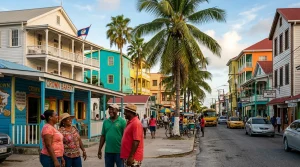
As one of the few countries in Central America, Belize has a unique approach to its criminal justice system, particularly regarding the death penalty. Many visitors and potential residents often wonder if this severe punishment is still in practice, especially in a nation celebrated for its vibrant culture and stunning natural beauty. Understanding the nuances of Belize’s legal framework not only informs discussions about justice and human rights but also impacts how we view the country’s societal values. Delve deeper into this topic to uncover the current status of the death penalty in Belize and its implications for the local community and visitors alike. As you explore, you’ll gain valuable insights into the intersection of law, culture, and human rights in this captivating destination.
Does Belize Have the Death Penalty? Understanding the Criminal Justice System
Belize stands at a crossroads when it comes to the death penalty, embodying a complex intersection of tradition, law, and sociocultural values. As the last British colony on the American mainland, Belize has inherited a colonial legal framework that includes provisions for capital punishment. However, the reality of implementing the death penalty in Belize has evolved significantly over the years, often influenced by international human rights standards and public sentiment.
Currently, while the death penalty remains a part of the legal code, its application is minimal. The last execution in Belize occurred in 1985, and since then, numerous legal and procedural hurdles have been placed in the way of carrying out capital punishment. In recent years, courts have increasingly focused on issues surrounding fair trials and adequate legal representation, which complicates capital cases and halts executions. This hesitation reflects a broader societal shift, where there is increasing awareness and advocacy regarding human rights.
Public opinion on the death penalty is divided. Some segments of the population advocate for its reinstatement as a necessary measure against rising crime rates, citing concerns over safety and justice. Conversely, many citizens advocate for its abolition, emphasizing the potential for wrongful convictions and the value of rehabilitation over retribution. This ongoing debate is further compounded by international pressure from human rights organizations, which challenges the morality and effectiveness of the death penalty in achieving long-term crime reduction.
In navigating the complexities surrounding the death penalty, Belize finds itself in a period of reflection and potential reform. The legal landscape is ever-changing, shaped by both domestic and international voices. Understanding this intricate backdrop is essential, not just for legal professionals and activists, but for anyone interested in the evolving nature of justice in this vibrant Central American nation.
Overview of the Death Penalty in Belize
Belize’s approach to capital punishment is a fascinating intersection of historical legacy, legal frameworks, and cultural evolution. Although the death penalty formally exists in Belizean law, its practical application has waned significantly over the decades. The last execution took place in 1985, marking a pivotal moment in the country’s legal history. Since then, various legal, procedural, and societal factors have impeded the enforcement of capital punishment, prompting a broader national conversation around justice, safety, and human rights.
The legal landscape of Belize surrounding the death penalty is complex. While it is still technically sanctioned, the reality is that the government has not executed anyone for many years. Multiple factors contribute to this stagnation, including stringent requirements for legal representation, procedural safeguards, and the growing influence of international human rights standards that advocate for the abolition of capital punishment. The courts increasingly prioritize fair trials, leading to an environment where death sentences can be overturned or indefinitely delayed. This cautious legal approach reflects a growing societal awareness and advocacy for humane treatment and the protection of civil liberties.
Citizens of Belize hold a diverse range of opinions regarding the death penalty. Many believe that reinstating capital punishment is essential to combat rising crime rates, viewing it as a tool for deterrence and justice. Conversely, a substantial faction opposes it, emphasizing the risks of wrongful convictions and arguing for rehabilitative justice instead of retributive measures. This contentious dialogue is further complicated by external pressures from human rights organizations, which challenge the effectiveness of the death penalty in fostering true safety and justice.
In navigating this complex issue, Belize stands at a crossroads of tradition and reform, embodying a dynamic spectrum of beliefs and values. As discussions regarding the death penalty continue to evolve, the country must balance the call for justice with the imperatives of human rights and the potential for reform in its criminal justice system. Understanding this multifaceted landscape offers valuable insights into the ongoing transformation and the future of justice in Belize.
Historical Context of Capital Punishment
Throughout its history, Belize’s legal framework surrounding capital punishment has been shaped by a rich tapestry of colonial influences, societal evolution, and legal reforms. The death penalty was inherited from British colonial rule, embedding itself deeply within the legal system of this small yet vibrant Caribbean nation. From its early days, executions were relatively common, often viewed as a deterrent against heinous crimes, particularly in a developing society grappling with issues of crime and violence.
The most significant turning point came in the mid-20th century, when a growing awareness of human rights began to shadow traditional justice practices. The last execution in Belize occurred in 1985, leading to a gradual shift in public and governmental attitudes toward capital punishment. The move away from active enforcement can be traced back to several key developments, including the endorsement of international human rights conventions, which increasingly emphasized the sanctity of life and the need for humane treatment. This period marked the beginning of Belize’s broader engagement with pressing ethical questions about justice, retribution, and the moral implications of state-sanctioned killing.
As Belize evolved into an independent nation in 1981, discussions surrounding the death penalty were reframed within the context of national identity and ethics. The conversation slowly transitioned from straight punitive responses to a more nuanced exploration of justice, leading to the recognition of systemic issues like wrongful convictions and the potential for rehabilitation. Each successive government faced the challenge of aligning its legislation with both historical precedents and contemporary human rights standards. While the legal codification of the death penalty still exists, its practical application has been hindered by procedural complexities and a growing societal push for justice reform.
This historical backdrop underscores a pivotal crossroads for Belize, navigating the delicate balance between tradition and progress. As debates about the death penalty continue, citizens grapple with the dual demands for public safety and moral responsibility, reflecting a nation still defining its values in the face of evolving global standards on human rights and justice. The ongoing dialogue around capital punishment in Belize serves as a mirror, revealing deeper societal values and the country’s aspirations for a just and equitable legal system.
Current State of the Death Penalty Law
The landscape of capital punishment in Belize is characterized by a complex interplay of legal, social, and ethical dimensions, reflecting both historic and contemporary influences on its judicial processes. While the death penalty is still enshrined in law, its practical application has dimmed significantly since the last execution took place in 1985. This lapse marks a notable shift in Belize’s approach towards capital punishment, leaning more towards a stance that favors rehabilitation and restorative justice over retribution.
The legal framework governing the death penalty in Belize remains on the books, posited within the Criminal Code. However, ongoing debates regarding its relevance have led to an effective moratorium. In practice, while judges retain the authority to impose the death penalty for serious crimes such as murder, actual executions are virtually nonexistent. Legal complexities and the evolving attitudes of both the judiciary and the public have constrained the implementation of capital punishment, shifting the focus towards life imprisonment as a viable alternative.
Furthermore, a key element in the current state of the law involves the rigorous appeal processes and the potential for lengthy delays in court proceedings. Defense lawyers have increasingly raised concerns about the fairness and reliability of capital trials, emphasizing the risk of wrongful convictions. This growing awareness among legal practitioners, complemented by pressure from human rights organizations, has fostered a more cautious approach in sentencing, often favoring life sentences over the death penalty.
As Belize navigates this pivotal moment in its legal evolution, the ongoing conversations surrounding the death penalty serve not only to highlight significant acts of justice but also reflect deeper societal values and the demand for a more humane and equitable judicial system. The tension between maintaining traditional legal practices and embracing progressive reforms encapsulates the essence of Belize’s journey toward establishing a justice framework that resonates with contemporary human rights standards.
Key Considerations in Sentencing
In Belize, the sentencing landscape, particularly concerning capital punishment, is shaped by various legal, societal, and ethical factors that intertwine history and contemporary issues. Judges in the country maintain the discretion to impose the death penalty for the most grave offenses, prominently murder, but the realization of this penalty is significantly limited. This situation is due in part to the rigorous legal frameworks surrounding capital cases, which include extensive appeal processes. These complexities serve not only as safeguards against potential miscarriages of justice but also create a substantial burden on the judicial system, resulting in delays that often extend for years.
Chief among the considerations in sentencing is the issue of fairness. There is growing recognition among legal representatives and the public that capital trials may not adequately uphold standards of equity and righteousness. Concerns about wrongful convictions are paramount; this awareness has led many defense attorneys to advocate fervently for life imprisonment as a more humane and permissible alternative. As local and international human rights organizations exert pressure, the focus increasingly shifts toward rehabilitation and restorative justice. This evolution reflects a broader societal shift where the emphasis is laid on healing rather than retribution, promoting the notion that the criminal justice system should prioritize the reformation of offenders rather than solely punishing them.
Moreover, public sentiment plays a critical role in shaping the judicial landscape. While some segments of the population still support capital punishment, there is a notable trend towards advocating for life sentences in place of the death penalty. This shift in perspective could be attributed to a heightened awareness of human rights issues and a growing belief in the potential for change and redemption in individuals, even those who have committed serious crimes. Consequently, sentencing in Belize is not merely a legal procedure; it intertwines with evolving moral and ethical standards, reflecting a society in search of a balanced approach to justice that encompasses mercy, accountability, and the possibility of rehabilitation.
As Belize continues to navigate these pivotal discussions, the sentencing practices related to the death penalty will likely evolve in response to both judicial scrutiny and public opinion, ensuring that the justice system resonates with the evolving values of its citizens.
Comparison with Other Central American Countries
The landscape of capital punishment across Central America presents a complex tapestry of legal frameworks and public sentiment. In Belize, the death penalty exists but is rarely implemented, reflecting a model that emphasizes comprehensive legal processes and appeals to protect against wrongful convictions. This cautious approach contrasts with other Central American nations where the application of the death penalty is either more frequent or completely abolished, providing rich grounds for comparison.
In countries like Guatemala and Honduras, the death penalty remains legal and is sometimes viewed as a tool in the fight against crime. Executions in these nations have been reported more regularly, especially amid rising concerns over gang violence and organized crime. The judicial system in these countries faces significant challenges, including allegations of corruption and ineffective legal representation, which can compromise fair trials. In stark contrast, Belize’s legal safeguards emphasize the importance of due process, resulting in a capital punishment framework that prioritizes justice over expediency.
Another interesting comparison can be made with Costa Rica, which abolished the death penalty in 1877 and has since taken a firm stance against it. This country advocates for rehabilitation over retribution, viewing capital punishment as an outdated and ineffective means of ensuring safety. Costa Rica’s approach highlights a broader regional debate on the role of the death penalty in contemporary society, with Belize caught in a middle ground where the potential for horror exists but practical application remains minimal.
Ultimately, Belize’s unique geographical and cultural position influences its criminal justice system’s stance on the death penalty. While it grapples with the complexities of public safety and human rights-often with limited resources-the ongoing dialogue mirrors a larger shift happening across the region, where opinions evolve in response to societal pressures and a growing recognition of human rights. This context provides a nuanced understanding of how Belize’s practices fit within the broader Central American backdrop, presenting a society that seeks to forge a path that balances justice and compassion in an ever-changing landscape.
Public Opinion on the Death Penalty
The topic of capital punishment in Belize stirs a myriad of opinions, reflecting a diverse tapestry of beliefs shaped by historical, cultural, and social factors. While the death penalty remains codified in law, its infrequent application speaks volumes about the community’s ambivalence towards this contentious issue. Many Belizeans express a strong moral stance against capital punishment, often viewing it as an outdated practice that conflicts with modern human rights principles.
Public dialogues surrounding the death penalty often highlight concerns about its effectiveness as a deterrent against crime. Critics argue that rather than lowering crime rates, the death penalty can perpetuate a cycle of violence and retribution. A significant portion of the populace advocates for alternative approaches to justice, emphasizing rehabilitation over punishment. This perspective resonates particularly well within Belize’s multicultural framework, where many communities prioritize restorative justice, believing that transformation through rehabilitation can yield more fruitful results than retribution.
In contrast, there are also voices within Belizean society that support the death penalty, particularly in response to rising crime and violence. These individuals often view capital punishment as a necessary tool to combat severe offenses and restore public security. Such opinions tend to intensify in the wake of high-profile cases or violent incidents, prompting calls for harsher penalties to deter would-be offenders. This polarization in public sentiment reflects broader trends observed in Latin American countries, where debates over the death penalty often intertwine with issues of crime, safety, and human rights.
Ultimately, the ongoing discourse around the death penalty in Belize reveals a society grappling with complex questions of morality, justice, and public safety. As residents engage with these critical issues, they are navigating the delicate balance between upholding human rights and addressing the legitimate demands for security and justice in their communities. This evolving dialogue demonstrates Belize’s dynamic social fabric, one that is rich in heritage and determined to carve a path forward that honors both justice and humanity.
Human Rights Perspectives on Capital Punishment
In Belize, the debate surrounding capital punishment is richly intertwined with human rights considerations, reflecting not only the country’s legal framework but also its societal values. As many nations worldwide move toward abolition or moratorium on the death penalty, Belize’s legal stance remains a contentious topic. The death penalty is codified in law, yet its application is exceedingly rare, which raises essential questions about its moral implications and efficacy within the justice system.
Belizean society exhibits a broad spectrum of views on human rights that largely inform public attitudes toward capital punishment. On one hand, advocates for human rights emphasize the sanctity of life and argue that the death penalty undermines the very fabric of human dignity. This perspective harmonizes with global human rights movements that champion the abolition of capital punishment, suggesting that its existence perpetuates violence rather than deterring it. Groups such as Amnesty International and various local NGOs work tirelessly to inform the public about the potential for wrongful convictions and the inequities in sentencing that disproportionately affect marginalized communities.
Conversely, there exists a notable segment of the population that perceives the death penalty as a necessary component of the justice system, particularly in response to rising crime rates and public safety concerns. Proponents argue that capital punishment serves as a powerful deterrent against heinous acts such as murder, advocating for its role in maintaining societal order. This dichotomy of perceptions creates a complex discourse where human rights principles often clash with immediate societal needs for security and justice.
While navigating these complexities, Belizean policymakers and advocates must engage in dialogue that promotes not only public safety but also aligns with international human rights standards. As public opinion continues to evolve, it is vital for all stakeholders to consider the long-term implications of capital punishment on both individuals and society as a whole. The ongoing conversations surrounding human rights and the death penalty in Belize are emblematic of the nation’s efforts to balance the principles of justice, dignity, and safety for all its citizens.
Impact on Crime Rates and Justice
The conversation around capital punishment in Belize is deeply intertwined with issues of crime rates and perceptions of justice, revealing a complex cultural and social tapestry. Many Belizeans grapple with the staggering reality of violent crime, often calling for stringent measures. Some believe the death penalty could serve as a deterrent, particularly in preventing the horrifying violence that has gripped certain communities. Despite the death penalty being on the books, the actual execution of this sentence remains rare, stirring a robust debate about its effectiveness in curbing crime.
Interesting to note is that studies in various jurisdictions suggest that the mere presence of the death penalty does not significantly affect murder rates, a perspective echoed by criminal justice experts. Instead, factors such as socioeconomic conditions, law enforcement efficacy, and community support systems play a substantial role in shaping crime dynamics. For Belize, this means addressing root issues such as poverty, education, and unemployment may be more critical than enacting capital punishment. An emphasis on comprehensive crime prevention strategies, which blend community engagement and effective policing, could yield better outcomes in crime reduction compared to reliance on capital punishment.
Moreover, there is a growing sentiment within Belize that focuses on restorative justice rather than retribution. This approach emphasizes healing for victims, accountability for offenders, and the restoration of community harmony, presenting an alternative perspective on crime and punishment. As the nation grapples with its justice policies, the impact of these discussions resonates widely, aligning closely with the evolving views of human rights and ethical considerations in the enforcement of law. The choices made today will likely influence not only crime rates but the societal fabric of Belize for generations to come.
In navigating these complex dynamics, Belizeans are encouraged to engage in informed discussions that consider both immediate security concerns and long-term justice strategies. By fostering dialogue around alternatives to the death penalty and focusing on sustainable social improvements, Belize can strive to strike a balance between maintaining public safety and upholding the principles of human rights and dignity.
Alternatives to the Death Penalty in Belize
In the vibrant cultural backdrop of Belize, where Mayan ruins share the landscape with lush jungles and sparkling Caribbean waters, discussions surrounding justice and punishment take on unique dimensions. While capital punishment remains a deeply contentious issue, many Belizeans are advocating for alternatives that embrace rehabilitation, restorative justice, and stronger community ties as means to address crime and enhance public safety.
One popular alternative is restorative justice, a concept rooted in the belief that healing can occur through open dialogue between victims, offenders, and community members. This approach fosters reconciliation rather than retribution, focusing on the impact of crime on victims and the community. Programs that encourage mediation and foster understanding have shown promise in Belize, providing a platform for offenders to take responsibility for their actions, thereby facilitating healing for everyone involved.
Another effective strategy is enhancing community policing. By building stronger relationships between law enforcement and local communities, police can gain valuable insights into the dynamics of crime and public safety. Engaging community members in crime prevention initiatives fosters mutual trust and cooperation, leading to a heightened sense of security. Neighborhood watch programs, youth engagement in policing, and community forums are just a few examples of how collaboration can transform public safety perceptions.
The role of educational programs also cannot be understated. Addressing the root causes of crime through education and job training can help break the cycle of poverty and violence that plagues some communities. Initiatives aimed at providing skills and educational opportunities for at-risk youth are crucial. By equipping individuals with the tools they need to succeed, Belize can foster a safer environment and reduce the likelihood of criminal behavior.
Furthermore, investing in mental health services is vital in creating a more just society. Many individuals engaging in criminal behavior may be grappling with underlying psychological issues. Providing access to mental health resources can not only help in rehabilitation but also promote overall community well-being. Strategies such as counselling, support groups, and mental health education campaigns can nurture a culture of support rather than punishment.
Consolidating these approaches presents a multi-faceted strategy for reducing crime and fostering a sense of justice in Belize, ultimately creating a society that values human dignity and rehabilitation over retribution. As Belize continues to navigate the complexities of its criminal justice system, embracing these alternatives could shape a future where justice aligns more closely with the ideals of humanity and community cohesion.
The Role of the Judiciary in Capital Cases
In a nation where the turquoise waters of the Caribbean meet the rich historical tapestry of the Maya civilization, takes on a nuanced significance, reflecting both the legal framework and the cultural context of Belize. The judiciary serves as the guardian of justice, tasked with interpreting and applying the law concerning capital punishment. This responsibility is critical, particularly in a society that continues to grapple with the moral implications of the death penalty amid evolving public sentiments and global human rights standards.
The judiciary in Belize operates under the Westminster system, where judges are expected to maintain independence from governmental influence and act impartially. In capital cases, this independence is paramount, as judges not only adjudicate whether the death penalty is warranted but also ensure due process is upheld for the accused. In practice, this involves a thorough examination of the evidence, the provision of competent legal counsel, and adherence to both local laws and international human rights treaties. The judiciary’s role extends beyond mere legal application; it also involves the ethical considerations surrounding each case, challenging judges to balance the demands of justice with the principles of humanity.
As discussions of capital punishment evolve, the Belizean judiciary faces the challenge of addressing not only the legal aspects of sentencing but also public opinion and societal values. For instance, the community’s perspective can influence how cases are approached, reflecting broader societal fears, expectations, and the push for reform. Judges must navigate these waters carefully, often engaging with legal precedents and evolving interpretations of law that may reflect shifts in societal attitudes toward crime and punishment.
Moreover, the judiciary plays a vital role in educating the public about the legal processes surrounding capital cases and the implications of the death penalty. Transparency in the judicial process is crucial for fostering trust and understanding within the community. By ensuring open proceedings and clear communication about the legal ramifications of capital punishment, the judiciary can help demystify the system and promote informed public discourse on such a contentious issue.
Ultimately, the judiciary in Belize does not act in isolation; it is intertwined with the social fabric of the nation. As Belize continues to explore the implications of capital punishment, the judiciary’s role in adjudicating these critical cases will remain a fundamental aspect of shaping the future of justice in this diverse and vibrant country.
Q&A
Q: Does Belize currently implement the death penalty?
A: Belize has not executed anyone since 1983 and has effectively suspended the death penalty since 2008 due to legal challenges. Although capital punishment remains on the books, its practical application is currently nonexistent.
Q: What is the legal framework regarding capital punishment in Belize?
A: Capital punishment in Belize is governed by the Criminal Code, which outlines the circumstances under which the death penalty can be imposed. However, ongoing human rights debates and court rulings have significantly limited its use.
Q: What alternatives to the death penalty exist in Belize’s criminal justice system?
A: Alternatives to the death penalty in Belize include life imprisonment and various types of sentences that aim for rehabilitation rather than retribution. These options reflect a broader shift toward humane treatment within the justice system.
Q: How does Belize’s stance on the death penalty compare to other Central American countries?
A: Belize’s approach to the death penalty is more progressive compared to some Central American nations that still actively execute. Countries like Guatemala and Honduras have also abolished or suspended capital punishment, reflecting regional trends toward human rights reforms.
Q: What are the public opinions on the death penalty in Belize?
A: Public opinion on the death penalty in Belize is divided. Surveys indicate a significant portion of the population supports retaining the death penalty, citing its deterrent effect on crime, while others call for abolition, emphasizing human rights.
Q: How does the judiciary in Belize handle capital cases?
A: The judiciary in Belize is sensitive to international human rights standards when handling capital cases. Judicial decisions often reflect the need for due process, and cases are subjected to strict scrutiny regarding legal representation and evidentiary standards.
Q: What role do human rights organizations play in the death penalty debate in Belize?
A: Human rights organizations actively advocate against the death penalty in Belize, highlighting issues of wrongful convictions and the inhumane nature of capital punishment. Their efforts contribute to legal challenges and public awareness campaigns.
Q: When was the last execution carried out in Belize?
A: The last execution in Belize occurred in 1983. Since then, the country has seen a de facto moratorium on capital punishment, mainly due to ongoing legal disputes and the evolving discourse surrounding human rights.
Key Takeaways
As we’ve explored, the death penalty in Belize is a complex and evolving issue within its criminal justice system. With insights into the implications of this policy on society, it’s essential to stay informed about its potential future, as well as the broader discussions surrounding human rights in the region. For those considering a trip to Belize, dive deeper into the culture and contribute to your understanding of its unique historical context through travel. Discover more about Belize’s vibrant landscapes, from the stunning Great Blue Hole to its rich Maya heritage, by checking out our guide on top places to visit [[3]] and resources on local cuisine and festivals [[2]].
Stay connected with us for the latest updates and insights on Belize. Sign up for our newsletter for expert tips on travel logistics, accommodation options, and the best local experiences, ensuring you make the most of your adventure. Don’t hesitate to explore our other articles-whether you’re seeking practical travel advice or cultural insights, let us guide you to an unforgettable experience in this beautiful Central American gem!
Get our latest guides, news, and insights highlighted in your Google Search & AI Overviews.