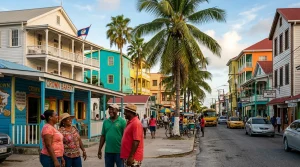
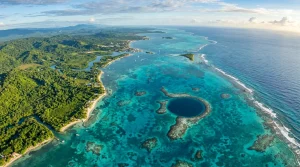
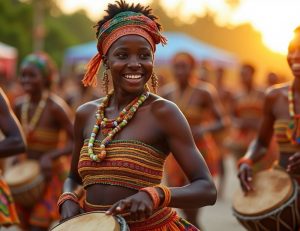
As you plan your journey to Belize, understanding the local language landscape is crucial for navigating this vibrant nation. While Spanish is commonly spoken, Belize is a melting pot of cultures where English, Creole, and various Mayan languages also thrive. This linguistic diversity not only enriches the travel experience but also deepens connections with the local communities. Are you curious about how language use varies from the bustling streets of Belize City to the tranquil shores of the cayes? Discovering the nuances of communication in Belize will enhance your adventure, whether you’re seeking authentic culinary experiences, exploring ancient ruins, or mingling with friendly locals. Join us as we break down the different languages spoken in this enchanting destination, ensuring you’re well-prepared to immerse yourself in the rich tapestry of Belizean life.
Does Belize Speak Spanish? Language Breakdown by Region
In the vibrant melting pot that is Belize, Spanish plays a significant role alongside English and Kriol, contributing to the country’s rich cultural tapestry. As travelers wander through bustling markets or listen to the rhythm of local music, they will easily encounter Spanish spoken by many Belizeans. Approximately 40% of the population is fluent in Spanish, a testament to the language’s importance due to the country’s geographical proximity to Latin America and the influence of migration patterns over the years.
Regionally, the use of Spanish can vary significantly. In urban areas such as Belize City, Spanish is commonly spoken, often interwoven with English and Kriol, reflecting the daily linguistic exchange among the diverse groups residing there. In contrast, rural districts, particularly those near the borders with Guatemala and Mexico, may have a higher concentration of Spanish speakers, as communities often blend both languages with indigenous tongues. This blend creates a unique linguistic environment where locals might switch fluidly between languages depending on their audience.
Many native Belizeans are multilingual, allowing for a rich dialogue that supports both cultural connections and tourism. Visitors will find that speaking even a few phrases in Spanish can enhance their interactions, whether they are bargaining in a market or asking a local for directions. In exploring areas such as San Ignacio or Punta Gorda, one can experience the vibrant influence of both Spanish and indigenous languages, as well as the warm hospitality of locals eager to share their stories.
Understanding this linguistic landscape not only enriches the travel experience but also highlights the need for a traveler to be open and adaptable. The exchange of languages in Belize is a celebration of its cultural diversity, making it an exciting destination for those eager to immerse themselves in its unique heritage. For tourists, a little effort in communicating in Spanish can lead to meaningful interactions and a deeper appreciation of the local way of life.
Understanding the Official Languages of Belize
The linguistic landscape of Belize is as diverse and colorful as its stunning natural environment, offering a rich tapestry of languages that reflect the nation’s unique cultural heritage. Officially, Belize recognizes two primary languages: English, the official language and societal lingua franca, and Spanish, influenced by the country’s geographical and historical context. As travelers explore urban and rural settings, they will notice how these languages coexist, with English predominating in formal institutions and governance and Spanish resonating vibrantly in daily life, particularly among the population of about 40% who speak it fluently.
In urban areas like Belize City, visitors may overhear lively conversations blending English and Spanish with Kriol, a Creole language derived primarily from English and African languages. This trilingual interaction adds a dynamic rhythm to personal exchanges, infusing local culture with a vibrant energy. Meanwhile, as you venture into rural regions-especially close to the borders with Guatemala and Mexico-Spanish becomes more prominent. Here, languages often intertwine with indigenous tongues such as Garifuna and Maya dialects, showcasing the region’s historical influences and migration patterns.
Travelers will find that local multilingualism not only bridges cultural divides but also enhances their experience in Belize. Engaging with the community through simple Spanish phrases can unlock deeper connections with locals, whether you’re haggling for fresh produce at a market or seeking directions to hidden beaches or ancient ruins. For those keen on cultural immersion, learning a few basic terms can prove invaluable. This exchange fosters a welcoming atmosphere, enriching the travel experience and allowing for the discovery of Belize’s treasure trove of stories, traditions, and culinary delights.
Belize’s commitment to linguistic diversity stands as a testament to its multicultural identity. Understanding the prevalence of English and Spanish, along with the presence of Kriol and indigenous languages, not only prepares travelers for authentic exchanges but also instills a sense of appreciation for the country’s rich heritage. Whether you’re indulging in the histories behind the ancient Mayan ruins or enjoying the vibrancy of local festivals, the ability to communicate in multiple languages adds another layer of appreciation for the beauty and ethos of Belize.
The Historical Influence of Spanish in Belize
The vibrant culture of Belize is steeped in layers of historical influences, with Spanish playing a significant role in shaping the nation’s linguistic landscape. Initially, Spanish was the primary language of the indigenous Mayans, and with the arrival of Spanish explorers in the 16th century, it became entwined with the local dialects. Despite its gradual decline following British colonization in the late 18th century, Spanish never truly disappeared. It evolved alongside the development of Kriol and the other languages spoken in Belize today.
Throughout the centuries, Belize’s geographical positioning-bordering Mexico and Guatemala-has fostered a cultural and linguistic mosaic that is uniquely its own. The roughly 40% of the population who speak Spanish today often do so in familial or community settings, particularly in areas adjacent to the borders. This close proximity has led to significant Spanish influence in everyday Belizean life, from food and music to traditions and festivals. Spanish-speaking communities actively celebrate their heritage, enriching the country’s cultural tapestry while providing a glimpse into a bilingual national identity.
Moreover, the impact of Spanish extends beyond just communication; it influences social interaction and connectivity among diverse groups. Visitors traveling through bustling markets or quaint towns in rural Belize will find that Spanish is not merely a language but a bridge that connects cultures. As travelers engage with locals, they’ll likely discover that a willingness to use simple Spanish phrases can lead to authentic connections, whether savoring street food or seeking intimate stories of history from the residents.
In a land characterized by its beautiful coastlines, ancient ruins, and thick jungles, understanding this historical context allows travelers to appreciate the richness of Belizean culture. Even as English maintains its status as the official language, Spanish pulses through the fabric of local life, inviting all who visit to dive deeper into its community stories, culinary delights, and festive celebrations. Embracing this multilingual environment not only enhances the travel experience but also enriches the understanding of Belize’s identity as a diverse and welcoming nation.
Regional Language Variations: Spanish and Beyond
Belize is a land where languages dance and cultures intertwine, creating a vibrant multicultural tapestry. While around 40% of the population speaks Spanish, the linguistic landscape is much richer, reflecting the country’s diverse heritage and geographical ties. Regions close to the Mexican and Guatemalan borders, such as Corozal and Orange Walk, showcase a higher percentage of Spanish speakers. Here, one can hear a mix of traditional Spanish, local dialects, and even Spanglish, where English and Spanish blend seamlessly. The intermingling of languages enhances the daily life and social interactions of the residents, making it a crucial aspect of local culture.
In the coastal regions, while English remains the official language, Spanish still plays a significant role in community interactions and tourism. You might find that many local tour guides and shopkeepers speak Spanish fluently, often mixing it with Kriol or other local languages. This linguistic versatility not only facilitates communication but also builds stronger connections between residents and visitors. As you stroll through the colorful markets of San Pedro or enjoy fresh ceviche in Placencia, embracing a few Spanish phrases can open doors to deeper conversations and cultural exchanges-truly enriching your travel experience.
Visitors venturing into the jungles of Belize, such as those exploring the ancient ruins of Xunantunich or Cahal Pech, will encounter a fascinating interplay of languages. In these areas, Spanish mingles with various indigenous languages, including Maya dialects like Ketchi and Mopan, further illustrating the country’s rich cultural heritage. Many local guides, particularly those of Maya descent, incorporate elements of their native language into their storytelling, inviting tourists into the enchanting history of their ancestors. Engaging with these languages during your travels not only enhances your adventure but also honors the diverse voices that shape Belize.
The welcoming nature of Belize’s people is matched by their linguistic variety. As a traveler, taking the time to learn the basics of Spanish or even a few Kriol phrases can significantly enhance your interactions and show respect for the local culture. Whether you’re ordering food, bargaining at a market, or making small talk with friendly locals, linguistic curiosity may lead to unforgettable experiences and personal connections, illustrating the beauty of Belize as a truly multicultural destination filled with warmth and community spirit.
Exploring Creole and Indigenous Languages
Belize is a linguistic treasure trove where Creole and indigenous languages thrive alongside Spanish and English, creating a rich cultural tapestry that is both fascinating and welcoming to travelers. The vibrant Kriol language, a blend of English, African languages, and Caribbean influences, is widely spoken throughout the country. It serves as a bridge between communities, infusing music, stories, and daily interactions with a unique rhythm that reflects the soul of Belize. For visitors, understanding a few key phrases in Kriol can enhance interactions and create bonds, making conversations at local markets or during cultural activities even more engaging.
In addition to Kriol, indigenous languages such as Garifuna, Maya dialects (including Ketchi and Mopan), and others enrich the linguistic landscape of Belize. The Garifuna people, descendants of African, Carib, and Arawak origins, speak a language filled with intricate sounds and phrases that convey deep cultural meanings. Travelers venturing toward the coastal areas can immerse themselves in Garifuna music and dance, offering a glimpse into the traditions that keep this rich history alive. Similarly, engaging with the Maya communities by learning a few words in Ketchi or Mopan can enhance your experience at ancient sites like Xunantunich and Lamanai, where stories of the past are narrated through the voices of the descendants.
In bustling cities and remote towns alike, the coexistence of these languages highlights Belize’s commitment to preserving cultural heritage. Much of the local identity is intricately tied to these languages, fostering a sense of pride among the speakers. For those looking to explore the linguistic nuances, visiting communities during local festivals can be an enlightening experience. These events often showcase traditional music, dance, and storytelling, providing a rich context for understanding the cultural significance of each language.
As you navigate this linguistic mosaic, consider joining community workshops or cultural classes that teach local languages. Such experiences not only enhance your understanding of Belize’s diverse heritage but also create meaningful connections with the locals, who often welcome any effort to learn their language. Embracing this linguistic diversity allows for a deeper appreciation of Belize’s multifaceted identity and a truly memorable travel experience.
The Role of English in Belizean Culture
In Belize, English serves as the official language and is an essential thread woven into the nation’s cultural fabric. The language’s prominence can be traced back to the colonial era, when Belize, formerly known as British Honduras, was part of the British Empire. Today, English is the medium of instruction in schools, the language of government, and the primary means of communication in business settings. This widespread use fosters a unique linguistic environment where English blends with local dialects, particularly Kriol, enriching daily conversations.
For travelers, the fact that English is the dominant language allows for ease of navigation and communication throughout the country. Whether you’re exploring the ancient Maya ruins of Xunantunich, chatting with friendly locals at a bustling market in Belize City, or enjoying the serene beauty of the Great Blue Hole, you’ll find that understanding and engaging in conversation is straightforward. Moreover, the use of English in various aspects of culture, including music, literature, and media, makes it accessible for visitors looking to immerse themselves in the local vibe.
The role of English extends beyond just communication; it also shapes identities and social dynamics. In urban areas, English is often the language of the upper and middle classes, while Kriol and other languages may dominate in rural settings. Nevertheless, this multilingual landscape fosters unique interactions, as many Belizeans switch between English, Kriol, and Spanish fluidly, showcasing their rich cultural heritage. For those considering an extended stay or relocation, understanding this linguistic diversity will deepen your connection to the local community and enhance your living experience in Belize.
In addition to its practical benefits, the prevalence of English encourages tourism by making information more accessible. Travel guides, signage, and official communications are commonly available in English, allowing visitors to explore Belize’s stunning natural landscapes and vibrant cultural offerings with confidence. As you navigate through the jungles, relax on Caribbean beaches, or participate in lively local festivals, the ease of communication can transform your journey into an unforgettable adventure. Whether you’re a seasoned traveler or a first-time visitor, embracing will undoubtedly enrich your experience.
How Language Affects Tourism in Belize
Exploring a country as vibrant and diverse as Belize offers unique experiences, especially when navigating its linguistic landscape. The prevalence of English ensures that tourists can easily communicate, seek directions, and enjoy local culture without the language barrier that can hinder travel in other destinations. From the bustling markets of Belize City to the serene shores of Ambergris Caye, English is the lingua franca, widely spoken among residents, which allows visitors to engage effortlessly in conversations, ask for recommendations, and learn more about the history and richness of this Central American gem.
The impact of language on tourism goes beyond mere communication; it shapes the very essence of the travel experience. Many local tour guides, for instance, are fluent not just in English but also in Kriol and Spanish, frequently blending these languages in a way that reflects the multicultural fabric of Belize. This multilingual skill allows for deeper connections between tourists and the people they meet, encouraging authentic interactions. Tourists can experience traditional Garifuna drumming, savor Creole cuisine, or explore the ancient Maya ruins, with guides often sharing legends and stories that resonate on a personal level due to their ability to seamlessly switch between languages.
Understanding the local language dynamics also enriches a visitor’s experience of the various cultural festivals. Whether attending the vibrant Carnival or the annual Garifuna Settlement Day, the linguistic diversity enlivens the celebrations, creating an environment where music, dance, and tradition come together harmoniously. As travelers immerse themselves in these colorful events, the ability to engage with locals in their native dialogues enhances their enjoyment and connection to the cultural narratives being celebrated.
For those considering an extended stay, the multilingual nature of Belize not only aids day-to-day interactions but also supports broader integration into the community. Engaging with local dialects and languages like Kriol showcases a genuine interest in the culture, fostering goodwill and opening doors to new friendships. As you traverse this enchanting land, remember that language isn’t just a tool for communication; it’s a bridge to authentic experiences, richer understanding, and lasting memories in Belize.
Language Learning Resources for Travelers
Whether you’re wandering through the lush jungles of Belize or exploring the vibrant streets of its coastal towns, having a grasp of the local languages can significantly enhance your travel experience. While English is the official language and widely spoken across the country, Spanish is also prevalent, reflecting the rich cultural tapestry of Belize. Here are some invaluable resources and tips for travelers eager to engage with the local dialects and immerse themselves in the beauty of Belize’s linguistic diversity.
Start your journey by accessing apps and websites that focus on Spanish and Kriol, the latter being a language derived from English, Spanish, and African languages. Platforms like Duolingo and Rosetta Stone offer engaging lessons aimed at beginners, making language learning an enjoyable part of your travel preparation. Additionally, MosaLingua provides practical phrases that emphasize conversational skills, perfect for casual interactions with locals. For a more culture-rich learning experience, consider taking classes from local language schools or community centers once you arrive, where you’ll not only learn to communicate but also gain insights into local customs and traditions.
Another excellent way to absorb the local vernacular is through everyday interactions. As you navigate markets or restaurants, embrace the opportunity to practice simple phrases-such as “¡Hola!” for hello or “Gracias!” for thank you-encouraging locals to respond and engage. This opens the door to richer conversations and deeper cultural exchanges. Additionally, many Belizeans, particularly those involved in the tourism industry, are accustomed to blending English, Spanish, and Kriol, allowing for a comfortable environment where language barriers dissolve.
To further enhance your linguistic journey, explore Belize’s vibrant media. Listening to local radio stations, watching TV shows, or enjoying music featuring traditional Garifuna rhythms can help familiarize you with the sounds and cadence of the languages spoken. Engaging with cultural events, such as the Carnival or Garifuna Settlement Day, also provides a dynamic context for language practice, as these settings are rich with emotion and local dialects.
In essence, immersing yourself in Belize’s languages is more than just a means of communication-it’s a key to unlocking the full heart and soul of this stunning destination. By leveraging technology, seeking out local instruction, and engaging with communities, you’ll not only navigate the region more comfortably but also create genuine connections that transform your travel experience into a deeply memorable adventure.
Welcoming Multilingualism: A Cultural Asset
In the vibrant tapestry of Belizean culture, multilingualism is like a vibrant thread that weaves together the nation’s rich history and diverse ethnic backgrounds. This Central American gem is not only a beckoning paradise with its pristine beaches, lush jungles, and ancient Maya ruins, but it’s also a place where multiple languages reign and coexist, enhancing its charm and cultural depth. While English serves as the official language, Spanish and Kriol, along with several indigenous tongues, bring a unique vibrancy to everyday interactions, making Belize a linguistic hotspot where communication transcends borders.
Belizean society celebrates this linguistic diversity, fostering an environment where multilingualism is both a necessity and an asset. For many locals, the ability to switch between languages facilitates deeper connections, enriching social and economic exchanges. Tour guides often converse in a mix of English, Spanish, and Kriol, seamlessly catering to international visitors while sharing the cultural and natural wonders of the region. This multicultural dialogue opens doors to understanding Belize’s heritage, from the proud traditions of the Garifuna people to the echoes of Maya civilization, making every encounter potentially profound.
Moreover, the interplay of languages extends into Belize’s tourism sector, where the ability to communicate in multiple tongues enhances the travel experience. Visitors who engage with locals in their native languages often find themselves welcomed with open arms, creating a sense of belonging amidst their explorations. For adventurers seeking authentic experiences, such as diving in the Great Blue Hole or hiking through the rainforest, mastering a few local phrases can transform interactions from transactional to meaningful. Practical phrases like “¿Cómo estás?” or “Noh matta, mi wi goh!” not only break the ice but also forge connections that transcend linguistic barriers.
Embracing this multilingual atmosphere not only enriches personal experiences but also supports the locale’s economic vitality. As global travel continues to evolve, the demand for multilingual guides and service personnel is on the rise. Engaging with the languages of Belize-be it through market conversations, culinary adventures, or guided tours-offers invaluable opportunities for travelers to immerse themselves in the local culture while fostering respect for its linguistic heritage. In Belize, multilingualism is not just a means of communication; it is a celebration of the nation’s multicultural identity, inviting everyone to partake in the extraordinary narrative that is uniquely Belizean.
Practical Language Tips for Visitors to Belize
Unlocking the rich tapestry of language that thrives in Belize can vastly enhance your travel experience. In this vibrant nation where *English* reigns as the official language, diving into local dialects, particularly *Spanish* and *Kriol*, adds depth to your interactions with the warm and welcoming Belizeans.
Familiarizing yourself with essential phrases in both *Spanish* and Kriol is a simple yet effective way to embrace the local culture. Here are some practical phrases to get you started:
- Spanish:
- ¿Cómo estás? (How are you?)
- Gracias (Thank you)
- Por favor (Please)
- ¿Dónde está…? (Where is…?)
- Kriol:
- Noh matta, mi wi goh! (No problem, we will go!)
- Wah gwan? (What’s going on?)
- Tank yuh (Thank you)
- Yu wahn deh? (You want to go there?)
Embrace the multilingual atmosphere by practicing these phrases with locals, particularly in regions like San Pedro and Belize City, where Spanish is frequently spoken. Additionally, consider integrating a few Kriol phrases to foster connections in communities where this rich dialect flourishes. In rural areas or among the Garifuna population, you may encounter a variety of indigenous languages, offering yet another fantastic layer to your deep dive into Belizean culture.
Understanding language nuances isn’t just about communication; it’s also about respect. The Belizean people appreciate when you make an effort to speak their languages. It can lead to more meaningful exchanges, whether you’re on a guided tour of the breathtaking *Great Blue Hole* or indulging in traditional *Gariuna* cuisine at a local eatery. So, as you explore the remarkable landscapes-from sprawling jungles to sandy shores-remember that each effort you make in language opens doors to delightful new experiences and friendships.
Moreover, language enhances your navigation within various sectors of Belizean life. For instance, when bargaining at marketplaces or seeking assistance on public transportation, using a few local terms can elevate you from a mere tourist to an esteemed guest in this charming country. Live your Belizean adventure to the fullest by embracing the multilingual spirit of this stunning destination!
The Impact of Language on Local Identity
In a country as diverse as Belize, language is a powerful vehicle for cultural identity and connection. With English as the official language and Spanish frequently spoken, the multilingual nature of Belize reflects its rich historical tapestry. The interplay of languages fosters a vibrant sense of community and belonging among its people. In particular, the varying dialects and languages spoken across regions, such as Kriol and indigenous languages, encapsulate local histories and traditions, binding communities together through shared communication.
Language serves as a marker of identity for many Belizeans, offering insight into their heritage and social standings. For instance, while English showcases Belize’s colonial legacy, Spanish is emblematic of the influence from neighboring Latin American cultures. Kriol, a lively and expressive Creole language, carries with it the stories of the Garifuna and other ethnic groups, while local dialects provide a sense of ownership and pride. This linguistic diversity is a source of resilience, allowing communities to celebrate their unique identities while also embracing a cosmopolitan outlook.
Travelers can take advantage of this rich linguistic landscape not only to enhance their experience but also to contribute positively to local cultures. Engaging in conversation with locals in their preferred language-be it English, Spanish, or Kriol-creates opportunities for deeper connections and mutual respect. For instance, using a few Kriol phrases can open doors in communities where this dialect thrives, fostering friendships that enhance one’s understanding of Belize’s intricate cultural heritage.
As language continues to evolve and adapt, the impact it has on local identity remains profound. Understanding the significance of language reveals how deeply intertwined it is with the people’s lifestyles, traditions, and collective memory. Whether setting out to explore the stunning reefs or the ancient Maya ruins, remembering that language shapes the landscape of social interaction in Belize will enrich the journey, making it not just a visit but a meaningful cultural exchange.
Celebrating Linguistic Diversity in Belize
In the vibrant tapestry of Belize’s culture, linguistic diversity is celebrated as a vital aspect of national identity and community connection. This small Central American nation is a linguistic melting pot where English serves as the official language, yet a rich array of other languages finds its home amid the jungles and coastal towns. Visitors to Belize will discover that while Spanish is commonly spoken, particularly near the borders and in urban areas, the unique presence of Kriol, Garifuna, and various indigenous languages adds depth to the Belizean experience.
Engaging with locals in their preferred language is not just an opportunity; it’s an invitation to delve deeper into the heart of Belizean life. For example, speaking a few phrases in Kriol or Spanish can forge genuine connections and open doors to heartfelt conversations. Markets, community gatherings, and festivals are ideal settings where language becomes a bridge, allowing travelers to participate meaningfully in local traditions. The Garifuna music and dance, vibrant and rhythmic, are steeped in language that tells the stories of ancestry and culture, inviting visitors to join in celebrations that resonate at the very core of Belizean identity.
Recognizing the role of language goes beyond mere communication; it celebrates the resilience and heritage of Belize’s diverse communities. The multifaceted nature of Belizean languages reflects its storied past-from the influences of colonialism to the natural blending of cultures. This melding creates rich opportunities for intercultural exchange, making language learning a rewarding aspect of any visit. Whether you are exploring the ancient Maya ruins, diving into the Great Blue Hole, or savoring the nuances of Creole cuisine, understanding local languages enhances every experience, allowing travelers to leave with more than just memories but also newfound friendships and cultural insights.
In the quest to appreciate this linguistic diversity, resources abound for eager learners. Local classes, guided tours, and digital platforms offer ways to embrace the language landscape. As you embark on your Belizean adventure, consider picking up resources or engaging with mobile apps designed to teach basic phrases. Ultimately, the richness of Belize’s cultural tapestry is woven through its languages-a powerful reminder that every word carries a story, and every conversation can spark a meaningful connection.
Future Language Trends in Belize
As Belize continues to position itself as an emerging destination in the global tourism landscape, the languages spoken here will evolve alongside cultural and economic changes. With the increasing influx of tourists, especially from Spanish-speaking countries and regions, the prominence of Spanish is poised to grow, enhancing the bilingual nature of daily interactions. Hotels, restaurants, and tour operators are likely to adapt by providing more Spanish-language services, catering not only to tourists but also to a growing number of expatriates and residents.
The ongoing evolution of technology and social media will also play a crucial role in shaping the language trends in Belize. Digital platforms can facilitate language exchange and provide locals with more opportunities to learn Spanish and other languages, fostering multicultural exchanges. With educational resources becoming more accessible through mobile apps and online courses, both locals and visitors are encouraged to enhance their linguistic skills. This facilitates a greater appreciation and understanding of Belize’s rich cultural mosaic, allowing for deeper relationships and productive social interactions.
Moreover, as Belizean society becomes increasingly intertwined with a global context, the influence of English, Spanish, and indigenous languages will contribute to the development of a unique linguistic identity. This identity may emerge from blending local expressions with mainstream global dialects, enriching the conversational tapestry of everyday life in Belize. Festivals, cultural events, and community gatherings will increasingly celebrate this multilingualism, showcasing not only Spanish but also Kriol, Garifuna, and other indigenous languages, reaffirming the country’s commitment to cultural diversity.
As the nation looks to the future, educational institutions may prioritize language training, offering programs that highlight not only Spanish but also local dialects and indigenous languages. This shift will empower future generations, enabling them to engage effectively in a globalized world while maintaining strong ties to their local heritage. Ultimately, the evolving linguistic landscape will be a reflection of Belize’s rich historical context and diverse population, inviting visitors to engage more profoundly with its culture and people.
Frequently Asked Questions
Q: Does Belize have a significant Spanish-speaking population?
A: Yes, Spanish is widely spoken in Belize, particularly among the Mestizo community and in areas near the border with Mexico and Guatemala. Spanish speakers constitute a substantial portion of the population, especially in towns like Corozal and Orange Walk, where cultural ties to Spanish-speaking countries influence local language usage.
Q: What are the primary languages spoken in Belize?
A: The primary languages in Belize are English, Spanish, and Kriol. While English is the official language, Spanish is prevalent, and Kriol, a creole language, is widely used among the local population. Additionally, various indigenous languages are spoken, reflecting Belize’s cultural diversity.
Q: How does regional variation affect language use in Belize?
A: Language use in Belize varies by region. Spanish is more commonly spoken in the north and along border towns, while Kriol dominates in urban areas like Belize City. Indigenous languages are prevalent in areas with significant Maya populations, showcasing the country’s rich linguistic tapestry.
Q: Are there indigenous languages spoken in Belize?
A: Yes, several indigenous languages are spoken in Belize, including Maya languages such as Yucatec, Mopan, and Q’eqchi’. These languages are an integral part of Belize’s cultural identity, particularly in communities with significant indigenous populations.
Q: How does Spanish influence Belizean culture?
A: Spanish influences Belizean culture through its cuisine, music, and festivals. Events like Las Posadas celebrate Spanish traditions, and many Belizean dishes incorporate Spanish elements, reflecting the historical ties between Belize and neighboring Spanish-speaking countries.
Q: Can tourists communicate easily in Spanish in Belize?
A: Yes, tourists can communicate easily in Spanish in many parts of Belize, particularly in larger towns and tourist areas. While English is the official language, Spanish speakers will often be found, providing assistance and enhancing the visitor experience.
Q: What are some practical tips for speaking Spanish in Belize?
A: To effectively communicate in Spanish while visiting Belize, learn basic phrases, such as greetings and common questions. Engaging with local communities and participating in language exchange opportunities can also enrich your experience and foster connections.
Q: How does language shape tourism in Belize?
A: Language plays a crucial role in Belize’s tourism, as multilingualism enhances communication and cultural exchange. Understanding local languages, especially Spanish and Kriol, allows tourists to interact more meaningfully with residents and immerse themselves in the vibrant culture of Belize.
The Conclusion
As you can see, the linguistic landscape of Belize is as diverse as its vibrant culture and stunning natural beauty. Understanding the language breakdown can enhance your travel experience, helping you connect more deeply with the local people and culture. Whether you’re exploring the picturesque beaches, vibrant markets, or ancient Maya ruins, knowing which languages are spoken can enrich your interactions.
Don’t forget to dive deeper into our comprehensive Belize travel guide for insights on must-visit destinations like the Great Blue Hole, accommodation options, and practical travel tips tailored for all types of visitors. While planning your adventure, be sure to check out our articles on Belizean cuisine and eco-tourism opportunities to make the most of your journey. Ready to discover the heart of Belize? Explore more and start making memories today!
Get our latest guides, news, and insights highlighted in your Google Search & AI Overviews.