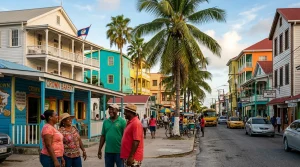
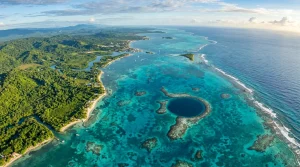
When planning a trip to the sun-soaked paradise of Belize, understanding the local climate and temperature measurements is crucial for maximizing your experience. You might wonder, “Does Belize use Fahrenheit?” This guide dives into the specifics of Belize’s temperature scale, providing insights into how weather influences your travel plans, from beach days on the Caribbean coast to exploring the lush jungles. Familiarizing yourself with how temperatures are reported will not only assist in packing appropriately but will also enhance your overall enjoyment of this vibrant country. Join us as we unravel the temperature trends that shape Belize’s tropical allure and discover how to make the most of your stay.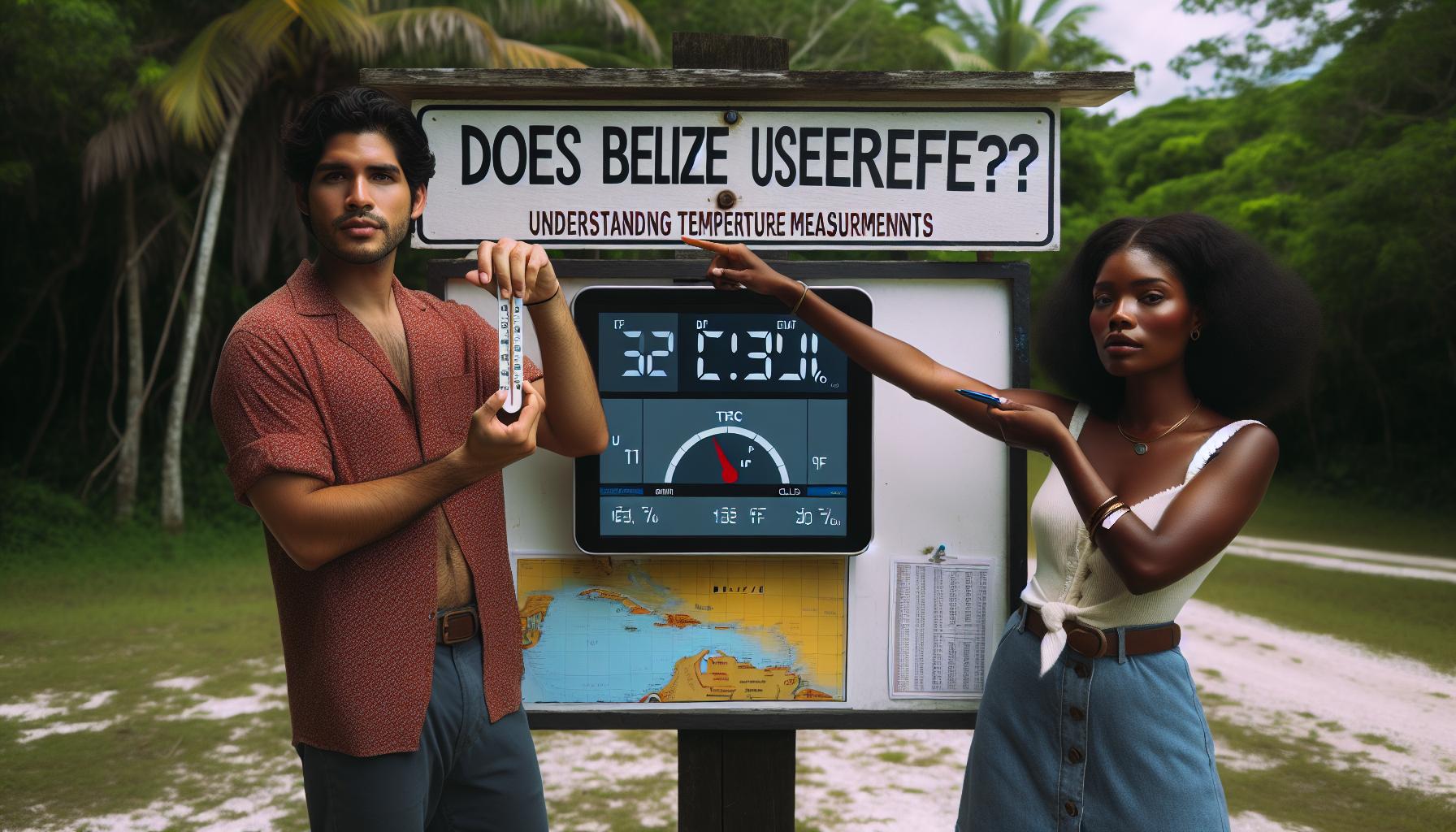
Does Belize Use Fahrenheit? Understanding Temperature Measurements
In Belize, temperatures are commonly reported in degrees Fahrenheit, aligning with the practices of the United States, which is a significant influence in the region. This is especially relevant for travelers from the U.S., as you’ll find local weather forecasts and climate discussions primarily using this measurement. Understanding how the Fahrenheit scale operates can enhance your travel experience, helping you better plan your daily activities without confusion over temperature conversions.
Fahrenheit places a greater emphasis on temperatures that we typically experience in comfortable outdoor settings. For instance, a pleasant day in Belize might average around 80°F (approximately 27°C), perfect for relaxing on the beach or exploring ancient Maya ruins. However, knowing that local temperatures can soar into the 90s (32°C+) during the day and drop to the 60s (15°C) at night can help you pack appropriately, decide on your daily excursions, and plan for evening events comfortably.
Travelers should consider that outdoor adventures, whether it’s a diving excursion at the Great Blue Hole or hiking in the lush jungles, will feel significantly warmer under the Belizean sun. Be sure to carry sun protection and stay hydrated. By familiarizing yourself with Fahrenheit prior to your visit, you can enjoy the splendid surroundings without temperature-related surprises.
Belize’s Climate: An Overview of Seasons
Belize enchants with a climate that is as diverse as its stunning landscapes, making it a year-round destination for adventurers and beach lovers alike. With its geographical positioning just above the equator, Belize experiences a tropical climate characterized by two main seasons: the dry and the rainy. Understanding these seasons is crucial for planning the perfect getaway, whether you’re lounging on pristine beaches or exploring ancient Mayan ruins.
Throughout the dry season, from December to April, visitors can revel in bright sunny days and warmer temperatures averaging around 80°F (27°C). This is the ideal time for outdoor adventures, snorkeling in the vibrant reefs of the Caribbean, or trekking through lush jungles. The dry weather invites exploration, from the archaeological wonders of Xunantunich to the captivating wildlife of the Cockscomb Basin Wildlife Sanctuary. Plan your excursions during this time to enjoy the best weather conditions while also taking advantage of local festivals that celebrate Belize’s rich cultural heritage.
As the seasons change and the rainy season arrives from June to November, the landscape transforms. Expect afternoon showers that invigorate the flora and fauna, but also be prepared for higher humidity and a spike in temperatures, often reaching the 90s°F (32°C+). This is also the time to witness the lush green scenery and the vibrant colors of blooming flowers, creating a picturesque backdrop for your travels. While exploring nature trails or lounging by the coast, a light rain can be a refreshing break from the heat, providing a unique opportunity to experience the depth of Belize’s biodiversity.
In summary, appreciating Belize’s climate involves not only understanding seasonal patterns but also embracing the country’s remarkable natural beauty year-round. Regardless of when you visit, you’ll find that Belize is a treasure trove of experiences waiting to be discovered. From sun-soaked beaches where tranquility reigns to adventurous jungle trails, the seasons of Belize offer something special for every type of traveler. Embrace the weather, plan accordingly, and prepare for an unforgettable journey through this Central American gem.
How Weather Affects Travel Plans in Belize
When planning a trip to Belize, understanding how weather impacts your experience is crucial for making the most out of this tropical paradise. The country’s climate, shaped by its diverse geography and seasons, means that daily conditions can vary significantly, influencing everything from what you wear to which activities you choose. The dry season, typically from December to April, is celebrated for its sunny, warm days-perfect for exploring the Great Blue Hole or lounging on the beaches of Ambergris Caye. Travelers often find this to be the best time for outdoor adventures, providing ideal weather for kayaking through the mangroves or hiking to ancient Mayan ruins like Tikal.
As the rainy season approaches from June through November, weather patterns become less predictable. While brief afternoon showers can rejuvenate the landscape and provide much-needed relief from the heat, it’s crucial to prepare accordingly. Opt for activities that can adapt to changing conditions, such as visiting the rainforest or engaging in indoor cultural experiences like cooking classes that showcase Belize’s rich culinary heritage. Additionally, many adventure tours remain operational year-round, but travelers should be prepared for possible delays or changes in schedule due to the weather. Traveling to Belize during this time offers a unique opportunity to witness the country’s lush beauty, but makes packing versatile clothing and waterproof gear essential.
Understanding local microclimates can further enhance travel plans. For instance, the coastal areas tend to be more humid, while the inland regions, such as the Cayo District, can experience cooler evenings, particularly in the jungle. To navigate these variations, it might be beneficial to have layered clothing and quick-drying fabrics. Objects like umbrellas or lightweight ponchos can also serve you well as you explore Belize’s vibrant ecosystems, where you can witness the explosion of colors in the blooming flora during the rainy season.
In summary, making informed choices based on weather forecasts can elevate your travel experience in Belize. It allows for flexibility in planning activities while ensuring that you’re equipped to embrace both the sunny days and occasional rain with enthusiasm. With the right preparation, you can dive into Belize’s stunning natural beauty and rich cultural tapestry, regardless of the season.
Understanding Temperature: Fahrenheit vs. Celsius in Belize
In Belize, the temperature is predominantly measured in Fahrenheit, a system that reflects the country’s historical ties and cultural influences. Visitors from countries utilizing the Celsius scale might initially find it slightly disorienting, especially when planning activities under the warm, sunlit skies of this tropical paradise. So, what does that mean for your Belizean adventure? Understanding this difference can enhance your experience, easing the transition into Belize’s vibrant climate.
The typical temperature in Belize ranges from 70°F (21°C) to 90°F (32°C) year-round, thanks to its geographic position close to the equator. Most days are characterized by warm, sunny weather ideal for exploring the limestone caves in the jungle or snorkeling among the coral reefs at the Great Blue Hole. The national average temperature typically hovers around 80°F (27°C), making it a comfortable destination for both relaxation and adventure. As a practical tip, when checking local weather forecasts, familiarize yourself with Fahrenheit readings-this will help you better plan your excursions and ensure you are adequately dressed for everything from rainforest treks to beachside lounging.
While the temperature predominantly sits in the warmer brackets, understanding seasonal variations is equally important. During the dry season from December to April, the weather is often at its most enjoyable, with lower humidity and easier conditions for travel. Conversely, the rainy season from June to November can bring a welcome cooling effect, with brief but intense showers that help maintain the lush landscapes of Belize. So pack your light clothing for the heat but don’t forget to include a water-resistant jacket for unexpected cloudbursts!
Acclimatizing to Belize’s unique temperature measurements allows travelers to experience the country like locals do. Embrace the opportunity to gauge what those degrees feel like during your adventures-whether it’s the invigorating warmth of a sunny Caribbean beach or the refreshing coolness of the jungle shade. With a little preparation and a spirit of exploration, you’ll find that navigating Belize’s weather can be just as thrilling as the discoveries that await.
Best Time to Visit Belize: A Climate Breakdown
The allure of Belize is undeniable, and knowing the ideal time to visit can transform your trip into an unforgettable experience. With its tropical climate, Belize boasts distinct seasons that cater to different types of travelers, each offering unique opportunities to explore the country’s rich biodiversity and vibrant culture.
The dry season, spanning from December to April, is often hailed as the best time to visit. During this period, travelers can expect warm temperatures averaging around 80°F (27°C) along with lower humidity, creating perfect conditions for outdoor adventures. This is prime time for exploring ancient Maya ruins, such as Xunantunich and Caracol, or diving into the crystal-clear waters of the Great Blue Hole, where the underwater life flourishes. Whether you’re strolling through lush jungles or lounging on sun-kissed beaches, the weather is exceptionally inviting during these months.
As the calendar flips to May, temperatures begin to rise, and the rainy season from June to November takes hold. Although brief, afternoon showers can be refreshing, the humidity levels also spike. This is when the jungles thrive and bloom in vivid tones, attracting eco-tourists and nature enthusiasts eager to witness the spectacle. For those willing to embrace a little rain, this season offers a unique beauty, as waterfalls cascade more dramatically and wildlife becomes easier to spot, with animals venturing to the water sources.
If you’re aiming to avoid crowds and embrace budget-friendly travel, consider the shoulder months of May and November. While these months can still present some rain, visitors enjoy lower prices on accommodations and experiences, along with the chance to interact more authentically with the hospitable locals. Just be sure to keep an eye on weather forecasts and pack accordingly, incorporating both light clothing and a rain jacket into your adventure kit.
Ultimately, the best time to visit Belize hinges on your personal preferences and activities of choice. Whether you’re seeking sun-soaked days on the beach, thrilling jungle expeditions, or cultural immersion at vibrant local festivals, Belize’s diverse climate ensures that every visitor can craft an experience suited just for them.
The Impact of Weather on Belize’s Natural Attractions
Experiencing the natural wonders of Belize is a journey defined not only by breathtaking landscapes but also by the ever-changing weather that shapes the country’s rich biodiversity. From the lush jungles teeming with wildlife to the crystalline waters of the Caribbean, Belize’s natural attractions are profoundly influenced by seasonal weather patterns. Understanding how weather impacts these sites can elevate your visit, ensuring you connect with the vibrant ecosystems and cultural heritage that define this stunning Central American destination.
The dry season from December to April is often characterized by warm, sunny days and comfortable temperatures averaging around 80°F (27°C). This is a prime time for diving in the Great Blue Hole, where visibility is at its peak, and marine life flourishes in the warm waters. The clarity of the ocean enhances experiences for snorkelers and divers, making encounters with vibrant coral reefs and tropical fish unforgettable. Additionally, this season is perfect for exploring ancient Maya ruins like Tikal or Caracol, as the cooler evenings allow for comfortable exploration.
In contrast, the rainy season from June to November brings a transformation to Belize’s natural attractions. Frequent afternoon showers rejuvenate the jungles, revealing vibrant colors and stimulating wildlife activity. Waterfalls, like those at Rio On Pools, cascade more powerfully, creating stunning natural displays. Nature lovers should embrace this season as many species of birds and animals are more easily seen near water sources, making it an ideal time for birdwatching or wildlife photography. Taking guided eco-tours during the rainy season can provide a unique perspective on the transformations in flora and fauna, as well as the opportunity to enjoy fewer crowds and more affordable travel rates.
Planning your itinerary around Belize’s climatic shifts also requires some practical considerations. When venturing to natural attractions like the Barrier Reef or the interior jungles, make sure to pack outfits that transition well between the warmth of day and the cooler nights. Water-resistant gear can be invaluable during the rainy months, as sudden showers are common yet often brief. Moreover, to fully appreciate the breathtaking views of notable sites like Ambergris Caye or the Mountain Pine Ridge area, consider scheduling activities early in the day when the weather tends to be more temperate and stable.
In summary, the unique interplay of weather and nature in Belize offers a dynamic experience for travelers seeking to immerse themselves in the country’s rich ecosystems. Whether it’s enjoying sun-drenched days exploring tropical beaches or witnessing the flourishing life during the rains, understanding weather patterns can help you make the most of your adventures across this beautiful destination.
Rainy Season vs. Dry Season: What to Expect
The adventure begins with the contrasting rhythms of Belize’s climates, where the interplay of rainy and dry seasons shapes not only the landscape but also the experiences awaiting travelers. The dry season, stretching from December to April, typically offers delightful weather characterized by plenty of sunshine, low humidity, and pleasant temperatures averaging around 80°F (27°C). It’s a time when the Caribbean shines at its best – the azure waters of the Great Blue Hole are clear, perfect for diving into a world teeming with vibrant marine life. Visitors can enjoy excursions to ancient Maya ruins like Tikal or Caracol without the sweltering heat of midday, as cooler evenings invite leisurely explorations. This is the ideal window for enjoying Belize’s many attractions, with vibrant festivals celebrating culture and abundant outdoor activities.
In stark contrast, the rainy season from June to November brings its own kind of beauty and transformation. Afternoon downpours rejuvenate the emerald jungles, turning them into lush paradises that entice adventurers seeking immersive nature experiences. Although rain may deter some travelers, those willing to embrace the elements will find that vibrant colors emerge throughout the rich biodiversity. Waterfalls, like those found at Rio On Pools, flow more forcibly, creating picturesque scenes that are especially captivating for photographers and nature enthusiasts. This period is also peak birdwatching season; migratory species flock to Belize, and their visibility along water sources dramatically increases. Fewer tourists during this time mean more opportunities to engage with nature in a serene atmosphere, and travelers can often find discounted rates on accommodations and tours.
To maximize your visit, consider these practical tips when planning around Belize’s seasonal shifts. Packing lightweight, breathable clothing is essential for both seasons, but during the rainy months, water-resistant gear becomes indispensable. Travelers should prepare for unexpected showers – a quick downpour can give way to brilliant sunshine just as swiftly. Scheduling activities in the early morning can also help avoid the heat and capture the serene beauty of the landscape before the midday sun intensifies. In either season, familiarize yourself with Belize’s unique microclimates, as conditions can vary significantly between coastal locations and the jungle. With some preparation and an open mind, visitors can experience the full richness of Belize’s climate, ensuring that every adventure is met with enthusiasm and readiness for whatever nature has in store.
Exploring Belize’s Microclimates: Regions and Weather Variations
The beauty of Belize lies not just in its stunning landscapes but also in the fascinating variations in climate experienced across its regions. Contrasting microclimates create unique experiences for travelers and locals alike; the humidity levels, temperatures, and rainfall amounts can differ significantly from one area to another. For example, while coastal regions like Ambergris Caye bask in tropical warmth throughout the year, areas such as the more mountainous regions around the Maya Mountains and Cayo District often enjoy cooler temperatures, especially at night.
In the Cayo District, lush jungles and mountainous terrain provide a microclimate where rainfall is more prevalent, contributing to the vibrancy and biodiversity of the area. This region is perfect for adventure seekers who want to explore caves or hike in the shade of tropical trees, but visitors should come prepared for the occasional rain shower, particularly between June and November. Notably, temperatures here are often milder than in coastal locales, making it ideal for daytime excursions without the oppressive heat.
On the Caribbean coast, mean temperatures usually hover around 80°F (27°C), though Corozal frequently experiences the highest warmth and humidity. For travelers eager for sun-soaked beaches, the coastal areas offer ample opportunities for water activities like snorkeling and diving, especially in the tranquil waters of the Great Blue Hole. Visitors can expect the sun to shine brightly during the dry months from December to April, while packing light clothing is essential. Yet, it’s advisable to include a light rain jacket for unexpected afternoon showers common in the transition months of May and November.
Travelers should consider seasonal events in different regions, such as San Pedro’s Lobster Festival celebrating the best of the sea, or the vibrant festivities of Garifuna Settlement Day held in coastal towns, where culture thrives amid varying weather. Engaging with the local climate through activities-whether it’s birdwatching during migratory seasons or experiencing the serenity of the lush landscapes during quieter months-can deepen the connection to Belize’s remarkable natural heritage.
To enhance the travel experience, visitors are encouraged to familiarize themselves with the microclimates they plan to explore. By understanding these variations, tourists can better plan their itineraries, making the most of out of every sunny day, balanced with the treasures that the rainy season brings, such as vibrant flora and exciting waterfall hikes. Embrace the diverse climatic tapestry of Belize, and let it guide your adventures as you uncover the hidden gems and fantastic landscapes unique to each region.
Navigating Belizean Weather: Tips for Tourists
Visiting Belize is like stepping into a vibrant kaleidoscope of diverse ecosystems and weather patterns, and understanding this dynamic climate is key to having an unforgettable experience. With tropical temperatures year-round, the beauty of Belize is enhanced by the warmth of the Caribbean sun and the refreshing breezes that sweep through coastal areas. However, this paradise has its unique weather quirks, which every traveler should navigate wisely.
One of the first things to note is that Belize uses the Fahrenheit scale for temperature, with typical daytime highs usually reaching the upper 80s (around 30°C) in the peak of summer, while cooler nights bring a delightful relief. It’s essential to consider this when planning your activities-early mornings or later evenings are perfect for hiking the lush trails of the Cayo District or exploring ancient Maya ruins, as temperatures tend to be more pleasant. Conversely, the midday sun can be intense, so indulge in water activities or seek shade during this time.
Always check the local weather updates; the rainy season from June to November can be unpredictable. Even if rain is forecasted, these tropical showers often come and go quickly, leaving days refreshed and vibrant. A compact poncho is a must-have for your adventure gear, along with a refillable water bottle to stay hydrated in the humidity. Moreover, be mindful of the microclimates-while coastal areas might be experiencing sweltering sun, the mountainous regions can be surprisingly cool and damp.
Finally, embracing locals’ advice is invaluable. Belizeans are often more than happy to share insights about the best times to explore various attractions, depending on current weather patterns. This not only enriches your travel experience but also allows you to connect with the warmth of the community. Whether you’re diving into the Great Blue Hole or traversing the jungles of the north, understanding and adapting to the local climate can dramatically enhance your journey through this enchanting country.
Local Insights: How Belizeans Experience Temperature
The warm embrace of the Caribbean sun is a constant companion in Belize, where the temperature generally hovers in the comfortable range of 70°F to 90°F (21°C to 32°C). Belizeans have developed a unique relationship with this tropical warmth, shaped by years of living in a climate that sweeps from the heat of summer to the cooler tones of winter. Understanding their perspective on temperature can offer visitors invaluable insights into enjoying their time in this vibrant country.
Belizeans often adapt their daily routines to the rhythms of the weather. Mornings are typically reserved for outdoor activities. Whether it’s a leisurely stroll along the beach or a bustling market visit, the cooler early hours provide a refreshing start to the day. Locals often recommend trying traditional breakfasts of fry jacks or beans to fuel up for the adventures ahead. As the sun climbs higher, people naturally gravitate towards shaded spots, often gathering in local eateries or enjoying cold beverages like coconut water or fresh fruit juices.
During the rainy season, which spans from June to November, the local understanding of temperature shifts dramatically. Rain is not merely a disruption; instead, it’s celebrated and appreciated. Belizeans know that these tropical showers often cool the air and enliven the landscape. Conversations among friends frequently reflect on the unpredictability of rain, with locals sharing tales of spontaneous downpours that give way to brilliant sunshine, leaving behind a fresh, earthy scent that fills the air. This is also a time when they advise travelers to keep lightweight waterproof clothing handy and to view the rain as an integral part of the experience, rather than an inconvenience.
In the cooler months, particularly January and February, visitors might experience temperatures dipping slightly. Belizeans embrace this shift, which they often refer to as “winter,” and often share tips on cozy activities, like enjoying cultural events . Such local knowledge allows visitors to appreciate not only the climate but also the rich cultural tapestry that thrives in harmony with the weather.
Ultimately, engaging with the locals will help visitors understand the natural rhythms of Belize’s climate, offering a richer, more authentic travel experience. By learning from the insights of Belizeans about how to enjoy their beloved country, travelers can create lifelong memories under the sun, rain, and everything in between.
Essential Packing Tips for Different Belizean Weather
With its vibrantly diverse ecosystems, Belize offers travelers a myriad of experiences, from snorkeling in the Great Blue Hole to exploring ancient Mayan ruins. However, to truly enjoy all that this tropical paradise has to offer, thoughtful packing tailored to the climate and weather conditions is essential. Whether you’re adventuring on the coast or trekking through lush jungles, here are some essential packing tips to consider.
Packing for Warm Weather
The majority of your time in Belize will likely be spent under the warm Caribbean sun. For this, it’s advisable to pack lightweight and breathable fabrics. Opt for:
- Lightweight clothing: Cotton or linen shirts and shorts will help keep you cool.
- A wide-brimmed hat: Protect yourself from the sun while adding a stylish touch.
- Sunblock: A high-SPF sunscreen is crucial; feel free to bring reef-safe options to protect marine life during your underwater adventures.
- Comfortable footwear: Sturdy sandals or walking shoes will serve you well on both beach outings and jungle treks.
Managing Rainy Days
Belize experiences its rainy season from June through November, where sudden downpours are common. To stay prepared, including these items in your luggage can make a significant difference:
- Waterproof gear: A lightweight, packable rain jacket is essential, as it can be easily stashed in your daypack.
- Water-resistant footwear: Quick-drying shoes or sandals will keep you comfortable during unexpected showers.
- Quick-dry clothing: This makes it easier to transition from wet to dry conditions swiftly.
- Bug spray: Mosquitoes thrive in humid environments; a good bug repellent will keep you itch-free.
Cooler Months and Evening Activities
During Belize’s cooler months, particularly from December to February, temperatures may dip slightly. For enjoyable evenings or visits in higher altitudes, consider packing:
- Light sweaters or shawls: These can be invaluable for cooler evenings, especially along the coast or in the mountains.
- Long pants: A pair will work well for both casual dining and adding protection against insects during evening outings.
Ultimately, packing for Belize involves preparing for sun-soaked days, possible rainfall, and cooler evenings while embracing the unique adventures that await. Tailor your packing list to fit your planned activities, allowing you to enjoy Belize’s stunning landscapes, rich culture, and warm hospitality without the worry of being caught unprepared. Whether you’re kayaking in serene waters or exploring vibrant markets, being adequately prepared will enhance your experience in this Central American jewel.
Resources for Monitoring Belize’s Weather Conditions
In the magical landscapes of Belize, whether you’re gazing at the azure waters of the Caribbean or exploring lush jungle trails, staying informed about the weather is crucial for maximizing your adventure. This vibrant country boasts a tropical climate characterized by warm temperatures and seasonal variations, making it essential for travelers to tap into reliable resources for weather updates before and during their trips.
To navigate the climatic nuances of Belize, consider using local weather services such as the National Meteorological Service of Belize. Their official website provides real-time weather updates, forecasts, and alerts, ensuring you’re equipped with the latest information on temperature, humidity, and precipitation. Additionally, popular global weather platforms like Weather.com and AccuWeather offer localized forecasts that can help you plan daily activities and avoid unexpected rain showers or temperature drops.
Staying connected with local news outlets also enhances your understanding of Belizean weather patterns. Newspapers like the Belize Times and online platforms such as Channel 5 News frequently report on meteorological developments, particularly during the hurricane season. This proactive approach allows you to prepare for fluctuating weather conditions, ensuring your explorations-from diving in the Great Blue Hole to visiting ancient Mayan ruins-remain uninterrupted and enjoyable.
Furthermore, smartphone apps like Climacell and Dark Sky provide detailed minute-by-minute updates and radar maps, allowing you to plan your outings with precision. With these digital tools, you can embrace the lush tropical environment of Belize while keeping an eye on the forecast, making the most out of each sun-soaked day or refreshing tropical rain. Being informed transforms your travel, turning uncertainties into opportunities for unforgettable experiences in this Central American paradise.
Frequently Asked Questions
Q: Does Belize use Fahrenheit or Celsius for temperature?
A: Belize uses Fahrenheit for temperature measurements, which can be important for travelers accustomed to Celsius. When planning your trip, familiarize yourself with Fahrenheit readings, especially for weather forecasts and climate discussions in Belize.
Q: What is the average temperature in Belize year-round?
A: The average temperature in Belize typically ranges from 75°F (24°C) in the cooler months to 87°F (31°C) during the hotter months. Understanding this range can help you pack appropriately and plan activities according to the weather.
Q: When is the rainy season in Belize?
A: The rainy season in Belize usually runs from June to November, with the heaviest rainfall occurring from late August to October. This timing is crucial for planning outdoor activities, as conditions can impact accessibility to attractions [1[1].
Q: What clothing should I pack for varying temperatures in Belize?
A: Pack lightweight, breathable clothing for warm temperatures and consider a light rain jacket for unexpected showers, especially during the rainy season. Quick-dry fabrics are advisable for comfort and easy maintenance throughout your travels.
Q: How does humidity affect the temperature in Belize?
A: Humidity in Belize can make the temperatures feel warmer, especially during the summer months. When planning your visit, account for humidity levels, as they can influence comfort during outdoor activities and sightseeing.
Q: Are there microclimates in Belize, and how do they affect temperature?
A: Yes, Belize features several microclimates influenced by elevation and proximity to the coast. For example, areas like the mountains can be cooler and more humid than coastal regions. Understanding these variations can guide your travel plans and accommodations [2[2].
Q: What is the best time to visit Belize considering the weather?
A: The best time to visit Belize for pleasant weather is from late November to mid-April, during the dry season. This period features lower humidity and minimal rainfall, ideal for outdoor activities and exploring Belize’s natural beauty [3[3].
Q: How can I monitor weather conditions while in Belize?
A: You can monitor weather conditions in Belize through local news websites or weather apps to stay updated on forecasts and any changes. This practice is particularly useful during the rainy season to adjust travel plans as needed.
Final Thoughts
Understanding Belize’s use of Fahrenheit not only enhances your travel planning but also prepares you for the delightful experiences that await in this tropical paradise. Whether you’re drawn to the Great Blue Hole, the vibrant culture and cuisine, or the lush jungles rich with wildlife, Belize truly offers something for everyone. Don’t let temperature conversions stand in your way; take the leap and immerse yourself in everything Belize has to offer!
Ready to dive deeper? Explore our comprehensive guides on Belize’s cultural festivals and eco-tourism hotspots to enrich your travel experience. Interested in settling down? Check out our cost-of-living insights and real estate resources tailored for expats. Remember, the adventure doesn’t stop here-sign up for our newsletter for up-to-date tips and exclusive travel insights and discover how to make your Belizean dreams come true! Your journey starts today; take the next step and explore more!
Get our latest guides, news, and insights highlighted in your Google Search & AI Overviews.