Understanding Belize’s Population: Key Figures and Trends
With its enchanting Caribbean coastline and rich cultural tapestry, Belize boasts a population that vividly reflects its diverse heritage and dynamic landscapes. As of the latest estimates, Belize is home to approximately 400,000 residents, with a steady growth trend that speaks to both its natural allure and burgeoning opportunities. This small yet vibrant nation melds a mix of ethnic backgrounds, including Mestizo, Creole, Maya, and Garifuna, contributing to its unique identity.Belize’s population is characterized by a youthful demographic, with a significant percentage of individuals under the age of 25. The country’s median age hovers around 25 years, highlighting a vibrant and growing community. Urban areas such as Belize City, the largest city and former capital, pulsate with life and opportunities, drawing a substantial portion of the population seeking education and employment. In contrast, rural communities continue to thrive, particularly those engaged in agriculture and eco-tourism, reflecting the rich natural resources and stunning landscapes that define Belize.The interplay of migration patterns also shapes Belize’s demographic profile. While many locals migrate abroad for better prospects, there is an influx of expatriates attracted by Belize’s favorable climate, tax benefits, and relaxed lifestyle. This migration can influence the local economy and social dynamics, enriching cultural exchanges while challenging existing infrastructures.As global trends evolve, Belize’s population is not only a fascinating subject of study but also a reflection of the country’s capacity for growth and adaptation in the face of change. Whether through historical influences or modern-day challenges, understanding Belize’s population offers insights into its future trajectory, promising a soulful blend of history, culture, and opportunity.Demographics of Belize: Age, Gender, and Ethnicity
With its rich cultural tapestry woven through the ages, Belize’s demographics are as vibrant as its lush landscapes. The current population, estimated at around 400,000, reflects a melting pot of ethnicities, primarily comprising Mestizo, Creole, Maya, and Garifuna groups. This blend not only defines the social fabric of the country but also its unique cultural expressions in language, cuisine, and traditions. The array of influences enriches the local lifestyle, making Belize a fascinating place to explore and understand.Age is another defining feature of Belize’s demographic composition. The median age in Belize is approximately 25 years, signifying a youthful and dynamic population. Over 40% of the population is under the age of 25, which can be both an opportunity and a challenge, as this youthful demographic requires access to education and employment opportunities. Gender distribution in Belize leans slightly toward women, with females making up about 52% of the population. This balance fosters varied perspectives in societal roles and community dynamics.Understanding the ethnic landscape provides insights into regional variations and community life. The Mestizo population, descendants of Spanish colonizers and the indigenous Maya, forms the largest ethnic group, particularly prevalent in northern and western Belize. Meanwhile, Creole communities, primarily of African descent, are concentrated in urban areas like Belize City, where their language and culinary heritage contribute significantly to the nation’s cultural identity. The Maya and Garifuna people, with their rich traditions and practices, particularly in the southern districts, add further layers to Belize’s cultural mosaic.This diversity is celebrated through numerous festivals and events throughout the year, making Belize a lively destination for visitors and residents alike. Whether through music, dance, or culinary experiences, the cultural intersections offer a warm welcome and a unique lens into the nation’s heritage. For travelers and potential expatriates, understanding the demographic intricacies not only enhances appreciation of Belize’s culture but also aids in navigating its vibrant communities.
Urban vs. Rural: Where Do Most Belizeans Live?
In Belize, the urban-rural divide creates a fascinating landscape of living conditions and lifestyles, influencing everything from daily routines to cultural expressions. Approximately 25% of the population resides in urban areas, with Belize City being the largest urban center, home to about 57,000 residents. This vibrant city pulsates with activity, encapsulating the dynamic spirit of Belizean culture through its markets, festivals, and diverse communities. Here, one can experience the rich Creole heritage in the tantalizing aromas of street food vendors and the rhythmic beats of local music echoing through the streets.On the flip side, around 75% of Belizeans live in rural areas, where traditional ways of life prevail. Villages nestled amidst breathtaking landscapes feature lush jungles, serene rivers, and the legacy of the ancient Maya. Here, communities often thrive on agriculture, fishing, and artisanal crafts, creating a slower-paced lifestyle deeply connected to nature. The rural charm is palpable, as locals engage in time-honored traditions during harvest seasons or community celebrations, illustrating the vibrant cultural fabric woven throughout Belize.The lifestyle disparities between urban and rural populations are noteworthy. Urban residents typically have easier access to education, healthcare, and employment opportunities, which draws many young people to Belize City and other towns for better prospects. Yet, rural life offers a unique appeal, where the wonders of nature and community bonds create a nurturing environment for families. This rural-urban dynamic fosters a blend of modern conveniences and traditional practices, making the country a mosaic of experiences that captivates both residents and visitors.Understanding where Belizeans choose to live paints a broader picture of the nation’s cultural identity. Whether exploring the bustling streets of Belize City or the tranquil villages dotted throughout the countryside, travelers are invited to immerse themselves in the local way of life, celebrate the diversity that defines Belize, and appreciate the unique stories of its people. This rich tapestry of urban and rural living ultimately enhances the charm of Belize and offers invaluable experiences for anyone looking to connect with the heart and soul of this beautiful country.Historical Population Growth: A Brief Overview
Over the past several decades, Belize has transformed from a sparsely populated British colony into a vibrant, young nation with a growing population. As of the last census, Belize recorded a population of around 400,000 people, a significant increase from just a few decades earlier. This growth can be attributed to various factors, including natural population increase and immigration, especially from neighboring countries. The blend of cultures resulting from these migration patterns instills a rich tapestry of traditions, languages, and lifestyles that characterize contemporary Belize.Historically, the population of Belize has experienced notable fluctuations. At the turn of the 20th century, the population hovered around 100,000, with most residents residing in rural areas. The post-World War II era saw a gradual increase as economic opportunities expanded, particularly in agriculture and the burgeoning tourism sector. By the 1980s, the population had surpassed 200,000, reflecting not only a higher birth rate but also a steady influx of immigrants seeking a better life in this Central American jewel.As Belizeans rediscover their roots and embrace globalization, urban areas like Belize City have flourished, becoming cultural hubs filled with life, music, and gastronomic delights. Migration patterns have also shifted, leading to a higher concentration of the population in urban centers, which offer more educational and employment opportunities. Conversely, rural areas maintain strong community ties and cultural traditions, with many families choosing to remain connected to their agricultural heritage despite the pull of urbanization.Looking ahead, Belize’s population is projected to continue growing, influenced by factors such as healthcare improvements, educational advancements, and ongoing economic development. This sustained growth will undoubtedly shape the future of Belize, making it essential for travelers and expats alike to engage with and understand the demographic changes and cultural evolution of this beautiful nation. Embracing the diversity and unique blend of influences will only enrich your experience of Belize, whether as a visitor or a potential resident.
Finding Your Place: Major Cities and Towns in Belize
Nestled between the Caribbean Sea and a tapestry of lush jungles, Belize is not just a haven for nature lovers and adventure seekers; it’s also home to vibrant cities and towns that embody the country’s cultural mosaic. Each urban center provides a unique glimpse into the daily lives of Belizeans, showcasing a blend of historical influences, economic activities, and community spirit that draws both expats and travelers in.Belize City
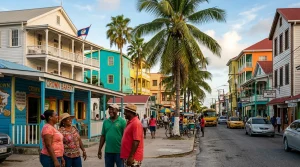
As the largest city and former capital, Belize City is a bustling hub teeming with energy. With a population of around 60,000, it offers a vibrant mix of cultures, reflected in its architecture, festivals, and culinary delights. Stroll through the historic Fort George area to admire colonial buildings like the Baron Bliss Lighthouse or engage with local artisans at the Belize City Market. The city’s coastal charm is accentuated by its proximity to the Belize Barrier Reef, making it a prime launch point for scuba diving and snorkeling excursions.Belmopan
Transitioning from its capital status in 1970, Belmopan was built as a purpose-driven city to provide a central location for the government. With a population of approximately 20,000, this small but strategic city is known for its green spaces and modern amenities. Exploring the city reveals parks, local vendors, and the distinctive architecture of government buildings like the National Assembly. It’s a serene escape from the hustle of Belize City, offering a closer connection to nature with nearby attractions like the Belize Zoo.San Ignacio
San Ignacio, located in the Cayo District, is a vibrant town famous for its access to a plethora of adventure activities. With a population of around 18,000, San Ignacio serves as the gateway to enchanting Mayan ruins like Xunantunich and Cahal Pech. Explore the bustling market on a Saturday morning, where locals gather to sell fresh produce and handmade crafts. The nearby ATM Cave-an ancient ceremonial site-is a must-visit for anyone interested in both thrill-seeking and history.Ambergris Caye
Known for its stunning beaches and vibrant nightlife, the town of San Pedro on Ambergris Caye attracts visitors and expats alike, drawn by its resplendent Caribbean waters and laid-back vibe. With a population of approximately 15,000, it’s a tourism hotspot offering rich experiences in marine conservation and water sports. The island’s ecology is a treasure, and a visit to the famous Hol Chan Marine Reserve for snorkeling or diving is an unforgettable experience.Placencia
On the southern coast lies Placencia, a coastal village renowned for its picturesque beaches and friendly community. With a small but lively population, this charming town mixes local cultures and culinary delights. Visitors can enjoy traditional Garifuna music, dance, and the delectable Creole cuisine, all while enjoying breathtaking sunsets over the Caribbean Sea. The nearby Placencia Lagoon provides excellent opportunities for kayaking and wildlife watching.Exploring these cities and towns not only enhances your understanding of Belize’s rich population dynamics but also allows you to experience firsthand the blend of cultures that influences everything from daily life to holiday celebrations. Whether you’re seeking adventure, culture, or a tranquil retreat, Belize’s urban landscape invites you to find your place within this warm and welcoming nation.Cultural Diversity in Belize: A Population Mosaic
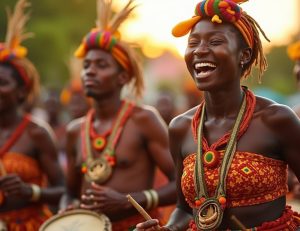
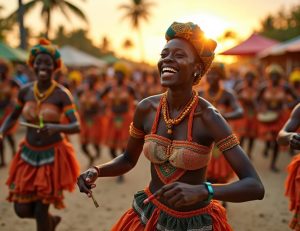
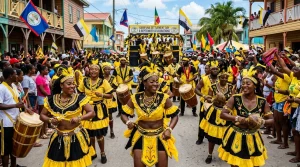
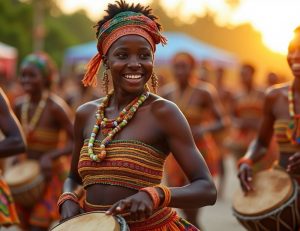
In Belize, cultural diversity is not just a characteristic of the nation; it is the heartbeat that pulsates through the communities, enriching the lives of its residents and visitors alike. The country’s population is a dynamic tapestry woven from a myriad of ethnic backgrounds, each contributing to the vibrant social fabric. Predominantly, the population consists of mestizos (people of mixed European and Indigenous descent), Creole, Maya, Garifuna, and East Indian, among others. This blend creates an atmosphere where various languages, customs, and traditions coexist, making Belize a unique microcosm of Central America.The interplay of these cultures is evident during lively festivals and celebrations. For example, Independence Day on September 21st sees colorful parades filled with traditional music and dance, reflecting the influences of both Garifuna and Creole heritage. Garifuna Settlement Day, celebrated on November 19th, honors the arrival of the Garifuna people and features vibrant displays of traditional dance, music, and food. In urban centers like Belize City and San Ignacio, the marketplaces come alive with vendors offering an eclectic mix of local delicacies, from rice and beans with stewed chicken to fresh fish grilled to perfection.While the rich cultural heritage is a significant draw for tourists, it also plays a pivotal role in the community’s daily life. The blending of culinary traditions offers an exciting adventure for food lovers. Visitors can relish local dishes infused with spices and flavors that speak to their ancestral roots. The Creole influence is particularly prominent, showcasing flavorful fusions that highlight the nation’s agricultural bounty, such as coconut curry shrimp and panades (corn dough fritters filled with fish).The linguistic landscape of Belize further highlights its cultural diversity. While English is the official language, Spanish and Kriol (an English-based Creole) are widely spoken. Various Mayan languages, like Kechi and Mopan, continue to thrive, particularly in rural areas, nurturing a deep connection to the land and their ancestry. This multilingual mosaic not only enhances communication but also fosters a greater understanding among the various ethnic groups, creating a community that thrives on mutual respect and shared experiences.Belize’s cultural richness is also reflected in the arts, from traditional music and dance to contemporary expressions. The artistic scene is alive with Garifuna drumming and Maya carvings that tell stories of the past. As travelers immerse themselves in this dynamic cultural setting, they not only witness a living history but also participate in a celebration of diversity that is welcoming and inclusive. Whether you’re dining at a local eatery, dancing at a festival, or exploring the vibrant streets of its towns, Belize invites you to experience a true celebration of culture that is as captivating as the stunning landscapes it offers.Population Density: Insights into Living Conditions
In Belize, the intimate connection between the population density and living conditions offers a unique perspective on the lifestyle and experiences of its residents. With a relatively small population of approximately 440,000 and a land area of about 22,965 square kilometers, Belize boasts a low population density compared to many other countries. This gives rise to a living environment that is rich in space and natural beauty. In urban centers like Belize City, the population density is greater, providing a bustling atmosphere full of cultural vibrancy, while the rural areas offer tranquility, verdant landscapes, and a close-knit sense of community.Residential conditions vary significantly between urban and rural settings. In cities, you will find a range of housing options, from modern apartments to traditional wooden homes. Everyday life is characterized by accessibility to markets, restaurants, and cultural activities that reflect the diversity of the population. Meanwhile, in the countryside, the ambiance shifts to one dominated by nature, with homes often set amid lush greenery and open spaces, allowing residents to engage in agricultural activities and outdoor pursuits.Life in Belize also adapts to the environment, as many homes are designed with sustainability in mind to cope with the tropical climate. Features such as large windows for ventilation, shaded verandas, and rainwater harvesting systems are common. This not only promotes comfortable living standards but also fosters a lifestyle that remains in harmony with the surrounding natural world.The impact of population density on social dynamics is palpable, as the interplay of urban and rural communities creates a rich tapestry of Belizean life. Festivals, markets, and community gatherings thrive in the densely populated areas, while more isolated regions often reflect a slower pace, where traditions are preserved and family ties are strong. This blend of living conditions across the country contributes to the overall quality of life, making Belize not just a destination to visit but a vibrant place to live, explore, and appreciate the beauty of both its people and its environment.Impact of Migration on Belize’s Population
Belize’s landscape is shaped not just by its lush jungles and stunning coastlines, but also by the ebb and flow of its diverse population. Migration plays a crucial role in influencing the demographic makeup and cultural tapestry of this vibrant nation. Historically seen as a land of opportunity, Belize attracts individuals seeking to carve out a new life, contributing to its evolving identity and economy.A significant influx of migrants, including those from neighboring Central American countries, has enriched Belize’s culture and workforce. Many come seeking refuge from political unrest, poverty, or violence, bringing with them unique traditions and perspectives. This migration pattern has birthed a melting pot of cultures where Garifuna, Creole, Mestizo, and Maya intertwine, creating a lively fusion of languages, cuisines, and festivals that celebrate both heritage and new beginnings. For example, in towns like Punta Gorda, the influence of Garifuna culture can be vividly experienced through traditional foods and lively music, showcasing the impact of migration on local identity.Importantly, migration also influences economic dynamics, as newcomers often fill essential roles in sectors such as agriculture, tourism, and construction. This can lead to increased demand for housing and services, prompting urban development, particularly in areas like Belize City and San Pedro. Moreover, the presence of expats adds to the local economy, encouraging entrepreneurial ventures and contributing to tourism, which is vital for Belize’s economic health.Despite the benefits of migration, challenges also arise, particularly regarding integration and access to resources. Language barriers, cultural differences, and socio-economic disparities can complicate the adjustment process for migrants. Addressing these challenges is essential for building a cohesive society where all residents, both established and new, can thrive in the rich tapestry that is Belize. The continuing narrative of migration in Belize not only charts the population’s growth but also underscores the resilience and adaptability of a nation shaped by waves of humanity, uniting under its natural beauty and cultural richness.Language and Education Statistics in Belize
In a nation where diverse cultures converge, Belize’s linguistic landscape reflects its rich heritage. The official language is English, a remnant of its colonial past as British Honduras, but it dances gracefully alongside a plethora of languages. Creole (Kriol) is widely spoken, serving as a primary means of communication among many locals. Additionally, Spanish is common, particularly in areas close to the Mexican border and among the significant population of Hispanic Belizeans. Other languages, such as Maya dialects (Q’eqchi’, Mopan, and Yucatec), Garifuna, and Mandarin, contribute to the colorful tapestry of languages, showcasing Belize’s vibrant cultural mosaic.Understanding the educational landscape is equally essential for grasping Belize’s demographic profile. The literacy rate in Belize is impressively high, hovering around 77% to 80%. Education is free and compulsory for children between the ages of 6 and 14, with most students attending primary schools. However, access to quality education varies significantly between urban and rural areas. While Belize City boasts several secondary schools and tertiary institutions, rural communities often face hurdles, such as limited resources and transportation options, which can impact educational attainment.For those considering a move to Belize or engaging with its communities, embracing its linguistic diversity opens doors not just for communication but also for genuine cultural immersion. Learning a few phrases in Kriol or Spanish can enhance your experiences, allowing for deeper connections with the locals and an authentic understanding of their rich traditions. Schools often incorporate local culture and history into their curricula, further enriching the educational experience.Whether you are planning a visit or contemplating a longer stay, recognizing the significance of language and education in Belize’s society enables you to appreciate the nuances of its population better. Engaging with these elements is not just informative but can transform your experience in this enchanting land of lush jungles and vibrant cultures.Economic Factors Influencing Population Dynamics
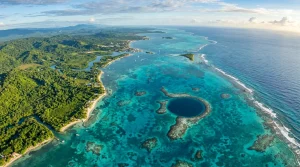
The interplay between economic factors and population dynamics in Belize offers fascinating insights into how this vibrant nation evolves. At the heart of this relationship lies the economy, shaped significantly by tourism, agriculture, and foreign investment, which together create a distinct landscape influencing where and how people live. With its stunning natural beauty and rich cultural heritage, Belize has become a prime destination for both vacationers and expatriates seeking a tropical lifestyle, thereby impacting population growth and urbanization trends.Tourism stands as the cornerstone of Belize’s economy, accounting for a substantial portion of GDP and employment. The allure of the Great Blue Hole, lush rainforests, and ancient Mayan ruins attracts visitors year-round, creating jobs in hospitality and related sectors. This influx not only boosts local economies but also drives migration to populated areas such as Belize City and San Pedro, where tourism infrastructure thrives. Additionally, the development of eco-tourism fosters sustainable practices that can enhance local livelihoods, creating a pull for younger generations to remain in their communities.Agriculture also plays a pivotal role, particularly in rural regions where the majority of the population historically engaged in farming. The rise of agricultural exports like sugar, bananas, and seafood provides essential financial resources for many families while shaping settlement patterns. However, economic changes, such as shifts towards sustainable farming and organic practices, are attracting new residents and encouraging a younger demographic to engage in agriculture again, revitalizing rural living.In recent years, foreign investment has surged, particularly in real estate and tourism-related businesses, further influencing population dynamics. As expatriates purchase property and settle in Belize, they bring new ideas and economic activity, enhancing local communities’ vibrancy. This growth is a double-edged sword; while it elevates economic opportunities, it can also lead to rising living costs, prompting some local residents to seek affordable living conditions in more rural areas.Understanding the complexity of these economic factors is vital for anyone considering residing in or visiting Belize. The ever-evolving economic landscape not only provides exciting opportunities but also challenges, prompting potential newcomers to evaluate how they fit into this thriving cultural mosaic. By recognizing these dynamics, travelers and expats alike can better appreciate the nuances of Belize’s population growth and the vibrant life that flows through this Central American jewel.Future Projections: What Lies Ahead for Belize’s Population?
As Belize continues to carve its path in the 21st century, the prospects of its population dynamics are equally exciting and complex. With a population that hovers around 420,000, projections suggest steady growth, fueled by both natural increase and migration. The combination of a youthful demographic profile and increasing interest from expatriates and tourists can create a unique blend of cultural dynamism and diversification in the coming years.Population Growth Factors
Driving this growth are several key factors:- Attractive Living Conditions: With its stunning coastlines, rich biodiversity, and vibrant cultural heritage, Belize has become increasingly appealing to retirees and remote workers from North America and Europe. This wave of newcomers is expected to swell the population, particularly in urban areas such as Belize City and San Pedro, where infrastructure to support expatriate life is already developed.
- Natural Increase: Belize has a relatively high fertility rate, contributing to a youthful population. This demographic edge could lead to a potential workforce expansion, provided that educational and employment opportunities keep pace.
- Tourism and Economic Development: As tourism-driven development continues, new jobs will emerge, attracting both local residents and foreigners. The flourishing eco-tourism sector, particularly, encourages sustainable residence options in rural areas, possibly leading to a more balanced population distribution.
Challenges Ahead
Despite these promising trends, challenges loom on the horizon. Belize must address significant issues related to urbanization, including the strain on resources in rapidly growing areas. Infrastructure developments in transportation, healthcare, and education will be vital to ensuring that the benefits of population growth are equitably shared.Moreover, environmental sustainability is crucial as the country’s rich ecosystems face pressure from both population growth and climate change. Embracing eco-friendly practices and regulations can mitigate some negative impacts, preserving Belize’s natural beauty for future generations.The evolving landscape in Belize heralds opportunities and challenges as the nation navigates its demographic future. Embracing its cultural mosaic and natural treasures, Belize stands at a crossroads, ready to welcome a new wave of residents and visitors eager to contribute to the country’s vibrant tapestry. By investing wisely in infrastructure and sustainability, Belize not only secures its present but also ensures a thriving future for its population.Living in Belize: An Expat’s Perspective on Population Changes
Living in Belize offers a vibrant mix of cultural experiences and breathtaking natural beauty, making it an appealing destination for expats seeking a fresh start. With its population hovering around 420,000, Belize presents an inviting environment for those looking to live in a laid-back yet diverse setting. The country boasts a rich cultural tapestry, influenced by its Maya roots, Garifuna heritage, and Creole traditions, creating a unique blend that resonates throughout daily life. For many expatriates, this blend enriches their experience, immersing them in a welcoming community.For newcomers, understanding how population dynamics affect daily living is essential. Many expats choose to settle in urban centers like Belize City and San Pedro, where social and economic opportunities abound, allowing them to integrate more easily. Urban areas are increasingly accommodating to foreign residents, with many amenities tailored to their needs. However, while city life is convenient, smaller towns and rural locations are becoming increasingly attractive for those seeking tranquility amid Belize’s lush landscapes. As eco-tourism continues to grow, many expats find beautiful properties in areas like Placencia or Caye Caulker, where community cohesion and a slower pace of life thrive.As the expat community expands, so do services and infrastructure geared towards them. This population shift prompts investments in healthcare, education, and public services, enhancing the living standards for both locals and newcomers. Expats often report a positive experience adapting to Belizean customs, primarily due to the locals’ immense hospitality. Attending local events, such as the annual Garifuna Settlement Day or the bustling Belize Carnival, provides invaluable opportunities to connect with residents and cement lasting friendships.Yet, living in Belize isn’t without its challenges. As population growth strains resources, especially in cities, expats are encouraged to engage in sustainable practices to help preserve the country’s stunning natural beauty. Being part of community initiatives aimed at environmental conservation not only benefits the local area but also fosters a strong sense of belonging among newcomers. By influencing how expats interact with their environment and community, Belize offers a unique lifestyle that balances adventure, cultural richness, and opportunities for contribution, all set against the backdrop of an enchanting paradise.Q&A
Q: What is the current population of Belize? A: As of 2023, the estimated population of Belize is approximately 450,000 people. This figure reflects ongoing growth trends influenced by various demographic and migration factors. For more population insights, see the section on Understanding Belize’s Population.Q: What are the main ethnic groups in Belize? A: Belize is known for its rich ethnic diversity, with the largest groups being Mestizo (approximately 50%), Creole (around 25%), Garifuna, Maya, and other smaller populations. This cultural mosaic enhances the country’s unique identity, as discussed in the Cultural Diversity section.Q: How does urbanization affect living conditions in Belize? A: Urban areas in Belize, primarily Belize City, offer more infrastructure and services compared to rural regions. However, challenges like population density and resource allocation persist. For a deeper dive, refer to the Urban vs. Rural section of the article.Q: What is the fertility rate in Belize? A: The fertility rate in Belize is approximately 2.2 children per woman, which is below the global average. This statistic contributes to population growth trends and is influenced by socio-economic factors. More demographic details can be found under Demographics of Belize.Q: How has migration impacted Belize’s population? A: Migration plays a significant role in shaping Belize’s population dynamics. Both immigration and emigration affect demographic trends, influencing workforce and cultural diversity. Explore the Impact of Migration section for a more comprehensive analysis.Q: What is the literacy rate in Belize? A: Belize boasts a literacy rate of approximately 77%, reflecting ongoing improvements in education. This plays a crucial role in the country’s development. For more on education statistics, check the Language and Education Statistics in Belize section.Q: When is the best time to visit Belize considering its population density? A: The best time to visit Belize is during the dry season, from November to April, when the weather is pleasant and tourist numbers are lower, which can enhance your experience. For comprehensive travel tips, include the Living in Belize section.Q: How is Belize’s population expected to change in the future? A: Projections indicate that Belize’s population may continue to grow, albeit at a slower rate, due to factors like urbanization and economic changes. Future projections can significantly impact various sectors, detailed in the Future Projections section of the article.The Conclusion
As we wrap up our exploration of Belize’s population dynamics, it’s clear that this vibrant nation is more than just a number-it’s a tapestry of cultures and histories. With a growing population, Belize offers rich opportunities for both travelers and expats alike. If you’re intrigued by the allure of this Central American gem, why not dive deeper? Discover the best destinations and hidden treasures that await you in our guide to top places to visit in Belize.Curious about what makes Belize such a unique living experience? Check out our insightful articles on expat life, complete with real estate tips and cost-of-living insights, to navigate your next adventure seamlessly. Don’t forget to subscribe to our newsletter for the latest travel tips and updates! Your Belize journey is just beginning-explore more today and create unforgettable memories in this stunning paradise!Comprehensive Guide and In-Depth Analysis: How Many People Live In Belize
When exploring the details surrounding how many people live in belize, understanding the practical, environmental, and cultural dynamics of Belize is essential for making informed travel or investment decisions. Belize stands out in Central America for its English-speaking heritage, British Common Law legal stability, and world-class ecotourism infrastructure.
Whether navigating mainland rainforest corridors, consulting local authorities, or exploring marine conservation zones along the Belize Barrier Reef, having verified, comprehensive information regarding how many people live in belize ensures seamless execution.
| Key Evaluation Pillar | Standards & Conditions in Belize | Actionable Best Practices |
|---|---|---|
| Regional Specifics | Variations between northern districts, central cayes, and southern rainforests | Align plans with specific district infrastructure and seasonal weather |
| Regulatory & Legal Framework | Belize Tourism Board (BTB) regulations and national conservation laws | Always work with licensed local professionals and certified guides |
| Logistics & Practical Costs | Fixed 2:1 BZD-to-USD currency peg; accessible transport via air and water | Plan budget with cash buffer for remote destinations and transfers |
For visitors and residents alike, engaging with how many people live in belize through authorized, sustainable practices contributes directly to local community development and the preservation of Belize’s pristine marine and terrestrial ecosystems.
Frequently Asked Questions: How Many People Live In Belize
Why is understanding how many people live in belize important for Belize visitors?
It provides essential context for choosing the right regional destinations, understanding local pricing, and ensuring full compliance with environmental and tourism standards.
How do seasonal factors affect how many people live in belize in Belize?
The dry season (December through May) offers calm seas and sunny weather, while the green season brings lower rates and lush jungle scenery.
Get our latest guides, news, and insights highlighted in your Google Search & AI Overviews.