Belize, often seen as a hidden gem of Central America, stands at a cultural crossroads that invites curiosity about its identity as a Latin country. With its rich tapestry woven from Mayan, Creole, and Garifuna influences, understanding Belize’s cultural heritage is key to appreciating its vibrant traditions and unique way of life. For travelers, expats, and culturally curious readers, exploring this topic can unveil the diverse aspects of Belize that make it a captivating destination. From historical roots to modern expressions, delving into Belize’s heritage not only enriches your travel experience but also fosters a deeper connection with this enchanting land. Join us as we uncover whether Belize truly fits the mold of a Latin country and what that means for its people and culture.
Cultural Perspectives: Belize’s Identity in Latin America
Belize occupies a unique position in Latin America, seamlessly blending its rich tapestry of cultures, traditions, and languages. Nestled on the northeastern coast of Central America, this small, vibrant country boasts a diverse identity influenced by historical, linguistic, and social factors. Unlike many of its Central American neighbors, Belize combines aspects not only from Latin American culture but also from Caribbean and British heritage, reflecting its colonial past as British Honduras and its geographical proximity to the Caribbean Sea.
Belize’s cultural identity is deeply interwoven with its linguistic diversity. The population primarily speaks English, a remnant of its colonial history, but Spanish is also widely spoken alongside various indigenous languages such as Kriol and Garifuna. This linguistic mosaic offers a glimpse into the country’s multifaceted identity, characterized by a blend of indigenous, African, European, and Caribbean influences. The country’s use of Kriol as a common vernacular highlights the resilience and creativity of its people, reinforcing Belize’s status as a cultural crossroads in the region.
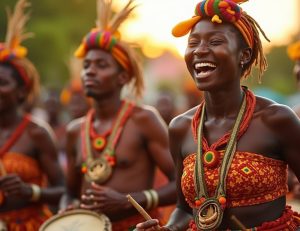
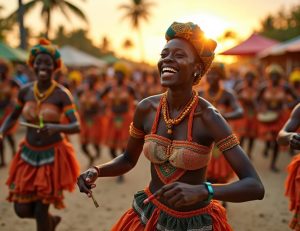
The rich ethnic blend is celebrated in Belize’s music, dance, and culinary traditions, with genres like punta and brukdown embodying the vibrant influences of the Garifuna people. These musical styles reflect the historical journey of the Garifuna, embracing their African and Caribbean ancestry while celebrating their unique cultural identity. Additionally, traditional festivals such as Carnaval showcase Belize’s diverse heritage, where the fusion of Creole, Garifuna, and Mayan traditions creates a joyous celebration of identity that is both inclusive and reflective of the country’s eclectic history.
Visitors to Belize often find themselves enchanted by this cultural vibrancy, whether they’re savoring the delicious complexity of Creole cuisine, participating in lively local festivals, or simply enjoying the warm hospitality of the Belizean people. This cultural richness not only defines Belize as a destination but also plays a crucial role in its identity as a Latin American country, welcoming travelers from all walks of life while proudly showcasing its unique heritage amidst the stunning backdrop of its natural beauty.
Understanding Belize’s Linguistic Diversity
Belize boasts a fascinating linguistic diversity that is as rich and vibrant as its cultural heritage. In this small Central American nation, where the Caribbean meets the dense jungles and ancient Mayan ruins, you’ll find a unique tapestry of languages that reflects its complex history and multicultural identity. English, as the official language, serves as a reminder of Belize’s colonial past when it was known as British Honduras. However, the linguistic landscape extends far beyond English, with Spanish, Creole (Kriol), and various indigenous languages coexisting to create a vibrant communication ecosystem.
Common Languages in Belize:
- English: The official language and widely spoken in government and education.
- Spanish: Commonly spoken due to the Hispanic influence and a sizeable Spanish-speaking population.
- Kriol: A lively Creole language that fuses English with African, Spanish, and indigenous languages, prevalent in everyday life.
- Indigenous Languages: Languages such as Maya, Garifuna, and others are spoken within specific communities, preserving cultural heritage.
The emergence of Kriol as a lingua franca among Belizeans highlights the country’s adaptability and creativity. It embodies the soul of Belizean communication-expressive, rhythmic, and full of local flavor. This language not only facilitates conversation but also stands as a testament to the resilience of its speakers, who have designed a means of expression that is deeply rooted in their identity. Meanwhile, Spanish speakers contribute to the linguistic diversity, especially in towns such as Corozal and Orange Walk, enriching the cultural narrative further.
In addition to the languages themselves, the way people communicate in Belize offers a nuanced understanding of its culture. The use of local idioms and phrases is a celebration of the country’s history and experiences. For travelers, embracing this linguistic diversity can be a way to connect more deeply with the people of Belize. Learning a few words in Kriol or greeting locals in Spanish can open doors to richer interactions and experiences during your visit. Whether you’re exploring the ancient Maya temples or snorkeling in the Great Blue Hole, understanding and appreciating the different languages adds another layer of appreciation for the warmth and hospitality of the Belizean people.
Historical Influences That Shaped Belizean Culture
The rich tapestry of Belizean culture is woven from a multitude of historical threads that span centuries, each contributing to the unique identity of this Central American gem. From the ancient Maya civilization that thrived in the area, leaving behind majestic ruins like those at Caracol and Lamanai, to the colonial influences of the British, Belize’s history has sculpted a diverse and vibrant cultural scene. The fusion of ancient traditions, colonial legacies, and modern influences creates a captivating environment for both residents and visitors.
The arrival of the Maya, over 2000 years ago, set the foundation for Belize’s cultural identity. Their advanced agricultural practices, intricate political systems, and spiritual beliefs established a way of life deeply connected to the land and the natural world. This connection persists today, especially in the preservation of indigenous languages and customs among Maya communities, who celebrate their heritage through festivals and rituals that echo their ancestors’ practices.
As European powers, particularly the British, established control in the 17th century, they brought with them their languages, customs, and social structures, which would profoundly influence the local culture. The establishment of Belize as a logging colony attracted a diverse range of immigrants, including the Garifuna and Creole peoples, who each enriched the cultural mix with their own traditions and languages. The Creole people, in particular, blended African, European, and indigenous influences, giving rise to the unique Creole culture celebrated across the nation today, evident through its music, dance, and distinctive culinary styles.
Moreover, the vibrant festivals in Belize, from the lively Garifuna Settlement Day to the cultural extravaganza of Carnival, showcase the historical influences that have intertwined and evolved into what we recognize as Belizean culture. These events not only celebrate the rich history but also serve as a reminder of the resilience and adaptability of its people in the face of change. Each festival invites locals and visitors alike to partake in the joyous expression of Belize’s multifaceted cultural identity, celebrating the past while embracing the present and future.
Belize’s Unique Blend of Ethnic Groups
In the heart of Central America lies Belize, a nation renowned for its astounding ethnic diversity, which serves as a microcosm of cultural connections that bind the Americas together. With a population that comprises several ethnic groups, each boasting unique traditions, languages, and histories, Belize exemplifies the beautiful complexity of a multicultural society. Visitors often marvel at how this small country encapsulates a rich mosaic of identities that reflect not only its Caribbean influences but also its historical past, primarily shaped by its indigenous Maya roots and colonial legacies.
The Maya, the earliest inhabitants of the region, have left an indelible mark on Belize’s cultural landscape, evident in their languages and festivals that celebrate ancient traditions. Even today, Maya communities actively engage in preserving their heritage, showcasing their rich history through vibrant festivals, artisanal crafts, and traditional practices. Additionally, the arrival of the Creole, descended from African slaves and European settlers, brought forth a unique cultural blend characterized by a lively spirit in music, dance, and food. Their presence is palpable in local festivals, where the rhythms of punta and brukdown echo the intermingling of cultures.
Alongside the Creole, the Garifuna community contributes significantly to Belize’s cultural tapestry, enriching it with their distinct language, music, and dance forms that celebrate Afro-indigenous roots. The Garifuna Settlement Day, celebrated on November 19, showcases this group’s vibrant traditions, featuring traditional drumming, dancing, and culinary delights like hudut (a fish and plantain stew). Furthermore, the infusion of other ethnic groups, including East Indian, Chinese, and Mennonite communities, has added layers of flavor to Belize’s cultural identity, making the country a true melting pot of customs and traditions.
This diversity is not just a point of pride but also a boon for travelers seeking a unique cultural experience. From the bustling markets where local artisans display handmade crafts to communal gatherings celebrating traditional music and dance, the history and multiculturalism of Belize create an inviting atmosphere. Culinary schools, cooking classes, and ecotourism initiatives often highlight traditional dishes that reflect Belize’s diverse heritage, such as rice and beans, Johnny cakes, and Creole-style fried fish, allowing visitors to savor the melding of flavors that define this remarkable nation.
enriches the cultural experience for visitors and fosters a spirit of inclusivity and acceptance, making every journey through this beautiful country an opportunity to welcome the past while embracing the future. Whether exploring ancient ruins, relishing the culinary arts, or joining in on the lively celebrations, travelers leave with a profound appreciation for the diverse tapestry that is Belize.
Exploring Belize’s Traditional Music and Dance
In Belize, music and dance are vibrant expressions of the country’s rich diversity and history, serving as cultural artifacts that tell the story of its people. From the infectious beats of Garifuna drumming to the soulful melodies of Creole folk tunes, the soundscape of Belize is as varied as the landscapes that adorn it. This lively musical heritage not only entertains but also plays a crucial role in maintaining the cultural identities of the many ethnic groups that call Belize home.
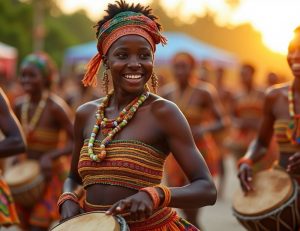
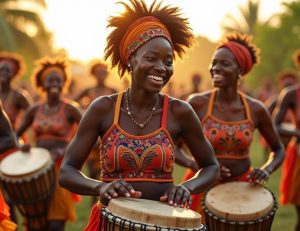
One of the most celebrated musical styles is the Garifuna music, characterized by its rhythmic drumming and song. This music embodies the fusion of indigenous Caribbean and African influences, showcasing the rich history of the Garifuna people. Traditional instruments such as the priming drum and the bass drum create heart-pounding rhythms during community gatherings and dance events. Visitors have the opportunity to participate in events like the Garifuna Settlement Day celebrations on November 19, where traditional drumming and dance performances invite everyone to experience this cultural richness.
In addition to Garifuna music, the Creole culture presents its own unique sound. The lively rhythms of punta and brukdown music invite listeners to dance and engage, often featuring playful lyrics that express everyday life and experiences in Belize. The spirit of Creole culture is perhaps best experienced during local festivals, where everyone gathers to celebrate with music and dance, turning public spaces into vibrant centers of activity and communal joy.
To fully immerse yourself in the musical landscape, consider visiting during local holidays or events such as the Maya Day Festival, where ancient melodies and dances celebrate the heritage of Belize’s indigenous peoples. Not only are these performances spectacular, but they also provide insights into the stories, beliefs, and traditions that shape the nation.
In summary, exploring the traditional music and dance of Belize offers an enriching experience for travelers, allowing a deeper understanding of the country’s multicultural roots and contemporary identities. Whether you find yourself swaying to the rhythms in a local dance hall or getting lost in the haunting melodies of Garifuna songs, you’ll discover that the heart of Belizean culture beats strongly through its music and dance.
The Role of Creole Cuisine in Belizean Identity
The aroma of spices, the sizzle of fresh ingredients, and the vibrant colors of a well-prepared plate define the essence of Creole cuisine in Belize, a culinary tradition deeply intertwined with the nation’s identity. This unique blend of flavors reflects the country’s multicultural heritage, drawing influences from African, Spanish, Mayan, and Caribbean cuisines. While every dish tells a story, the heart of Belizean culinary culture lies in its Creole roots, where every meal is a celebration of life and community.
At the center of Creole cuisine is the famed rice and beans, typically served with stewed chicken, beef, or fish, and flavored with coconut milk. This dish not only nourishes the body but also serves as a staple for family gatherings, emphasizing the importance of sharing meals together. Another beloved creation is fry jack, a versatile bread that can be enjoyed during breakfast with eggs and refried beans or served with savory fillings for a delightful snack any time of day. The incorporation of fresh, locally sourced ingredients, such as fish from the Caribbean Sea and seasonal fruits like mango and plantain, adds to the freshness and authenticity of each meal.
The Culinary Experience
Participating in the local food culture can be a transformative experience for visitors. Many restaurants and street vendors across Belize offer cooking classes or food tours that allow travelers to immerse themselves in the culinary arts. Here, you can learn how to prepare traditional fare alongside local chefs, experiencing firsthand the joy and passion behind each recipe. These experiences not only provide valuable cooking skills but also foster connections with the local community and its rich culture.
Beyond the kitchen, food festivals, such as the famous Belize Garifuna Settlement Day, showcase not just Creole cuisine but also the broader Afro-Caribbean cultural heritage through food, music, and dance. Attending such an event allows visitors to taste a variety of dishes while enjoying the rhythmic beats that accompany Belize’s lively celebrations.
In essence, Creole cuisine is more than just food in Belize; it’s an essential pillar of cultural identity, bridging the gap between past and present. Each bite serves as a narrative thread, weaving together the diverse influences that have shaped this vibrant nation. Exploring Belize through its culinary landscape not only tantalizes the taste buds but also offers a deeper understanding of the heritage that defines this Central American gem. By savoring each dish, travelers gain a flavorful insight into the soul of Belizean culture, rich with history and continued evolution.
Festivals and Celebrations: A Cultural Showcase
The vibrancy of Belize’s cultural landscape bursts forth during its many festivals and celebrations, providing a captivating window into the nation’s rich heritage. Each event is a testament to the diverse ethnic tapestry that defines Belize, showcasing an enchanting blend of music, dance, art, and culinary delights that beckons visitors to experience the joys of this Caribbean jewel.
One of the most significant celebrations is Garifuna Settlement Day, which honors the arrival of the Garifuna people in Belize. Marked annually on November 19, this festival is a whirlwind of color and sound, featuring lively parades filled with traditional drumming, dancing, and plenty of delicious food. As you explore streets alive with the thrumming beats of Garifuna music, don’t miss the chance to indulge in dishes like hudut, a flavorful fish and plantain stew, that capture the heart of this culture. Visitors can join in the celebrations, learning traditional dances and understanding the history that molds Belizean identity.
Another noteworthy occasion is the Belize Carnival, a spectacular display of elaborate costumes and high-energy dances that draws participants and onlookers into the festive spirit. Typically held just before the start of Lent, this event transforms the streets into a sea of bright colors and intricate designs. Mas bands compete for the Best Band award, making each performance a unique showcase. Enthusiastic travelers can expect to get swept up in the jubilant atmosphere where the music pulses through the air, and the sense of community is palpable.
Holidays like Easter and Independence Day also reflect Belize’s cultural pride. During Easter, traditional practices mingle with Christian rituals, resulting in unique community activities. Independence Day, celebrated on September 21, features parades, concerts, and street fairs that emphasize Belizean unity and spirit. These events are not just for locals; they invite tourists to partake in the festivities, offering an immersive opportunity to forge connections with the Belizean way of life.
For anyone visiting Belize, experiencing its festivals is an essential way to understand the nation’s heartbeat. With each event steeped in history and cultural significance, travelers not only enjoy entertainment but also gain insight into the traditions that have shaped this diverse society. Embrace the chance to dance to the rhythms, taste the flavorful dishes, and partake in this celebration of life-where every festival tells the story of a nation woven together by the threads of its multifaceted heritage.
Belize’s Geography: Bridging Cultures and Continents
Nestled at the crossroads of the Caribbean and Central America, Belize’s geography plays a crucial role in shaping its vibrant cultural identity. Imagine a place where lush jungles meet the turquoise expanse of the Caribbean Sea, and ancient Maya ruins whisper tales of a storied past. This unique positioning not only provides stunning natural beauty but also serves as a cultural melting pot where diverse influences intertwine, forming a rich tapestry that is distinctly Belizean.
The country is bordered by Mexico to the north, Guatemala to the west and south, and the Caribbean Sea to the east, making it a bridge between multiple cultures. This geographical significance has fostered a blend of ethnicities, languages, and traditions. The presence of Mayan ruins like Xunantunich and Caracol showcases the enduring legacy of the ancient civilization, while the coastal towns vibrate with Garifuna music and Creole culture. The migration of various groups, including the British, Spanish, and African descendants, further enriches Belize’s cultural landscape.
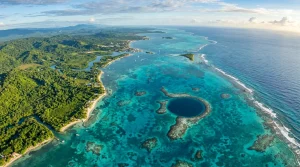
Travelers venturing into Belize will find that its geographic diversity offers a multitude of experiences. From exploring the Great Blue Hole, a UNESCO World Heritage site, to hiking through the lush jungles of the Cayo District, each location reveals different facets of Belize’s identity. The famous barrier reef provides not only breathtaking diving experiences but also a haven for marine life, attracting eco-tourists and adventure seekers alike. Here, the culture is alive in every corner, whether it’s through the delicious Creole cuisine, the rhythmic beats of traditional dances, or the colorful local festivals that spice up the calendar year.
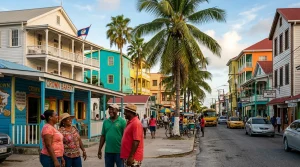
For those planning a trip, understanding Belize’s geographical context can enhance your travel experience. Consider the climate, which influences activities; for example, the dry season (November to April) is ideal for exploring rainforest trails or relaxing on the pristine beaches. Accessibility is key as well, with major towns like Belize City serving as gateways to various attractions. Whether you’re a solo traveler, a family on vacation, or seeking an LGBTQ+ friendly destination, Belize provides welcoming spaces amidst its breathtaking landscapes, making it a truly unique cultural crossroads in Latin America.
The Impact of Tourism on Cultural Heritage
In Belize, tourism is not just an economic driver; it serves as a prominent catalyst for cultural exchange and heritage preservation. With its breathtaking natural landscapes, including the iconic Great Blue Hole and diverse wildlife, travelers flock to the country for adventure and relaxation. However, this influx also presents challenges and opportunities for the preservation of Belize’s rich cultural tapestry.
One of the most noticeable impacts of tourism is the increased visibility of traditional Art and Handicrafts. Local artisans, inspired by the demand for unique souvenirs, create vibrant works that reflect Belize’s diverse influences, from Maya motifs to colorful Garifuna designs. This commercialization has the potential to revitalize traditional crafts and ensure that age-old techniques are passed down through generations. Still, it also raises questions about authenticity and the risk of cultural commodification. Visitors are encouraged to engage directly with artisans, supporting true craftsmanship while learning about the stories and history behind each piece.
Equally significant is the role of local festivals, such as the Garifuna Settlement Day and the San Pedro Carnaval, which attract both tourists and locals. These celebrations offer rich cultural experiences, showcasing traditional music, dance, and food, while simultaneously fostering a sense of pride and community among Belizeans. The participation of tourists can infuse these events with new life, but it is crucial for visitors to approach them with respect, understanding that they are more than mere spectacles-they are vital expressions of identity and heritage.
However, tourism also poses threats to cultural heritage. The pressure for constant development can lead to the commercialization of traditional practices, with some communities feeling the need to alter their customs to meet the expectations of tourists. To mitigate this, responsible tourism practices are essential. Travelers should seek out eco-tours and cultural experiences that prioritize community engagement and support sustainable initiatives, allowing for a more respectful interaction with the local culture.
In an era of globalization, Belize stands at a crossroads, where vibrant traditions can either thrive or diminish under the weight of external influences. By choosing to engage with Belize culture authentically-whether through participating in local celebrations, savoring traditional dishes, or exploring ancient ruins-tourists can play a pivotal role in safeguarding the cultural heritage of this beautiful country. Fostering a deeper understanding and appreciation of Belize’s rich history ensures that this unique blend of cultures will continue to flourish for generations to come.
Belize’s Natural Wonders: A Cultural and Ecological Tapestry
Within the pristine borders of Belize lies a breathtaking tapestry of natural wonders that intertwine with its rich cultural heritage, creating an exceptional experience for any traveler. The famed Great Blue Hole, a UNESCO World Heritage Site, invites divers to explore its stunning underwater cathedral, where vibrant coral reefs teem with marine life, epitomizing the ecological diversity that Belize boasts. This striking geological formation not only draws adventure seekers from around the globe but also serves as a powerful symbol of Belize’s commitment to environmental conservation and sustainable tourism.
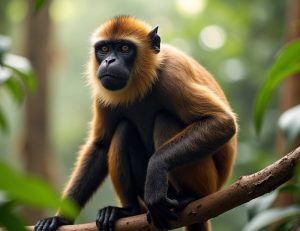
As you venture beyond the oceans, the lush jungles and ancient Maya ruins like those found in Tikal and Caracol tell stories of a civilization that once flourished in this vibrant land. Hiking through these rainforests, you’ll encounter an astonishing array of wildlife, from colorful toucans to elusive jaguars, each step resonating with the sounds of nature. Local guides often share traditional knowledge handed down through generations, connecting visitors to both the ecological wonders around them and the cultural practices intertwined with the land.
To make the most of your journey through Belize’s natural and cultural landscapes, consider planning your trips around the seasons. The dry season, from late November to mid-April, typically offers the best conditions for exploring national parks, diving, and participating in local festivals. Engaging with community-led eco-tours can enrich your understanding of how the natural environment shapes local life and traditions, offering a respectful connection to the heritage of the people while ensuring your travel footprint remains light.
Accommodation Options for Every Adventurer
– Budget Hostels: Perfect for the backpacker vibe, hostels in San Ignacio and Belize City offer both affordable and social atmospheres.
– Family Resorts: Consider establishments near Ambergris Caye known for family-friendly amenities and access to sandy beaches.
– Jungle Lodges: Experience immersive stays at eco-lodges like Chaa Creek, where the wilderness and comfort unite, providing guided tours right from your doorstep.
Belize’s geographical diversity and rich ecological tapestry not only enhance its cultural identity but also create invaluable opportunities for experiential learning and personal growth for visitors. Engaging with the land and its people adds depth to any understanding of Belize as a Latin country, allowing its multifaceted heritage to unfold in spectacular ways.
Comparative Analysis: Belize vs. Other Latin Countries
Belize, a small nation nestled on the Caribbean coast of Central America, presents a unique cultural and geographical tapestry that sets it apart from its Latin American neighbors. While it shares attributes common to Latin countries, such as a rich colonial history and a vibrant mix of cultures, its distinctive identity, influenced by English colonialism and its diverse population, makes it a fascinating case study. In this comparative analysis, we will explore how Belize’s cultural heritage reflects both shared Latin American traits and its unique standalone features.
Language and Identity
Unlike most Latin American countries that primarily speak Spanish, Belize’s official language is English, a remnant of its colonial past. This linguistic difference is significant as it shapes the national identity, offering a blend of influences that is less prevalent in predominantly Spanish-speaking nations. In Belize, you will also find a rich linguistic diversity, with Spanish, Creole, and various indigenous languages spoken among its populace. This multilingual fabric reflects not just a divergence from typical Latin American identity, but also a vibrant coexistence of cultures, offering travelers a unique perspective on heritage that transcends traditional colonial narratives.
Cultural Influences and Celebrations
Exploring the cultural landscape, Belize stands out for its fusion of ethnic communities, including Maya, Mestizo, Creole, Garifuna, and others, each contributing uniquely to the cultural mosaic. For example, while many Latin nations celebrate carnival festivities, Belize’s September Celebrations combine the distinct elements of Creole, Garifuna, and Maya traditions, showcasing parades, music, and dance. This hybrid festival not only fosters national pride but also demonstrates the harmonious blend of its various cultural influences, juxtaposing it against more homogeneous celebrations found elsewhere in Latin America.
Cuisine as a Cultural Reflection
Food in Belize is another compelling point of comparison. The Creole cuisine, rich with ingredients like coconut, rice, beans, and fresh seafood, embodies the melting pot of cultures, resonating with Caribbean influences more than that typically found in other Latin countries. Dishes like rice and beans accompanied by stewed chicken or jerk chicken reflect the diversity of Belize’s cultural heritage, inviting visitors to indulge deeply in the country’s flavors. This culinary journey highlights how Belizean food intertwines various cultural elements, far removed from the singular culinary traditions often found in larger Latin nations.
Natural Wonders and Ecotourism
While tourism in Latin America is heavily centered around urban experiences and historical sites, Belize offers an abundance of natural attractions such as the Great Blue Hole and ancient Maya ruins, distinctively tied to both its indigenous heritage and its ecological wealth. The emphasis on eco-tourism in Belize, with activities such as snorkeling, diving, and exploring the lush jungles, sets it apart as a country fully embracing its natural environment amidst cultural exploration. This combination makes Belize a unique destination that encapsulates the spirit of adventure, allowing travelers to engage with both nature and culture in a way that is uniquely theirs amid the broader Latin American context.
In conclusion, while Belize shares some cultural and historical traits with Latin America, its English-speaking background, multifaceted cultural influences, diverse culinary practices, and exceptional natural wonders create a unique identity. Travelers to Belize can expect an engaging fusion of traditions, languages, and environments, offering a captivating addition to the Latin American cultural landscape.
Future of Belizean Cultural Heritage in a Globalizing World
As Belize strides confidently into an increasingly globalized world, its cultural heritage faces new challenges and opportunities. Combining a commitment to preserving its rich and diverse identity with the transformative pressures of modernization, Belize stands at a crossroads where tradition and innovation meet. This unique blending offers a fresh lens through which visitors can experience the nation’s heritage-one that celebrates its past while embracing the future.
Maintaining the cultural fabric woven from the threads of its indigenous peoples, Creole influences, and global heritages is paramount. Efforts to promote traditional practices, such as Maya arts and crafts, are gaining traction, ensuring that the skills honed over generations continue to thrive. Local artisans are now leveraging digital platforms to reach broader audiences, showcasing intricate handmade goods that tell stories of their origins. Festivals like Garifuna Settlement Day not only celebrate Belize’s history but also attract international visitors eager to participate in vibrant celebrations of music, dance, and culinary delights. By sharing these experiences, Belize fosters a sense of pride among locals while encouraging cultural exchange.
However, the rise of globalization also challenges the preservation of Belizean identity. Rapid tourism growth can sometimes overshadow local customs and languages, leading to a dilution of unique cultural expressions. Recognizing this, initiatives are underway to promote cultural awareness programs for both locals and tourists. These programs emphasize the importance of sustainability in tourism and encourage visitors to engage with the local community respectfully and thoughtfully.
Moreover, Belize’s governments, alongside NGOs, are emphasizing educational initiatives that celebrate cultural diversity, from the schools to community workshops. The promotion of multi-lingual education helps preserve indigenous languages alongside English and Spanish, allowing future generations to embrace their roots while navigating the wider world.
In essence, as Belize journeys through this era of globalization, its future cultural heritage will likely be a dynamic amalgamation of preservation and innovation. This evolution will not only enrich the lives of its citizens but also provide travelers with a profound, authentic experience, reflecting the enduring spirit of a nation at the conjunction of its past and future. As visitors flock to explore Belize’s natural beauty-from the azure waters of the Great Blue Hole to the lush jungles inhabited by exotic wildlife-they will undoubtedly gain insight into a culture that is both resilient and ever-evolving.
Frequently asked questions
Q: Is Belize considered a Latin American country?
A: Yes, Belize is often categorized as a Latin American country due to its cultural and historical ties to Latin American nations. However, its unique cultural heritage, language diversity, and English-speaking population distinguish it from many other Latin countries.
Q: What languages are spoken in Belize?
A: The official language of Belize is English, making it unique among Latin American countries. Additionally, Spanish, Creole, and various Mayan languages are widely spoken, reflecting the nation’s rich linguistic diversity.
Q: How has the colonial history influenced Belizean culture?
A: Belize’s colonial history, particularly British colonization, has profoundly impacted its cultural landscape. This influence is seen in the legal system, language, and the promotion of a multicultural society, blending Caribbean, Spanish, and indigenous histories.
Q: What are the main cultural influences in Belize?
A: Belize’s culture is influenced by the Maya, Garifuna, Creole, and Mestizo communities. This blend results in a vibrant cultural tapestry characterized by diverse music, dance, and culinary traditions, which play a significant role in national identity.
Q: How does Belizean cuisine reflect its cultural diversity?
A: Belizean cuisine is an amalgamation of various cultural influences, including Mayan and Creole foods. Signature dishes such as rice and beans, fry jacks, and ceviche showcase the country’s rich culinary heritage and its vibrant, multicultural society.
Q: What festivals celebrate Belize’s cultural heritage?
A: Belize hosts numerous festivals that celebrate its diverse cultural heritage, including the Carnival and the September Celebrations. These events highlight traditional music, dance, and cuisine, reinforcing national identity and community pride.
Q: How does tourism impact Belize’s cultural heritage?
A: Tourism plays a significant role in Belize by promoting cultural exchange and economic growth. However, it also poses challenges in preserving cultural practices and traditions amidst globalization, necessitating a balance between development and heritage protection.
Q: What distinguishes Belize from other Latin American countries?
A: Belize differs from many Latin American countries primarily due to its English-speaking population and historical ties to British colonialism. Its unique blend of cultures, languages, and traditions contributes to its distinct national identity within the region.
The Way Forward
Understanding the cultural heritage of Belize not only clarifies its rich identity but also enhances your appreciation for this unique destination. As you delve deeper into this Central American gem, consider exploring topics like the best accommodations, from lush jungle lodges to charming local hostels, and uncover the hidden wildlife treasures in national parks.
Now is the perfect time to plan your adventure! Dive into our comprehensive travel guides featuring visa requirements, transportation tips, and insights on the vibrant local culture, including Creole cuisine and annual festivals. Don’t miss out on the chance to experience Belize’s breathtaking beauty; start your journey today!
For more inspiration and practical travel resources, check out our guides on eco-tourism adventures and expat living. We invite you to comment below and share your thoughts or questions, as your experiences and insights enrich our community. Your adventure in Belize awaits-let’s make it unforgettable!
Get our latest guides, news, and insights highlighted in your Google Search & AI Overviews.