Is Belize a Caribbean Nation? An In-Depth Analysis

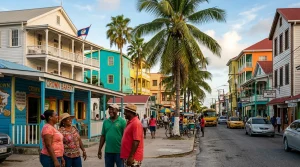
Nestled on the eastern edge of Central America, Belize’s unique geographic positioning creates a fascinating blend of Caribbean and Central American identities. While it may boast a Caribbean Sea coastline, showcasing mesmerizing white sandy beaches and shimmering turquoise waters, Belize’s cultural, historical, and socioeconomic contexts stretch far beyond its aquatic boundaries. This coexistence invites exploration into the question of whether Belize can truly be categorized as a Caribbean nation.Belize’s border along the Caribbean Sea allows it to share in the vibrant tapestry of Caribbean cultures, characterized by a rich melange of influences from the indigenous Maya, Creole, and Garifuna peoples. The country serves as a cultural crossroads, where Caribbean rhythms meet Central American flavors. Its cities like Belize City vibrate with Caribbean energy, with lively street festivals and music echoing the heritage of its diverse population. Yet, despite these deep social and cultural ties to the Caribbean, Belize also engages with its Central American neighbors, Mexico and Guatemala, reflecting a dual identity that adds complexity to its status.The coastal geography plays a pivotal role in shaping Belize’s Caribbean essence. The renowned barrier reef, the second-largest in the world, not only showcases its marine biodiversity but also attracts ecotourists and divers from around the globe. Areas such as Ambergris Caye and Caye Caulker epitomize the quintessential Caribbean vibe with their laid-back charm and water-based adventures. However, inland, Belize transforms into a lush inland haven filled with jungles, ancient Maya ruins, and a plethora of flora and fauna, further solidifying its rich biocultural landscape.Ultimately, Belize presents a compelling case for being a Caribbean nation, brought to life through its stunning natural beauty, vibrant culture, and welcoming people. However, it is also a land that straddles two dynamic worlds, allowing visitors and expats alike to immerse themselves in a diverse and enriching experience that truly celebrates the best of both Central America and the Caribbean.
Historical Context of Belize’s Geographic Identity
The rich tapestry of Belize’s geographic identity is woven through centuries of history, culture, and natural evolution. Once known as British Honduras, Belize has a storied past that reflects the entanglement of colonial ambitions, indigenous populations, and the emerging Caribbean influence. The ancient Maya civilization flourished here long before European arrival, with impressive cities such as Tikal and Caracol echoing the sophisticated culture and advancement of its people. The ruins of these settlements today not only hold archaeological treasures but also speak to the enduring legacy of the Maya, deeply rooted in the country’s cultural consciousness.In the 17th century, the area began to attract British loggers seeking mahogany, marking the start of British colonization. This led to a complex interface between British settlers and the indigenous communities, particularly the Maya and later the Garifuna-descendants of African, Carib, and Arawak people. Their arrival introduced new cultural dynamics that would significantly shape the nation’s identity, blending European, African, and indigenous heritages. Consequently, the formation of a multicultural society emerged as different groups, including the Creole and Garifuna people, fortified Belize’s Caribbean influences.As Belize attained independence in 1981, its identity as a Caribbean nation solidified under its unique historical context. Positioned along the eastern edge of Central America, Belize’s geographic location allows it to serve as a bridge between North America and the Caribbean. This status is complemented by its coastal features, such as the breathtaking barrier reef, recognized as a UNESCO World Heritage site. The reef not only provides habitats for diverse marine life but also draws ecotourists, contributing to the economy and reflecting the island-style lifestyle enjoyed by many Belizeans.Today, Belize’s blend of tropical beauty and cultural richness coexists within a framework that reflects both Caribbean and Central American influences. Festivals celebrating Garifuna culture, vibrant Creole cuisine, and the age-old traditions of the Maya illustrate this ongoing interplay. Each element contributes to Belize’s unique identity, defining it as not merely a geographical location but a cultural mosaic that thrives on its historical roots and cultural diversity. Whether one visits the lush jungles or the sun-kissed shores, the echoes of Belize’s past resonate, inviting travelers to connect with its heritage and embrace its continuing evolution.
Geographic Features That Define Belize’s Caribbean Connection

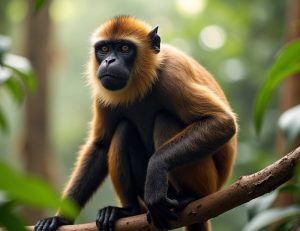
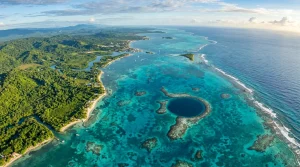
The topography of Belize unveils an extraordinary blend of vibrant ecosystems and breathtaking natural beauty that firmly situates it within the Caribbean experience. Stretching along the eastern edge of Central America, Belize boasts a remarkable coastline of over 240 miles, kissed by the sparkling turquoise waters of the Caribbean Sea. This shoreline is adorned with sandy beaches, gently swaying palm trees, and a myriad of cayes-over 400 small islands that offer idyllic escapes and a playground for aquatic adventures.Among its most notable geographic features is the Belize Barrier Reef, the second largest in the world and recognized as a UNESCO World Heritage Site. This stunning coral reef system not only serves as a vital habitat for diverse marine species-including the majestic manatee, colorful tropical fish, and elusive sea turtles-but also positions Belize as a premier destination for diving and snorkeling enthusiasts from around the globe. Adventurers can explore renowned sites like the Great Blue Hole, an oceanic sinkhole that draws divers eager to witness its striking underwater formations and thriving marine life.Coastal and Marine GeographyBelize’s coastal geography is characterized by a mix of mangroves, lagoons, and coral atolls, fostering rich biodiversity that is essential to both the marine and terrestrial ecosystems. The coastal mangrove forests serve as critical nurseries for juvenile fish, while also showcasing Belize’s commitment to conservation efforts. The interaction between land and sea results in some of the planet’s most unique ecosystems, from the lush rainforests that transition into tropical beaches to the intricate coral systems that shelter thousands of species.Ecological DiversityOn the mainland, the landscape transforms dramatically, with dense jungles teeming with wildlife and ancient Mayan ruins waiting to be discovered. The vast natural parks, such as Cayo District’s Mountain Pine Ridge and the Ray Cayes, not only provide sanctuary for exotic fauna but also invite trekkers to immerse themselves in the rich flora and fauna of the area. Hiking through the lush greenery, it’s common to encounter howler monkeys, toucans, and the splendid scarlet macaw, signaling the unforgotten ties between Belize’s vibrant landscapes and its Caribbean identity.In summary, Belize’s geographic features combine to create a rich tapestry that illustrates the country’s profound connection to the Caribbean. From the azure waters of the Caribbean Sea and the intricate coral reefs to the sprawling jungles of the hinterlands, this small nation encapsulates the essence of a Caribbean paradise, inviting travelers to explore and appreciate its natural wonders. Whether you are plunging into the depths of the Great Blue Hole or lounging on the sunlit beaches, Belize’s unique geography provides an enchanting backdrop for adventure, relaxation, and cultural immersion.
Cultural Richness: Belize’s Caribbean Influences Explained

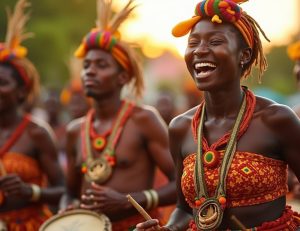
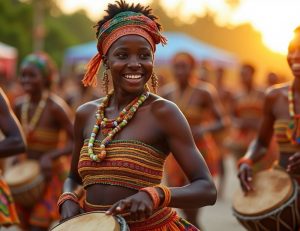
The vibrant tapestry of Belizean culture is intricately woven with Caribbean influences, manifesting in the nation’s customs, arts, and everyday life. With a history shaped significantly by British colonialism and the diverse communities that inhabit its territory, Belize stands as a unique cultural crossroads. The cultural richness is palpable, with each major ethnic group contributing to a collective identity that delights and fascinates visitors.Embracing Diversity Through Music and DanceMusic is the heartbeat of Belize, echoing the diverse influences that have shaped the nation. Garifuna music, with its infectious rhythms and call-and-response chants, captures the spirit of the Garifuna people, descendants of African, Carib, and Arawak ancestry. Traditional instruments like the turtle shell and drums often accompany lively dances during celebrations, drawing locals and tourists alike into vibrant street festivals. Add to this the Creole and Mestizo influences, and you find a rich mixing pot wherein Punta, Brukdown, and Soca represent the energetic pulse of Belize’s Caribbean connection.
Culinary Wonders: A Flavorful Festivity
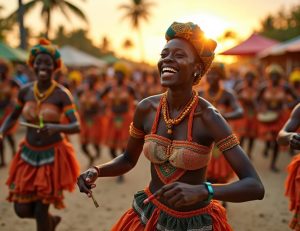
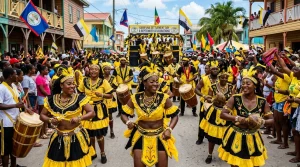
The local cuisine mirrors this cultural diversity, seamlessly blending Caribbean flavors with traditional Mesoamerican dishes. Highlights include rice and beans, often served with coconut milk, flavorful stews, and an array of fresh seafood. The famed longtong-a dish rooted in Creole heritage-exemplifies the rich culinary traditions that greet tourists’ palates. Delight in the experience of savoring dishes at local eateries, where every bite tells a story of heritage, history, and the harmonious blending of cultures.Celebrations That Bring Community TogetherBelize’s annual festivals, such as Carnival and the Garifuna Settlement Day, offer further insights into the nation’s Caribbean identity. Carnival, celebrated just before Lent, transforms the streets into a colorful parade of melodious music, stunning costumes, and exuberant dancing. In contrast, Garifuna Settlement Day honors the arrival of the Garifuna people to Belize with traditional ceremonies and community gatherings that emphasize unity and cultural pride. These events are not merely festivities; they are lifelines that connect residents to their roots while inviting visitors to participate in the joyous expressions of Belizian culture.As travelers navigate the roads to explore the Mayan ruins and the beauty of the Caribbean coast, they will find that the essence of Belize is vibrant and multifaceted. Each interaction and experience reveals the beautiful harmony of cultural influences that make Belize not just a destination, but a living community rich in stories and traditions, anchored firmly in both Central America and the Caribbean Sea.Belize’s Unique Position Between Two Worlds: Caribbean and Central America
Nestled at the intersection of Central America and the Caribbean, Belize is a remarkable tapestry woven from diverse cultural, geographical, and historical threads. Unlike any other country in the region, Belize offers a singular experience where the lush jungles of its interior meet the azure Caribbean waters, providing a unique backdrop for visitors and expats alike. This geographic positioning yields not only breathtaking landscapes but also a cultural blend that defines the essence of the nation, making it both a Central American gem and a Caribbean paradise.Belize’s coastline stretches about 386 kilometers along the Caribbean Sea, featuring stunning beaches, vibrant coral reefs, and islands like Ambergris Caye and Caye Caulker. These Caribbean attributes afford Belize a laid-back, tropical vibe along with a plethora of water activities such as diving, snorkeling, and sailing. In contrast, the interior showcases a rich tapestry of biodiversity found in national parks and reserves, illustrating the country’s underlying Mayan heritage. Travelers can explore ancient ruins, embark on jungle treks, and experience the wild beauty of the rainforest, all within a short distance from the serene shores.Culturally, Belize stands out for its rich heritage influenced by indigenous groups, Creole, Garifuna, and various immigrant communities, which contribute significantly to the nation’s Caribbean identity. Whether you’re savoring distictive culinary delights like rice and beans, enjoying the jubilant sounds of Garifuna music, or participating in local festivals such as Carnival, every encounter reinforces Belize’s unique position. These aspects harmoniously reflect both its Caribbean and Central American roots, providing visitors with experiences that are as diverse as they are enriching.For those considering Belize as a travel destination or a place to call home, the warmth of its people and the richness of its culture beckon with open arms. Practical considerations like accessible transportation, a variety of accommodation options, and a welcoming atmosphere for all types of travelers-including solo adventurers and LGBTQ+ visitors-make it a feasible escape or a new beginning. All these factors culminate in a destination that not only celebrates its Caribbean heritage but also acknowledges its Central American essence, making Belize an unforgettable adventure for anyone willing to explore its multifaceted identity.Travel Guide: Exploring Belize’s Caribbean Coast
Immersed in the vibrant heart of the Caribbean, Belize’s coastline is a treasure trove of stunning vistas, rich biodiversity, and cultural dynamism. Picture yourself basking on white sandy beaches, surrounded by swaying palm trees and the shimmering turquoise waters of the Caribbean Sea. With over 386 kilometers of coastlines, Belize’s Caribbean coast promises unforgettable experiences, blending relaxation with adventure in perfect harmony.Top Destinations Along Belize’s Caribbean Coast
Start your journey in Ambergris Caye, the largest island in Belize known for its stunning coral barrier reef, which is a UNESCO World Heritage Site. Here, indulge in world-class snorkeling and scuba diving to witness the vibrant marine life firsthand, or simply unwind on the beach with a refreshing cocktail. Don’t miss a visit to the Hol Chan Marine Reserve, where you can swim with nurse sharks and rays in the crystal-clear waters.Head south to Caye Caulker, a smaller, laid-back island famous for its motto, “Go Slow.” This charm is palpable as you stroll through sandy streets lined with colorful wooden houses. The famous Split is the spot for sunbathing and enjoying local seafood. Kayak through mangroves or take a catamaran tour for a taste of adventure and exploration.Accommodation Options
Belize provides a wide range of accommodation options catering to various preferences and budgets:- Budget Hostels: Hostels in Belize City and on Ambergris Caye offer affordable dormitory-style lodging for youth travelers and backpackers.
- Mid-Range Hotels: Enjoy boutique hotels and charming inns that provide comfortable amenities and easy access to local attractions.
- Luxury Resorts: For a lavish experience, stay at overwater bungalows or beachfront resorts where you can enjoy spa services, fine dining, and exclusive tours.
- Jungle Lodges: Combine the coastal allure with an adventurous stay in eco-lodges nestled in the rainforest, perfect for exploring ancient Maya ruins.
Essential Travel Information
Navigating Belize is straightforward, but a few tips will enhance your trip. Flights to Belize City are available from major U.S. cities. From there, local flights and water taxis offer accessible transfers to the islands. The Belize dollar (BZD) is the local currency, and many places accept U.S. dollars, simplifying transactions. While the rainy season runs from June to November, the Caribbean coast remains relatively dry, making the off-peak months a fantastic time for budget-conscious travelers.Health and safety precautions are essential in any travel. Make sure to stay hydrated, use reef-safe sunscreen, and heed local wildlife recommendations to avoid encounters with jellyfish or corals. Belize is generally safe for tourists but exercising standard travel caution, especially at night, will keep your experience pleasurable.In sum, Belize’s Caribbean coast is not just a destination but a celebration of life, culture, and stunning natural beauty. From the vibrant nightlife and delicious Creole cuisine to the tranquil beaches and thrilling outdoor adventures, this idyllic setting invites all types of travelers to explore its wonders while offering welcoming arms for those looking to call it home. Whether you’re basking under the sun or diving into the depths of the ocean, the spirit of this Caribbean gem is sure to enchant.The Great Blue Hole: A Caribbean Treasure
The Great Blue Hole, a colossal marine sinkhole off the coast of Belize, is one of the most iconic features in the Caribbean, attracting divers and nature enthusiasts from all corners of the globe. This UNESCO World Heritage Site, measuring over 300 meters in diameter and 125 meters deep, is not just a stunning natural wonder; it’s also a vibrant ecosystem teeming with marine life. The mesmerizing blue waters encircle a dramatic underwater world, showcasing stalactites and formations that date back thousands of years, offering a glimpse into the Earth’s geological history.Diving into the Great Blue Hole is an adventure like no other. As you descend into the depths, you’re greeted by the mesmerizing hues of blue and the vast open space of the cavern. The diversity of marine species, including reef sharks, nurse sharks, and various species of fish, will captivate your senses. For those not diving, day trips via boat provide options for snorkeling on the stunning coral reefs surrounding the sinkhole, allowing you to experience the rich underwater life from the surface.Aside from its sheer beauty, the Great Blue Hole serves as a vital component of Belize’s broader marine ecosystem, which includes the Belize Barrier Reef-a UNESCO World Heritage Site in its own right. Whether you’re a seasoned diver or a casual snorkeler, visiting this natural marvel fosters a deeper appreciation for marine conservation and the delicate balance of life beneath the waves. Make sure to book your trip with reputable tour operators who prioritize sustainable practices, ensuring the preservation of this Caribbean treasure for future generations.In terms of accessibility and travel logistics, several tour operators in Belize offer full-day excursions to the Great Blue Hole, typically leaving from Ambergris Caye or Caye Caulker. It’s advisable to book in advance, especially during peak tourist seasons, to ensure availability. A good tip is to check if the tour includes not only the Blue Hole but also stops for snorkeling at nearby sites such as Half Moon Caye-a paradise for birdwatchers and nature lovers alike. This blend of adventure and ecological education makes a visit to the Great Blue Hole an unforgettable highlight of any trip to Belize.Maya Heritage: Cultural Ties and Their Caribbean Significance
The rich tapestry of Maya heritage in Belize is not just a relic of ancient history; it pulsates with vibrant cultural significance that weaves through daily life and celebrates the nation’s identity as a part of the Caribbean. The ancient Maya civilization thrived in this region, leaving behind spectacular archaeological sites like Caracol, Xunantunich, and Lamanai, which now serve as windows into their sophisticated society. Each site tells stories of a civilization that excelled in agriculture, astronomy, and art, stunning visitors with intricate stone carvings and awe-inspiring pyramids that rise dramatically from the lush jungles.While Belize shares geographical boundaries with Central America, its Maya connections deeply anchor it to the Caribbean. The Maya people were known for their trade links with other Caribbean cultures, exchanging goods such as cacao, which was highly valued. This historical interconnection laid the foundation for the cultural exchanges that shape Belize today, infusing the country’s identity with Caribbean rhythms, languages, and culinary flavors. The enduring presence of contemporary Maya communities further enriches this legacy, showcasing traditional practices in farming, crafts, and rituals that coexist with modern life.Belize’s festivals often highlight this unique heritage, blending Maya customs with Caribbean influences. One notable event is the annual Maya Day, which celebrates the vibrancy of Maya culture through traditional music, dance, and cuisine. Visitors are encouraged to join local communities in celebrating with food stalls offering authentic dishes like tamales and kachchigües, showcasing the fusion of flavors that reflect both Maya and Caribbean traditions. Engaging with these cultural experiences provides a deeper understanding of how Belizeans honor their ancestry while embracing their Caribbean identity.The biodiversity of Belize’s landscapes, from dense jungles to coastal marine environments, is also a reflection of its Maya heritage. Ancient Maya still hold deep-rooted spiritual connections to the land, viewing the natural world as sacred. This perspective fosters a respect for natural conservation that aligns with modern eco-tourism practices. Travelers are invited to explore this delicate balance between history and nature, whether through guided tours of the majestic Temple of the Inscriptions or snorkeling in crystal-clear waters off Ambergris Caye, where the harmony of Belize’s biodiversity comes to life.In essence, Belize’s rich Maya heritage is intricately linked to its Caribbean significance, offering visitors an immersive experience into a culture that celebrates both its ancient roots and vibrant contemporary expressions. By understanding these connections, travelers can appreciate how Belize serves as a bridge between two worlds, filled with adventure, exploration, and cultural richness that beckons to be discovered.Belize’s Biodiversity: Ecosystems and Wildlife of the Caribbean
Belize is a veritable treasure chest of biodiversity, boasting over 5,000 species of plants, 500 species of birds, and more than 300 species of mammals. This ecological richness not only underscores its Caribbean identity but also creates a habitat teeming with life that captivates visitors seeking both adventure and serenity. The uniquely diverse ecosystems found here range from lush rainforests and mangrove swamps to coral reefs and coastal wetlands, making Belize a paradise for nature enthusiasts and eco-tourists alike.The Belize Barrier Reef, the second-largest coral reef system in the world, is a UNESCO World Heritage site that offers unparalleled opportunities for snorkeling and diving. Home to a variety of marine life including sea turtles, rays, and colorful fish, this underwater spectacle showcases the vibrant biodiversity that defines Belize’s Caribbean nature. Visitors can explore iconic sites such as the Great Blue Hole, where deep turquoise waters plunge dramatically into the depths, creating mesmerizing views for divers and snorkelers. Adventurers can spend a day out at sea, with guides offering experiences ranging from easy snorkeling excursions to deep-sea fishing and diving trips.Beyond its impressive marine ecosystems, the mainland features lush jungles and expansive national parks that teem with wildlife. The Cockscomb Basin Wildlife Sanctuary is a must-visit for those interested in seeing jaguars, ocelots, and an array of bird species in their natural habitats. Trekking through the jungle with a knowledgeable guide provides insights into the interconnectedness of the ecosystems, revealing how flora and fauna thrive together in this tropical haven.Practical Eco-Tourism Tips for Belize Travelers should keep a few essential pointers in mind when venturing into these rich ecosystems:- Respect Nature: Always follow guidelines from eco-tours and national park regulations to minimize the impact on delicate habitats.
- Pack Essentials: Bring biodegradable sunscreen, insect repellent, and reusable water bottles to reduce waste.
- Stay Informed: Engage with local conservation programs to learn about efforts aimed at protecting Belize’s unique biodiversity.
- Venture Responsibly: Choose tours operated by local guides who prioritize sustainability and enhance your understanding of the ecology.
Understanding the Local Cuisine: Caribbean Flavors in Belize
In Belize, every meal tells a story-a delicious narrative woven from the rich tapestry of cultures that have called this land home. The culinary scene is a vibrant blend of flavors reflecting the nation’s diverse heritage, with African, Mayan, and Caribbean influences harmonizing to create a unique gastronomic experience. Wander through local markets where the air is filled with the tantalizing scent of spices, and you’ll discover that the heart of Belizean cuisine lies in its authenticity and communal spirit.Fresh seafood plays a starring role in the local diet, with dishes like escabeche, a tangy fish stew, showcasing the bounty of the Caribbean Sea. Lobster, conch, and shrimp are often celebrated during festivals, reflecting their significance in both local culture and cuisine. Street vendors grill fish tacos and serve up bowls of creamy coconut rice, inviting visitors to indulge in everyday delights that reveal the soul of the region’s food culture. Many Belizeans also take pride in their homemade fry jacks-deep-fried dough served with almost every breakfast, adorned with beans, eggs, or even honey.Vegetarians will find their taste buds tantalized by an abundance of fruits and vegetables. The influence of the Garifuna culture introduces unique staples like cassava, which is used in various forms, from baked goods to traditional dishes like hudut, a fish and cassava soup that beautifully embodies the Caribbean flair. The local market is a treasure trove for those wanting to explore native ingredients, such as the fiery scotch bonnet pepper and aromatic herbs that flavor many dishes.Cuisine in Belize is more than just food; it’s a communal experience often marked by celebrations and festivals. Traditional celebrations, such as Garifuna Settlement Day, showcase the richness of Garifuna culture through food, music, and dance, inviting everyone to partake in the flavors of the land. This blend of communal gatherings and local fare ensures that each bite connects you not only to Belize’s rich culinary landscape but also to its vibrant cultural identity, reinforcing the notion that Belize, with its vivid flavors and traditions, is both a Caribbean gem and a culinary paradise.Festivals and Celebrations: The Cultural Mosaic of Belize
The vibrant tapestry of festivals and celebrations in Belize represents a rich cultural mosaic that highlights the nation’s Caribbean identity. Throughout the year, the streets come alive with music, dance, and the scents of traditional dishes, inviting everyone-locals and visitors alike-to participate in a shared experience of joy and community.Belize’s festivities embrace the influences of its diverse populations. One of the most significant events is Garifuna Settlement Day, celebrated on November 19th. This day commemorates the arrival of the Garifuna people to the shores of Belize, marked by colorful parades, traditional music, and dance. Visitors can immerse themselves in the lively atmosphere filled with drumming, singing, and the delicious tastes of Garifuna cuisine, such as hudut (a fish and cassava soup). The celebrations reflect the resilience and cultural heritage of the community, creating a captivating experience that resonates with the island’s Caribbean spirit.Aside from Garifuna Settlement Day, Belize also celebrates Carnival, a spectacular affair taking place just before Lent, filled with extravagant costumes, revelry, and vibrant street parties. The streets of Belize City and San Pedro transform into a festive playground as revelers dance and celebrate with joyous abandon. Throughout the year, various smaller community festivals reflect local traditions and creativity, each adding layers to Belize’s cultural richness. Events like Lovers’ Rock Festival celebrate romance with reggae music, while the Cacao Festival showcases the significance of cacao in Belizean culture, bringing farmers and chocolatiers to spotlight local cacao products.This cultural diversity is also evident in food, art, and music, where flavors and rhythms from Africa, Europe, and the Caribbean blend to create a unique Belizean identity. Festivals present an excellent opportunity to explore this fusion. Visitors can enjoy local dishes, participate in dance workshops, and engage with artisans selling handmade crafts. Each event serves not only as a cultural showcase but also as a testament to Belize’s position as a nation deeply intertwined with its Caribbean heritage, inviting all to celebrate its beautiful mosaic of traditions.Belize for Expats: Living in a Central American Caribbean Paradise
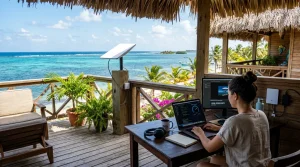
Nestled between the vibrant blue of the Caribbean Sea and the lush greenery of Central America, Belize is a dream destination for expats seeking a blend of adventure, tranquility, and rich cultural experiences. Known for its warmth and welcoming atmosphere, Belize offers an appealing lifestyle that is both relaxed and engaging. Imagine waking up to the sounds of tropical birds and the ocean breeze, enjoying fresh, local fruits at your doorstep, and exploring the breathtaking Great Blue Hole or the ancient Maya ruins on weekends.Cost of Living
One of the most attractive aspects of living in Belize is its relatively affordable cost of living. Compared to many Western nations, housing, groceries, and utilities are generally more budget-friendly. Expats often find that renting a home, whether it’s a cozy apartment in Belize City or a beachside bungalow in San Pedro, can range from $600 to $1,500 depending on location and amenities. Expats should consider local markets for fresh produce and homemade goods, often significantly cheaper than supermarket prices.Visa and Residency Options
Belize offers several visa options for expats, including the Qualified Retired Persons (QRP) program, which provides incentives for retirees such as tax exemptions. This program is particularly beneficial for those over 45 with a monthly income of at least $2,000. Whether you seek permanent residency or just a temporary stay, the local immigration officials are generally approachable, providing a straightforward application process.Connectivity and Transport
Getting around in Belize can be an adventure in itself. While taxis and buses run in the major towns, many expats opt for personal vehicles to explore the more remote areas. Driving is on the right-hand side of the road, and some roads may require a sturdy vehicle due to their condition. Domestic flights are available for longer distances, especially to places like Caye Caulker and Ambergris Caye.Community and Culture
The cultural richness of Belize is profoundly inviting. Expats will find a diverse population, with influences from the Mayan, Creole, Garifuna, and Mestizo communities. This diversity is reflected in the language, food, and festivals celebrated throughout the year. Engaging with local traditions, such as enjoying Garifuna drumming or participating in Belikin beer festivals, provides a deeper understanding and appreciation of Belize’s heritage. Creating a sense of belonging is easy, as many expats have found friendships through community events and local organizations.Health and Safety
Healthcare in Belize has improved significantly over the past few years, with new clinics and hospitals opening in major cities, although private health insurance is highly recommended. Emergencies can be addressed at the relatively few public facilities, but often, expats prefer private services in nearby countries like Mexico. As with any place, it’s advised to follow general safety guidelines, avoid secluded areas at night, and always keep travel information handy.Belize combines stunning natural beauty with a rich tapestry of cultures, making it an ideal paradise for expats looking to reinvent their lives. With affordable living, a welcoming community, and endless opportunities for outdoor exploration and cultural engagement, it truly captivates the spirit of Caribbean paradise while offering the conveniences of Central American living.Faq
Q: Is Belize considered part of the Caribbean region? A: Yes, Belize is geographically located in Central America but culturally identifies with the Caribbean region. It has a coastline along the Caribbean Sea and is a member of the Caribbean Community (CARICOM), linking it to Caribbean nations [3[3].Q: What are the cultural influences of the Caribbean in Belize? A: Belize’s culture is deeply influenced by Caribbean elements, notably through music, cuisine, and festivals. The Garifuna culture, Creole cuisine, and various annual celebrations reflect its Caribbean heritage, blending indigenous, African, and British traditions [3[3].Q: How does Belize’s geography affect its Caribbean identity? A: Belize’s unique geography, with its eastern coastline on the Caribbean Sea, supports its identity as a Caribbean nation. Unlike typical Central American countries, Belize’s coastal features, such as the Great Blue Hole, enhance its connection to Caribbean tourism and biodiversity [2[2].Q: What historical factors contribute to Belize’s Caribbean connection? A: Belize’s colonial past as a British settlement has fostered a distinct Caribbean identity. Its historical ties to the British West Indies and participation in CARICOM reinforce its cultural alignment with Caribbean nations [3[3].Q: Are there any Caribbean festivals celebrated in Belize? A: Yes, Belize hosts several Caribbean-inspired festivals, including Garifuna Settlement Day and Belize Carnival. These events showcase vibrant music, dance, and cultural expressions that highlight Belize’s Caribbean heritage [3[3].Q: What makes Belize a unique destination in the Caribbean? A: Belize stands out due to its diverse ecosystems, including the Belize Barrier Reef, rich Mayan heritage, and a blend of cultures. This unique combination offers visitors both Caribbean beauty and cultural depth, making it a one-of-a-kind spot in the region [2[2].Q: How do local cuisines reflect Belize’s Caribbean identity? A: Belizean cuisine features Caribbean flavors, such as rice and beans, jerk chicken, and seafood dishes, showcasing a mix of Creole, Maya, and Garifuna influences. This culinary diversity reflects the country’s rich cultural tapestry, emphasizing its Caribbean roots [3[3].Q: What wildlife can be found in Belize that aligns with its Caribbean identity? A: Belize is home to diverse marine life, especially in its coral reefs, which are part of the Caribbean ecosystem. Species such as manatees, sea turtles, and hundreds of fish species thrive in these waters, highlighting Belize’s strong connection to Caribbean biodiversity [1[1].In Summary
In conclusion, understanding the geographic identity of Belize as both a Central American nation and a Caribbean coastal paradise enriches your travel planning. This unique blend offers diverse experiences, from exploring the Great Blue Hole to learning about the vibrant Garifuna culture. Ready to dive deeper into Belize’s adventures? Check out our detailed guides on must-see destinations and accommodations that are perfect for all types of travelers, whether you seek budget-friendly options or luxurious overwater bungalows. You’re just a click away from uncovering the best Belize has to offer. Don’t forget to subscribe to our newsletter for the latest tips, or explore our resources on wildlife and eco-tourism for your next expedition! Share your thoughts or questions in the comments, and let’s keep the conversation going about this beautiful destination.Comprehensive Guide and In-Depth Analysis: Is Belize In The Caribbean
When exploring the details surrounding is belize in the caribbean, understanding the practical, environmental, and cultural dynamics of Belize is essential for making informed travel or investment decisions. Belize stands out in Central America for its English-speaking heritage, British Common Law legal stability, and world-class ecotourism infrastructure.
Whether navigating mainland rainforest corridors, consulting local authorities, or exploring marine conservation zones along the Belize Barrier Reef, having verified, comprehensive information regarding is belize in the caribbean ensures seamless execution.
| Key Evaluation Pillar | Standards & Conditions in Belize | Actionable Best Practices |
|---|---|---|
| Regional Specifics | Variations between northern districts, central cayes, and southern rainforests | Align plans with specific district infrastructure and seasonal weather |
| Regulatory & Legal Framework | Belize Tourism Board (BTB) regulations and national conservation laws | Always work with licensed local professionals and certified guides |
| Logistics & Practical Costs | Fixed 2:1 BZD-to-USD currency peg; accessible transport via air and water | Plan budget with cash buffer for remote destinations and transfers |
For visitors and residents alike, engaging with is belize in the caribbean through authorized, sustainable practices contributes directly to local community development and the preservation of Belize’s pristine marine and terrestrial ecosystems.
Frequently Asked Questions: Is Belize In The Caribbean
Why is understanding is belize in the caribbean important for Belize visitors?
It provides essential context for choosing the right regional destinations, understanding local pricing, and ensuring full compliance with environmental and tourism standards.
How do seasonal factors affect is belize in the caribbean in Belize?
The dry season (December through May) offers calm seas and sunny weather, while the green season brings lower rates and lush jungle scenery.
Get our latest guides, news, and insights highlighted in your Google Search & AI Overviews.