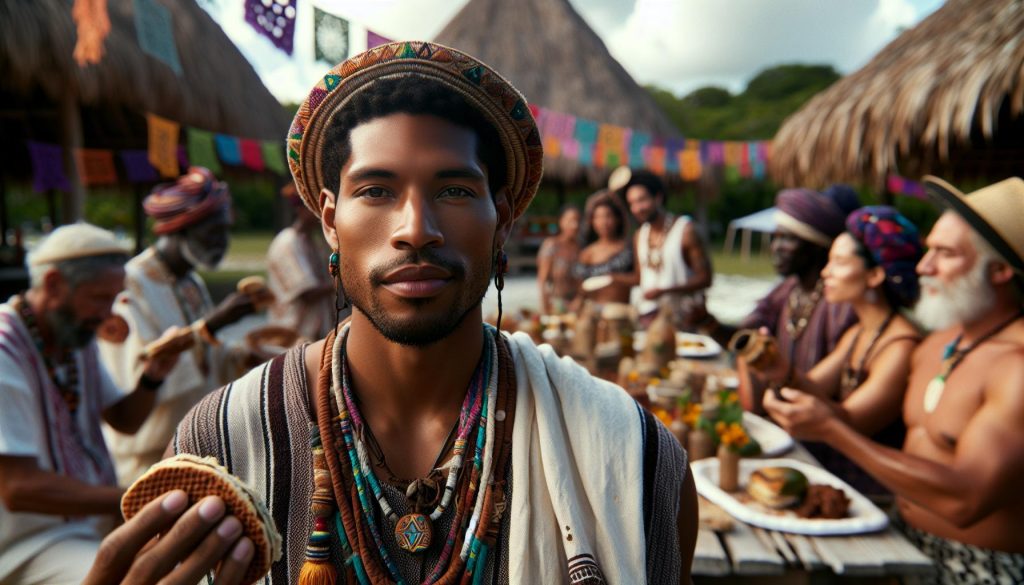
When exploring the vibrant cultural tapestry of Belize, one question often arises: Is Belize Hispanic? This inquiry dives deeper than mere labels; it unveils the complex identities that define this Central American jewel. With its rich history influenced by indigenous cultures, African heritage, and colonial legacies, understanding Belize’s cultural identity is essential for anyone seeking to appreciate its diverse communities and traditions. As travelers and expatriates look to immerse themselves in local life, grasping this identity can enhance their experiences and foster connections. Join us on a journey through Belize’s cultural landscape, where the interplay of histories and traditions creates a unique mosaic waiting to be discovered.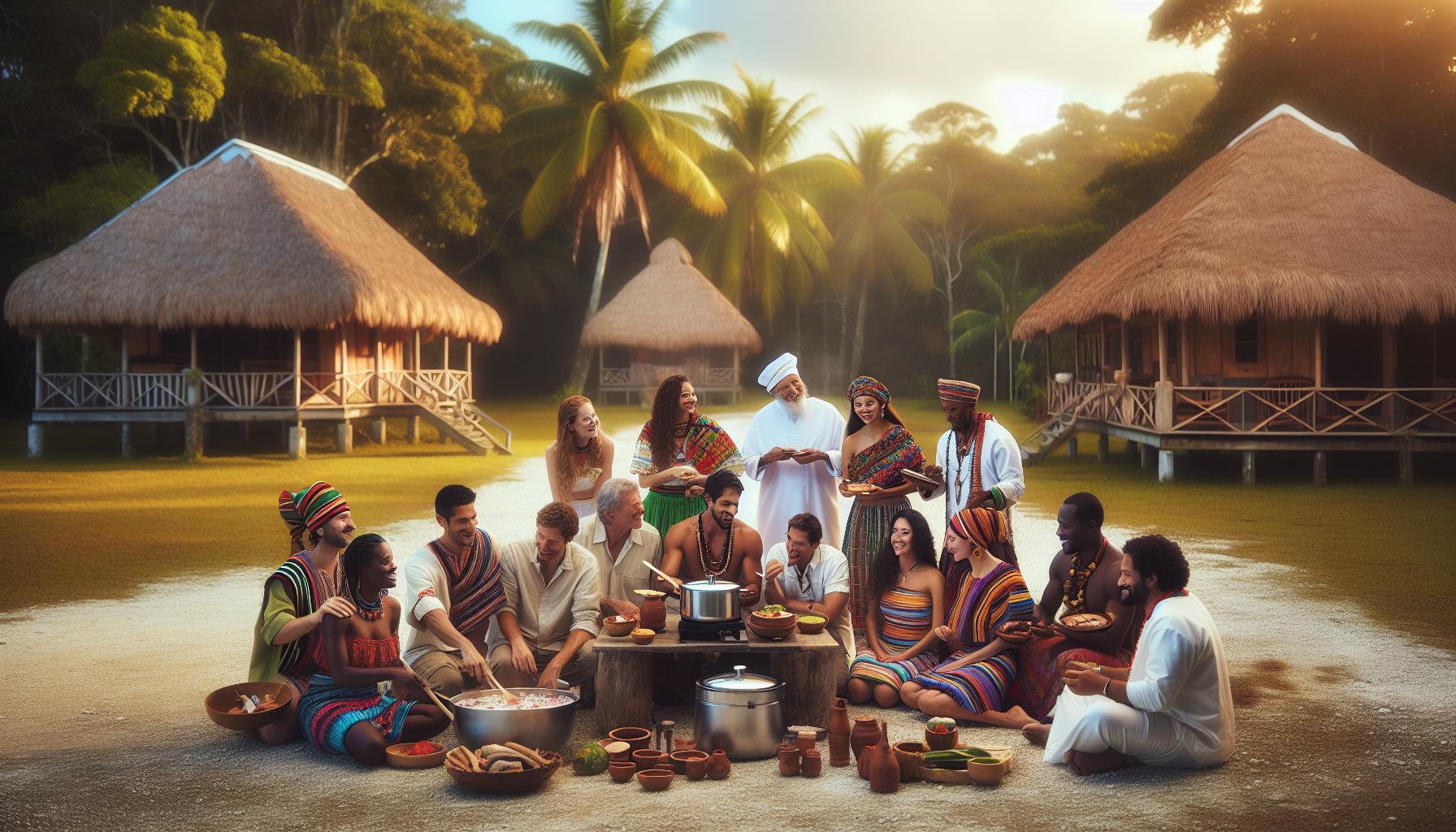
Cultural Roots of Belize: A Melting Pot Explained
Belize, often heralded as a vibrant tapestry of cultures, embodies the essence of a melting pot. Situated at the crossroads of Central America and the Caribbean, its rich cultural heritage is a synthesis of influences that include the Indigenous Maya, Creole, Garifuna, Mestizo, and numerous other ethnic groups. This intricate mosaic not only shapes the identity of Belizeans but also offers visitors a captivating glimpse into a society where languages, traditions, and flavors intertwine seamlessly.
One striking aspect of Belize’s cultural roots is the coexistence of various languages, most notably English, Spanish, and Kriol. English serves as the official language, a remnant of its colonial past, while Spanish resonates deeply due to the heritage of its neighboring countries. Kriol, a Creole language derived from English, showcases the unique linguistic blend developed by Belize’s diverse populations. This multilingual backdrop exemplifies how language in Belize is not just a means of communication but a vital component of individual and communal identity.
The culinary landscape of Belize further exemplifies this melting pot, with dishes reflecting an array of cultural influences. From traditional Maya staples like tamales and corn tortillas to the flavorful Garifuna fish and rice dishes, food plays a crucial role in Belizean culture. The weekend is often filled with vibrant markets where locals gather to share culinary delights and traditions, providing a window into the heart of Belize’s cultural spirit. Festivals such as Garifuna Settlement Day and Independence Day celebrate this diversity, showcasing music, dance, and arts that bind the community together.
In exploring Belize’s cultural foundation, it becomes evident that the vibrancy of its identity lies in its inclusive nature-where the past meets the present, and where every ethnicity contributes to a shared narrative. Visitors to Belize not only witness this unique heritage but become a part of it, gaining insights into a land where each corner reveals stories of resilience, creativity, and unity among its diverse inhabitants. This blend of cultures is not just a characteristic of Belize; it is its strength, making it a destination filled with enlightening experiences and lasting connections.
Is Belize Part of the Hispanic Heritage?
The rich cultural tapestry of Belize is woven from various threads, one of which is its connection to Hispanic heritage. While Belize primarily identifies as an English-speaking nation due to its historical ties as a former British colony, the influence of Hispanic culture is undeniably significant. Spanish is widely spoken, particularly among the Mestizo population, and reflects the country’s proximity to Mexico and Central America. This linguistic diversity plays a vital role in the social fabric of Belize, creating an environment where Spanish-speaking communities thrive alongside English and Kriol speakers.
In exploring Belize’s Hispanic connections, one encounters a blend of traditions that go beyond language. The Belizean identity incorporates elements from the vibrant cultures of Latin America, manifested in music, dance, and festivals. For instance, the celebrations of events such as Día de los Muertos showcase the fusion of indigenous Maya beliefs with Spanish influences, creating a unique cultural observance celebrated across the nation. Festivals are vibrant and lively, often featuring Latin rhythms, traditional foods, and a strong sense of community, illustrating how Hispanic culture is interwoven with local customs.
Cuisine serves as another testament to this blend, with Belizean dishes often inspired by Hispanic culinary traditions. You can savor tamales, a dish rooted in indigenous heritage but popularized in Spanish-speaking cultures, or enjoy the fusion of flavors found in dishes like rice and beans. These culinary delights not only reflect the flavors of the region but also illustrate the harmonious coexistence of different ethnic backgrounds, where each contributes to the overall richness of Belize’s gastronomic scene.
Furthermore, the historical context of colonialism has shaped Belize’s identity, fostering a society that embraces its multiculturalism. While some may question whether Belize should be categorized strictly as part of Hispanic heritage, it is essential to appreciate how its traditions, language, and cultural practices draw from a diverse well. Belizeans often celebrate this melding of identities, asserting that their national identity is a reflection of both their rich Indigenous past and the complex socio-cultural influences that have shaped their present. This intricate dance of cultural exchange not only enriches Banyan identity but also invites visitors to embrace and explore the profound depth of Belize’s heritage.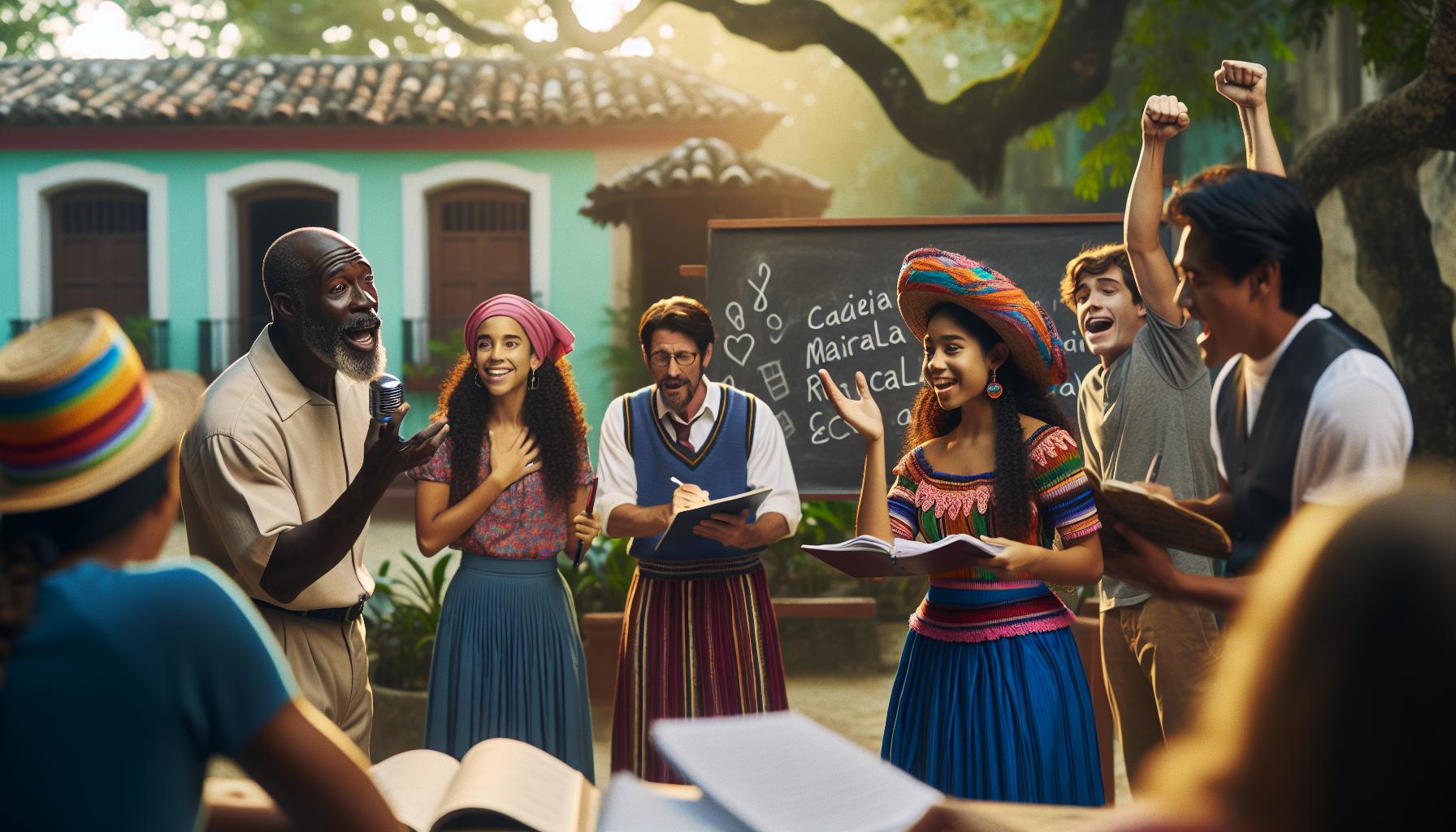
The Influence of Language in Belize’s Identity
In Belize, language serves as a vibrant mirror reflecting the country’s complex multicultural identity. With English as the official language-an echo of its colonial past-Belize also boasts a rich tapestry of linguistic diversity. Spanish, spoken by a significant portion of the population, especially within Mestizo communities, highlights the country’s geographic and cultural connections to Latin America. As you traverse Belize’s lively towns and stunning nature reserves, the harmonious blending of languages creates a welcoming atmosphere, inviting visitors to engage with its rich cultural fabric.
The presence of Kriol and various indigenous languages, including those of the Maya and Garifuna peoples, further enriches this linguistic landscape. Kriol, a creole language that emerged from historical contact between English and African languages, acts as a unifying thread among people of different backgrounds. This linguistic interplay fosters community bonds and reinforces the Belizean identity, where conversations are often a delightful mix of languages. Visitors will often hear the unique cadence of Kriol in local markets, where the chatter reflects not just commerce, but a deep sense of belonging and cultural pride.
Beyond mere communication, language in Belize is a vessel for storytelling and expression, encapsulating the history, struggles, and dreams of its people. Cultural expressions are often deeply interwoven with language, whether through the poetic lyrics of Garifuna music or the captivating tales shared by the Maya. Language festivals and cultural events showcase this diversity, bringing together generations to celebrate their heritage through dance, music, and spoken word. Such events serve as a reminder that in Belize, every word carries a piece of history, marking the landscape, the rhythms of life, and the stories that define a nation.
For travelers, understanding the linguistic nuances in Belize offers a unique lens through which to appreciate its cultural identity. Engaging with locals in their preferred language can open doors to authentic experiences, whether sampling local delicacies or participating in vibrant community celebrations. The richness of language in Belize is not just a means of communication; it’s a vibrant thread in the intricate tapestry of a society that embraces all its roots while looking forward to a shared future.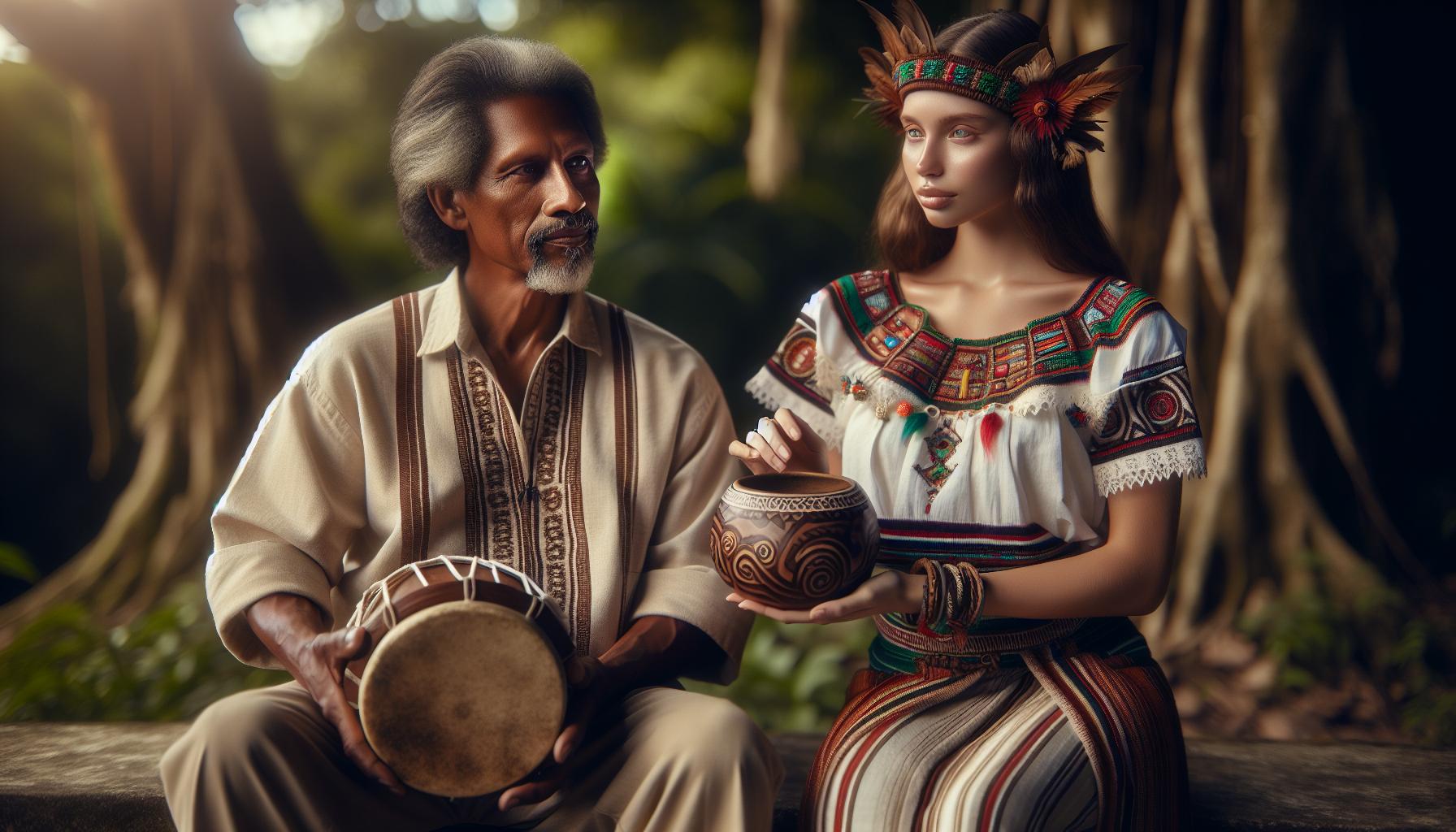
Exploring Indigenous Cultures: Maya and Garifuna
Delving into the cultural kaleidoscope of Belize reveals a vibrant tapestry woven from the threads of its indigenous groups, notably the Maya and Garifuna peoples. The Maya civilization, with its rich history stretching over 3,000 years, has left an indelible mark on the landscape, evident in the ancient ruins scattered across the country. From the magnificent temples of Caracol to the ceremonial centers of Lamanai, these sites not only serve as popular tourist destinations but also as living testaments to the enduring legacy of Maya culture. Visitors can engage with the descendants of this great civilization, exploring traditional crafts and participating in rituals that celebrate their ancestors’ historical achievements.
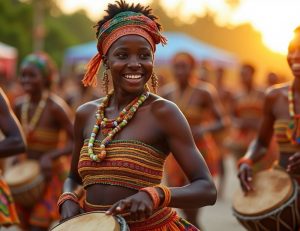
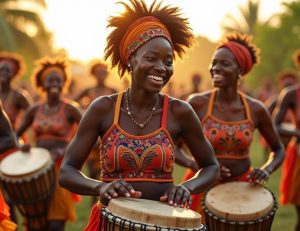
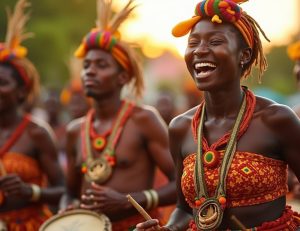
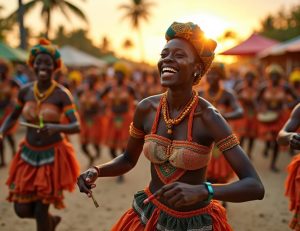
Conversely, the Garifuna culture is a unique blend of African, Arawakan, and Carib influences, characterized by a distinctive language, music, and dance. This cultural group, known for their rhythmic drumming and captivating dances, celebrates their heritage through vibrant festivals like the Garifuna Settlement Day, held annually on November 19. This event marks the arrival of the Garifuna to Belize and features lively parades, traditional food, and musical performances that invite participation from all. Travelers can immerse themselves in this dynamic culture in coastal towns like Hopkins and Punta Gorda, where local artisans and community leaders offer workshops, storytelling sessions, and other cultural experiences.
In both Maya and Garifuna communities, cuisine plays a central role in cultural expression. Traditional dishes, such as tamales and hudut (a fish and plantain dish), not only tantalize the taste buds but also narrate stories of ancestral customs and communal gatherings. Food is a bridge between generations, often prepared during significant events and family gatherings, reinforcing cultural ties. For example, the process of making traditional tortillas is a communal activity among many Maya families, fostering a sense of togetherness.
Engaging with the Maya and Garifuna cultures provides travelers with deep insights into Belize’s identity. Whether hiking through ancient ruins, dancing at a Garifuna festival, or sampling local delicacies, you’re invited to partake in a shared narrative that celebrates resilience, creativity, and community spirit. This journey through Belize’s indigenous cultures is not just about observation; it is about connection-building bridges between past and present, local and visitor, tradition and modernity. With open hearts and curious minds, travelers can truly appreciate the complex cultural landscape that makes Belize a unique destination in Central America.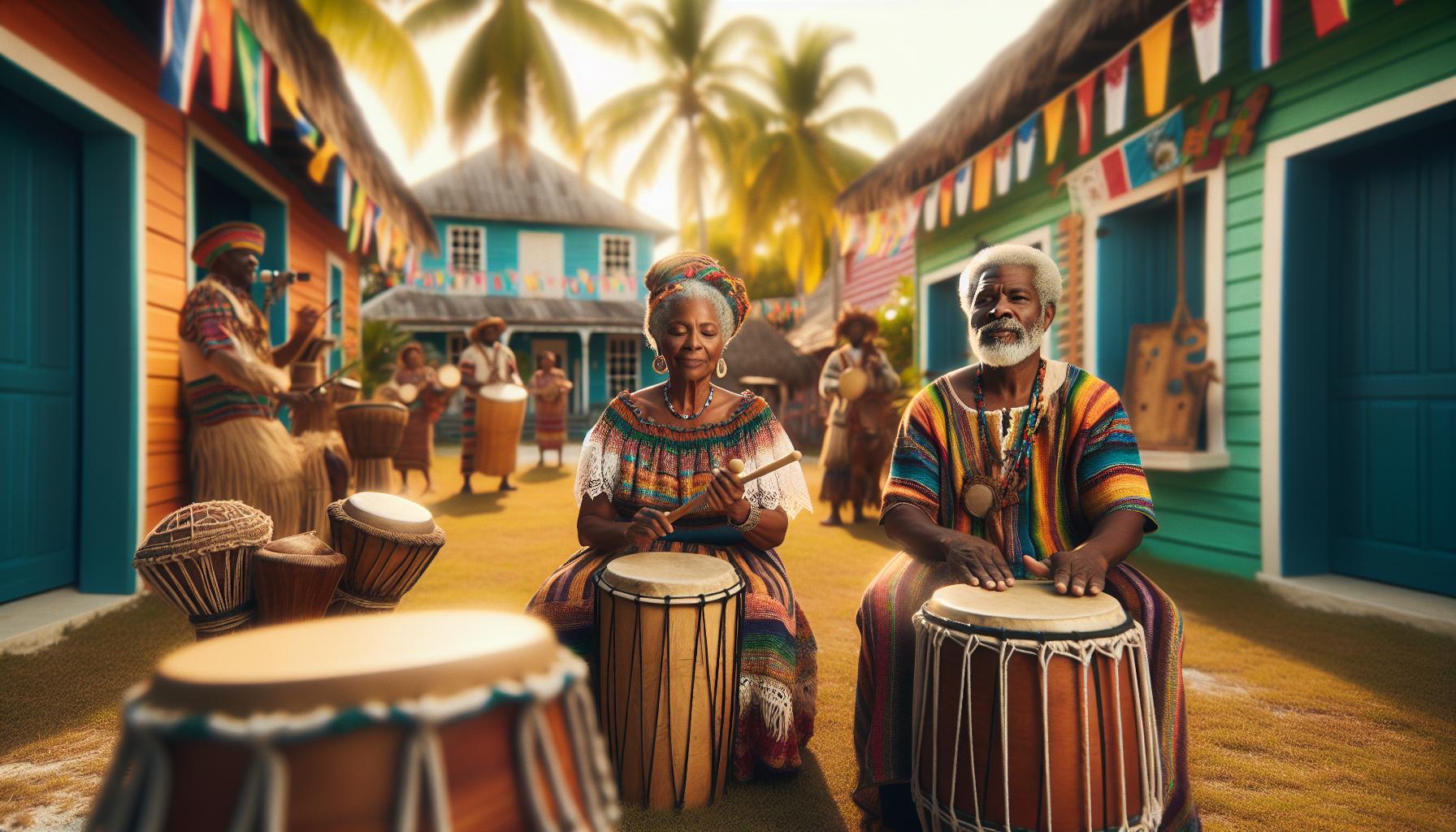
Belize’s Creole Culture: History and Significance
A captivating aspect of Belize’s cultural identity lies in its rich Creole heritage, a vibrant blend forged from various backgrounds including Afro-Caribbean, English, and indigenous influences. The Creole culture emerged as a distinct identity during and after the colonial period, particularly when enslaved Africans brought their traditions to the region. As they encountered the local environment and interacted with the Spanish and British colonial settlers, a unique cultural tapestry began to develop, manifesting in language, music, dance, and cuisine that are celebrated today.
The Kreol language, an English-based creole, serves as a defining feature of this culture. It is spoken widely across Belize, serving as a crucial tool for communication that carries the nuances of the Creole experience. Engaging with the local community means not just hearing the language but experiencing its rhythm in everyday conversation, music, and storytelling. For visitors, understanding this linguistic backdrop enhances appreciation for the stories shared in local markets or during community gatherings.
Cuisine is another vivid expression of Creole culture, merging influences from African, Caribbean, and European culinary traditions. Dishes such as rice and beans, stew chicken, and the famous coconut seafood dishes symbolize the island flavor and local ingredients that are central to the Belizean lifestyle. Travelers seeking to experience local flavors can visit community eateries or participate in a traditional cooking class, where they can learn to prepare these beloved dishes while enjoying the warm hospitality of the Creole people.
Music and dance are vital to Creole identity, with genres like punta and brukdown resonating during festive occasions. Celebrations often include spirited performances that showcase the history and resilience of the Creole community. Festivals such as the Creole Day, held on November 19, allow locals and visitors alike to immerse themselves in the culture through lively parades, folk music, and dance.
In understanding Belize’s Hispanic identity, it is essential to recognize the Creole contribution to this cultural mosaic. While Belizean society embraces various ethnicities, the Creole community encapsulates a vibrant heritage that underscores the country’s multifaceted identity. Engaging with this culture provides a comprehensive viewpoint on the unique social dynamics that shape Belize as a welcoming and diverse nation, where varied threads of history intertwine to create a beautiful tapestry of shared traditions and vibrant community spirit.
The Role of Religion in Belizean Identity
In Belize, religion serves as a profound thread woven into the fabric of national identity, bridging diverse cultural backgrounds and fostering a sense of community among its inhabitants. Approximately 50% of the population identifies as Roman Catholic, a legacy of Spanish colonial influence, while other religious groups, including Protestants, Mennonites, and the indigenous Maya spiritual practices, contribute to a rich tapestry of belief systems. This plurality not only highlights the religious diversity within Belize but also plays an essential role in social cohesion and cultural expressions across the nation.
Religious practices are deeply embedded in the rhythms of daily life, with various festivals throughout the year that reflect the joyous spirit of the Belizean people. For instance, the vibrant Feast of the Immaculate Conception in December unites communities in celebration, showcasing traditional foods, music, and dance that encapsulate the unique Belizean identity. Such events highlight how religion acts as both a spiritual anchor and a catalyst for cultural expression, fostering connections across different ethnic and cultural divides.
Belizeans also observe several cultural ceremonies that intertwine religious beliefs with local customs. The Garifuna tradition, for example, includes rituals and songs that honor ancestors and the divine, thereby preserving a unique cultural heritage that resonates with many. In an increasingly globalized world, these practices allow communities to maintain their distinct identities while still embracing a collective Belizean spirit.
The role of religion in Belize extends beyond personal practice; it significantly influences the arts, music, and even cuisine. The harmony of festive gatherings often resonates with spiritual undertones, encouraging a celebration of both faith and heritage. As visitors experience the vibrant cultural landscape, they will find that religion not only shapes individual beliefs but also nurtures a rich communal life that offers an enriching experience for anyone wishing to explore the true essence of Belize.
Cuisine as a Reflection of Cultural Identity
The culinary landscape of Belize is a vibrant mosaic of flavors that mirrors its rich cultural heritage and ethnic diversity. From the coastal towns to the jungle interiors, the Belizean palate reflects influences from the Maya, Creole, Garifuna, and Mestizo communities, creating a unique culinary identity that celebrates both history and locality. Each dish tells a story, connecting the past with contemporary tastes and traditions, making the cuisine not just a means of sustenance but a vital expression of the nation’s cultural fabric.
Traditional Belizean cuisine is characterized by its use of fresh, local ingredients and traditional methods of preparation. Staples include rice and beans, often served alongside stewed chicken or fish, and flavored with spices that are a nod to the country’s multi-ethnic makeup. Dishes like cochinita pibil (slow-roasted pork) and tamales (corn dough filled with meats or vegetables) exemplify the Maya influence, showcasing ancient techniques still valued in modern cooking practices. Meanwhile, the Creole community brings vibrant flavors through dishes such as seafood fritters and the ever-popular hudut-a delicious blend of fish with a coconut-based sauce served over mashed plantains.
A notable factor in Belize’s culinary identity is its intersection with social and cultural practices, particularly during festivals and communal gatherings. Celebratory meals often feature local favorites, such as cassava bread and jerk chicken, bringing families and communities together in a shared experience of taste and heritage. The significance of food in Belize extends beyond flavor; it is a binding agent that celebrates cultural identity, reinforces social connections, and fosters community continuity.
Visitors and residents alike experience this culinary diversity through local markets, roadside stalls, and vibrant restaurants that reflect the island’s overall hospitality. Engaging with Belizean food offers travelers an immersive experience, allowing them to taste the complex history of the region in every bite. For those keen on exploring Belize’s culture further, taking a cooking class or visiting local farms can deepen the appreciation for the sustainable practices and the artisans dedicated to preserving these culinary traditions. Overall, Belizean cuisine is not only a feast for the senses but also a powerful reminder of the island’s past, making it integral to understanding its cultural identity.
Celebrating Diversity: Festivals and Traditions
Festivals and traditions in Belize serve as vibrant expressions of its rich and diverse cultural heritage, where the influences of Kriol, Mestizo, Maya, Garifuna, and other ethnic groups converge to create colorful celebrations that bring communities together. One of the most significant events is Garifuna Settlement Day, celebrated on November 19th, which commemorates the arrival of the Garifuna people to Belize. This festival is not just a historical reflection; it is an exuberant display of Garifuna music, dance, and traditional foods, showcasing the resilience and rich traditions of a community that has maintained its unique cultural identity against the backdrop of colonial history.
Another hallmark event is the National Festival of Arts, held annually to promote and celebrate the artistic talents of Belizeans across various disciplines. This festival features performances ranging from traditional folk dances to contemporary music, encouraging intergenerational participation and fostering a sense of pride in national heritage. Here, creativity flourishes, as artists and performers come together to highlight the narrative threads that bind different cultures in Belize, from the splashes of color in costume to the tunes of vibrant Belizean music echoing through the streets.
Belize’s cultural fabric is further enriched through the celebration of St. George’s Caye Day on September 10th, which marks the historic naval battle that secured British control over the territory. This event not only reflects Belize’s colonial past but also highlights national pride, with festivities that include parades, concerts, and cultural displays, allowing citizens to come together in a shared spirit of patriotism.
Visitors seeking to immerse themselves in this cultural tableau will find that each festival is a gateway into the country’s living history. Consider planning your trip to coincide with one of these vibrant celebrations. Engage with the local communities, taste the traditional foods, and participate in the dances-these experiences are essential for anyone looking to truly understand and appreciate Belize’s unique cultural identity. Whether you’re swaying to the rhythm of the drums during Garifuna Settlement Day or admiring the stunning costumes during the National Festival of Arts, you’ll find that Belizean festivals are a joyous and welcoming celebration, inviting everyone to be part of the tapestry of Belizean life.
Education and Language: Shaping Belizean Identity
In the vibrant tapestry of Belizean identity, education and language weave together to shape not just the individual, but the collective consciousness of this diverse nation. English is the official language, a remnant of Belize’s colonial past, yet the reality is far more complex and deeply interwoven with the cultural practices of its people. A rich mix of languages reflects the country’s melange of ethnicities, with Kriol, Spanish, Garifuna, and various Maya dialects all playing significant roles in daily communication. This linguistic diversity not only enriches social interaction but also fosters a sense of belonging among different cultural groups, each with its own history and heritage.
Education in Belize serves as a crucial platform for cultural exchange and the preservation of indigenous identities. Schools often incorporate teachings from multiple cultural perspectives, allowing students to explore their own heritage alongside that of their peers. For instance, programs that teach Garifuna history and language are vital in perpetuating the legacy of the Garifuna people. Moreover, as globalization continues to influence local cultures, bilingual education has become increasingly important, equipping the younger generation with the skills needed to navigate both local and international landscapes.
A visit to Belize offers a unique opportunity to witness this cultural intermingling firsthand. Travelers can engage in community-based programs or language classes that promote not just the learning of a language but the understanding of the cultures that speak it. For example, participating in a Kriol cooking class or a Maya weaving workshop can provide valuable insights into the narratives and traditions that form the backbone of Belizean society. Whether through the rhythms of Garifuna music or the flavors of Creole cuisine, education and language continue to manifest as dynamic forces that celebrate and sustain the country’s rich cultural identity, inviting locals and visitors alike to partake in a shared journey of discovery and connection.
Belizean Contributions to Arts and Music
The vibrant arts and music scene in Belize serves as a powerful reflection of its diverse cultural tapestry, drawing from the rich traditions of various ethnic groups and intertwining them into a unique national identity. This eclectic mix is often best expressed through the rhythms of music and vivid colors of local art, which together tell the story of a nation that celebrates both its indigenous roots and colonial influences.
Belizean music is notably characterized by genres such as Punta, Brukdown, and Paranda, each embodying the spirit of the local communities. Punta music, originating from the Garifuna people, combines traditional drumming with contemporary styles, creating energetic beats that invite dancing and celebration. The Garifuna Settlement Day, celebrated on November 19, showcases this musical style alongside traditional dances, reinforcing the importance of cultural heritage. Similarly, Brukdown, a blend of Creole rhythms and lyrics, delivers humor and storytelling, often highlighting the everyday life and struggles of Belizeans, while Paranda merges Spanish guitar with storytelling elements of the Garifuna tradition.
The visual arts in Belize also thrive on diversity. Local artists draw inspiration from the stunning landscapes, wildlife, and cultural motifs found throughout the country. Belizean artisans are renowned for their craftsmanship in crafting intricate wooden carvings, weaving, and pottery, often depicting themes from nature and folklore. For visitors, exploring local markets or visiting dedicated art galleries is a perfect way to connect with the creativity of the Belizean people. Events such as the Festival of Arts in Belize City provide platforms for emerging artists to showcase their works, encouraging a vibrant dialogue about cultural identity and creativity.
In addition to music and visual arts, Belize boasts a thriving literary scene, with writers embracing themes that reflect social issues, history, and culture. Local authors often incorporate the unique linguistic richness of Belize-using English, Kriol, and Spanish-to resonate with a wide audience while preserving their cultural narratives.
The arts and music of Belize not only entertain but also serve as vital means of preserving the country’s heritage and fostering a sense of community. Travelers are encouraged to engage with this cultural milieu-attending concerts, visiting art studios, or exploring galleries-thereby enriching their experience and gaining deeper insights into the heart and soul of Belize. This engaging interaction showcases the dynamic spirit of a nation that stands proudly at the crossroads of its rich cultural influences.
The Impact of Colonial History on Cultural Identity
Belize’s cultural identity is unmistakably shaped by its colonial past, a rich tapestry woven from the threads of European influence, indigenous traditions, and the intermingling of diverse ethnic groups. From the time of British colonization, which began in the 17th century, the cultural landscape of Belize underwent profound transformations that would leave an indelible mark on its national identity. The legacy of colonialism is still palpable in the nation’s languages, governance, and societal structures, manifesting a unique blend that distinguishes Belize from its Central American neighbors.
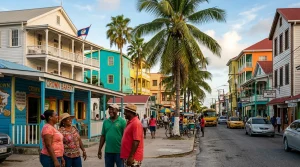
The British established logging settlements along the coast, attracting settlers from various backgrounds, including Africans subjected to enslavement, indentured servants from Europe, and even indigenous groups such as the Maya and Garifuna. This confluence of cultures led to the emergence of a creole population, whose language-Kriol-has become a defining element of Belizean identity. Kriol incorporates English, African languages, and elements from various local languages, reflecting the country’s diverse heritage. For visitors, strolling through Belize City and engaging in conversations can reveal the rhythmic cadences of Kriol, enhancing their understanding of Belize’s unique societal fabric.
Another significant aspect of Belize’s colonial impact is its religious diversity, predominantly characterized by Christianity, primarily Anglican and Roman Catholic faiths. These religions were introduced by European colonizers and continue to inform Belizean social norms and traditions. Furthermore, annual festivities often reflect a blend of indigenous and colonial heritage-such as Garifuna Settlement Day, which celebrates the arrival of the Garifuna people with traditional music and dances that fuse indigenous and African elements.
Despite colonial oppression, Belizeans have embraced their hybrid identity, where traditional practices coexist with modern influences. This resilience can be seen in everyday life-from the culinary scene, with dishes like rice and beans showcasing a mix of indigenous, European, and African flavors, to the vibrant music genres of Punta and Brukdown that chronicle the complexities of Belizean life. Here’s an opportunity for travelers to immerse themselves in the local culture; joining communities during festivals can offer firsthand experiences of this beautiful amalgamation, providing insights into how colonialism has shaped Belize into the vibrant nation it is today. Exploring this dynamic culture is akin to peeling back the layers of an onion-each one revealing more about the rich historical tapestry that defines Belizean identity today.
Navigating Belize’s Identity in Contemporary Society
Amidst the lush jungles, pristine beaches, and vibrant villages of Belize, a rich cultural tapestry emerges, intricately interwoven with elements of colonial influence, indigenous heritage, and modern globalization. Navigating this vibrant identity today requires an appreciation for the complexities and contradictions that characterize Belizean society. While Belize is geographically located in Central America and shares historical ties with Hispanic nations, it possesses a distinct identity that is a mosaic of various cultures, making it a unique point of interest for travelers and expatriates alike.
The populations of Belize reflect a blend of ethnic groups, including Mestizo, Creole, Garifuna, and indigenous Maya. Each group contributes to the diverse cultural landscape, creating a society that may not fit neatly into the definition of “Hispanic.” For example, the Garifuna culture, with its roots in Africa and the Caribbean, boasts its own language, music, and dance that are celebrated during vibrant festivals like Garifuna Settlement Day. Engaging in these local celebrations provides insight not only into their joy and resilience but also highlights the ongoing narrative of cultural preservation in the face of modernization.
In contemporary society, Belize confronts the challenge of preserving its multifaceted identity while navigating the influences of globalization. This landscape offers a potent mix of traditional practices and contemporary trends. Many Belizeans are proud of their heritage, and efforts to promote local crafts, music, and cuisine are evident in various cultural initiatives. It’s common to see locals gathered for lively drum circles or enjoying ceviche made with freshly caught seafood, where every bite tells a story of Belize’s diverse culinary traditions shaped by indigenous roots and colonial legacies.
For travelers keen to explore Belize’s multifaceted identity, engaging with local communities is crucial. Visiting markets, practicing Kriol or Spanish with local vendors, or enjoying dishes like tamales or rice and beans invites a deeper understanding of Belize’s sociocultural dynamics. Additionally, learning about current social movements and preservation efforts can enrich your travel experience, fostering connections and an appreciation for the vibrant identity that defines this Central American gem. Immerse yourself, experience the warmth of Belizean hospitality, and let the layers of history and culture unfold around you.
Frequently asked questions
Q: Is Belize considered a Hispanic country?
A: Belize is not typically classified as a Hispanic country. While Spanish is one of the official languages, English is the primary language spoken. The diverse cultural roots, including Creole, Maya, and Garifuna influences, contribute to its unique identity, shaping a multicultural society rather than a solely Hispanic one.
Q: What is the role of Spanish in Belizean culture?
A: Spanish plays a significant role in Belizean culture, prevailing alongside English and various indigenous and Creole languages. While many Belizeans are bilingual, the dominance of English in media and education creates a distinctive cultural identity that transcends typical Hispanic associations.
Q: How do Belize’s indigenous cultures impact its identity?
A: Indigenous cultures, particularly the Maya and Garifuna, profoundly influence Belize’s identity. Their traditions, languages, and customs contribute to the country’s rich cultural tapestry, showcasing the diversity that characterizes Belize beyond mere Hispanic classification.
Q: What makes Belize’s Creole culture unique?
A: Belize’s Creole culture is unique due to its blend of African, European, and indigenous influences, evident in music, dance, and cuisine. This rich heritage contributes to a vibrant community that celebrates its diversity through festivals and traditions, distinguishing it from generally recognized Hispanic cultures.
Q: Are there festivals in Belize that reflect its cultural diversity?
A: Yes, Belize hosts numerous festivals highlighting its cultural diversity, such as the Garifuna Settlement Day, celebrating Garifuna heritage, and the Belize Carnival, showcasing Creole and Mestizo influences. These events exemplify the country’s multiculturalism, celebrated through music, dance, and cuisine.
Q: How does colonial history affect Belizean cultural identity?
A: Colonial history has significantly shaped Belizean cultural identity, introducing English governance and mixed cultural influences. The remnants of British colonialism reflect in language, law, and education systems, contributing to a unique Belizean identity that navigates both local and colonial legacies.
Q: What languages are most commonly spoken in Belize?
A: In Belize, English is the official language and the most widely spoken. Spanish also holds prominence, particularly in certain communities, along with several Mayan languages and Belizean Creole, illustrating the nation’s linguistic diversity and cultural richness.
Q: How does the cuisine of Belize reflect its cultural identity?
A: The cuisine of Belize is a vibrant reflection of its cultural identity, featuring a blend of flavors from Creole, Maya, and Hispanic traditions. Dishes like rice and beans, tamales, and ceviche showcase the diverse influences and the importance of food in cultural expression and community gathering.
Closing Remarks
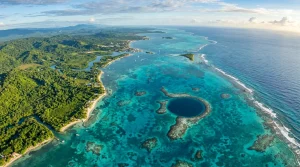
Understanding the cultural identity of Belize is just the beginning of your journey in this vibrant nation. With its unique blend of influences, including Maya, Garifuna, Creole, and Latin American cultures, Belize offers a diverse experience that is both enriching and exciting. If you’re eager to explore more about this captivating country, dive into our guides on the best things to do in Belize, from the stunning Great Blue Hole to the historical Maya ruins.
Don’t miss out on practical travel insights, including accommodation options that suit every budget, essential tips on navigating the local landscape, and an overview of the seasonal climate for your next visit. We invite you to explore our articles on living as an expat in Belize, where we cover everything from cost of living to cultural festivals. Engage with the local culture and natural beauty that make Belize a unique destination. Your adventure awaits-click here to take the next step in discovering Belizean life!
Get our latest guides, news, and insights highlighted in your Google Search & AI Overviews.