Is Belize Part of North America or Central America?
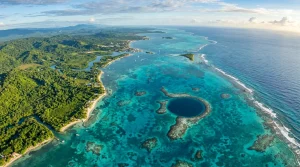
Nestled on the northeastern coast of Central America, Belize boasts a unique geographical position that often sparks debate about its continental classification. At first glance, the country’s vibrant landscapes, rich cultural heritage, and Caribbean influences may lead some to categorize Belize as part of the Caribbean, but it is officially classified as Central America. Belize shares borders with Mexico to the north and Guatemala to the west and south, while its eastern coast is adorned with pristine Caribbean beaches and the world-renowned Belize Barrier Reef, making it a breathtaking destination for adventurers and a hotspot for eco-tourism.Understanding Belize’s geographic location is not merely about borders; it reflects the intricate tapestry of cultures and ecosystems that define this nation. The diverse environments range from lush jungles to stunning coral reefs, all contributing to its appeal as a travel destination. Though it’s geographically situated in Central America, Belize’s cultural influences are deeply intertwined with Caribbean, Mayan, and British heritages. The warmth of Belizean locals and their acceptance of various cultures further enhances the country’s allure, creating a rich, multicultural atmosphere that draws visitors from all over the globe.This geographic distinction also plays a significant role in Belize’s identity, shaping its economy, tourism, and international relations. The thriving tourism industry thrives on the unique experiences offered by this Central American nation, including the Great Blue Hole, ancient Maya ruins, and endless opportunities for adventure. Whether exploring the rainforests or diving in crystalline waters, travelers find that Belize’s classification extends beyond mere geography; it embodies the spirit of a land where every corner has a story waiting to be discovered. Thus, while Belize proudly identifies as part of Central America, its heart beats in unison with the Caribbean, inviting everyone to experience its unparalleled beauty and hospitality.
Understanding Belize’s Geographic Location
Belize, a stunning jewel of Central America, evokes curiosity regarding its geographic classification. Often associated with the Caribbean due to its picturesque coastlines and cultural influences, Belize is officially part of Central America, bordered by Mexico to the north and Guatemala to the west and south. Its eastern fringe boasts magnificent Caribbean beaches and the renowned Belize Barrier Reef, a UNESCO World Heritage site celebrated for its breathtaking marine biodiversity. This juxtaposition of landscapes-lush jungles to the west and crystalline waters to the east-makes Belize a uniquely captivating destination for travelers.The diverse ecosystems found within this small nation contribute to its unparalleled appeal. From the ancient Maya ruins nestled within dense rainforests to the vibrant coral formations teeming with life, Belize is a sanctuary for adventurers and nature enthusiasts alike. When exploring the Great Blue Hole, an iconic natural wonder, or kayaking through the mangroves of the Ambergris Caye, visitors can experience firsthand the majestic beauty that defines this region.Understanding Belize’s location also enhances its cultural richness. The influences of Caribbean, Mayan, and British heritages weave a colorful tapestry that embodies the spirit of the nation. As you wander through local markets or partake in lively festivals, such as the Garifuna Settlement Day celebrations, the warm and welcoming nature of the Belizean people is apparent. This unique blend of cultures not only enriches the travel experience but also illustrates that while Belize is geographically categorized within Central America, its heart resonates deeply with Caribbean rhythms and traditions.For those planning a visit, it’s essential to grasp how Belize’s geographic identity impacts various aspects of travel, from climate considerations and transportation options to visa requirements and accommodation choices. Whether you’re seeking budget-friendly hostels or luxurious overwater bungalows, the country’s stellar positioning offers a wide range of options to suit every type of traveler. Embrace the charm of Belize, where the land and sea come together to create an unforgettable adventure waiting to be explored.
The Cultural and Historical Context of Belize
The rich cultural and historical fabric of Belize is a tapestry woven with the threads of its diverse heritage, historical transformations, and resilient spirit. From the magnificent ancient Maya civilization that once thrived in the rainforests to the vibrant influences of British colonialism and African heritage, Belize offers a unique viewpoint on the evolution of Central America. The remnants of the Maya can still be witnessed today in the majestic ruins of Caracol, Xunantunich, and Lamanai, which draw curious travelers eager to uncover the stories of a people who built remarkable city-states long before modern history began.As a former British colony, Belize gained independence in 1981, and this colonial legacy is evident in various aspects of daily life, including the official language: English. However, the true spirit of Belize is reflected in the dynamic cultural blend present in its music, cuisine, and annual celebrations. The eclectic rhythms of Garifuna drum music fill the streets during festive occasions, while traditional dishes such as rice and beans served with stewed chicken showcase the culinary fusion that is quintessentially Belizean.Travelers can engage with the vibrant local culture by participating in events like the Belize Carnival in September or the colorful Garifuna Settlement Day in November, celebrating the arrival of the Garifuna people to Belize. Local markets burst with life, inviting visitors to sample Creole pastries, fresh seafood, and handmade crafts. These cultural experiences not only provide insight into Belize’s past but also strengthen the bonds among its diverse communities today.For those looking to delve deeper, understanding the historical context of Belize also sheds light on its contemporary society, where a mix of Indigenous, Creole, Mestizo, and Garifuna influences coalesce. This multicultural heritage not only defines Belize as a Central American nation but also enriches its identity as a Caribbean nation, blending cultures, languages, and traditions into a beautiful mosaic that welcomes all who visit. Whether you’re exploring ancient ruins or enjoying a local festival, the sense of belonging and shared history permeates every corner of Belize, making it a destination that resonates with the heart and soul of travelers from all walks of life.
Why Belize is Often Considered a Caribbean Nation
Nestled on the northeastern edge of Central America, Belize boasts a coastal line that stretches along the Caribbean Sea, which significantly shapes its identity and cultural richness. This unique geographical positioning makes it an alluring intersection of Central and Caribbean influences. The sandy beaches, lush tropical landscapes, and vibrant marine life contribute to the perception of Belize as a Caribbean paradise, attracting travelers who yearn for both adventure and relaxation amidst stunning natural beauty.Belize’s cultural fabric is a vibrant tapestry woven with influences from various Caribbean traditions. The population reflects a rich melange of ethnicities, including Creole, Mestizo, Garifuna, and Maya, each contributing to the country’s unique identity. Annual celebrations, like the spirited Garifuna Settlement Day and lively Carnival, bring forth the rhythms of Garifuna drum music and the flavors of traditional Creole dishes such as fry jacks and rice and beans. These events not only celebrate heritage but also establish a profound connection to the Caribbean ethos, making visitors feel like part of an inclusive community that cherishes its roots.Moreover, Belizean cuisine serves as another testament to its Caribbean identity, fusing Indigenous ingredients with Caribbean flavors. From coconut rice to fresh seafood dishes, the culinary offerings reflect a blend of rich cultural influences. For travelers, indulging in local food is a journey in itself, providing insight into the vibrant and diverse communities that call Belize home. Explore local markets bursting with colors, sounds, and smells that entice and welcome visitors with the warmth of Belizean hospitality.The marine wonderland of the Belize Barrier Reef, recognized as a UNESCO World Heritage Site, emphasizes why Belize is often celebrated as a Caribbean nation. As the longest reef in the Western Hemisphere, it offers a diverse ecosystem teeming with vibrant coral, playful dolphins, and an astonishing variety of fish. Snorkeling or diving here feels like stepping into an underwater paradise, highlighting the seamless blend of both land and sea, and showcasing the natural beauty that continues to captivate those who explore its depths.Ultimately, Belize stands as a destination where Central American and Caribbean elements harmoniously coexist, making it a unique gem that offers expansive opportunities for travelers to explore, engage, and immerse themselves in its rich cultural and natural heritage. Whether sunbathing on the beaches or exploring sacred Maya sites, Belize invites you to experience its enchanting spirit and discover for yourself why it is often considered a Caribbean nation.
Debunking Myths: Belize and Its Neighboring Countries
Many travelers and even some geography enthusiasts often overlook the nuances surrounding Belize’s geographical identity, leading to several misconceptions about its location and its relations with neighboring countries. Nestled between Mexico to the north and Guatemala to the west and south, Belize is undeniably a Central American nation. However, its unique cultural and geographical attributes often blur the lines between Central and Caribbean identities, creating an air of ambiguity that can confuse many.One common myth is that Belize is a part of the Caribbean islands. While it does share cultural ties with the Caribbean, particularly through its Afro-Caribbean influences in music, dance, and culinary traditions, its landmass is firmly situated in Central America. The stunning Belize Barrier Reef, the longest in the Western Hemisphere and a UNESCO World Heritage Site, holds a special place in the Caribbean’s ecological framework, contributing to this perception. Exploring the reef can sometimes feel like an excursion to a Caribbean paradise, but it’s essential to remember that this beautiful territory is bordered by Central American countries.Additionally, Belize’s proximity to Guatemala and its historical ties with the Maya civilization often lead outsiders to incorrectly classify it solely as a Central American country. While Belize does share a rich heritage with Guatemala, including significant archaeological sites that showcase the impressive Maya civilization, its own distinct identity-shaped by a blend of cultures such as Creole, Mestizo, and Garifuna-distinguishes it within the region. This diverse tapestry is celebrated during vibrant local festivals, where cultural expressions reflect a harmonious blend rather than a division along national lines.Moreover, the misconception that all of Belize’s neighbors are similar is another myth worth addressing. Belize is unique in its official language-English-which sets it apart from Spanish-speaking neighbors like Guatemala and Mexico. This distinctive characteristic not only influences daily life and governance but also enriches the cultural experience for visitors, as they can easily navigate and immerse themselves in the local lifestyle without a language barrier.In conclusion, while geographic classification might place Belize in Central America at face value, the fusion of Central and Caribbean elements in its identity tells a richer and more fascinating story. By understanding these nuances, visitors can appreciate the vibrant culture, stunning landscapes, and warm hospitality that define this gem of a country. Whether it’s exploring lush jungles, witnessing the breathtaking Great Blue Hole, or indulging in rich culinary traditions, Belize offers a delightful experience that is deeply rooted in its historical and geographical context.The Impact of Belize’s Location on Its Tourism
The crystal-clear waters of Belize are more than just a stunning backdrop; they represent the very essence of the country’s appeal as a bustling travel destination. Nestled in Central America, Belize’s unique location between Mexico and Guatemala, along with its proximity to the Caribbean Sea, positions it as a prime location for tourism that beautifully blends adventure, culture, and natural beauty. This geographical advantage not only enhances its accessibility but also enriches the experiences offered to visitors, making it an intriguing stop on any Central American itinerary.Belize’s coastline is anchored by the Belize Barrier Reef, the longest in the Western Hemisphere and a UNESCO World Heritage Site. This natural wonder attracts divers, snorkelers, and marine life enthusiasts from all over the globe, eager to explore its vibrant ecosystems teeming with colorful coral, tropical fish, and even the occasional manatee. The allure of the reef and its surrounding cays makes Belize a hotspot for eco-tourism. For travelers seeking adventure, activities like scuba diving, kayaking, and sailing are readily available, often leading to unforgettable encounters with marine life against mesmerizing underwater landscapes.Beyond its marine offerings, Belize’s rich cultural tapestry, influenced by its Central American roots and Caribbean connections, captivates tourists as well. Visitors can immerse themselves in vibrant local culture, sampling delectable Creole cuisine or enjoying Garifuna music and dance at lively festivals. The country is dotted with ancient Maya ruins, such as Xunantunich and Caracol, providing a glimpse into its prehistoric civilization and allowing tourists to walk in the footsteps of the ancient Maya.When considering a trip to Belize, the implications of its location extend into practical aspects of traveling for visitors. With English as the official language, navigating the country is relatively straightforward for English-speaking tourists. The nation’s strategic airport locations, paired with efficient road systems, allow easy movement between destinations-whether you’re lounging on Caribbean beaches, hiking through lush jungles, or exploring the vibrant markets of Belize City.Given its diverse offerings, from eco-adventures to cultural experiences, Belize’s location influences its tourism significantly, making it an alluring destination for diverse travelers, including families, solo adventurers, and even expats looking to settle in a picturesque locale. Whether experiencing the enchanting Great Blue Hole, exploring the jungles surrounding popular tourist towns like San Ignacio, or discovering picturesque islands such as Ambergris Caye, travelers are sure to find their own piece of paradise within this Central American gem.How Geographic Classification Affects Belize’s Identity
Nestled between the lush jungles of Central America and the serene Caribbean Sea, Belize’s geographic classification plays a crucial role in shaping its national identity, culture, and tourism dynamics. Often regarded as a bridge between two worlds, Belize blends the influences of Central American heritage with elements of Caribbean culture. This unique positioning enriches the local lifestyle and attracts a diverse range of visitors, each eager to experience the country’s multifaceted character.The impact of geographic classification is evident in Belizean culture, where the fusion of indigenous Maya, Creole, Garifuna, and Mestizo influences creates a vibrant societal tapestry. Local festivals celebrate this diversity, drawing upon traditions that reflect both Central American roots and Caribbean vibrancy. For travelers, this means engaging in lively celebrations like the Garifuna Settlement Day and experiencing the rich flavors of Belizean cuisine, which features everything from rice and beans to fresh seafood, often enjoyed at beachfront eateries. Prospective expats will find in this cultural milieu a welcoming community that values inclusivity and cultural exchange.Moreover, Belize’s location directly influences its tourism sector. Positioned strategically between Mexico and Guatemala, with coastlines along the Caribbean Sea, Belize is easily accessible for travelers seeking adventures ranging from exploring the ancient ruins of Xunantunich to diving in the world-famous Great Blue Hole. The country’s biodiversity, enriched by ecosystems that include rainforests, wetlands, and coral reefs, appeals to eco-tourists and adventure seekers alike. This variety not only enhances Belize’s appeal but also fosters a growing awareness of conservation efforts vital for sustaining its natural beauty.Understanding Belize’s geographic classification is essential for enhancing travel experiences and expat life. It impacts practical travel considerations such as visa requirements, local languages spoken (English is the official language, enhancing accessibility for many travelers), and transportation options. The country is also well-equipped for tourism, offering accommodations ranging from budget-friendly hostels to luxurious beachfront resorts. Each element fosters a deeper appreciation for the country’s natural and cultural offerings, making Belize not just a destination, but a vibrant experience waiting to be explored.Belize’s Diverse Ecosystems: Land and Sea
The lush landscapes and vibrant marine life of Belize are a tantalizing preview of the diverse ecosystems that punctuate this Central American paradise. Spanning from dense rainforest canopies to the breathtaking depths of the Caribbean Sea, the country’s varied habitats host an incredible array of flora and fauna, making it a vital destination for nature lovers and eco-enthusiasts alike.Among Belize’s most iconic ecosystems is the Great Barrier Reef, a UNESCO World Heritage Site, renowned for its stunning coral formations and spectacular marine biodiversity. Here, divers and snorkelers can encounter a kaleidoscope of marine life, from colorful reef fish to majestic sea turtles and even the occasional manatee. The alluring waters off the coast provide ample opportunity for exploring the underwater world, with popular spots like Hol Chan Marine Reserve and Shark Ray Alley offering unforgettable experiences.Beyond the vibrant sea life, Belize’s jungles and protected areas unveil a treasure trove of terrestrial wildlife. The Belize Barrier Reef’s adjacent coastline is peppered with lush rainforest that is home to jaguars, howler monkeys, and a wealth of bird species, making it a must-visit for birdwatchers and wildlife enthusiasts. Notably, the Cockscomb Basin Wildlife Sanctuary serves as a sanctuary for the elusive jaguar and is an excellent base for hiking and eco-touring.When planning a visit, travelers should consider various accommodations to suit their adventure style. Options range from budget-friendly hostels in Belize City to luxurious eco-resorts nestled in the jungle, such as Chaa Creek, where guests can immerse themselves in nature without sacrificing comfort. With a variety of transportation options-including domestic flights, rental cars, and local minibuses-it’s easy to explore Belize’s natural wonders at your own pace.Furthermore, understanding the local climate is important for ensuring a successful trip. The dry season, from late November to mid-April, is ideal for outdoor activities, while the rainy season may bring lush scenery but also frequent storms. Regardless of the timing, Belize’s rich biodiversity awaits, inviting travelers to explore its pristine environments and enjoy immersive experiences in one of Central America’s most vibrant ecological jewels.Understanding the Vibes: Belizean Culture and Heritage
In the vibrant tapestry of Belizean culture, you can feel the pulse of a nation that is as diverse as its landscape. With a unique blend of influences from the Maya, Mestizo, Garifuna, Creole, and more, Belize’s heritage is a reflection of its multifaceted history and the harmonious coexistence of different ethnic groups. This cultural richness is celebrated in colorful festivals, lively music, and tantalizing cuisine, inviting travelers to dive deeper into the country’s spirit.Cultural Celebrations The heart of Belize’s cultural expression lies in its festivals, which are held throughout the year. For instance, Garifuna Settlement Day on November 19th is a vibrant celebration of the Garifuna culture featuring traditional music, drumming, dance, and delectable food. Similarly, the Maya Festival showcases ancient traditions with rituals, art displays, and culinary treats that honor the descendants of this historic civilization. Participating in these events provides travelers with a firsthand experience of Belizean community life and a deeper understanding of its cultural heritage.Culinary Delights Food in Belize is more than sustenance; it is a celebration of identity and community. Traditional dishes often include ingredients native to the region, such as rice and beans, tamales, and the famous Ceviche, which reflects the coastal influences of its Caribbean surroundings. Don’t miss the chance to try the beloved Garifuna dish, Hudut, made with fish and plantains, or indulge in Creole influences found in stews and jerk chicken. Exploring local markets and eateries will reveal a flavorful journey that is integral to the Belizean vibe.Music and Arts The soundscape of Belize is equally dynamic, characterized by Garifuna music, which incorporates African rhythms and is often accompanied by traditional dances. Reggae and punta also echo through the streets, showcasing the island’s Caribbean connections. Local artists frequently draw inspiration from their heritage, creating beautiful crafts such as handmade pottery, jewelry, and textile art. Visiting local galleries or markets can lead to delightful discoveries of pieces that tell the stories of their makers.Belize’s cultural vibrancy is not just an aspect of its tourism but a living, breathing entity that welcomes visitors to engage and explore. Whether you’re tasting the local cuisine, dancing at a festival, or engaging with the artistic community, you’ll find that the true spirit of Belize lies in its people and their stories. Through these interactions, travelers can genuinely appreciate how deeply culture and heritage shape the identity of this unique Central American nation.Practical Travel Tips for Visiting Belize
When planning a trip to Belize, knowing practical travel tips can enhance your adventure in this vibrant Central American nation known for its stunning coastlines, lush rainforests, and rich cultural tapestry. One of the first things to note is the importance of embracing the local currency: the Belize dollar (BZD), which is roughly pegged to the US dollar, making currency exchange straightforward for American visitors. Credit cards are widely accepted in tourist areas, but it’s wise to carry some cash for markets and smaller establishments.Getting around Belize is an adventure in itself, thanks to the variety of transportation options available. You can opt for local buses, which are a fantastic way to connect with the community and experience daily life firsthand, or use taxis, although settling on a fare before beginning your journey is advisable. For the more intrepid traveler, renting a car can provide the freedom to explore off-the-beaten-path locations such as the stunning Maya ruins of Caracol or the pristine beaches of Placencia. Just remember, driving is on the left side of the road!When it comes to accommodations, Belize offers something for every budget. From charming hostels in lively areas like San Pedro to upscale resorts on Ambergris Caye, there’s no shortage of options. For those looking for unique experiences, consider staying in a jungle lodge where you can wake up to the sounds of nature or an overwater bungalow that puts you right on the Caribbean Sea. Booking in advance during peak seasons (November to April) can help secure the best spots.Additionally, health and safety are overarching concerns that warrant attention. While Belize is generally safe for tourists, it’s wise to stay aware of your surroundings and follow common-sense precautions like avoiding secluded areas at night and securing valuables. Be sure to check with your health provider regarding any recommended vaccinations, and pack a basic first-aid kit along with insect repellent, as mosquitoes can be prevalent, especially in jungle locations. Each of these considerations ensures not just a trip to Belize, but an enriching and memorable experience that celebrates the country’s unique identity.Don’t forget to engage with the local culture! Trying traditional dishes like rice and beans, sampling fresh seafood, and enjoying the local music scene can deeply enhance your visit. Festivals throughout the year provide a lively atmosphere to observe Belizean customs. Whether you’re exploring the Great Blue Hole or hiking through national parks, every moment in Belize presents an opportunity for discovery and connection with nature and the welcoming local community.Exploring the Language and Dialects of Belize
In Belize, the beauty of its linguistic landscape reflects the country’s rich tapestry of cultures and history. While English is the official language, a vibrant mix of dialects and languages tell the story of the nation’s diverse heritage. Apart from English, residents communicate in Creole, Spanish, Garifuna, and several Maya languages, creating a unique linguistic blend that enriches daily life.The most widely spoken language after English is Belizean Creole, an intriguing blend of English and African languages, which has become a significant marker of Belizean identity. Phrases from Creole often slip into everyday conversation, offering travelers an authentic glimpse into local culture. For example, “How dih wah go?” (How are you?) showcases the lively spirit and distinct rhythm of the language. Understanding these phrases can help visitors connect better with locals and immerse themselves in the Belizean way of life.In addition to Creole, Spanish is prevalent, especially in the northern and western regions, due to Belize’s geographical proximity to Mexico and Guatemala. Many residents are bilingual, leading to an enriching interplay between Spanish and English in social settings and markets. For those looking to enhance their travel experience, picking up a few basic Spanish phrases can be especially beneficial in more rural areas where English may not be as commonly spoken.Furthermore, Belize’s indigenous languages such as Ketchi, Mopan, and Garifuna echo the ancient histories of the Maya and Afro-Caribbean peoples, emphasizing the communal identity found within these groups. Engaging with local dialects not only enriches your experience but also demonstrates respect for the cultures you are encountering. Festivals and community gatherings often showcase the use of these languages, inviting visitors to join in the festivities which may include traditional music, dance, and culinary delights.In this melting pot of languages, travelers can witness firsthand how communication bridges divides, creating a welcoming atmosphere filled with warmth and friendliness. So whether you’re negotiating prices at a local market or sharing a meal with a Belizean family, each interaction offers a fresh opportunity to engage and explore the linguistic heart of Belize.Why Geography Matters for Expat Life in Belize
For those considering a move to Belize, the geography does more than shape the landscape; it profoundly influences the lifestyle, culture, and community dynamics of expat life. Nestled between Mexico and Guatemala at the eastern edge of Central America, Belize serves as a bridge between vibrant Caribbean influences and the rich heritage of Mesoamerica. This unique positioning not only affects leisure and travel options but significantly impacts day-to-day living.Expats often find that Belize’s small and diverse population fosters a strong sense of community. The geographic proximity to the Caribbean and the natural beauty surrounding the nation-from its stunning barrier reef to lush jungles-makes it easy for newcomers to engage with both nature and locals. The ease of accessing outdoor adventures, such as snorkeling in the Great Blue Hole or exploring ancient Maya ruins, significantly enriches the lifestyle, providing a myriad of activities right at your doorstep.Additionally, Belize’s diversity in culture manifests through its dialects, cuisine, and festivals, making integration into local life an enriching experience. Expats will find that adapting to local customs is facilitated by the warm and welcoming nature of Belizeans. Most towns and cities, particularly in areas like San Pedro or Placencia, offer a cosmopolitan feel that caters to international tastes while also celebrating traditional Belizean culture, offering a unique blend of familiarity and novelty.Understanding the nuances of living in Belize, including its real estate market and cost of living, is also critical for expats. While housing options vary from affordable inland homes to luxurious seaside properties, costs are generally lower than in North America. Depending on your lifestyle desires-be it basking in a beachfront bungalow or residing in an eco-lodge in the jungle-Belize offers something for every preference. Practical considerations like healthcare standards, transportation options, and the availability of goods and services also depend heavily on geographical factors, making research essential.Belize’s idyllic climate, primarily composed of tropical temperatures, also plays a crucial role in shaping expat life. With a distinct wet and dry season, knowing when to plan your activities and how to prepare for weather shifts can enhance your living experience. Staying aware of the potential for hurricanes during the season can ensure safety and readiness.In summary, geography is not just a backdrop for life in Belize; it is central to the experience of expats. The beauty of this Central American jewel lies in its ability to fuse adventure and lifestyle seamlessly, offering those who choose to make it their home a rich array of experiences uniquely their own.FAQ
Q: Is Belize considered part of America? A: Belize is not considered part of America in the geographical sense of the United States. Instead, it is classified as a Central American country located on the Caribbean coast, emphasizing its unique cultural and historical ties to both Central America and the Caribbean.Q: What continent does Belize belong to? A: Belize belongs to the continent of North America as part of Central America. Geographically, it is located south of Mexico and east of Guatemala, highlighting its position as a bridge between North and South America.Q: Why is Belize often classified as a Caribbean nation? A: Belize is classified as a Caribbean nation due to its Caribbean coastline and cultural influences, such as music, cuisine, and festivals that reflect Caribbean heritage. This classification is significant in tourism and cultural exchanges.Q: What are Belize’s neighboring countries? A: Belize shares its borders with Mexico to the north and Guatemala to the west and south. This strategic location influences its cultural and economic relationships, as well as its tourism industry, which attracts visitors from both neighboring countries.Q: How does geographical classification affect Belize’s identity? A: Geographical classification affects Belize’s identity by shaping its cultural, historical, and economic contexts. Being part of Central America influences its political relationships, while its Caribbean coast contributes to its diverse cultural expressions and tourism appeal.Q: Is Belize a cultural melting pot? A: Yes, Belize is a cultural melting pot with influences from various ethnic groups, including Maya, Mestizo, Creole, Garifuna, and East Indian populations. This diverse heritage enriches the country’s identity and contributes to its vibrant traditions, languages, and cuisines.Q: What role does tourism play in Belize’s economy? A: Tourism plays a crucial role in Belize’s economy, with its stunning natural attractions like the Great Blue Hole and Maya ruins attracting visitors. This influx supports local businesses and contributes significantly to employment and economic development across the country.Q: How accessible is Belize for international travelers? A: Belize is accessible for international travelers via the Philip S. W. Goldson International Airport, with many airlines offering direct flights from major cities in North America. Practical travel tips include checking visa requirements and understanding local currency and transportation options for a smooth journey.Closing Remarks
As we wrap up our exploration of Belize’s geographical classification, remember that this unique country offers a captivating blend of Caribbean charm and Central American culture. Whether you’re drawn to its stunning natural wonders like the Great Blue Hole or the rich history of the Maya ruins, Belize promises adventures for every traveler. If you’re planning a trip, consider checking out our guides on the best things to do in Belize and essential tips for living in this vibrant nation.Don’t let your curiosity stop here! Dive deeper into our resources on accommodations that fit every budget, explore the cultural tapestry of Belize through local cuisine and music, or get practical advice on traveling safely in this beautiful region. Sign up for our newsletter to stay updated on all things Belize and unlock exclusive travel tips tailored just for you. Join the conversation by sharing your thoughts or questions in the comments! Your adventure awaits-start planning now and discover the magic of Belize!Comprehensive Guide and In-Depth Analysis: Conutry Belize Is Part Of Usa?
When exploring the details surrounding conutry belize is part of usa?, understanding the practical, environmental, and cultural dynamics of Belize is essential for making informed travel or investment decisions. Belize stands out in Central America for its English-speaking heritage, British Common Law legal stability, and world-class ecotourism infrastructure.
Whether navigating mainland rainforest corridors, consulting local authorities, or exploring marine conservation zones along the Belize Barrier Reef, having verified, comprehensive information regarding conutry belize is part of usa? ensures seamless execution.
| Key Evaluation Pillar | Standards & Conditions in Belize | Actionable Best Practices |
|---|---|---|
| Regional Specifics | Variations between northern districts, central cayes, and southern rainforests | Align plans with specific district infrastructure and seasonal weather |
| Regulatory & Legal Framework | Belize Tourism Board (BTB) regulations and national conservation laws | Always work with licensed local professionals and certified guides |
| Logistics & Practical Costs | Fixed 2:1 BZD-to-USD currency peg; accessible transport via air and water | Plan budget with cash buffer for remote destinations and transfers |
For visitors and residents alike, engaging with conutry belize is part of usa? through authorized, sustainable practices contributes directly to local community development and the preservation of Belize’s pristine marine and terrestrial ecosystems.
Frequently Asked Questions: Conutry Belize Is Part Of Usa?
Why is understanding conutry belize is part of usa? important for Belize visitors?
It provides essential context for choosing the right regional destinations, understanding local pricing, and ensuring full compliance with environmental and tourism standards.
How do seasonal factors affect conutry belize is part of usa? in Belize?
The dry season (December through May) offers calm seas and sunny weather, while the green season brings lower rates and lush jungle scenery.
Get our latest guides, news, and insights highlighted in your Google Search & AI Overviews.