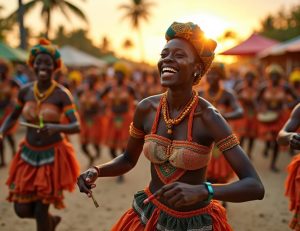
The question “Is Belize part of Guatemala?” opens up a fascinating exploration of geography, history, and culture in Central America. With its stunning Caribbean coastlines, ancient Maya ruins, and vibrant biodiversity, Belize stands as a distinct nation. However, its complex border history with Guatemala often raises confusion and sparks curiosity among travelers and residents alike. Understanding this relationship is not just about geography; it’s about cultural identity and the ongoing conversations surrounding these two neighboring countries. As you dive into this article, you’ll uncover not only the historical roots of the Belize-Guatemala border dispute but also the contemporary significance it holds in shaping the experiences of those who visit or reside in Belize. Join us as we clarify this important aspect of Belize’s identity and dive deeper into what makes this beautiful country so special.
Is Belize a Sovereign Nation or Guatemalan Territory?
In the heart of Central America lies Belize, a vibrant nation defined by its stunning landscapes, rich cultural heritage, and a long-standing debate over its sovereignty, particularly in relation to Guatemala. Despite claims and historical ties, Belize is internationally recognized as a sovereign state. The intricate tapestry of Belize’s identity is woven with the threads of its colonial past and various claims made by Guatemala, but today, Belize stands firmly on its own.
Belize’s journey to independence began in earnest in the early 20th century, leading to its ultimate liberation from British colonial rule in 1981. For decades, Guatemala has maintained a claim over Belizean territory, a contention rooted in the complexities of colonial-era treaties and historical interpretations. While Guatemala’s assertions have strained relations between the two countries, attempts have been made to address these disputes through diplomatic channels, including matters brought before the International Court of Justice (ICJ). Despite these tensions, the vast majority of the international community recognizes Belize as an independent nation.
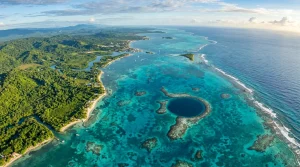
Traveling to Belize offers visitors a chance to experience its incredible biodiversity, from the mesmerizing depths of the Great Blue Hole to the towering Maya ruins nestled in lush jungles. The spirit of Belize is palpable in its colorful traditions, where the sounds of Garifuna drumming fill the air, and Creole dishes tantalize with their rich flavors. As travelers navigate this fascinating country, they can immerse themselves in its natural beauty and cultural richness, safe in the knowledge that Belize is, without a doubt, its own sovereign nation.
Historical Context of Belize and Guatemala Relations
The relationship between Belize and Guatemala is a complex tapestry woven from centuries of colonial history, cultural intersections, and territorial claims. Understanding this historical context sheds light on the dynamics that continue to influence both nations today. At the heart of the matter lies the legacy of colonialism, which left both countries with unresolved border issues and conflicting national narratives. Following the decline of Spanish rule in the region during the 19th century, various treaties were established, but they often lacked clarity and left many questions about sovereignty lingering in the air.
In the early 20th century, British Honduras, now known as Belize, began to assert its autonomy from colonial powers, culminating in independence in 1981. Throughout this period, Guatemala maintained its claim over Belizean territory, rooted in interpretations of historical documents that suggested a greater connection to the land based on former control. This claim has led to extensive diplomatic negotiations and occasional tensions, as successive Guatemalan administrations have sought to solidify their claim through political rhetoric and international appeals.
Culturally, Belize has been significantly influenced by its Guatemalan neighbors, particularly in areas such as language and cuisine. Many Belizeans of Mestizo descent share familial ties and cultural traditions with people from Guatemala, creating a shared heritage that is both beautiful and complicated. This cross-cultural interaction enriches Belizean identity while highlighting the ongoing discussions surrounding territorial integrity and sovereignty. As travelers explore Belize-whether hiking through ancient Maya ruins or savoring local culinary delights-they can appreciate not just the country’s stunning landscapes but also the intricate history that shapes its national character.
Understanding this convoluted past is imperative for visitors and potential residents alike. The warm Belizean welcome is a testament to the resilience of its people and their ability to embrace diversity, even amidst unresolved historical disputes. For those contemplating travel to Belize, it’s essential to recognize this blend of cultures and histories, which adds depth to the stunning environments they will encounter, from the pristine beaches to the vibrant jungle interiors, reminding all that while borders may divide nations, shared histories can unite them.
Key Events Shaping Belize-Guatemala Borders
Throughout history, key events have significantly shaped the borders between Belize and Guatemala, crafting a complex narrative that intertwines colonial legacies with national identities. Understanding these pivotal moments is essential for grasping the current legal and political landscape of the region. One of the earliest significant events occurred in the 1859 Treaty of London, which recognized British Honduran claims over its territory but lacked precise demarcations, leaving substantial room for interpretation. This ambiguity fueled Guatemala’s persistent claims over Belizean territory, claiming historical rights based on their colonial experiences.
A significant milestone transpired in 1981 when Belize declared independence from British rule. Despite this, Guatemala refused to recognize Belize’s sovereignty, citing historical documents that purportedly reaffirmed their territorial claims. This led to a series of diplomatic negotiations intended to resolve disputes but ultimately resulted in ongoing tensions. Over the years, Guatemala’s government has oscillated between demands for negotiations and maintaining a territorial claim, causing diplomatic relations to fluctuate significantly.
In more recent developments, in 2008, Belize and Guatemala agreed to take their territorial dispute to the International Court of Justice (ICJ). This groundbreaking step was aimed at peacefully resolving the border issue, opening the door to a potentially definitive resolution. The increased dialogue around the ICJ brought international scrutiny to the situation, drawing attention not only to the intricate history between the two nations but also to the broader implications for regional stability and cooperation.
As various events have transpired, the cultural influences between Belize and Guatemala have blossomed, enriching both nations while complicating their diplomatic relationships. Today, Belize boasts a diverse cultural tapestry with influences from its neighboring Guatemala, visible in its art, cuisine, and languages. This shared heritage serves as a poignant reminder that while politics may dictate borders, it is the people and their stories that truly bridge divides. For travelers and potential expats considering Belize, this rich historical context not only adds depth to their journey but also enriches the experience of exploring Belize’s breathtaking natural beauty, vibrant cultural scenes, and warm hospitality.
Understanding the Legal Status of Belize
Belize stands as a vibrant nation nestled between the Caribbean Sea and the lush jungles of Central America, a place where stunning landscapes meet rich cultural heritage. However, the legal status of Belize as a sovereign state has been the subject of dispute, particularly concerning its relationship with Guatemala. Following its independence from British colonial rule in 1981, Belize has maintained its stance as an independent nation, despite persistent claims from Guatemala that seek to encompass Belize within its territories.
The legal framework surrounding Belize’s sovereignty is rooted in historical agreements and international law. The 1859 Treaty of London marked a significant moment, recognizing Britain’s control over the territory of British Honduras (now Belize), yet it lacked precise definitions, allowing for ambiguities that Guatemala has leveraged to support its claims. To further complicate matters, Guatemala has asserted its claims based on historical rights and documents relying on colonial interpretations which have perpetuated the dispute.
In 2008, a pivotal step was taken when Belize and Guatemala agreed to bring their territorial dispute before the International Court of Justice (ICJ). This decision not only aimed to legally clarify the borders but also represented a commitment to resolve the ongoing tensions through peaceful means. The ICJ’s involvement has attracted greater international attention to the border issues, spotlighting the complex interplay of historical grievances, national identities, and the quest for resolution.
For travelers and potential expats, understanding Belize’s legal status is essential when exploring this beautiful country, known for its stunning sites such as the Great Blue Hole, Maya ruins, and pristine beaches. Engaging with the local culture – from the diverse gastronomy influenced by both Belizean and Guatemalan roots to the vibrant festivals celebrating their shared heritage – enhances any visit. With a solid grasp of the legal context, visitors can embrace the broader narrative of resilience and independence that characterizes Belize, ensuring their experiences are both fulfilling and enriched with historical significance.
Indigenous Land Claims and Their Impact
The rich tapestry of Belize’s history is intricately woven with the threads of its Indigenous peoples, whose land claims and rights continue to shape the sociopolitical landscape of the nation. The Maya, one of the most prominent Indigenous groups, have deep historical roots in Belize, with a pre-Columbian civilization that flourished long before colonial powers arrived. Today, these communities actively strive to assert their land rights, advocating for recognition of their ancestral territories against the backdrop of legal disputes that involve contemporary state boundaries and foreign interests.
One significant impact of Indigenous land claims is the emphasis on conservation and sustainable practices rooted in traditional knowledge. For instance, many Maya communities manage their lands using sustainable agricultural practices that respect biodiversity and ecological balance. Travelers seeking to engage meaningfully with Belizean culture can explore eco-tourism opportunities in these areas, where community-led initiatives provide unique insights into the interplay between Indigenous heritage and modern environmental stewardship. Activities such as guided tours of ancient Maya ruins, such as Xunantunich and Caracol, offer profound educational experiences while supporting local economies.
The legal framework surrounding these land claims is often mired in complexity, influenced by colonial legacies, current governance structures, and ongoing negotiations for Indigenous rights. For example, the 2007 amendment of the Belizean constitution to recognize Indigenous peoples’ land rights marked a critical turning point, yet implementation remains uneven across the country. This ambiguity is mirrored in the relationship between Belize and Guatemala, wherein Indigenous land narratives sometimes intersect with border disputes, underscoring the multi-dimensionality of the context.
Travelers interested in understanding this cultural landscape should be aware of community-led initiatives and local festivals celebrating Maya heritage, such as the Festival of the Belizean Maya, which showcases traditional music, dance, and cuisine. These events not only enrich visitor experiences but also play a crucial role in strengthening community identity and advocacy efforts for land recognition. Whether exploring the vibrant history or the diverse ecosystems, embracing the stories of the Indigenous peoples provides a deeper appreciation for Belize’s collective identity and resilience amidst ongoing challenges.
The Role of Colonial History in Current Disputes
The intricate colonial history of Belize is a significant thread in the fabric of its current territorial disputes, particularly with Guatemala. The British colonization of Belize, which began in the mid-17th century, set the stage for long-standing tensions between the two nations. Belize was initially recognized as British Honduras, reflecting its status as a British colonial outpost, while Guatemala claimed the territory based on Spanish colonial assertions dating back to the 16th century. This historical backdrop is crucial for understanding present-day claims and sentiments surrounding sovereignty.
Colonial powers often disregarded Indigenous rights and land claims, establishing boundaries that did not reflect the cultural or historical realities of the regions they controlled. This history has left a legacy of unresolved land claims that have transformed into national disputes. In the case of Belize, as the British expanded their influence, they entered into a series of treaties and negotiations that ultimately recognized British Honduras as a separate entity. However, Guatemala never recognized these treaties and instead maintained its claim to the territory, a point that continues to fuel nationalist sentiment in Guatemala and complicates diplomatic relations.
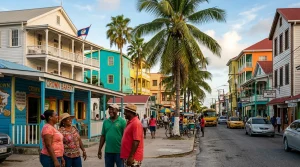
The decolonization process post-World War II saw Belize gaining full independence from British rule in 1981, yet the Guatemalan claim persisted, with various incidents arising from it, such as territorial incursions and diplomatic tensions. Understanding these historical interactions is not just about recognizing borders; it shapes the identities of both nations and influences the lived experiences of their citizens. As travelers explore Belize, they encounter the remnants of this colonial past in the architecture, cultures, and languages-particularly in places like Belize City and in the diverse Indigenous communities that celebrate their rich heritage.
In this context, cultural heritage plays a poignant role in navigating the disputes that stem from colonial history. For travelers wishing to engage with both Belize and Guatemala, recognizing these historical nuances enhances their journey. Exploring the iconic sites of Belize’s Mayan ruins-such as the majestic temples of Caracol and Lamanai-not only reveals the ancient civilizations that thrived before colonial intrusion but also illustrates the enduring impact of colonialism on contemporary society. Engaging with local guides can offer deeper understanding of how these historical narratives shape local identities and border perceptions today.
Current Border Disputes: Status and Developments
The tension surrounding the border between Belize and Guatemala is a captivating saga, steeped in history and national sentiment. As Belize continues to thrive as an independent nation, the Guatemala claim remains a contentious issue – one that has witnessed an evolving narrative filled with diplomatic efforts and cultural ramifications. At its core, Belizeans embrace their nationhood while being aware of the historical claims that Guatemala maintains, an aspect that continually shapes local identities and international relations.
Recent years have seen a mixture of confrontational exchanges and diplomatic dialogues aimed at resolving this long-standing dispute. In 2018, the Organization of American States (OAS) played a pivotal role in facilitating a framework for exploratory negotiations between the two nations. This initiative reflected a willingness from both sides to consider peaceful resolution avenues, including potential referendums for the Belizean population. However, this path is fraught with challenges, often influenced by local political climates and national sentiments that ebb and flow with changing administrations.
Efforts to solidify Belize’s international standing have also gained momentum, particularly as the nation works to promote its unique identity through tourism and cultural heritage. The breathtaking landscapes, from the Great Blue Hole to the verdant jungles rich with wildlife, stand in stark contrast to the ongoing border discourse. Belize is not just defined by its territorial disputes; rather, its vibrant culture, diverse communities, and stunning natural beauty continue to attract travelers from around the globe. The tourism sector remains a powerful pillar of the Belizean economy, and tourism initiatives emphasize the importance of national identity amidst regional complexities.
Just as Belize’s stunning vistas captivate visitors, understanding the ongoing border negotiations requires a nuanced approach to both history and current affairs. Whether engaging with locals in bustling markets or exploring ancient Maya ruins, travelers soon realize that the question of sovereignty is deeply woven into the fabric of Belizean life. Awareness of these relations provides depth to one’s experience, allowing for richer interactions and a better appreciation of the cultural tapestry that defines this resilient nation.
International Recognition of Belize’s Sovereignty
Despite the shadows of history hovering over its borders, Belize stands firmly recognized as a sovereign nation by a majority of the global community. This acknowledgment is rooted in the historical context of the nation’s independence in 1981. Notably, Belize is a member of key international organizations, including the United Nations and the Organization of American States, which further solidifies its standing on the world stage.
The geopolitical significance of Belize is accentuated by the country’s natural wonders-from the Great Blue Hole, a favorite site for divers, to the lush jungles teeming with biodiversity. These attractions bolster not only national pride but also resonate deeply with global travelers, reinforcing Belize’s identity as a vibrant destination. Acknowledgment of its sovereignty fuels the nation’s tourism-driven economy, drawing visitors eager to explore its cultural and natural treasures.
Belize has also engaged in robust diplomatic efforts to reaffirm its position, navigating the complex relationship with Guatemala through dialogue and collaboration. With both nations aware of the historical claims existing, Belize continues to advocate for peaceful solutions and mutual respect, relying on international frameworks to assert its boundaries. This diplomatic engagement highlights Belize’s commitment to maintaining stability and fostering good relations in a region marked by disputes and uncertainties.
For visitors planning a trip, understanding Belize’s status can enhance the travel experience. Engaging with locals in bustling markets, tasting the delicious Creole and Garifuna cuisines, or exploring ancient Maya ruins, travelers may sense the pride with which Belizeans embrace their independence. Acknowledging this layer of Belizean identity not only promotes cultural appreciation but also enriches the journey through this extraordinary country, where the lush landscapes and vibrant communities tell stories of resilience and triumph.
The Importance of Tourism in Belize’s Identity
Belize, with its stunning coastlines, rich biodiversity, and vibrant culture, is not just a destination; it is an experience woven into the very fabric of the nation’s identity. The country relies heavily on tourism, which represents a significant pillar of its economy and a vital connection to its cultural heritage. Visitors flock to explore its natural wonders, such as the serene beaches, lush jungles, and spectacular marine environments, including the world-renowned Great Blue Hole, a diver’s paradise that attracts adventurers from around the globe. This draw of natural beauty provides locals with a sense of pride in their homeland, giving them a stake in preserving their ecological treasures.
Economic and Cultural Significance
Tourism in Belize generates invaluable economic opportunities, providing jobs and fostering local businesses. From cozy *guesthouses* nestled in the jungle to waterfront *hotels* that offer stunning views of the Caribbean, the accommodation options cater to various budgets and preferences. Dining experiences introduce travelers to the mouthwatering flavors of Belizean cuisine, which seamlessly blends Caribbean, Mexican, and Mayan influences through dishes like rice and beans, tamales, and fresh seafood. Cultural festivals, such as the *Garifuna Settlement Day* and *Lunar New Year*, showcase traditional dances, music, and storytelling, offering a vibrant tapestry of heritage that captivates visitors and deepens their understanding of Belize’s identity.
A Sustainable Future
As Belizean tourism flourishes, there is a growing commitment to sustainability. Many local businesses prioritize eco-friendly practices, ensuring that the enchanting landscapes remain unspoiled for future generations. Wildlife sanctuaries, responsible tour operators, and community-led conservation initiatives exemplify Belize’s dedication to preserving its unique biodiversity while allowing visitors to immerse themselves in it. By choosing eco-friendly activities, travelers contribute to the sustainability movement that protects the land and its diverse inhabitants.
The sense of community is palpable in Belize, where the warm and welcoming spirit of the people enhances the travel experience. Engaging with locals not only enriches the visit but also fosters cultural exchange, allowing travelers to appreciate the resilience and history of the nation. Ultimately, the importance of tourism in Belize transcends mere economic benefit; it is a gateway for cultural exchange, environmental stewardship, and a profound celebration of identity. Whether perched atop ancient Maya ruins or lounging on pristine beaches, the experiences created through tourism help forge lasting connections that resonate well beyond the visit.
Cultural Influences from Guatemala in Belize
The vibrant culture of Belize is deeply enriched by influences from its neighboring country, Guatemala. This cultural intermingling is evidenced in various aspects of Belizean life, including language, cuisine, music, and traditional practices. Visitors to Belize can experience these connections first-hand, as local communities celebrate their mixed heritage through colorful festivals and cultural events.
Belizean cuisine exhibits a delightful fusion of flavors, with Guatemalan influences particularly notable in staple dishes. Adventurous foodies should try tamales-a favorite in both countries-stuffed with meats, vegetables, or even chocolate, all wrapped in corn dough and steamed in banana leaves. Moreover, traditional beverages such as atole and horchata reflect regional ingredients and preparation methods. Markets lively with vendors selling fresh produce, spices, and local foods create an inviting atmosphere that echoes the vibrant food culture shared between Belize and Guatemala.
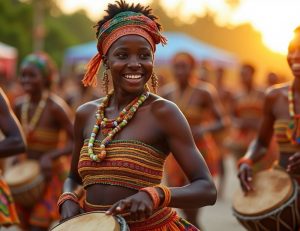
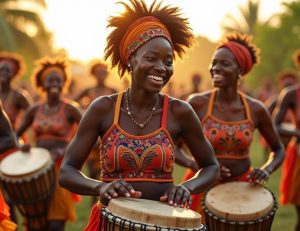
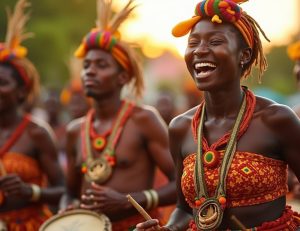
The music scene in Belize also offers a chance to experience these cultural ties, particularly through the vibrant rhythms and dances of the Garifuna and Mestizo populations. Festivals like the Garifuna Settlement Day celebrate the contributions of Garifuna culture, showcasing lively drumming, singing, and dancing that resonate with Guatemalan musical traditions. This communal spirit invites visitors to join in the festivities, forging connections that transcend geographical borders.
When exploring Belize, travelers will find their experiences shaped by this rich cultural tapestry. Engaging with local artisans, participating in traditional celebrations, and savoring the culinary delights not only enhances one’s stay but also provides deeper insights into the historical bonds that unite Belize and Guatemala. Whether walking through a bustling market or dancing at a local festival, the influence of Guatemalan culture adds a unique layer to the Belizean experience, making each visit both meaningful and memorable.
Travel Implications: Visiting Belize and Guatemala
When planning a trip to Belize and considering a visit to Guatemala, it’s essential to understand the unique dynamics of crossing these borders. The two countries, while closely intertwined culturally and historically, each offer distinct experiences that are well worth exploring. Whether you’re soaking up the natural beauty of Belize’s Caribbean coast or wandering through the ancient ruins of Guatemala’s Maya civilization, travelers can appreciate the rich offerings of both nations.
Visiting Belize provides an opportunity to indulge in its spectacular attractions, from the mesmerizing Great Blue Hole to lush rainforests and fascinating Maya ruins. Accommodations vary widely, catering to all budgets. For budget travelers, hostels in Belize City or vibrant beach towns like San Pedro offer affordable stays, while families might opt for resorts with all-inclusive packages along the picturesque coast. For those seeking an adventure, consider jungle lodges that blend luxury and nature, giving guests direct access to the amazing biodiversity Belize is celebrated for.
If you’re keen to explore beyond Belize, crossing into Guatemala adds another dimension to your trip. The most popular border crossings, such as the Belize-Guatemala border at Melchor de Mencos, are generally straightforward. Travelers need to bring a valid passport and possibly provide proof of onward travel. Many tourists choose to visit the stunning ruins of Tikal, a UNESCO World Heritage Site, which are an easy drive from the border. Just be prepared for different currency and ensure you have local cash, usually in Guatemalan quetzals, for smaller purchases.
Always check travel advisories and local conditions before your trip, as political climates can change. However, both Belize and Guatemala are generally welcoming to tourists, and the shared cultural elements, from food to music, create a warm ambiance that travelers can experience firsthand. Festivals, traditional dances, and delicious culinary offerings, such as Belizean rice and beans or Guatemalan pepian, are just a taste of the vibrant cultures you will encounter in both settings. With the right preparations, your adventure through these Central American countries can be both enriching and exhilarating.
Resources for Understanding Central American Borders
Understanding Central American borders, especially between Belize and Guatemala, is essential for travelers and those interested in regional dynamics. The geographical proximity of these nations invites exploration, yet it also requires awareness of their intricate historical and political contexts. As you prepare for your journey through this vibrant area, consider leveraging various resources to enhance your knowledge and ensure a smooth travel experience.
Travel Guides and Online Resources
Begin your immersion into the cross-border complexities with authoritative travel guides. Many well-regarded publications, such as Lonely Planet and Fodor’s Travel, provide detailed insights not only on popular tourist sites but also on the historical and cultural nuances of Belize and Guatemala. Websites like Belize.com offer comprehensive information about local attractions, including natural landmarks like the Great Blue Hole and cultural experiences steeped in Mayan history. Additionally, online travel forums such as TripAdvisor and Reddit can be great platforms to read firsthand accounts from fellow travelers regarding border crossings, safety, and tips for respectful engagement with local customs.
Educational Material and Documentaries
To grasp the deeper historical context, consider exploring documentaries and books that focus on Central America’s colonial past and indigenous cultures. Titles like “The Last Train to Zona Verde” by Paul Theroux provide thought-provoking perspectives on the region. Documentaries focused on the Mayan civilization or the environmental changes affecting the area’s biodiversity can also enrich your understanding of the significant forces that shape Belize and its relationship with Guatemala.
Local Cultural Centers and Museums
Once in Belize, make it a point to visit local museums and cultural centers. Places like the Museum of Belize in Belize City offer comprehensive exhibits on the nation’s historical journey and its ties to Guatemala. Engaging with local guides can also provide a wealth of knowledge, as they often share stories passed down through generations, bridging the past and present.
Safety and Travel Advisories
Before setting off, stay updated on travel advisories issued by your government regarding the border regions. Websites of ministries of foreign affairs or embassy alerts can provide critical information related to safety and current political climates. Understanding local norms, such as customary greetings and negotiation styles in markets, not only enriches your travel but also fosters respectful interaction with the communities you encounter.
By utilizing these resources and being mindful of cultural sensitivity, travelers can navigate the beautiful yet complex borders of Belize and Guatemala with confidence. This approach ensures that your adventures are rewarding, culturally immersive, and respectful of the rich heritages on both sides of the border.
Frequently Asked Questions
Q: Is Belize considered part of Guatemala?
A: No, Belize is an independent nation and is not part of Guatemala. It gained independence in 1981, but Guatemala has historically claimed Belizean territory, leading to ongoing disputes between the two countries.
Q: What historical events led to the border dispute between Belize and Guatemala?
A: The border dispute traces back to colonial times when different treaties and land claims were established. Events such as the British settlement in Belize and subsequent claims by Guatemala have significantly shaped the territorial conflict that persists today.
Q: How has colonial history affected the Belize-Guatemala border issue?
A: Colonial history is crucial in understanding the border issue. British colonization of Belize led to territorial claims that conflicted with Guatemala’s interests, creating a complex legal landscape that still impacts negotiations and relations between the two nations.
Q: What role do indigenous land claims play in the Belize-Guatemala border discussion?
A: Indigenous land claims complicate the Belize-Guatemala border discussion as various indigenous groups assert rights over lands that overlap with disputed territories. This has implications for sovereignty and legal recognition, influencing both governments’ policies.
Q: How does international recognition affect Belize‘s sovereignty against Guatemala’s claims?
A: International recognition plays a vital role in asserting Belize’s sovereignty. It fosters diplomatic relations that support Belize’s claims against Guatemala’s assertions, solidifying Belize’s status as an independent nation in global forums.
Q: What are the current developments in the Belize-Guatemala border negotiations?
A: Current developments include ongoing diplomatic talks and mediation efforts facilitated by international bodies. These discussions aim to find peaceful resolutions to the territorial claims, balancing both countries’ interests while addressing historical grievances.
Q: Can visitors freely travel between Belize and Guatemala?
A: Yes, visitors can travel between Belize and Guatemala, but they must comply with immigration requirements, including valid passports and visas where necessary. Travelers are advised to be aware of the unique cultural and legal areas at the border.
Q: Why is understanding the border history important for tourists visiting Belize?
A: Understanding the border history is essential for tourists as it enriches their experience by providing context about local culture and the geopolitical landscape. Knowledge of historical tensions can enhance appreciation for Belize’s diverse heritage.
Closing Remarks
As we conclude our exploration of whether Belize is part of Guatemala, it’s clear that understanding the nuanced border history is essential for appreciating the unique identity of Belize. With its vibrant culture, breathtaking landscapes, and rich history, Belize stands as its own enchanting destination. If you’re inspired to learn more about what this beautiful country has to offer, dive into our guides on the Top Belize Destinations and discover the stunning Great Blue Hole or the fascinating ruins of the Maya civilization.
Don’t miss out on planning your perfect getaway to Belize! Explore our resources on traveling safely, local cuisine, and seasonal tips that ensure your visit is as magical as the scenery. Have questions or insights? We invite you to share your thoughts in the comments below. The wonders of Belize await you-let’s embark on this journey together!
Get our latest guides, news, and insights highlighted in your Google Search & AI Overviews.