Was Belize a British Colony? The Origins of British Colonialism in Belize
The journey of Belize from a British colony to an independent nation is a fascinating story interwoven with resilience and cultural richness. The origins of British colonialism in Belize can be traced back to the 17th century when British loggers and settlers began to exploit the region’s abundant mahogany resources. Initially, Belize was known as British Honduras and functioned primarily as a base for logwood and mahogany harvesting, attracting settlers and pirates alike who sought its rich resources and strategic location along the Caribbean Sea.The establishment of British control solidified with the Treaty of Paris in 1763, which recognized British interests in the area. This budding colonial presence was challenged by Spanish claims to the territory, but over the years, Belizean settlers maintained their foothold, leading to growing tensions and conflicts. The influx of enslaved Africans to work the thriving plantations greatly influenced the demographic makeup of Belize, leading to a rich tapestry of cultures that would define the nation in the centuries to come.As the 19th century turned into the 20th, the struggle for governance and economic independence began to shape Belize’s identity. The Spanish-American War and the rise of anti-colonial sentiments across Latin America influenced Belize’s political landscape, as local leaders emerged, advocating for self-governance and rights. By the mid-20th century, significant political activism and widespread social movements propelled Belize to seek complete autonomy, culminating in its official independence from British rule in 1981.The impact of British colonialism is still evident today in Belize’s legal system, language, and education, providing a unique blend of indigenous, African, and European influences. Visiting Belize now offers a glimpse into its colonial past through historical landmarks and cultural practices, enriching the experience for travelers eager to understand this vibrant nation’s history and heritage.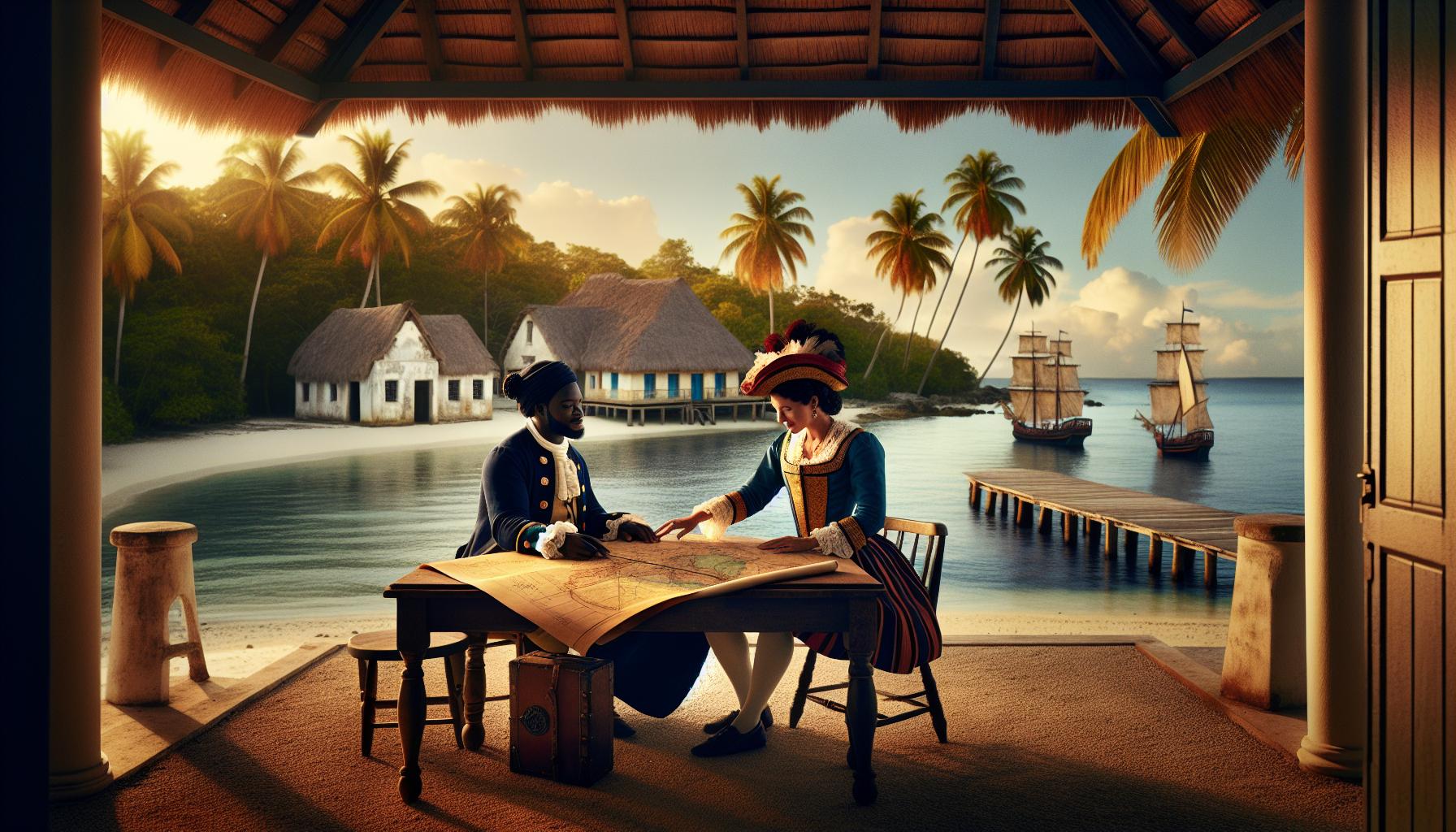
Understanding the Timeline of British Rule in Belize
The history of British rule in Belize is a journey marked by rich exploration, cultural fusion, and significant political struggles, unfolding over several centuries. From its origins as a logging outpost in the 1600s, Belize, once known as British Honduras, gradually transformed under colonial governance. The formal establishment of British authority was cemented with the Treaty of Paris in 1763, which solidified British claims in this contested region. The primary motivation behind British interest was the lucrative mahogany trade, which attracted settlers, traders, and even pirates to the fertile shores of this Central American jewel.As the 19th century progressed, the landscape of Belize began to shift. The introduction of enslaved Africans transformed the demographics and cultural landscape of the area, creating a unique blend of customs, languages, and traditions. Notable events during this period include the formation of local governance structures and the gradual calling for more self-determination. The 1850s marked a significant push for change, driven by rising local leaders and a burgeoning sense of national identity.By the turn of the 20th century, Belizeans were increasingly vocal about their governance and rights, influenced by broader anti-colonial movements across Latin America. The establishment of the British Honduras Legislative Council in 1891 was a key development, allowing for limited local participation in legislative processes. However, full civil rights and political freedoms remained elusive until significant social movements began to gain momentum in the late 1940s and 1950s.The path to independence gathered pace in the 1960s, ultimately culminating in Belize’s declaration of independence on September 21, 1981. This landmark achievement was not merely a transfer of power; it symbolized the resilience and determination of a people who had endured centuries of colonial rule. The timeline of British rule in Belize is a testament to the fusion of its historical roots and the vibrant culture blossoming today. It is essential for travelers and expats alike to appreciate this rich history, as it continues to shape the Belizean identity and cultural experience that welcomes visitors from around the world.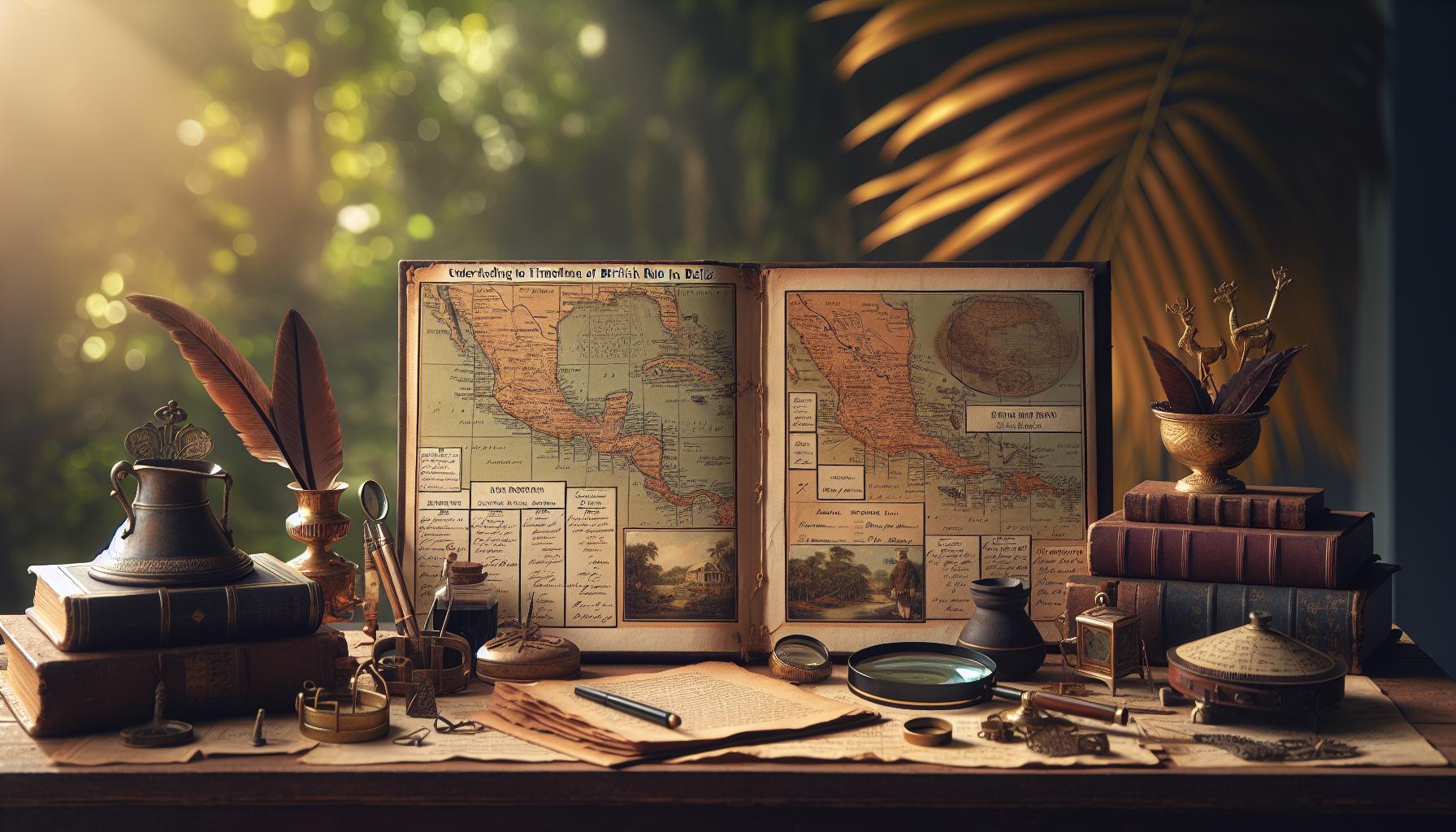
Key Events That Shaped Belize’s Colonial History
The narrative of Belize’s colonial history is rich with pivotal moments that shaped its identity, culture, and governance. Among the earliest key events was the establishment of British interests in the region driven by the lucrative mahogany trade in the 17th century. By the mid-18th century, the Treaty of Paris in 1763 formalized British sovereignty in the territory, then known as British Honduras, solidifying its foothold in Central America. This treaty represented not just a political maneuver but also the beginning of an era where timber, and later sugar, would dominate the economic landscape.Another significant milestone occurred in 1884 when British Honduras became a Crown Colony. This step fueled centralization and increased British administrative control while local leaders began agitating for greater representation. The introduction of the British Honduras Legislative Council in 1891 marked a response to these pressures, allowing local voices to participate, albeit in a limited capacity. This period was crucial as it ushered in a new awareness among the populace regarding governance and rights, setting the stage for future civil rights movements.As the 20th century unfolded, the social and political climate of Belize transformed dramatically. The influence of global anti-colonial sentiments began to stir, alongside the rise of local leaders advocating for independence. Key moments such as the labor riots of 1949 revealed the growing discontent among workers, leading to significant changes in labor laws and ultimately fostering a spirit of unity among the diverse ethnic groups within Belize. The increasing political engagement culminated in the formation of political parties in the 1950s, which paved the way for a structured push towards self-governance.The devolution of power reached a zenith with the 1964 constitution, which expanded the rights of citizens and established a framework for a more representative government. Through the decades of struggle and resilience, Belizean society began to coalesce around a shared identity, channeling its diverse cultural influences into a unique national tapestry. Finally, on September 21, 1981, Belize’s hard-won independence was achieved, marking a dramatic end to centuries of colonial rule and setting the nation on a path toward self-determination, cultural expression, and exploration of its rich natural beauty-an enduring testament to its vibrant past.
Cultural Impact of British Colonialism in Belize
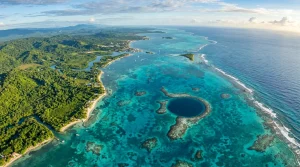
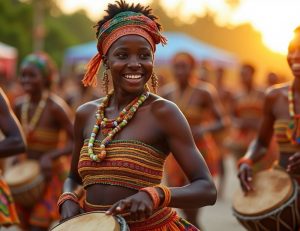
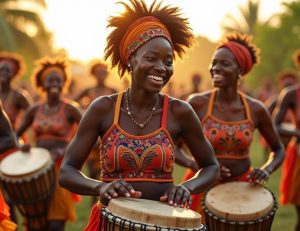
The echoes of British colonialism resonate throughout Belize, weaving a rich tapestry of cultural influences that define the nation’s identity today. From the early establishment of a timber economy driven by mahogany to the introduction of British legal and educational systems, the colonial period laid the groundwork for a diverse cultural landscape. Belize’s unique culinary scenes reflect this blend, where traditional Creole ingredients dance with influences from British cuisine, creating delightful dishes such as stew chicken and rice and beans that tantalize the taste buds of both locals and visitors alike.Language serves as another enduring legacy of British rule. English, the official language of Belize, is spoken alongside Kriol, a Creole language that emerged during colonial times. This linguistic blend symbolizes the fusion of cultures, reflecting the voices of Indigenous peoples, African ancestors, and European settlers. Today, both languages are celebrated in vibrant local markets and storytelling traditions, inviting travelers to engage with the local culture in a meaningful way.Art and music in Belize also bear the markings of colonial influence. The lively rhythms of Garifuna music, with its African ancestry, intertwine with Caribbean beats, resulting in a unique soundscape that echoes through the streets during annual celebrations. Festivals like Garifuna Settlement Day exemplify this cultural synthesis, where traditional dances and music invite visitors to partake in the celebratory spirit of communal identity. Meanwhile, the visual arts thrive in Belize, often depicted in colorful murals that capture the essence of its cultural heritage, merging modern perspectives with traditional motifs.Traveling through Belize not only offers breathtaking views of natural wonders such as the Great Blue Hole and lush jungles but also invites an exploration of its rich cultural history.Exploring Colonial Heritage
To delve deeper into Belize’s colonial past, visitors can explore various historical sites and museums that narrate these stories. Engaging with local artisans and participating in cultural workshops provides travelers an authentic connection with the heritage and resilience of the Belizean people. From experiencing the traditions of the Mestizo community to the vibrant rituals of the Garifuna, every cultural encounter enriches the understanding of this beautiful nation’s journey from colonial times to its current independence.Belize’s colonial history has undeniably shaped its social fabric, contributing to a national identity that celebrates diversity while fostering unity. As you roam its streets and soak in its rhythms, you’ll find that each layer of Belize’s past enhances its present-a testament to the strength and spirit of its people. Traveling through Belize is not just about stunning landscapes; it’s about experiencing a living blend of culture, history, and resilience.
Resistance and Rebellion: The Fight for Independence
The struggle for independence in Belize is a story woven with the threads of resilience and determination. Throughout the 19th and 20th centuries, various socio-political movements arose, driven by a growing desire for self-determination among the Belizean people. The formation of groups like the People’s United Party (PUP) in 1950 marked a significant turning point, as it rallied citizens across diverse backgrounds, uniting them under a common vision of liberty and national identity. This desire for autonomy was not merely a political aspiration but a deeply rooted response to colonial rule, where local voices were often silenced under British governance.In 1954, protests led by the PUP revealed the escalating frustrations regarding British colonial policies. These demonstrations were not just about seeking independence; they were a clarion call for civil rights, better living conditions, and the end of discriminatory practices that marginalized the local population. The British, faced with mounting pressure and a changing global landscape where colonies around the world were achieving independence, began to reconsider their stance on Belize. This culminated in the constitutional reforms of the 1960s, granting Belizeans greater representation and a platform to voice their aspirations for self-governance.The road to independence was fraught with challenges, including political turmoil and social strife, yet it was punctuated by a spirit of collaboration among various factions within Belize. The Belizean Independence Movement, which gathered momentum in the late 1970s, was characterized by grassroots campaigns that educated citizens about their rights and the importance of a united front. The formation of alliances among different ethnic groups, including Creole, Garifuna, and Mestizo communities, played a vital role in fostering a national identity transcending ethnic boundaries. Celebrated events like the National Day of Mourning and the Independence celebrations themselves served as critical platforms for expressing collective aspirations and marking milestones toward liberation.Finally, on September 21, 1981, Belize achieved independence, a historic moment celebrated with vibrant festivities reflecting the country’s diverse cultural heritage. The new nation faced challenges typical of many newly independent countries-economic stability, social cohesion, and international recognition-yet the spirit of resistance and rebellion against colonial rule laid a robust foundation. Belize blossomed into a nation that honors its multicultural roots while promoting unity and resilience, a testament to the enduring strength of its people and their quest for independence. This legacy continues to resonate today, inviting travelers who wish to explore its rich history, from the vibrant celebrations during Independence Day to engaging with local communities across the country.The Legacy of British Colonization in Modern Belize
Belize, a gem nestled between the Caribbean Sea and the lush jungles of Central America, thrives today with a rich cultural tapestry woven from its colonial past and diverse ethnic backgrounds. The legacy of British colonization is still palpable, shaping Belize’s national identity, governance, and social dynamics. This legacy influences contemporary Belizean culture, welcoming visitors to explore its unique blend of traditions and vibrant communities.One of the most notable effects of British colonial rule is the English language, which serves as the official language of Belize. This linguistic heritage reflects the colonial administration’s influence while also providing a common ground for the country’s diverse ethnic groups-among them the Mestizo, Creole, Garifuna, and Maya. The intermingling of these groups has led to a rich cultural scene, where indigenous traditions coexist with those imported from Europe and Africa. Travelers can savor Belizean cuisine, which highlights dishes such as rice and beans, tamales, and the iconic stew chicken, showcasing the fusion of flavors that originated during the colonial period.Additionally, the remnants of British colonial architecture and governance can be viewed in significant landmarks throughout the country. The Belize City’s former colonial buildings, such as the Government House and the Swing Bridge, stand as testaments to the historical influences that continue to shape Belize’s urban landscape. The capital, Belmopan, established post-independence, exemplifies an evolving national identity while maintaining an operational framework initially set by British rule.Modern Belize also grapples with the repercussions of its colonial past in terms of governance and inequality. Economic challenges stemming from colonial policies still impact the nation, particularly regarding land distribution and economic resources. Efforts are being made to rectify these historical injustices, fostering a sense of unity and collective empowerment among Belizeans. Engaging with local initiatives and community-driven projects allows visitors to understand and appreciate the ongoing journey towards social equity and cultural reaffirmation.Ultimately, Belize’s colonial legacy is a dual-edged sword, infusing the nation with historical richness while presenting contemporary challenges. For those seeking adventure, discovery, and understanding, Belize offers incredible biodiversity, from the Great Blue Hole to lush jungles teeming with wildlife, alongside a vibrant cultural heritage that invites exploration. Whether you’re wandering through Maya ruins, dancing at a Garifuna festival, or enjoying a serene day on its stunning beaches, Belize is a living testament to resilience, complexity, and beauty, beckoning travelers to immerse themselves in its extraordinary story.How British Colonial Policies Affected Belize’s Development
British colonial policies significantly shaped the trajectory of Belize’s development, weaving a complex narrative that still resonates in the nation today. The establishment of the logwood and mahogany industries in the 17th century laid the groundwork for Belize’s economic structure. These resources attracted British settlers and laborers, creating a burgeoning economy centered on timber extraction. This rapid economic gain, however, came at the expense of local indigenous populations and the introduction of enslaved Africans, resulting in a deeply stratified society where wealth and opportunity were largely concentrated among the colonial elite.Land Tenure and Economic DisparitiesOne of the critical aspects of British rule was the implementation of land tenure systems that favored colonial interests over the local populace. Large tracts of fertile land were granted to British planters, leading to a significant imbalance in land ownership. The resulting displacement of indigenous communities initiated a pattern of economic disparity that persists. Today, land ownership issues remain a contentious point in Belize, as efforts to reclaim ancestral lands continue to be a focal point for indigenous rights activists.Political Structure and GovernanceBritish colonial governance established a political framework that emphasized indirect rule, often sidelining local leadership and cultural practices. The introduction of British legal and administrative systems laid the foundation for modern governance but often overlooked the complexities of Belizean society. This created a political culture that has struggled with accountability and inclusivity, revealing itself in the ongoing quest for equitable representation in government. The repercussions of these early policies continue to inform contemporary Belizean politics, where calls for reform echo the historical absence of local voices in governance.Socio-Cultural ImpactsCulturally, British colonial policies have left an indelible mark on Belize’s identity. The English language, introduced and reinforced through education and governance, became a unifying factor among the country’s diverse ethnic groups. However, this linguistic legacy coexists with a rich tapestry of Indigenous, Creole, and Garifuna cultures, whose traditions and customs face ongoing challenges in maintaining prominence in a society that often prioritizes the colonial narrative. The result is a cultural landscape that embodies both diversity and an ongoing struggle for recognition and preservation of its multifaceted heritage.In exploring these themes, visitors to Belize can engage more deeply with the nation’s rich history by visiting locations that highlight this colonial legacy. From the elegant architecture of Belize City’s colonial buildings to tours of former plantation areas, such experiences provide not just a window into the past but also a platform for understanding the resilient spirit that defines modern Belize today. Embracing this complexity allows travelers to appreciate the intricate relationship between Belize’s colonial past and its vibrant present, contributing to a more informed and enriching experience in this extraordinary destination.The Role of Belize in the British Empire
Belize carved out its place in the British Empire as a small yet strategically significant colony, primarily due to its rich natural resources and geographic position along the Caribbean coast. Initially settled by logwood cutters in the 17th century, Belize quickly became vital for the British timber trade. The logwood and later mahogany industries not only fueled Britain’s maritime dominance but also established Belize as a key supplier of these sought-after commodities. By the mid-19th century, Belize, known then as British Honduras, was pivotal in meeting the increasing demands of the burgeoning British naval and merchant fleets.The colony’s role in the British Empire extended beyond economics; it was also a point of military significance. Belize’s location presented a tactical advantage for controlling trade routes in the Caribbean and served as a base for British naval operations, especially during conflicts such as the War of Jenkin’s Ear and the Anglo-Spanish War. This strategic importance created tensions with neighboring nations and led to a defensive presence that shaped the colony’s early governance and military investments.Despite its economic benefits to the empire, the experience of local populations was marked by exploitation and marginalization. The introduction of enslaved Africans to work in the timber industry and the deprivation of land and resources for Indigenous peoples initiated long-lasting societal divisions. This colonial structure laid the groundwork for Belize’s complex socio-political landscape, wherein the legacy of colonialism continues to resonate.Today, visitors to Belize can explore the remnants of this colonial past, from the historic streets of Belize City to the majestic ruins of the ancient Maya civilization, which coexisted with colonial influences. Engaging with Belize’s rich tapestry of history provides travelers an opportunity to comprehend the intricate relationship between its colonial past and the vibrant culture that defines it today-a culture that is woven with the threads of resilience, diversity, and a profound connection to the land.Belizean Identity: Post-Colonial Influences and Changes
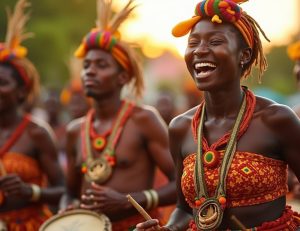
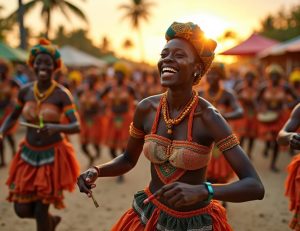
In the vibrant tapestry of Belize’s post-colonial identity, resilience and diversity are the threads that weave together its rich cultural landscape. Following independence in 1981, Belize emerged as a nation that honors its multifaceted heritage, deeply influenced by its colonial history yet driven forward by a spirit of unity and progress. This melding of cultures is beautifully reflected in the national celebrations, culinary traditions, and daily life that resonate with a blend of Creole, Maya, Garifuna, and Mestizo influences.Belizeans take pride in their mixed heritage, often seen in the lively festivities that punctuate the calendar year. Events like the September Celebrations showcase a vibrant display of traditional music, dance, and art that highlight both unity and diversity. The sounds of Garifuna drumming intertwine with Creole music, creating an exhilarating atmosphere that draws locals and visitors alike into a shared appreciation of Belizean culture. These festivals not only celebrate national pride but also serve as a reminder of the distinct identities within the country, inviting travelers to immerse themselves in a kaleidoscope of traditions.The culinary scene is another delightful reflection of Belize’s post-colonial identity. Food is a cultural narrative, with dishes that tell stories of Indigenous ingredients fused with African, Caribbean, and European methods. Classic meals such as rice and beans, fry jacks, and tamales are served with heartfelt hospitality, offering a taste of Belize’s diverse roots. Visitors can indulge in this culinary adventure, exploring local markets and street food stalls that breathe life into the flavors of this exceptional nation.As you traverse the lush jungles and pristine coastlines, Belize’s natural beauty becomes a canvas for its identity. Ecotourism plays a crucial role in preserving the environment and cultural heritage, allowing visitors to engage with both the land and its people in meaningful ways. Snorkeling in the Great Blue Hole and hiking through ancient Maya ruins are not merely activities; they are gateways to understanding the connection between history, culture, and nature that shapes Belize today.In this dynamic landscape, Belize’s identity continues to evolve, guided by the principles of respect for heritage and forward-thinking innovation. Whether you are stepping onto the sun-kissed beaches, exploring the vibrant cities, or engaging with the diverse communities, every experience in Belize presents a chance to appreciate a nation rich in history and spirit. Through its shared stories and ongoing journey, Belize invites visitors not just to witness its identity, but to become a part of its vibrant narrative.Exploring the Relationship Between Belize and the UK Today
A remarkable aspect of Belize’s post-colonial landscape is its ongoing relationship with the United Kingdom, rooted in a shared historical legacy yet dynamically evolving. Following Belize’s independence from British colonial rule in 1981, the ties between the two nations have remained significant, characterized by commerce, education, and cultural exchanges. Today, Belizeans often look to the UK not just as a former colonial power but as a partner that offers opportunities for growth, travel, and exploration.Belize has benefited from various educational initiatives supported by the UK, including scholarships for Belizean students to study abroad. These educational pathways have allowed many young Belizeans to gain valuable insights and skills that they can bring back to their home country, enriching Belize’s community and workforce. Moreover, the presence of the British High Commission in Belize continues to foster diplomatic relations, helping to address mutual interests such as environmental conservation, security, and trade. British investments in tourism and infrastructure have also played a crucial role in shaping Belize’s economy, demonstrating how colonial legacies can be transformed into positive partnerships.Culturally, the enduring influence of British traditions persists in Belizean life, blending seamlessly with Indigenous and Afro-Caribbean customs. From the formal education system to the legal framework, there are remnants of colonial structures that remain integral to daily operations in Belize. This intersection of cultures is also reflected in Belize’s vibrant festivals and celebrations, where British elements occasionally meld with local traditions, creating a unique cultural tapestry. Visitors can experience this through events like the Queen’s Birthday celebration, showcasing how Belize acknowledges its historical ties while promoting its rich heritage.For travelers and expatriates considering Belize, understanding this relationship can offer profound insights into the country’s identity. Whether it’s exploring the remnants of colonial architecture in Belize City or enjoying the impact of British influences in local cuisine and customs, the connection between Belize and the UK enriches the visitor experience. The historical journey from colonialism to independence has forged a nation that honors its past while enthusiastically embracing its future, inviting tourists to partake in its evolving narrative and diverse culture.The Impact of Colonialism on Belize’s Ethnic Groups
Colonialism’s touch on Belize’s ethnic fabric is profound and multifaceted, reflecting not just a history of oppression but also a rich tapestry of cultural intermingling. The British colonial period, which began in the 17th century, significantly impacted the ethnic groups in Belize, including the Mestizo, Creole, Maya, and Garifuna peoples, each experiencing the legacy of British rule uniquely. The influence of colonial policies on land use, economic structures, and social hierarchies shaped their distinctions and interactions in ways that continue to resonate today.The Creole population, descendants of African slaves and European settlers, emerged as a prominent group during the colonial era. They played a vital role in the logging industry, which served as the economic backbone of British Honduras. This involvement not only solidified their socioeconomic status but also led to a distinct cultural identity that blends African and British elements, observable in music, food, and language. The Creole’s ability to navigate and adapt within the colonial structure positioned them as cultural leaders in post-colonial Belize, contributing significantly to the nation’s diverse cultural landscape.In contrast, the Indigenous Maya and Garifuna communities faced encroachments on their traditional lands and ways of life due to colonial expansion. The British authorities often disregarded Indigenous rights, leading to displacement and cultural erosion. Nevertheless, these groups have persevered, maintaining their identities and customs through generations. The Maya’s rich history, with its ancient pyramids and ceremonies, juxtaposes the Garifuna’s vibrant music and dance traditions. Together, they reflect a resilience that showcases their struggle against colonial forces while enriching Belize’s contemporary society.As Belize continues to evolve, the impact of its colonial past remains palpable. Travelers exploring Belize can witness this intricate blend of cultures through festivals, culinary offerings, and artistic expressions. Engaging with local communities provides a broader understanding of how colonialism has shaped Belize’s identity, offering a perspective that honors both the pain of history and the celebration of cultural diversity. Whether experiencing a lively Garifuna concert, indulging in Creole cuisine, or visiting Maya ruins, the intertwined legacies of Belize’s ethnic groups create an enriching narrative that captivates the heart and mind of every visitor.Tourism and Heritage: Sites of Colonial Significance in Belize
Steeped in history, Belize offers a rich tapestry of colonial-era sites that narrate the story of its past under British rule. A visit to this Central American gem allows travelers to not only explore stunning natural landscapes but also to delve deep into its colonial heritage manifested in architecture, ruins, and cultural landmarks. Central to this experience are the remnants of British Honduras, which provide a captivating backdrop to the nation’s diverse and vibrant culture today.Maya Ruins: A Legacy of Power
No exploration of Belize’s heritage is complete without visiting the ancient Maya ruins scattered across the country. Sites like Caracol, once a powerful Maya city, feature impressive temples and plazas that speak to a civilization long predating colonialism but were later impacted by it. The Xunantunich ruins, accessible across the Mopan River, draw visitors with its majestic pyramid, which served as both a political and religious center. Engaging with local guides can enhance this experience, providing insights into how these ancient peoples were affected by subsequent colonial forces.Historic Towns: Echoes of Colonial Architecture
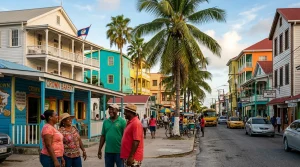
The towns of Belize City and Corozal offer glimpses into the colonial past with their well-preserved structures. In Belize City, the Fort George area showcases colonial buildings like the Swing Bridge and Queen Street, exemplifying British colonial architecture. Corozal, once a booming British settlement, is renowned for its charming Colonial-style homes. Strolling through these towns allows visitors to appreciate how history shaped the urban landscape, making them ideal sites for historical tours and photography.Cultural Significance and Local Experiences
Colonial heritage in Belize is also celebrated through cultural events and cuisine. The Creole influence is palpable in the vibrant local dishes served in many eateries, with specialties such as rice and beans paired with chicken or seafood, offering a taste of the country’s intertwined cultures. Visitors can partake in local festivals that celebrate this colonial heritage, such as the Barbadian Festival-an event that showcases Creole music, dance, and food, providing insight into the sociocultural impacts of British colonialism.Practical Travel Tips
When planning a trip to explore these historical treasures in Belize, consider the following practical tips:- Transport: Renting a car or using local buses can be a convenient way to navigate between sites, especially in rural areas.
- Accommodation: Choose from a range of lodgings, from budget hostels in Belize City to luxury resorts near the Maya Mountains, offering unique stays amid nature.
- Visas: Most visitors can enter Belize without a visa for stays up to 30 days; ensure your passport is valid for at least six months beyond your arrival.
- Safety: Keep aware of your surroundings, especially in busier towns, and utilize local knowledge when engaging with communities.
- Respect for Local Culture: Engage with local customs and traditions; attending community events can enrich your experience and understanding of Belize’s history.
Q&A
Q: When did Belize gain independence from British colonial rule? A: Belize gained independence from British colonial rule on September 21, 1981. This significant event marked the end of British Honduras’ more than 100-year colonial status and introduced self-governance for the nation.Q: What were the main economic activities during British colonial rule in Belize? A: The main economic activities during British colonial rule in Belize included logging, particularly mahogany, and agriculture. These industries shaped the economy and laid the groundwork for Belize’s economic structure after independence.Q: How did British colonialism affect Belizean culture? A: British colonialism significantly impacted Belizean culture by introducing English as the official language, establishing the legal framework, and influencing customs and traditions. The cultural blend resulted in a unique Belizean identity that incorporates various ethnic backgrounds.Q: What was the role of indigenous peoples during British colonialism in Belize? A: Indigenous peoples in Belize faced displacement and marginalization during British colonialism. Although their cultures endured, they were severely impacted by land loss and economic changes driven by colonial policies.Q: How did Belize become a British colony? A: Belize became a British colony through a series of treaties and military interventions in the late 18th century, particularly due to its valuable logging resources. The British solidified control over the region, which was originally settled by European loggers.Q: What was the significance of the 1931 riots in Belize’s colonial history? A: The 1931 riots in Belize were significant as they highlighted public dissatisfaction with colonial rule and socio-economic inequalities. This event marked a turning point, leading to increased political awareness and movements towards independence.Q: How did the British colonial policies impact the education system in Belize? A: British colonial policies established a formal education system that primarily served the elite. This system often excluded indigenous and lower-income communities, leading to disparities that affect education in Belize today.Q: What was the relationship between Belize and the UK after independence? A: After independence, the relationship between Belize and the UK remained cordial, marked by ongoing economic ties and support in various sectors. The UK continues to be a partner in development initiatives and cultural exchanges in Belize.Concluding Remarks
As you explore the fascinating colonial history of Belize, remember that understanding this past enriches your travel experience. Now that you’re armed with insights into Belize’s unique heritage, why not delve deeper into its stunning destinations? Discover the breathtaking Great Blue Hole and the lush jungles filled with ancient Maya ruins-each site tells its own story of Belize’s vibrant culture. For more tips on where to stay, from budget-friendly hostels to luxurious overwater bungalows, check out our comprehensive accommodation guide.Feeling inspired? Take the next step in planning your adventure by exploring our resources on cultural festivals and culinary highlights, which showcase the diverse experiences waiting for you. Don’t forget to subscribe to our newsletter for the latest updates and travel tips that will enhance your Belizean journey. Engage with us in the comments below-share your thoughts or questions, and let’s keep the conversation going. Belize awaits, with a rich tapestry of history and beauty just waiting to be discovered!Comprehensive Guide and In-Depth Analysis: Belize British Colony
When exploring the details surrounding belize british colony, understanding the practical, environmental, and cultural dynamics of Belize is essential for making informed travel or investment decisions. Belize stands out in Central America for its English-speaking heritage, British Common Law legal stability, and world-class ecotourism infrastructure.
Whether navigating mainland rainforest corridors, consulting local authorities, or exploring marine conservation zones along the Belize Barrier Reef, having verified, comprehensive information regarding belize british colony ensures seamless execution.
| Key Evaluation Pillar | Standards & Conditions in Belize | Actionable Best Practices |
|---|---|---|
| Regional Specifics | Variations between northern districts, central cayes, and southern rainforests | Align plans with specific district infrastructure and seasonal weather |
| Regulatory & Legal Framework | Belize Tourism Board (BTB) regulations and national conservation laws | Always work with licensed local professionals and certified guides |
| Logistics & Practical Costs | Fixed 2:1 BZD-to-USD currency peg; accessible transport via air and water | Plan budget with cash buffer for remote destinations and transfers |
For visitors and residents alike, engaging with belize british colony through authorized, sustainable practices contributes directly to local community development and the preservation of Belize’s pristine marine and terrestrial ecosystems.
Frequently Asked Questions: Belize British Colony
Why is understanding belize british colony important for Belize visitors?
It provides essential context for choosing the right regional destinations, understanding local pricing, and ensuring full compliance with environmental and tourism standards.
How do seasonal factors affect belize british colony in Belize?
The dry season (December through May) offers calm seas and sunny weather, while the green season brings lower rates and lush jungle scenery.
Get our latest guides, news, and insights highlighted in your Google Search & AI Overviews.