Did you know that Belize, nestled along the Caribbean coast of Central America, has a rich tapestry of colonial history that reflects the aspirations and conflicts of various European powers? Understanding which country first settled Belize is crucial for appreciating the diverse cultural influences that shape this vibrant nation today. This inquiry delves into early colonial encounters, highlighting the impact of settlers and shaping the narrative of Belize as a coveted land marked by ambition and resilience. As we trace these origins, we unravel the threads that connect Belize’s past with its present, inviting curiosity about how history continues to resonate in its unique identity and allure. Join us as we explore the early chapters of Belize’s story and discover how its colonial roots influence its cultural richness and stunning landscapes that captivate travelers around the globe.
The Indigenous Peoples of Belize: A Historical Overview
The rich tapestry of Belize’s history is woven from the diverse cultures of its indigenous peoples, who have inhabited this vibrant land for thousands of years. Long before the arrival of European explorers, regions like the Maya lowlands flourished with remarkable civilizations. The ancient Maya established advanced societies around 1500 BC, leaving behind an impressive legacy of monumental cities, intricate architecture, and a deeply spiritual way of life connected to the land.
These early inhabitants expertly cultivated the land, practicing agriculture that formed the backbone of their economy. They grew crops such as maize, beans, and squash, alongside cacao, which they revered in religious ceremonies. The Maya’s sophisticated understanding of astronomy and mathematics fueled advancements in timekeeping, agriculture, and architecture, evident in the majestic ruins still visible today, such as those at Caracol and Xunantunich.
However, the arrival of Spanish explorers in the 16th century marked a transformative and tumultuous chapter for the indigenous peoples of Belize. Individuals like Hernán Cortés began their relentless quest for wealth and territory, often resulting in violent encounters and the enslavement of native populations. The Spanish influence imposed new systems of governance, religion, and economic practices, disrupting ancient traditions and laying the groundwork for profound changes in Belize’s cultural landscape.
Despite these challenges, the resilience of the indigenous peoples endured, leading to a blending of cultures that shaped modern Belize. Today, Belize is a celebration of its mixed heritage, where the echoes of the past resonate in the daily lives and vibrant traditions of its people. From traditional Maya rituals to modern interpretations of ancient practices, the spirit of the indigenous peoples remains a vital aspect of the nation’s cultural identity. Visitors to Belize can explore this rich history through archaeological sites and engage with descendant communities, gaining a deeper understanding of the indigenous contributions that continue to influence Belize’s society today.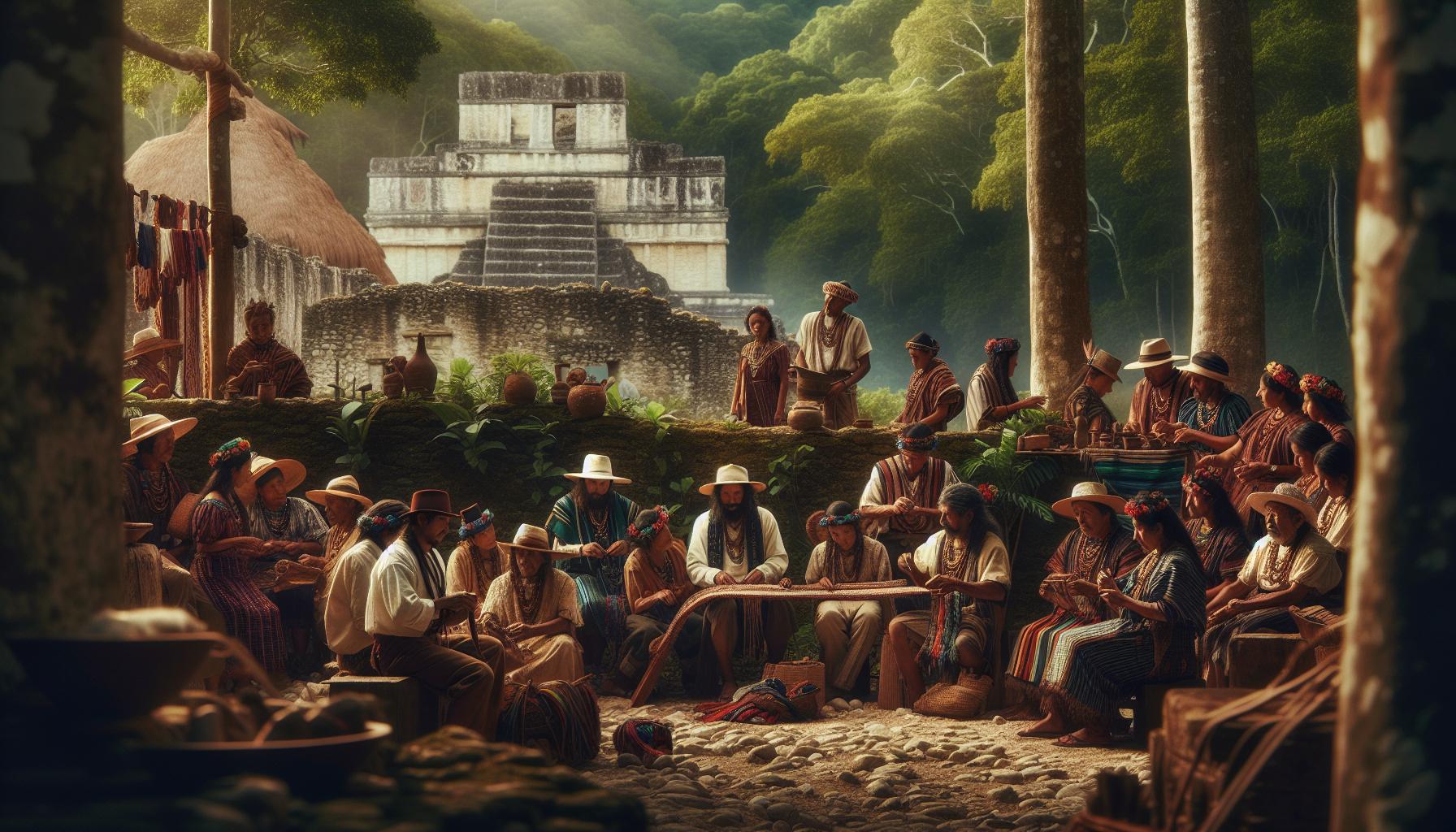
Spanish Exploration and the Quest for Wealth
The allure of undiscovered riches drove the Spanish explorers to the coasts of what is now Belize, igniting profound changes that would resonate throughout the region’s history. In the early 16th century, motivated by dreams of gold and glory, Spaniards such as Hernán Cortés ventured into Central America, their eyes set on the fabled wealth of the indigenous cultures. The quest for wealth wasn’t merely about material riches; it was also entwined with the ambition to claim territories and spread Christianity, laying the foundation for a complex interplay of cultures and conflict.
Upon their arrival, the Spanish encountered the Maya civilization, already thriving with its established cities, trade networks, and intricate social structures. The initial interactions were often marked by both wonder and brutal violence; the confrontations that ensued resulted in considerable upheaval for the Mayans. Many Spanish explorers, dazzled by the sophisticated culture, sought not just to conquer but to exploit these societies for their own gain. They disrupted local economies, imposed new religious fervors, and introduced European diseases that decimated indigenous populations, reshaping the demographic landscape of Belize forever.
The impact of Spanish colonization was far-reaching, creating a legacy that intertwined with the fabric of Belizean identity. As the Spaniards expanded their control, they laid claim to the natural resources of the region, notably wood, which became a valuable commodity. The early settlement efforts brought not only conflict but also new agricultural practices and livestock that would alter traditional ways of life. This era marked the beginning of a complicated relationship between colonizers and the native peoples, which would echo through the centuries as cultures collided and blended.
For travelers looking to immerse themselves in this rich history, exploring ruins such as Altun Ha or Xunantunich provides a direct connection to the past. These magnificent sites are reminders of the ancient Maya’s ingenuity and resilience, set against the backdrop of Belize’s breathtaking landscapes. Engaging with local communities and visiting historical landmarks will help visitors appreciate the depth of Belize’s colonial and indigenous narratives, revealing a story shaped by exploration, exploitation, and, ultimately, resilience. The spirit of this interplay between cultures continues to define Belize, making it a vibrant destination where history is not merely observed but felt in every corner of this beautiful country.
British Colonization: Establishing Control Over Belize
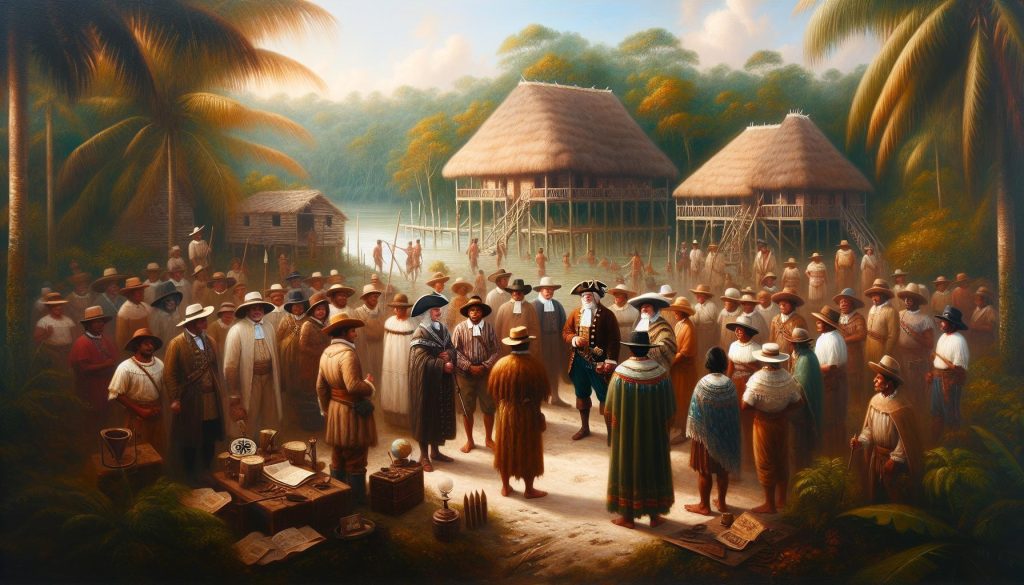
As the Spanish explorers’ ambitions faded amid resistance and challenges, a new wave of presence began shaping the destiny of Belize – the British. The early 17th century marked the arrival of British settlers who were drawn not by the quest for gold, but by the lucrative logwood trade. This reddish timber, highly sought after in Europe for dye production, became the building block of British influence and control in the region. By the late 1600s, the British laid claim to what they called British Honduras, navigating the dense jungles and rivers to harvest the precious logwood while living alongside the indigenous populations they found.
The establishment of British control was not simply a matter of economic exploitation; it was also one of survival and adaptation. The early settlers faced challenges from both the environment and the competing Spanish forces. To secure their foothold, they developed unique relationships with local groups, such as the Maya and the Garifuna. This interplay not only enabled them to thrive but also cultivated a dynamic cultural environment. The colonizers adopted local knowledge of the land and engaged in trade, which allowed for the gradual integration of diverse traditions and practices, exemplifying a blend of cultures that still resonates in Belize today.
As the logwood industry flourished, it spurred settlement along the coast. The British established towns, with Belize City emerging as the capital, becoming the center of administration and commerce. The industry also laid the groundwork for further exploitation of other resources, including mahogany, leading to a surge in population as workers, including enslaved Africans, were imported to sustain the growing economy. This influx redefined social dynamics and created a multi-ethnic tapestry that characterizes Belizean society.
Despite the economic boom, British ambitions led to numerous conflicts with Spain, culminating in the eventual Treaty of Paris in 1763, which recognized British land claims but was temporary. Further battles and treaties throughout the 18th and into the 19th centuries would continuously reshape the power dynamics in the region. By the turn of the 19th century, Belize was thriving, reflecting a complicated blend of colonial enterprise, indigenous resilience, and cultural fusion that is foundational to Belize’s identity today.
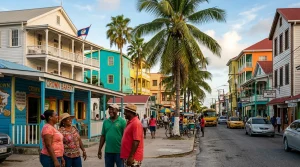
For travelers eager to experience this rich historical narrative, Belize offers a trove of exploration opportunities. From the remnants of British colonial architecture in Belize City to historical sites like St. John’s Cathedral, visitors can trace the footsteps of those who shaped the nation. Engage with local communities that celebrate this diverse heritage through colorful festivals and delicious Creole cuisine, embodying the very essence of Belize’s vibrant history. With each piece of history, from the ancient Maya ruins to the remnants of British colonialism, the rich tapestry of Belizean life comes alive, inviting you to explore its past and present.
The Logwood Industry and Its Impact on Settlement
The logwood industry played a pivotal role in shaping the early settlements of Belize, signaling the beginning of significant British influence in the region. As British settlers arrived in the early 17th century, they discovered a wealth of valuable logwood, which became highly sought after in Europe for its use in dye production. This reddish timber sparked a trade boom that attracted more settlers, transforming the once sparsely populated coastal areas into bustling hubs of economic activity. The allure of logwood not only brought English mercantilists keen for riches but also pushed the development of settlements that would lay the foundation for modern-day Belize.
British logwood cutters, known as “Baymen,” ventured into the dense jungles of Belize, navigating through its river systems to harvest this precious wood. Their presence initiated a complex relationship with the indigenous Maya and Garifuna peoples, who inhabited the region. This interaction was not merely confrontational; rather, it led to a rich tapestry of cultural exchange that influenced the local economy. The Baymen adopted indigenous agricultural techniques, supplemented their diets with local foods, and engaged in trade, creating a blending of customs that still characterizes Belizean society today. The establishment of trade routes and settlements along the coast, particularly in areas that became known as Belize City, marked a critical shift in the demographic and economic landscape of the region.
As the logwood trade flourished, so did the demand for labor, leading to the importation of enslaved Africans who were forced to work in these burgeoning industries. This influx significantly altered the social dynamics of Belize, contributing to its multicultural makeup. By the year 1770, it is estimated that the population of Belize City reached around 2,000 inhabitants, a remarkable growth spurred largely by the logwood commerce. The resulting demographics paved the way for a diverse society where varying customs, languages, and traditions intertwined, enriching the cultural heritage of Belize.
The legacy of the logwood industry is evident today, not only in the historical narratives but also in the architectural styles and cultural practices that remain part of Belizean identity. Travelers interested in exploring this rich history can visit sites along the coast that reveal the substantial impacts of early trade and settlement, from the colonial remnants of buildings in Belize City to the vibrant communities that celebrate their diverse origins through annual festivals, music, and dance. Each facet of Belize’s early colonial past offers a glimpse into the resilient spirit of its peoples and their intertwined narratives, inviting visitors to experience the living history that defines this beautiful Central American destination.
Conflicts and Treaties: Shifts in Power Dynamics
The tumultuous history of Belize during the colonial era is marked by a series of conflicts and treaties that shaped the power dynamics of the region. As British logwood cutters, known as Baymen, began to settle in the previously uncolonized areas of Belize, their encroachment led to numerous clashes with the indigenous Maya and Garifuna peoples. These interactions were not solely antagonistic; they often involved negotiations and shifting allegiances, demonstrating the complex nature of colonial relationships. The settlers sought to establish control over the lucrative logwood trade, while indigenous groups fought to defend their ancestral lands and resources.
One of the pivotal moments in these conflicts was the construction of the British presence in the 17th century, which drew the attention of the Spanish Empire, who claimed the territory. Despite attempts by Spain to reassert dominance through military incursions and efforts to convert the indigenous populations to Christianity, they faced fierce resistance. The indigenous peoples, well-versed in the local terrain, employed guerrilla tactics against the settlers, complicating British expansion plans. The difficulty of establishing a stable colonial presence led to a series of treaties, such as the Treaty of Peace and Friendship in 1783, which temporarily eased confrontations and recognized the British claims over certain areas, albeit under contested circumstances.
The ongoing power dynamics began to shift significantly with the signing of treaties that further delineated territories. Notably, the 1798 Battle of St. George’s Caye solidified British control after the Baymen successfully repelled a Spanish attack. This battle was a defining moment, reinforcing British sovereignty in the region and diminishing Spanish influence. Following this, the British Crown formally recognized the territory of Belize through the Royal Charter of 1884, which established it as a distinct colony named British Honduras. However, the legal recognition did not erase the resistance of the local populations, whose legacy and claims to the land remained an undercurrent in the evolving societal structure of the colony.
As modern-day travelers explore Belize, they can visit historical sites such as the remnants of Fort George, a fortification that stands as a testament to these early colonial struggles. The intricate tapestry of conflicts, treaties, and shifting allegiances not only played a crucial role in the formation of Belize’s identity but also laid the foundations for its diverse culture and heritage evident today. The popular local festivals, rich music traditions, and diverse cuisines all reflect the indelible marks made by these historical events, inviting visitors to appreciate the resilience of the Belizean spirit in the face of colonial challenges.
The Role of the Baymen in Early Colonial Belize
The Baymen, early British settlers of Belize, emerged from the lure of a booming logwood trade, a resource essential for dye production in Europe. In the 17th century, these rugged adventurers, primarily out of the Caribbean islands, ventured into the uncharted jungles and coastline of present-day Belize, laying the groundwork for what would become a significant colonial presence in the region. This influx of settlers was not merely an expansion of British influence but a complex tapestry of interactions, alliances, and confrontations with the indigenous populations, particularly the Maya and the Garifuna.
As the Baymen established their settlements along the coast and rivers of Belize, they quickly adapted to a land filled with rich resources but fraught with challenges. Their impact was twofold: they brought new economic opportunities, yet their presence instigated conflict with indigenous communities who relied on these lands for their livelihoods. The Baymen’s primary aim was the extraction of logwood, but they also engaged in trade and established rudimentary governance structures, creating a semblance of order amidst the chaos of colonial aspirations. Over time, they formed alliances with certain indigenous groups while pushing others out, a strategy that showed their adaptability and the often tenuous nature of colonial relationships.
The legacy of the Baymen is particularly etched in the evolution of Belizean culture. They played a critical role in the early economy, which centered around logwood and eventually shifted to mahogany when the former became less viable. Baymen were not just loggers; they were also traders, interacting with various maritime routes that connected them to the broader Caribbean and European markets. As settlements grew, they influenced local customs, imbuing Belize’s culture with elements of British, African, and indigenous traditions, a blend that is profoundly visible today in Belize’s food, music, and festivals.
Travelers to Belize can explore this rich history through various sites that celebrate the Baymen’s legacy. Pplaces like Fort George in Belize City not only hint at the defensive measures they took against Spanish incursions but also tell stories of local resilience and adaptation. The memory of the Baymen, while clouded by colonial struggles, has become part of the narrative that invites visitors to reflect on the intricate history of this vibrant country. From lively Creole festivals celebrating their heritage to the lush jungles that these early settlers navigated, the spirit of the Baymen lives on, challenging all who come to Belize to appreciate the diverse cultures that have shaped this unique landscape.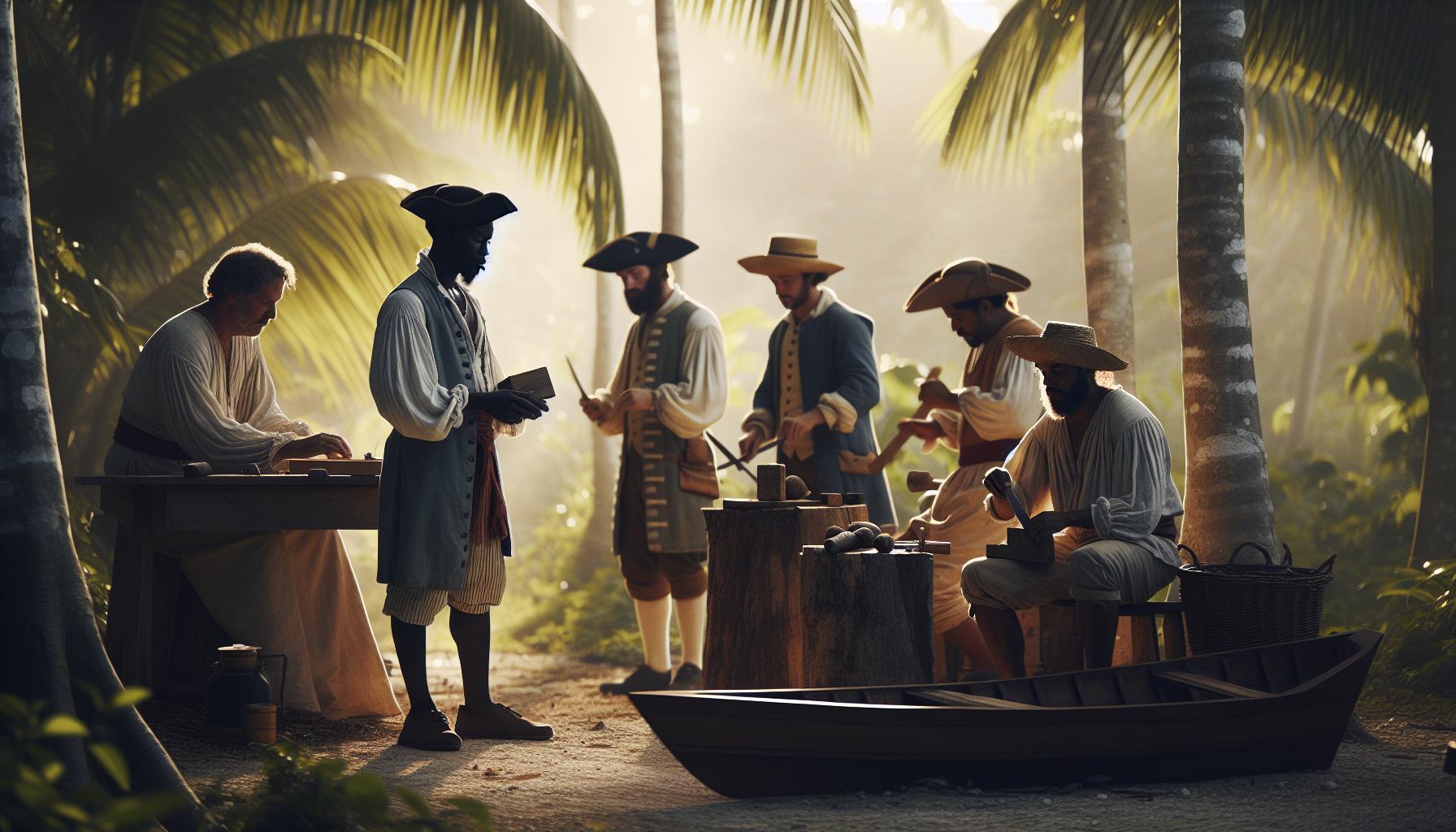
Evolution of Governance in Colonial Belize
As Belize transformed from a sparsely populated territory inhabited by the Maya and Garifuna to a focal point of European interest, the evolution of governance became crucial in shaping its colonial identity. The initial chaotic presence of the Baymen-those rugged logwood traders-served as a bedrock for developing a more structured authority within the burgeoning colonies. By the 18th century, the British began to formalize their rule as the need for an organized system became evident amidst rising tensions with indigenous populations and competing colonial powers.
In the early days, governance was rudimentary, marked by self-appointed leaders among the Baymen who operated under informal agreements. However, as settlements expanded, the British Crown recognized the necessity for a more cohesive administrative structure. This shift materialized with the establishment of a Governor’s position in 1786, which allowed for clearer governance and increased control over resources and trade. The first officially appointed Governor was William S. M. Burke, who aimed to stabilize the region amid persistent threats from the Spanish and adjust to the complexities of local demographics.
Over the following decades, the British introduced the assembly system, modeled after parliamentary principles, which facilitated local representation and governance. The British maintained a delicate balance between asserting their authority and granting limited self-governance to the settlers, which allowed for a unique blend of British political practices and local customs to flourish. The governance framework soon expanded to include councils that addressed matters like land distribution and conflict resolution, echoing the alliances and tensions with indigenous groups.
As travelers to Belize wander through the streets of Belize City or visit the remnants of colonial fortifications such as Fort George, they can sense the historical layers of governance that have shaped this vibrant nation. Today, the echoes of colonial legislation still contribute to Belize’s legal frameworks while enriching its diverse cultural heritage. Understanding this complex evolution offers invaluable insight for visitors eager to appreciate how the past continues to inform the present, inviting deeper connections with Belize’s rich history and multicultural identity.
Cultural Influences and Mixed Heritage in Early Belize
The rich tapestry of Belize’s early colonial history is deeply woven with varied cultural influences and a mixed heritage. As Spanish explorers first set foot on the shores in the 16th century, they encountered the indigenous Maya and Garifuna peoples, whose diverse traditions and lifestyles laid a foundational cultural landscape. Over the ensuing decades, as British settlers expanded their presence, a fascinating cultural fusion began to take shape. This melding of influences not only defined the very identity of Belize but also created a vibrant society marked by its unique character.
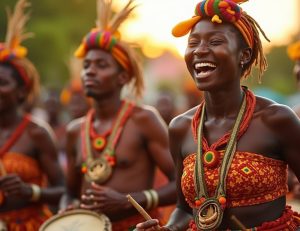
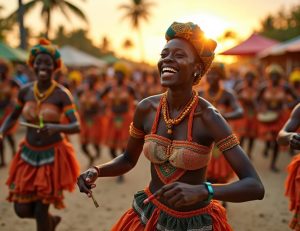
The very essence of Belize’s cultural heritage can be traced back to the interactions between European colonizers and indigenous populations. The arrival of British logwood traders initiated a series of social exchanges that enhanced the local culture. The Baymen, as they came to be known, incorporated aspects of indigenous language, cuisine, and customs into their own lives. The result was a colorful blend of Creole, Garifuna, and Maya cultures, leading to a distinct Belizean identity that celebrates its roots while adapting to new influences. Today, this is vividly reflected in Belize’s celebrations, including the annual Carnaval and Garifuna Settlement Day, where traditional dances, music, and culinary delights come alive.
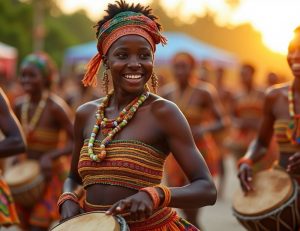
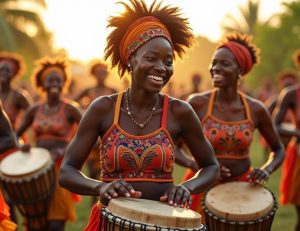
One cannot overlook the significant impact of slavery in molding Belize’s cultural landscape. Enslaved Africans brought to work in the logwood industry added their rich musical and culinary traditions, which have become integral to Belizean culture. The rhythmic pulsations of Garifuna drumming and the savory aromas of dishes like rice and beans or fish with coconut sauce tell stories of resilience and fusion. Communities blossomed around these shared experiences, fostering a spirit of inclusivity and celebration of diversity that defines Belizean society today.
As visitors explore Belize’s charming towns and remote villages, they are greeted by the vibrant murals depicting this intricate history and the warmth of locals eager to share their cultural tales. Whether you’re savoring the flavors of Creole cuisine, experiencing the soulful beats of Garifuna music, or wandering through the ruins of ancient Maya civilization, every encounter in Belize invites you to appreciate the dynamic interplay of cultures that continue to shape this Central American gem.
Life in Early Colonial Belize: Economy and Society
In the early colonial era, Belize was characterized by a unique interplay of cultures and economies, setting the stage for its vibrant social fabric. The influx of British logwood cutters in the 17th century ignited a burgeoning economy that revolved around the highly sought-after logwood, prized for its use in dye production. The logwood industry not only served as the backbone of Belize’s economy but also attracted a diverse array of settlers, each contributing their own skills and cultural influences. As these early pioneers, known as the Baymen, carved out their livelihoods in the dense jungles and along the coast, they began to shape the local society into a multicultural mosaic.
The life of the Baymen was steeped in hardship and adventure. These early settlers relied on the rich natural resources of the region, particularly the vast forests that provided not just logwood but also other timber products. They established small settlements, primarily along the Caribbean coast, which served as trade hubs. The economy was largely informal, operating on a barter system, and many settlers cultivated small gardens to sustain themselves. In this rugged environment, community life thrived; settlers often relied on each other for support in both labor and social exchanges. This sense of camaraderie fostered a community spirit that transcended individual differences.
As the economy developed, so did the societal structure. The Indigenous peoples, particularly the Maya, still played a significant role in the region, bringing their agricultural knowledge and cultural practices. The interactions between the Baymen and local populations led to a blending of customs, traditions, and languages. This period saw the rise of Creole culture, which combined elements from the various groups present, including European settlers, Indigenous tribes, and enslaved Africans who had been brought to work in the burgeoning logwood industry. The culinary traditions, music, and even governance started reflecting this rich mix, setting the foundation for what would become modern Belizean identity.
Despite its burgeoning economy, life was fraught with conflicts, both internal-among the diverse groups vying for resources and land-and external, with neighboring colonial powers clashing over territorial claims. The early economic activities in Belize were pivotal, resulting in frequent negotiations and treaties that shaped the sociopolitical landscape. Yet, through these struggles, a resilient society emerged, vibrant with traditions and a shared history, setting the stage for what Belize is today-a country celebrated for its rich cultural heritage and natural beauty. This historical foundation resonates in contemporary Belize, evident in the annual celebrations, communal gatherings, and the ongoing fusion of the many cultures that have shaped this dynamic nation.
Key Historical Events Leading to Independence
Throughout its colonial history, several key events served as stepping stones toward Belize’s eventual independence, deeply shaping the national identity and governance of the country. The foundation of Belize as a British colony began in earnest during the 18th century, marked by the birth of the logwood industry, which drew settlers seeking prosperity from British territories. This influx of British loyalists and the establishment of informal settlements laid the groundwork for complex social dynamics among Indigenous peoples and European settlers.
In 1862, Belize was formally declared a British crown colony, elevating its administrative status but also tightening colonial control, which often met with resistance from residents. The struggle for self-governance grew more pronounced with the British military’s preoccupation with larger imperial interests, leading to rising discontent among the diverse populace. As the 20th century dawned, the demand for greater local governance came to fruition with the formation of political movements, such as the People’s United Party (PUP) in 1950, which energized the quest for independence through grassroots mobilization and political engagement.
By the 1960s, momentum gained through strikes, protests, and a series of constitutional reforms finally bore fruit. In 1964, the introduction of self-government allowed Belizeans to elect a majority of representatives to the Legislative Assembly, a critical shift that boosted national consciousness and fostered a burgeoning sense of unity across the diverse ethnic tapestry of the nation. This period also witnessed Belizeans increasingly asserting their cultural identity, as various social movements celebrated local heritage, promoting Creole, Maya, and Garifuna cultures, and emphasizing their unique contributions to a shared Belizean identity.
The culmination of these historic struggles arrived in 1981 when Belize finally gained its independence from British rule. The journey to this moment was a testament to the resilience and adaptability of the Belizean people, reflecting a blend of cultures and a rich heritage that continues to inspire national pride today. This narrative does not just end with independence; rather, it shapes contemporary Belize’s governance, societal relations, and cultural expressions, making it a vibrant and welcoming destination for travelers and expatriates alike.
Visitors exploring Belize today can witness this history firsthand at numerous historical sites and museums, such as the House of Culture and the Belize Museum, where the rich tapestry of past struggles is beautifully woven into the present. The echoes of the colonial past resonate through annual festivals, vibrant community gatherings, and culinary traditions that embody the spirit of a nation that celebrates its journey through adversity to achieve sovereignty and cultural richness.
Belize’s Colonial Legacy: Lasting Influences Today
Belize is a vibrant tapestry of cultures, shaped by a historical legacy that still influences its society and identity today. As a former British colony, the remnants of colonial power dynamics, social structures, and cultural intermingling continue to resonate in modern Belizean life. For those exploring Belize, understanding these colonial influences is crucial for appreciating the country’s cultural richness and social fabric.
The colonial era introduced a myriad of traditions, culinary practices, and social norms that have melded into the unique Belizean identity. Notably, the blend of Creole, Maya, and Garifuna cultures can be experienced in the lively festivals that fill the calendar year. Events such as the Garifuna Settlement Day celebrate the history and resilience of the Garifuna people, incorporating music, dance, and traditional food that echo the past while reinforcing communal bonds. Similarly, the celebration of Creole heritage showcases the impact of British colonialism through music, literature, and the Creole language, all of which remain vital to Belizean culture.
The architectural landscape of Belize, with its colonial buildings and historic sites such as Fort George and the House of Culture, serves as physical reminders of its past. These structures invite visitors to delve deeper into the story of Belize, reflecting the colonial influences that shaped governance and society. Walking tours that focus on the colonial history of towns like Belize City offer insights into the lifestyle of early settlers and the indigenous populations impacted by their arrival.
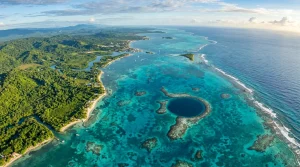
Belize’s international connections also demonstrate a legacy of colonialism, as the country maintains a strong relationship with the Commonwealth. This relationship has implications for trade, travel, and cultural exchanges that enrich Belize’s tourism sector. Visitors can explore the Great Blue Hole and vibrant barrier reef alongside indigenous peoples who bring a unique perspective on environmental stewardship, showcasing the blending of ancient practices with modern conservation efforts.
In essence, Belize’s colonial legacy is intricately woven into its present, influencing not only its cultural expressions but also shaping the way its people view community, identity, and history. Engaging with this legacy offers a deeper understanding of Belize, making any visit a holistic experience that honors both the country’s storied past and its promising future.
Exploring Historical Sites: Where the Past Meets the Present
Discover the rich tapestry of Belize’s past as you explore its historical sites, where remnants of early colonial life tell the stories of those who first settled this beautiful land. From the charming streets of Belize City to the majestic Maya ruins hidden within lush jungles, each site reveals layers of history that contribute to the country’s vibrant cultural identity.
In Belize City, a walk along the waterfront will lead you to landmarks such as the House of Culture, which was once the residence of the British Governor. Today, it houses a museum that showcases the colonial history of Belize, including artifacts from the logwood trade that shaped the early economy. Additionally, St. John’s Cathedral, built by the British in the 19th century, stands as a testament to the architectural style of the era and offers a glimpse into the spiritual life of early settlers.
Venture inland to the ancient Maya sites such as Altun Ha and Lamanai, where the echoes of past civilizations resonate through towering temples and sacred plazas. These sites not only highlight the impressive architecture and rich traditions of the Maya people but also serve as a stark reminder of the indigenous cultures that thrived long before British colonization. Exploring these ruins often involves guided tours where local experts share stories that blend archaeology with folklore, enriching your understanding of the ancient ways of life.
When planning your visit, consider incorporating historical tours that connect multiple sites, providing a comprehensive view of Belize’s evolution. Engage with knowledgeable guides who can narrate the intertwining histories of the indigenous peoples and European settlers, making the past come alive. Whether you’re trekking through the jungles to reach Tikal in Guatemala or taking a boat ride to the enchanting ruins of Lamanai, each excursion is an adventure that deepens your appreciation for Belize’s heritage.
As you traverse these historical landscapes, you’ll not only witness the physical evidence of colonization but also see how these influences persist in modern Belizean culture. The vibrant festivals, colorful markets, and local cuisine reflect a blend of traditions that have developed over centuries, inviting visitors to savor both the past and the present in this remarkable Central American destination.
Frequently Asked Questions
Q: What country first colonized Belize?
A: The first country to colonize Belize was Spain. Spanish explorers arrived in the early 16th century, seeking wealth through trade and natural resources, although they struggled to establish a permanent settlement.
Q: When did British colonization of Belize begin?
A: British colonization of Belize began in the 17th century, specifically in the 1630s, when British loggers settled along the coast, leading to gradual control over the region.
Q: What were the main reasons for British interest in Belize?
A: The British were primarily attracted to Belize for its rich resources, particularly logwood and mahogany, which were sought after for shipbuilding and furniture, creating a lucrative trade.
Q: How did indigenous peoples react to early colonial settlements in Belize?
A: Indigenous peoples, including the Maya, initially resisted colonial encroachment by the Spanish and later the British, leading to conflicts that shaped the region’s early history.
Q: What impact did the logwood industry have on Belize’s settlement patterns?
A: The logwood industry significantly influenced settlement patterns in Belize by attracting British settlers and creating a demand for labor, leading to a more permanent population and colonial governance structures.
Q: What were the key conflicts between colonizers and indigenous groups?
A: Key conflicts included violent confrontations over land and resources, as well as alliances like the one formed between the British and certain indigenous groups against the Spanish, impacting territorial control.
Q: When did Belize gain independence from British rule?
A: Belize gained independence from British rule on September 21, 1981, following a long process of political evolution and the push for self-governance that began in the mid-20th century.
Q: What is the legacy of early colonial history in Belize today?
A: The early colonial history of Belize has left a diverse cultural legacy, including mixed heritage influenced by indigenous, Spanish, and British customs, shaping the nation’s identity today.
To Conclude
Understanding the early colonial history of Belize helps illuminate the rich tapestry of cultures that shape this vibrant country today. As you explore further, don’t miss out on our insights about Belize’s stunning destinations, from the breathtaking Great Blue Hole to the awe-inspiring Maya ruins nestled deep in the jungle. If you’ve enjoyed learning about the first settlers, discover more about Belize’s unique Creole cuisine and the annual festivals that celebrate its diverse heritage.
Ready to dive deeper into your Belizean adventure? Subscribe to our newsletter for the latest travel tips, guides, and accommodation options that fit every budget. Whether you’re a solo traveler or seeking family-friendly resorts, we’re here to provide you with the essential resources to make the most of your experience. Share your thoughts and questions in the comments; we love hearing from fellow explorers! Adventure awaits, and the beauty of Belize is just a click away-let’s continue this journey together.
Get our latest guides, news, and insights highlighted in your Google Search & AI Overviews.