What is the Etymology of “Belize”?

The name “Belize” carries an intriguing tapestry of history that intertwines the Indigenous, colonial, and cultural influences that have shaped this vibrant Central American nation. While the precise etymology remains somewhat unclear, several theories offer a glimpse into its possible origins. One prevalent belief suggests that the name derives from the Maya word “belix” or “b’alis,” which translates to “mud” or “silt,” likely referencing the rich river systems in the area that have nourished its lush landscapes and diverse ecosystems.Another theory posits that the name may have been adapted from the Spanish pronunciation of the local river, the Belize River, which was known as “Belice” when the Spanish explorers arrived. Some historical accounts also link the term to the British, with speculation that it originated from the name of a pirate or sea captain named Peter Wallace, whose name underwent a transformation. This layering of narratives showcases how the name has evolved, shaped by the mix of Indigenous heritage and colonial encounters.The historical context around the name “Belize” reflects the broader story of the nation itself, which struggled for identity amidst colonial influences and fought for independence, ultimately emerging as a unique blend of cultures. Today, the name serves not only as a geographical identifier but also as a proud symbol of Belizean heritage and the diverse experiences that form a part of its national identity. As you explore this captivating country, the name Belize resonates throughout its rich history, echoed in the rhythms of Garifuna music, the taste of Creole cuisine, and the stories told by the land and its people.
Historical Influences on the Name Belize
The name “Belize” encapsulates a rich historical narrative intertwined with the cultural evolution of the region. Its origins can be traced back to multiple influences, particularly the Indigenous Maya presence that thrived long before European exploration. The most widely accepted theory suggests that the name comes from the Maya word “belix,” meaning “mud” or “silt,” referencing the fertile riverbanks that supported dense ecosystems and diverse wildlife-an enduring characteristic that travelers can still witness today as they wander through its lush jungles or dive into its vibrant reefs.When Spanish explorers arrived in the area in the 16th century, they encountered the Belize River, which was referred to as “Belice” in their records. This adaptation reflects a pivotal moment in Belize’s history, marking the beginning of European interest in the territory. Later, the British, who took control of the area in the 18th century, contributed to the name’s evolution. Some historians contend that it may derive from a pirate named Peter Wallace, whose name morphed into “Belize” over time, illustrating how colonial forces reshaped both the land and its designation.Belize’s journey towards independence and self-identity is mirrored in the evolution of its name. As a former British colony known as British Honduras, the transition to “Belize” in 1973 signified a reclamation of its identity and a nod to its Indigenous roots. Today, the name serves not only as a geographic marker but also as a symbol of resilience, embodying the fusion of cultures-Maya, Creole, Garifuna, and many others-that have come together to form the Belizean identity. This diverse heritage is reflected in cultural expressions found throughout the country, from the rhythmic beats of Garifuna drumming to the flavorful dishes of Creole cuisine, all resonating with a spirit of celebration and community that awaits every visitor.Exploring Belize’s historical context enriches every aspect of travel to this captivating country. As you navigate through its ancient ruins, dive into the Great Blue Hole, or savor the local cuisine, understanding the layered history behind the name “Belize” offers deeper insight into the stories and people that define this extraordinary destination. With every step, the vibrant history of Belize whispers in every sound and sight, inviting you to become part of its ongoing narrative.
Cultural Significance of Belize’s Name
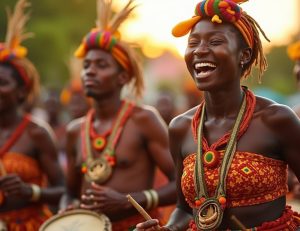
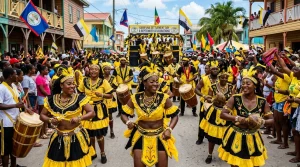
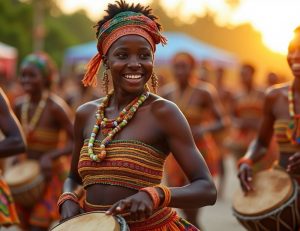
The name “Belize” carries profound cultural significance that extends beyond its geographical identity, weaving together histories, traditions, and a rich tapestry of diverse communities. Rooted in the land’s ancient Maya legacy, the name evokes imagery of lush landscapes and thriving ecosystems, essential to the identity of its people. As travelers explore Belize, they encounter not just stunning natural beauty but also an intricate cultural heritage that organically shapes daily life, celebrations, and culinary experiences across the nation.In Belize, names symbolize deeper meanings; they carry the stories of the land and its inhabitants, from the remnants of ancient Mayan cities to the vibrant Caribbean neighborhoods alive with music and dance. The melding of cultures-Maya, Creole, Garifuna, and more-finds expression through local practices and festivities that celebrate this diversity. For instance, traditional Garifuna drumming and dance forms a major part of Belizean festivals such as Garifuna Settlement Day, where locals honor their ancestral customs through rhythmic performances that resonate with the heartbeat of their history.This rich cultural narrative extends into the culinary landscape as well. Creole cuisine, celebrated for its fusion of flavors, tells the story of Belize’s multi-ethnic heritage. Dishes such as rice and beans, tamales, and the famous stew chicken reflect the intricate blend of tradition and innovation powered by communal gatherings and family recipes passed down through generations. Each meal becomes a celebration of identity, echoing the resilience and adaptability of the Belizean spirit.Understanding the means appreciating how it embodies more than just a geographical location; it reveals a collective memory that invites both locals and visitors to partake in a shared heritage. Engaging with the people, traditions, and stories wrapped around the name “Belize” offers travelers a profound connection to this captivating country, turning every visit into a journey of discovery filled with adventure, warmth, and celebration.Exploring Other Theories Behind the Name

The name Belize is rich with interpretations and theories, each contributing to the allure of this Caribbean gem. Among the most captivating explanations for the origin of “Belize” is its association with the Mayan language. Some scholars suggest that the name may derive from the ancient Maya term “Belix,” meaning “the body of water,” referencing the various rivers weaving through this lush landscape. Given the prominence of water in shaping Belize’s ecology and culture, such a connection evokes images of serene rivers gliding through verdant jungles, a breathtaking view visitors can experience firsthand during a leisurely canoe trip or river tour.Another intriguing theory is tied to the Spanish pronunciation of the name. Some historical narratives propose that “Belize” emerged from the Spanish word “belice,” which refers to a type of moving water or stream influenced by the currents. This connection highlights how early European explorers depicted the region’s waterways, which were critical not only for trade and transport but also as vital lifelines for the indigenous people who relied on them for sustenance.Moreover, some theories extend into the cultural tapestry of the region, linking the name to the British settlement era. Belize was once called “Honduras British,” a term used to refer to the logs that were exported from the area. As loggers navigated the rivers, the term “Belize” may have gradually replaced older names, symbolizing a shift towards acknowledging local dialects and the inhabitants who called this beautiful land home.While these perspectives offer a glimpse into the etymological mysteries surrounding Belize, the true essence of the name transcends mere linguistic roots. It embodies the confluence of cultures, histories, and landscapes that makes Belize not just a location on the map, but a vibrant testament to the resilience and spirit of its people. Whether you delve into the azure depths of the Great Blue Hole or trek through the jungles that echo with native wildlife, the name Belize continues to resonate, inviting exploration and appreciation of its diverse heritage.
The Development of Belize’s Identity
The breathtaking Belizean landscape, with its lush jungles, azure seas, and vibrant reefs, serves as a backdrop for a rich tapestry of cultural identity that has evolved over centuries. Nestled in Central America, Belize is not just defined by its stunning environments but also by the intricate interplay of its historical narratives, diverse communities, and indigenous roots. This evolution of identity encapsulates the essence of Belize-an allure that resonates deeply with visitors and locals alike.Understanding the identity of Belize is akin to peeling back the layers of a historical onion, where each layer reveals a unique influence. The ancient Maya civilization laid the foundation for Belize’s cultural identity, with remnants of their architectural prowess visible at sites like Caracol and Lamanai. Today, these archaeological wonders not only draw tourists but also inspire a sense of pride among Belizeans, as they represent a resilient heritage that has withstood the test of time. The influence of the Maya, combined with the subsequent arrival of the Spanish and British, has created a vibrant blend of languages and cultures, from English and Spanish to Creole and various indigenous tongues.As you journey through Belize, the delightful interplay of these cultures comes to life in the delightful sounds of Garifuna drumming, the tantalizing aroma of traditional dishes like rice and beans, and the colorful motifs of local crafts. Each element of Belizean life reflects a history of adaptation and resilience. Culinary diversity, for instance, showcases influences from the African, Caribbean, and indigenous gastronomy that together form a unique Belizean cuisine, perfect for food lovers hoping to indulge in local flavors.For travelers, this multifaceted identity is manifest in the hospitality of its people. You might explore the stunning Great Blue Hole, recognized as a UNESCO World Heritage site, while sharing stories with friendly guides who embody the spirit of Belize-open, welcoming, and eager to share their world with you. Engaging with local festivals, such as the September Celebrations and Garifuna Settlement Day, offers an enriching experience that deepens your connection to this remarkable destination.Belize’s identity continues to be shaped as it steps into a modern era while honoring its rich past. Young entrepreneurs are introducing eco-friendly initiatives and sustainable tourism practices, ensuring that future generations can treasure the beauty and biodiversity of their homeland. By understanding , visitors can appreciate its rich heritage and cultural richness, making every exploration a meaningful adventure.Belize in Modern Context: Name and Meaning
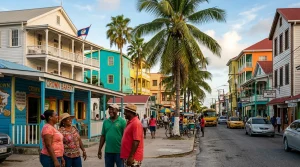
The name Belize carries with it a rich tapestry of history and significance, embedding the essence of its vibrant culture and natural beauty. Rooted in a fusion of indigenous and colonial narratives, the name reflects a remarkable journey through time. It is often believed to have originated from the Maya word “Balis,” meaning “mud” or “swamp,” which captures the region’s lush wetlands and fertile landscapes. Alternatively, some theories suggest it derives from “Baliz,” referring to the nearby Belize River, a lifeline that has sustained its communities for centuries.In modern context, the name Belize signifies not just a geographical location but a celebration of identity and resilience. It encapsulates the harmony of diverse cultures, uniting the influences of the ancient Maya, the British colonial presence, and the rich heritage of Creole, Garifuna, and other ethnic groups. This blend of cultures is evident in everyday life-from the tantalizing flavors of local cuisine to the rhythmic beats of Garifuna music that fill the air during festivals.As visitors explore Belize today, they encounter a society that cherishes its roots while embracing the future. The name Belize resonates with its iconic landmarks, such as the Great Blue Hole and ancient Maya ruins, inviting travelers to rediscover the stories that shaped this land. It also extends to modern-day endeavors, where eco-conscious tourism and local entrepreneurship thrive, ensuring that the country’s beauty and biodiversity are preserved for generations to come.Whether strolling through the bustling streets of Belize City or relaxing on the serene shores of Ambergris Caye, the name Belize serves as a reminder of its remarkable heritage. It stands as a beacon for adventurers seeking to experience a unique blend of nature, culture, and history, inviting everyone to partake in the vibrant narrative that Belize embodies today.How the Name Reflects Belizean Heritage
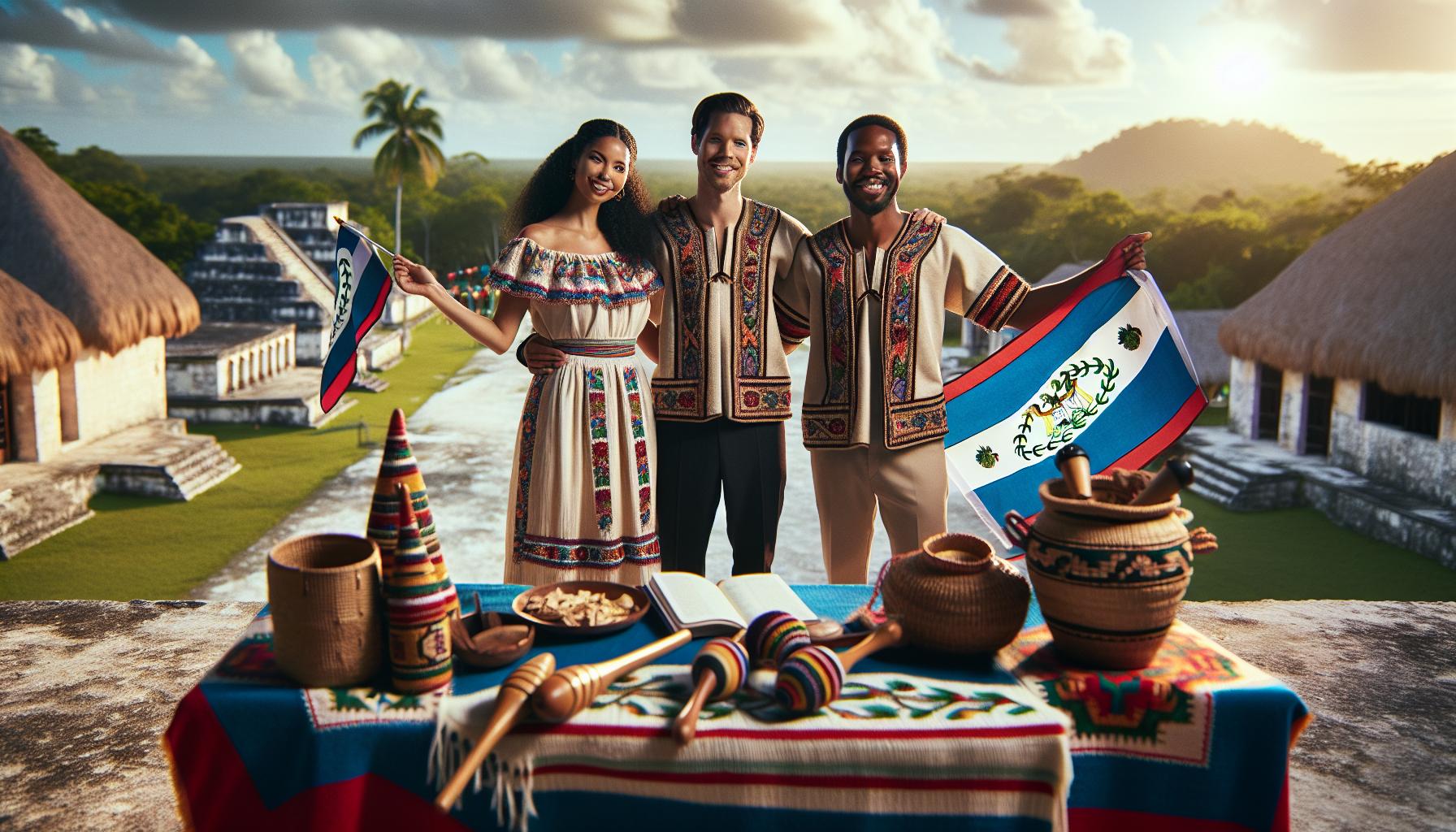
The name Belize is not merely a label for a geographical location; it embodies the spirit, history, and cultural diversity of its people. From its Indigenous roots to the colonial encounters that shaped its destiny, the name serves as a living testament to the complex tapestry of influences that define this Central American nation. In Belize, every syllable of its name resonates with stories of resilience, unity, and the profound connection to the land and sea.The Indigenous Maya, who inhabited this region long before colonial powers arrived, have left an indelible mark on Belize’s cultural identity. The commonly held belief that “Belize” derives from the Maya word “Balis,” implying “mud” or “swamp,” reflects the rich natural resources found within the wetlands of the country. These environments are crucial not only for their biodiversity but also for the sustenance they provide, showcasing the harmony between the land and its people. This deep connection to nature is echoed in the everyday lives of Belizeans, where traditional practices like fishing, farming, and gathering play a significant role in local culture.Moreover, the name Belize also encapsulates the legacy of colonialism, notably the British influence that transformed the region from British Honduras to its present identity. The blend of cultures is vividly seen in creole heritage, expressed through vivacious music, vibrant festivals, and exquisite cuisine. For visitors, this cultural mosaic unfolds in the sights and sounds of the bustling markets, the colorful celebrations like Garifuna Settlement Day, and the tantalizing flavors of dishes such as rice and beans paired with stewed chicken or fresh seafood. Each aspect of Belizean life is an invitation to explore a heritage that is both diverse and unified, illustrating how the name encompasses layers of cultural history.Ultimately, the name Belize reflects not only the history embedded within the land but also the contemporary identity of its people. As Belize continues to develop as a haven for eco-tourism and cultural preservation, its name stands as a powerful reminder of a collective heritage that invites locals and visitors alike to engage with its stories. The confluence of unique ecosystems-from the stunning coral reefs of the Caribbean to the lush jungles teeming with wildlife-mirrors the vibrancy of its culture, making the journey through Belize an enriching adventure for anyone eager to understand its legacy.
Local Languages and Their Impact on Belize
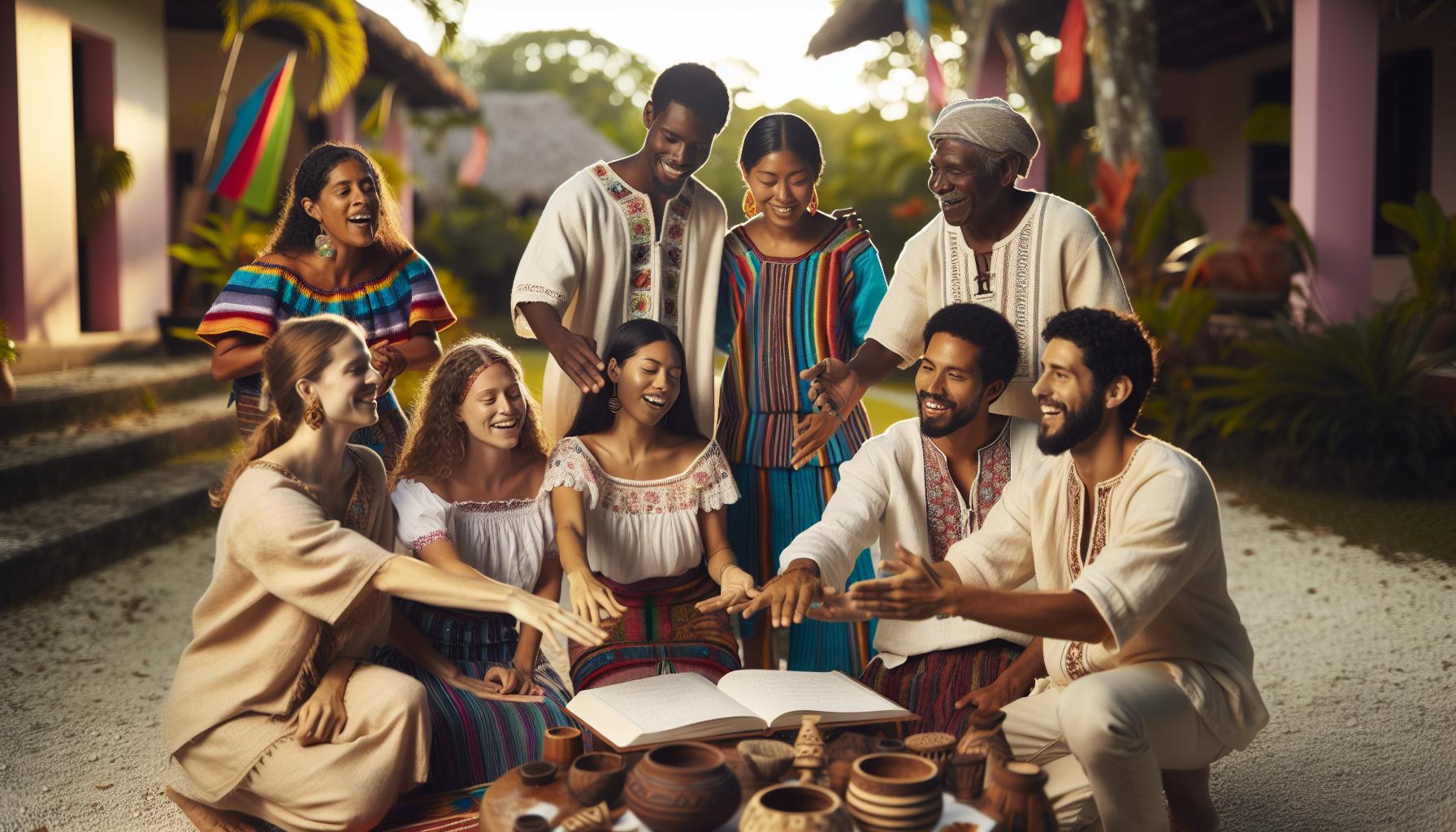
Belizean culture is a vibrant tapestry woven from the threads of its diverse languages, each adding a unique hue to the national identity. English, as the official language, serves as a bridge connecting the country to the broader international community, yet the linguistic landscape here is richly pluralistic. Spanish, an echo of the colonial past, thrives alongside various Creole and indigenous languages, primarily Kriol and Maya dialects. This multilingual heritage is not just a hallmark of communication but is also a vessel for cultural expression, storytelling, and the transmission of history.The prevalence of Kriol, a creole language originating from the interaction between British colonial settlers and enslaved Africans, showcases the historical significance of language in shaping Belizean identity. With its distinctively rhythmic and expressive qualities, Kriol resonates in the everyday lives of many Belizeans, revealing a heartfelt connection to cultural roots through song, folklore, and local narratives. Visitors to Belize will often find that engaging with Kriol speakers can lead to richer, more immersive experiences filled with warmth, humor, and local wisdom.Indigenous languages, such as Q’eqchi’ and Mopan, also play vital roles in maintaining cultural continuity among the Maya communities. These languages not only preserve ancient traditions through oral histories but also contribute to Belize’s biodiversity narratives, particularly in relation to conservation and traditional ecological knowledge. Exploring the lush jungles or visiting the awe-inspiring Maya ruins, travelers may discover that some of the most profound insights about the land come from those who speak its original languages.Understanding the linguistic diversity of Belize enhances the journey for any traveler. From lively street conversations in bustling markets to the soulful rhythms of Garifuna music, every utterance tells a story of resilience and heritage. Engaging with locals in their mother tongues can offer deeper insights into the soul of Belize, inviting travelers to appreciate not just a destination but a rich, layered culture that celebrates both its ancestral roots and modern dynamism.
Belize: A Name Rich in Natural Beauty
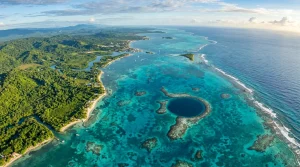
The name Belize conjures vivid images of natural splendor, where turquoise waters meet pristine beaches and lush jungles teeming with wildlife. This enchanting destination, nestled on the Caribbean coastline, is a paradise for those seeking adventure and tranquility alike. Belize is home to one of the world’s most revered natural wonders-the Great Blue Hole, a UNESCO World Heritage Site that draws divers and marine enthusiasts from around the globe. Its striking blue depths invite exploration and discovery, showcasing an underwater ecosystem that teems with colorful corals and diverse marine life.Beyond the azure waters, Belize’s land showcases extraordinary biodiversity. It features the second-largest barrier reef in the world and countless cayes dotted across the sea, ideal for both relaxing retreats and thrilling water sports. Kayaking through mangroves, snorkeling in crystal-clear lagoons, and hiking through dense rainforests are just a few ways travelers can immerse themselves in the natural beauty of this Central American jewel. Visitors can even engage in the conservation efforts that protect the ecological balance of Belize, from participating in reef restoration projects to supporting local wildlife sanctuaries.Accommodations in Belize range from eco-friendly jungle lodges to luxurious beach resorts, catering to diverse preferences. For a unique experience, consider staying in an overwater bungalow that allows you to wake up to the soothing sounds of the ocean and the breathtaking views of sunrises over the Caribbean Sea. Not far from the coast, the rich flora and fauna of the Belize rainforest offer travelers opportunities for guided tours where they can learn about medicinal plants and the complex ecosystems that thrive there.Belize’s cultural landscape is as rich as its natural one, with a heritage shaped by various influences, including the Maya civilization and colonial history. This cultural blend can be tasted in the local cuisine, where dishes like rice and beans, fresh seafood, and traditional Creole fare invite visitors to savor the flavors of Belize. Festivals throughout the year, such as the Garifuna Settlement Day and Lobster Fest, celebrate this vibrant culture, allowing travelers to witness firsthand the intricate dances, music, and traditions that define the Belizean identity.Whether exploring the untouched beauty of its rivers and jungles or enjoying the vibrant life of coastal towns, Belize is indeed a name synonymous with natural beauty and adventure. The allure of this destination lies not only in its scenic landscapes but also in the warmth of its people, who welcome visitors with open arms, sharing tales of heritage and environmental stewardship amidst their breathtaking surroundings.Tourism and the Name Belize: A Connection
The allure of Belize is not just in its stunning landscapes and rich biodiversity; it’s also deeply connected to its name, which has become synonymous with adventure and cultural richness. Tourists flock to Belize not only to soak in the sun on the pristine beaches or explore the depths of the Great Blue Hole but also to understand how the essence of the country is interwoven with its identity. Every location, from the ancient Maya ruins to bustling coastal towns, tells a story that connects visitors to the heart of Belize.As tourists navigate through this beautiful nation, they uncover the layers of history that shaped its name and culture. The vibrant towns-like San Pedro and Placencia-offer not just relaxation but also a blend of local traditions, cuisine, and hospitality that reflects the kaleidoscopic heritage of Belize. For many, trying dishes such as freshly caught seafood or traditional rice and beans is an essential part of the experience. Festivals like Garifuna Settlement Day invite visitors to witness the amalgamation of cultures through dance, music, and food, providing a live canvas of Belizean history that continues to evolve.For those planning a trip, understanding this connection enhances the travel experience. Embrace the local customs, partake in community activities, and savor the flavors; each moment spent in Belize not only unravels the mystery behind the name but also deepens the bond with its extraordinary natural beauty and cultural richness. Whether you choose to stay in eco-friendly jungle lodges or luxurious beachfront resorts, your journey in Belize will resonate with the very essence of what the name represents: a sanctuary for adventure, diversity, and connection.The Evolution of Belizean Culture Through Its Name
The name Belize is a tapestry woven from the region’s complex history, cultural fusion, and geographical diversity, mirroring the evolution of its people and their experiences. Originally derived from the term “Belicin,” as used by early Spanish explorers who encountered local indigenous groups, the name reflects both its Mayan and Caribbean roots. Over time, Belize transformed, evolving from a small settlement into a vibrant nation celebrated for its multicultural mosaic.Throughout its evolution, Belize has embraced influences from the indigenous Maya, Spanish colonizers, British settlers, and more recent waves of African and Caribbean cultures. Each group has left an indelible mark, embedding its essence into the name and the identity of the country. Festivals, music, and culinary traditions showcase this rich heritage, with the Garifuna culture being a poignant example. Through dances, drumming, and flavorful dishes, Belize brings forth stories that honor its past and invigorate its present.Today, Belize embodies a name that speaks of unity in diversity. The national motto, “Under the Shade I Bloom,” encapsulates the protective embrace of the land, nurturing the various cultures that flourish within it. As visitors traverse through breathtaking landscapes, from the lush jungles abundant with wildlife to the pristine beaches kissing the Caribbean Sea, they experience a living testament to how the identity of a place can be intricately tied to its name. Engaging with local communities, trying traditional foods, and participating in cultural festivals offers travelers a hands-on way to appreciate this evolution, transforming the act of visiting into a meaningful connection with Belizean life.In exploring Belize, the evolution of its name becomes not just a scholarly pursuit, but a gateway to understanding the narrative of a nation. This deeper connection enriches the experience, allowing travelers to leave with more than just memories but a sense of belonging to a story that continues to unfold in a land that celebrates every piece of its diverse heritage.Faq
Q: What is the meaning of the name Belize? A: The name Belize is believed to derive from the Maya word “Belix,” meaning “the land that is submerged.” This interpretation reflects the region’s geographical features, particularly its coastal wetlands and rivers.Q: What historical influences shaped the name Belize? A: Various historical influences, including British colonization and Mayan heritage, have shaped the name Belize. The British adapted local names and terms, which became integral to the identity of the territory known today as Belize.Q: How does the name Belize reflect its cultural significance? A: The name Belize symbolizes the rich cultural tapestry of the country, encompassing influences from the Indigenous Maya, Mestizo, Creole, and Garifuna peoples. This multicultural heritage contributes to the nation’s unique identity and cultural pride.Q: Are there alternative theories regarding the origin of the name Belize? A: Yes, alternative theories suggest the name may originate from the Spanish word “belice,” referring to a local river or from a corruption of the name of the Spanish sailor, Gonzalo Guerrero. These theories highlight the diverse historical narratives surrounding the name.Q: How has the identity of Belize evolved through its name? A: The identity of Belize has evolved to reflect the diverse cultures and histories that have influenced it. Over time, the name has come to symbolize national unity and pride, especially during its transition to independence in 1981.Q: What role do local languages play in the meaning of Belize? A: Local languages such as Creole, Spanish, and various Maya dialects contribute significantly to the understanding of the name Belize. They enrich the cultural context and assist in preserving Belize’s diverse linguistic heritage.Q: Why is the name Belize important for tourism? A: The name Belize is vital for tourism as it evokes natural beauty, adventure, and cultural richness. From the Great Blue Hole to vibrant cultures, the name attracts visitors seeking unique experiences reflective of its identity.Q: How does the name Belize connect to its natural beauty? A: The name Belize is closely associated with its stunning landscapes, including beaches, rainforests, and biodiversity. This connection helps promote ecotourism and conservation efforts, encouraging visitors to appreciate and protect the environment.In Summary
Now that you’ve uncovered the fascinating story behind the name “Belize,” it’s time to dive deeper into all that this vibrant destination has to offer! From the breathtaking Great Blue Hole to the rich tapestry of Maya ruins, there’s an adventure waiting for everyone. Don’t miss out-explore our comprehensive guides on the best things to do in Belize, or discover the top accommodations to suit every budget, from cozy hostels to luxury jungle lodges.If you’re planning your next trip, remember that understanding the culture, cuisine, and local festivals enriches your experience. For insider tips on navigating Belize’s diverse environments, check out our travel resources that cover everything from visa requirements to safety tips for solo travelers and the LGBTQ+ community.Stay connected with us for more inspiring travel content and insights into Belize’s unique beauty. Share your thoughts in the comments and let us help you create unforgettable memories in this stunning paradise. Your adventure starts here!Comprehensive Guide and In-Depth Analysis: Belize Meaning
When exploring the details surrounding belize meaning, understanding the practical, environmental, and cultural dynamics of Belize is essential for making informed travel or investment decisions. Belize stands out in Central America for its English-speaking heritage, British Common Law legal stability, and world-class ecotourism infrastructure.
Whether navigating mainland rainforest corridors, consulting local authorities, or exploring marine conservation zones along the Belize Barrier Reef, having verified, comprehensive information regarding belize meaning ensures seamless execution.
| Key Evaluation Pillar | Standards & Conditions in Belize | Actionable Best Practices |
|---|---|---|
| Regional Specifics | Variations between northern districts, central cayes, and southern rainforests | Align plans with specific district infrastructure and seasonal weather |
| Regulatory & Legal Framework | Belize Tourism Board (BTB) regulations and national conservation laws | Always work with licensed local professionals and certified guides |
| Logistics & Practical Costs | Fixed 2:1 BZD-to-USD currency peg; accessible transport via air and water | Plan budget with cash buffer for remote destinations and transfers |
For visitors and residents alike, engaging with belize meaning through authorized, sustainable practices contributes directly to local community development and the preservation of Belize’s pristine marine and terrestrial ecosystems.
Frequently Asked Questions: Belize Meaning
Why is understanding belize meaning important for Belize visitors?
It provides essential context for choosing the right regional destinations, understanding local pricing, and ensuring full compliance with environmental and tourism standards.
How do seasonal factors affect belize meaning in Belize?
The dry season (December through May) offers calm seas and sunny weather, while the green season brings lower rates and lush jungle scenery.
Get our latest guides, news, and insights highlighted in your Google Search & AI Overviews.