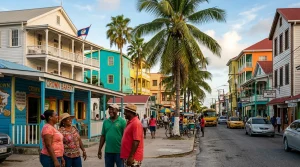
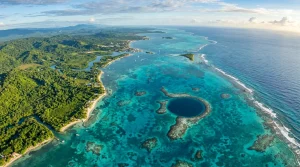
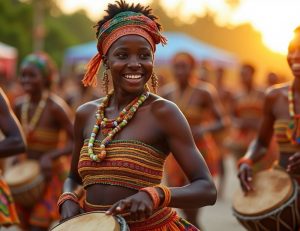
In Belize, a unique linguistic tapestry unfolds, with English serving as the official language alongside three fascinating surprises that reflect the country’s rich cultural heritage. Did you know that Belize is the only English-speaking nation in Central America? This intriguing fact not only highlights its colonial history but also opens doors for travelers and expats alike looking to explore its vibrant communities. As you delve deeper into the linguistic landscape of Belize, you’ll discover the languages that shape identity and culture, and the stories intertwined with them. Whether you’re preparing for an adventurous getaway or contemplating a new life in this tropical paradise, understanding Belize’s languages can enhance your experience and foster connections with its diverse residents. So, let’s uncover what makes the official language of Belize, and the delightful unexpected twists that come with it!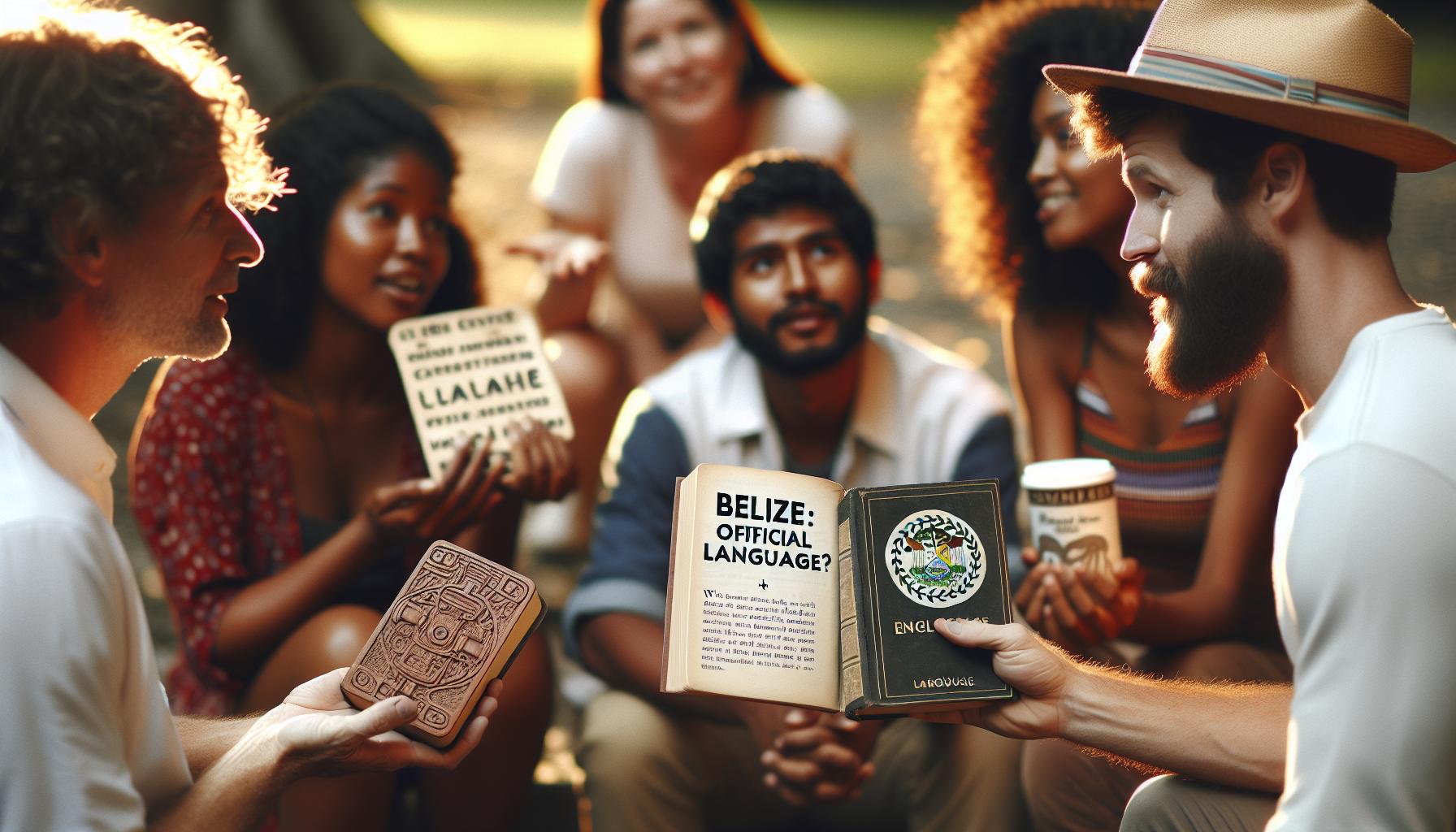
What Languages Are Spoken in Belize?
In Belize, a tapestry of cultures is woven together through its rich linguistic diversity, making it a unique destination for travelers and scholars alike. The official language is English, a remnant of its colonial past, but don’t be surprised to hear a symphony of other languages spoken throughout the country. Spanish, Kriol, and several indigenous languages such as Maya dialects elevate the country’s multicultural essence, creating a vibrant linguistic landscape.
English serves as the primary language of government, education, and business, ensuring that visitors from English-speaking countries find communication fairly accessible. In schools, English instruction is standard, providing a solid foundation for students. However, Kriol, an English-based creole, is the language of casual conversation for many Belizeans. This lively, rhythmic language is a blend of English vocabulary with Afrofusion, influenced significantly by the diverse cultures residing in Belize, including Garifuna and African-descendant peoples.
Spanish, due to geographic proximity and historical ties, is also widely spoken, especially in northern and western regions where many Hispanic communities reside. This bilingual capability enriches social interaction and offers travelers a deeper connection to local life. The influence of Spanish can also be witnessed in various cultural expressions, from cuisine to music.
Indigenous languages, particularly those of the Maya communities, such as Yucatec and Mopan, highlight the profound cultural heritage that persists in Belize. These languages connect the current generations to their ancestral roots and are often spoken within family units, preserving traditions and stories.
In this multilingual environment, don’t hesitate to engage with locals in their preferred languages. Embracing the linguistic diversity will not only enhance your travel experience but also foster connections, allowing you to appreciate the warm and welcoming spirit of Belizean hospitality. Whether you’re ordering a delicious plate of rice and beans or negotiating your prices at a local market, even a simple “Gracias” or “Thank you” can create a memorable moment during your adventure in this stunning Central American gem.
The Role of English in Belize’s Education System
In Belize, the significance of English extends far beyond its status as the official language; it is the bedrock of the national education system. From the vibrant classrooms nestled near the Caribbean coast to the bustling urban schools of Belize City, English serves as the primary medium of instruction, shaping the educational experience of students across the country. This approach not only equips students with essential language skills but also prepares them for a globalized world where English remains a vital tool for communication, commerce, and scholarship.
In schools throughout Belize, children start learning in English from a young age, fostering literacy and comprehension in a language that opens doors both locally and internationally. The curriculum is designed to nurture proficiency in English Literature and Language, ensuring students develop strong reading, writing, and critical thinking skills. This robust educational foundation enables Belizeans to compete in various fields, enriching the country’s workforce and contributing to economic development.
Moreover, the use of English in education also reflects Belize’s cultural identity. As a post-colonial nation, the embrace of English symbolizes both a connection to the past and a commitment to future progress. However, the multilingual context of Belize means that students are often encouraged to explore other languages as well. Many schools incorporate instruction in Kriol or Spanish, promoting a holistic educational experience that respects the country’s diverse heritage.
Parents and educators alike recognize the importance of English fluency not only for academic success but also for enhancing social mobility. The ability to speak English proficiently allows Belizeans to engage in tourism and international business, sectors crucial to the national economy. Thus, the emphasis on English education in Belize not only prepares students for higher education and professional opportunities but also fosters a well-rounded cultural appreciation that celebrates the nation’s multifaceted identity. Whether you’re diving into the Great Blue Hole or wandering through Maya ruins, the ability to converse in English enhances the travel experiences of both locals and visitors, creating lasting connections throughout this beautiful Central American country.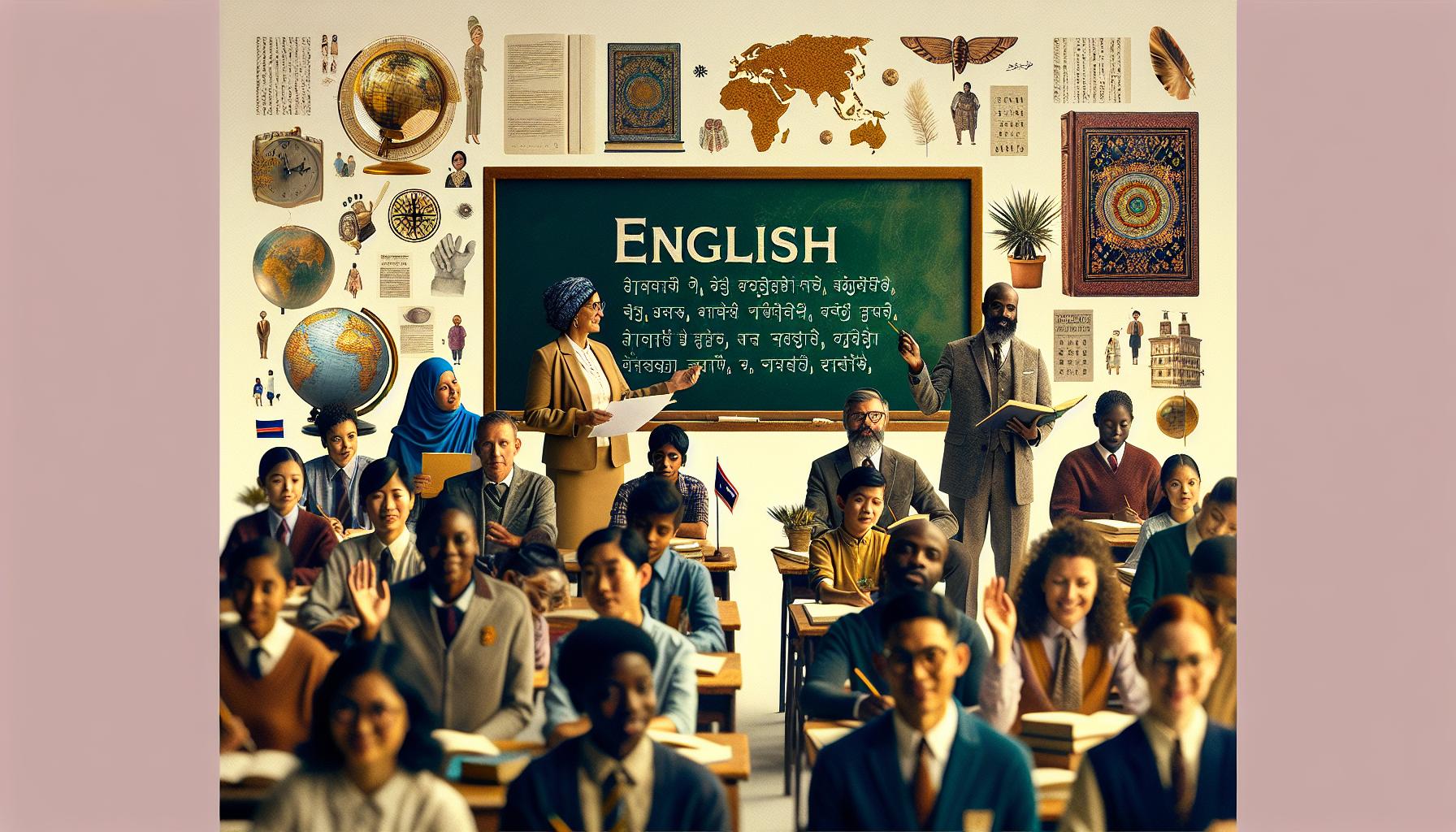
Exploring Belize’s Creole Language and Its Significance
Belize is a melting pot of cultures, and its vibrant Creole language, known locally as Kriol, reflects this beautiful tapestry of influences. Emerging primarily from English, Kriol has absorbed elements from African languages, Spanish, and various indigenous tongues, making it a dynamic and rhythmic means of communication. For travelers, understanding Kriol offers more than just the ability to converse; it provides a deeper connection to the local population and their rich history. When locals greet you with a warm “Wah gwan?” or discuss the weather in Kriol, you’re not just witnessing language; you’re experiencing the heart and soul of Belizean culture.
Understanding Kriol’s Significance
Kriol serves as a bridge between the various ethnic groups in Belize. Many Belizians use it in casual conversation, while English often dominates in formal settings like education and government. This linguistic duality is a source of pride and identity for many, representing both resilience and adaptability in a rapidly changing world. The Kriol language encapsulates local idioms and expressions that often reflect the community’s values and emotions, making every conversation an adventure filled with unique insights.
Moreover, Kriol’s significance extends to music and storytelling, where its vibrant sounds and expressive nature shine. Traditional Belizean music genres, such as Punta and Brukdown, often incorporate Kriol lyrics, allowing you to feel the rhythm of the culture through its stories. Attending local festivals or simply enjoying a night out in a local venue while listening to live music can leave travelers with an unforgettable and authentic experience.
Creating Cultural Connections
For travelers eager to delve deeper into their experience in Belize, learning a few phrases in Kriol can enhance interactions with locals. Here are some key phrases to get you started:
- Wah gwan? – What’s going on?
- Mi deh yah – I am here.
- Tank yuh – Thank you.
- Gweh wey – Go away (used in a playful context).
Using Kriol phrases while engaging with locals can create an instant bond, showcasing a genuine interest in their culture and making your travel experience richer. Beyond just the language, embracing Kriol culture means participating in Belize’s cheerful community spirit, allowing the local way of life to envelop you. Whether you’re exploring the awe-inspiring natural landscapes or navigating bustling local markets, the simple act of connecting through Kriol can turn an ordinary visit into a journey filled with warmth and warmth, showcasing the essence of what makes Belize truly special.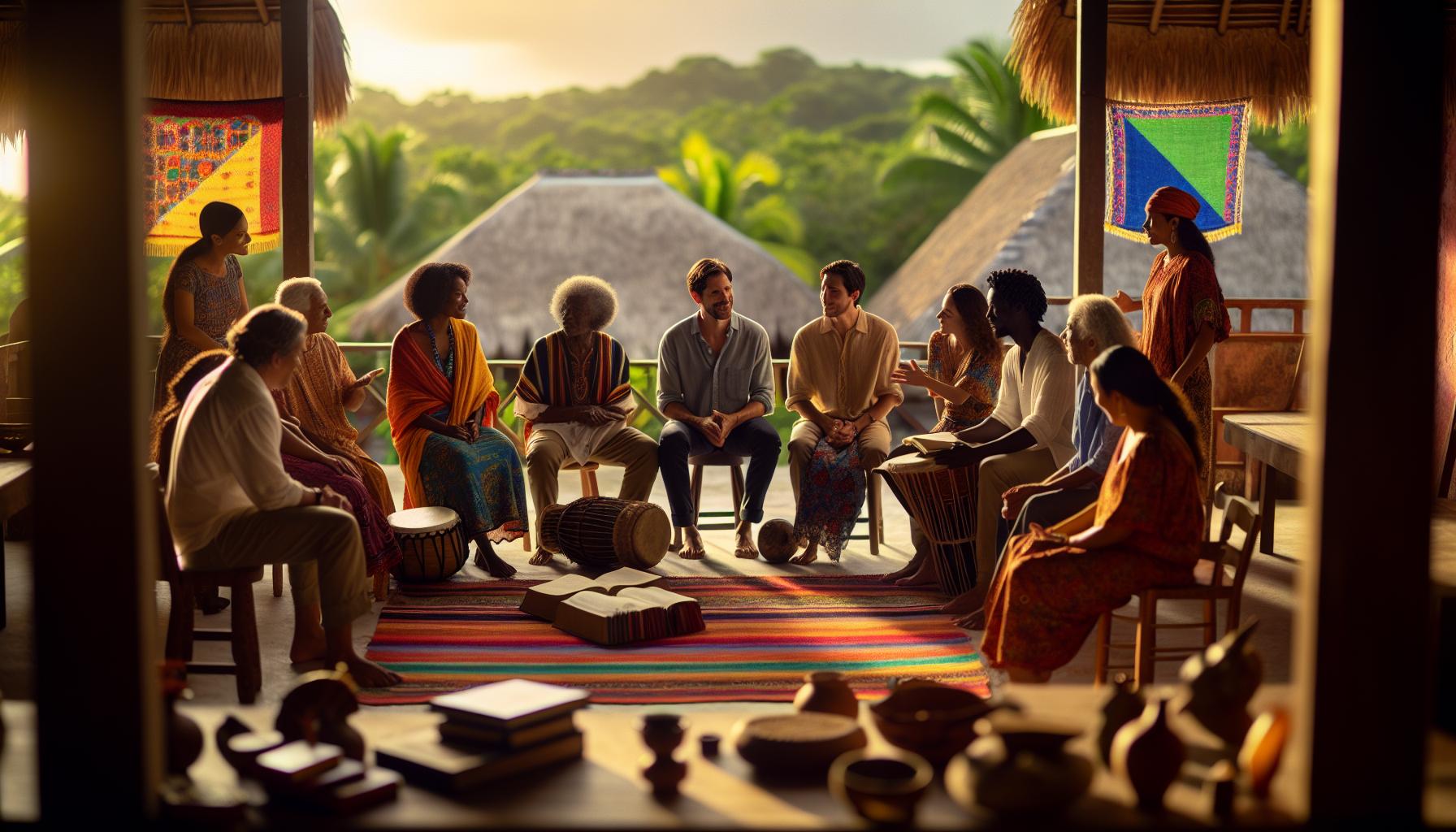
The Impact of Spanish in Belizean Communities
In the vibrant tapestry of Belize, the influence of Spanish extends far beyond simple communication; it shapes the very essence of many communities and daily life across the country. While English is the official language, Spanish has become a vital component of the social and cultural fabric, especially among the Mestizo population and various immigrant communities. As you traverse this Central American gem, you’ll encounter a fascinating blend of linguistic expressions, captivating not only the locals but also inviting travelers to engage more deeply with the surroundings.
Spanish serves as a critical link in many urban and rural communities, facilitating trade, cultural exchange, and familial connections. Towns like Corozal and Orange Walk showcase communities where Spanish is often spoken in homes and markets, revealing a rich history influenced by migration from Mexico and Central America. Here, the rhythmic conversations filled with Spanish phrases create a warm and inviting atmosphere, which makes it easy for visitors to strike up friendly exchanges. Learning a few basic Spanish phrases can significantly enhance your interactions and allow you to connect on a more personal level-whether ordering tacos from a street vendor or asking for directions to hidden local treasures.
Adventurous travelers exploring Belize’s stunning landscapes, from the lush jungles to pristine beaches, will discover that Spanish also permeates cultural festivities. Festivals such as Fiesta de la Cruz in Punta Gorda or the popular Las Posadas during the Christmas season reveal the shared heritage, uniting local populations through traditional music, dance, and culinary delights. Sample the local fare while listening to lively Spanish folk tunes; it’s an experience that captures the heart of Belize’s cultural mosaic. The Spanish language, infused with the warmth and rhythms of these celebrations, creates an atmosphere of belonging and community spirit.
As you navigate through Belize, keep in mind that immersion in the Spanish language opens doors to understanding the nuances of daily life and appreciating the cultural richness that makes this destination truly unique. Embrace the opportunity to converse in Spanish, whether you’re visiting a local market, engaging with artisans, or simply relaxing at a beachfront café. Those words you share can transform a simple encounter into a lasting memory, infusing your travels with deeper connections and a greater appreciation for Belize’s diverse heritage.
Indigenous Languages: A Snapshot of Maya Dialects
The rich cultural tapestry of Belize is further enhanced by its indigenous languages, particularly the beautiful and ancient Maya dialects. Vibrant and deeply rooted in history, these languages serve as a vital link to the heritage of the Maya civilization that once flourished across Central America. In Belize, the presence of these dialects, such as K’iche’, Q’eqchi’, and Mopan, highlights the importance of cultural preservation and the continued significance of the Maya peoples in the nation’s identity.
Maya dialects are not just a means of communication; they encapsulate the customs, traditions, and worldview of the Maya people. In villages such as San Antonio and Santa Elena, you can experience daily life where language and culture intertwine seamlessly. Local festivities-like the vibrant Maya New Year celebrations-are spectacular opportunities to see these dialects in action, where songs, prayers, and storytelling are performed in the native tongue, reaffirming the community’s ties to their ancestry. Engaging with local artisans or participating in workshops related to Maya handicrafts can be an illuminating way to experience these languages firsthand, as many artisans will gladly share their cultural stories in both English and their native dialects.
For travelers wishing to immerse themselves further into the cultural nuances of Belize, learning a few basic phrases in a Maya dialect can go a long way. This effort is often met with appreciation and respect from the local community. Simple greetings or common phrases, such as “Bix a bel” (Hello) or “Yuk’ux” (Thank you), can enrich interactions, fostering deeper connections and understanding. As you explore the lush landscapes and cultural sites, such as the magnificent ruins of Caracol or Lamanai, being able to share a few words in the local dialect can provide a unique window into the heart of Maya civilization.
As you traverse Belize’s diverse territories, remember that the preservation of these languages is crucial for sustaining the cultural heritage of the Maya people. Each dialect not only embodies linguistic expression but also carries intrinsic value specific to its community. By embracing and promoting their use, both locals and visitors alike contribute to a more profound appreciation of Belize’s cultural heritage. Whether you’re hiking through jungles or visiting local markets, these languages whisper tales of resilience, connection, and the eternal ties between the past and the present, inviting you to be part of their ongoing story.
Diversity in Belize: The Influence of Other Languages
In the vibrant tapestry of Belizean culture, the influence of various languages extends far beyond mere communication; it reflects the rich history and diverse heritage of this enchanting Central American nation. While English is the official language, Belize is a melting pot of linguistic expression that captures the essence of its multicultural society. The coexistence of English, Spanish, Creole, and several indigenous languages creates a symphony of voices that tell the stories of its people.
At the heart of this diversity lies the prominent role of Spanish, which resonates throughout communities across Belize. As the country sits in proximity to Spanish-speaking nations, the Spanish language has become increasingly significant, especially among the younger population and in urban areas. Spanish is often used in everyday interactions, and knowledge of the language can enhance your experience, particularly when exploring local markets or engaging with residents who are eager to share their culture.
Creole, known locally as Kriol, flourishes along the Caribbean coasts, infusing everyday life with a distinct flavor that is uniquely Belizean. It acts as a bridge between English and various African languages, reflecting the historical impact of different cultures throughout Belize’s past. Learning a few Creole phrases can not only facilitate smoother interactions but also offer amazing insights into the local way of life. Phrases like “Wah gwan?” (What’s going on?) or “I di come!” (I’m coming!) can evoke smiles and warm responses from locals, making your journey all the more memorable.
Additionally, the presence of indigenous languages such as Garifuna and various Maya dialects adds to the linguistic richness of Belize. These languages underscore the importance of cultural identity and heritage, particularly among the indigenous communities. They remind travelers that understanding and appreciating diversity extends beyond simple vocabulary; it’s about embracing the stories, histories, and customs that accompany each language.
As you traverse Belize, you’ll discover that the country’s linguistic landscape is a living representation of its community’s pride and resilience. Whether you’re hiking through lush jungles, engaging in the vibrant festivities, or sampling mouthwatering local cuisine, being open to the richness of these languages can enhance your travel experience. So, as you explore mesmerizing destinations like the Great Blue Hole or the ancient Maya ruins, remember that each language holds keys to deeper connections and a more enriched understanding of this beautiful land.
How Multilingualism Shapes Belizean Culture
The rich tapestry of Belizean culture is intricately woven together by its multilingual framework. In a nation where the official language is English, you’ll encounter a vibrant blend of Spanish, Creole, and various indigenous languages spoken across its diverse communities. This linguistic variety shapes the cultural landscape, influencing social interactions, artistic expressions, and even culinary traditions.
In urban centers and coastal towns, Spanish serves as a bridge to neighboring cultures, allowing for seamless communication and mutual exchange. As tourists explore bustling markets or indulge in local cuisine, they may hear the rhythmic sounds of Spanish intertwining with English and Creole, creating a delightful auditory mosaic. Understanding a few key phrases in Spanish can enhance your engagement with locals, fostering connections that add depth to your travel experience.
Similarly, the prevalence of Creole, or Kriol, reflects the heritage of African and Caribbean influences that characterize Belize’s history. This lively language infuses everyday interactions with warmth and community spirit. Imagine sitting in a laid-back café, enjoying a delicious fry jack, as locals greet each other with cheerful, informal banter in Creole. Learning this language can be particularly rewarding and acts as an invitation to immerse yourself in the heart and soul of Belizean life.
Indigenous languages, such as Garifuna and various Maya dialects, further enrich the cultural narrative, embodying the traditions, beliefs, and legacies of the indigenous populations. Celebrated during cultural festivals and community gatherings, these languages carry with them stories of ancestry and resilience. Engaging with these communities offers travelers a deeper understanding of the historical context and cultural significance behind the vibrant masks, traditional dances, and unique culinary practices that populate the Belizean landscape.
As visitors navigate this multilingual society, the ability to communicate in multiple languages serves as a powerful connector-bridging gaps and enriching experiences. Whether marveling at the stunning Great Blue Hole or exploring ancient Maya ruins, embracing the diversity of languages allows travelers to unlock a deeper appreciation for the beautiful complexity of Belize’s cultural heritage. Through language, tourists can cultivate relationships and foster an environment of mutual respect, making their journey through this captivating country all the more fulfilling.
Language Learning Opportunities for Travelers
Belize is a treasure trove of linguistic diversity, and travelers looking to deepen their connection to this vibrant country will find plenty of opportunities to learn the languages that enrich its culture. In addition to English, which serves as the official language, visitors can explore Spanish, Creole (Kriol), and various indigenous languages, each adding unique flavors to Belize’s communication landscape. Whether your goal is to navigate bustling local markets, engage with friendly residents, or enhance your travel experience, here are some avenues to pursue language learning.
One of the most enjoyable ways to immerse yourself in local languages is through cultural exchanges and workshops. Many communities offer informal classes in Spanish and Creole, often led by locals who are eager to share their heritage. Look for pop-up language classes in towns like San Pedro or Placencia, where interactions with the community create appealing opportunities for casual learning. Additionally, attending cooking classes or cultural festivals can build camaraderie and provide touchpoints for practicing language skills while enjoying Belize’s delicious cuisine and rich traditions.
Utilizing technology can greatly enhance your language journey. Language learning apps such as Duolingo or Babbel cover Spanish and, to a lesser extent, Creole. These apps are user-friendly and perfect for building a fundamental vocabulary before you embark on your adventure. You might also consider interactive language meetups, where locals and tourists gather to converse in both English and the local tongues, creating a relaxed atmosphere that fosters learning and connection.
Finally, don’t underestimate the power of learning common phrases related to hospitality, greetings, and daily interactions. Simple expressions such as “¿Cómo estás?” (How are you?) in Spanish or “Wah yu di seh?” (What are you saying?) in Creole can lead to hearty conversations and meaningful exchanges, showcasing your respect and appreciation for the cultural fabric of Belize. Observing how locals react positively to your efforts will likely enrich your experience beyond words.
As you set out to explore Belize-from the illustrious Great Blue Hole to the enchanting jungles and ancient Maya ruins-embracing the opportunity to learn and use the local languages can profoundly enhance your journey. It deepens connections, brightens interactions, and fosters a genuine appreciation for the incredible tapestry of life that defines this captivating nation. Whether you’re strolling through a market or savoring a meal at a beachside café, each word enriches the story of your adventures in Belize.
Common Phrases to Know Before You Go
When visiting Belize, embracing the local languages can elevate your experience from a simple vacation to an immersive adventure. The official language, English, ensures that communication is often straightforward, but knowing a few common phrases in Spanish and Kriol can open doors to deeper connections with the friendly locals. Here’s a selection of essential phrases to familiarize yourself with before your trip, ensuring you’re well-prepared to navigate this vibrant country.
Essential English Phrases
- Hello! – A warm greeting to start conversations.
- Thank you! – Always appreciated by locals for showing gratitude.
- Where is…? – A practical phrase for asking directions.
- How much is this? – Useful for bargaining in markets.
Common Spanish Phrases
- ¿Cómo estás? (How are you?) – A friendly way to start a conversation.
- Por favor (Please) – A polite addition to any request.
- Buena comida! (Good food!) – Perfect for expressing delight after a meal.
Useful Kriol Expressions
- Wah di gwan? (What’s happening?) – A casual way to check in with someone.
- Mi deh yah (I am here) – An affirming statement to share your presence.
- Di ting nice! (The thing is nice!) – A great expression of enjoyment, whether about food, scenery, or company.
Incorporating these phrases can enhance your journey, granting you not just basic conversational skills but a greater appreciation for the local culture. The locals generally respond positively to any attempts at their languages, turning everyday interactions into memorable exchanges. As you navigate bustling markets filled with bright colors, explore ancient Maya ruins steeped in history, or relax on stunning Caribbean beaches, these simple phrases can bridge gaps and build connections, making your Belizean experience rich and rewarding. Embrace the opportunity to converse; each word can transform your travel adventure into something truly unforgettable.
Tips for Communicating in Belize Regardless of Language
In the diverse tapestry of Belizean culture, effective communication transcends linguistic boundaries, making it essential for travelers and locals alike. While English serves as the official language, the enriching layers of Kriol, Spanish, and various indigenous languages create a vibrant backdrop that enhances interactions. To navigate this multilingual landscape confidently, here are some practical tips for communicating successfully in Belize, regardless of your language proficiency.
Start by embracing the local greeting style, which can significantly break the ice. A simple “Hello!” in English or “Hola!” in Spanish captures attention and shows respect for the local culture. People in Belize are friendly and appreciate any effort to connect, so don’t hesitate to mix languages. Use Kriol phrases, like “Wah di gwan?” to convey genuine interest in daily life. Adding these phrases to your vocabulary transforms mundane interactions into warm exchanges, making your experience more memorable.
Understanding non-verbal cues can also amplify your communication. Smiles, nods, and gestures hold universal significance and can convey friendliness and openness. When faced with language barriers, pointing to objects or using visuals, such as maps or photos, can be incredibly helpful. For example, a quick sketch can illustrate where you want to go, while showing a picture of the local cuisine can spark conversations about dining options.
Moreover, remain patient and attentive while conversing. Listening actively and asking clarifying questions encourages dialogue. Remember, many Belizeans are multilingual, so they may switch languages depending on comfort and context. If someone speaks to you in Spanish or Kriol, don’t shy away; engage back in whatever language you can, and watch how this builds rapport instantly. This flexibility in communication fosters a connection that enriches your exploration of Belize’s breathtaking landscapes, from its lush jungles to sparkling Caribbean shores.
Incorporating these techniques into your travel experience not only deepens your understanding of Belize’s culture but also paves the way for authentic friendships and unforgettable memories throughout your journey.
Understanding Cultural Nuances Related to Language
In the beautiful mosaic that is Belize, language is more than just a tool for communication; it serves as a window into the nation’s rich cultural heritage and the deep social connections that bind its people. The diverse linguistic landscape reflects the influences of history, migration, and the natural environment, offering travelers a unique opportunity to engage with locals in meaningful ways. By delving into the cultural nuances surrounding Belize’s languages, you can enhance your travel experience, fostering deeper connections and a better understanding of this enchanting country.
Understanding the context in which languages are spoken in Belize is essential. While English is the official language, many Belizeans are multilingual, often seamlessly shifting between several languages depending on their audience and the setting. Kriol, a creole language derived from English with African and Caribbean influences, is widely spoken among locals and is an integral part of Belizean identity. Using Kriol greetings or phrases, such as “Wah di gwan?” not only conveys respect for the local culture but also builds rapport and camaraderie with the Belizeans you meet.
Spanish also plays a significant role, particularly in communities with strong ties to Latin America, such as those near the Belize-Guatemala border. Understanding some basic Spanish phrases can be especially valuable when exploring local markets or dining in family-run eateries, where Spanish-speaking villagers are more common. As for the indigenous languages of the Maya, hearing these spoken in traditional settings-like during a cultural ceremony or at ancient ruins-opens a window into the rich history and spiritual beliefs of Belize’s original inhabitants.
Approaching the linguistic aspects of your travel with an open mind not only fosters goodwill but can also lead to unforgettable conversations that enhance your understanding of Belizean culture. Engaging with locals and embracing the multilingual richness of their everyday lives enriches your journey and allows you to witness the beauty of Belize beyond its stunning landscapes. So, immerse yourself in the language, explore the cultural nuances, and let the voices of Belize guide your adventure through this captivating country.
Why Language Matters in Experiencing Belizean Hospitality
In the vibrant cultural tapestry of Belize, language serves as more than just a means of communication; it is a crucial gateway to understanding the country’s renowned hospitality. Visitors who take the time to embrace the local languages often find themselves welcomed in ways that go beyond the typical tourist experience. By learning simple phrases in English, Kriol, or Spanish, travelers can establish connections that enrich their adventures and create memorable interactions with the friendly Belizeans.
When strolling through bustling markets or dining in family-operated restaurants, speaking a few words in Spanish can bridge cultural gaps and open doors to deeper conversations. Many locals appreciate even the simplest attempts to converse in their native tongue, responding with warmth and encouraging exchanges that might include stories, recommendations, or insights into Belizean life. For instance, greeting shopkeepers with “¿Cómo estás?” can lead to a friendlier atmosphere and may even get you insider tips on local treasures or hidden gems that aren’t found in guidebooks.
Kriol, often spoken in informal settings, is key to connecting on a more personal level. Using colloquial greetings like “Wah di gwan?” not only shows respect for Belize’s unique cultural identity but also invites locals to share their way of life. This engagement fosters a sense of community and belonging, offering travelers unparalleled experiences. Many Belizeans are eager to share their histories, traditions, and cuisines, all while showcasing the diverse heritages that define this enchanting country.
Indigenous languages also play a crucial role in creating an inclusive environment filled with genuine warmth. When visiting Mayan ruins or attending cultural ceremonies, hearing local dialects spoken amid the backdrop of ancestral sites adds a profound layer to the experience. It reminds travelers of the rich history that continues to thrive in modern Belize, making every interaction a learning opportunity. This multilingual landscape not only enhances your cultural exploration but also weaves a rich narrative through which the true essence of Belizean hospitality unfolds, leaving lasting impressions on your heart and mind.
FAQ
Q: What is the official language of Belize?
A: The official language of Belize is English, which is used in government, education, and official documents. It reflects Belize’s historical ties to Great Britain and serves as a unifying means of communication among diverse ethnic groups.
Q: Are there any other common languages spoken in Belize?
A: Yes, in addition to English, Spanish is widely spoken, particularly in the northern regions. Creole, a language derived from English and various African languages, is also prevalent, along with several indigenous languages such as Maya dialects.
Q: How does English influence education in Belize?
A: English plays a crucial role in Belize’s education system as the primary language of instruction. Students learn in English from a young age, which prepares them for higher education and employment opportunities both locally and internationally.
Q: What role does Spanish play in Belizean culture?
A: Spanish is a significant language in Belize, especially among the Hispanic community. It affects social interactions and commerce, particularly in areas close to the Mexican border, and it enriches the country’s cultural diversity.
Q: Why is Belize considered a multilingual country?
A: Belize is considered multilingual due to its diverse population that includes Mestizo, Creole, Garifuna, and Maya groups, each contributing their languages. This linguistic variety enhances the cultural richness and social dynamics of Belize.
Q: What are some popular indigenous languages in Belize?
A: Popular indigenous languages in Belize include Q’eqchi’, Mopan, and Yucatec Maya. These languages are spoken by the indigenous peoples and are vital for preserving their cultural identity and heritage.
Q: How can travelers learn some basic phrases in Belize?
A: Travelers can learn basic phrases in English and Creole by using language apps or phrasebooks. Engaging with locals by practicing simple greetings and expressions can enhance the cultural experience and hospitality.
Q: What is the significance of Creole in Belize?
A: Creole is significant in Belize as it reflects the country’s history and cultural blend. It serves as a primary language for many Belizeans, promoting identity and community cohesion while being an important part of everyday communication.
Insights and Conclusions
Now that you’ve uncovered the official language of Belize and discovered a few surprising facts, it’s time to explore all that this vibrant country has to offer! From the stunning Great Blue Hole to the rich tapestry of cultures, Belize is brimming with unforgettable experiences. Don’t let curiosity linger; discover more about the diverse languages spoken and how they reflect the unique history of this Central American gem.
Looking for travel tips? Check out our comprehensive guides on Belize’s breathtaking destinations, including affordable accommodation options and essential travel information tailored to diverse visitors. Dive deeper into Belize’s cultural treasures, like Creole cuisine and Garifuna music, to fully appreciate the essence of your next adventure.
Engage with us! Leave your thoughts in the comments, share this resource with fellow travelers, and sign up for our newsletter for exclusive insights. Your journey into the heart of Belize starts here-don’t miss out!
Get our latest guides, news, and insights highlighted in your Google Search & AI Overviews.