What is the Primary Language in Belize?
In the vibrant tapestry of Belizean culture, language plays a pivotal role in shaping the identity of its people. The primary language spoken in Belize is English, a reflection of its colonial history as a former British territory. However, this official designation offers only a glimpse into the rich linguistic diversity that characterizes the nation. Beyond English, nearly half of the population communicates in Kriol, a form of Belizean Creole that captures the essence of the local identity through its unique expressions and phrases. This language is more than just a mode of communication; it is the heartbeat of Belizean life, transcending age and social class as it weaves through everyday interactions and cultural expressions.As you traverse the streets of Belize City or the lush jungles of the Cayo District, you will encounter Spanish, which has steadily gained prominence, largely due to the influx of immigrants from neighboring Spanish-speaking countries. It’s not uncommon for residents to switch effortlessly between languages, embracing a multilingual society that fosters communication and understanding. Furthermore, the presence of Mayan languages, such as K’iche’ and Yucatec Maya, underscores the importance of indigenous heritage, with communities striving to keep these ancient tongues alive amid the modern linguistic landscape.The linguistic diversity in Belize offers a unique opportunity for travelers and expats alike. Engaging with locals in their preferred language can deepen your connection to their culture and enhance your travel experience. Whether you’re savoring traditional Garifuna dishes or exploring the majestic ruins of ancient Maya cities, understanding the languages spoken in Belize can transform your journey from a simple vacation into an enriching cultural adventure.
Understanding Belize’s Linguistic Diversity
The sounds of Belize are a captivating symphony of languages that reflect its rich cultural tapestry. Each conversation is a thread woven from the distinctive histories and traditions of its diverse population. While the primary language is English, the official tongue of this Caribbean gateway, the sheer variety of languages spoken across the country creates a vibrant mosaic of communication that enhances the experience for visitors and residents alike.In bustling markets, friendly neighborhoods, and serene coastal towns, visitors will be immersed in the rhythmic flow of Kriol, a Belizean Creole that resonates with the spirit of the people. Kriol is not merely a dialect but a lively form of expression filled with local idioms and heartfelt vernacular that truly embodies the energy of everyday life in Belize. Engaging with locals in Kriol can deepen your travel experience, fostering connections that dive beyond mere tourist interactions.Spanish also plays a significant role, increasingly influencing the linguistic landscape due to migration from neighboring Spanish-speaking countries. With approximately 57% of the population conversing in Spanish, it is commonly heard in both urban and rural settings. This growing prevalence enriches the social fabric and allows for easier communication with a wider range of groups, improving the overall interaction of visitors with the local population.Adding an enchanting layer to this linguistic diversity are the indigenous Mayan languages, which remain vital to local communities. Languages such as Mopan, Q’eqchi’, and Yucatec Maya are testament to Belize’s ancient roots and are actively preserved by various groups dedicated to maintaining their cultural heritage. These languages offer invaluable insights into the customs and traditions of the Maya people, making them a fascinating avenue for exploration for anyone intrigued by history and sociology.Belize’s commitment to multilingualism denotes not only a functional approach to communication but also an embrace of the beautiful intersections of cultures, histories, and identities. Embracing this linguistic diversity can transform your journey, unveiling layers of meaning in every interaction and leading to a profound appreciation of this tropical paradise’s enchanting essence.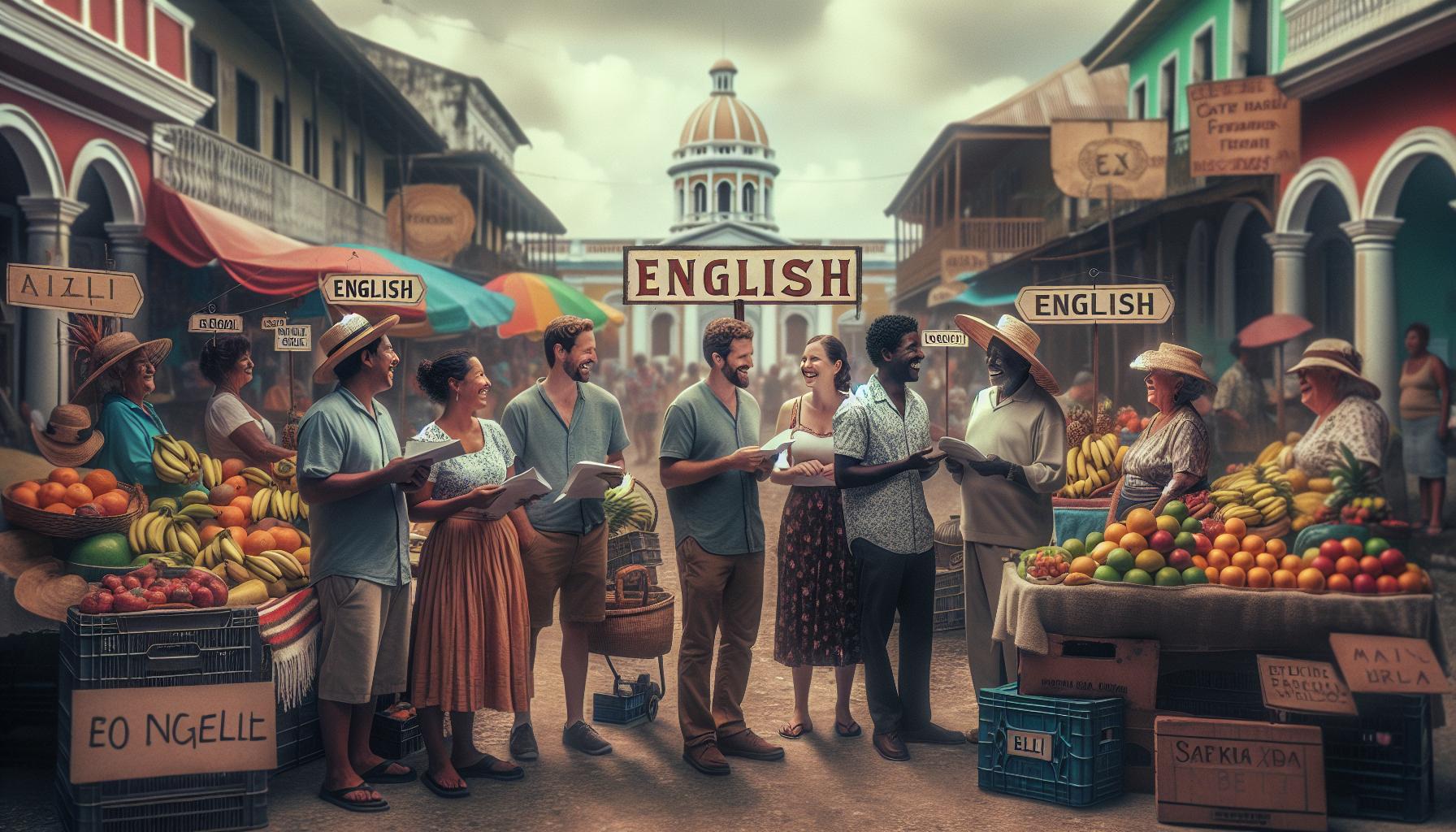
The Role of English: Belize’s Official Language
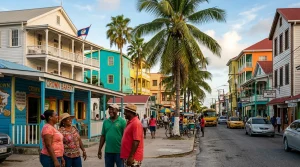
In Belize, English serves as the melodic thread that intertwines the country’s rich tapestry of cultures and identities. As the official language, it reflects the historical influence of British colonization, which has deeply shaped Belize’s national identity. Belizean English is characterized by its unique phrases and idiomatic expressions, offering a conversational style that feels both familiar and distinctly local. This linguistic foundation not only facilitates communication among the diverse population but also enhances a visitor’s experience when exploring this vibrant nation.Travelers will find that English is widely spoken in urban areas, tourist hotspots, and among the local populace, making it relatively easy for English-speaking visitors to navigate their surroundings. Whether you’re wandering through the colorful streets of Belize City, engaging with artisans in San Pedro, or enjoying a delectable meal at a seaside restaurant, you’ll encounter conversations and signage predominantly in English. Additionally, many locals are fluent in multiple languages, reflecting the country’s impressive linguistic diversity.Embracing English in Everyday LifeAs English permeates daily life, it shapes interactions in educational, professional, and social settings. Schools teach in English, and government proceedings are conducted in this language, underscoring its significance in the public sphere. Visitors may appreciate the straightforwardness of communicating with locals, as almost every tour guide, shopkeeper, and restaurant staff will comfortably engage in English conversations. This accessibility can bolster your confidence to explore Belize, allowing for more in-depth connections with the people and their stories.Moreover, while English is the primary language, the fun of language learning can still be part of your journey. Picking up a few Kriol phrases can inject joy into interactions, deepening your immersion into Belizean culture. Simple greetings or expressions can earn you warm smiles, revealing the friendliness and openness of the Belizean people. This blend of English with local dialects presents a fascinating linguistic landscape, designed perfectly for both travelers and potential expats eager to make Belize their home.Creole: The Heartbeat of Belizean Communication
In the vibrant tapestry of Belizean life, Creole, known locally as Kriol, stands out as the heartbeat of communication among its diverse population. This dynamic language, a fascinating blend of English and African linguistic elements, has evolved over centuries and is spoken by the majority of Belizeans. Its rhythmic tones reflect the rich cultural heritage of the country, making it a vital part of daily interactions, storytelling, and community bonding.Visitors to Belize will quickly notice how Kriol infuses everyday conversations, from bustling markets to casual chats in backyard gatherings. Many locals seamlessly switch between English and Kriol, making it an essential skill for deeper engagement with the community. Phrases like “Wah di gwan?” (What’s going on?) and “Mi deh yah” (I’m here) not only break the ice but also showcase the warmth and friendliness of the Belizean people. Learning a few Kriol expressions can significantly enhance your travel experience, allowing for more authentic connections and a richer understanding of the local culture.Kriol is not just a spoken language; it embodies the history and experience of the Belizean people. It’s a symbol of resilience and identity, thriving alongside English and Spanish in this multilingual nation. In various regions, you’ll find Kriol used in music, literature, and even local radio broadcasts, celebrating the unique cultural blends that define Belize. Festivals and community events often feature performances in Kriol, immersing visitors in the lively spirit and stories of the Caribbean.The significance of Kriol extends beyond mere communication; it also plays a crucial role in fostering national pride and unity among Belizeans. Engaging with Kriol can deeply enrich your travel experience, opening doors to genuine interactions and providing insights into the heart and soul of Belize. Whether you’re exploring the Maya ruins, lounging on a Caribbean beach, or enjoying the vibrant nightlife, embracing the rhythm of Kriol can turn your trip into an unforgettable adventure, filled with the warmth of connection and cultural exchange.
Spanish: A Growing Influence in Belize
In the colorful mosaic of Belizean society, Spanish is increasingly resonating as a significant language, reflecting the country’s deep ties with its Latina heritage and the influence of neighboring countries. As you explore the vibrant streets of San Pedro or the lively markets of Belize City, you’ll likely hear a mix of English, Kriol, and Spanish, showcasing the multicultural richness that defines this Central American gem. Roughly 45% of the population identifies as Latino, primarily of Mexican and Guatemalan descent, bringing with them not just cultural customs but also the Spanish language that is woven into the very fabric of Belizean life.Throughout the land, Spanish can be heard in casual conversations, particularly among those living in urban areas. It’s not uncommon for local restaurants to feature a bilingual menu, accommodating Spanish-speaking guests while inviting English-speaking visitors to partake in the delicious array of culinary offerings. For travelers, picking up a few basic Spanish phrases can greatly enhance your experience. Simple expressions like “¿Cómo estás?” (How are you?) or “Gracias” (Thank you) can foster a friendly rapport with locals, making your interactions even more enjoyable.The growing influence of Spanish is also reflected in educational institutions, where many children are introduced to the language early on in their schooling. Additionally, media outlets such as newspapers and radio stations cater to Spanish-speaking audiences, further solidifying its presence in the cultural landscape. This dynamic lends itself to greater accessibility for visitors from Spanish-speaking countries, making Belize a welcoming destination for a diverse array of travelers.As you traverse Belize from the stunning Caribbean shores to the majestic Maya ruins, understanding and embracing the importance of Spanish not only enriches your experience but also opens up a deeper appreciation of the multifaceted Belizean identity. Whether it’s sharing a meal with a local family or asking for directions, immersing yourself in this growing linguistic landscape will undoubtedly enhance your adventure in this beautiful country.
Mayan Languages: Preserving Indigenous Heritage
The vibrant tapestry of Belizean culture is intricately woven with the threads of its indigenous languages, reflecting the rich heritage of the Mayan civilization that once thrived in this region. Among the most prominent are the Yucatec, Mopan, and Q’eqchi’ languages, which continue to be spoken by various Mayan communities throughout the country. These languages not only serve as a means of communication but also embody the ancestral knowledge, traditions, and stories passed down through generations.Visiting archaeological sites like Caracol or Xunantunich offers a profound glimpse into the Mayan world, where ancient rituals and practices can be understood through the context of their languages. In many towns and villages, especially in the Cayo District, you’ll find that Mayan languages are not only spoken in homes but are also integrated into local education and community events. For travelers seeking a deeper connection to Belizean culture, learning a few phrases in one of these languages can unlock a rich tapestry of interactions and experiences. Simple greetings and expressions, such as “Ba’ax ka wa’alik?” (What do you say?) in Yucatec or “K’uchul” (Hello) in Q’eqchi’, can impress local speakers and demonstrate respect for their heritage.The preservation of these languages is crucial, especially as globalization and urbanization exert pressure on indigenous cultures and tongues. Local efforts, supported by organizations dedicated to cultural revitalization, aim to keep these languages alive through educational programs, community workshops, and cultural festivals. Participating in such events, like the annual Maya Festival, allows visitors to experience authentic Mayan music, dance, and culinary arts while fostering a deeper appreciation for the country’s linguistic diversity.While traveling through Belize, consider setting aside time to engage with Mayan communities or local guides who can share stories in their native languages. This exchange not only deepens your understanding of Belize’s historical context but also enriches your travel experience with the essence of Mayan identity. By embracing the diversity of languages in Belize, you become part of a larger narrative that honors and preserves the enduring legacy of its first peoples.Understanding Other Languages Spoken in Belize
In Belize, the chorus of languages is as vibrant as its natural landscapes, painting a vivid picture of cultural diversity. While English may reign as the official language, it’s only the tip of the linguistic iceberg. Throughout the towns and villages, you will encounter Spanish, the native tongues of the Garifuna people and various Maya languages, all contributing to the dynamic communication tapestry that unites Belizeans.Spanish has steadily gained prominence, especially due to the geographical proximity to Mexico and Guatemala. Many Belizeans are fluently bilingual, blending Spanish with English in casual conversations, making it essential for visitors to familiarize themselves with basic phrases. In places like Corozal and Orange Walk, where the influence of the neighboring countries is more palpable, practicing simple Spanish greetings can open doors to richer interactions with locals.The uniqueness of Belize’s linguistic landscape is further exemplified in the rich heritage of Garifuna languages. These are not merely spoken but are also an integral part of cultural celebrations, music, and dance. The Garifuna community, primarily residing in the coastal towns like Dangriga and Hopkins, celebrates its heritage through vibrant music and dance, reminiscent of centuries-old traditions. Engaging in these cultural practices offers a wonderful opportunity to appreciate the rhythms of the Garifuna and their language.You may also witness the revitalization of various Mayan languages, including K’ekchi, Mopan, and Yucatec, as they echo through the forested regions of the country. These languages are not just remnants of history; they are actively spoken in many villages, preserving knowledge passed down through generations. Participating in local activities, observing traditional healing ceremonies, or exploring archaeological sites can enrich your understanding of Belizean identity and the significance of these languages. Enthusiastic travelers can even delve into learning basic expressions to showcase respect and interest in the local customs, enhancing their overall experience in this culturally rich nation.With Belize being a melting pot of languages and cultures, each one offers a unique lens into the lives of its people, enhancing the adventure for anyone eager to explore beyond the surface.How Language Shapes Belizean Culture and Identity
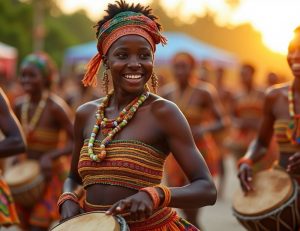
In Belize, language is not just a means of communication; it is a vibrant thread woven into the rich tapestry of cultural identity that shapes the lives of its people. The coexistence of multiple languages-primarily English, Creole, Spanish, and several Mayan tongues-reflects the diverse heritage of this small Central American nation. This linguistic mosaic not only facilitates daily interactions but also fosters a sense of belonging and community among different groups, making language a vital component of Belizean identity.The impact of language on culture is particularly evident during community celebrations and traditional ceremonies. For example, the melodies and rhythms of Garifuna music resonate deeply within the community, creating an emotional link to their past. Songs passed down through generations, often sung in the Garifuna language, tell stories of struggles, victories, and the profound connection to the sea and land. Engaging with these cultural expressions-whether through dance at vibrant festivals in Dangriga or participating in local storytelling sessions-allows visitors to connect authentically with the people. Such interactions, enriched by understanding of the spoken word, provide a profound insight into the values and beliefs that underscore Belizean life.Additionally, the revival of Mayan languages serves as a testament to the resilience of Belize’s indigenous cultures. Communities are increasingly recognizing the importance of these languages-like K’ekchi and Mopan-as tools for preserving history and identity. Workshops and cultural programs are often held, inviting both locals and travelers to learn basic phrases, thus fostering appreciation for these ancient tongues and their significance. Such initiatives are not only empowering for the indigenous communities but also enriching for visitors, who are welcomed to share in the preservation of this heritage.Lastly, the bilingual nature of many Belizeans enhances cultural exchanges and fosters unity in the diverse population. The blend of English and Spanish in daily conversation exemplifies the adaptability and openness of Belizean society. This fluidity allows for a welcoming atmosphere, where understanding can be nurtured across cultural divides. For travelers, embracing this multilingual backdrop-perhaps by learning a few local phrases-can enhance interactions, deepen experiences, and promote a greater appreciation for the beautiful clash of languages that defines Belize.By understanding how language influences culture and identity in Belize, visitors can embark on a journey that transcends mere sightseeing, allowing them to partake in a collective narrative that is as rich and layered as the stunning landscapes that surround them.Bilingualism and Multilingualism in Belize
In Belize, the rich melange of languages paints a vivid picture of its cultural landscape, where communication transcends mere words. Approximately 60% of the population is bilingual, with many individuals fluent in two or more languages from an early age. This linguistic diversity isn’t just a practical necessity; it reflects the deep-rooted history and the societal shifts that have shaped this Central American gem.Visitors to Belize will find that engaging with locals often includes a delightful mix of English, Creole, Spanish, and various indigenous languages. Creole is particularly noteworthy; as a vibrant and expressive language, it acts as a bridge among communities, facilitating understanding in a nation proud of its multicultural identity. Spanish, while historically a colonial language, has grown in prevalence, especially in tourism areas and among various ethnic groups, including the Mestizo population. You might overhear conversations that effortlessly transition from English to Spanish, showcasing the adaptability and inclusivity of Belizean communication.Connecting with locals in their native tongues can greatly enrich your travel experience. For example, participating in a Garifuna celebration not only allows you to relish rhythmic drumming and spirited dancing but also opens the door to deeper connections through the shared language of the community. Small efforts made to learn local phrases can lead to warm smiles and hearty laughter, fostering a sense of camaraderie that transforms your travels from passive observation to active participation.On practical grounds, those interested in long-term stays or relocating will find that multilingualism is an asset in daily life and work. The ability to converse in multiple languages can enhance job opportunities and facilitate deeper community ties. Local language courses often cater to newcomers, providing a superb opportunity to learn and embrace Belize’s linguistic heritage while creating lasting friendships with residents from all walks of life. In a country where language serves as both a tool for communication and a celebration of identity, understanding and appreciating its multilingual nature is key to discovering the true essence of Belize.Language Learning Opportunities in Belize
Belize is not only a cultural tapestry woven from various ethnic groups but also a vibrant hub of linguistic exchange, making language learning a thrilling adventure for visitors and expats alike. Whether you’re a curious tourist or considering a longer stay, diving into the rich array of languages spoken in Belize is key to connecting with its people and enhancing your experience. Engaging with the local community in their native languages opens doors to new friendships, deeper cultural immersion, and unforgettable memories.Language Schools and Courses
Several language schools and community centers across Belize offer courses tailored to different languages, including English, Spanish, and Creole. For instance, Spanish for You and Belize Language Academy provide courses designed specifically for beginners and travelers. These institutions typically offer immersive experiences that combine classroom learning with practical language use in everyday settings, such as markets and local gatherings. Additionally, many schools provide informal conversation exchanges where you can practice speaking with locals, making the learning process enjoyable and relevant.Online Resources and Apps
With the rise of technology, numerous online platforms and mobile applications have emerged to facilitate language learning. Apps like Duolingo, Babbel, and Busuu provide interactive lessons that cover essential vocabulary and grammar, making them perfect for beginners. Furthermore, local cultural groups often host online events or workshops, allowing you to engage with native speakers and practice language skills in a supportive environment. Utilizing these resources can significantly enhance your confidence and fluency in Belize’s multilingual landscape.Cultural Immersion Opportunities
One of the most effective ways to learn a language is through cultural immersion. In Belize, this could mean participating in local festivals, community events, or traditional celebrations such as Garifuna Day, where you can experience the rhythm of Creole music and the laughter of shared stories. Such interactions provide a lively backdrop for practicing language skills, as locals often appreciate the effort and are eager to help you improve. Additionally, many lodges and guesthouses offer language immersion programs that include homestays with local families, providing you with continuous exposure to the language in a natural setting.Learning languages in Belize is much more than memorizing words and phrases; it’s about embracing the cultural narratives that shape the country. By taking intentional steps to learn and practice, you will find that the language becomes a vibrant part of your travel journey, enriching your appreciation for this Central American gem. Whether you’re navigating bustling markets, exploring stunning landscapes, or sharing stories over a meal, the connections made through language can turn a simple visit into a life-changing experience.Traveling in Belize: Language Tips for Tourists
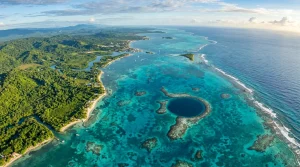
Traveling in Belize offers an exhilarating opportunity to delve into a rich linguistic tapestry, where communication goes beyond mere words to embody vibrant cultural expressions. The primary language spoken is English, a relic of the country’s colonial past that serves as a bridge for tourists navigating its diverse landscapes. However, it’s the spirited expressions of Creole and the rhythmic undertones of Spanish and various Mayan languages that truly breathe life into everyday interactions. Understanding this dynamic can turn your visit into a soul-stirring adventure, helping you connect more deeply with the heart of Belize.When exploring the lively markets of San Ignacio or wandering through the lush jungles surrounding the Great Blue Hole, keep your ears open to the melodious sounds of Belizean Creole, known affectionately as Kriol. This language, deeply rooted in the island’s African heritage, is a treasure trove of expressions and idioms. Phrases like “I wi” (I will) and “Whappen?” (What happened?) offer a window into local life and rapport. Making an effort to learn a few common phrases in Creole can lead to genuine smiles and warm conversations with locals who appreciate your willingness to embrace their language. For instance, simply greeting with “Wah gawn?” (How are you?) can open doors to delightful exchanges.While English is widely spoken, knowing some Spanish can enhance your travel experience significantly, especially in areas with a larger Hispanic population, such as near the border towns of Corozal and Chetumal. Many Belizeans are bilingual, and using simple Spanish phrases such as “por favor” (please) and “gracias” (thank you) can help you navigate restaurants and shops more fluidly. Additionally, the influence of the country’s Mayan heritage persists in the languages spoken by indigenous groups. Familiarizing yourself with greetings in Yucatec Maya, like “Ba’ax ka wa’alik?” (What’s your name?), can showcase your appreciation for the rich cultural diversity of Belize.To maximize your communication skills while traveling, consider downloading language translation apps or carrying a bilingual phrasebook. Inviting locals to share their stories in Creole or Spanish can create unforgettable memories, from savoring authentic Garifuna cuisine to dancing at vibrant festivals like Garifuna Settlement Day or the Belize Carnival. These shared moments deepen your journey, making interactions more meaningful and the landscapes you explore even more captivating.Exploring Language Resources for Expats in Belize
In the vibrant mosaic of Belize’s cultural landscape, language is the thread that weaves together its diverse heritage. For expats settling in this beautiful country, accessing language resources can be invaluable not only for day-to-day communication but also for fostering deeper connections within the community. From engaging with locals to understanding the nuances of Belizean culture, embracing the linguistic richness of Belize is an adventure in itself.One effective resource is local language schools offering courses in English, Spanish, and Creole. These schools often provide immersive experiences that go beyond textbook learning, incorporating cultural lessons and community interactions. For instance, the Centro de Idiomas in Belize City offers courses tailored for expats, focusing on conversational skills essential for navigating the social and business landscapes of Belize. Joining a language class not only enhances linguistic ability but also serves as a great way to meet fellow expats and locals alike.Moreover, language exchange meetups are becoming increasingly popular in major towns like San Ignacio and Placencia. These gatherings provide a social platform where expats can practice their language skills in an informal setting. By partnering with locals wishing to improve their English, expats can share knowledge and foster friendships, benefiting from authentic conversations drenched in local dialects and expressions. Engaging in such exchanges can lead to delightful experiences, such as sharing meals prepared with local ingredients while learning to articulate your appreciation in Creole.For those who prefer self-study, a variety of mobile apps and online resources are available to make learning flexible and accessible. Apps like Duolingo and Babbel have modules specifically for Spanish and Creole. Furthermore, platforms like italki and Tandem connect learners with native speakers for personalized lessons, allowing expats to learn at their own pace while also gaining insights into Belizean culture and customs.Finally, keeping a bilingual phrasebook handy is an excellent way to build confidence when interacting with locals. Simple phrases in Creole, like “Mi deh yah” (I am here) or “Noh wah dih” (No one knows that), can enhance daily interactions and invite friendly smiles. Understanding the localization of expressions builds rapport, breaking down barriers and making the transition to living in Belize a richer experience. Whether you’re hiking to the famous Great Blue Hole or lounging on a pristine beach, diving into the local languages will undoubtedly add layers to your adventures in this stunning paradise.The Future of Languages in Belize: Trends and Changes
In the ever-evolving linguistic landscape of Belize, the interplay of languages reflects its rich cultural tapestry. While English holds its ground as the official language, the notable rise of Creole and Spanish indicates a dynamic shift that embraces both tradition and modernity. These trends are not only reshaping communication among locals but also influencing how visitors and expats engage with the vibrant communities throughout the country.As globalization continues to weave its influence through Belize, the increasing importance of Spanish is evident, especially as tourism grows and cross-cultural exchanges flourish. Many businesses now recognize the value of bilingual staff, fostering an environment where communication flows seamlessly. This shift offers a fantastic opportunity for tourists and expats alike to enhance their experiences by learning some basic Spanish phrases, which can facilitate deeper interactions with locals and a more authentic travel experience.Moreover, the preservation and revitalization of Mayan languages showcase Belize’s commitment to honoring its indigenous heritage. Initiatives to promote these languages in schools and cultural programs symbolize a broader awareness of the need for inclusive recognition of Belize’s diverse ethnic groups. Educational efforts aimed at younger generations are crucial in nurturing a sense of identity and belonging.Digital resources play a pivotal role in how Belizeans, including the younger generation, engage with language learning. Language learning apps, social media platforms, and online communities foster an environment of shared learning, bridging gaps between generations and cultures. Expats and travelers can participate in this linguistic renaissance by actively engaging in local events and workshops focused on Creole and Spanish, thus enhancing their linguistic repertoire while forging connections within the community.As the cultural landscape of Belize continues to flourish, those who immerse themselves in its languages will find richer, more rewarding experiences-whether navigating the lush jungles, exploring the stunning coasts, or engaging in lively local festivals. This journey into language is not just about mastering phrases; it’s an invitation to connect with the heart and soul of Belize, where every word spoken carries the essence of its people.Frequently asked questions
Q: What language do most people speak in Belize? A: The primary language spoken in Belize is English, which serves as the official language. However, a significant portion of the population also speaks Belizean Creole, Spanish, and various Mayan languages, reflecting the country’s rich cultural diversity.Q: Is Spanish widely spoken in Belize? A: Yes, Spanish is widely spoken in Belize, especially among the Mestizo population. In urban areas and along the border with Mexico, Spanish is commonly used in daily communication, making it an important language for travelers to understand.Q: What role does Creole play in daily communication in Belize? A: Creole is a vibrant part of Belizean life, often seen as the heartbeat of local communication. It combines English with African and Caribbean influences, making it a unique expression of Belizean identity and often used in informal settings among locals.Q: Are there indigenous languages spoken in Belize? A: Yes, Belize is home to several indigenous languages, including Garifuna and various Mayan languages such as K’iche’ and Yucatec. These languages play a crucial role in preserving the country’s cultural heritage and are often spoken within indigenous communities.Q: How does linguistic diversity affect travel in Belize? A: Linguistic diversity in Belize can enhance the travel experience by allowing visitors to engage more deeply with local cultures. Knowing basic phrases in English, Spanish, and Creole can facilitate better communication and enrich interactions with locals.Q: Can you learn local languages easily while visiting Belize? A: Yes, tourists can find numerous opportunities to learn local languages through cultural exchanges, workshops, and language courses offered by various organizations. Engaging with local communities will also help visitors pick up common phrases.Q: Do I need to know Spanish to travel in Belize? A: While it is not necessary to know Spanish to travel in Belize, having some basic knowledge can be helpful, especially in areas with Spanish-speaking populations. It can facilitate communication and deepened experiences in culturally rich locales.Q: What tips do you have for communicating in Belize? A: To communicate effectively in Belize, learn a few key phrases in English, Spanish, and Creole. Be patient, show interest in local dialects, and respect the diverse linguistic landscape. This approach fosters goodwill and enhances your travel experience.Future Outlook
Understanding the primary language in Belize is just the beginning of your journey into this vibrant destination’s rich culture and history. Armed with this knowledge, you’re now ready to engage with locals, navigate daily interactions, and immerse yourself in the diverse tapestry of Belizean life. Don’t miss out on exploring related insights on Belize’s unique Creole cuisine or delving into its amazing festivals that celebrate the nation’s heritage.For those ready to dive deeper, check out our comprehensive travel guides on the Great Blue Hole and Mayan ruins, which showcase Belize’s breathtaking scenery and secure accommodations tailored for every traveler. Stay informed-consider subscribing to our newsletter for updates on travel tips and exclusive offers.Join the conversation below by sharing your thoughts or questions about traveling to Belize. Your adventure awaits, and there’s a wealth of knowledge at your fingertips to enhance your experience in this stunning Central American gem!Comprehensive Guide and In-Depth Analysis: Belize Language
When exploring the details surrounding belize language, understanding the practical, environmental, and cultural dynamics of Belize is essential for making informed travel or investment decisions. Belize stands out in Central America for its English-speaking heritage, British Common Law legal stability, and world-class ecotourism infrastructure.
Whether navigating mainland rainforest corridors, consulting local authorities, or exploring marine conservation zones along the Belize Barrier Reef, having verified, comprehensive information regarding belize language ensures seamless execution.
| Key Evaluation Pillar | Standards & Conditions in Belize | Actionable Best Practices |
|---|---|---|
| Regional Specifics | Variations between northern districts, central cayes, and southern rainforests | Align plans with specific district infrastructure and seasonal weather |
| Regulatory & Legal Framework | Belize Tourism Board (BTB) regulations and national conservation laws | Always work with licensed local professionals and certified guides |
| Logistics & Practical Costs | Fixed 2:1 BZD-to-USD currency peg; accessible transport via air and water | Plan budget with cash buffer for remote destinations and transfers |
For visitors and residents alike, engaging with belize language through authorized, sustainable practices contributes directly to local community development and the preservation of Belize’s pristine marine and terrestrial ecosystems.
Frequently Asked Questions: Belize Language
Why is understanding belize language important for Belize visitors?
It provides essential context for choosing the right regional destinations, understanding local pricing, and ensuring full compliance with environmental and tourism standards.
How do seasonal factors affect belize language in Belize?
The dry season (December through May) offers calm seas and sunny weather, while the green season brings lower rates and lush jungle scenery.
Get our latest guides, news, and insights highlighted in your Google Search & AI Overviews.