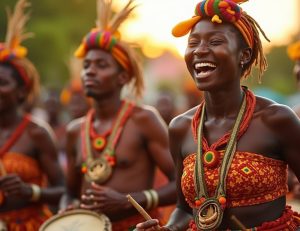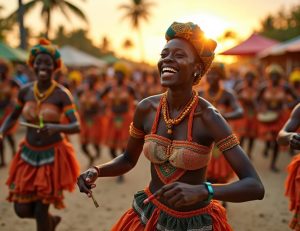
Nestled between the vibrant cultures of Central America and the Caribbean Sea, Belize’s captivating colonial history offers a window into its rich heritage, shaped by the Maya civilization and European explorers. Understanding when Belize was established, along with the key milestones in its colonial timeline, allows travelers and history enthusiasts to appreciate the unique blend of influences that define this stunning destination today. As you embark on this journey through time, you’ll uncover stories of resilience, transformation, and the vibrant spirit of the Belizean people, enriching your own experience of this diverse country. Dive in to explore how the past continues to shape the present in Belize!
Colonial Beginnings: The Establishment of Belize
In the early 17th century, the lush coastlines and vibrant ecosystems of Belize caught the attention of European adventurers and settlers, marking the unofficial beginnings of a colonial era that would shape the nation’s identity. Originally inhabited by the Mayan civilization, Belize became a focal point of British interests, primarily due to its strategic location along the Caribbean Sea and the rich resources of its hardwood forests. This period was characterized by the rise of logwood trade, which brought fortune-seeking buccaneers and settlers who sought to capitalize on the lucrative timber industry.
The establishment of a more formal presence came with the British settlers in the late 1600s, as they sought refuge from Spanish colonial authorities and the burgeoning competition in the region. By 1707, the settlement was officially recognized, and it would later become known as British Honduras. As the British expanded their control, they introduced a plantation economy, which relied on enslaved labor from Africa to tap into the vast agricultural potential of the land.
The cultural tapestry of colonial Belize began to weave together diverse influences-from the indigenous Mayas who had flourished in the region for centuries, to the influx of African slaves and later immigrants from Europe and the Caribbean. This melting pot set the stage for a rich tapestry of traditions that continue to influence modern Belizean life. Even today, remnants of this colonial past are visible in the architecture, language, and cultural practices that celebrate Belize’s unique heritage.
Throughout the colonial era, the interplay of conflict and cooperation among various ethnic groups laid the groundwork for a society that values the coexistence of its diverse populations. As Belize navigated its path from colony to nationhood, these early beginnings played a crucial role in forming the identity of what would become a vibrant and resilient nation, admired for both its natural beauty and cultural richness.
Key Dates in Belize’s Colonial Timeline
The timeline of Belize’s colonial history is a captivating chronicle that interweaves adventures at sea, the vibrancy of indigenous cultures, and the complex interactions among various European powers. This journey begins in the early 17th century when the allure of Belize’s pristine coast and rich resources prompted European adventurers to explore and subsequently settle in the region. As settlers arrived, they were drawn by the lucrative logwood-a resource that soon became a cornerstone of the local economy and an essential aspect of the British imperial landscape.
- 1638: The first British logwood cutters arrive, initiating the European presence in Belize.
- 1707: The area under British control is officially recognized as a settlement, marking the establishment of British Honduras.
- 1763: The Treaty of Paris grants Britain the right to logwood in Belize, enhancing British economic interests in the region.
- 1783: Following the Treaty of Versailles, British settlers are solidified in their claims to the territory, allowing for greater expansion and agricultural developments.
- 1862: Belize is officially declared a British Crown Colony, signifying its importance within the British Empire and setting the stage for further political and economic changes.
- 1931: Major agricultural reforms take place, leading to the decline of the logwood industry and a shift toward a more diverse economy utilizing sugar and bananas.
- 1964: A new constitution provides self-government, leading to increased political activism among Belizeans and paving the way for independence.
- 1981: Belize achieves full independence from Britain, officially marking the end of colonial rule.
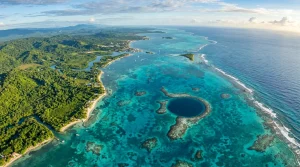
These pivotal moments not only depict the evolution of Belize from a remote coastal settlement to a prominent Crown Colony but also illustrate the rich tapestry of history that influences contemporary Belizean culture. Each date on this timeline represents the struggles, triumphs, and transformations that have shaped the nation, inviting travelers to explore not only its scenic landscapes-from the majestic Great Blue Hole to ancient Maya ruins-but also deep-rooted themes of resilience and identity that resonate throughout its vibrant communities today. This blend of nature, history, and culture continues to capture the hearts of all who visit, making Belize a remarkable destination that stands as a testament to its storied past.
The Influence of Mayan Civilization on Belize

The history of Belize is profoundly intertwined with the ancient Maya civilization, which flourished in this region long before European explorers arrived. The Maya’s sophisticated society, known for its remarkable achievements in architecture, mathematics, and astronomy, left a lasting legacy that continues to enrich Belize’s cultural landscape. Scattered across the dense jungles are majestic ruins like Caracol and Lamanai, where the remnants of towering temples and intricate carvings reveal the maya’s enduring connection to the land.
One of the most significant influences of the Maya civilization was their deep understanding of agriculture and sustainability. They cultivated crops such as maize, beans, and cacao, establishing trade networks that reached far beyond their borders. This agricultural knowledge not only sustained their communities but also laid the foundation for economic activities that would later flourish during the colonial period. For contemporary travelers, exploring these ancient agricultural terraces can provide a profound sense of connection to the resilience of the Maya people.
Moreover, Maya spirituality and traditions continue to play a vital role in Belizean culture. The descendants of the Maya, such as the Yucatec and Mopan groups, maintain their languages and customs, offering visitors a glimpse into their vibrant heritage through festivals, food, and crafts. Events like the Day of the Dead and traditional ceremonies honor their ancestors and reflect the indigenous beliefs that have been passed down through generations. Engaging with these cultural expressions offers a unique opportunity for travelers to fully appreciate the richness of Belize’s history.
Belize’s biodiversity, showcased in its numerous national parks and wildlife sanctuaries, is also a tribute to the Maya’s respect for the environment. The sustainable practices they implemented thousands of years ago resonate with modern eco-tourism, as travelers seek to explore the natural beauty of Belize while preserving it for future generations. From adventurous treks through the lush jungles to serene moments at the Great Blue Hole, visitors are invited to immerse themselves in the stunning landscapes that echo the ancient Maya’s relationship with nature. The lasting influence of the Maya civilization weaves a narrative that is as inspiring as it is educational, allowing travelers to dive deep into the captivating story of Belize.
European Exploration and Claims in Belize
The lush landscapes of Belize once cradled a thriving Maya civilization before the arrival of European explorers, who stumbled upon this Central American gem in the 16th century. The Spanish were the first Europeans to lay claim to the territory, led by figures like Hernán Cortés, who sought riches and resources from the New World. However, due to the challenging coastal mangroves and the allure of gold in other regions, Belize remained largely neglected by them for decades.
In the late 17th century, British privateers began to venture into the waters of what is now Belize, drawn by the abundant mahogany trees and the lucrative timber trade. By the 1680s, loggers, known as “Baymen,” settled along the Belize River, establishing a foothold in this untamed land. In 1763, following the Treaty of Paris, Spain recognized British loggers’ presence, marking a pivotal moment that legitimized British claims in the area. However, it was not until the early 19th century that the British formally established Belize as a colony, originally named British Honduras, solidifying their control over the territory.
This early era of European exploration and settlement was marked by significant environmental impact, especially the depletion of mahogany forests, but it also heralded cultural mixes and exchanges that shaped modern Belize. The union of British, African, and indigenous influences began to forge a unique Belizean identity that persists today. As travelers navigate through the charming towns and scenic coastal areas, they can witness the remnants of this historical tapestry through colonial architecture and local heritage, providing insights into the complex history that led to Belize’s eventual independence.
Exploring areas like the historic Belize City or the serene shores of Caye Caulker, visitors can feel the echoes of this past while enjoying the vibrant cultures and rich biodiversity that continue to flourish in this stunning destination. The journey through Belize’s colonial history reveals not only the challenges of foreign claims but also the resilience and spirit of its people, making it a captivating story worth uncovering.
The Impact of the British Colonial Era
The British colonial era significantly shaped Belize’s landscape, society, and identity, leaving a lasting legacy that can still be felt today. Emerging from the shadows of a neglected territory during the Spanish rule, British loggers capitalized on the region’s rich mahogany resources, gradually transforming the economy and social structure. The period of British rule began to solidify around the early 19th century when Belize was formally established as British Honduras, a colony that would navigate the complexities of cultural exchange, economic exploitation, and colonial governance.
During this era, the British brought a mix of peoples to Belize, including enslaved Africans who were transported for labor, alongside British settlers and indigenous groups. This melting pot created a unique cultural tapestry evident in various facets of Belizean life, from Creole cuisine characterized by bold flavors and hearty dishes, to the vibrant beats of Garifuna music and dance that celebrate African and Caribbean roots. Festivals also play a vital role in preserving this rich heritage, where communities gather to honor traditions that emerged from this colonial past, blending indigenous practices with European influences.
Economically, the impact of British colonialism can be seen in the focus on timber trade, which dominated the landscape until the late 19th century. With the extraction of mahogany came significant environmental changes, forever altering the lush jungles that once thrived. However, the shift from timber to agriculture introduced new opportunities, with Belizean farmers beginning to cultivate crops such as sugarcane and citrus, laying the groundwork for modern agricultural practices. Visitors today can explore the remnants of this economic history in places like the Belize Old Capital, where colonial architecture stands as a testament to its past.
As independence approached in the mid-20th century, Belizeans began to forge a national identity distinct from their colonial past, advocating for self-governance and the return to indigenous roots. The complexities of this transition reveal the enduring challenges and triumphs of a nation reclaiming its narrative. Travelers exploring Belize now find themselves in a land that reflects a fusion of histories-where ancient Mayan temples rise against a backdrop of colonial buildings, and the natural beauty continues to thrive amidst the evolving bicultural society. Each location and landmark tells a story, inviting visitors to delve deeper into the rich history that has shaped this enchanting country.
Major Events Leading to Independence
Belize’s journey toward independence is marked by pivotal events that progressively shaped its identity and governance. The tension between colonial rule and the aspirations for self-determination intensified over decades, culminating in a series of movements and reforms driven by a growing sense of nationalism among the Belizean people.
In the early to mid-20th century, Belize began to see the rise of political consciousness. The British colonial government, initially dismissive of local voices, began to feel the pressure of growing unrest. A significant moment came in 1949 with the formation of the People’s United Party (PUP) under George Price, which aimed to represent the interests of Belizeans and push for greater political rights. Price’s leadership marked a turning point, rallying support for self-governance and inspiring a desire for change among the populace.
By the 1950s, as global decolonization movements gained traction, Belizeans rallied for constitutional reforms. The new constitution implemented in 1954 offered a limited expansion of parliamentary democracy and introduced universal suffrage, creating an environment where Belizeans could actively participate in their governance. The call for full independence gained momentum, bolstered by increased participation in elections and civil society activism.
The 1970s were a watershed period for Belize, as the country navigated both internal and external pressures. The British government was compelled to acknowledge Belize’s aspirations for independence, especially as regional neighbors in the Caribbean and Central America began to assert their sovereignty. By 1981, Belize finally celebrated its independence from British rule, marking a triumphant moment in its history and the birth of a nation ready to embrace its diverse heritage.
In reflecting on these critical events, it’s clear that the struggle for independence was not merely a political shift; it was an affirmation of Belizean identity. The journey involved countless individuals and community efforts, all converging toward one goal – a nation that would honor its rich cultural tapestry while stepping into the world as an independent state. This backdrop sets the stage for travelers today, inviting them to explore a land that echoes with the stories of its past, where every corner reveals remnants of the colonial era interwoven with vibrant contemporary life.
Culture and Society: Colonial Belize
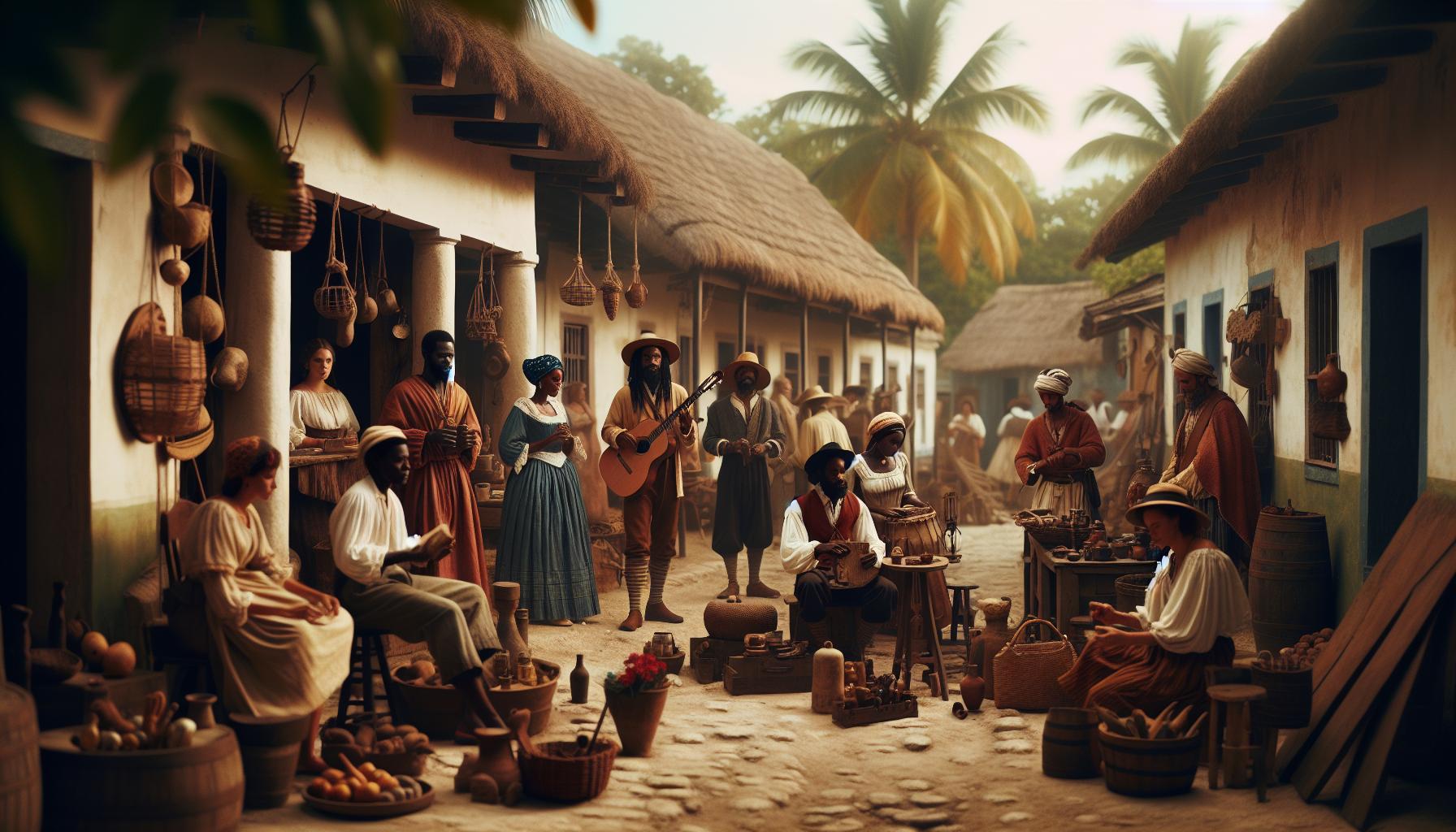
In the heart of Central America lies Belize, a vibrant tapestry of cultures woven from its colonial past. As you step into this enchanting country, remnants of history greet you at every turn, echoing tales of the indigenous Mayans, European explorers, and the melting pot of societies that emerged during the colonial era. Belizeans today proudly celebrate their unique heritage, which is a delightful blend of languages, customs, and traditions that have evolved through centuries of interaction and adaptation.
The colonial period introduced a surge of European influences that would shape Belize’s cultural landscape. Spanish explorers were the first to arrive, attempting to lay claim to the land, but it was the British who established their presence, starting with logging activities in the 17th century. The arrival of enslaved Africans and indentured servants brought skilled artisans, laborers, and a rich musical tradition that melded with local influences to create what is now known as Creole culture. This vibrant culture thrives today in the form of lively music, spicy cuisine, and colorful festivals that celebrate the collective identity of the Belizean people.
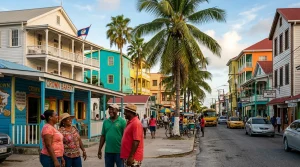
Belize’s capital, Belmopan, along with cities like Belize City, serve as living museums where historical architecture and contemporary culture coexist. You can explore remnants of colonial buildings that still stand proud, alongside bustling markets filled with local produce and handmade crafts. The annual celebrations, such as Carnival and Garifuna Settlement Day, showcase the diversity of Belize’s heritage and draw visitors from around the globe. Join in the festivities to experience traditional music, dance, and Creole dishes like rice and beans, stew chicken, and salbutes-a feast for both the palate and the soul.
Amidst Belize’s rich flora and fauna, the legacy of the colonial era is visible not just culturally but economically as well. Agriculture and trade flourished under British rule, leading to a society dependent on sugar, mahogany, and later, tobacco exports. While the remnants of these economic practices linger, they have slowly transformed into sustainable tourism initiatives. Today, visitors are not just observers but participants in eco-tourism and community-driven projects that preserve Belize’s natural beauty while benefiting local economies.
For travelers, the invitation to experience Belizean culture is as vast as the Caribbean Sea. From hiking through lush jungles to exploring ancient Mayan ruins like Xunantunich and Caracol, every adventure offers a glimpse into the intricate blend of history that defines this nation. Whether you’re seeking solitude on pristine beaches or looking to immerse yourself in the rhythmic pulse of local life, Belize promises an enriching experience that transcends its colonial past, presenting a unique opportunity to connect with the vibrant spirit of its people.
Economic Development in Colonial Belize
The economy of Belize during the colonial era was fundamentally shaped by the natural resources that the lush landscape provided. Initially, the logwood trade dominated the economic activities of the British settlers in the 17th century, as these raw materials were highly sought after in Europe for shipbuilding and dye production. This logging boom attracted various European powers, leading to intense competition for control over the region. As a result, Belize became a focal point for British settlers, who were drawn not only by the opportunity for wealth but also by the prospects of clearing land for agriculture.
By the late 18th century, sugar production eclipsed logwood as the primary economic driver. The introduction of plantations required large-scale labor, leading to the importation of enslaved Africans and indentured servants, who significantly contributed to the agricultural development of the region. This labor force was instrumental in establishing a thriving sugar industry, as Belize’s favorable climate and fertile soil allowed for the cultivation of not only sugar cane but also other cash crops such as mahogany and later tobacco. This agricultural boom was essential for the colony’s economy, generating income and trade relations that enriched both local and British economies.
In addition to agriculture, the economic practices of colonial Belize set the stage for its modern-day tourism industry. As trade routes developed and Belize became known for its natural beauty-illustrated by breathtaking coastlines, lush jungles, and the stunning Great Blue Hole-the seeds of eco-tourism were planted. Today, as Belizeans pivot from traditional agriculture to sustainable tourism, travelers can experience the remnants of this colonial past through eco-friendly initiatives that celebrate both the environment and the rich cultural heritage of Belize. Participating in eco-tours not only supports local communities but also preserves the delicate ecosystems that are a legacy of centuries of environmental stewardship.
Visitors to Belize can truly appreciate the transformation of its economy through the lens of its colonial history, from a land dominated by the exploitation of natural resources to one that embraces sustainable practices. Whether you’re exploring ancient Mayan ruins that date back to these formative years or engaging with local artisans in colorful markets, the echoes of colonial economic development resonate throughout the country, enriching each experience with a robust history and vibrant future. Through this journey, travelers not only connect with Belize’s past but also actively partake in shaping its economic horizon-one that harmonizes historical legacies with stunning natural beauty.
Conflicts and Treaties Shaping Belize’s Borders
Conflicts over Belize’s borders have been pivotal in shaping its national identity and territorial integrity. The struggle for control began with European colonial powers vying for dominance in the region. The early 18th century saw the British establishing settlements, primarily to exploit the rich natural resources. This sparked a series of conflicts, most notably with Spain, which claimed sovereignty over the territory based on earlier explorations. The tension culminated in the 1763 Treaty of Paris, where Spain ceded the rights to logwood harvesting in Belize to the British, thereby solidifying British interests in the burgeoning settlement.
The geopolitical landscape further evolved with the 1783 Treaty of Versailles, which expanded British access to territory in Belize but drew fierce criticism from Spain, which refused to recognize the rights granted to the British. The ongoing skirmishes between British settlers and Spanish forces characterized much of this period, as the nature of conflict was less about direct warfare and more about territorial assertions and resource exploitation. After numerous confrontations, the 1798 Battle of St. George’s Caye became a defining moment for Belize’s defense against the Spanish, ultimately fostering a sense of nationalistic pride among the British settlers, a sentiment that remains a cornerstone of Belizean identity today.
In the 19th century, shifts in colonial policy and changing relations with neighboring countries prompted further negotiations. The 1862 designation of British Honduras as a crown colony represented a formal acknowledgment of British authority in the region. However, territorial disputes continued into the 20th century, particularly over the border with Guatemala, which has persisted as a contentious issue. The 1940 Treaty of Peace and Friendship between Britain and Guatemala recognized the existing borders, yet unresolved disputes lingered, underscoring the complexity of Belizean geopolitics.
The culmination of these conflicts and treaties has not only shaped the physical borders of Belize but also its cultural and historical narratives. Today, visitors can traverse the rich tapestry of history found in the remnants of colonial architecture and the vibrant multicultural society that thrives on the principles of coexistence. Engaging with Belize’s past offers an exciting lens through which to understand both its challenges and triumphs as a nation evolving from colonial struggles into a dynamic contemporary identity. Whether exploring the ancient Mayan ruins or the colonial streets of Belize City, travelers can witness the enduring legacy of a land shaped by conflict, resilience, and cultural richness.
Legacy of Colonialism in Modern Belize
The resilience of Belize as a nation is deeply rooted in its colonial past, which has left an indelible mark on its cultural identity, societal structures, and governance. The legacy of British colonialism, intertwined with the rich history of the indigenous Maya civilization, is reflected in the vibrant tapestry of cultures present today. From the remnants of colonial architecture in Belize City to the annual festivals celebrating Creole, Garifuna, and Mennonite heritage, every corner of Belize speaks to a dynamic interplay between history and modernity.
Modern Belizeans navigate a society that embraces diversity-an echo of the multicultural influences that have pervaded the region since colonial times. The coexistence of various ethnic groups, including Creole, Maya, Garifuna, and more, shapes the nation’s psyche and contributes to a unique cultural richness. This vibrant mosaic is celebrated during lively events such as Garifuna Settlement Day, where the community comes together to honor ancestral heritage through music, dance, and traditional cuisine, allowing visitors to experience the dynamic blend of old and new.
Economically, the shadow of colonialism is evident in Belize’s dependence on natural resources, a trend that began during colonial exploitation of timber. Today, eco-tourism has emerged as a cornerstone of Belizean economy, attracting visitors drawn by the pristine landscapes, such as the famed Great Blue Hole and lush rainforests. These attractions not only bolster economic growth but also foster a deeper appreciation for environmental conservation, reminiscent of the territory’s historical reliance on its natural bounty.
However, the legacy of colonialism also presents challenges. Issues related to land ownership, access to resources, and social inequality continue to persist. The historical grievances stemming from colonial policies can be seen in contemporary debates about land rights for indigenous communities and the distribution of wealth generated by tourism. Belize’s ongoing journey toward reconciliation and development reflects the complexities of navigating a post-colonial reality, striving to forge a future that honors its past while aspiring for equity and progress.
Visiting Belize offers more than just a getaway; it’s an opportunity to engage with a living history. Travelers can explore ancient Mayan ruins like Caracol or Xunantunich, climb to the top of centuries-old fortifications, and relish the warm hospitality of a nation proud of its heritage. Each interaction, each meal-filled with the flavors of Creole and Garifuna traditions-provides both context and connection to the enduring legacy of colonialism that shapes modern Belize. This fascinating interplay between history and contemporary life invites visitors to reflect on the ongoing journey of this vibrant nation.
Historical Figures of Belize’s Colonial Past
Intriguingly, the history of Belize’s colonial past is interwoven with several pivotal figures who shaped the landscape and trajectory of this beautiful Central American nation. Understanding these individuals provides a deeper appreciation for the country’s rich history. One significant personality is Peter Wallace, who in the 17th century led early attempts to establish a British settlement in the area now known as Belize. His aspirations were rooted in the burgeoning timber industry, which would later lay the foundation for the colony’s economic growth.
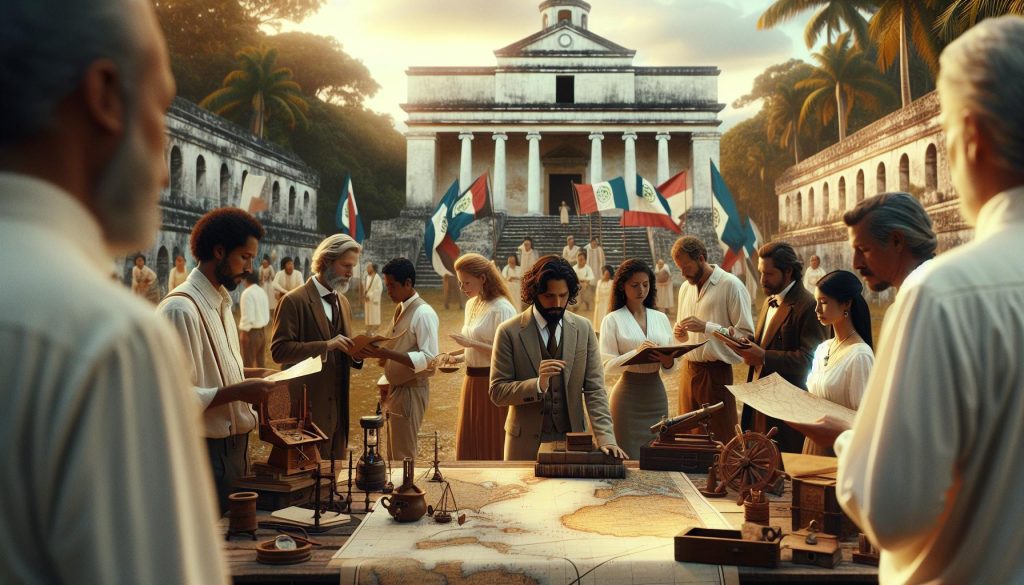
Another key figure is Alexander Burnaby, a surveyor who played a crucial role in the early mapping of British Honduras. His documentation not only assisted in establishing boundaries but also attracted settlers, paving the way for the diverse cultures that would flourish in Belize. Meanwhile, William Jardine, heavily involved in the timber trade during the late 1800s, represents the powerful economic forces that guided colonial policies. His extensive interests in the timber industry directly influenced Belize’s economy, drawing attention from neighboring countries and shaping the colonial administration’s approach to governance.
The indigenous Maya also have their historical champions, such as Cacique (a local chieftain) who negotiated with both Spanish and British powers. Their resilience in preserving their heritage and sovereignty amidst colonial encroachments is a testament to their pivotal role in shaping Belize’s identity. The blend of Indigenous, African, and European influences creates a rich cultural fabric, evident today in Belize’s vibrant traditions and festivals.
Ultimately, the historical figures of Belize’s colonial era reflect a complex interplay between ambition, resilience, and cultural richness. Visiting Belize offers travelers a chance to walk in the footsteps of these influential leaders. Explore the remnants of colonial architecture in Belize City or venture into the heart of Maya ruins like Caracol, reflecting the profound legacy of these historical figures. Engaging with this narrative through culinary experiences-such as sampling Creole cuisine or participating in traditional Garifuna dances-allows visitors to appreciate how these influences continue to shape modern Belize. Each interaction tells a story, inviting a deeper connection to a nation that embraces its past while ambitiously stepping into the future.
Belize’s Path from Colony to Nationhood
The transition of Belize from a colony to an independent nation is a story filled with resilience, cultural richness, and the enduring spirit of its diverse people. After centuries of British colonial rule, the journey towards nationhood gained momentum in the mid-20th century, as aspirations for self-governance surged among the Belizean populace. In the 1950s, political awareness flourished, leading to the formation of political parties that voiced the desires of the people. The People’s United Party (PUP), founded in 1950, became a pivotal force in advocating for independence, emphasizing the need for political representation and social equality.
Through a series of constitutional reforms starting in 1961, the foundation for self-governance was laid. Belize’s first election under universal suffrage was held in 1954, though it was not until 1973 that the country officially became Belize, shedding the name British Honduras. The push for independence culminated in a peaceful dialogue with the British government throughout the 1970s. This effort not only reflected the growing political maturity of Belizeans but also a deep-rooted desire to embrace their identity, yet recognize the contributions of various cultures, including the Maya, Creole, and Garifuna.
The road to independence was marked by significant events, including the Belizean Constitution of 1981, which established a parliamentary democracy. When Belize officially declared independence on September 21, 1981, it did so with the promise of maintaining a multi-ethnic and multicultural society. This foundation allowed Belize to be a unique blend of traditions, languages, and customs that continue to celebrate its colonial past while looking forward to a harmonious future.
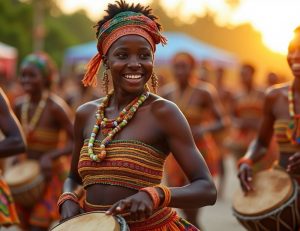
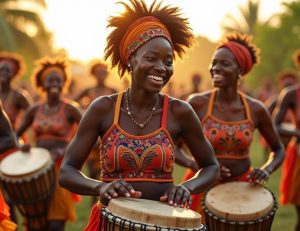
Today, the legacy of this journey towards nationhood is palpable in every aspect of Belizean life. Visitors can experience the vibrant culture, from traditional Garifuna drumming to the flavors of Creole cuisine, echoing the island’s eclectic heritage. Whether exploring the lush jungles that cradle ancient Maya ruins like Xunantunich or relaxing by the pristine Caribbean beaches, the spirit of a nation that emerged from colonial shadows is evident, inviting travelers to embrace its rich narrative and natural beauty.
FAQ
Q: When was Belize first colonized?
A: Belize was first colonized in the mid-17th century, primarily by British loggers who settled in the area. The British officially claimed the territory in 1670, and by the 18th century, Belize was recognized as a settlement, later becoming known as British Honduras.
Q: What were the key historical events that led to the establishment of Belize?
A: Key events include the arrival of British pirates and loggers in the late 1600s, the signing of the Treaty of Madrid in 1783, recognizing British claims, and the designation of the colony of British Honduras in 1862. These developments laid the foundation for Belize’s future governance.
Q: How did the British colonial period impact Belize?
A: The British colonial period significantly impacted Belize through economic exploitation, the establishment of a plantation economy, and the development of infrastructure. It also influenced the cultural landscape, seen in the blend of indigenous and colonial traditions that are still evident today.
Q: When did Belize gain independence from British rule?
A: Belize gained independence from British colonial rule on September 21, 1981. This pivotal moment came after a protracted struggle for self-determination and was marked by the drafting of its constitution, paving the way for its sovereignty.
Q: What cultural influences shaped Belize during colonial times?
A: Colonial Belize was shaped by various cultural influences, including the indigenous Mayan civilizations, British colonialism, Spanish exploration, and African slave trade experiences. These interactions created a rich tapestry of cultural heritage still celebrated in present-day Belize.
Q: Were there any significant conflicts during Belize’s colonial history?
A: Yes, significant conflicts during Belize’s colonial history include territorial disputes with Spain, the 1798 Battle of St. George’s Caye, and ongoing tensions with neighboring countries regarding land claims. These conflicts shaped the nation’s borders and its development.
Q: What can we learn from Belize’s colonial history?
A: Belize’s colonial history teaches us about the complexities of cultural identity, the impact of colonialism on indigenous populations, and the importance of self-determination. Understanding this legacy can foster a deeper appreciation of Belize’s diverse culture and historical narrative.
Q: How did Mayan civilization influence the development of Belize?
A: The Mayan civilization greatly influenced Belize’s development, as they were the original inhabitants known for their advanced societal structures, monumental architecture, and sophisticated agricultural techniques. Their legacy continues to be a crucial part of Belize’s cultural identity and tourism today.
Concluding Remarks
As we wrap up our journey through the colonial history of Belize, it’s clear that understanding when Belize was established is just the beginning of your exploration. The rich tapestry of its past offers valuable insights into its vibrant present. Ready to dive deeper? Explore our guides on the Great Blue Hole, Belizean cuisine, or the fascinating Maya ruins to enhance your experience.
Don’t miss out on uncovering the natural wonders and cultural richness that await you in Belize! If you’re considering a visit or even a life-changing move, check out our resources on accommodations, visa information, and eco-tourism hotspots. Join our community by signing up for our newsletter, ensuring you stay up-to-date with the latest travel tips and insights about this Central American treasure. Your adventure in Belize starts now-let’s explore!
Get our latest guides, news, and insights highlighted in your Google Search & AI Overviews.