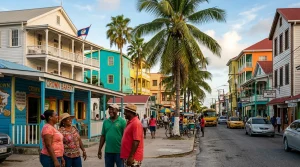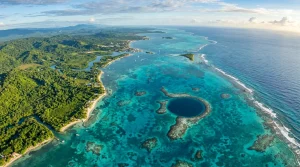
Nestled in the heart of Central America, Belize boasts a rich tapestry of colonial history that has shaped its vibrant culture and identity. From British settlements to the quest for independence, understanding who owned Belize and the implications of these historical events reveals the complexities of its past. This exploration not only intrigues history enthusiasts but also helps travelers and expatriates grasp the evolution of this beautiful nation. As you uncover the layers of Belize’s colonial legacy, you’ll connect deeply with its majestic landscapes, diverse cultures, and resilient spirit. Join us in this journey to unravel the stories that define Belize today, and discover how they continue to resonate through its people and traditions.
Who Discovered Belize? A Deep Dive into Exploration
The lush landscapes and vibrant cultures of Belize have been shaped by a tapestry of early exploration and discovery. Though the area now known as Belize was home to the ancient Maya civilization for centuries, its formal “discovery” by the outside world can be attributed to European explorers during the Age of Exploration. Starting in the early 16th century, the region began to attract the attention of Spanish conquistadors, drawn by tales of gold and riches. Notably, in 1511, Rodrigo de Contreas is often credited as one of the first Europeans to navigate the Belizean waters, though he did not settle there. His journey opened the door for further exploration, yet significant colonization would not follow for over a century.
As the Spanish laid claim to much of Central America, their interest in Belize was limited due to the lack of precious metals. This vacuum allowed other European powers, particularly the British, to stake their own claims in the late 17th century. British pirates and loggers, seeking resources like mahogany, began to establish a presence in the region, leading to a gradual shift in control and influence. By the mid-18th century, the British were effectively controlling the area, establishing what would become known as British Honduras, and solidifying their footprint on this culturally rich land.
While the colonial narrative is often dominated by the exploits of European explorers, it is essential to recognize that the indigenous Maya and Garifuna peoples had their own histories long before these expeditions. Their deep connection to the land and its resources continues to resonate in Belize’s cultural fabric today. The convergence of these histories-indigenous and colonial-serves as a powerful reminder of the nuanced dynamics that have shaped modern Belize, a land where the legacy of exploration and discovery is woven into the very essence of its vibrant identity.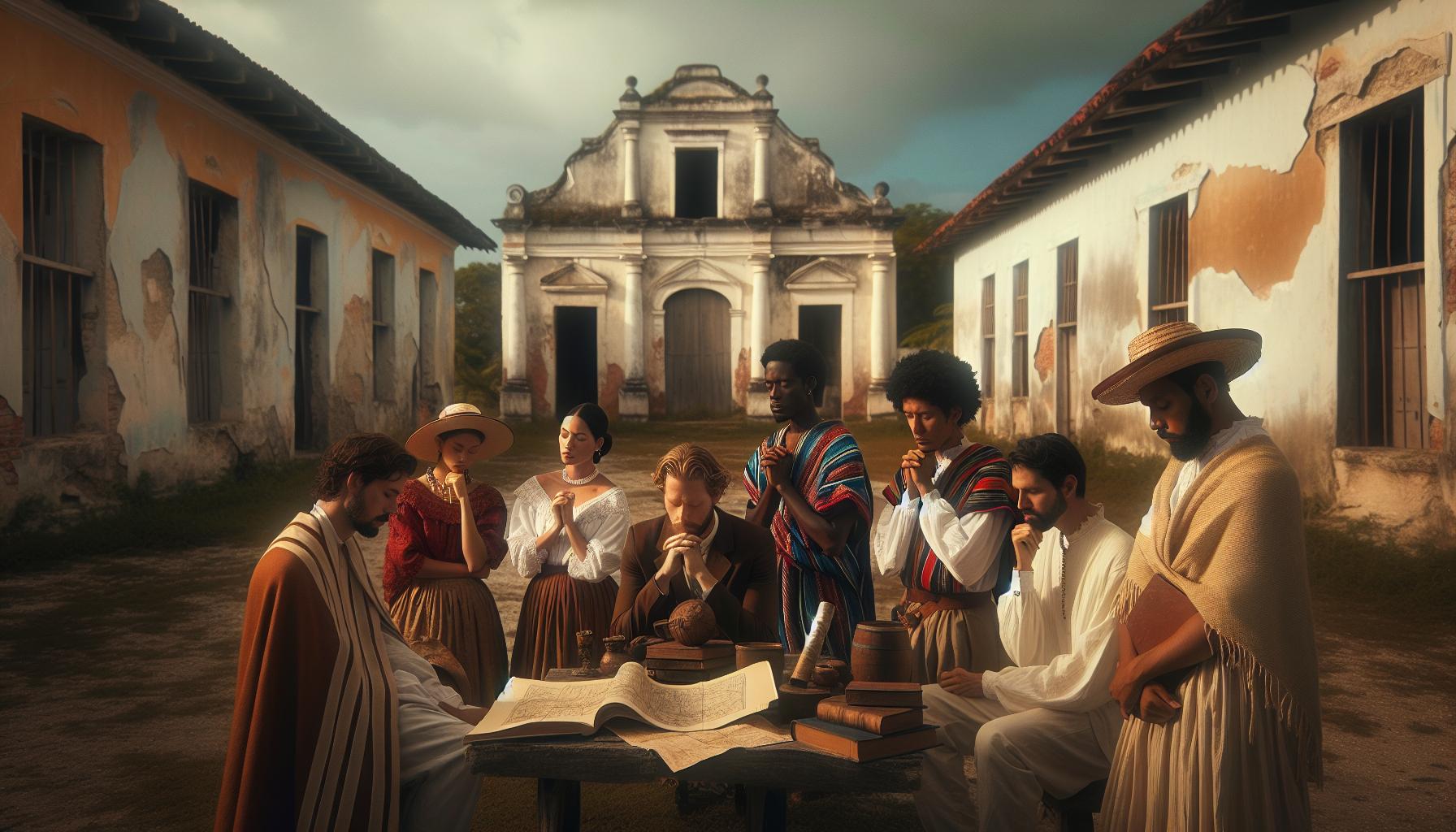
The Impact of Colonial Powers on Belize
The arrival of European powers in Belize not only redefined the landscape but also had profound and lasting implications on its cultural and social fabric. The British, in particular, carved out a significant role during the colonial period, transforming this once-remote territory into a hub for logging and trade. The pursuit of mahogany, a valuable resource, drew British settlers and loggers from the late 17th century onward, instilling a sense of economic ambition that would shape Belize’s future.
As the British established control, they pushed aside the existing cultures, including the indigenous Maya and the Garifuna, whose legacies are still vital today. Notably, the introduction of slavery marked a dark chapter in Belize’s colonial history. Enslaved Africans were brought to work on sugar plantations, further entrenching the exploitative systems of the time. This not only created a diverse demographic but also resulted in a fusion of cultures, influencing everything from language to cuisine. Today, traditional dishes like rice and beans and rich, savory stews reflect this complex heritage, attracting culinary enthusiasts eager to explore Belize’s food scene.
The colonial era also introduced a hierarchical society, heavily favoring British settlers while marginalizing local populations and their rights. Conflicts arose between settlers and the indigenous people over land and resources, leading to treaties that often disregarded the interests of the original inhabitants. This legacy is still observable in contemporary Belize, where conversations about land rights and cultural preservation continue to be significant.
In navigating Belize’s rich history, it’s essential for visitors to engage thoughtfully with its past. Exploring historic sites such as St. John’s Cathedral in Belize City or the ruins of ancient Mayan cities not only unveils the realities of colonialism but also offers insight into the resilient spirit of the Belizean people. Understanding this historical context enhances one’s appreciation of the country’s vibrant customs and the coexistence of different cultures that paint the modern Belizean identity.
Unpacking the Legacy of Slavery in Belize
The arrival of enslaved Africans in Belize marked a significant turning point in the region’s colonial story, entwining their fate with that of the land and its resources. As British settlers ventured into this bountiful territory primarily for mahogany logging, the demand for labor intensified, leading to the importation of enslaved peoples to work on the burgeoning sugar plantations. This brutal chapter in Belize’s history was not merely a tale of exploitation; it birthed a complex cultural tapestry that defines the nation today. The legacy of slavery is imprinted in the very rhythms of Belizean life, influencing languages, religious practices, and culinary traditions that celebrate a blend of African, Indigenous, and European influences.
Understanding the impact of slavery involves recognizing how these enslaved Africans contributed to the economic viability of the colony. They cultivated sugar and supported the infrastructure necessary for this lucrative industry. This labor laid the groundwork for immense wealth generation, albeit for the benefit of a privileged few. The reality of their day-to-day lives was marked by hardship and resilience, with communities formed despite oppressive systems. The music and dance styles that evolved from this cultural exchange are still integral to Belizean identity, with genres like Garifuna music resonating through celebrations and festivals, reminding both locals and visitors of the rich heritage born from adversity.
In contemporary Belize, the echoes of this legacy are visible in the ongoing struggles for racial equality and social justice. Understanding the historical context of slavery enriches one’s visit to significant sites such as the slave ruins at the Belize River or the many cultural festivals that celebrate African heritage. These locations and events encourage introspection about the past while fostering appreciation for the diverse influences that have shaped modern Belizean culture.
Engaging with this history offers travelers a deeper connection to the land. Participation in local events, exploration of culinary delights – from Creole dishes to Garifuna favorites – and even discussions with locals about their experiences can illuminate this rich legacy. Acknowledging the complexities of slavery and its long-lasting effects cultivates a more meaningful travel experience, celebrating the resilience of a people who, despite their history, have thrived and evolved into a vibrant culture that welcomes all.
Indigenous Peoples of Belize: A Historical Perspective
The rich history of Belize is deeply intertwined with its Indigenous peoples, who have inhabited this vibrant land for thousands of years. Long before colonial powers set their sights on Central America, the Maya civilization flourished in what is now Belize, creating a legacy marked by impressive architectural feats, advanced agricultural practices, and an intricate understanding of astronomy and mathematics. The stunning ruins of ancient cities, such as Caracol and Lamanai, serve as windows into this fascinating past, showcasing the ingenuity of a people who adapted to their environment and built complex societies that thrived in the lush landscape.
As you explore Belize, the echoes of Indigenous history resound not only in its archaeological sites but also in the living cultures that persevered through centuries of change. Today, the Maya and other Indigenous groups, including the Garifuna and Mestizo communities, contribute richly to Belize’s cultural fabric. Visitors can experience this living history by participating in local festivals, enjoying traditional dances, or tasting authentic cuisine that reflects Indigenous heritage. Culinary delights like tamales, corn tortillas, and traditional stews are not merely delicious; they are remnants of age-old practices that have been passed down through generations.
Furthermore, understanding the historical context of colonization is crucial to appreciating the resilience of Belize’s Indigenous peoples. The arrival of European settlers brought dramatic changes, leading to significant upheaval and decimation of Indigenous populations. However, the cultural and spiritual connections to the land have remained vital to many communities. Engaging with local artisans and craftspeople can provide insight into how traditional methods are preserved today, from pottery to weaving, ensuring that the stories of their ancestors continue to be told and celebrated.
Travelers looking to immerse themselves in this vibrant tapestry should consider guided tours that focus on Indigenous heritage, visiting cultural centers and Maya villages. Here, interactions with community members can foster a deeper understanding and appreciation of their ongoing struggles for rights, recognition, and cultural preservation. In doing so, your journey through Belize offers not only adventure and natural beauty but also an opportunity to honor the legacy of those who first called this land home.
The Role of Sugar Plantations in Colonial Belize
The fertile soil and favorable climate of Belize made it an ideal location for the rise of sugar plantations, a pivotal element of its colonial economy. Beginning in the late 17th century, European colonists-particularly from England-saw the potential to replicate the profitable sugar industries that flourished in other Caribbean territories. Sugar became a driving force behind the development of agriculture in Belize, transforming not only the landscape but also the socio-economic dynamics of the region.
The establishment of sugar plantations had significant implications for labor in Belize. The demand for workers skyrocketed, leading to the forced importation of enslaved Africans who provided the necessary labor under brutal conditions. These plantations were characterized by large fields of sugar cane and the complex machinery required for processing, often operated by enslaved individuals who endured harsh realities in their daily lives. The exploitation of this labor force not only enriched colonial landowners but also laid the groundwork for a lasting cultural heritage, particularly seen in the Creole and Garifuna communities that emerged from this tumultuous period.
Moreover, the sugar industry shaped the social hierarchy of colonial Belize, creating a distinct divide between the wealthy plantation owners and the laborers. This economic reliance on sugar continued well into the 19th century, even as the industry evolved and faced challenges from changing markets and competition from countries such as Cuba and Brazil. The eventual decline of sugar prices led to economic shifts and the diversification of agriculture, yet the legacy of the plantation system continues to resonate through Belize’s culture and history.
Today, remnants of this era can be explored through historic sugar mill ruins, such as those found at places like the Belize Sugar Industries (BSI) complex. Travelers can gain insight into this significant part of Belize’s heritage, reflecting on how these landscapes have transformed over the centuries. Thirsting for adventure? The vibrant life burgeoning from this history, including traditional festivals celebrating sugar plantation heritage, contributes to the rich tapestry of Belizean identity, inviting visitors to appreciate the enduring impact of its colonial past.
Key Figures in Belize’s Colonial History
In the intricate tapestry of Belize’s colonial history, several key figures stand out, shaping the narrative of this vibrant nation from its early days of European exploration to its eventual claim of independence. Among these influential individuals was Sir William Paterson, a Scottish explorer and the founder of Belize City in 1638. His vision of establishing a British settlement at what was then known as British Honduras marked the beginning of a significant colonial presence in the region. Paterson’s early attempts to cultivate the land and establish trade routes laid the groundwork for further British interests in the area, particularly in timber and later in sugar.
Another pivotal character from this era was Edward W. C. Wright, whose leadership during the tumultuous times of the 18th-century conflicts between British settlers and Spanish authorities solidified his reputation as a defender of British interests in Belize. Wright’s efforts in the War of the Yucatán in the 1760s were critical, as they not only protected the nascent colony but also catalyzed the increased import of enslaved Africans to meet labor demands on sugar plantations, forever altering the demographic and cultural landscape of Belize.
Among the notable erstwhile settlers was Thomas Smith, a prominent planter and landowner who became one of the wealthiest sugar producers in the region. Smith was instrumental in expanding the plantation system in Belize, which thrived under British colonial rule. His legacy persists in modern Belize as the socio-economic structures established during his time continue to influence the country today.
The conflicts and negotiations that defined this period would be remiss without mentioning the role of various treaties, which were often brokered by figures such as John L. B. Williams, a British agent who navigated complex relationships between warring factions. These treaties were critical in maintaining British control over Belize and in mitigating Spanish encroachments, shaping the course of Belize’s development.
These key figures not only influenced the economic possibilities of Belize but also contributed to its rich cultural mosaic, as their actions led to multifaceted interactions with Indigenous peoples, enslaved Africans, and other settlers. As travelers roam the streets of Belize City or explore the remnants of old plantations, they can sense the echoes of a colonial past interwoven with tales of resilience, ambition, and transformation that continue to shape Belize’s vibrant identity today. Engaging with this historical context enriches the experience of discovering Belize, a land where nature and culture bloom against a backdrop of complex narratives, inviting all who visit to weave their own stories into its rich heritage.
Treaties and Conflicts: The Struggle for Belize
In the tumultuous narrative of Belize’s colonial past, the intricate web of treaties and conflicts serves as a pivotal chapter that shaped the nation’s trajectory. With its rich resources and strategic location, Belize became a battleground for competing colonial powers, particularly the British and Spanish. The struggle for control over this territory is marked by a series of agreements and confrontations that not only defined borders but influenced the lives of countless inhabitants.
The Treaty of Paris in 1763 marked a critical turning point, as it ceded certain territories from Spain to Britain, bolstering British interests in what would soon be known as British Honduras. This agreement did not come without contention; it stripped Spain of its claims over parts of northern Belize, yet Spanish insistence persisted, fueling conflicts such as the War of the Yucatán during the 1760s. This conflict was primarily about territorial disputes, leading to multiple incursions that tested the resilience and fortitude of British settlers. British leaders, such as Edward W. C. Wright, emerged during these crises as defenders of the nascent colony, navigating complex relationships amid the haze of warfare and negotiation.
In 1783, the Treaty of Versailles attempted to resolve lingering tensions between Spain and Britain, yet the intricate dynamics of power continued to fuel local conflicts. A notable instance was the infamous Caste War of 1847, a local Indigenous uprising that arose in response to oppressive colonial policies. This movement showcased the struggles of the Indigenous peoples and the enslaved Africans against colonial rule, revealing an often overlooked layer of Belize’s colonial history-one that highlights resistance and resilience against external forces.
Today, as you explore the remnants of Belize’s colonial heritage, from the breathtaking natural wonders to vibrant cultural practices, it’s essential to recognize the stories of treaties and conflicts that paved the way for modern Belize. The echoes of these historical struggles resonate in the harmonious blend of traditions seen in Belize’s contemporary identity, where the spirit of resilience and adaptation thrives amidst its lush jungles and crystal-clear waters. Each corner of Belize, whether it’s a bustling market in Belize City or a quiet beach along the Caribbean coast, tells a story of a land that has endured, transformed, and ultimately flourished from its complex colonial past.
The Evolution of British Honduras to Belize
While the Caribbean’s azure waters and lush landscapes are captivating, the journey from British Honduras to modern-day Belize reflects a transformative era that molded this vibrant culture. Known originally as British Honduras, this territory was established primarily for its logging industry and served as an important outpost for British interests in Central America. The name change to Belize in 1973 symbolized not only a geographical identity but also an emerging national consciousness that spoke to the hopes and aspirations of its people.
The 19th century marked a shift as the population diversified, integrating various cultural influences including indigenous, African, and Caribbean roots. The abolition of slavery in the 1830s led to significant socioeconomic changes; many freed Africans settled in Belize, contributing to the region’s rich cultural tapestry. This period saw the rise of a distinct Belizean identity, shaped by communal resilience and the blending of diverse customs, languages, and traditions.
Throughout the colonial era, events like the establishment of the capital in Belize City and the formal declaration of British Honduras in 1862 further cemented British control. However, local political activism began to take root, laying the groundwork for eventual self-governance. As Belizeans united against colonial rule, the transformation from a British colony to a self-governing state gained momentum, culminating in full independence on September 21, 1981. This pivotal moment marked a new chapter in Belize’s history, where echoing the past, the nation endeavored to embrace its diverse heritage and assert its sovereignty in the modern world.
Today, as you wander through bustling markets in Belize City, explore ancient Maya ruins, or relax on the stunning beaches, the legacy of these colonial times is palpable. serves as a reminder of the journey that has shaped its people and the nation-an ongoing narrative of resilience that you can experience in every smile, rhythm, and vibrant culinary dish as you navigate this extraordinary land.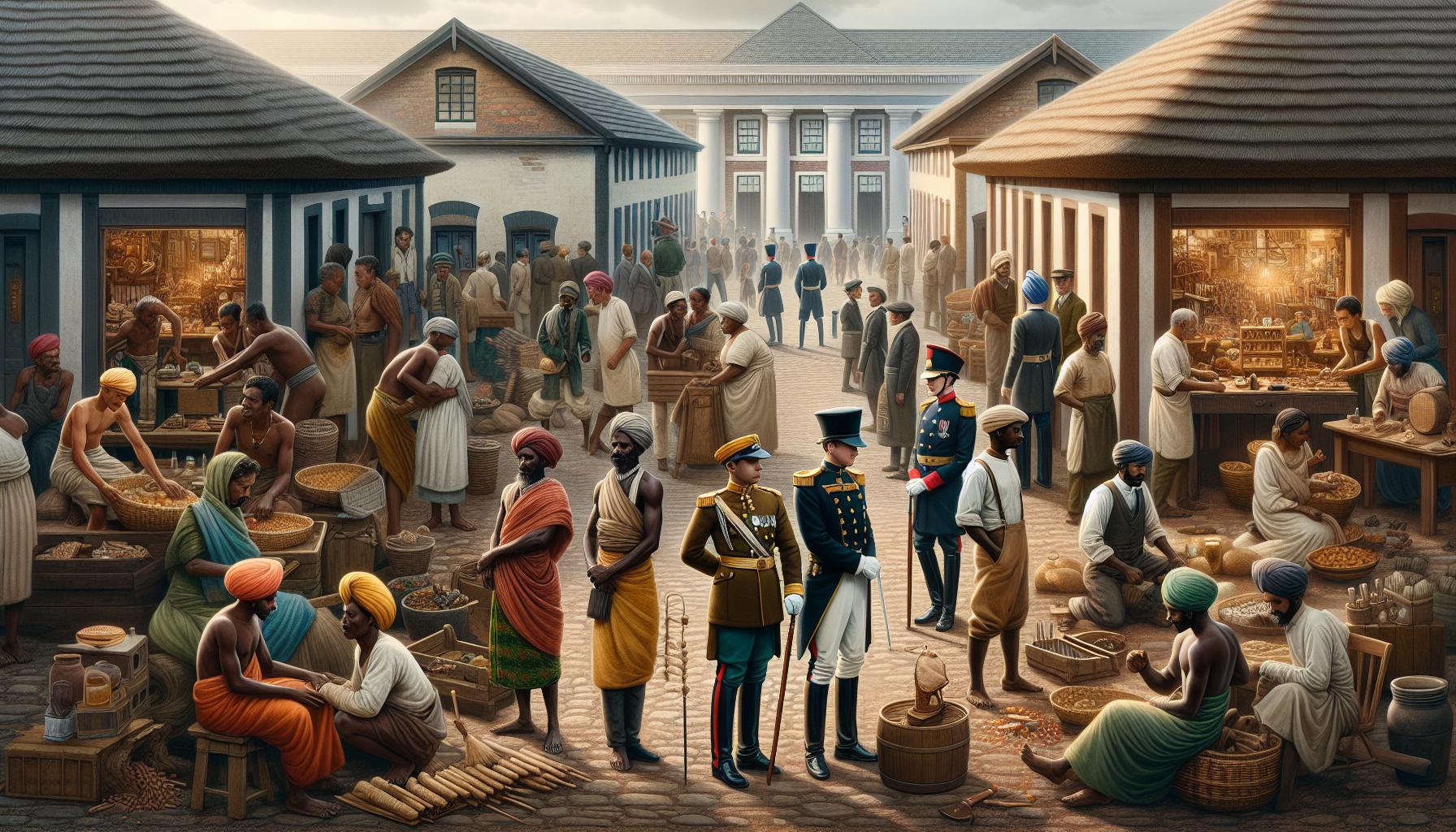
Socioeconomic Changes During Colonial Rule
Throughout the colonial period, Belize underwent notable socioeconomic transformations that significantly shaped its social fabric and economic landscape. Initially, the logging industry drove the economy, with mahogany becoming the prized commodity sought after by British traders. This trade not only influenced wealth distribution but also enticed a diverse array of workers, including European settlers and enslaved Africans, radically altering the demographic profile of the region. The introduction of slavery in the early 18th century facilitated the expansion of vital industries, setting a foundation for both exploitation and cultural exchange that would define Belizean society.
The abolition of slavery in 1838 marked a turning point, ushering in a new era of socioeconomic change. Freed Africans sought land and opportunities, significantly contributing to the labor market while fostering a rich tapestry of cultural identities. Formerly enslaved individuals transformed into small landowners and artisans, driving local economies and fortifying community structures. This period also gave rise to various ethnic groups mingling together, creating a unique Belizean culture that weaves in influences from indigenous peoples, African traditions, and Caribbean customs.
Following the abolition, Belize saw the rise of agriculture, particularly through the establishment of sugar plantations. This shift not only necessitated the importation of additional labor from places like India and China but also diversified the agricultural practices employed throughout the region. Sugar became a major cash crop, leading to economic dependence on this single commodity, while also fostering increasing local and international trade connections. This economic diversification altered the rural landscape, fostering settlements around sugar production that would evolve into key towns and cities.
As Belize progressed through the late 19th and early 20th centuries, these socioeconomic changes laid the groundwork for growing nationalism among the populace. The foundation of various labor and political movements during this period stimulated demands for better working conditions and rights, thereby contributing to the eventual push for self-governance. The ongoing evolution of these social dynamics illustrates not only the resilience of the Belizean people but also the gradual emergence of a national identity deeply rooted in a mix of shared histories and collective aspirations. The colonial epoch’s legacy remains evident today, influencing modern Belize’s rich cultural landscape and dynamic economy.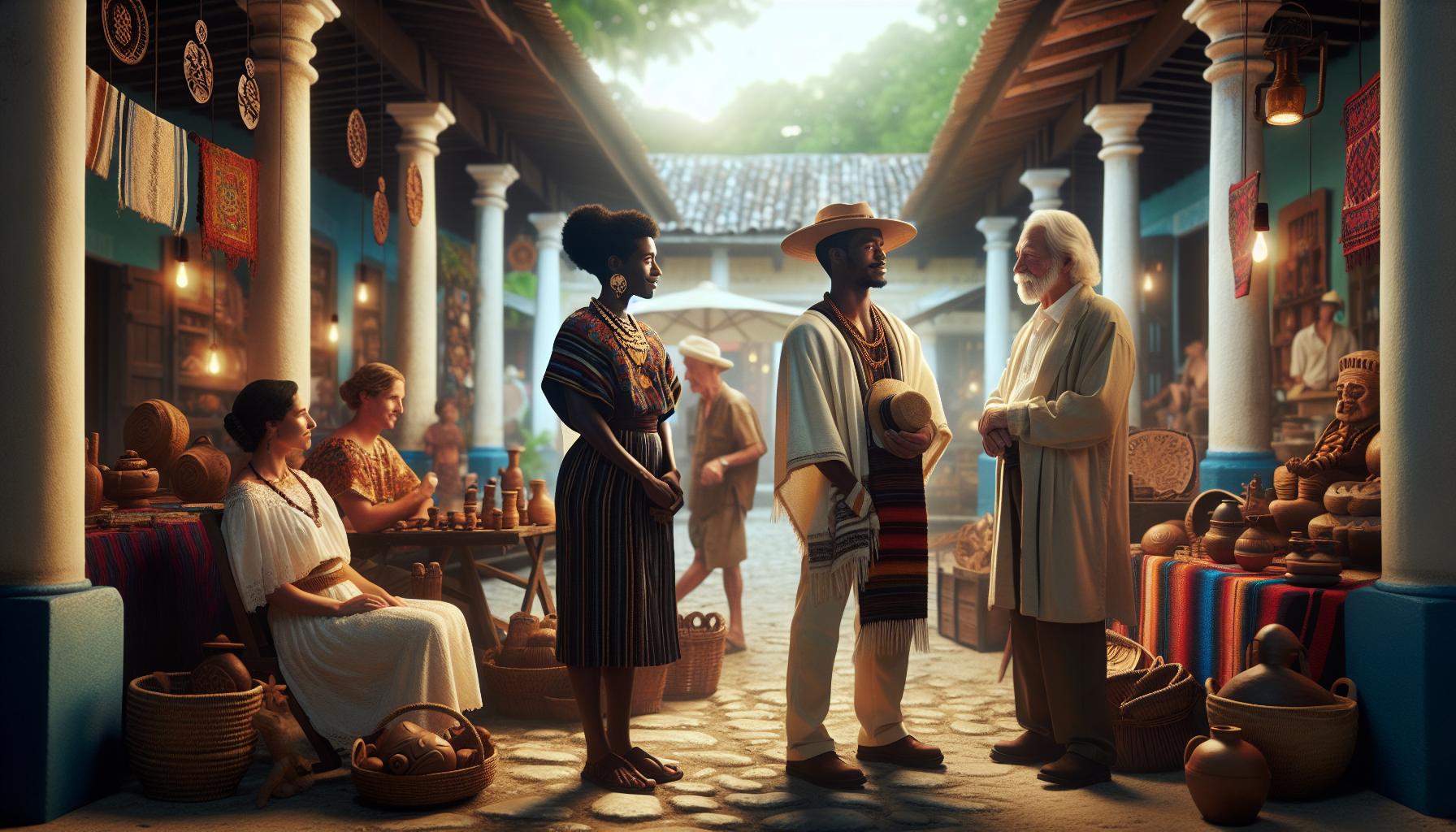
Cultural Fusion: From Colonialism to Modern Belize
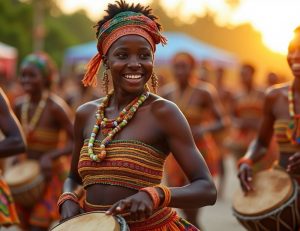
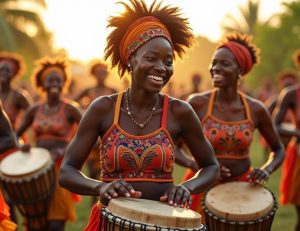
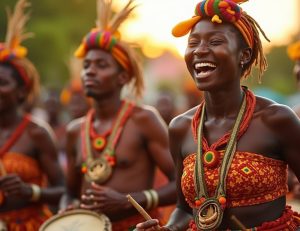
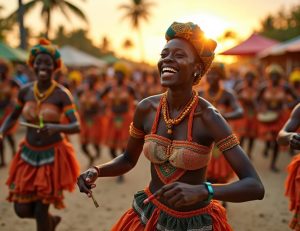
Belize’s rich tapestry of culture reflects a vibrant fusion born from its tumultuous colonial past. From the indigenous Maya and Garifuna to the Creole and Mestizo peoples, this blend of backgrounds has endowed Belize with an extraordinary heritage, characterized by colorful festivals, diverse culinary delights, and unique artistic expressions. One of the hallmark features is the Creole cuisine, which marries African spices and traditions with fresh local ingredients, resulting in dishes like rice and beans and the ever-popular stew chicken. In an exploration of Belize’s culture, one cannot overlook the soulful rhythms of Garifuna music and dance, which echo the resilient spirit of the Afro-Caribbean communities and are celebrated each year during the Garifuna Settlement Day on November 19.
Artisan craftsmanship is another prominent aspect of Belize’s cultural fusion. Handwoven textiles, intricate wood carvings, and beadwork are commonly showcased in local markets, particularly in vibrant towns like San Ignacio and Caye Caulker. These crafts reflect indigenous and European influences, creating unique pieces that resonate with travelers and locals alike. The National Art Gallery in Belize City also highlights the works of various artists who draw inspiration from the country’s multicultural roots, blending modern techniques with traditional themes.
Cultural festivals provide an immersive experience into the heart of Belizean society. Events such as Carnival, typically celebrated in September, see the streets filled with vibrant parades, music, and dance, leading to a collective expression of joy and unity among diverse communities. Other annual festivals like the Maya Day celebrate the ancient heritage of the Maya civilization, showcasing traditional dances, cuisine, and crafts, linking past and present.
For travelers seeking a deeper understanding of Belize’s journey from colonialism to modernity, visiting historic sites is an enriching experience. The Xunantunich and Lamanai ruins not only illustrate the architectural brilliance of the Maya civilization but also serve as poignant reminders of the countries’ cultural evolution. Exploring these sites and engaging with local communities can enhance your appreciation of the ongoing dialogue between Belize’s colonial history and its present cultural identity.
Whether it’s through tasting sumptuous foods, joining in spirited celebrations, or interacting with artisans, every experience in Belize offers a window into a diverse and resilient culture that continues to evolve, captivating the hearts of those who visit.
Historic Sites That Tell Belize’s Colonial Story
Steeped in a rich and tumultuous history, the landscape of Belize is dotted with historic sites that act as time capsules, narrating tales of colonial endeavors and indigenous resilience. These sites invite visitors to step back in time, offering a glimpse into the forces that shaped this captivating Central American nation. Among the most notable, the ruins of ancient Maya cities and remnants of colonial-era structures stand as testaments to the complex interactions between indigenous peoples and European colonizers.
One of the most iconic places to explore is Xunantunich, a stunning Maya archaeological site located on the banks of the Mopan River. Visitors are greeted by the majestic El Castillo, a pyramid that rises over 130 feet, offering panoramic views that speak to both the ingenuity of the Maya and their deep connection to the land. The site is easily accessible from the town of San Ignacio, where travelers can embark on a short trip across the river via a hand-cranked ferry. As you wander through the ancient plazas and admire the intricately carved stone structures, you can almost hear the echoes of the past, a poignant reminder of the advanced civilization that thrived long before the arrival of European powers.
In contrast, Belize City showcases colonial architecture that reflects its once prominent status as the capital during British Honduras. A visit to the Battlefield Park offers insight into the conflict and treaties that paved the way for British influence, while the remnants of fortifications like Fort George let you imagine the military strategies of the time. Not far from here, the St. John’s Cathedral, built by the hands of slaves in the 19th century, stands as a symbol of both the colonial authority and the suffering endured throughout its construction.
Another gem is Lamanai, an extensive site that highlights both Maya and colonial history. Nestled within the lush jungles, this ancient city features one of Belize’s tallest temples, which was still in use during the British colonial period. The intriguing blend of cultures is encapsulated in the Lamanai’s history, where archaeological evidence shows a thriving Maya city alongside European settlements. The journey to Lamanai, often taken by boat along the New River, offers an immersive experience as you traverse diverse wildlife and scenic landscapes, enhancing the adventure.
Exploring these historic sites not only enriches one’s understanding of Belize’s colonial story but also fosters a deeper appreciation for the country’s vibrant cultural heritage. Each visit provides an opportunity to engage with the past, making history not just a subject of study, but a tangible part of the Belizean experience. As you uncover the stories held within these ruins, you connect with a legacy that continues to shape modern Belize, ensuring that the spirit of resilience and cultural diversity remains a vibrant aspect of this beautiful nation.
The Ongoing Impact of Colonial History on Belize Today
The echoes of Belize’s colonial past resonate vividly in its modern identity, shaping everything from its cultural practices to its socio-political landscape. As one traverses this breathtaking country, with its lush jungles and azure coastlines, it becomes evident that the legacy of colonialism is woven into the very fabric of everyday life. The diverse blend of cultures-the Creole, Garifuna, Maya, and Mestizo-offers a rich tapestry that tells stories of resilience, adaptation, and fusion. This cultural melange reflects the historical contexts that carved out Belize’s distinctive identity, highlighting how past influences have molded contemporary social dynamics.
Central to understanding this ongoing impact is recognizing how economic structures set during colonial rule continue to affect Belize today. The legacy of the sugar and logging industries, which were the backbone of British Honduras, has morphed into modern economic challenges. While tourism has emerged as a vital sector, providing employment and fostering local entrepreneurship, the reliance on primary commodities can still draw parallels to historical exploitative practices. Visitors can explore various eco-tourism ventures that not only celebrate Belize’s breathtaking biodiversity but are also rooted in sustainable practices that empower local communities-an important shift from the exploitative colonial past.
Moreover, the historical narrative around colonialism has sparked a vibrant dialogue about heritage and identity among Belizeans. Festivals that celebrate Afro-Caribbean culture, such as the Garifuna Settlement Day, juxtapose historical remembrance with contemporary expressions of cultural pride. Local cuisines, music, and art are steeped in these cultural historical legacies, presenting a unique opportunity for travelers to engage not just with the beauty of the landscape but with the stories that define its people. As you sample traditional dishes like tamales and rice and beans or dance to the infectious rhythms of Punta music, you are partaking in a living history that both acknowledges and transcends colonial constraints.
Understanding the ongoing impact of colonial history on Belize invites visitors to engage more profoundly with the country. By recognizing and respecting this complex heritage, travelers can forge meaningful connections, contribute to community-based initiatives, and help ensure that the vibrant cultures of Belize continue to thrive in a harmonious blend of past and present. Whether exploring ancient Maya ruins or strolling through the colorful streets of Belize City, each moment becomes an opportunity to appreciate the resilience that characterizes Belize, a nation rich in both beauty and history.
Faq
Q: What were the main colonial powers that controlled Belize?
A: Belize was primarily controlled by the British and the Spanish during its colonial history. The British established logging operations in the 17th century, while the Spanish claimed the region earlier. This colonial rivalry shaped Belize’s development and ultimately led to British dominance, with Belize becoming British Honduras in the 19th century.
Q: When did Belize gain its independence from British rule?
A: Belize gained its independence from British rule on September 21, 1981. After a long struggle for self-governance and political stability, Belize officially transitioned from British Honduras to an independent nation, marking a significant turning point in its colonial history.
Q: How did colonialism impact Belize’s indigenous populations?
A: Colonialism drastically affected Belize’s indigenous populations through land dispossession, forced labor, and cultural disruption. Many indigenous people, like the Maya and Garifuna, faced severe population declines and loss of traditional practices due to European colonization and the introduction of new diseases.
Q: What role did sugar plantations play in colonial Belize?
A: Sugar plantations were a crucial aspect of colonial Belize’s economy, driving demand for slave labor and shaping the social structure. These plantations contributed to wealth for colonial powers and transformed the landscape, but they also perpetuated the legacy of slavery in the region.
Q: What was the significance of the Treaty of Versailles for Belize?
A: The Treaty of Versailles, signed in 1783, marked a turning point by establishing boundaries between British Honduras and Spanish territory. It led to the official recognition of British interest in the area, solidifying colonial claims and setting the stage for further expansion of British influence in Belize.
Q: Who were the key figures in Belize’s colonial history?
A: Key figures in Belize’s colonial history include Robert Hawley, a prominent logwood cutter, and several British governors who shaped policies. These individuals played vital roles in the economic development and governance of Belize during its time as a British colony.
Q: What effect did colonial rule have on Belizean culture?
A: Colonial rule had a profound impact on Belizean culture, leading to a rich fusion of Indigenous, African, and European traditions. This cultural blending can be seen in Belize’s music, food, and festivals, reflecting the diverse heritage that emerged from colonial influences.
Q: How has colonial history shaped modern Belize?
A: The legacy of colonial history continues to influence modern Belize through its sociopolitical structures, cultural identities, and economic challenges. Understanding this history is vital for recognizing contemporary issues such as land rights and cultural preservation in Belize today.
To Wrap It Up
As we conclude our exploration of “Who Owned Belize: Colonial History Uncovered,” remember that understanding the complexities of Belize’s past enhances your appreciation of its vibrant culture and stunning landscapes. Dive deeper into Belize’s rich heritage by visiting our articles on the Great Blue Hole and the archaeological wonders of the Maya ruins, or discover practical travel tips tailored for diverse visitors like solo female travelers and the LGBTQ+ community.
Don’t miss out-sign up for our newsletter for the latest insights on Belize travel, eco-tourism opportunities, and cultural celebrations. Join our community and share your thoughts or ask questions in the comments below. Your journey into Belize’s incredible history and natural beauty doesn’t have to end here; explore our extensive resources to empower your next adventure!
Get our latest guides, news, and insights highlighted in your Google Search & AI Overviews.