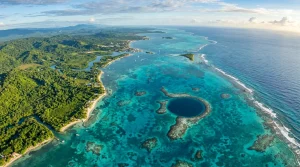
Belize, a stunning jewel of Central America, is more than just its breathtaking beaches and vibrant culture; it has a rich and complex colonial history that shapes its current sovereignty. Understanding “Who Owns Belize?” is essential for appreciating its diverse heritage and the ongoing evolution of its identity. As visitors increasingly explore this enchanting destination, knowledge of its historical context deepens the connection to the land and its people. By delving into the past, you’ll uncover not only the story of colonization and independence but also how these narratives continue to influence contemporary Belizean society and its myriad offerings, from the mesmerizing Great Blue Hole to the ancient Maya ruins. Let’s embark on this journey through time to gain a clearer perspective on Belize’s sovereignty and the essence of its spirit.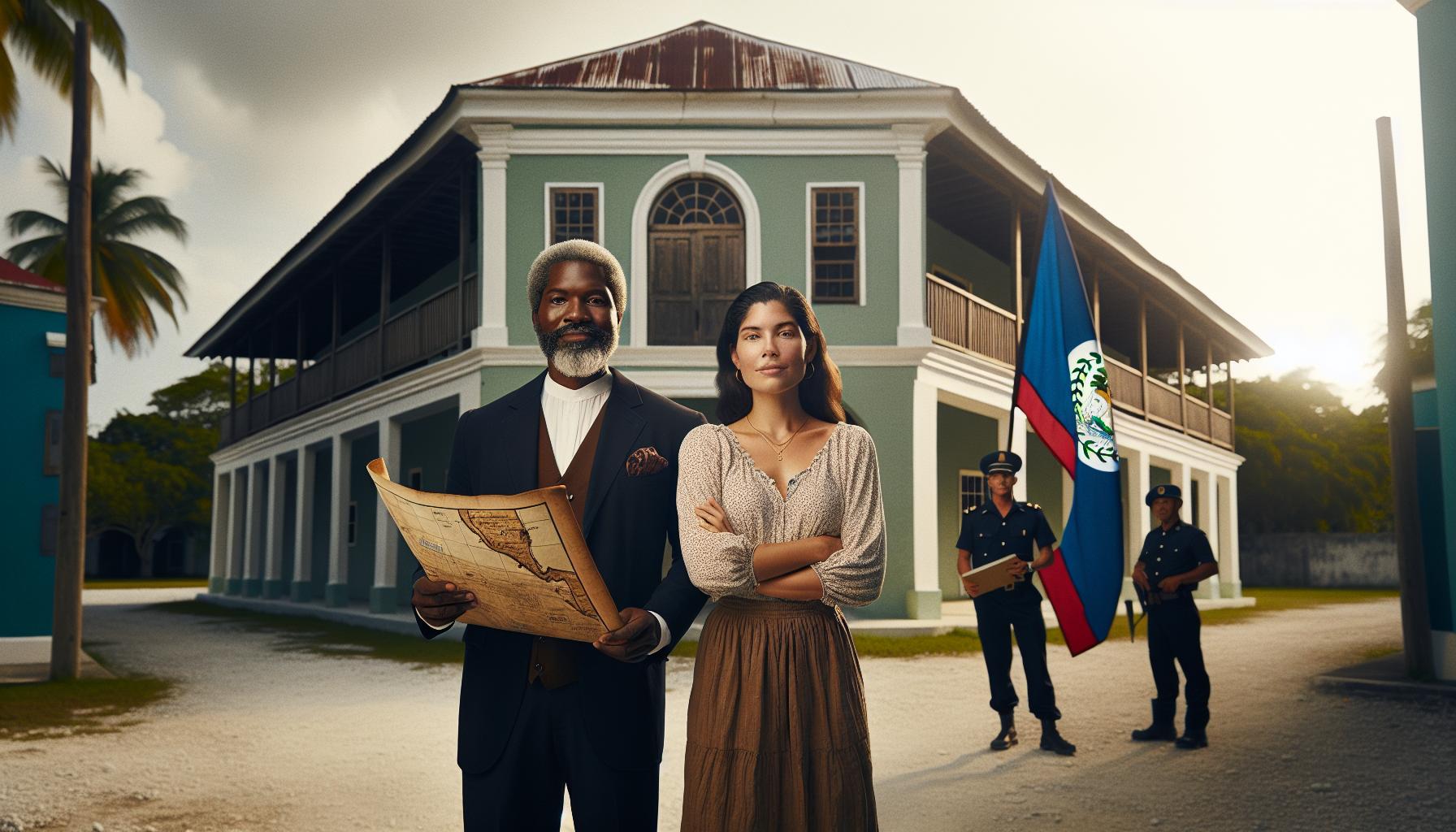
Exploring Belize: Historical Sovereignty and Its Evolution
Steeped in a rich tapestry of history, Belize showcases an extraordinary evolution of sovereignty forged through the crucibles of colonization and cultural resilience. This Central American gem, with its lush jungles and stunning Caribbean coast, serves not only as a paradise for travelers but also as a poignant reminder of its tumultuous past. Originally inhabited by the Maya civilization, which left behind majestic ruins like those at Caracol and Xunantunich, Belize’s narrative shifted dramatically with the arrival of European powers.
In the 17th century, British loggers capitalized on the region’s abundant mahogany, establishing a foothold that would lay the groundwork for colonial rule. This incursion set the stage for centuries of foreign dominance, leading to the establishment of British Honduras. The ensuing struggles for autonomy saw the emergence of a national identity, blending diverse cultures – from the Indigenous Maya and Garifuna to Creole and Mestizo peoples. As colonization persisted, so did the desire for self-determination, culminating in a series of political developments marked by the push for independence.
By 1981, Belize emerged as an independent nation, yet the legacy of its colonial past continues to influence its political landscape and cultural identity. Sovereignty remains a dynamic process, reflecting not only its historical narrative but also the ongoing dialogues about territorial claims, especially related to Guatemala’s longstanding disputes over Belizean territory. Today, Belize’s governance is characterized by a parliamentary democracy that encourages participation from all sectors of society, illustrating the resilience that defines its evolution.
In exploring Belize, visitors encounter a nation rich in biodiversity and cultural heritage, where the echoes of history coexist vibrantly with modern aspirations. From the iconic Great Blue Hole to thriving communities that celebrate their unique traditions, Belize stands as a powerful testament to the enduring spirit of its people, who have navigated the complexities of sovereignty in a world increasingly shaped by globalization. A visit here invites reflection not just on its past, but also on the bright future that lies ahead for this remarkable country.
The Impact of Colonial Powers on Belize
The story of Belize is a vivid tapestry woven with colonial threads that have profoundly shaped its identity and sovereignty. Beginning in the 17th century, when British loggers descended upon the lush jungles of what is now Belize, the country’s fate took a drastic turn. These early entrepreneurs, seeking to exploit the rich mahogany forests, not only established the first British settlements but also laid the foundation for an extensive colonial presence that would endure for centuries. The clashes between the European colonizers and the Indigenous peoples marked the onset of profound transformations-bringing new social hierarchies, economic structures, and cultural exchanges that would alter the Belizean landscape forever.
As British Honduras, Belize was ruled under the shadow of colonial governance, fostering a diverse society that combined British influence with Indigenous and African cultures. The consequences of colonization were multifaceted: while it facilitated the development of a plantation economy reliant on enslaved labor, it also sparked a unique cultural fusion that persists today. Traditional practices from the Garifuna and Creole communities mingled with colonial legacies, giving rise to a vibrant cultural identity expressed through music, dance, and gastronomy. Yet, the road to self-governance was fraught with challenges. The ongoing struggle for independence catalyzed movements that demanded equality and recognition, laying bare the tensions inherent in colonial rule.
The impact of colonial powers extends far beyond the historical record; it continues to shape modern Belize in various ways. The legacies of land dispossession and economic dependency remain touchstones of contemporary discourse on sovereignty and self-determination. Furthermore, the territorial disputes with Guatemala reflect the lingering effects of colonial-era boundaries, underscoring the complexities of national identity and international relations. A profound sense of resilience imbues Belizeans’ fight for cultural and political autonomy, reminding us that the echoes of colonialism still resonate deeply within the country’s quest for self-definition.
Understanding the impact of these colonial powers allows for greater appreciation of Belize’s rich heritage and ongoing evolution. For travelers, this context enhances the exploration of Belize’s stunning landscapes-from the serene allure of the Caribbean coast to the mystical ruins of ancient Mayan cities-each site steeped in stories of resilience against a backdrop of colonial history. Engaging with this dynamic history invites a deeper connection with Belize, encouraging visitors to embrace not only its natural beauty but also the indomitable spirit of its people, who continue to forge their path in the wake of past struggles.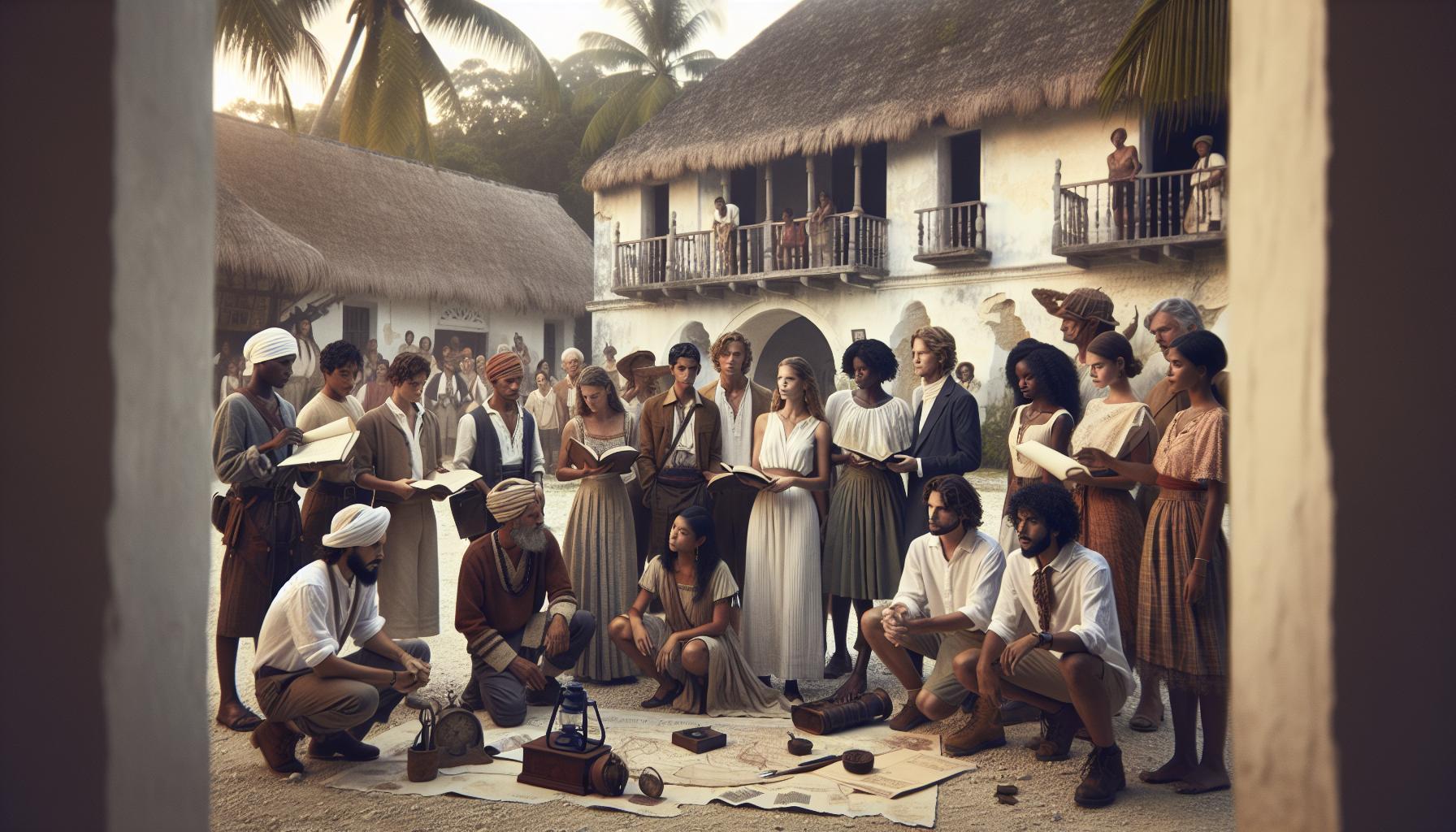
Key Historical Events Shaping Belizean Sovereignty
The journey toward Belizean sovereignty is marked by a series of pivotal events, each contributing to the fabric of the nation’s identity and political landscape. One of the earliest significant milestones occurred in 1862 when Belize was officially declared a British colony, known as British Honduras. This legal recognition formalized British control over the territory, solidifying colonial governance while simultaneously igniting seeds of future independence. The period that followed witnessed growing unrest among the increasingly diverse population, particularly as the blend of Indigenous, African, and European influences began to shape a unique national identity.
A critical turning point came in 1949 with the establishment of the People’s United Party (PUP), an organization that rallied for social justice and labor rights, providing a political platform for the voice of Belizeans who felt marginalized under colonial rule. In 1954, the PUP won its first electoral victory, leading to a gradual shift toward self-governance, setting in motion the decolonization process that would continue to unfold throughout the 1960s. The British Honduras Independence Act of 1981 was the culmination of decades of resistance and advocacy, ushering in full independence for Belize. Celebrated annually, Independence Day on September 21 honors this monumental achievement, encapsulating the nation’s struggle and resilience.
As the country navigated its new sovereignty, it faced immediate challenges that stemmed from historical grievances, such as the long-standing territorial disputes with Guatemala. These claims, rooted in colonial demarcations, serve as reminders of the colonial legacy that still impacts Belizean sovereignty and national unity. Additionally, the impact of economic dependency and globalization continues to resonate today, leading Belizeans to reflect on their cultural identity while asserting their rights on the international stage.
Throughout this journey, the integral role of Indigenous cultures cannot be overstated. The preservation and revitalization of Indigenous traditions and languages have become essential aspects of Belize’s national narrative, promoting inclusivity and a deeper understanding of the country’s rich heritage. The convergence of these historical threads illustrates the complexity of Belize’s identity, inspiring both citizens and visitors alike to appreciate and celebrate a vibrant culture that is firmly rooted in resilience and pride. Exploring Belize-from its pristine beaches and the mystique of ancient Mayan ruins to the rhythms of Garifuna culture-invites travelers to connect not only with the breathtaking landscapes but also with the profound historical journey that has shaped this remarkable nation.
Modern Implications of Belize’s Colonial Legacy
The shadows of Belize’s colonial past are present not only in its landscapes but also in its societal structures and intercultural dynamics. As Belize continues to forge its identity in the post-colonial era, the implications of historical governance can be felt in various aspects of life, including politics, culture, and economy. Recognizing this legacy is crucial for understanding modern Belize and its aspirations for a more equitable future.
One of the most ongoing implications is the persistent demographic and economic disparity stemming from colonial practices. The colonial powers primarily exploited resources and established a socio-economic structure that favored European settlers, leaving Indigenous communities and Afro-Belizeans marginalized. This legacy has contributed to social tensions, with calls for land rights and economic empowerment remaining central to national dialogues. Efforts are being made to address these historical grievances through legislative reforms and community initiatives aimed at promoting inclusivity and social justice, reaffirming Belizeans’ rights to their land and resources.
In the political realm, Belize is navigating a complex post-colonial environment. The impact of a British parliamentary system endures, presenting both advantages and challenges. Political parties, such as the People’s United Party, continue to play vital roles in advocating for the interests of different segments of society. However, debates surrounding governance and representation often reflect deeper issues of equity and historical injustices that Belizeans strive to mend. Moreover, Belize’s territorial disputes with Guatemala, rooted in colonial demarcations, underscore the fragility of sovereignty and the ongoing struggle for national unity. These conflicts hold implications for Belize’s foreign policy and international relations, compelling the nation to balance diplomatic efforts with deeply rooted historical claims.
Culturally, the vibrancy of Belize is marked by the rich intermingling of Indigenous, African, and European influences. Yet, the colonial legacy has left cultural divides that continue to be navigated. Efforts to revitalize indigenous practices and languages spotlight the importance of embracing a multi-ethnic identity that honors the past while looking toward the future. Festivals celebrating Garifuna, Creole, and Maya traditions serve as powerful reminders of resilience and heritage, fostering national pride and unity amidst diversity.
Belize’s post-colonial journey is not merely an exploration of what was lost but also a celebration of what can be achieved. As Belizeans work to reclaim their narrative, the interplay between historical acknowledgment and modern aspirations shapes their national identity. This journey invites travelers to engage not just with Belize’s stunning natural beauty-such as the Great Blue Hole or the lush rainforests-but also with its historical tapestry, weaving a deeper understanding of the land and its people. By exploring this unique blend of past and present, visitors can appreciate the enduring spirit of Belize as it boldly marches into the future, fostering a sense of hope and resilience.
Understanding Territorial Claims and Disputes
Deep within the heart of Central America, Belize’s lush landscapes and vibrant cultures tell a story intricately woven with territorial claims and disputes that have shaped its identity over the centuries. The legacy of colonialism lingered long after independence, particularly regarding the contentious borders that define the nation today. A significant aspect of Belize’s territorial narrative is its ongoing dispute with Guatemala, a neighbor that has long claimed parts of Belizean territory based on borders drawn during colonial times. This historical discontent still reverberates through Belizean society, influencing its political strategies and international relations.
The origins of the territorial dispute date back to the 19th century, stemming from British colonial claims in the region. Following the signing of treaties that outlined the borders, the Guatemala government has periodically reiterated its claim over the entirety of Belize, which it refers to as Belizean territory. This has manifested in various ways, including diplomatic negotiations, legal challenges, and the occasional flare-up in tensions. The importance of the Belize-Guatemala relationship cannot be overstated-it is a delicate balance of diplomacy, nationalism, and historical grievances that requires careful navigation by the Belizean government.
In an effort to resolve this long-standing issue, Belizeans voted in a referendum to take the matter before the International Court of Justice (ICJ). This landmark decision in 2019 illustrated the nation’s commitment to resolving territorial disputes through peaceful and legal means. The ICJ’s ruling will not only shape the borders of Belize but also influence national pride and the collective identity of its people. The outcome of such decisions resonates deeply within local communities, informing their understanding of sovereignty and belonging in a land marked by rich multicultural legacies.
As travelers explore Belize, they have the unique opportunity to witness the intersection of this territorial legacy and cultural vibrancy. From ancient Mayan ruins hidden in the jungle to the serene shores of the Caribbean, Belize’s natural beauty stands resilient amid its complex historical backdrop. Engaging in local traditions, such as celebrating Garifuna culture or tasting Creole cuisine, offers insight into how Belizeans harmonize their diverse heritage while grappling with the implications of territorial claims. Understanding these disputes enhances the travel experience, allowing visitors to appreciate not only the breathtaking landscapes but also the deep-rooted stories of a nation evolving through the echoes of its past.
Examining Belize’s Political Structure and Independence
To truly appreciate the essence of Belize, one must delve into its political structure and the journey to independence that continues to shape the nation today. Emerging from the shadows of colonial rule, Belize became a beacon of democratic aspiration within Central America. The road to self-governance was paved with relentless struggle, from the early days of British colonial rule to the landmark moment on September 21, 1981, when Belize proudly declared its independence.
Belize operates as a parliamentary democracy, which means that its governance is built around a multi-party system and a framework that promotes the involvement of its citizens in political processes. The Constitution of Belize, adopted at independence, established a bicameral legislature made up of the House of Representatives and the Senate. The House of Representatives, comprised of elected members, reflects the voice of the populace, while the Senate, appointed by the Governor-General, provides a layer of representation that includes the interests of various sectors and communities across Belize.
Influence of British Colonial Legacy
The political framework is heavily influenced by its colonial past, where governance was often characterized by a lack of local representation. The aftermath of British colonial administration saw the establishment of political institutions aimed at ensuring a representative governing body. However, the shadows of colonialism continue to loom, offering a complex blend of political stability and challenges. Debates over land use, resource allocation, and cultural representation often reference that colonial history, as the nation seeks to mold a uniquely Belizean identity that respects its diverse heritage of Maya, Garifuna, Creole, and Mestizo cultures.
Belize remains a member of the Commonwealth of Nations, a testament to its historical ties with Britain. This affiliation prompts ongoing diplomatic relationships with other member states, providing Belize with unique opportunities for economic collaboration, educational exchanges, and cultural ties. Understanding the country’s place in this vast network allows visitors to see Belize not only as a destination but as a vibrant participant in the global community.
As travelers navigate this stunning country, they’ll discover that Belize’s political landscape also influences its rich cultural tapestry. Local festivals celebrate everything from colonial history to indigenous heritage, offering visitors an insight into how the nation’s governance affects its traditions and communal spirit. Whether you’re exploring the lush jungles adorned with ancient Mayan ruins or enjoying the vibrant life along the Caribbean coast, Belize’s journey of independence is a story woven deep into its very fabric, inviting explorers to walk through its history while embracing its dynamic present.
In preparing for your journey, consider staying in local accommodations that reflect this unique blend of cultures. From cozy jungle lodges to beachfront family resorts, each stay presents an opportunity to engage with the local narratives of independence and pride. Practical information, such as visa requirements and transportation options, can aid in crafting a seamless adventure. Understanding the complexities of Belize’s political structure not only enriches your travel experience but fosters a deep appreciation for the resilience and spirit of its people.
The Role of Indigenous Cultures in Sovereignty
In the tapestry of Belize’s sovereignty, the threads woven by its indigenous cultures are both rich and vital, representing a history of resilience and a vibrant expression of identity. The country is home to a mosaic of indigenous groups, including the Maya, Garifuna, Creole, and Mestizo populations. Each culture contributes unique traditions, languages, and worldviews that influence various aspects of Belizean life, from governance to economic practices. As one journeys through Belize, the echoes of ancient Maya civilization resonate in the remnants of grand temples, while contemporary Garifuna music invites all to join in celebration.
The Maya civilization, once an epicenter of power and culture in Central America, continues to shape Belize’s national consciousness. The ancient Maya’s sophisticated understanding of agriculture, astronomy, and architecture laid the foundations for much of Belize’s cultural landscape. Today’s Maya communities, proud descendants of this heritage, assert their sovereignty through the recognition of land rights and cultural preservation. The establishment of community-led initiatives, such as eco-tourism in areas like the Cayo District, empowers indigenous peoples to become stewards of their ancestral lands, thereby maintaining cultural practices while promoting sustainable economic activities.
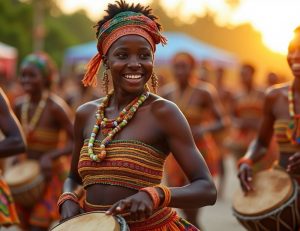
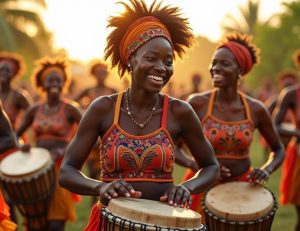
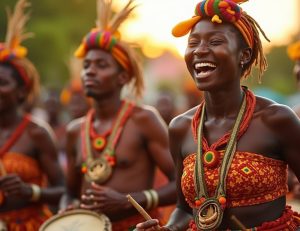
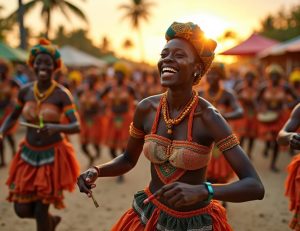
At the same time, the vibrant Garifuna culture, known for its pulsating rhythms and colorful dance, plays an essential role in affirming Belizean identity. celebrated annually during the Garifuna Settlement Day, this festive occasion brings together diverse communities to celebrate the resilience of the Garifuna people. Such cultural events not only showcase traditional music and dance but also foster a sense of belonging and shared heritage among Belizeans, strengthening the collective identity essential for a sovereign nation.
In a contemporary context, the involvement of indigenous cultures in national governance highlights their crucial role in shaping policies related to land use, environmental conservation, and community rights. As the nation grapples with challenges tied to its colonial past, indigenous voices are increasingly heard in discussions about resource management and cultural preservation. This inclusion is pivotal, not only in honoring the history but also in paving the way for a more equitable and inclusive future where sovereignty extends to all who call Belize home.
Travelers eager to connect with Belize’s indigenous cultures can immerse themselves in local traditions by visiting historic sites like the Xunantunich and Caracol ruins, or participating in community-led workshops that teach traditional crafts and practices. Engaging with these cultural narratives enriches the travel experience and supports indigenous communities, fostering an appreciation for the profound impact of these cultures on Belize’s journey toward sovereignty and identity.
International Relations: Belize and Neighboring Countries
Nestled between Mexico and Guatemala, Belize plays a unique role in the regional politics of Central America. Its geographical positioning, rich cultural heritage, and history of colonization influence its international relations, particularly with its immediate neighbors. The ties Belize shares with both countries stem from complex historical legacies, contemporary border disputes, and shared interests in trade, tourism, and environmental conservation.
Belize’s relationship with Mexico is characterized by collaboration and cultural exchange, primarily due to the shared Maya heritage and linguistic affinities. Each year, Belizeans participate in cultural festivals that celebrate this common history, allowing for a vibrant mingling of traditions between the two nations. Both countries cooperate on various matters, including trade agreements that promote economic growth and facilitate tourism, especially along their shared coastal zones. The Belize Barrier Reef, a UNESCO World Heritage site, also serves as a focal point for eco-tourism initiatives that benefit both Belize and Mexico, promoting regional biodiversity conservation efforts.
In contrast, the relationship with Guatemala is marked by historical tensions dating back to colonial times, particularly regarding territorial claims. Guatemala has long asserted claims over Belizean territory, a holdover from its colonial past. However, diplomatic efforts have paved the way for dialogue and peaceful resolution, exemplified by the 2008 agreement to take their dispute to the International Court of Justice. These negotiations reflect both nations’ commitment to maintaining peace, fostering trade opportunities, and enhancing security cooperation against common issues like drug trafficking and organized crime.
Further enriching these international relations are Belize’s efforts to align with larger regional alliances, particularly through membership in organizations such as the Central American Integration System (SICA) and the Caribbean Community (CARICOM). These memberships provide platforms for Belize to strengthen its diplomatic relations and enhance cooperative efforts in areas like disaster preparedness, economic planning, and social development initiatives. Such collaborations are vital, especially as Belize faces challenges posed by climate change and hurricanes, where partnership with neighboring countries can lead to more effective responses.
In summary, Belize’s international relations are a dynamic interplay of cultural connections, trade opportunities, and historical contexts, positioning the country as a significant player in Central America’s collaborative efforts while navigating the complex legacies left by colonial powers. This intricate web of relationships continues to evolve, reflecting Belize’s resilient pursuit of sovereignty and identity on the global stage.
Economic Considerations of Sovereignty in Belize
The heart of Belize beats with a vibrant blend of cultures and an economy that’s intricately tied to its sovereignty and colonial history. As a former British colony, Belize’s economic landscape reflects the long-standing impacts of colonial rule, yet it also showcases a resilience rooted in its unique heritage. Today, the economy is primarily driven by tourism, agriculture, and services, making it essential to understand how these sectors are influenced by the nation’s pursuit of sovereignty and identity.
Tourism is the crown jewel of Belize’s economy, attracting travelers with its stunning natural beauty, including the Great Blue Hole, lush jungles, and ancient Maya ruins. This sector not only generates revenue but also plays a significant role in shaping national pride and cultural identity. By emphasizing eco-tourism and cultural experiences, Belize celebrates its diverse heritage while fostering sustainable practices that protect its unique ecosystems. The income from tourism empowers Belizeans to reclaim their narrative, allowing them to showcase their history and culture on the world stage. As travelers learn about the vibrant Creole, Garifuna, and Maya influences, they enrich their understanding of Belize’s past and present.
Agriculture remains a crucial pillar of Belize’s economy, with products like sugar, bananas, and citrus fruits at the forefront. This sector, too, has been shaped by colonial legacies, and the current push towards sustainable farming practices reflects a broader recognition of the need for economic independence and self-sufficiency. As local farmers and cooperatives advocate for better trade practices and fair prices, they strengthen their economic standing, cultivating a sense of empowerment that resonates deeply with the roots of sovereignty. This shift not only helps preserve land and biodiversity but also builds a resilient economy capable of withstanding global fluctuations.
In tandem with these core sectors, Belize’s government is increasingly leveraging its strategic location and natural resources to enhance its international relations. By fostering partnerships with neighboring countries, Belize aims to navigate trade agreements that benefit its economy while addressing historical grievances related to land and sovereignty disputes. The country’s active membership in regional groups, such as the Caribbean Community (CARICOM), facilitates trade and investment opportunities that support its economic independence and sustainable development goals.
Ultimately, Belize’s economic considerations of sovereignty underscore a broader commitment to cultural preservation and environmental sustainability. As the country continues to develop and engage with the global community, it remains a vibrant fusion of past and present-a place where every visitor has the opportunity to experience its rich heritage while contributing to a future defined by autonomy and resilience.
Cultural Identity and National Pride in Belize
The vibrant cultural tapestry of Belize is woven from a rich history of indigenous traditions, colonial influences, and contemporary expressions that reflect the nation’s journey to sovereignty. As you explore the diverse landscapes of Belize-from the turquoise waters of the Caribbean to the lush jungles and ancient Maya ruins-you’ll discover how deep-rooted cultural identity and strong national pride shape the Belizean experience today.
Belize is home to a mosaic of cultures, including the Garifuna, Creole, Maya, and Mennonite communities, each contributing unique flavors, music, and traditions to the national identity. This cultural diversity is most beautifully showcased during annual festivals such as the Garifuna Settlement Day, where lively parades, traditional drumming, and culinary feasts celebrate the resilience of the Garifuna people. The festival creates a sense of belonging and pride among Belizeans, reinforcing their connection to cultural heritage while inviting visitors to join in the festivities.
Food is another powerful expression of cultural identity in Belize. The simmering pots of chicken recado, the fragrant blend of spices in rice and beans, and the zesty kick of panades (often stuffed with fish) are not just dishes; they are stories that echo the land’s history and the cultural fusion that thrives here. Exploring local markets and trying street food creates an immersive experience that brings travelers closer to Belize’s heart while supporting local communities and artisans.
The arts, particularly music and dance, play a central role in celebrating Belize’s cultural identity. Genres like punta and brukdown not only entertain but narrate the struggles and triumphs of the Belizean people. Artists use their crafts to honor their heritage while addressing contemporary issues, creating a dialogue that resonates deeply within both locals and visitors. Engaging with these art forms offers a glimpse into the soul of Belize, connecting you with its history and vibrant present.
Ultimately, Belize’s cultural identity serves as a powerful reminder of the resilience and creativity of its people. By embracing their past and actively celebrating their heritage, Belizeans cultivate national pride that extends beyond borders, inviting the world to appreciate and share in their unique story. As you journey through this enchanting place, you’ll find that every smile, song, and dish tells a story-a narrative of survival, unity, and a hopeful future grounded in rich cultural roots.
Future Perspectives: Sovereignty and Globalization
The journey of Belize towards maintaining its sovereignty in the face of globalization is both intriguing and complex, shaped by a confluence of historical legacies and modern realities. As a small nation with a rich tapestry of cultures, Belize wrestles with the influences of a globalized economy while striving to preserve its unique identity and traditions. The challenge lies not only in asserting national sovereignty but also in navigating the partnerships and pressures that come with being part of the global community.
In a Caribbean nation where the Great Blue Hole and pristine beaches attract tourists from all over the world, the economic benefits of globalization are undeniable. Tourism is a lifeline for Belize, yet it also brings challenges. The influx of international visitors necessitates a delicate balance between fostering economic growth and protecting the natural and cultural resources that define the Belizean experience. Community-based tourism initiatives, such as those involving local artisans and traditional practices, empower residents to share their culture while ensuring that the profits remain within the community. Emphasizing sustainable tourism can enhance Belize’s appeal without compromising its ecological and cultural integrity.
The influence of social media and digital connectivity also provides opportunities and risks. While platforms like Instagram and Facebook can spotlight Belize’s stunning landscapes and vibrant cultures, they can also lead to overexposure and, subsequently, commercialization. Striking a balance between promoting the nation and preserving its authenticity is crucial as Belize looks to the future. Programs aimed at educating both tourists and locals about sustainable practices can foster a deeper appreciation for the land and its cultures, ensuring that maturity in tourism fosters rather than undermines Belizean sovereignty.
As Belize continues to embrace globalization, the role of education becomes paramount. By incorporating history, culture, and environmental stewardship into educational curricula, Belize can nurture a generation that values its heritage while actively engaging with the global community. This new wave of Belizeans will be vital in shaping a future where sovereignty is not merely a matter of political boundaries but a reflection of a strong and united cultural identity that thrives both locally and on the world stage.
In conclusion, the future of Belize’s sovereignty amidst globalization rests on its ability to celebrate its rich heritage while strategically positioning itself within the global economy. By prioritizing authenticity, sustainability, and education, Belize can cultivate both national pride and international respect, creating a future where its cultural and natural treasures are preserved for generations to come.
Resources for Further Exploration of Belize’s History
To truly appreciate Belize’s journey through history and its quest for sovereignty, several resources can enhance your understanding and enrich your experience. Belize, a small but vibrant nation imbued with rich cultural heritage and breathtaking landscapes, has a unique narrative shaped by its colonial past and resilient spirit. Engaging with this narrative can provide invaluable insights for travelers, students, and expatriates alike.
Books and Literature
Delve into the past with an array of literature that explores Belize’s history. Notable works include:
- The History of Belize in 13 Stories by J. Edward Wright offers a compelling overview of significant historical events that shaped the nation.
- In the Land of the Rain Gods by Charles C. Kauffman presents a narrative interweaving personal experiences with the indigenous cultures of Belize.
- Belize: The Incomplete History by Anna H. L. Roberts gives readers a critical lens through which to view the colonial legacies affecting governance and national identity today.
Documentaries and Film
Visual storytelling can be a powerful medium for experiencing Belize’s history firsthand. Seek out documentaries such as:
- Paradise Lost which examines the tension between development and conservation in Belize.
- The Maya: The Mystery and the Myth explores the ancient Maya civilization, pivotal to Belize’s historical context.
Cultural Events and Museums
Participating in local events and visiting museums can further enhance your understanding of Belize’s history. The Museum of Belize in Belize City showcases a variety of exhibits on the nation’s colonial history and the impact of indigenous cultures. Don’t miss the annual Garifuna Settlement Day on November 19th, recognizing the contributions of the Garifuna people and their historical struggles.
Online Resources and Archives
For those seeking digital exploration, websites such as the Institute of Social Studies and local academic institutions host research articles, archives, and policy papers that provide deeper insights into the socio-political transformations of Belize. Engaging with these resources can offer a contemporary view of how historical legacies continue to affect Belize’s current sovereignty and its stance on international relations.
Combining these resources will not only inform your understanding of who owns Belize but also inspire a profound appreciation for this gem of Central America-its storied past, diverse cultures, and the ongoing journey towards a proudly sovereign nation.
Q&A
Q: What is the historical sovereignty of Belize?
A: Belize’s sovereignty has evolved significantly through its colonial history. Originally part of the British Empire, it became British Honduras in the 19th century and gained self-government in 1964. Belize achieved full independence on September 21, 1981, becoming a sovereign nation.
Q: Who were the colonial powers in Belize?
A: The main colonial power in Belize was Britain, which began logging resources in the area during the 17th century. Spain also exerted influence, claiming Belize as part of its territories, leading to conflicts that shaped Belize’s colonial narrative.
Q: How did colonialism affect the indigenous populations in Belize?
A: Colonialism marginalized indigenous groups, disrupting their cultures and livelihoods. The British primarily exploited resources while the indigenous peoples faced land dispossession and social changes, impacting their traditional ways of life.
Q: What are the key events in Belize’s path to independence?
A: Key events include the establishment of self-government in 1964, mass protests in the 1970s for independence, and negotiations with Britain culminating in Belize’s independence on September 21, 1981, marking the end of colonial rule.
Q: How does Belize’s history impact its current political structure?
A: Belize’s political structure reflects its colonial past, with a parliamentary democracy influenced by British governance. This system includes a House of Representatives and a Senate, underscoring historical ties while promoting local governance.
Q: What role do cultural identities play in Belize’s sovereignty?
A: Cultural identities in Belize, including Creole, Maya, and Garifuna influences, are integral to national pride and self-determination. These identities foster unity and heritage recognition, shaping Belize’s unique cultural landscape.
Q: Are there ongoing territorial disputes involving Belize?
A: Yes, Belize faces territorial disputes with Guatemala, which claims a portion of Belizean territory. These claims date back to colonial times and have led to diplomatic efforts for resolution, impacting Belize’s international relations.
Q: What is the significance of Belize’s independence day?
A: Belize’s Independence Day, celebrated on September 21, commemorates the nation’s transition to sovereignty and reflects national pride. It is a day of cultural festivities, emphasizing unity and the importance of independence from colonial rule.
To Wrap It Up
As we wrap up our exploration of “Who Owns Belize? Sovereignty Facts & Colonial History,” it’s essential to recognize the rich tapestry of cultures and stories that define this beautiful nation. From its colonial past to its vibrant present, understanding Belize’s sovereignty not only deepens your appreciation of its history but also invites you to experience the stunning destinations it has to offer, like the Great Blue Hole and ancient Maya temples.
Ready to dive deeper? Check out our guide on the top ten things to do in Belize for exciting activities that await you, or explore comprehensive accommodation options that suit every budget and preference. Whether you’re planning a family vacation or a solo adventure, we have invaluable resources on travel tips, visa requirements, and cultural experiences that will empower your journey.
Don’t miss out on future insights-subscribe to our newsletter for the latest travel tips and insider information. Let’s keep the conversation going in the comments section below! Your next adventure in Belize is just a click away, so start planning today!
Get our latest guides, news, and insights highlighted in your Google Search & AI Overviews.