The Historical Roots of English in Belize
The journey of English in Belize is deeply intertwined with the country’s colonial past, stretching back to the 17th century when British settlers began to settle in the region. Initially known as British Honduras, Belize became a focal point for logging and trade, primarily for mahogany. The colonial presence established a system of governance and trade that would lay the linguistic groundwork for English to flourish. As British colonists arrived, they brought with them not only their economic pursuits but also their language, which began to take root in the local populace.Over the years, this linguistic dominance was reinforced through education and administration. The British colonial government established schools that predominantly taught English, increasing its penetration into various aspects of daily life. English was not just the language of the elite; it became essential for commerce and governance, shaping a society that increasingly relied on English for interaction across diverse communities. This factor significantly distinguished Belize from its neighbors, where indigenous languages often predominated.Belize’s position as a linguistic melting pot further enriched the English spoken today. The arrival of African slaves, ancient Mayan descendants, and other immigrant populations introduced a variety of languages and dialects into the cultural mix. Phrases and vernacular from Creole, Spanish, and indigenous languages began to blend with English, creating a unique vernacular known today as Belizean Creole. This dynamic evolution showcases how English in Belize is not merely a remnant of colonial rule; it represents a rich tapestry of cultural influences, each weaving its storytelling elements into the everyday language of Belizeans.In modern Belize, English serves as an official language, but its roots are recognized as a part of a larger historical narrative that celebrates resilience and diversity. The coexistence of English with the various indigenous languages and Creole reflects a society that has embraced its multiethnic heritage, while still resonating with echoes of its colonial history. This intricate narrative continues to shape not just the language, but the very identity of Belize itself, affirming the nation’s unique position in the linguistic landscape of Central America.
Colonial Expansion and Its Impact on Language
The emergence of English as a prominent language in Belize is a fascinating tale woven into the fabric of colonial history. Beginning in the 17th century, British settlers arrived in what was then British Honduras, drawn by the region’s rich natural resources, particularly its mahogany forests. This colonial expansion did not merely alter the geography; it transformed the very linguistic landscape of the area. As the British established logging settlements and trade routes, they introduced their language, establishing English as a foundational element within this burgeoning society.English began to permeate various strata of Belizean life, primarily through governance and education. The British colonial administration implemented a system that prioritized English for official matters, ensuring its dominance in commerce, law, and public affairs. Schools were established to instruct the local population in the English language, further embedding it into the cultural framework of Belize. Unlike many Caribbean nations, where indigenous languages largely prevailed, English became the lingua franca, essential for both the elite and the everyday citizen alike-creating a uniform communication channel among the diverse ethnic groups that characterized the nation.The legacy of this linguistic dominance is not simply one of imperial imposition; it’s a complex dialogue between cultures. The arrival of enslaved Africans and immigrant populations brought a variety of languages, resulting in a rich linguistic tapestry. Over time, these influences blended with English, giving rise to Belizean Creole. This dynamic form of communication showcases the adaptability of language-while English provided the structural foundation, the nuances and expressions of Creole reflect the many voices and stories of Belize’s multiethnic heritage. Such cultural intermingling illustrates that language is not just a means of communication but a living archive of shared history and identity.As travelers explore Belize, they can witness the tangible effects of this colonial legacy in everyday conversations, street signs, and local culture. The blend of English, Spanish, and Creole adds to the vibrancy of Belize’s cultural offerings-be it in the rhythms of Garifuna music or the vibrant flavors of Creole cuisine. Whether navigating bustling markets or venturing through serene jungles, understanding the roots of English in Belize provides an enriching context for appreciating this beautiful and culturally diverse nation.The Role of British Honduras in English Development
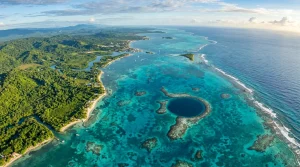
The establishment of British Honduras as a colony in the 17th century marked a pivotal moment in the development of English in Belize, shaping not only the linguistic landscape but also the cultural identity of the region. The influx of British settlers was driven primarily by the economic lure of Belize’s lush mahogany forests, which soon became a highly sought-after export. As the British expanded their logging operations, they brought with them their language, customs, and governance styles, embedding English within the very framework of colonial administration.Colonial Governance and Language Structures Under British rule, English was formalized as the official language of governance, law, and education. The colonial administration implemented a system in which English was the medium of instruction in schools, positioning it as the standard for education and creating an elite class proficient in the language. This structural prioritization meant that English not only became a tool for official communication but also served as a bridge among Belize’s diverse ethnic groups. The necessity of a shared language in a multicultural society made English a practical choice, enabling various groups-including the Mayans, Afro-Belizeans, and Mestizos-to engage in commerce and social interaction.Influence of Trade and Migration As Belize evolved into a hub for trade and maritime activities, English further solidified its role as the lingua franca. The convergence of different cultures within the colonial trade networks led to a unique melting pot of influences, where various languages, including Spanish, Garifuna, and various Caribbean creoles, mingled with English. This linguistic interaction not only enriched the English spoken in Belize but also introduced elements of other languages into everyday communication, creating a distinctive Belizean English influenced by the rhythms of Creole and Indigenous dialects.As travelers journey through this vibrant nation, they witness the indelible impact of this colonial legacy in Belize’s cultural landscape. From the bustling markets of Belize City, where the blend of languages fills the air, to serene villages where traditional storytelling thrives, the echoes of history are palpable. Understanding the role of British Honduras provides not only a deeper appreciation of the English language in Belize but also insight into the dynamic cultural tapestry that makes this destination a rich experience. As you explore the diverse attractions-from the breathtaking Great Blue Hole to the ancient ruins of the Maya-you’ll gain a renewed understanding of how language shapes the narratives of cultures amidst the stunning backdrop of Belize’s natural beauty.Cultural Melting Pot: Linguistic Influences in Belize
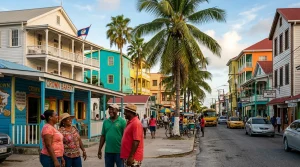
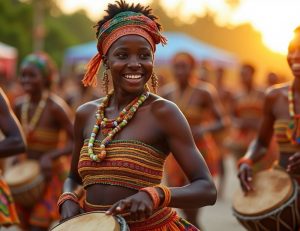
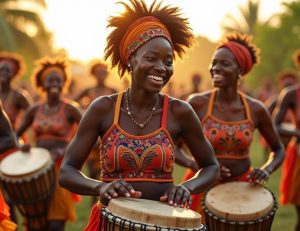
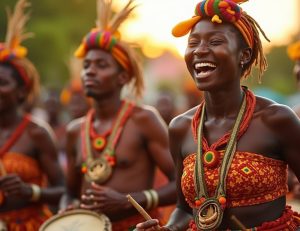
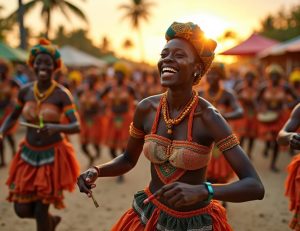
In the sun-kissed landscapes of Belize, where vibrant cultures intertwine, the story of language unfolds like the rich tapestry of the nation itself. Known for its breathtaking Beauty, from the azure waters of the Caribbean to the lush jungles housing ancient Maya ruins, Belize is equally remarkable for its cultural and linguistic diversity. This intersection of influences makes the country a compelling example of how colonial history has shaped not only its identity but also its linguistic dynamics, creating a truly unique cultural melting pot.From the early days of British colonization, English began to dominate as the primary language, yet it was never alone in this journey. The colonial era didn’t erase the indigenous languages and dialects; instead, it facilitated their merger with English, leading to the birth of a distinctive Belizean English. Local languages such as Kriol, Spanish, Garifuna, and various Maya dialects intermingled with English, enriching it while adding local flavor. In the bustling markets of Belize City, for example, visitors can hear a lively mix of English and Kriol, featuring common phrases that exemplify this blend, such as “Wah di gawn?” meaning “What’s going on?” This linguistic cocktail not only reflects the country’s heritage but also underscores the sociolinguistic fabric that allows for seamless communication among Belizeans.Traditional sounds of Garifuna music resonate through coastal towns, where the melodies echo the heritage of African and Caribbean ancestors, enriching the auditory experience of the landscape. The rhythmic beat of the drums becomes a language itself, transcending words as it tells stories of the people. Festivals such as Garifuna Settlement Day celebrate this cultural tapestry, showcasing how the influences of Afro-Caribbean communities meld with the established English framework. Such events allow visitors to participate in the lively spirit of Belize, as locals share vibrant dances and culinary delights that tell their stories.This rich linguistic diversity is not simply a relic of the past but a living, breathing aspect of contemporary Belizean society. Educational institutions strive to honor this interplay of languages, offering programs that promote multilingualism. As the nation embraces its identity, the coexistence of English and other languages lays a foundation for cultural resilience and unity in diversity. Whether it’s the invitation to savor a plate of rice and beans accompanied by chicken stew in a local eatery or joining in a drum circle on the beach, the everyday interactions in Belize epitomize how language functions as both a connector and a celebration of its varied heritage.As you explore, embrace the uniqueness of Belize not just through its landscapes but through its tongue. Engage with locals, ask about their stories, and discover how the beauty of language reflects the heart and soul of this incredible nation.
How Creole and English Coexist in Belizean Society
In the vibrant tapestry of Belize, where the lush jungles meet the sparkling Caribbean waters, the interplay of English and Creole tells a compelling story of identity and culture. English, introduced during British colonization, may be the official language, but it’s Creole-a lively blend of English, African languages, Spanish, and indigenous tongues-that pulses at the heart of everyday communication for many Belizeans. This unique linguistic environment is a testament to the country’s rich multicultural heritage.Within communities, the coexistence of English and Creole reflects not just a practical means of communication but also a deeper cultural resonance. Creole, known locally as Kriol, is often a preferred mode of expression in informal settings, bringing warmth and familiarity to conversations. For instance, a friendly “Wah di gawn?” invites camaraderie and sets a relaxed tone, even when spoken in a predominantly English context. This blend allows citizens to navigate multiple social landscapes seamlessly-whether they’re negotiating in a bustling market or participating in community celebrations.Moreover, the coexistence of these languages has shaped cultural events and artistic expressions in Belize. Festivals like the Garifuna Settlement Day showcase not just Garifuna culture but also emphasize the role of Creole in storytelling and music. Here, the rhythms of drums intertwine with both English and Kriol lyrics, creating a dynamic cultural dialogue that reinforces identity among groups while inviting outsiders to join in the celebration. The multilayered linguistic landscape encourages inclusivity, welcoming diverse visitors to engage with locals in authentic and meaningful ways.Education further solidifies this relationship between English and Creole. In classrooms, children learn primarily in English, making it essential for their academic success, while also being encouraged to appreciate and speak Creole at home. This multifaceted approach not only fosters communication skills but also nurtures a sense of pride in Belize’s linguistic diversity. As a traveler or potential expat, embracing this linguistic duality opens doors to deeper connections with the people of Belize, reflecting a shared history and a promising future.Education and English Proficiency in Contemporary Belize
In a country where the stunning azure waters meet lush jungles, education forms a vital bridge between the rich heritage of Belize and its future. The educational landscape in Belize primarily emphasizes English, the official language, reflecting its colonial roots. Schools across the nation conduct lessons primarily in English, enhancing students’ proficiency and ensuring they are well-equipped for global communication and opportunities. However, this system doesn’t just teach a language; it embodies the multicultural spirit of Belize, where both English and Creole coexist in a vibrant tapestry of expression.Belize’s educational framework aims to foster a bilingual environment. While children learn in English, they are also encouraged to embrace and communicate in Creole at home and within their communities. This dual-language approach not only prepares students for academic success but also instills a sense of pride in their diverse linguistic heritage. Educators recognize the importance of integrating Creole, often seen as a warm and familiar means of communication, into the learning process. By valuing both languages, they provide children with tools to navigate different social contexts and cultural conversations.In contemporary Belize, the focus on English proficiency is evident in various educational initiatives aimed at enhancing language skills among children and adults alike. Programs may include after-school tutoring, language workshops, and community literacy events, specifically designed to improve communication abilities among non-native speakers. Such efforts are crucial as they enable individuals to connect with the global community, pursue higher education opportunities, and bolster local and international career prospects.Understanding the role of English in education allows travelers and potential expats to engage more meaningfully with Belizeans. By recognizing that many locals are bilingual and appreciate interactions in both English and Kriol, visitors can foster deeper connections, enriching their experiences in this beautiful Central American destination. Embracing the linguistic diversity of Belize not only illuminates the impacts of colonial history on contemporary culture but also enhances the visitor experience, making every conversation a doorway to stories and shared histories.The Legacy of Colonialism on Belizean Identity
The vibrant tapestry of Belizean identity is woven with threads of colonial history, cultural diversity, and linguistic evolution, making it a fascinating study of resilience and adaptation. The legacy of British colonialism is a defining element in this story, shaping not only the language spoken but also the social fabric of the nation. From the early days of British Honduras, English emerged as the official language, influencing education, governance, and everyday interactions. This colonial influence left an indelible mark, creating a society where the echoes of the past blend seamlessly with the present.As you explore Belize, you’ll witness how English serves as a unifying medium amidst the multicultural array that characterizes its population. The historical context of English being imposed during colonization contrasts with the local expressions of identity found in the Belizean Creole dialect. This coexistence illustrates the complex relationship between a language inherited from colonial powers and the indigenous voices that have enriched the nation’s narrative. Visitors often find this linguistic duality captivating, as it presents opportunities to engage in conversations that reflect a rich blend of cultures.The legacy of colonialism is also visible in the daily life of Belizeans. From local markets bustling with vibrant crafts to festivities showcasing the country’s diverse heritage, each experience adds depth to your understanding of Belize. For travelers, it’s essential to appreciate the significance of language in this cultural exchange. Engaging with locals in both English and Creole can open doors and foster connections that transcend the typical tourist experience. Embrace this linguistic diversity by learning a few common phrases in Creole-it’s a small effort that often earns warm smiles and invites deeper interactions.In preparation for a visit or even a longer stay, understanding the historical roots that inform contemporary Belizean identity is invaluable. Acknowledging the role of colonialism not only enriches your travel experience but also cultivates a deeper appreciation for the strength and resilience of a nation that now proudly celebrates its unique heritage against the backdrop of its colonial past. As you navigate between stunning destinations like the Great Blue Hole and ancient Maya ruins, you will uncover stories embedded in every corner of Belize, making your journey truly remarkable.Comparing Belize’s Language to Other Caribbean Nations
In the Caribbean, the linguistic landscape is as vibrant and diverse as its cultures, and Belize stands out as a fascinating case study. While English is the official language, it has a unique presence shaped by historical connections and cultural interactions. Unlike many Caribbean nations where English reflects a primarily colonial legacy, Belizean English is interwoven with indigenous languages, Creole, and elements from various immigrant communities, creating a rich tapestry of linguistic variety.A notable characteristic is the prevalence of Creole English, which is widely spoken alongside standard English. This dialect reflects influences from the Arawak and Maya languages, as well as African languages brought by enslaved peoples. The combination results in a distinctive phonetic and lexical structure not found in other Caribbean nations. For instance, while Jamaican Patois and Trinidadian Creole exhibit their own unique forms and vocabulary, Belizean Creole often integrates more directly with standard English phrases, making it somewhat more accessible for English speakers. This coexistence is celebrated in the daily life of Belizeans, where vibrant exchanges can occur between English and Creole, allowing both forms of communication to thrive.When comparing Belize to other territories in the Caribbean, it’s essential to note the role that British colonial history played in shaping language. In former British colonies like Jamaica and Barbados, English has also developed unique dialects and is entrenched in local culture. However, the strong influence of various Indigenous languages in Belize offers a contrast to places like the Dominican Republic or Cuba, where Spanish predominates and influences the dialects. This highlights Belize’s position as a cultural melting pot, with a linguistic blend that reflects the nation’s unique heritage.As you travel through Belize, engaging with the diverse language forms can enhance your experience. Dialects can vary dramatically within regions; for example, coastal areas may showcase a different Creole influence than inland communities. Understanding these nuances enriches your travel, allowing for more profound interactions with locals eager to share their stories. Whether you’re delving into a conversation at a bustling market in Belize City or exploring the serene landscapes of the Cayo District, embracing this multi-layered linguistic culture will undoubtedly deepen your appreciation for Belize’s vibrant identity.Belizean English: Unique Dialects and Variations
Belizean English stands as a fascinating testament to the country’s rich cultural tapestry, where the legacies of colonialism merge with indigenous influences and immigrant languages. This unique blend has resulted in distinctive dialects that are both vibrant and diverse, encapsulating the essence of Belizean identity. While English serves as the official language, the local variants and Creole dialects reflect a history marked by coexistence and adaptation. The various forms of Belizean English draw from the linguistic elements of the Creole, Maya, and Garifuna languages, creating a phonetic and lexical structure unlike any other Caribbean nation.In Belize, you’ll encounter several variations of English that signal the influence of the country’s multicultural roots. Standard English is primarily used in formal settings and education, but it is often infused with local expressions and phrases. This is especially evident in urban centers where English is laced with Creole, making everyday conversations lively and dynamic. For instance, you may hear versions of phrases like “mi deh yah” (I’m here) or “whe you deh?” (where are you?) that highlight the local flavor of Belizean English. Such expressions offer a glimpse into the cultural identity of the people and foster a sense of belonging.As you explore remote villages or the bustling city of Belize City, it’s not uncommon to encounter regions where varying dialects come to life. Coastline communities may exhibit a distinct Creole influence, while areas closer to the Maya ruins will showcase a deeper connection to indigenous languages. This geographical linguistic variation enhances the richness of Belize’s communication landscape, prompting visitors to embrace and adapt to these diverse expressions. Engaging with local residents in their dialect can transform your travel experience, deepening your connection to this enchanting land.Understanding these unique dialects is not only enriching but also crucial for meaningful interactions when navigating Belize’s vibrant culture. While many Belizeans are fluent in both English and Belizean Creole, approaching conversations with an appreciation for local speech can lead to unforgettable exchanges. Whether you’re sharing a meal of rice and beans or dancing to the rhythmic beats of Garifuna music at a festival, the words spoken in this melting pot of linguistic heritage create an unforgettable tapestry that defines Belize.Language Preservation: Efforts and Challenges in Belize
The vibrant tapestry of languages in Belize is an intriguing reflection of its rich history, blending the legacies of colonialism, indigenous cultures, and immigrant communities. Preservation of this linguistic heritage, particularly with regard to English and its variations, is surrounded by both encouraging efforts and notable challenges. English remains a critical element of Belizean identity, serving as the official language and a gateway for educational and economic opportunities. However, maintaining its unique local dialects, along with Creole and indigenous languages, requires active engagement from both the government and the community.One of the most significant efforts to preserve Belizean English and its dialects is seen in the educational system. Schools have implemented dual-language programs that promote not only English but also Creole and local indigenous languages, allowing students to appreciate and maintain their linguistic heritage while gaining proficiency in English. Furthermore, cultural organizations and grassroots initiatives bring attention to the importance of local dialects through workshops, cultural events, and festivals that celebrate Belize’s diverse languages.Despite these efforts, challenges remain. The influence of globalization has led to a shift toward standardization of English, often at the expense of local dialects. This phenomenon can dilute the richness of Belizean English, with younger generations increasingly adopting a more homogenized form of the language, influenced by media and technology. The ongoing struggle is to balance the necessity of a global lingua franca with the importance of preserving the unique expressions that define Belizean identity.Engaging in community dialogue about the value of these linguistic varieties is essential. Residents and visitors alike can play a role in celebrating and preserving these languages by actively using them, participating in cultural activities, and supporting local artists and creators who reflect this rich linguistic heritage in their works. By fostering an environment where all languages are honored, Belize can safeguard its multifaceted identity for generations to come.The Future of English and Other Languages in Belize
The trajectory of English in Belize is as vibrant as the country’s landscapes, interwoven with a rich history that has positioned it as a unifying tongue amidst a multitude of languages. As Belizean society navigates the complexities of modernity and globalization, the future of English, along with Creole and indigenous dialects, stands at a critical crossroads. This evolution reflects not only a response to external cultural pressures but also a deep-rooted desire to maintain a unique linguistic identity that resonates with past generations.Belize’s historical foundation in English stems from its colonial past as British Honduras, leading to the official status of English today. However, this status does not come without challenges, especially in an age of widespread digital communication. Young Belizeans are increasingly influenced by social media and global culture, which can lead to the erosion of local dialects and the adoption of more standardized forms of English. To counter this, local initiatives have sprung up to nurture and celebrate the authenticity of Belizean English. For instance, community organizations, cultural festivals, and educational programs are actively promoting the use of local dialects, fostering a sense of pride in Belize’s linguistic heritage.Moreover, the role of education cannot be overstated in shaping the future landscape of languages in Belize. Many schools are beginning to embrace dual-language curricula that not only prioritize English proficiency but also integrate Creole and indigenous languages into daily learning. This multidimensional approach serves to equip students with the skills needed for a globalized world while simultaneously instilling a strong appreciation for their cultural roots. Special programs often highlight local history and traditions, creating a learning atmosphere that values every unique linguistic contribution.As tourism continues to thrive in Belize, the importance of language preservation gains further significance. Visitors are drawn not just to the stunning vistas and vibrant ecosystems-from the Great Blue Hole to lush jungle enclaves-but to the rich cultural tapestry that includes Creole cuisine, Garifuna music, and annual festivities celebrating Belize’s diverse heritage. Tourists who immerse themselves in local dialogues and traditions can play a crucial role in supporting language preservation efforts. Encouragingly, many travelers now seek out authentic experiences that allow them to interact with local communities, further emphasizing the importance of language in fostering connections across cultures.In this ever-evolving context, Belize stands as a testament to the resilience of its languages. hinges on the commitment of both its citizens and visitors to actively participate in this vibrant cultural narrative. By celebrating linguistic diversity and promoting educational initiatives, Belize can safeguard its rich heritage, ensuring that future generations continue to communicate in a way that honors their history and embraces the future.FAQ
Q: Why is English the official language of Belize? A: English is the official language of Belize due to its colonial history as part of the British Empire. The influence of British colonial rule established English as the primary language for government and education, which has persisted even after independence.Q: How did colonialism affect Belize’s language development? A: Colonialism significantly shaped Belize’s language landscape by introducing English while also influencing local languages like Kriol. This intertwined linguistic heritage reflects British colonization and the diverse cultural communities that evolved in Belize.Q: What other languages are spoken in Belize besides English? A: In addition to English, Belize is home to Kriol, Spanish, Mandarin, and several Mayan languages. This linguistic diversity illustrates the cultural melting pot that Belize represents, stemming from its colonial past and indigenous heritage.Q: How does Belizean Creole differ from standard English? A: Belizean Creole, or Kriol, differs from standard English in both grammar and vocabulary. It incorporates elements from various languages, creating a unique dialect reflective of Belize’s cultural influences and history, especially its African and indigenous roots.Q: What impact does English have on education in Belize? A: English plays a crucial role in Belizean education as the primary language of instruction in schools. This proficiency enhances access to global information and opportunities, aiding students in navigating both local and international contexts.Q: Are there efforts to preserve indigenous languages in Belize? A: Yes, there are ongoing efforts to preserve Belize’s indigenous languages through educational programs and cultural initiatives. These efforts aim to maintain the linguistic heritage of the Maya and Garifuna communities amidst the dominance of English.Q: How does the colonial history of Belize compare with that of other Caribbean nations? A: Belize’s colonial history, primarily as a British settlement, contrasts with countries like Jamaica and Cuba, which were influenced by Spanish and Portuguese colonialism. This divergence has led to differing linguistic outcomes and cultural identities across the region.Q: How does English influence Belizean identity today? A: English influences Belizean identity by serving as a unifying language amid cultural diversity. It reflects the historical ties to British colonialism and plays a vital role in shaping national discourse, governance, and social interactions among different communities.Wrapping Up
Understanding the colonial history of Belize gives crucial context to why English is the primary language spoken today. This unique linguistic landscape not only reflects the island’s past but also enriches its vibrant culture and diverse community. If you’re inspired to learn more about this fascinating destination and its charming blend of Creole heritage, consider exploring our in-depth guides on moving to Belize or the stunning attractions ranging from the Great Blue Hole to the ancient Maya ruins.Don’t miss out on the exciting journey of planning your visit-check out our comprehensive accommodation guides, practical travel tips, and cultural insights to fully experience what Belize has to offer. Join our community and sign up for our newsletter to stay updated on travel tips, cultural events, and exclusive offers. Dive deeper into the heart of Belize, and let your adventure begin!Comprehensive Guide and In-Depth Analysis: Why Does Belize Speak English
When exploring the details surrounding why does belize speak english, understanding the practical, environmental, and cultural dynamics of Belize is essential for making informed travel or investment decisions. Belize stands out in Central America for its English-speaking heritage, British Common Law legal stability, and world-class ecotourism infrastructure.
Whether navigating mainland rainforest corridors, consulting local authorities, or exploring marine conservation zones along the Belize Barrier Reef, having verified, comprehensive information regarding why does belize speak english ensures seamless execution.
| Key Evaluation Pillar | Standards & Conditions in Belize | Actionable Best Practices |
|---|---|---|
| Regional Specifics | Variations between northern districts, central cayes, and southern rainforests | Align plans with specific district infrastructure and seasonal weather |
| Regulatory & Legal Framework | Belize Tourism Board (BTB) regulations and national conservation laws | Always work with licensed local professionals and certified guides |
| Logistics & Practical Costs | Fixed 2:1 BZD-to-USD currency peg; accessible transport via air and water | Plan budget with cash buffer for remote destinations and transfers |
For visitors and residents alike, engaging with why does belize speak english through authorized, sustainable practices contributes directly to local community development and the preservation of Belize’s pristine marine and terrestrial ecosystems.
Frequently Asked Questions: Why Does Belize Speak English
Why is understanding why does belize speak english important for Belize visitors?
It provides essential context for choosing the right regional destinations, understanding local pricing, and ensuring full compliance with environmental and tourism standards.
How do seasonal factors affect why does belize speak english in Belize?
The dry season (December through May) offers calm seas and sunny weather, while the green season brings lower rates and lush jungle scenery.
Get our latest guides, news, and insights highlighted in your Google Search & AI Overviews.